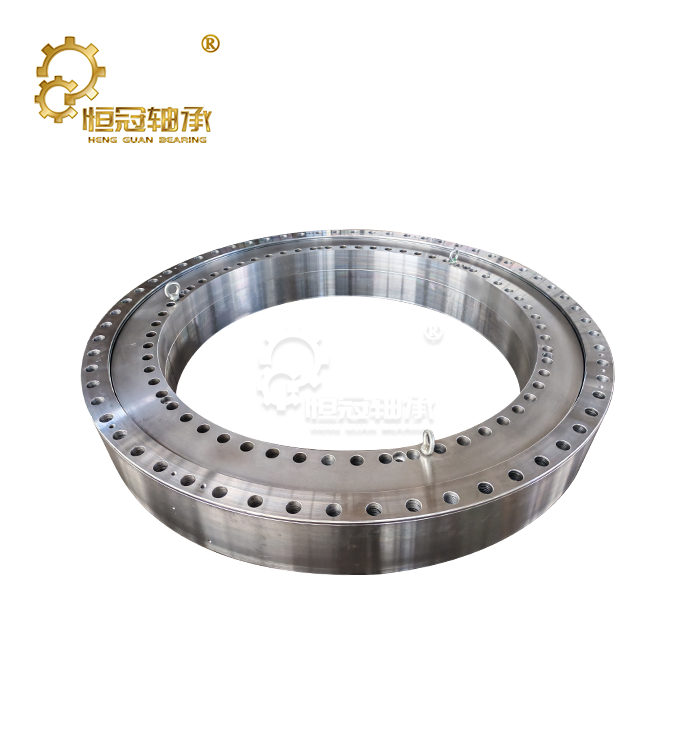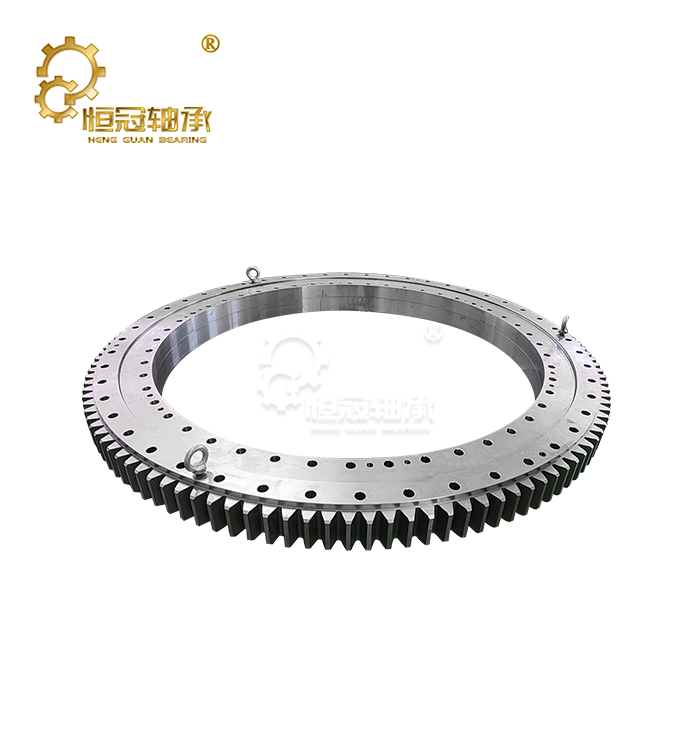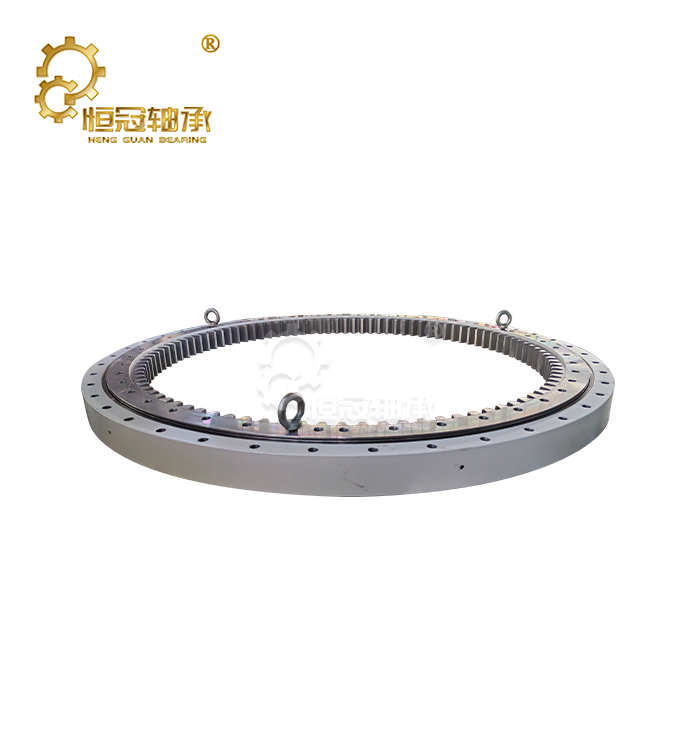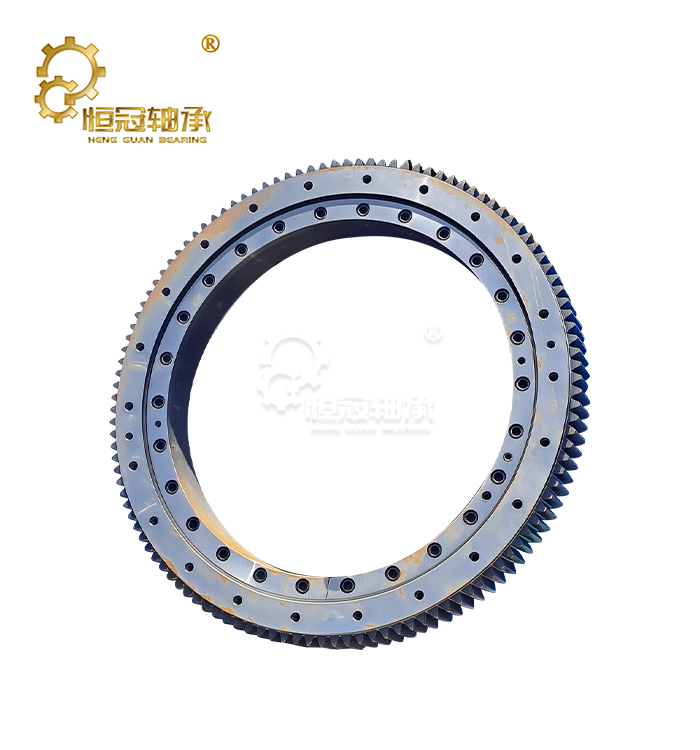




Roller Slewing Rings With Precision Rotation and Rigidity
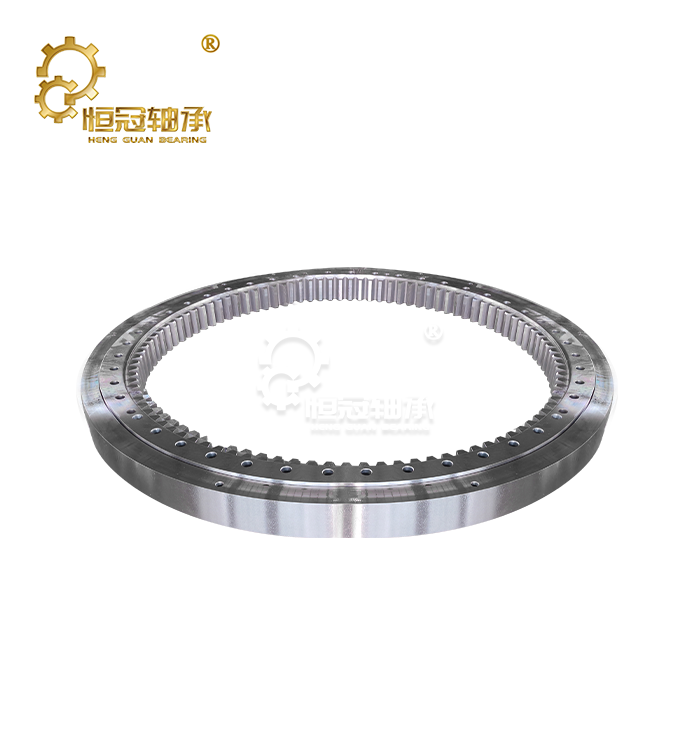
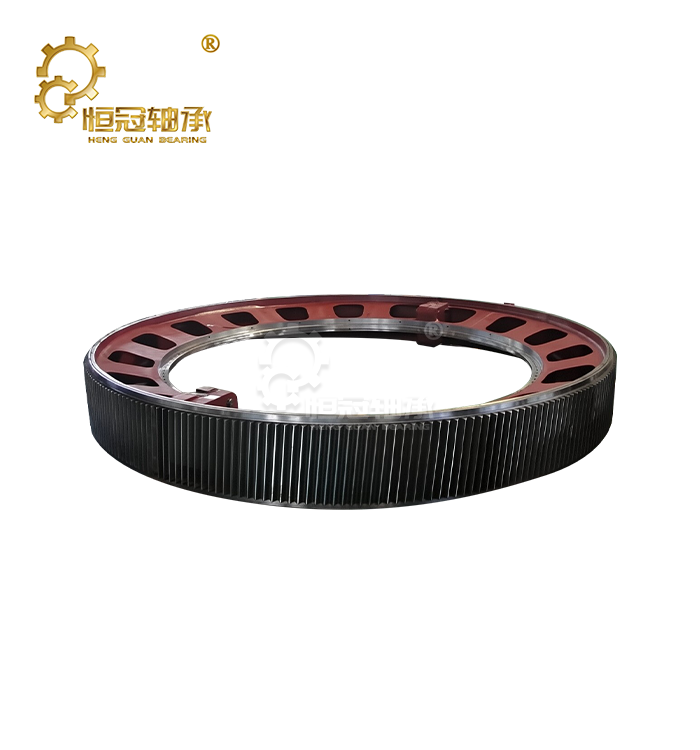
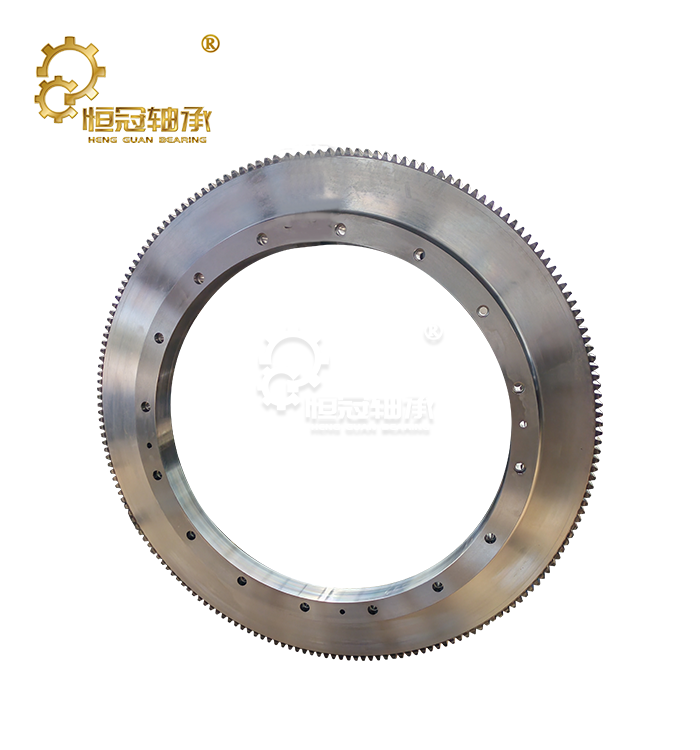
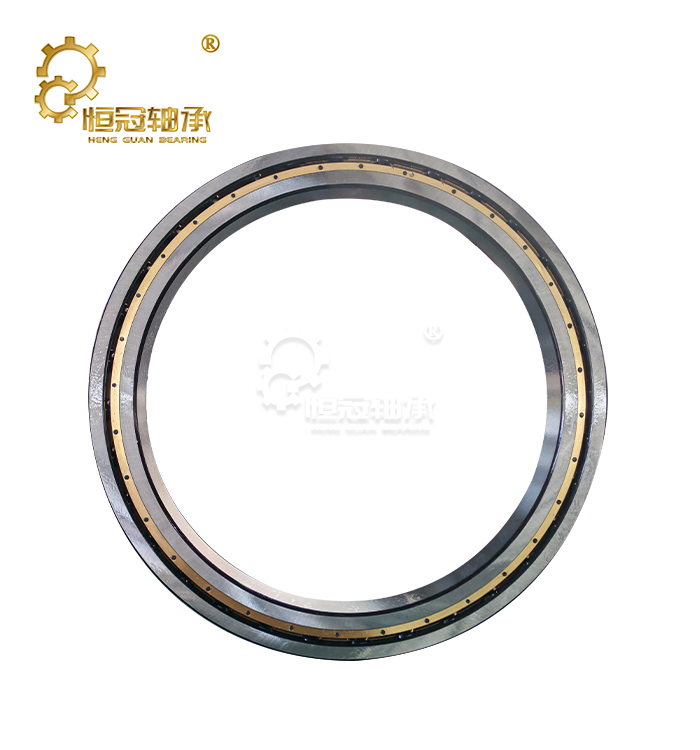
Roller slewing rings are designed for uses that need to be able to hold a lot of weight, rotate precisely, and be very stable. Roller designs use cylinder-shaped or tapered rollers to make line contact, while traditional ball-type slewing bearings depend on point contact between the rolling elements and the raceways. Because the contact area is bigger, the bearing can handle more axial loads, radial loads, and rolling moments while still rotating accurately. These bearings are used in a lot of heavy-duty machines that need to work all the time and be mechanically reliable. Some examples are construction machinery, mining equipment, port handling systems, wind turbines, and industrial automation platforms. Companies can improve the availability of equipment, lower the need for upkeep, and increase the service life of important spinning structures by choosing the right roller design, material standard, and manufacturing quality.Engineers and buying teams can choose solutions that work best for their needs when they understand the design principles, application standards, and selection factors of roller slewing rings.
Understanding Roller Slewing Rings: Design Principles, Structure, and Industrial Applications
The purpose of a roller slewing ring is to transfer combined loads while allowing controlled movement between buildings that are linked. Standard bearings are mostly concerned with rotational speed. Slewing rings, on the other hand, are made to handle complex forces created by heavy machinery, such as axial loads, radial loads, and tilting moments.
There are usually inner and outer rings, moving elements, raceways, cages or gaps, closing systems, and fastening features inside the frame. The bearing's load capacity, rigidity, accuracy, and dependability depend on how these parts are arranged.
Advanced Roller Contact Design for Higher Load Capacity
The main advantage of roller slewing rings comes from their line contact design. Cylindrical rollers create a wider contact area with the raceways compared with the point contact found in ball slewing bearings.
This structural difference provides several performance benefits:
- Higher load distribution efficiency
- Reduced contact stress under heavy loads
- Improved resistance to deformation
- Greater stability during continuous operation
The larger contact surface allows roller bearings to handle demanding working conditions where conventional ball designs may experience higher contact pressure.
For example, in heavy lifting equipment, the bearing must frequently withstand changing loads and overturning moments. The line contact structure helps maintain stable rotation while reducing localized stress concentration.
Roller Materials and Manufacturing Precision Requirements
Material selection directly affects the durability and fatigue resistance of Roller slewing rings. High-quality bearing steels such as GCr15 are commonly used for rollers because they provide excellent hardness, wear resistance, and dimensional stability after heat treatment.
Typical manufacturing considerations include:
- Raceway hardness control
- Roller surface finishing
- Heat treatment consistency
- Dimensional accuracy inspection
For heavy-duty applications, ring materials such as 50Mn and 42CrMo alloy steel are frequently selected because they provide a combination of strength, toughness, and resistance to impact loading.
42CrMo is often preferred for applications involving higher mechanical stress because of its improved strength characteristics, while 50Mn provides a practical balance between performance and cost efficiency for many industrial applications.
Precision grinding and controlled machining processes help maintain accurate raceway geometry. This is especially important because small dimensional deviations can influence load distribution, friction, vibration levels, and overall bearing life.
How Roller Slewing Rings Improve Rigidity and Operational Reliability
Structural rigidity is one of the most important advantages of roller-based slewing solutions. In large rotating equipment, even small amounts of deformation can affect positioning accuracy, operating safety, and component service life.
Roller slewing rings maintain higher stiffness because their rolling elements provide stronger resistance against deformation under combined loading conditions.
Line Contact Technology for Improved Moment Resistance
Heavy machinery often generates overturning moments during operation. Examples include:
- Crane lifting movements
- Excavator rotation cycles
- Wind turbine blade positioning
- Offshore equipment operation
Under these conditions, the bearing must resist tilting forces while maintaining smooth rotation.
The line contact between rollers and raceways provides improved support compared with point-contact designs. This allows the bearing structure to maintain better geometric stability when exposed to heavy external forces.
For applications requiring maximum load capacity within limited installation space, multi-row roller configurations, such as three-row cylindrical roller designs, are commonly selected.
These configurations separate different load directions among multiple roller rows, allowing:
- Higher axial load capacity
- Improved radial support
- Increased overturning moment resistance
Precision Rotation for Demanding Industrial Equipment
Beyond load capacity, rotational accuracy is a critical factor in many modern industrial systems.
Applications such as:
- Automated production equipment
- Precision positioning platforms
- Wind turbine yaw systems
- Large mechanical indexing devices
require smooth and controlled rotation.
Manufacturing accuracy, raceway quality, internal clearance, and lubrication conditions all influence rotational performance.
High-precision machining helps minimize:
- Running deviation
- Vibration
- Uneven load distribution
- Premature wear
As a result, properly manufactured roller slewing rings can provide stable rotation even under demanding operating conditions.
Industrial Applications of Roller Slewing Rings Across Key Sectors
The combination of high load capacity, rigidity, and reliable rotation makes roller slewing rings suitable for industries where equipment performance directly affects productivity and safety.
Heavy Construction and Mining Equipment Applications
Construction and mining machinery operate under some of the most challenging mechanical conditions. Equipment such as excavators, cranes, and material handling machines experiences continuous rotation combined with heavy axial, radial, and moment loads.
In these applications, roller slewing rings provide advantages such as:
- High resistance to shock loading
- Stable operation during long duty cycles
- Improved durability in harsh environments
For example, mining equipment often operates continuously under vibration, dust exposure, and changing material loads. A properly selected roller bearing helps maintain reliable rotation while reducing unexpected downtime.
Wind Turbine and Renewable Energy Applications
Wind turbine systems require bearings that can withstand variable aerodynamic forces while maintaining accurate positioning.
In wind turbines, roller slewing rings are commonly used in:
- Yaw positioning systems
- Blade pitch adjustment mechanisms
The bearing must respond to changing wind conditions while maintaining structural stability.
High rigidity helps control blade positioning accuracy, while precise rotation improves system efficiency and reduces unnecessary mechanical stress.
Because wind turbines are expected to operate for decades with limited maintenance access, bearing reliability is a critical factor in overall energy production performance.
Comparing Roller Slewing Rings with Other Bearing Solutions
Knowing how different types of slewing bearings work in different situations is important for choosing the right one. Many medium-load uses can still use ball slewing bearings, but roller-based designs are better when the equipment needs to handle heavier loads, be more rigid, and be more resistant to harsh working conditions.
The right choice relies on things like the type of load, the need for movement, the room available for fitting, the working conditions, and the projected service life.
Roller Slewing Rings vs. Ball Slewing Bearings: Load and Performance Comparison
The main difference between roller and ball slewing bearings is how the loads are moved through the moving parts.
In ball slewing bearings, the balls and raceways touch each other at a point. The friction is smaller with this design, and it works well in situations with modest loads and stable working conditions.
Line contact is used in roller slewing rings. This makes the contact surface bigger and helps the bearing spread forces more evenly.
Key differences include:
| Performance Factor | Roller Slewing Rings | Ball Slewing Bearings |
|---|---|---|
| Contact Type | Line contact | Point contact |
| Load Capacity | Higher for heavy-duty loads | Suitable for moderate loads |
| Rigidity | Higher resistance to deformation | Lower moment resistance |
| Shock Load Resistance | Better performance under impact loads | More sensitive to overload conditions |
| Typical Applications | Cranes, mining equipment, wind turbines | Light machinery, positioning systems |
For heavy industrial equipment where reliability and load capacity are priorities, roller designs are often the preferred solution.
Material Selection and Durability Under Heavy Operating Conditions
Material quality plays an important role in determining the service life of slewing bearings.
For demanding applications, manufacturers commonly select materials based on:
- Applied load levels
- Impact frequency
- Operating temperature
- Corrosion exposure
- Required service life
High-strength alloy steels such as 42CrMo are often selected for applications requiring superior mechanical strength and fatigue resistance. Materials such as 50Mn provide a practical solution for many industrial applications where balanced performance and cost efficiency are required.
In addition to material selection, proper heat treatment improves:
- Raceway hardness
- Wear resistance
- Fatigue performance
- Structural stability
A combination of suitable materials and controlled manufacturing processes helps roller slewing rings maintain performance under continuous industrial operation.
Procurement Guide: How to Select and Source Roller Slewing Rings
Choosing suitable Roller slewing rings requires more than selecting a standard size from a catalog. Engineers and purchasing teams need to evaluate technical requirements, supplier capabilities, and long-term operating considerations.
A systematic procurement process reduces the risk of incorrect selection and helps achieve better equipment reliability.
Technical Factors to Evaluate Before Purchase
Before purchasing a roller slewing ring, engineers should analyze the complete operating environment.
Important selection factors include:
Load Requirements
The bearing should be evaluated according to:
- Axial loads
- Radial loads
- Overturning moments
- Static and dynamic loading conditions
Applications with frequent load changes or shock impacts require additional consideration because actual operating conditions may exceed average load values.
Speed and Rotation Requirements
Although slewing bearings generally operate at lower speeds than conventional high-speed bearings, rotational requirements still influence design selection.
Engineers should consider:
- Rotation frequency
- Continuous or intermittent operation
- Required positioning accuracy
- Lubrication conditions
The selected bearing should provide sufficient performance without unnecessary oversizing.
Environmental Conditions
Operating environments directly affect bearing configuration.
Factors to evaluate include:
- Dust contamination
- Moisture exposure
- Temperature variation
- Corrosive substances
For outdoor applications such as ports, mining equipment, and wind turbines, effective sealing systems and corrosion-resistant protection are essential.
Choosing Between Standard and Customized Bearing Solutions
Standard roller slewing rings can meet the requirements of many industrial applications. However, specialized equipment may require customized designs.
Customization options may include:
- Special dimensions
- Different mounting hole patterns
- Customized gear designs
- Alternative sealing solutions
- Special material requirements
Customized solutions can provide better compatibility with specific equipment designs, especially when standard bearings cannot achieve the required load capacity or installation conditions.
However, companies should also consider:
- Production lead time
- Minimum order quantity
- Testing requirements
- Long-term supply planning
A balance between technical optimization and procurement efficiency is essential.
Supplier Evaluation and Risk Management for Bearing Procurement
Selecting the right supplier is as important as selecting the correct bearing specification. A reliable manufacturer should provide not only products but also engineering support, quality assurance, and long-term supply stability.
Manufacturing Capability and Quality Control Assessment
When evaluating a supplier, companies should review:
- Manufacturing equipment
- Heat treatment capabilities
- Machining accuracy
- Inspection procedures
- Quality management systems
International quality certifications such as ISO 9001 demonstrate that a manufacturer follows structured quality control processes.
For critical applications, additional evaluation may include:
- Material inspection reports
- Dimensional inspection records
- Load testing documentation
- Traceability systems
These measures help ensure that delivered bearings meet technical requirements and perform reliably in actual operating environments.
Supply Chain Planning and Long-Term Cooperation
For large industrial projects, a stable supply is an important consideration.
Long-term cooperation with a reliable bearing manufacturer can provide advantages such as:
- More predictable delivery schedules
- Technical consultation support
- Faster response to customization requirements
- Better inventory planning
Companies should also evaluate supplier risk by considering:
- Production capacity
- Financial stability
- Backup supply options
- After-sales technical support
A strong supplier relationship helps reduce operational risks and supports future equipment requirements.
Maintenance Practices to Extend Roller Slewing Ring Service Life
Proper maintenance significantly influences the operating life and reliability of Roller slewing rings. Even a high-quality bearing can experience premature failure if lubrication, inspection, or installation conditions are neglected.
A preventive maintenance strategy helps identify potential problems before they result in costly equipment downtime.
Lubrication Management and Routine Inspection
Lubrication is one of the most important factors affecting slewing bearing performance.
A suitable lubrication program should consider:
- Lubricant type
- Operating temperature
- Load conditions
- Working environment
- Maintenance intervals
Regular lubrication helps reduce friction, control temperature, and protect raceway surfaces from excessive wear.
Routine inspections should include:
- Checking seal condition
- Monitoring unusual noise or vibration
- Inspecting mounting bolts
- Reviewing lubrication conditions
- Measuring operating temperature
Early detection of abnormal conditions allows maintenance teams to correct problems before major damage occurs.
Common Failure Causes and Troubleshooting Methods
Understanding common failure modes helps improve maintenance efficiency.
Typical problems include:
Raceway Wear
Possible causes:
- Insufficient lubrication
- Excessive loading
- Contaminated lubricant
Solutions:
- Improve lubrication practices
- Review load conditions
- Replace damaged components when necessary
Seal Damage
Possible causes:
- Harsh environmental exposure
- Aging materials
- Improper installation
Solutions:
- Inspect sealing systems regularly
- Select suitable sealing materials
- Protect bearings from contamination
Mounting Problems
Possible causes:
- Incorrect installation
- Loose mounting bolts
- Structural deformation
Solutions:
- Verify installation procedures
- Check bolt preload
- Monitor equipment alignment
Future Development Trends in Roller Slewing Ring Technology
The development of Roller slewing rings continues to follow major industrial trends toward higher efficiency, smarter maintenance, and improved durability. As equipment becomes larger, more automated, and more demanding, slewing bearing technology is evolving to meet new performance requirements.
Future improvements will focus on advanced materials, precision manufacturing, digital monitoring, and environmentally optimized solutions.
Advanced Materials and Manufacturing Improvements
Material innovation continues to improve the performance limits of heavy-duty slewing bearings.
New alloy compositions, improved heat treatment methods, and advanced surface technologies are helping manufacturers achieve:
- Higher fatigue resistance
- Improved wear protection
- Longer operating life
- Better performance under extreme conditions
Surface treatment technologies, including specialized coatings and advanced hardening processes, can improve raceway durability and reduce friction during operation.
Manufacturing precision is also becoming increasingly important. Modern machining equipment and automated inspection systems allow manufacturers to maintain tighter dimensional control and improve product consistency.
These improvements help roller slewing rings achieve better reliability while reducing maintenance requirements over the equipment lifecycle.
Smart Monitoring and Industry 4.0 Integration
The way that industrial equipment is monitored and maintained is changing because of digital technologies.
Sensors and tracking tools can be built into modern bearing systems to keep an eye on:
- Changes in temperature
- Levels of vibration
- Conditions of load
- Status of lubrication
Companies can switch from traditional scheduled maintenance to condition-based maintenance with real-time monitoring.
This method has a number of benefits:
- Early discovery of problems that might happen
- Less unplanned downtime
- Better planning for repair
- Better supply of tools
Predictive maintenance can cut down on working costs for big pieces of industrial equipment by finding problems before they do a lot of damage.
Frequently Asked Questions About Roller Slewing Rings
What are Roller Slewing Rings used for?
Roller slewing rings are mostly used in heavy-duty spinning machinery that needs to be able to hold a lot of weight, be structurally rigid, and move smoothly.
Examples of common uses are:
- Cranes for building
- Moving dirt
- Tools for mining
- Equipment for ports
- Turbines for wind
- Systems for automating factories
They work best when there are axial loads, radial loads, and rotating moments all at the same time.
Why are roller slewing rings better for heavy loads than ball slewing bearings?
Ball slewing bearings work with point contact, while roller slewing rings work with line contact between the rollers and the raceways.
Because the touch area is bigger, roller designs can:
- Spread the loads around more evenly
- Lessen the stress of contact
- Raise the stiffness
- Deal with tougher working conditions
This makes them good for machines that need to be able to handle big loads and shocks all the time.
How do I choose the correct roller slewing ring size?
To choose the right size, you need to think about:
- Needs for load capacity
- Speed of rotation
- Sizes for installation
- Conditions in the environment
- Time needed for service
To make sure they don't choose a bearing that is too small or too big, engineers should think about both normal operating loads and occasional peak loads.
Working with a maker with a lot of experience can help you make sure that the bearing design you choose fits the needs of your equipment.
Can roller slewing rings be customized?
Yes. There are a lot of companies that make unique solutions for users that need certain sizes or levels of speed.
Some customization choices are:
- Different widths
- Customized arrangements of gears
- Different ways to mount things
- Different materials
- Different ways to seal things
When standard products can't meet specific mechanical needs, customized solutions are often used.
How often should roller slewing rings be maintained?
How often maintenance is done depends on:
- Conditions of operation
- Level of load
- Speed of rotation
- Exposure to the environment
- Needs for lubrication
For performance to stay high, it's important to inspect and lubricate things regularly.
Checks for greasing, seals, and bolts, as well as condition tracking, should all be part of a preventative maintenance program so that problems can be found early.
Conclusion
Roller slewing rings are a reliable option for industrial uses that need precise rotation, a high load capacity, and strong structural rigidity. Because they are made with line contact rollers, they can work well in harsh situations and keep their performance stable in big machinery and important equipment.When it comes to applications with high loads, shocks, and strict reliability requirements, roller designs are much better than traditional ball-type solutions. But getting the best performance relies on choosing the right bearing arrangement, checking the working conditions, and doing regular repairs.Companies can make their equipment more reliable and lower its lifecycle costs by thinking about things like load requirements, materials, manufacturing quality, supplier capabilities, and long-term maintenance planning.
FAQ
1. What are the main advantages of roller slewing rings over ball bearings?
Roller slewing rings can hold more weight because they have a line contact geometry instead of a point contact geometry like ball bearings. This design offers a 40% higher load capacity, higher stiffness, and better protection against shock loading. They also offer more precise spinning when big loads are present and longer service life in tough conditions.
2. How do I determine the correct size and specifications for my application?
To get the right size, you need to look at the axial, radial, and moment loads that will be applied during your working cycle, as well as the surroundings and the level of accuracy that you need. Think about how you want to put it, what gear you need, and how easy it is to do upkeep. Based on the specs of your equipment and how it's being used, our tech team can make suggestions that are tailored to your unique needs.
3. What kind of upkeep is needed to get the best performance?
The most important upkeep task is to lubricate things regularly and according to the manufacturer's instructions. Reliability is maintained by checking the state of the raceways, the soundness of the seals, and the torque on the mounting bolts on a regular basis. Monitoring vibrations and temperatures can give you an early warning of problems that might need your attention.
Partner With Heng Guan for Premium Roller Slewing Ring Solutions
Heng Guan Bearing Technology is a reliable company that makes roller slewing rings. They have over 20 years of technical experience and use advanced manufacturing techniques in Luoyang's well-known bearing production center. Our wide range of products includes sizes from 500mm to 10,000mm and precision grades from P0 to P4. These products meet the needs of many industries, including those in building, mining, wind power, and specialized equipment. Get in touch with our expert team at mia@hgb-bearing.com to talk about your unique bearing needs and find out how our custom engineering solutions and low prices can help your equipment work better and last longer.
References
1. Harris, Tedric A., and Michael N. Kotzalas. "Essential Concepts of Bearing Technology: Rolling Bearing Analysis." CRC Press, 2019.
2. Palmgren, Arvid. "Ball and Roller Bearing Engineering: Third Edition." SKF Industries Inc., 2020.
3. Hamrock, Bernard J., and William J. Anderson. "Rolling-Element Bearings: Handbook of Machine Design." McGraw-Hill Professional, 2018.
4. Eschmann, Paul und Ludwig Hasbargen. "Ball and Roller Bearings: Theory, Design and Application." John Wiley & Sons, 2021.
5. Stribeck, Richard. "Characteristics of Plain and Rolling Bearings: Industrial Applications and Design Principles." Springer International Publishing, 2019.
6. Zhou, Rui-Sheng, and Michael M. Khonsari. "Tribology of Rolling-Element Bearings: Fundamentals and Advanced Concepts." ASME Press, 2020.

WHAT OUR CUSTOMERS SAY
Here is the customer's evaluation of us