



Are Slew Bearings Critical for Wind Turbines?
Slew bearing technology is an important part of modern wind turbines because it allows precise control of rotation and management of load across various turbine systems. These special bearings are designed to handle the complex, multidirectional forces that come from wind loads. They provide important support for yaw positioning, blade pitch control, and main Shaft rotation, all of which have a direct effect on how well wind energy systems generate power and how reliably they work.

Understanding Slew Bearings in Wind Turbine Applications
What Are Slew Bearings and How Do They Function in Wind Turbines?
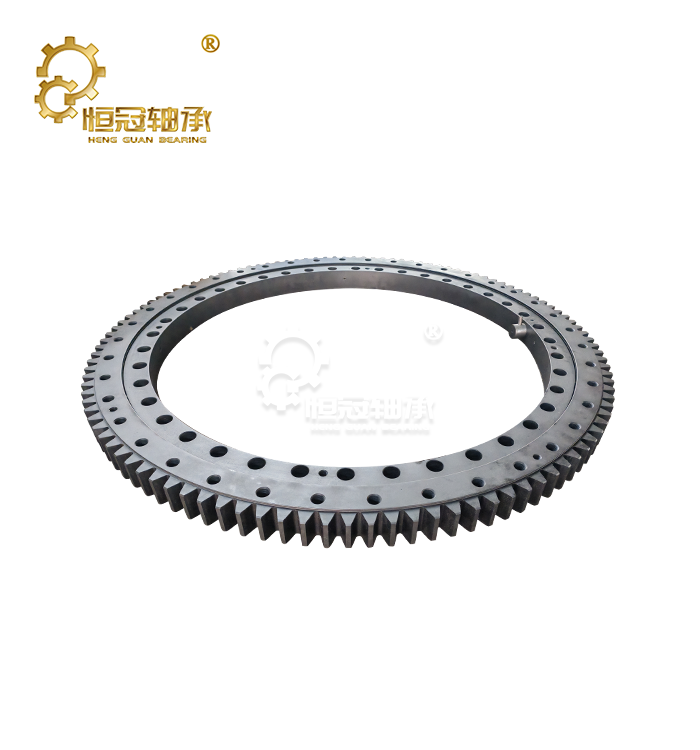
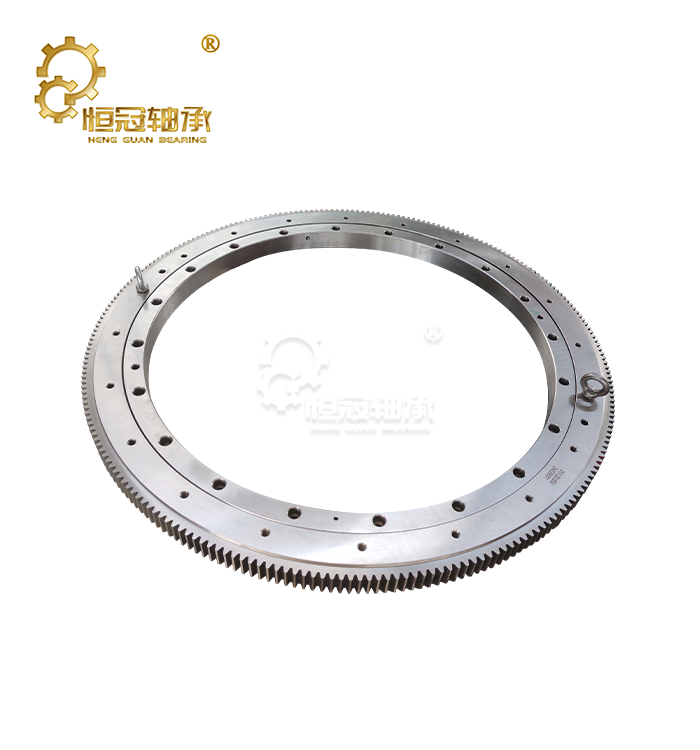
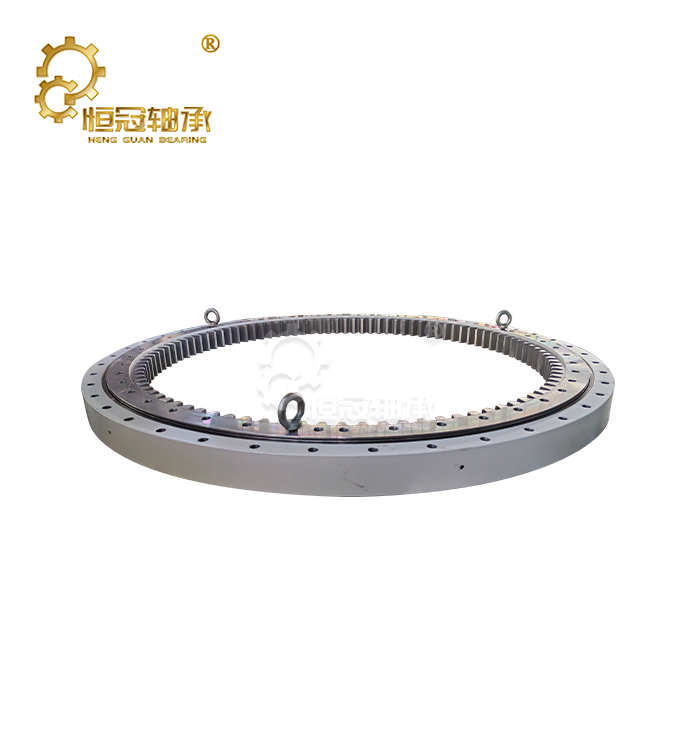
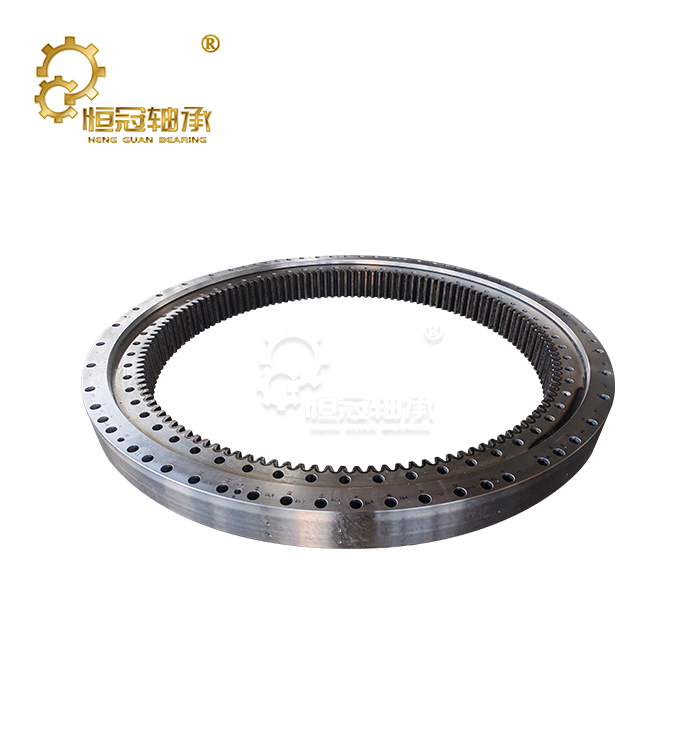
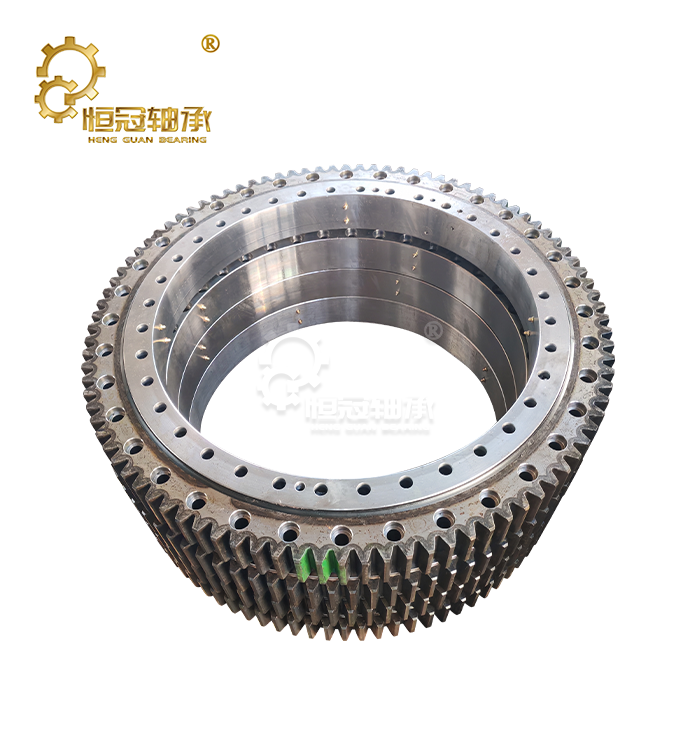
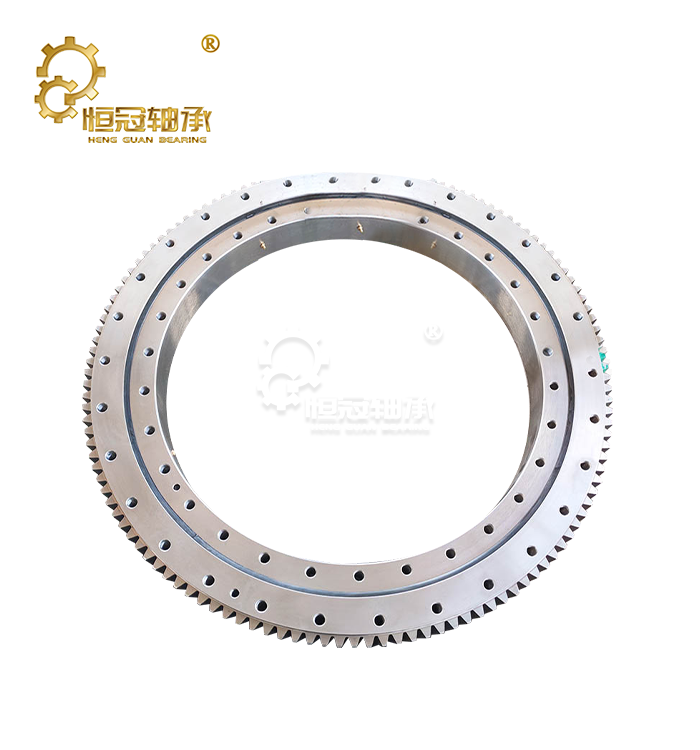
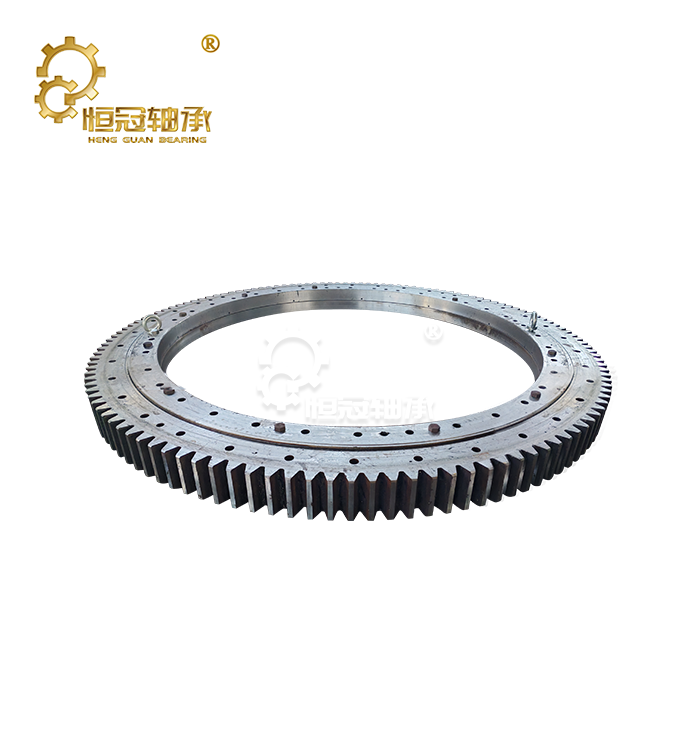
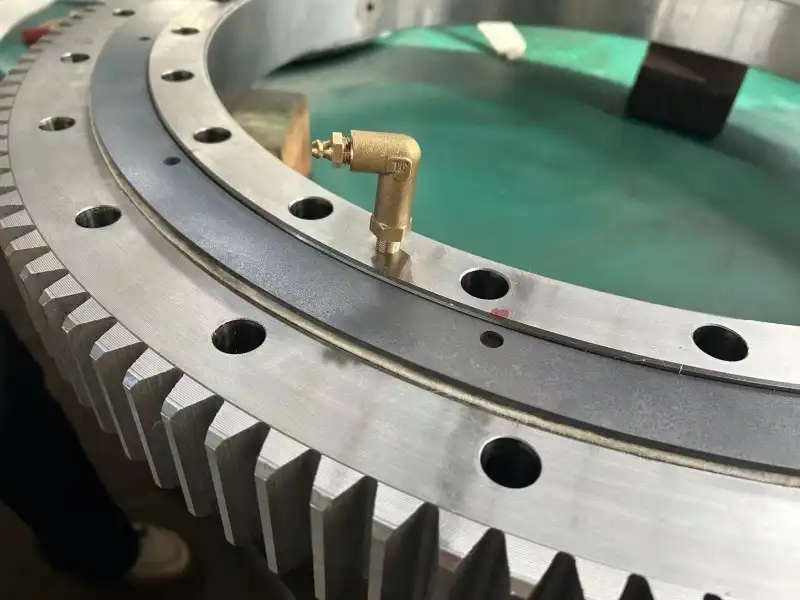
In wind turbines, slew bearings are large-diameter rotational interfaces that are made to handle axial, radial, and moment loads all at the same time while still allowing for exact positioning. Unlike regular rolling bearings, these special parts are made to work with wind energy systems that need to keep rotating under changing loads for the best performance. The basic design includes several rows of rolling elements packed into a small space. This lets wind turbines handle the big forces that come from wind pressure, blade movement, and nacelle positioning needs. Modern wind turbine slewing rings usually have built-in gear systems that both support the bearings and transmit the power inside a single part.
Key Components and Working Principles of Wind Turbine Slew Bearings
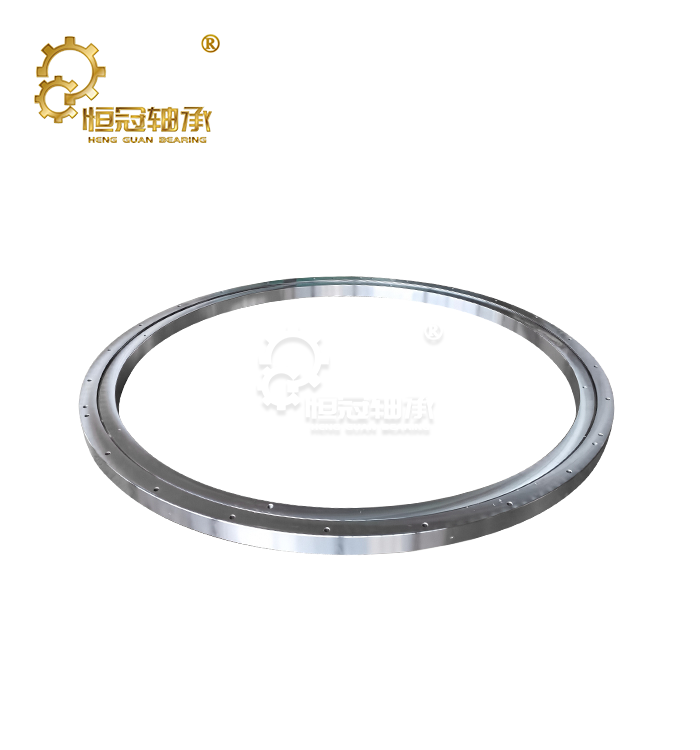
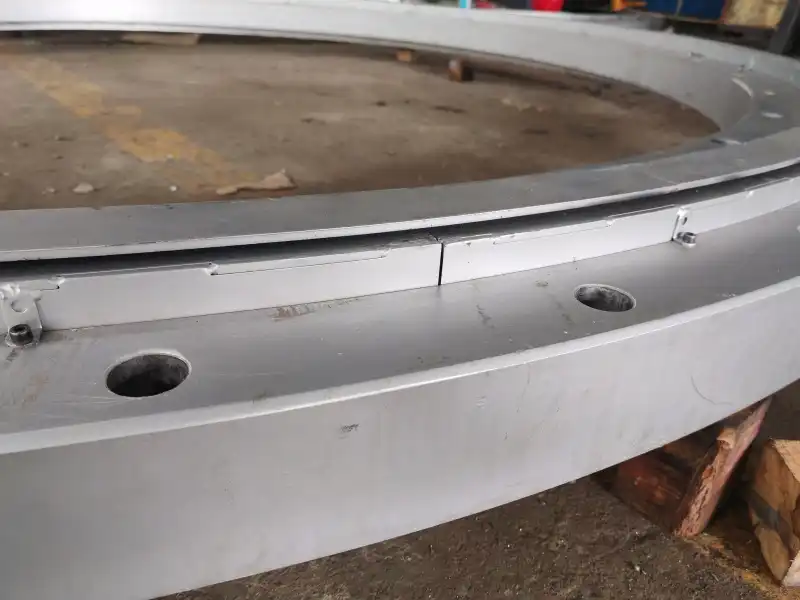
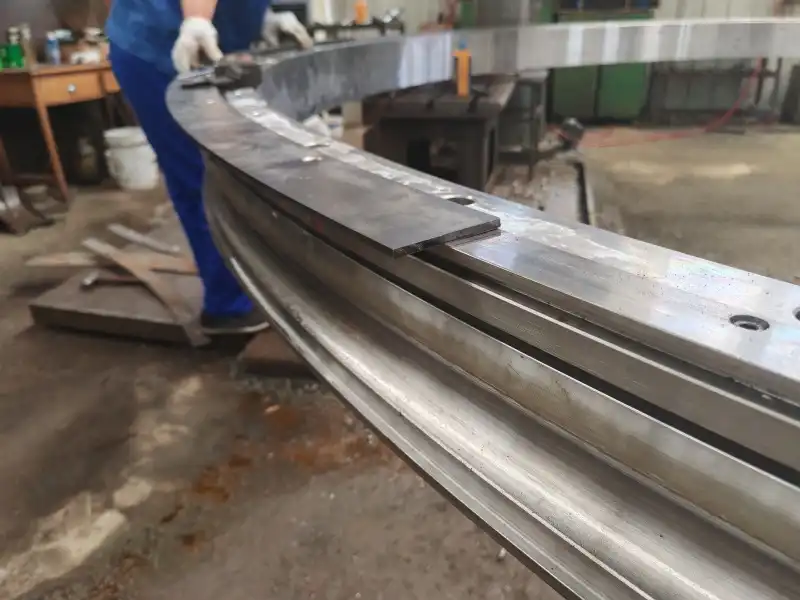
Slew bearings for wind turbines are made up of an inner ring and an outer ring. The raceways inside the rings are carefully machined so that they can fit either ball or roller elements, based on the needs of the application. The bearing assembly has strong sealing systems that keep out dirt and keep the lubrication going even in harsh environments. The bearings work by rolling back and forth between the raceways and elements, spreading the load across many contact points to get the most load capacity with the least amount of friction. Advanced sealing technologies keep the inside parts safe from water, dirt, and other things that can be found in wind farms. Triple-row roller configurations are great for heavy-duty jobs because they separate axial and radial load paths to get the best performance in a range of operational conditions. This way of designing makes sure that the bearings work the same way under all the different loads that wind turbines face.
Types of Slew Bearings Used in Wind Energy Systems
Depending on the load and operational needs, wind energy uses a number of different types of bearing configurations. Cross-roller bearings are great for yaw systems that need to keep the nacelle in place against strong wind forces because they have a high rigidity and moment load capacity. Single-row four-point contact ball bearings are small and can be used in pitch control systems where space is limited and precise positioning is important. Three-row roller bearings can handle the most weight for main shaft applications that need strong support systems for heavy radial and thrust loads. Ball and roller combination structures work best because they use each element type for its own unique load-handling strengths. This makes bearing systems that work well in a variety of load conditions at the same time. Choose from materials like 50Mn, 42CrMo, and S48C steel grades to make sure they last in the harsh conditions that are common in wind turbine settings.
The Critical Role of Slew Bearings in Wind Turbine Performance
Yaw System Bearing Requirements and Load Management
Wind turbines use yaw system bearings to stay oriented in the best way for the wind, despite the huge moment loads that come from the weight of the nacelle, the push of the rotor, and the gyroscopic forces that happen when the turbine is turning. These bearings have to be able to handle slow, intermittent rotation while also supporting heavy loads when they are in one place for a long time. In large turbines, the bearing system has to handle tilting moments that can be over several million Newton-meters, which requires special internal geometry and load distribution skills. Choosing the right yaw bearings has a direct effect on how often the turbine is available and how much it costs to maintain. If a bearing fails, it can mean longer downtime and more complicated replacement procedures. Advanced load management strategies use bearing designs that spread forces across multiple load paths, stopping stress concentrations that could cause failure before they should. Temperature changes, gusts of wind, and earthquakes are some of the environmental factors that affect the bearing load needs and selection criteria.
Pitch Control Bearing Functions and Operational Demands
Pitch control bearings let you change the angle of each blade to control power and load, even when the load changes direction often and the motor is running continuously. These bearings are subject to a lot of different loads, such as centrifugal forces, aerodynamic loads, Slew bearing, and gravitational effects that change all the time while the turbine is running. The bearing system has to stay precisely in place to make sure that the blades are at the best angles for making power and keeping the turbine safe when there is a lot of wind. The performance of the pitch bearings directly impacts the turbine's power output, structural loads, and overall system reliability over the course of its operational life. Modern pitch bearings use advanced sealing and lubrication systems to ensure reliable operation even in the harsh conditions found at hub height, where temperature and humidity changes and contamination are common.
Main Shaft Bearing Systems and Power Generation Efficiency
The main shaft bearings hold up the rotor assembly and can handle the complex loads that come from wind forces, the weight of the rotor, and the machine's movement while it's running. These bearings make it possible for power to flow smoothly from the rotor to the generator system, with as little friction loss as possible. The bearing configuration has to be able to handle large radial loads from the weight of the rotor and thrust loads from wind pressure, as well as thermal cycles of expansion and contraction. The performance characteristics of the bearings directly affect the generator's alignment, the level of vibration, and how well the power is transmitted throughout the turbine's operational range. Modern bearing designs distribute loads efficiently and reduce friction to increase power generation efficiency while ensuring long-term dependability in the variable operating conditions common in wind energy applications.
Impact on Overall Turbine Reliability and Uptime
Slew bearing reliability has a big effect on the economy of a wind farm because it affects how many turbines are available and how much they cost to maintain. Due to the complicated replacement process needed for large wind turbine bearings, failures can cause long periods of downtime. Choosing the right bearings and keeping them in good shape can help reach target availability rates above 95%, which ensures the best return on investments in wind farms. Predictive maintenance strategies that minimise unplanned downtime and optimise maintenance scheduling are made possible by bearing condition monitoring systems. The economic impact of bearing performance goes beyond direct maintenance costs to include lost power generation revenue during downtime periods. This makes bearing reliability a key factor in wind farms' ability to make money.
Technical Specifications and Design Considerations for Wind Turbine Slew Bearings
Load Capacity Requirements for Offshore and Onshore Applications
Offshore wind turbine bearings face enhanced environmental challenges, including salt spray corrosion, higher wind loads, and limited maintenance accessibility that influence design requirements and material selections. These applications demand superior corrosion resistance through specialized coatings and sealing systems that ensure long-term reliability in marine environments. Load capacity requirements vary significantly between onshore and offshore installations, with offshore turbines typically experiencing higher dynamic loads due to wind and wave interactions. Bearing designs must accommodate these enhanced loads while maintaining the extended service intervals required for offshore applications where maintenance accessibility is limited. Precision class requirements range from P6 for standard applications to P4 for high-precision installations where positioning accuracy is critical for optimal performance. Load capacity calculations must consider peak loads during extreme weather events as well as fatigue loading from continuous operation under variable conditions.
Material Standards and Environmental Resistance Properties
Material selection for wind turbine bearings involves specialized? Slew bearing steel grades that provide optimal combinations of strength, fatigue resistance, and environmental durability. Standard materials, including 42CrMo and 17Mn, offer proven performance characteristics for demanding wind energy applications. Surface treatments and coatings enhance corrosion resistance and extend bearing life in challenging environments. Specialized heat treatment processes optimize material properties for the specific load and environmental conditions encountered in wind turbine applications. Environmental resistance properties must address temperature variations, moisture exposure, and contamination ingress while maintaining dimensional stability and load capacity throughout the bearing's operational life.
Precision Class Definitions and Mounting Specifications
Precision class definitions establish dimensional accuracy requirements that ensure proper bearing performance and compatibility with turbine mounting systems. P0, P6, P5, and P4 accuracy grades provide increasing levels of dimensional precision based on specific application requirements. Mounting specifications address bolt patterns, installation procedures, and interface requirements that ensure proper load distribution and bearing alignment. Torque specifications and installation sequences are critical for achieving optimal bearing performance and preventing installation-related issues. Flange designs and mounting interfaces must accommodate thermal expansion, structural deflections, and assembly tolerances while maintaining precise bearing positioning throughout the turbine's operational life.
Sealing Solutions and Lubrication Requirements for Extended Service Life
Sealing systems protect bearing internals from contamination while retaining lubrication under the demanding conditions encountered in wind turbine applications. Advanced seal designs accommodate the large diameters and slow rotational speeds typical of wind turbine bearings. Lubrication systems must provide reliable protection throughout extended service intervals, with grease formulations specifically designed for wind turbine bearing applications. Lubrication access and replenishment procedures are designed to minimize maintenance complexity while ensuring adequate bearing protection. Service life optimization requires careful consideration of sealing effectiveness, lubrication quality, and environmental protection to achieve the 20-year design life typical of wind turbine installations.
|
|
|
Common Slew Bearing Challenges in Wind Turbine Operations
Typical Failure Modes and Root Cause Analysis
Wind turbine bearing failures commonly result from inadequate lubrication, contamination ingress, or improper installation procedures that create localized stress concentrations. Raceway damage and rolling element wear represent the most frequent failure modes observed in wind turbine applications. Root cause analysis reveals that many bearing failures stem from maintenance deficiencies rather than design limitations, emphasizing the importance of proper lubrication management and contamination control. Installation errors, including improper torque application or misalignment, can significantly reduce bearing life. Environmental factors such as moisture ingress and temperature cycling contribute to bearing degradation over time, requiring robust sealing and material selection to ensure reliable long-term operation.
Environmental Factors Affecting Bearing Performance
Temperature variations create thermal stresses and affect lubrication properties, influencing bearing performance and service life. Extreme temperatures encountered in wind turbine applications require specialized materials and lubrication formulations. Moisture exposure and humidity variations can lead to corrosion and lubrication degradation if proper sealing systems are not employed. Contamination from airborne particles, salt spray, and industrial pollutants requires effective filtration and sealing strategies. Wind-induced vibrations and dynamic loading patterns create unique operational challenges that must be addressed through proper bearing design and installation practices.
Load Distribution Issues and Alignment Problems
Improper load distribution across bearing elements can result in Slew bearing from installation errors, structural deformation, or inadequate mounting system design. These issues create localized stress concentrations that reduce bearing life and performance. Alignment problems between bearing components can arise from manufacturing tolerances, installation procedures, or structural settling that affects bearing geometry. Maintaining proper alignment throughout the turbine's operational life requires careful attention to mounting system design and maintenance practices. Load path optimization ensures that bearing loads are distributed appropriately across all rolling elements, maximizing bearing capacity and service life under the variable loading conditions encountered in wind turbine applications.
Maintenance Accessibility and Service Interval Challenges
Wind turbine bearing maintenance requires specialized equipment and procedures due to the large size and elevated installation locations typical of these applications. Accessibility limitations influence maintenance strategies and bearing design requirements. Extended service intervals are essential for wind turbine economics, requiring bearing designs that minimize maintenance frequency while ensuring reliable operation. Lubrication systems must provide adequate protection throughout these extended intervals. Condition monitoring technologies enable predictive maintenance strategies that optimize service intervals while minimizing the risk of unexpected bearing failures that could result in extended downtime periods.
Selection Criteria and Performance Optimization for Wind Turbine Slew Bearings
Bearing Type Selection Based on Turbine Size and Application
Turbine size significantly influences bearing selection criteria, with larger turbines requiring higher load capacity and more robust bearing designs. Small turbines under 1 MW typically utilize single-row ball bearings for pitch control applications, while large offshore turbines may require three-row roller bearings for yaw systems. Application-specific requirements, including rotational speed, load characteristics, and environmental conditions, drive bearing type selection. Pitch bearings experience frequent rotation with moderate loads, while yaw bearings handle high loads with infrequent rotation patterns. Custom bearing solutions become necessary for unique applications or extreme operating conditions where standard bearing designs may not provide optimal performance or service life.
Material Grade Comparison for Different Operating Conditions
Material grade selection balances strength, fatigue resistance, and cost considerations based on specific operating conditions and performance requirements. Higher-strength materials enable reduced bearing size or increased load capacity but may require specialized manufacturing processes. Operating temperature ranges influence material selection, with some steel grades providing superior performance under extreme temperature conditions. Corrosive environments may require specialized alloys or surface treatments to ensure adequate corrosion resistance. Fatigue resistance characteristics become critical for bearings experiencing variable loading patterns typical of wind turbine applications, where millions of load cycles occur throughout the bearing's service life.
Cost-Benefit Analysis: Standard vs. Custom Bearing Solutions
Standard bearing designs offer cost advantages and shorter delivery times for applications where performance requirements can be met with existing products. These solutions benefit from proven manufacturing processes and established supply chains. Custom bearing solutions provide optimized performance for specific applications but require additional engineering investment and longer development timelines. The cost premium for customization must be justified through improved performance, extended service life, or reduced maintenance requirements. Total cost of ownership considerations include initial bearing cost, installation expenses, maintenance requirements, and potential downtime costs throughout the turbine's operational life. Custom solutions may provide superior long-term economics despite higher initial costs.
Quality Certification and Supplier Evaluation Guidelines
Quality certification requirements ensure bearing suppliers meet industry standards for manufacturing processes, quality control, and documentation. ISO 9001 certification represents the minimum quality management standard for wind turbine bearing suppliers. Supplier evaluation criteria include manufacturing capability, quality systems, technical expertise, and service support capabilities. Geographic proximity may influence supplier selection for applications requiring rapid service response or frequent technical support. Long-term supplier relationships provide stability for wind farm operators while enabling continuous improvement through collaborative development programs and performance feedback.

Installation, Maintenance, and Lifecycle Management Best Practices
Proper Installation Procedures and Torque Specifications
Installation procedures for wind turbine bearings require specialized tools and expertise to ensure proper mounting and load distribution. Torque specifications must be followed precisely to prevent bearing damage or performance degradation. Surface preparation and cleanliness are critical for successful bearing installation, with contamination control measures necessary throughout the installation process. Alignment verification ensures proper bearing geometry and load distribution. Installation documentation and verification procedures provide quality assurance and enable traceability for warranty and maintenance purposes. Proper installation practices significantly influence bearing performance and service life.
Preventive Maintenance Strategies and Inspection Protocols
Preventive maintenance programs optimize bearing performance and service life through scheduled inspections, lubrication management, and condition monitoring activities. These programs must balance maintenance costs with reliability requirements. Inspection protocols include visual examination, vibration monitoring, and lubrication analysis to identify potential issues before they result in bearing failure. Regular inspection intervals depend on operating conditions and bearing type. Condition-based maintenance strategies utilize advanced monitoring technologies to optimize maintenance timing and reduce unnecessary maintenance activities while ensuring reliable bearing operation.
Lubrication Management and Grease Specification Requirements
Lubrication management encompasses grease selection, application procedures, and replenishment scheduling to ensure adequate bearing protection throughout the service interval. Grease specifications must address operating temperature ranges and environmental conditions. Lubrication access systems enable maintenance activities while minimizing contamination risk and maintenance complexity. Automated lubrication systems may be employed for critical applications where manual lubrication is impractical. Grease compatibility and mixing considerations prevent lubrication system failures that could result from incompatible lubricant formulations. Documentation of lubrication activities provides traceability and supports warranty claims.
Replacement Planning and Inventory Management for Wind Farms
Strategies for planning replacement slew bearing balance the costs of keeping things in stock with the needs of having them available, taking into account lead times and how important different bearing uses are. When unexpected bearing failures happen, emergency replacement methods keep downtime to a minimum. Inventory management systems keep track of bearing conditions and predict when replacements will be needed to make the best use of inventory levels and plan for purchases. Standardisation across wind farm fleets cuts down on inventory complexity and costs. Life cycle cost optimisation looks at bearing performance, upkeep needs, and when to replace them to get the lowest total ownership costs over the life of the wind farm.
Conclusion
Slew bearings are an important part of wind turbine systems that directly affect how much power is generated, how reliably the system works, and how well it does financially in the long run. Because wind energy uses deal with complex load conditions and environmental problems, they need special bearing solutions that can handle heavy loads, withstand harsh conditions, and last a long time. The bearings will work at their best for as long as the turbine is in use as long as they are properly chosen, installed, and maintained. New tracking technologies allow for predictive maintenance plans that increase availability and lower lifecycle costs.
 |  |
FAQ
1. How long do slew bearings typically last in wind turbine applications?
Wind turbine slew bearings are designed for 20-year service lives under normal operating conditions with proper maintenance. Actual bearing life depends on factors including load levels, environmental conditions, maintenance quality, and operating practices. Pitch bearings may require replacement after 10-15 years due to higher operational frequency, while yaw bearings often achieve the full design life with appropriate care.
2. What are the main differences between pitch and yaw bearings in wind turbines?
Pitch bearings enable individual blade angle adjustment with frequent rotation and moderate loads, while yaw bearings position the entire nacelle with infrequent rotation under high static loads. Pitch bearings typically use single-row ball configurations for compact design, whereas yaw bearings employ three-row roller designs for maximum load capacity. Operational requirements and maintenance accessibility also differ significantly between these applications.
3. How do environmental conditions affect slew bearing selection for offshore wind turbines?
Offshore environments require enhanced corrosion resistance through specialized materials and coatings due to salt spray exposure. Higher wind loads and limited maintenance access necessitate more robust bearing designs with extended service intervals. Sealing systems must provide superior protection against moisture ingress, while material selections prioritize corrosion resistance and fatigue performance under harsh marine conditions.
4. What are the key warning signs of slew bearing failure in wind turbines?
Key warning signs include unusual vibration patterns, abnormal noise levels, irregular rotation resistance, and visible lubrication leakage. Temperature increases and contamination in lubrication samples indicate potential bearing deterioration. Advanced monitoring systems can detect subtle changes in bearing condition before obvious failure symptoms appear, enabling proactive maintenance interventions.
5. How do I calculate the required load capacity for wind turbine slew bearings?
Load capacity calculations consider maximum operational loads, including wind forces, rotor weight, and dynamic effects during extreme conditions. Safety factors account for load uncertainties and fatigue requirements over the bearing's design life. Engineering analysis must include static load ratings for maximum loads and dynamic load ratings for fatigue life calculations based on expected load cycles throughout the turbine's operational period.
Partner with Heng Guan for Superior Wind Turbine Bearing Solutions
Heng Guan delivers exceptional slew bearing solutions specifically engineered for demanding wind energy applications. Our comprehensive product portfolio spans 20-10,000mm diameter bearings with precision grades from P0 to P4, ensuring optimal performance for your wind turbine projects. Located in Luoyang, China's renowned bearing manufacturing center, we combine advanced production capabilities with experienced engineering expertise to deliver customized bearing solutions that meet your exact specifications. Whether you require standard configurations or specialized designs for unique applications, our team provides technical consultation and manufacturing excellence that drives turbine reliability and performance. Contact our engineering specialists at mia@hgb-bearing.com to discuss your wind turbine slew bearing requirements and discover why industry leaders choose Heng Guan as their trusted slew bearing manufacturer.
References
1. International Electrotechnical Commission. "Wind Turbine Generator Systems - Part 4: Design Requirements for Wind Turbine Gearboxes." IEC 61400-4:2012.
2. American Wind Energy Association. "Wind Turbine Bearing Condition Monitoring and Maintenance Best Practices." AWEA Technical Standards, 2019.
3. Germanischer Lloyd. "Guideline for the Certification of Wind Turbines - Chapter 8: Mechanical Components and Systems." GL 2010.
4. National Renewable Energy Laboratory. "Wind Turbine Drivetrain Condition Monitoring During GRC Phase 1 and Phase 2 Testing." NREL Technical Report, 2018.
5. Det Norske Veritas. "Design and Manufacture of Wind Turbine Blades, Offshore and Onshore Wind Turbines - Chapter 15: Bearings and Bearing Systems." DNV-GL Standard, 2016.
6. Wind Power Engineering & Development. "Advanced Bearing Technologies for Modern Wind Turbine Applications: Design Considerations and Performance Optimization." Technical Publication Series, 2020.

WHAT OUR CUSTOMERS SAY
Here is the customer's evaluation of us