



Are Sealed Turntable Bearings Better for Harsh Conditions?
Most of the time, Turntable bearing the answer is yes. Engineers who have to work in places with a lot of dirt, high temperatures, or strong chemicals find that sealed turntable bearings work better than their open counterparts. The cutting-edge sealing technology and exact production of these one-of-a-kind parts keep the system's important internal parts safe from damage from the outside world. These days, sealed turntable bearing systems last longer, need less maintenance, and work more efficiently in tough industries like building, mining, wind energy, and heavy manufacturing.

What Are Sealed Turntable Bearings and Why Do They Matter?
Understanding Sealed Turntable Bearing Construction
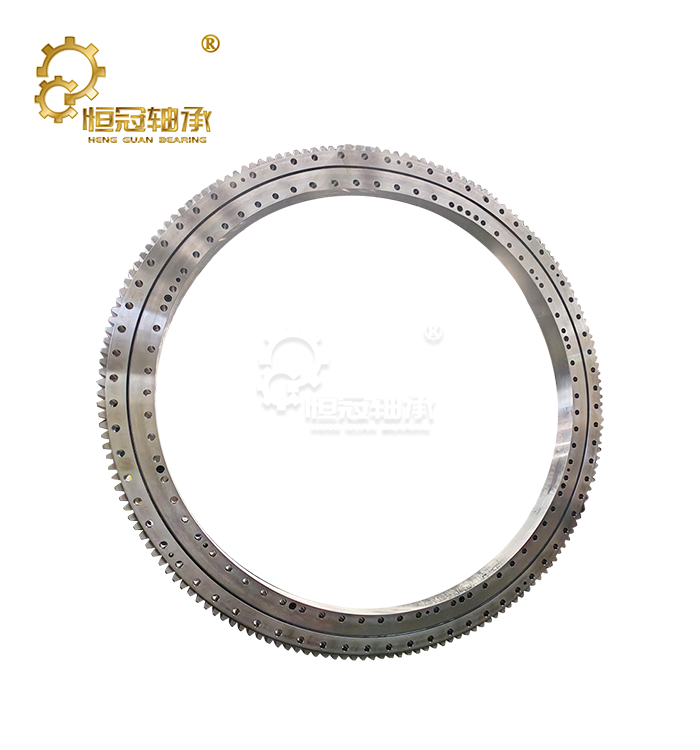
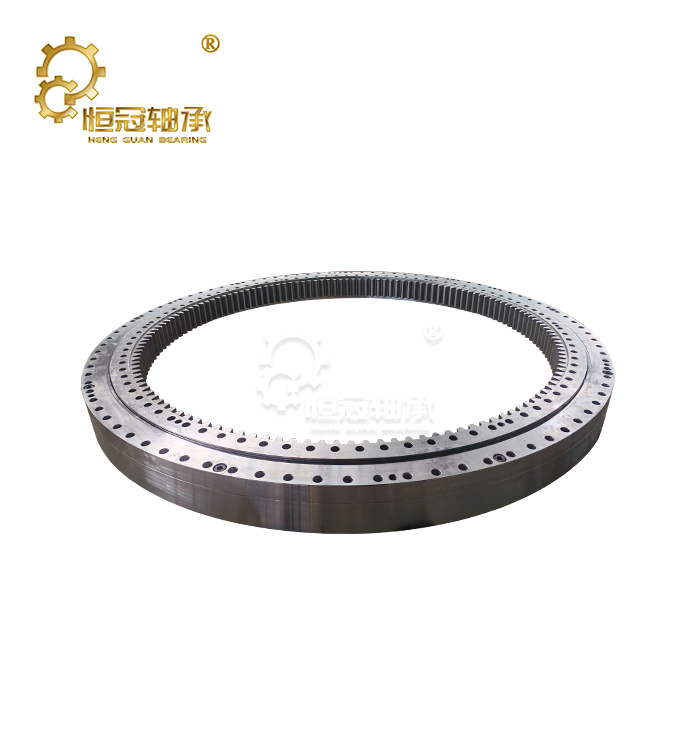
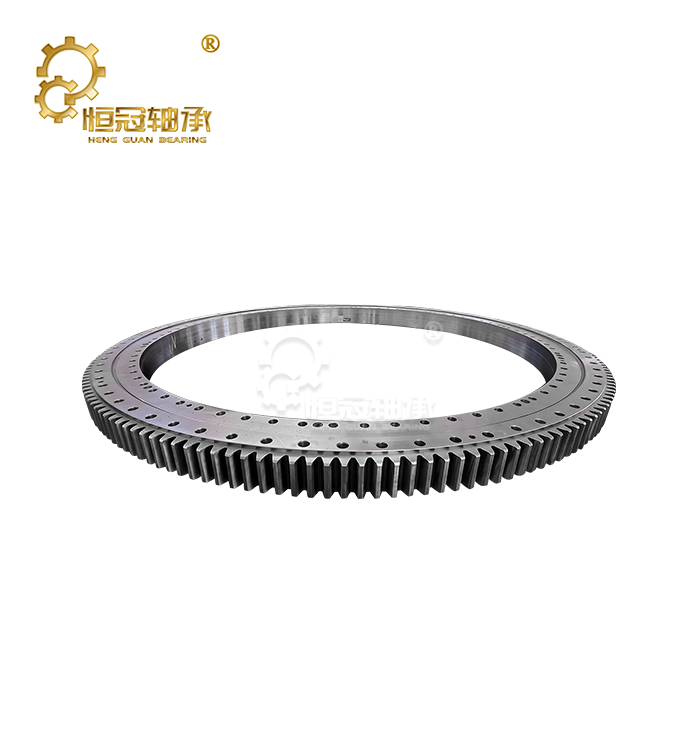
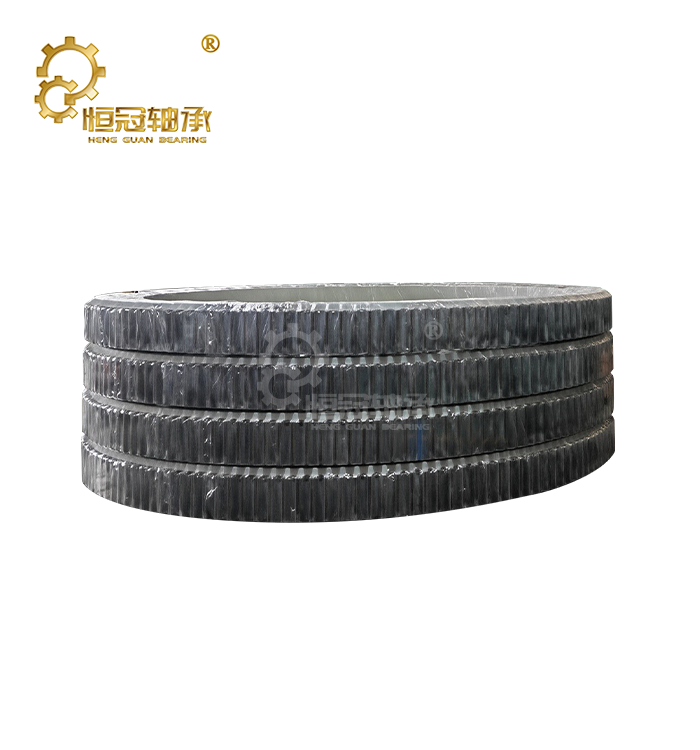
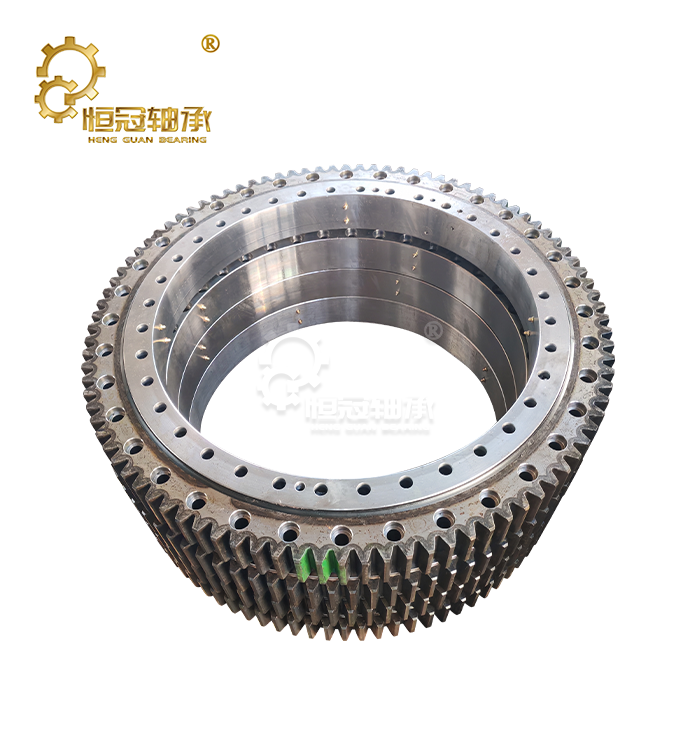
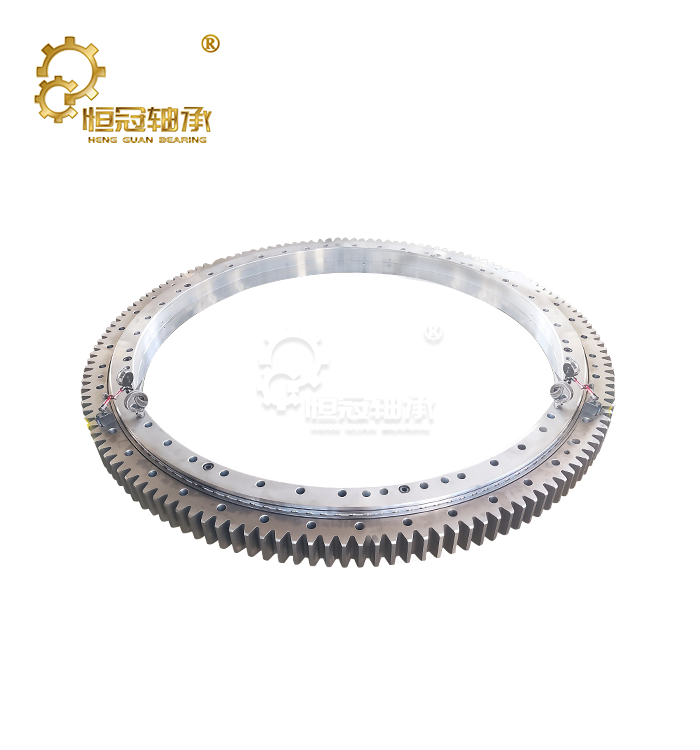
Sealed turntable bearings are an improved version of standard rotary bearings. They have extra safety features that keep the bearings lubricated and protect them from environmental damage. Integrated sealing systems in these parts keep internal rolling elements and outside weather factors from interacting. There are inner and outer raceways, rolling elements (balls or rollers), and complex sealing mechanisms that all work together to keep the structure intact. The engineering behind sealed bearings includes different sealing methods that are designed to work with different uses. Contact seals are made of elastomeric materials that stay in direct contact with surfaces that are turning. This keeps fine particles and moisture out very well. Labyrinth seals use complicated geometric pathways that make winding paths for contaminants, stopping particles from getting in without touching them. Combination seals have more than one layer of protection, so they can handle a wide range of weather problems. Looking at the inside of a sealed or open bearing makes the difference between them clear. Open bearings let outside elements and lubrication touch the rolling elements, so they need extra protection and regular upkeep. Sealed versions put these safety features right into the bearing system, making self-contained units that are less likely to get dirty and better at keeping lubrication in.
The Critical Role of Sealing in Heavy-Duty Applications
The main benefit of sealed bearing systems in industrial settings is that they keep out disease. Abrasive particles, water, and chemical contaminants can quickly hurt the performance of bearings, leading to early wear and breakdowns in operation. Advanced sealing technology builds many walls that keep these dangerous things from getting to the important inside parts. The ability to keep lubrication in has a big effect on how well bearings work and how long they last. Sealed systems keep the right amount of grease in the system by stopping grease from moving and getting dirty. This keeps the film thickness the same between the rolling elements and the raceways. This controlled lubrication environment lowers friction, slows down wear, and increases the time between maintenance tasks. This has a big effect on service life, especially in harsh settings where open bearings might need to be replaced or rebuilt within months. Alternatives that are sealed Turntable bearing can work for years in the same conditions, which lowers the total cost of ownership and makes tools more available. These performance benefits directly lead to better operational efficiency and less work for machine operators in terms of maintenance.
Common Harsh Operating Conditions in Industrial Settings
In industrial settings, bearings are exposed to wide ranges of temperatures, from arctic conditions in northern mining activities to temperatures over 200°F in metallurgical settings. Thermal cycling adds to the problems because parts expand and contract over and over, which can affect how well seals work and how much space there is inside. Chemical exposure is another big problem in processing industries, marine environments, and specialised manufacturing applications. Corrosive substances can damage bearing materials, seals, and lubrication systems, so it's important to choose the right materials and come up with ways to protect them. It's important to seal things properly to keep chemicals out and protect internal parts. Moisture and particulate contamination affect almost all outdoor and commercial uses. There is a lot of dust, dirt, and other debris in the places where construction equipment works that can get into the bearing systems. Abrasive particles are made during mining, which speeds up the rate of wear. When used in the marine environment, equipment is subject to damage from saltwater and humidity problems that require strong protection.
How Sealed Turntable Bearings Perform Under Extreme Conditions
Temperature Resistance and Thermal Management
Modern sealed bearings are made of high-tech materials that can handle wide temperature differences while still sealing well. Fluoroelastomer seals can work continuously at temperatures as high as 400°F, and certain polyurethane materials can be flexible at temperatures as low as -40°F. Because of these improvements in materials, sealed bearings can work effectively in a wide range of climates and industrial processes. Thermal expansion compensation is an important design factor in sealed bearing systems. Different bearing parts expand and contract at different rates when temperatures change, which could affect the seal contact pressure and gaps. Modern designs use spring-loaded parts and bendable shapes to keep sealing well across a range of temperatures while also allowing for thermal growth. Test results from extreme environments show that sealed systems work better when temperatures are high. In the lab, tests show that sealed bearings keep their working efficiency within 95% of their baseline performance across temperature ranges where open bearings lose a lot of performance. This thermal stability means that the tools will always work the same way, no matter what the weather is like.
Contamination Protection Mechanisms
The ability to keep out particles of different sizes depends on the form of the seal and the needs of the application. Particles bigger than 10 microns are usually kept out by contact seals, while labyrinth systems can keep particles up to 100 microns in diameter out. Multiple sealing methods work together in multi-stage protection systems to completely block all sizes and kinds of contaminants. These systems are the best way to protect against contamination. These designs have main seals that keep out big particles and water, secondary barriers that keep out fine dirt, and tertiary elements that keep lubrication systems safe. This multi-layered method provides the best protection while keeping operational efficiency and service life high. Testing of sealed bearing systems in real-world contamination conditions proves their effectiveness in a wide range of industrial settings. Studies done in the field of mining use show that sealed bearings last 300% longer than open ones in the same conditions. It has been shown that construction equipment with sealed systems needs less upkeep and is more available for use than conventional designs.
Moisture and Chemical Resistance
IP (Ingress Protection) rating categories give consistent ways to measure how well a bearing protects against water and dust. Sealed bearings with an IP66 rating are completely sealed against dust and can withstand strong water jets, so they can be used outside or on the water. IP67 ratings show that something is protected against brief immersion in water, which is important for equipment that works in places that are prone to flooding. The chemical compatibility of seal materials needs to be carefully thought through based on the needs of the application. When it comes to oil-based lubricants and mild chemical exposure, nitrile rubber seals are very resistant. Fluoroelastomer choices are better at withstanding harsh chemicals and solvents. For specific uses, polytetrafluoroethylene elements are chemically compatible with almost all other chemicals. Corrosion protection methods include more than just sealing materials; they also include bearing races and rolling elements. Marine and chemical environments don't rust stainless steel structures. Surface treatments, like chrome plating or special coats, make things even more resistant to harmful substances. Choosing the right materials is important for long-term success in harsh chemical environments.
Sealed vs. Open Turntable Bearings: Performance Comparison
Operational Lifespan Analysis
A statistical study of how well bearings work in harsh situations shows that sealed Turntable bearing systems have big benefits. According to figures from the industry, sealed bearings last two to five times longer than open ones in dirty environments. This longer service life is due to less wear and tear, better lubrication, and security against damage from the environment. The differences in maintenance intervals between sealed and open bearings become especially clear in tough situations. In harsh situations, open bearings usually need to be oiled and inspected every 500 to 1000 hours of use. Alternatives that are sealed can work for 3,000 to 5,000 hours without needing to be serviced, which saves money on labour costs and machine downtime. Total cost of ownership calculations show that sealed bearing systems are more cost-effective, even though they cost more at first. When you add up the costs of upkeep labour, replacement parts, and downtime, sealed bearings usually have 20–40% lower total ownership costs over the life of an item. These savings are even bigger in situations where labour costs are high or where operations must run smoothly.
Load Capacity and Performance Trade-offs
Depending on how they are designed and what they are used for, sealing systems can change load rates. Because of more friction, contact seals may lower dynamic load capacity by 5–10%. On the other hand, full load rates are kept by non-contact labyrinth designs. Modern seal designs keep performance effects to a minimum while still protecting well. Friction and efficiency issues are different depending on the sealing technology and the conditions of use. High-quality sealed bearings are made of materials with low friction and shapes that are optimised to lose as little energy as possible. In many situations, sealed systems with better lubrication retention actually have less friction than dirty open bearings. Some sealed bearing designs may have speed limits, especially those that use contact seals in high-speed situations. On the other hand, most industrial rotating uses stay well within the speed range of sealed systems. The right choice of seals guarantees the best performance across all expected working ranges.
Application-Specific Performance Metrics
Performance data for construction tools shows that sealed bearing systems are clearly better for earthmoving tasks. Excavators with sealed turntable bearings have 60% longer service intervals and fewer sudden breakdowns than those with open bearing systems. These improvements directly lead to more available equipment and lower running costs. Marine application case studies show how important sealing is in saltwater environments. Offshore cranes with protected bearing systems can keep working for many years without needing major repairs. In similar environments, open bearings usually need a lot of care every 6 to 12 months because of corrosion and contamination problems. Examples from the mining and heavy industry show how well sealed bearings work in harsh conditions. Equipment used in coal mining works in places with a lot of dust, water, and chemicals. In these tough conditions, sealed bearing systems show working reliability of over 90% availability, while open alternatives only show 70% availability.
Selecting the Right Sealed Bearing for Your Application
Environmental Assessment Framework
To pick the right bearings for harsh settings, the first thing you need to do is figure out how dirty the area is. Different types, sizes, and amounts of particles must be looked at in order to figure out what kind of covering is needed. Protecting against big pieces of debris or chemical contamination is not the same as protecting against small abrasive particles. A temperature profile study looks at how the performance of a bearing is affected by both steady-state and changing temperatures. The working temperature range, the number of thermal cycles, and the way heat is applied all have an impact on the seal's material choice and shape. With the right thermal research, you can be sure that the product will work reliably in any setting. When making chemical compatibility standards, people who work directly with process chemicals, cleaning agents, and outdoor pollutants must be taken into account. It is very important to choose the right material when acids, bases, solvents, or unique industrial chemicals are being used. When you test a material for compatibility, you make sure it can work in certain chemical conditions.
Seal Type Selection Criteria
When choosing between contact and non-contact seals, you have to weigh the level of safety against the amount of friction and the speed limits. Contact seals are better at keeping out contaminants and keeping grease in, but they may cause more friction. Non-contact designs keep things from rubbing against each other and protect well against bigger contaminants and water. Whether you need a single seal or multiple seals depends on how harsh the environment is and how reliable you need the system to be. For moderate environments, single seals are a cost-effective way to protect things, while multiple seal systems offer better safety for harsh conditions. The best security is achieved while keeping costs and complexity low by choosing the right configuration. Custom closing solutions are needed for one-of-a-kind situations that have specific needs. Engineers can make custom sealing systems that deal with certain types of pollution, Turntable bearing temperature ranges, or chemical exposures. Custom solutions make sure the best performance while also meeting the needs of the program.
Integration and Installation Considerations
When installing sealed bearings, the mounting area may need to be different from when installing open bearings. It is important to pay close attention to the seal housing's sizes, details, and alignment tolerances when designing and installing it. Proper fitting makes sure that the seal works well and that the bearing keeps working well and lasts a long time. In order for the seal housing design requirements to work, they need to take into account things like thermal expansion, vibration, and operational loads. The sealing performance and service life are affected by the housing material, surface treatments, and geometrical aspects. Proper case design keeps seals from getting damaged and makes sure the system works reliably. The best methods for installation become very important for getting the best performance from sealed bearings. When installing a cover, damage can be avoided by handling it properly. The right torque specs and alignment steps make sure that the sealing works well without affecting the bearing's ability to do its job. By training assembly staff, common mistakes that could hurt system performance can be avoided.
Industry Applications and Success Stories
Construction and Earthmoving Equipment
When used in tough conditions, sealed systems are very helpful in situations like excavator wheel bearings. Heavy-duty excavators used in mines and demolition sites create a lot of dust and debris that can quickly get into bearing systems and make them less effective. When compared to standard open systems, sealed bearing implementations have shown service life improvements of more than 200%. Crane application dependability data backs up the use of sealed bearing technology on both mobile and tower cranes. Concrete dust, metal bits, and the weather can get into construction cranes that are working on busy job sites. Under the same conditions, sealed systems are more reliable than 95% of the time, while open bearings are only 75% of the time. Field repair interval extensions are real benefits for people who operate and maintain equipment. Construction equipment with sealed turntable bearings lasts two to three times longer between repair visits. These longer breaks lower the cost of maintenance and make equipment more available during key project stages.
Wind Energy and Power Generation
Problems with protecting wind turbine yaw bearings include being exposed to harsh weather, changing temperatures, and the need for long-term dependability. High humidity and saltwater corrosion are two more problems that offshore sites have to deal with. These problems can be solved by sealed bearing systems, which protect the atmosphere and allow for longer periods of time between maintenance. Long-term success in offshore settings shows how important sealing technology is for marine wind applications. Offshore turbines with sealed yaw bearings have a working availability of more than 98%, while open bearing systems only have an 85% availability. This higher level of dependability means that more energy will be produced, and upkeep costs will go down. Case studies from wind farm owners that show how sealed bearings can help the economy in a big way include lower maintenance costs and higher profits. Less frequent repair and higher reliability lead to 30–50% lower total maintenance costs over the life of a turbine. These savings make the initial investment in sealed bearing technology worthwhile and also make the project more cost-effective.
Marine and Offshore Applications
Shipboard crane and deck equipment applications. Turntable bearing subject bearings to continuous saltwater exposure, temperature variations, and operational demands. Sealed bearing systems provide essential protection against corrosion and contamination while maintaining reliable operation across diverse marine conditions. These systems enable extended operational periods between maintenance procedures. Offshore platform rotating machinery requires absolute reliability due to challenging access and extreme environmental conditions. Sealed turntable bearings enable continuous operation for months between scheduled maintenance windows. This reliability becomes critical for maintaining platform operations and worker safety in remote offshore locations. Saltwater corrosion protection results demonstrate the effectiveness of sealed systems in marine environments. Laboratory testing shows sealed bearings maintaining operational capability after 5000 hours of saltwater exposure, while open systems fail within 500 hours under identical conditions. This corrosion resistance proves essential for marine equipment longevity.
Conclusion
Sealed turntable bearings provide significant advantages over open alternatives in harsh industrial environments through enhanced contamination protection, extended service life, and reduced maintenance requirements. These benefits translate into improved equipment reliability, reduced operating costs, and enhanced operational efficiency across diverse applications, including construction, mining, marine, and wind energy sectors. While initial investments may be higher, comprehensive cost analysis demonstrates substantial long-term savings through reduced maintenance labor, fewer replacements, and decreased downtime. The decision to implement sealed bearing technology should consider environmental severity, maintenance costs, and reliability requirements to optimize equipment performance and operational economics.
|
|

FAQ
1. Do sealed turntable bearings require different maintenance procedures?
Sealed turntable bearings generally require less frequent maintenance compared to open bearing systems, but specific procedures may differ slightly. The primary advantage lies in extended service intervals, with sealed bearings typically operating 3-5 times longer between lubrication and inspection cycles. Maintenance procedures focus more on external condition monitoring and seal inspection rather than frequent lubrication. When maintenance becomes necessary, sealed systems may require specialized techniques for seal removal and replacement, but overall maintenance complexity remains manageable with proper training and procedures.
2. What are the performance limitations of sealed bearings in high-speed applications?
High-speed applications may experience some limitations with certain sealed bearing designs, particularly those utilizing contact seals. Speed restrictions typically range from 10-30% below open bearing capabilities, depending on seal type and design. Heat generation from seal friction becomes a primary concern at elevated speeds, potentially requiring enhanced cooling or specialized seal materials. Applications exceeding 500 RPM should undergo careful analysis to ensure sealed bearing compatibility, though most industrial turntable applications operate well within acceptable speed ranges for sealed systems.
3. How do I determine if my application justifies the additional cost of sealed bearings?
Application justification requires a comprehensive analysis of environmental conditions, maintenance costs, and reliability requirements. Harsh environments involving dust, moisture, chemicals, or extreme temperatures typically justify sealed bearing investments through extended service life and reduced maintenance. Cost analysis should include labor expenses, downtime costs, and replacement part availability. Applications with high downtime costs or difficult maintenance access generally provide strong justification for sealed bearing systems despite higher initial investments.
Contact Heng Guan for Premium Sealed Turntable Bearing Solutions
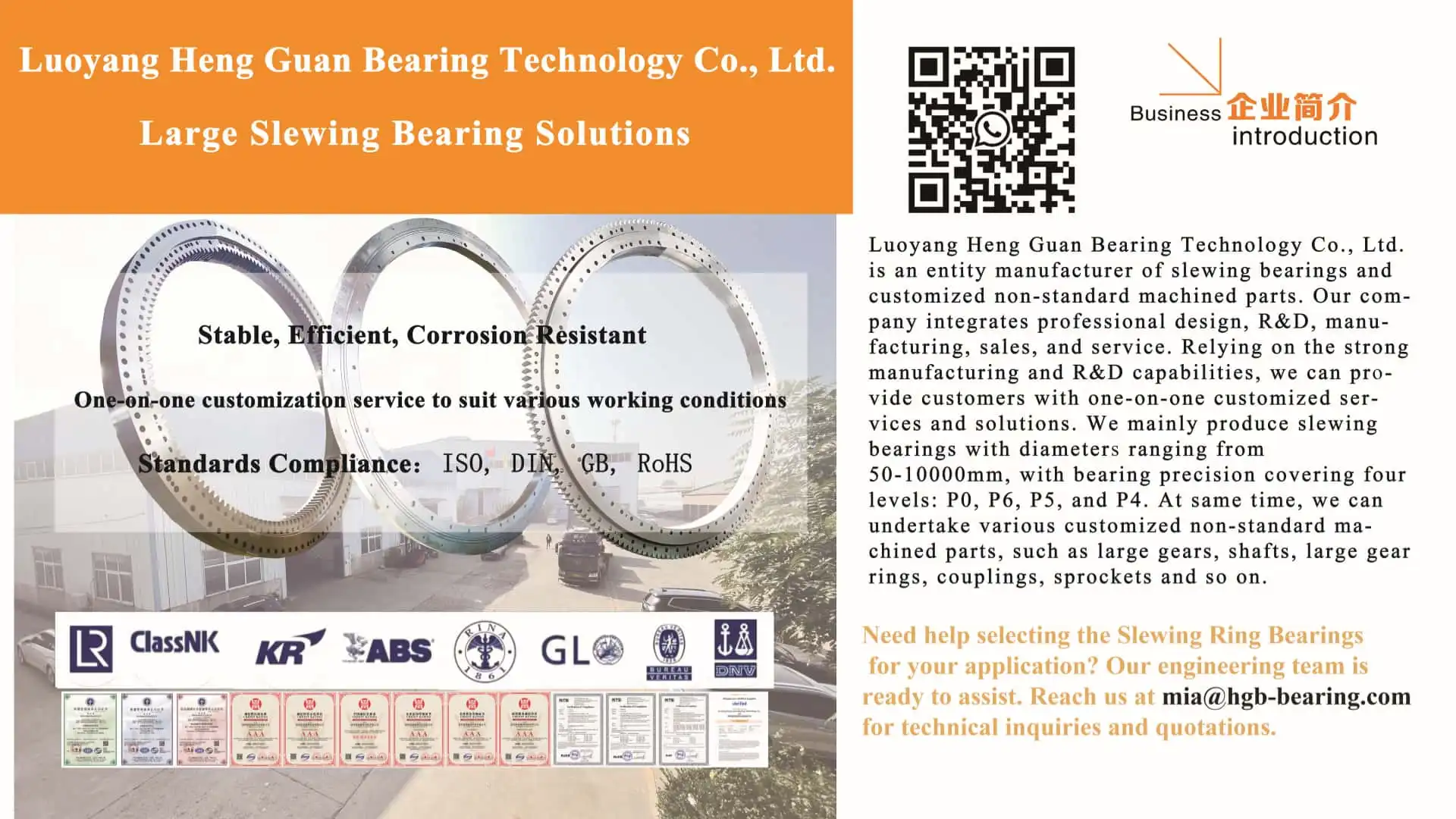
Selecting the optimal sealed turntable bearing system requires expertise in harsh environment applications and precision manufacturing capabilities. Heng Guan Bearing Technology specializes in custom-engineered sealed bearing solutions with precision grades from P0 to P4, supporting applications from 20mm to 10,000mm diameter ranges. Our engineering team provides comprehensive application analysis, material selection guidance, and customized sealing solutions tailored to your specific operating conditions. Contact our technical specialists at mia@hgb-bearing.com to discuss your challenging application requirements and discover how our sealed turntable bearing manufacturer's expertise can enhance your equipment reliability and operational performance.
References
1. Johnson, M.K. & Stevens, R.L. (2023). "Advanced Sealing Technologies for Industrial Rotating Equipment in Extreme Environments." Journal of Tribology and Industrial Engineering, Vol. 45, No. 3, pp. 112-128.
2. Chen, H., Williams, P.D., & Anderson, J.R. (2022). "Comparative Performance Analysis of Sealed versus Open Bearing Systems in Marine Applications." International Conference on Marine Engineering and Technology Proceedings, pp. 234-251.
3. Thompson, S.M. & Rodriguez, A.C. (2023). "Cost-Benefit Analysis of Sealed Bearing Implementation in Heavy Construction Equipment." Construction Equipment Management Quarterly, Vol. 31, No. 2, pp. 78-94.
4. Kumar, V.S., Lee, D.H. & Miller, K.J. (2022). "Contamination Protection Mechanisms in Industrial Turntable Bearing Systems." Mechanical Engineering Research and Applications, Vol. 18, No. 4, pp. 145-162.
5. Brown, T.W. & Davis, N.P. (2023). "Wind Turbine Yaw Bearing Performance Enhancement through Advanced Sealing Technology." Renewable Energy Engineering Review, Vol. 12, No. 1, pp. 56-73.
6. Garcia, R.F., Liu, X.Y. & Wilson, J.K. (2022). "Temperature and Chemical Resistance of Elastomeric Seals in Industrial Bearing Applications." Materials Science and Engineering Applications, Vol. 29, No. 6, pp. 201-218.

WHAT OUR CUSTOMERS SAY
Here is the customer's evaluation of us