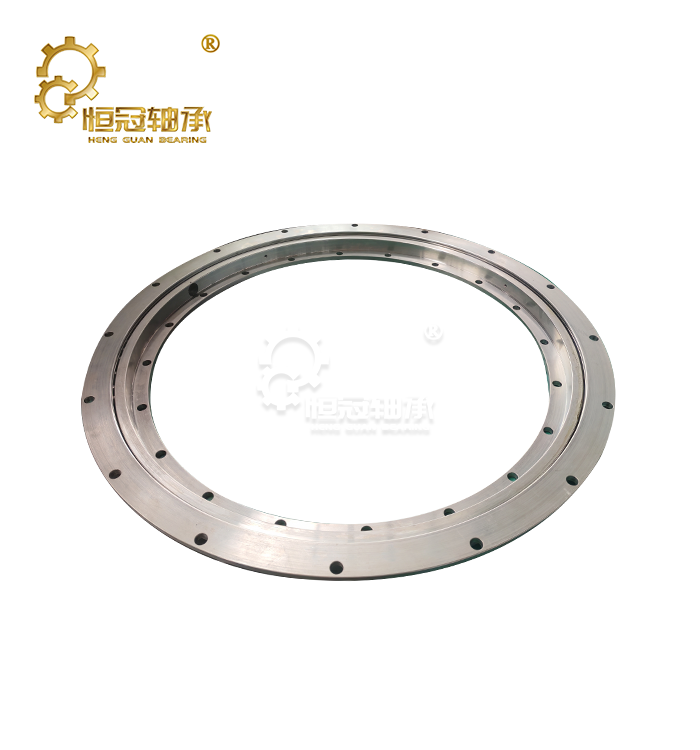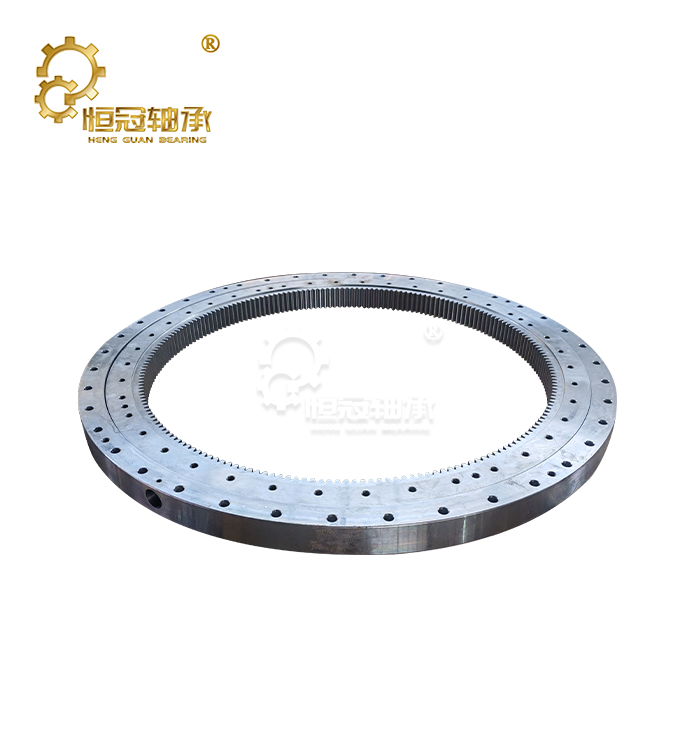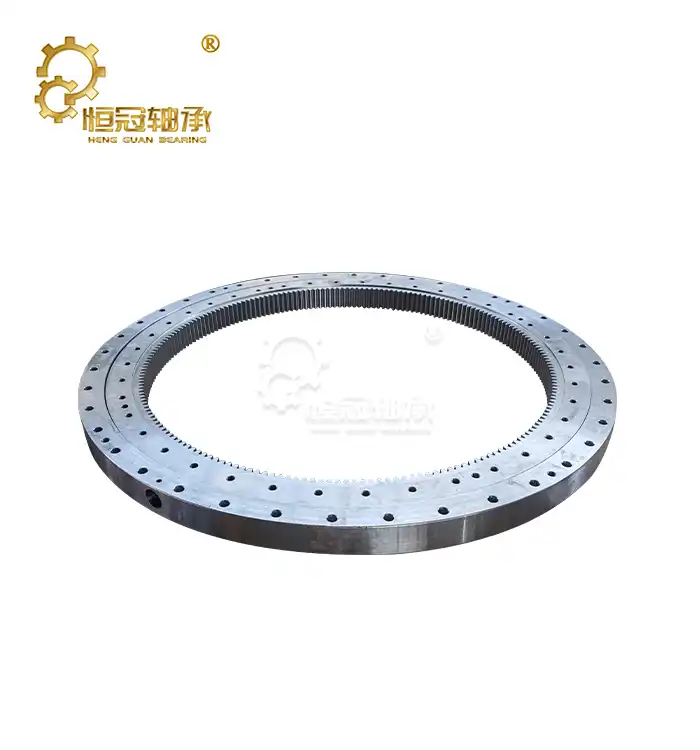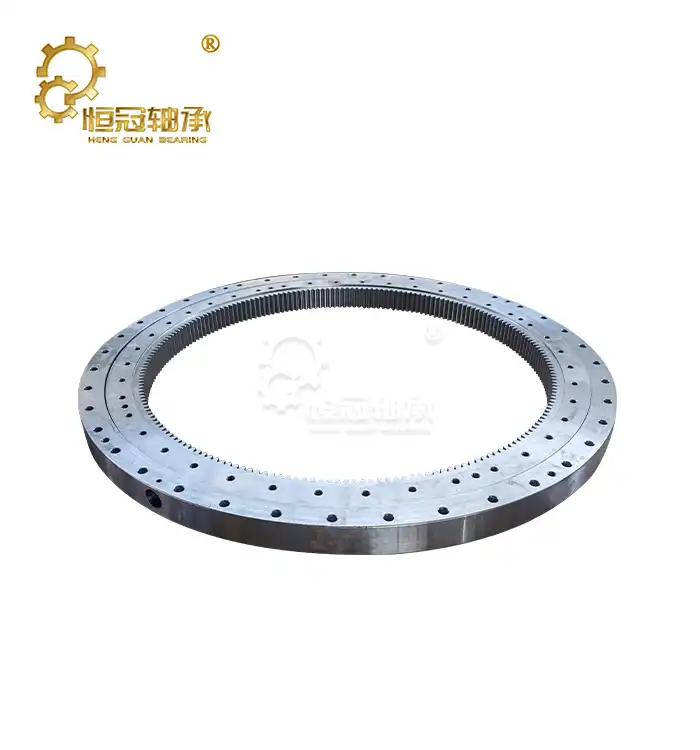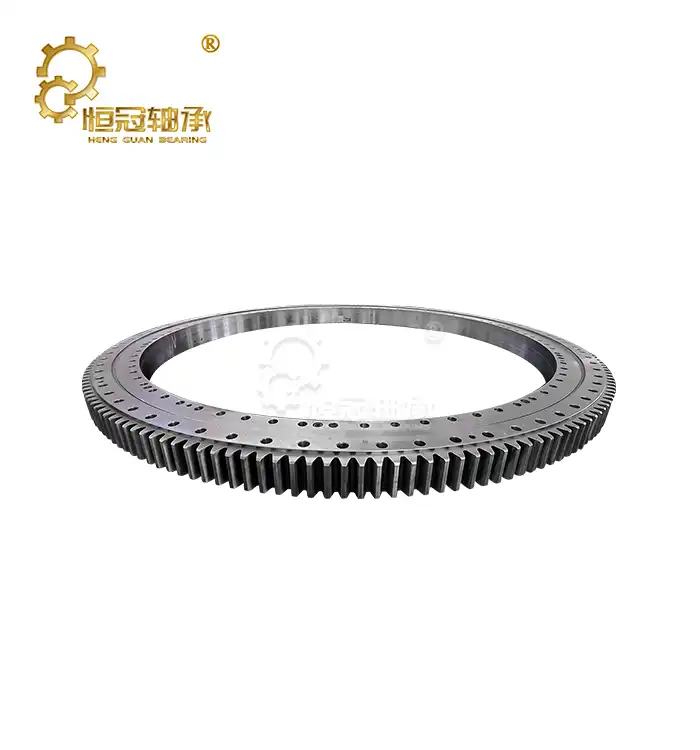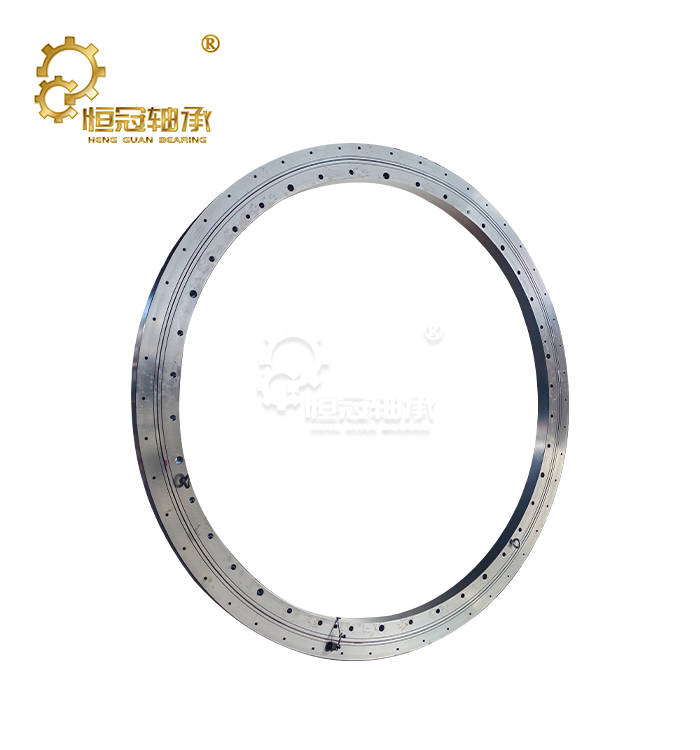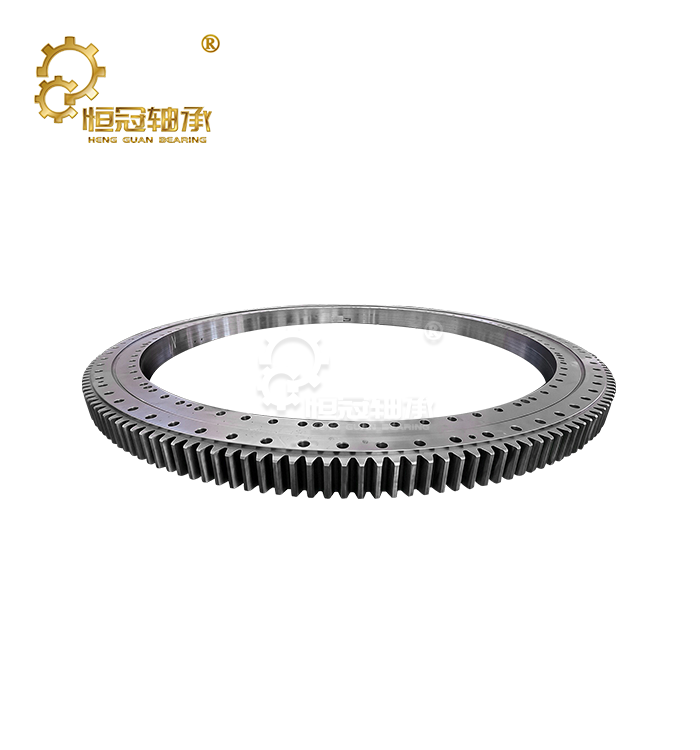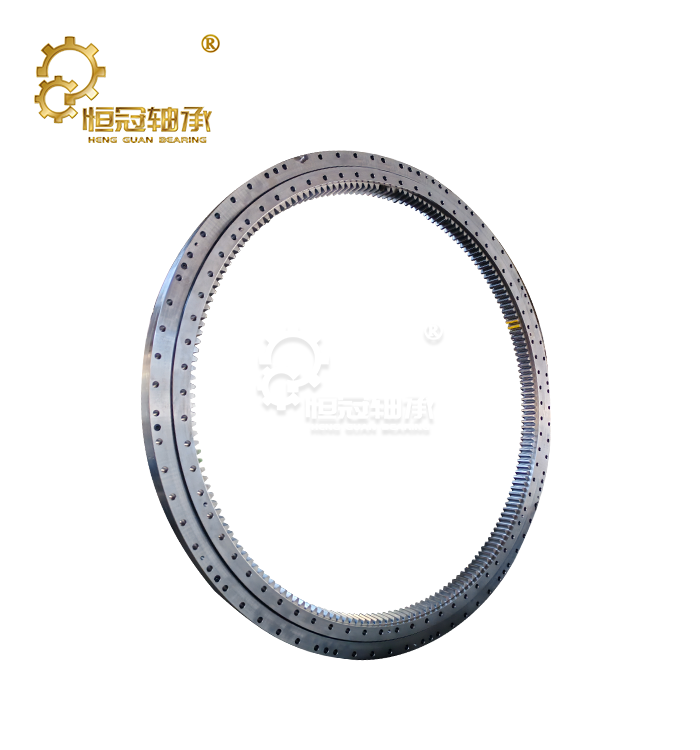




Turntable Bearing Precision: Why It Matters for Smooth Rotation?
In heavy machinery and automated equipment, reliable rotation depends on components that can handle high loads while maintaining stable movement. Among these components, the Turntable bearing serves a critical role in sustaining spinning structures and guaranteeing proper operation. Whether it is used in construction machinery, cranes, wind turbines, robotics, or industrial automation systems, the precision of a turntable bearing will directly affect the smoothness of rotation, vibration, positioning performance, and service life.
For equipment makers and operators, bearing accuracy isn’t just about tighter manufacturing tolerances. This includes the selection of bearing design, the quality control of the manufactured bearings, the control of the installation, and the control of the operating conditions. A well-made and mounted turntable bearing will save downtime, increase machine reliability, and lower long-term maintenance costs.
Why Turntable Bearing Precision Determines Equipment Performance?
The Key Elements That Define Bearing Accuracy
The precision of a turntable bearing is controlled by raceway geometry, rolling element accuracy, internal clearance, surface quality and manufacturing consistency. Each element affects the load transfer through the bearing as it rotates.
The design of the raceway is particularly essential because it defines the distribution of forces between the rolling elements and the bearing rings. If the raceway deviates excessively, some sections may be subjected to increased contact stress, leading to faster wear and shorter fatigue life.
Rotational stability is also affected by rolling element accuracy. Unequal contact conditions of spherical rollers or balls result in vibration, noise and variations in the rotational resistance. Applications demanding smooth and predictable movement must have a consistent rolling element shape.
Another significant factor to consider is the surface quality. Proper finishing of the raceway can reduce the friction and support stable lubrication performance. Lubricant films can be disrupted by small surface imperfections, and this can lead to early wear.
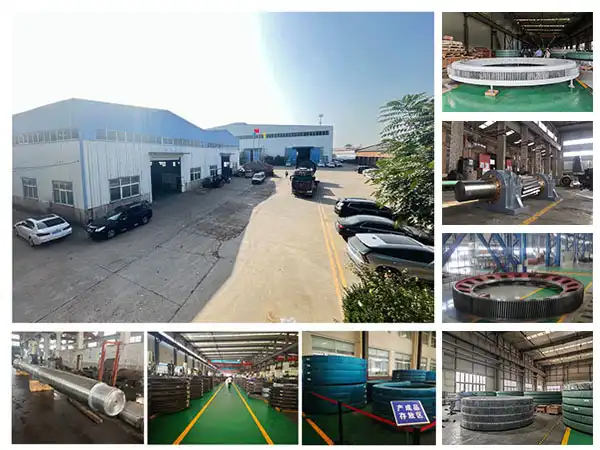
These parameters are controlled by professional manufacturers using advanced machining methods, precise grinding equipment and inspection systems. Before delivery, each bearing is checked against the specified standard using technology such as a coordinate measuring machine (CMM), surface roughness testing and dimensional inspection.
How Does Precision Improve Smooth Rotation and Operational Stability?
Less friction and more uniform resistance in the rotation of structures are a result of a high-grade turntable bearing. With the manufacturing accuracy maintained, it balances the contact load between rolling elements and raceways, thus relieving the localised stress spots.
This even load distribution has some practical benefits:
Less mechanical noise, less vibration when operating, more accurate alignment;
Increased energy efficiency; increased component life.
For example, with automatic manufacturing equipment, slight inaccuracies in rotation might impair the precision and repeatability of the product. Unstable rotation can affect operator control and load location in crane systems. Incorrect bearing movement in wind turbines can have an effect on the effectiveness of yaw and pitch correction systems.
Therefore, the bearing accuracy should always be consistent with the actual operation requirements. You don’t always need the finest level of precision. The right solution depends on the load capacity, the rotation speed, the environmental conditions and the accuracy of positioning required.
Manufacturing Factors That Influence Turntable Bearing Precision
Advanced Machining and Quality Control Processes
Stringent control is required during the whole production operation for consistent bearing precision. The manufacture quality of the bearing rings, raceways, gears, and rolling elements directly impacts the final operation performance.
Modern manufacturing methods can involve precise turning, grinding, heat treatment, and surface finishing. Each stage has to be well managed since slight changes in dimension can affect the final assembly.
Quality inspection is also vital. What professional bearing manufacturers assess:
Dimensional precision;
Surface roughness;
Gear accuracy;
Material hardness;
Assembly performance;
Raceway geometry.
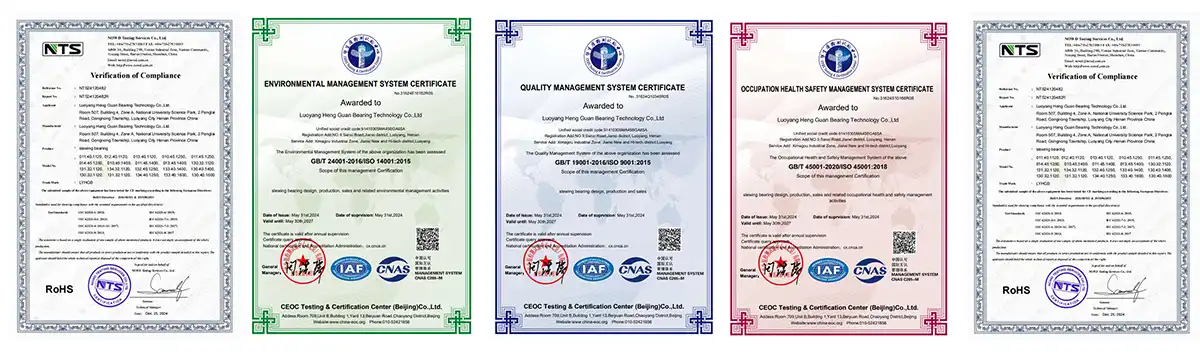
Inspection records and quality paperwork track back to the manufacturer and the consumer for product consistency.
In some cases, competent suppliers can additionally change bearing structures, sealing systems, lubrication procedures, and manufacturing tolerances to meet the requirements of a particular piece of equipment.
Factors Affecting Turntable Bearing Precision Performance
Material Quality and Heat Treatment Consistency
The ability of a turntable bearing to maintain accuracy over lengthy periods of operation is directly related to the materials employed. High-quality bearing steel provides the requisite strength, hardness, and fatigue resistance for high-duty rotating applications. But it is not enough to choose the right material. Correct heat treatment is particularly important, as variable hardness or internal tension can impair dimensional stability in operation.
During the production process, controlled heat treatment procedures are used to improve wear resistance and to guarantee that the components of the bearing keep their designed geometry under repeated loads. If the material construction is not stable, raceways might slowly flex, creating higher clearance and vibration and decreased rotational precision.
Manufacturers must carefully assess material qualities and heat treatment outcomes for demanding applications such as cranes, offshore equipment, and wind turbines. The uniform behavior of the materials guarantees the safe functioning of the bearing within the anticipated life span.
Lubrication Management and Long-Term Accuracy Retention
Lubrication is a crucial element impacting the service performance of a turntable bearing. Even the finest-made bearing will wear out faster if not properly lubricated or if the lubricant is dirty or wrong for the service conditions.
A correct lubrication system decreases the friction between the rolling elements and raceways while keeping a solid protective film. This helps to avoid direct metal-to-metal contact, undue heat buildup, and surface damage.
Lubrication needs for large rotating equipment should include the following:
Operating temperature range Rotational speed loading conditions Environmental contaminants' maintenance frequency
Automatic lubrication systems are increasingly employed in industrial equipment as they provide a continuous supply of oil and minimize the possibility of human error during maintenance. Regular inspection of the lubricant can also help detect contaminants or irregular wear before major harm occurs.
Proper lubrication is not just for bearing life. This also helps to preserve the original bearing rotational precision during the bearing operating cycle.
Installation Accuracy and Assembly Conditions
A good example is a good turntable bearing that will not work as intended if installation processes are not correct. The last operating condition depends on the mounting precision, the bolt tightening sequence, the support structure rigidity, and the alignment.
Uneven mounting surfaces may cause additional stress on bearing rings, resulting in deformations and uneven load sharing. Also, improper tightening of the bolts can impair the connection of the bearing with the equipment structure.
Typically, professional installation techniques include:
Check mounting surface flatness.
Check alignment before use.
Use correct torque on bolts.
Check for resistance to rotation after assembly.
For large industrial equipment, installation is often as crucial as manufacturing quality. Correct installation of a bearing enables smooth rotation and significantly reduces the possibility of early performance deterioration.
Environmental Conditions and Operating Loads
The accuracy of the turntable bearing is greatly affected by the operating environment. Changes in temperature, dust, moisture, vibration, and shock loads can all gradually impact bearing performance.
For instance, construction equipment commonly operates in dusty areas where pollutants can enter the bearing system if the sealing protection is not sufficient. Salt spray and humidity add to the corrosion problems for offshore equipment.
Engineers need to think about the following to keep precision stable:
Suitable sealing materials;
Materials/coatings that prevent corrosion;
Measures to protect the environment;
Routine inspection program.
Understanding of operating conditions enables the equipment designer to select a turntable bearing that holds accuracy even in harsh situations.
How to Measure and Evaluate Turntable Bearing Precision?
Accurate measurement is necessary to verify bearing quality during manufacturing and monitor performance during operation. Precision evaluation helps identify potential issues before they develop into costly failures.
Important Parameters Used to Assess Bearing Accuracy
Several technical indicators are commonly considered when evaluating turntable bearing precision. These parameters provide information about how accurately the bearing rotates and how effectively it supports applied loads.
Important measurement factors include:
Radial runout;
Axial runout;
Rotational resistance;
Raceway accuracy;
Gear precision;
Internal clearance.
Runout measurement is particularly important because excessive deviation can create vibration and positioning errors. In automated systems, even small runout changes may affect repeatability and final product quality.
For heavy machinery, engineers often focus more on load stability and long-term durability. For precision equipment, rotational accuracy and positioning consistency become higher priorities.
The correct evaluation method depends on the application requirements rather than using a single standard for all industries.
Testing Methods Used During Manufacturing and Inspection
Professional manufacturers use specialized equipment to verify turntable bearing performance. These inspections ensure that products meet design requirements before shipment.
Common testing methods include:
Dimensional Inspection
Coordinate measuring machines (CMMs) are used to check critical dimensions and geometric accuracy. These measurements help confirm that bearing components match engineering drawings.
Surface Quality Analysis
Surface testing equipment evaluates raceway finish and identifies potential defects that may increase friction or wear.
Rotation Performance Testing
Testing rotational resistance helps determine whether the bearing operates smoothly and whether abnormal friction exists.
Load Simulation Testing
For demanding applications, load testing can verify whether the bearing maintains stable performance under expected operating conditions.
These inspection processes provide confidence for customers selecting bearings for important equipment systems.
|
|
Selecting the Right Turntable Bearing Precision Level
Choosing Precision Based on Application Requirements
A common misunderstanding is that higher precision always means better performance. In reality, the ideal turntable bearing should match the actual requirements of the equipment.
Selecting an unnecessarily high precision level may increase manufacturing costs without providing meaningful operational benefits. On the other hand, insufficient accuracy may cause vibration, positioning errors, and premature maintenance issues.
When choosing a bearing, engineers should evaluate:
Required rotational accuracy;
Load capacity;
Operating speed;
Installation conditions;
Environmental exposure;
Expected service life.
A balanced selection approach helps achieve both technical performance and cost efficiency.
Considering Bearing Structure and Gear Design
The structure of a turntable bearing also affects rotational performance. Different designs provide different advantages depending on application needs.
Single-row designs may be suitable for applications requiring compact structures, while double-row configurations can provide improved load capacity and stability.
For geared turntable bearings, gear accuracy is another important consideration. Poor gear machining quality may create uneven transmission, increased noise, and reduced positioning accuracy.
Therefore, bearing selection should include both bearing performance and integration with the complete mechanical system.
Working With an Experienced Manufacturer for Customized Solutions
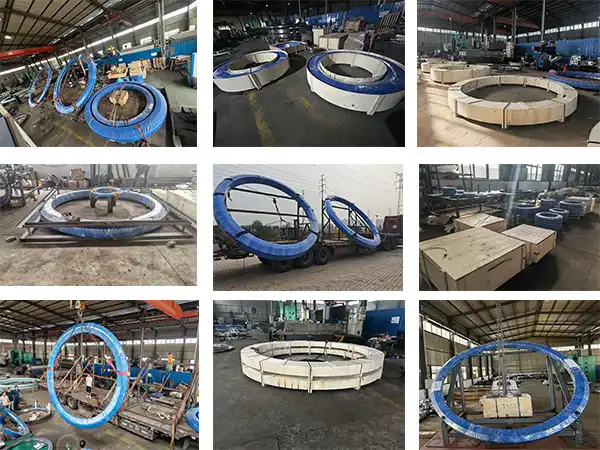
Many industrial applications require more than a standard bearing model. Equipment manufacturers often need customized solutions based on specific loads, installation dimensions, operating environments, or performance targets.
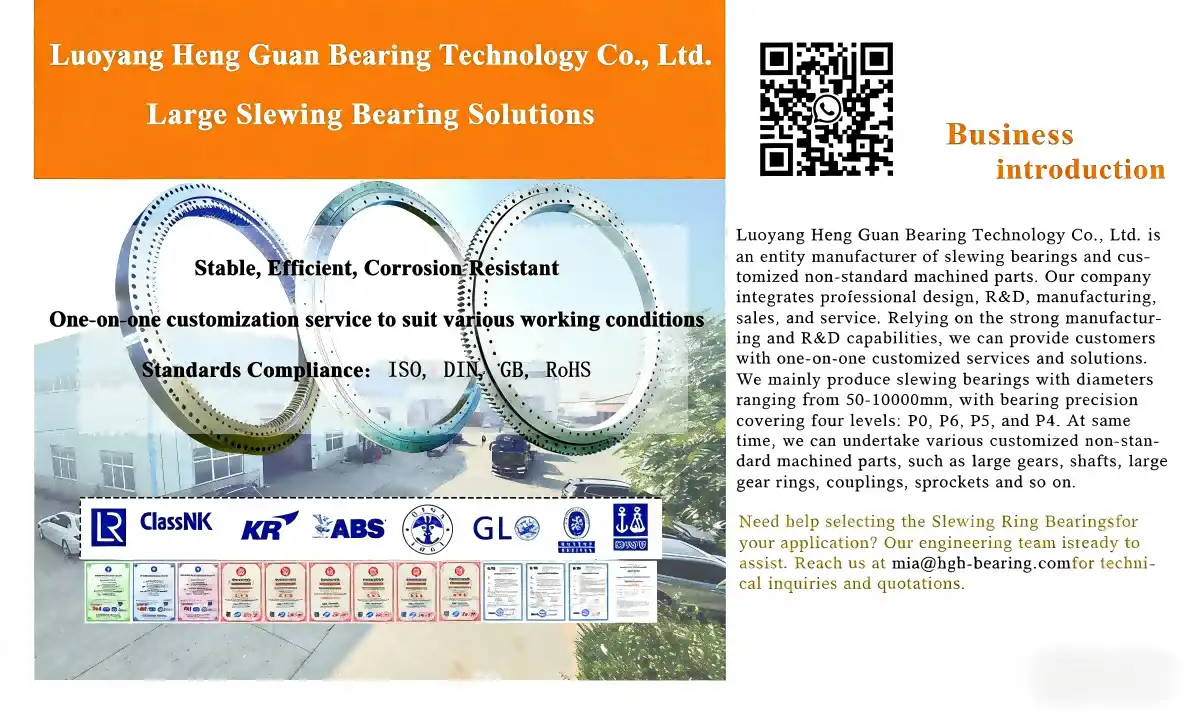
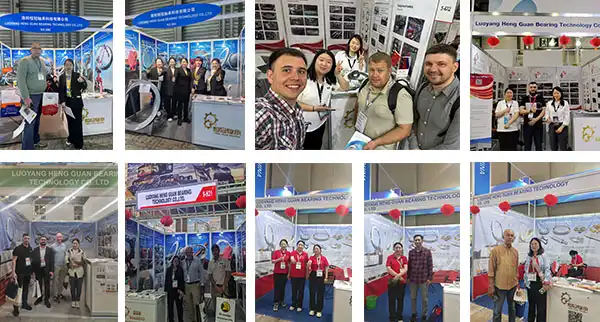
Experienced suppliers such as Heng Guan Bearing Technology provide engineering support to help customers select suitable bearing structures and manufacturing specifications.
Customized solutions may involve:
Modified mounting dimensions;
Special sealing systems;
Different lubrication arrangements;
Enhanced corrosion protection;
Application-specific precision requirements.
By working with a manufacturer that understands both bearing technology and practical operating conditions, customers can reduce selection risks and improve equipment reliability.
|
|

Best Practices to Maintain Turntable Bearing Precision
Establishing Regular Inspection and Maintenance Programs
Proper maintenance is the key to long-term bearing precision. Regular inspections help the operator to spot early indicators of wear, lubrication difficulties, or structural issues before they impair the functioning of the equipment.
Programs for maintenance should include:
Lubrication inspections;
Check bolt connections;
Tracking of rotation performance;
Noise and vibration assessment.
Visual inspection.
Keeping good maintenance records also enables you to spot performance trends and make predictive maintenance decisions.
Using Condition Monitoring to Prevent Precision Loss
The usage of monitoring technology in modern industrial equipment to check bearing condition in real time is growing. Abnormal vibration, temperature fluctuations, or strange operation patterns can be detected by sensors and data analysis systems.
“Early detection allows maintenance teams to fix issues before they cause unplanned downtime.
For large equipment such as cranes, wind turbines, or automated manufacturing systems, predictive maintenance can provide major improvements in availability and reduction of repair costs.
Protecting Bearing Accuracy Throughout Service Life
The usage of monitoring technology in modern industrial equipment to check bearing condition in real time is growing. Abnormal vibration, temperature fluctuations, or strange operation patterns can be detected by sensors and data analysis systems.
“Early detection allows maintenance teams to fix issues before they cause unplanned downtime.
For large equipment such as cranes, wind turbines, or automated manufacturing systems, predictive maintenance can provide major improvements in availability and reduction of repair costs.
Conclusion
The precision of the turntable bearing is a decisive aspect influencing the smoothness, dependability, and efficiency of modern rotating machinery. Accurate bearing performance is critical to operational stability, maintenance needs, and equipment value, from construction machinery and cranes to wind turbines and automated systems.
Engineers and purchasing teams are better able to make informed decisions by understanding how production accuracy, material quality, lubrication, installation methods, and operating circumstances affect performance. The objective is not to pick the greatest precision bearing but to pick the right option that fits the real needs of the application.
For enterprises seeking long-term reliability, there are great advantages to be gained by partnering with an experienced manufacturer of turntable bearings. Professional engineering support, rigorous quality control, and customized bearing solutions enable the smooth operation of equipment in severe environments.
With companies pushing toward more automation, greater efficiency, and more reliable machinery, the necessity of turntable bearing accuracy will only continue to increase. Selecting the appropriate bearing design and maintenance plan can save downtime, increase productivity, and ensure improved long-term performance.
FAQ
1. What precision class should I choose for my excavator turntable bearing?
The precision class depends on your specific application requirements. For standard excavator operations, P5 or P4 precision classes typically provide excellent performance. However, for high-precision positioning or reduced vibration requirements, consider P2 or higher precision classes.
2. How does bearing precision affect the overall equipment lifespan?
Higher-precision bearings distribute loads more evenly, reduce stress concentrations, and minimize wear. This typically results in 20-40% longer bearing life and improved overall equipment reliability, making the initial investment cost-effective over time.
3. Can I retrofit my existing equipment with higher-precision turntable bearings?
Yes, in most cases, you can upgrade to higher-precision bearings. However, it's essential to ensure proper installation procedures and compatible mounting tolerances. Our engineering team can provide compatibility assessments and installation guidance.
4. What are the signs that my turntable bearing precision is degrading?
Key indicators include increased vibration levels, irregular rotation patterns, unusual noise, temperature fluctuations, and reduced positioning accuracy. Regular monitoring and precision measurement can help detect issues early.
5. How do environmental conditions affect turntable bearing precision?
Extreme temperatures, contamination, moisture, and shock loads can impact precision performance. Proper sealing, appropriate lubrication, and environmental protection measures are crucial for maintaining precision in challenging conditions.
Partner with Heng Guan for Precision Excellence
Discover how precision-engineered turntable bearing from Heng Guan can transform your equipment's reliability and efficiency. As a leading turntable bearing manufacturer with comprehensive precision capabilities spanning P0 through P4 classifications, we deliver customized solutions for demanding industrial applications. Our advanced manufacturing facility in Luoyang produces bearings ranging from 20mm to 10,000mm in diameter, ensuring optimal precision performance for construction, wind energy, automation, and aerospace sectors.Contact our engineering team at mia@hgb-bearing.com to discuss your precision requirements and discover cost-effective turntable bearing solutions designed for your specific operational needs.
References
1. Harris, T.A. & Kotzalas, M.N. (2019). Advanced Concepts of Bearing Technology: Rolling Bearing Analysis, Fifth Edition. CRC Press.
2. Warda, B. & Chudzik, A. (2018). "Effect of Ring Misalignment on the Fatigue Life of the Slewing Bearing." Materials, 11(10), 1827.
3. Kania, L. (2006). "Modelling of rollers in calculation of slewing bearing with the finite element method." Mechanism and Machine Theory, 41(11), 1359-1376.
4. Aguirrebeitia, J., Plaza, J., Abasolo, M. & Vallejo, J. (2014). "Effect of the preload in the general static load-carrying capacity of four-contact-point slewing bearings for wind turbine generators." Wind Energy, 17(10), 1605-1621.
5. ISO 199:2014. Rolling bearings - Thrust bearings - Geometrical product specifications (GPS) and tolerance values. International Organization for Standardization.
6. Glodez, S., Potocnik, R. & Flasker, J. (2012). "Computational model for calculation of static capacity and lifetime of large slewing bearings." Mechanism and Machine Theory, 47, 16-30.

WHAT OUR CUSTOMERS SAY
Here is the customer's evaluation of us