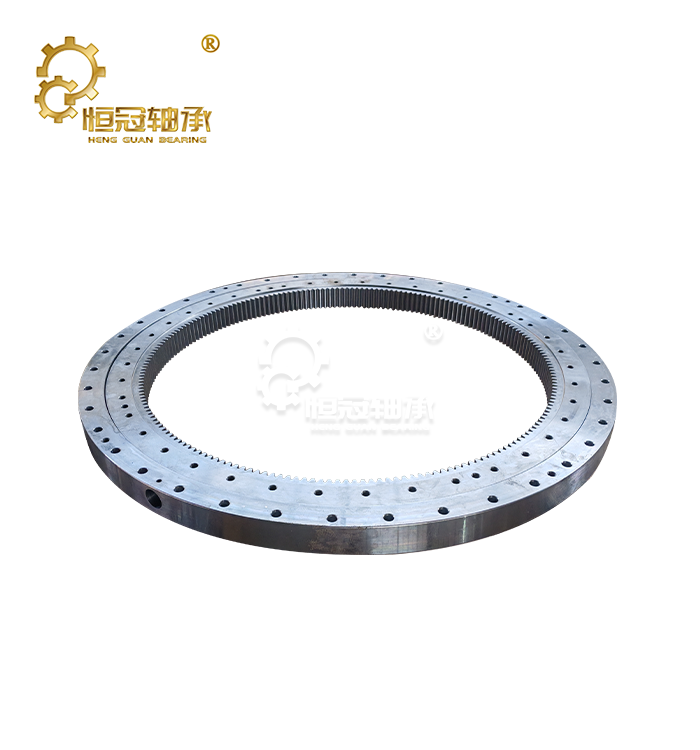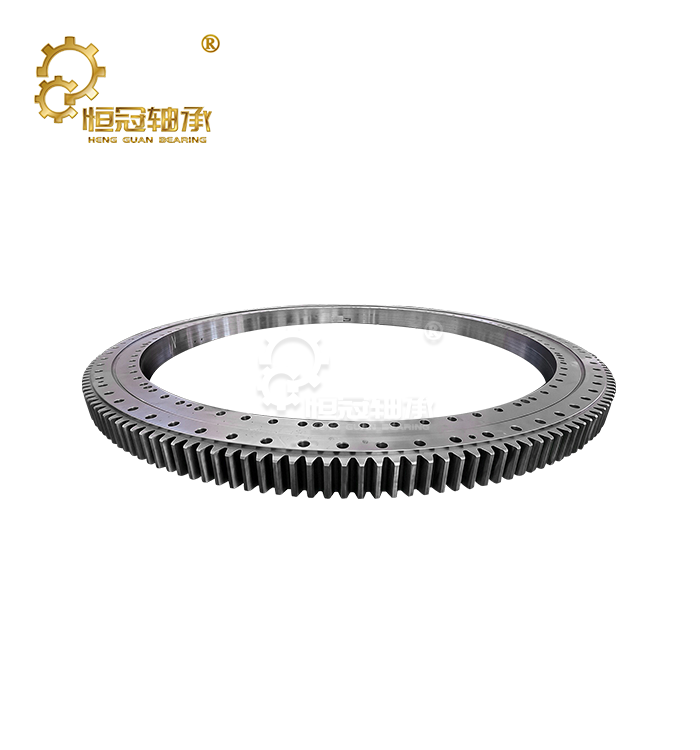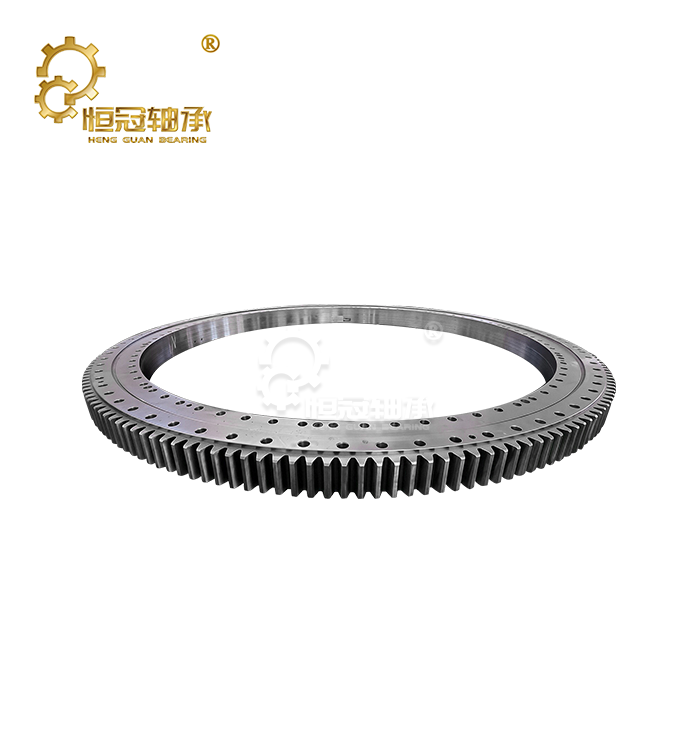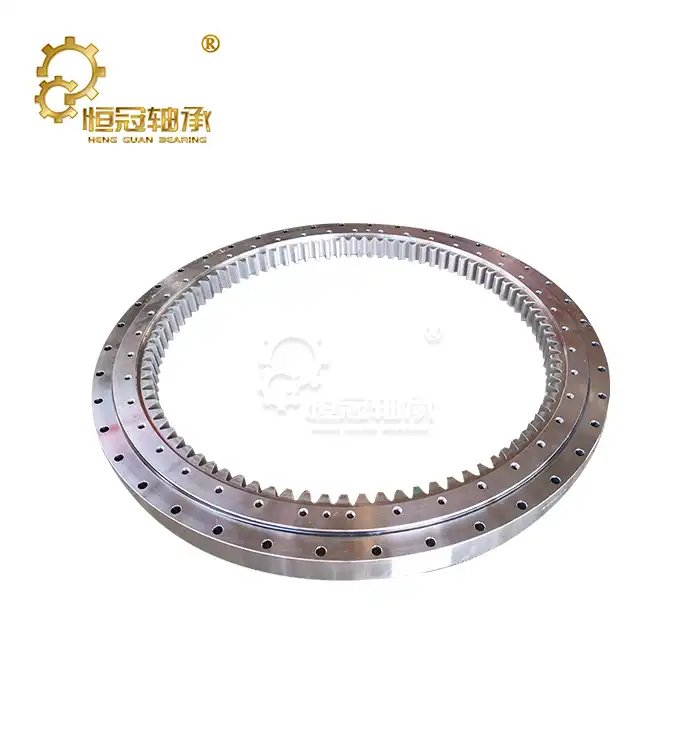




Turntable Bearing Material Choices and Benefits
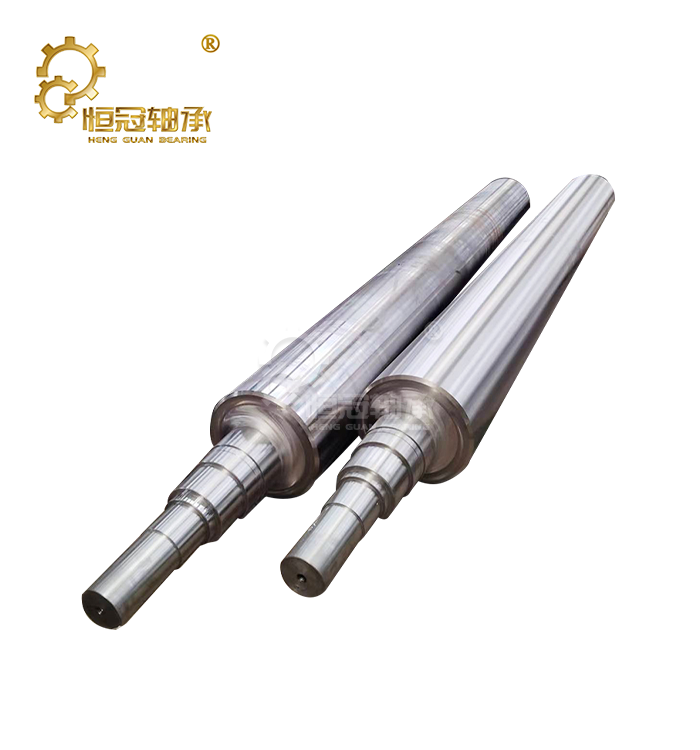
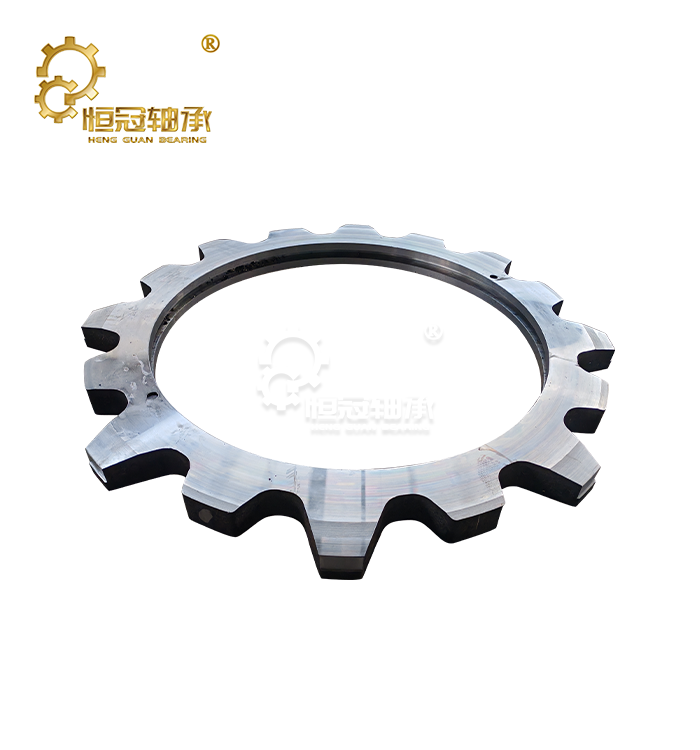
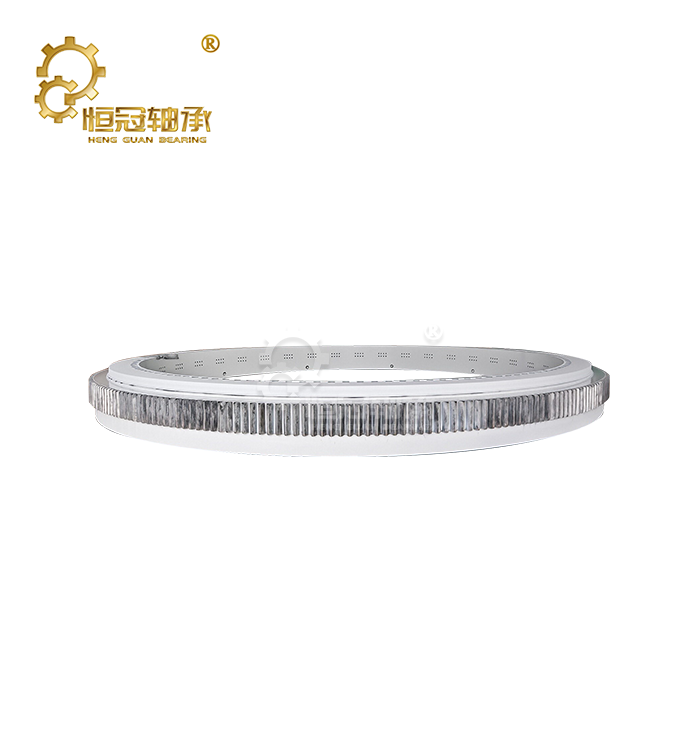
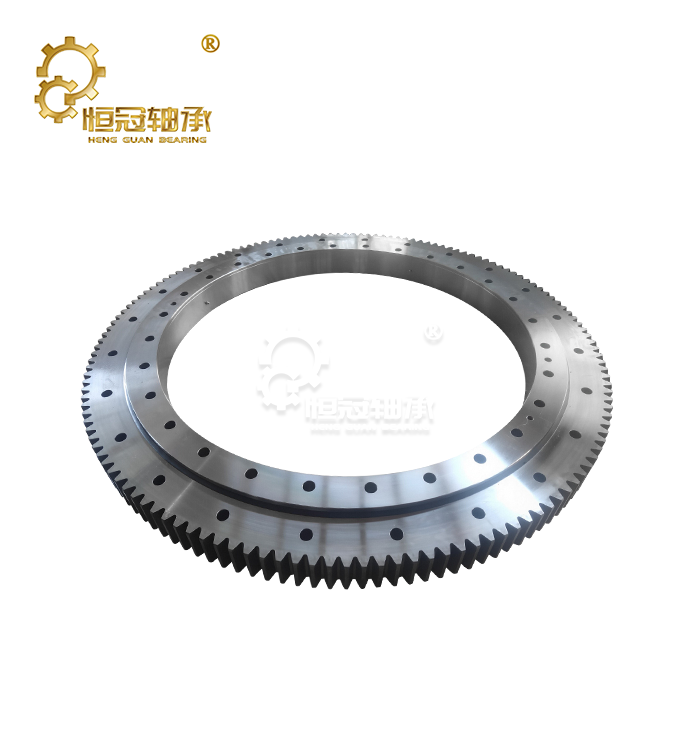
Choosing the right material for a turntable bearing is an engineering decision that affects the load carrying capacity, fatigue resistance, corrosion protection, maintenance requirements and total service life You cannot only pick the bearing material based on the steel grade for most industrial applications. The ultimate performance is influenced by raceway hardness, heat treatment, rolling element design, lubrication, sealing, mounting stiffness and operating conditions. Alloy steels are often selected for general industrial equipment because they provide a good compromise of strength, toughness, machinability and heat-treatment capacity. Stainless steels are more desirable in the presence of moisture, salt spray, chemicals and frequent cleaning. For more demanding applications there are ceramic rolling elements and specific surface treatments. But these are more expensive and should be picked for a particular performance purpose and not just because they are "more advanced". The proper material will therefore be a question of the actual duty of the bearing. Different material processes may be required for a construction equipment, offshore crane, medical imaging system and precision rotary table.
|
|
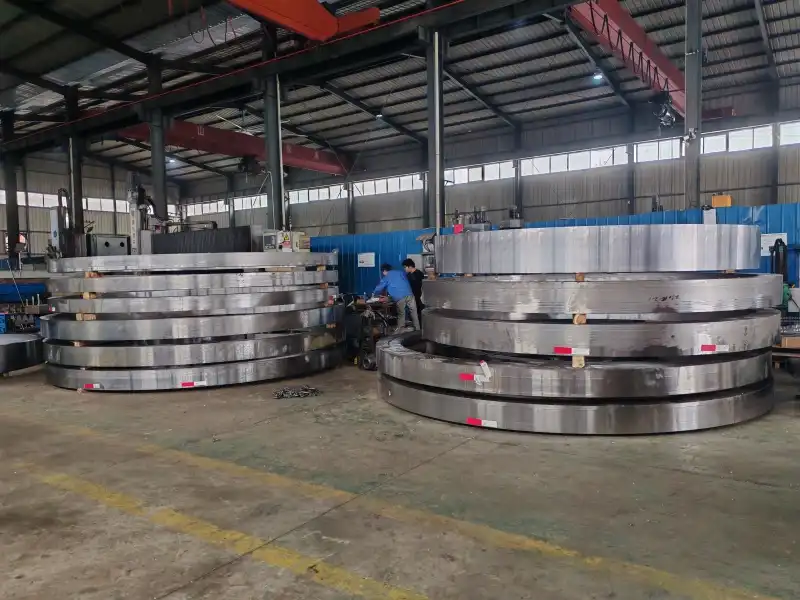
Why Material Selection Matters in Turntable Bearing Design?
Material Selection Starts With the Bearing Structure
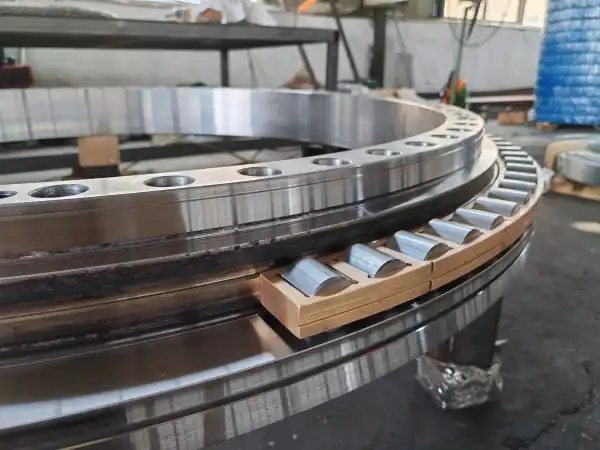
A turntable bearing is normally designed to accommodate combined axial, radial and overturning moment loads with regulated rotation. These loads are transmitted through the raceways and rolling elements, and hence the material must be able to endure repetitive contact stress without severe deformation, surface damage, or fatigue.
For this reason engineers generally test more than nominal tensile strength. Important material properties are hardness, yield strength, toughness, fatigue resistance, dimensional stability, corrosion resistance, and reaction to heat treatment.
The material must also be compatible with the bearing geometry. For example, a big-diameter slewing ring may require a different heat treatment method than a small precision bearing. The needed material qualities are influenced by raceway depth, section thickness, rolling element diameter, and predicted load cycles.
The Main Material Groups Used in Industrial Bearings
In the design of turntable bearings, depending on the design and application, several material groups can be used:
Alloy steels: Widely used for weight-carrying rings due to their high strength, hardness and superior heat treatment ability.
Bearing steels: Used for applications requiring rolling contact fatigue life and hardness.
Stainless steels . . . Useful where resistance to corrosion is an important design requirement.
Ceramics: More often used for rolling elements or unique bearing designs, not big structural rings.
Bronze and engineering polymers: Better suited for cages, bushings, sliding interfaces, or unique parts rather than the main load-carrying raceways.
Surface-treated steels: Surface engineering can increase wear or corrosion performance without changing the underlying steel. Nitrided, coated or otherwise surface-engineered materials can be used.
This is a crucial distinction, for a bearing assembly does not have to be made of one material throughout.
Material Properties That Influence Service Life
Hardness is especially critical on rolling contact surfaces where lack of hardness can lead to plastic deformation, brinelling, increased wear or premature fatigue. However, maximum hardness is not usually the goal. If it is too hard and not robust enough, a component will be less able to withstand shock loading.
Toughness is especially significant in equipment subjected to impact or varying stresses. Resistance to fatigue is very important if a bearing is subjected to millions of repeated loading cycles. Corrosion resistance is important if moisture, salt, chemicals or contaminated lubricants access exposed surfaces.
Another consideration is dimensional stability. In large bearings, variations in temperature might show up as changes in clearance or geometry. Therefore, the material used and the heat-treatment procedure should be considered together.
Steel Choices for Heavy-Duty Turntable Bearings
Alloy Steel for High Loads and Shock Conditions
Alloy steel is a feasible alternative for many heavy-duty bearing applications because alloying elements such as chromium, molybdenum, nickel and manganese can improve hardenability, strength, toughness and wear resistance.
Grades such as AISI 4140 are often used in demanding mechanical components and can be heat treated to achieve a suitable mix of surface hardness and core toughness. For a turntable bearing, however, the grade to be used relies upon the part to be made, its size, the hardness profile desired, the production method and the load conditions.
For construction equipment, cranes, material handling machinery and industrial rotating systems, the alloy composition and controlled heat treatment, together, may be more significant than the nominal grade itself.
Bearing Steel for Rolling Contact Fatigue
Where rolling contact fatigue is the principal concern, certain bearing steels may be considered. These steels are created for applications where rolling elements and raceways are submitted to repetitive concentrated contact stresses.
The performance of bearing steel is related to cleanliness, heat treatment, hardness, retained austenite, microstructure and manufacturing quality. A material certificate does not ensure long bearing life. The steel must be treated appropriately, and the completed raceway must meet the required dimensions and surface criteria.
This is especially significant in high-cycle applications where even slight metallurgical or surface flaws might eventually become fatigue start sites.
Stainless Steel for Corrosive Operating Environments
Where corrosion resistance is the most important criterion, stainless steel is desirable. This may include naval equipment, food processing gear, chemical handling systems, outdoor equipment and applications exposed to recurrent cleaning.
Martensitic stainless steels like 440C can offer a balance of corrosion resistance and high hardness, which can be advantageous in certain bearing applications. Some mechanical parts can be made with precipitation-hardening stainless steels such as 17-4 PH to achieve excellent strength and corrosion resistance.
Stainless steel, however, should not be assumed to be a straight substitute for traditional bearing steel. Corrosion resistance, hardness, fatigue performance, production technique and cost all need to be considered together.
In marine settings the whole bearing assembly matters also. Actual system corrosion performance can be impacted by seals, grease, coatings, fasteners and nearby components.
Heat Treatment Is as Important as Steel Grade
You begin with the steel grade, but heat treatment is a huge part of the eventual performance of the raceway and other important components.
Depending on the material and design, operations may include the following:
By making hard
Induction hardening
Case-hardening
Tempering and quenching
Relief from stress
Nitriding or other surface treatments
For large slewing rings, localised induction hardening is often considered when a firm raceway surface and sufficient core qualities are required. The depth and consistency of the hardened layer are critical because the raceway is subjected to recurrent contact stress.
Heat treatment should therefore be mentioned along with the material and not as a separate afterthought.
Advanced Materials and Surface Technologies
Ceramic Rolling Elements for Specialized Applications
Ceramic materials such as silicon nitride have features that can be advantageous for specialized high-speed or electrically sensitive bearing design. Ceramic rolling elements are lighter than steel rolling elements and also offer good hardness, low thermal expansion, and electrical insulating properties.
These advantages may be useful in some high-speed or electrically isolated bearing applications. But ceramic parts aren’t always preferable for massive, heavily loaded turntable bearing. Cost, brittleness, contact behavior, and application-specific design needs have to be taken into account.
Hardened steel solutions are often more practicable for big industrial rotary systems, providing a robust balance of load capacity, manufacturability, affordability, and repairability.
Bronze and Polymer Components for Specialized Designs
Bronze and engineered polymers can be utilized for bearing support components where low friction, corrosion resistance, weight reduction, or reduced lubrication requirements are necessary.
For instance, specific cage materials can be used to reduce mass and modify friction behavior. Some sliding interfaces under low loads may also be viable for polymer-based materials.
But these materials should not be considered as general substitutes for steel raceways. Their appropriateness is very dependent on load, temperature, speed, lubrication, chemical exposure, and dimensional constraints.
Surface Treatments for Wear and Corrosion Protection
Surface engineering may increase the performance of an existing steel substrate. Depending on the application, choices can include nitriding, induction hardening, specific coatings, and corrosion protection treatments.
The benefit is that the producer can occasionally improve surface hardness or environmental resistance while leaving a tougher material underneath. This is particularly important when the surface wears, but the component still needs to be able to withstand shock loading.
Other considerations are adhesion, coating thickness, dimensional tolerances, lubrication compatibility, and the actual failure mechanism that needs to be managed.
Comparing Materials by Operating Requirement
Load and Shock Resistance
Load capacity and shock resistance are generally more important than severe corrosion resistance or minimum weight for big construction equipment like cranes.
A lightweight advanced material may consequently be less suitable than a correctly heat-treated alloy steel. Engineers need to think about static axial load, radial load, overturning moment, shock loading, load frequency, and the estimated number of working cycles.
A material that performs well under a steady load may not be suitable for equipment subjected to frequent impact.
Corrosion Resistance
Corrosion is a crucial concern in the choice of materials when equipment is used in outdoor, offshore, near-seawater, or chemically demanding situations.
There are many techniques of dealing with corrosion. Engineers have options, including selection of stainless steel, protective coatings, better sealing, corrosion-resistant grease, or a combination of techniques.
The optimal approach is influenced by the degree of aggressiveness of the environment and the implications of failure due to corrosion. In certain applications, a shielded alloy-steel bearing may be less expensive than an all-stainless design.
Temperature Stability
Temperature influences both the material characteristics and the bearing geometry. High temperature can diminish hardness, alter lubrication performance, and impact dimensional tolerances. Toughness and lubricant viscosity can be affected by low temperatures.
Engineers should also consider thermal expansion, clearance, lubrication performance, seal material, and heat-treatment stability for applications involving large temperature changes instead of selecting the steel based simply on its room temperature capabilities.
Speed and Friction
Material selection also has interaction with operating speed. Higher speeds mean more frictional heat and more demands on lubrication and rolling contact behavior.
Ceramic rolling elements may be desirable in some high-speed bearing designs; however, a large-diameter turntable bearing is often determined by other parameters such as load, bearing geometry, lubrication, and structural rigidity.
So speed must be considered as part of the whole bearing design and not the only reason to choose an advanced material.
Material Selection by Industry
Construction and Excavation Equipment
Excavators, cranes, concrete pumps, and other construction machines place demanding combined loads on their slewing systems. Shock loads, dirt, water, vibration, and uneven operating conditions can accelerate bearing degradation.
For these applications, engineers typically prioritize high load capacity, fatigue resistance, surface hardness, and toughness. Proper sealing and lubrication are equally important because contamination can damage raceways even when the material itself is well selected.
A material decision should therefore be combined with an assessment of the machine's actual load spectrum and maintenance conditions.
Wind Turbines and Offshore Equipment
Wind turbine bearings operate under variable loads and environmental exposure. Offshore installations introduce additional concerns because salt spray and limited maintenance access can increase the cost of corrosion or unexpected replacement.
Material selection for these systems may involve hardened alloy steels, corrosion-protection systems, specialized seals, and carefully selected lubricants. The bearing design must also account for oscillatory motion, variable loading, and long operating periods.
The appropriate material is therefore the one that satisfies the complete mechanical and environmental specification rather than simply the material with the highest nominal strength.
Medical and Precision Equipment
Medical imaging systems and precision rotary equipment place greater emphasis on dimensional accuracy, smooth rotation, low vibration, cleanliness, and long-term consistency.
Stainless steels may be considered where corrosion resistance and cleaning requirements are important. Precision manufacturing and controlled assembly are just as important as the material itself.
For these applications, engineers should evaluate runout, rotational accuracy, noise, lubrication compatibility, and temperature stability alongside material properties.
Marine and Port Machinery
Marine cranes, deck machinery, and port handling systems face continuous exposure to humidity and salt-containing environments.
Corrosion protection becomes a system-level issue. Stainless materials may be appropriate for selected components, while alloy-steel components may require coatings, sealing, and appropriate maintenance.
The interface between different metals should also be evaluated because galvanic corrosion can occur when dissimilar materials are exposed to an electrolyte.
|
|
|
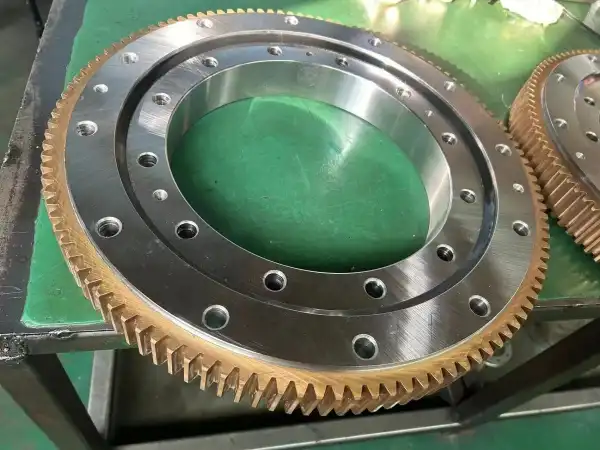
How to Choose the Right Turntable Bearing Material?
Step 1: Define the Load Spectrum
Start by identifying:
- Maximum axial load
- Radial load
- Overturning moment
- Static load
- Dynamic load
- Shock or impact loading
- Load frequency
This information provides the basis for determining the required strength, hardness, and fatigue resistance of the turntable bearing.
Step 2: Check Speed and Motion
Record the continuous and peak rotational speed. Also determine whether the bearing rotates continuously, intermittently, or oscillates through a limited angle.
Oscillating applications can behave differently from continuously rotating systems, particularly in relation to lubrication and surface contact.
Step 3: Evaluate the Environment
Consider:
- Water and humidity
- Salt spray
- Chemicals
- Dust and abrasive particles
- Cleaning agents
- Temperature range
- Outdoor exposure
If corrosion is the dominant risk, stainless steel or additional protective measures may be justified.
Step 4: Review Heat Treatment and Manufacturing Quality
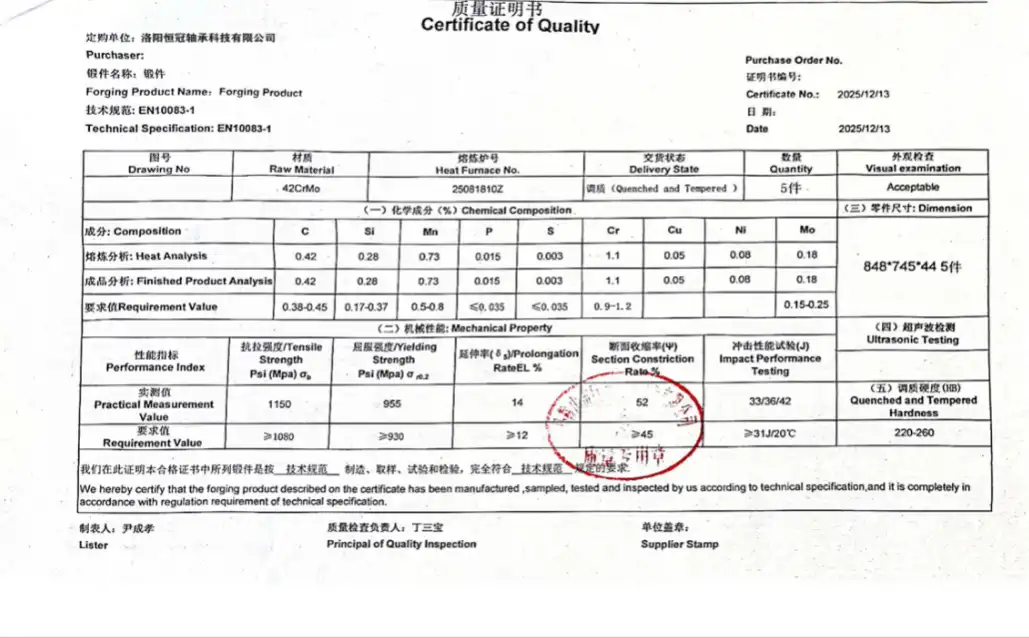
Ask the manufacturer how the raceways are treated and what inspection procedures are applied. Useful documentation can include material certificates, heat-treatment records, hardness results, dimensional inspection reports, and traceability information.
For critical applications, non-destructive testing may also be relevant depending on the bearing design and specification.
Step 5: Compare Total Cost Rather Than Material Price Alone
A low-cost material is not necessarily the lowest-cost solution. Consider:
- Initial bearing price
- Installation
- Lubrication
- Inspection
- Replacement frequency
- Downtime
- Access for maintenance
- Corrosion protection
- Expected service life
For equipment where bearing replacement requires major disassembly or crane support, a more durable solution can have a lower total cost even when its purchase price is higher.
What Buyers Should Confirm With a Manufacturer?
Before ordering a turntable bearing, procurement and engineering teams should provide the manufacturer with the actual operating conditions rather than specifying only the bearing diameter.
Important information includes:
- Bearing dimensions and mounting configuration
- Axial and radial loads
- Maximum overturning moment
- Rotational speed and duty cycle
- Static and dynamic loading conditions
- Operating temperature
- Corrosive or contaminated environment
- Required gear configuration, if applicable
- Lubrication method
- Expected service life
- Required material certification and traceability
- Inspection and testing requirements
A qualified bearing manufacturer can then evaluate whether the proposed steel grade, hardness, heat-treatment method, sealing system, and overall bearing design are suitable for the application.
This approach is more reliable than selecting a material solely because it has a higher strength value or a higher purchase price.
Conclusion
Material selection has a direct influence on the performance, durability, and lifecycle cost of a turntable bearing, but the material should always be evaluated as part of the complete bearing design. Alloy steels and bearing steels provide practical solutions for many heavy-duty applications because they combine strength, toughness, fatigue resistance, and heat-treatment capability. Stainless steels become valuable when corrosion resistance is a major requirement, while ceramic rolling elements and advanced surface treatments are better suited to specific high-speed, electrically sensitive, or specialized applications.
The most appropriate choice depends on the actual load spectrum, speed, temperature, environment, lubrication conditions, maintenance requirements, and expected service life. Buyers should also verify material certificates, heat-treatment records, hardness, dimensional accuracy, and traceability rather than relying on a material grade alone.
For OEMs and industrial equipment manufacturers, discussing the application with an experienced bearing supplier at the design stage can help avoid over-specification, premature wear, and unnecessary lifecycle costs. A properly matched material, combined with suitable bearing geometry, manufacturing quality, lubrication, sealing, and maintenance, provides a more dependable solution for long-term industrial operation.
|
|

FAQ
1. What is the most durable material for heavy-duty turntable bearing applications?
Alloy steel with proper heat treatment typically offers the best durability for heavy-duty applications, providing excellent load capacity and wear resistance. However, the optimal choice depends on specific operating conditions, load requirements, and environmental factors.
2. How do stainless steel turntable bearings compare to carbon steel in terms of cost and performance?
Stainless steel bearings typically cost 30-50% more than carbon steel but offer superior corrosion resistance and longer service life in harsh environments. The higher initial investment often results in lower total cost of ownership due to reduced maintenance and replacement frequency.
3. Can different materials be combined in a single turntable bearing design?
Yes, hybrid designs often use different materials for various components - such as steel races with ceramic rolling elements, or bronze cages with steel rings. This approach optimizes performance while managing costs and meeting specific application requirements.
4. What material considerations are important for high-temperature turntable bearing applications?
High-temperature applications require materials that maintain dimensional stability and mechanical properties under thermal stress. Special steel alloys, ceramic components, or bearings with advanced heat treatment processes are typically recommended for temperatures above 150°C.
5. How do I determine the right material for my specific turntable bearing application?
Consider key factors including load requirements, operating speed, environmental conditions, maintenance capabilities, and budget constraints. Consulting with experienced bearing manufacturers can help optimize material selection for your specific needs.
Partner with Heng Guan for Expert Material Selection and Custom Solutions
Choosing the right turntable bearing materials requires deep turntable bearing engineering expertise and a comprehensive understanding of application-specific requirements. Heng Guan Bearing Technology combines decades of slewing bearing experience with advanced materials knowledge to deliver optimal solutions for your industrial applications. Our engineering team specializes in material selection, custom design, and precision manufacturing across P4, P5, and P6 accuracy grades for construction, wind power, medical, and aerospace applications. We provide complete technical support from initial consultation through ongoing service, ensuring your bearing systems deliver maximum performance and reliability. Contact our materials specialists at mia@hgb-bearing.com to discuss your turntable bearing requirements and discover how our expertise as a leading turntable bearing manufacturer can optimize your equipment performance and reduce total ownership costs.
References
1. Harris, T.A. and Kotzalas, M.N. "Advanced Concepts of Bearing Technology: Rolling Bearing Analysis." CRC Press, 2020.
2. Bhushan, B. "Principles and Applications of Tribology: Materials Selection and Surface Engineering for Industrial Bearings." John Wiley & Sons, 2019.
3. Hamrock, B.J., Schmid, S.R., and Jacobson, B.O. "Fundamentals of Fluid Film Lubrication: Material Properties and Bearing Performance." Marcel Dekker, 2021.
4. Stolarski, T.A. "Rolling Contact Fatigue in Bearing Materials: Advanced Metallurgy and Heat Treatment Processes." Engineering Tribology, 2018.
5. Dowson, D. and Higginson, G.R. "Elastohydrodynamic Lubrication in Bearing Systems: Material Compatibility and Performance Optimization." Pergamon Press, 2020.
6. Kuzmin, V.N. and Lyubimov, D.N. "Advanced Bearing Steels and Alternative Materials: Properties, Applications and Selection Criteria." Materials Science International, 2019.

WHAT OUR CUSTOMERS SAY
Here is the customer's evaluation of us