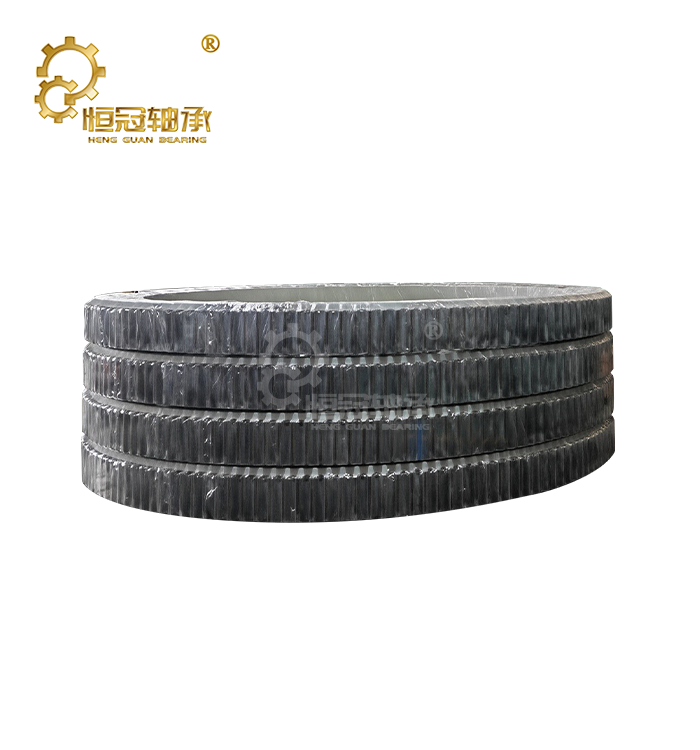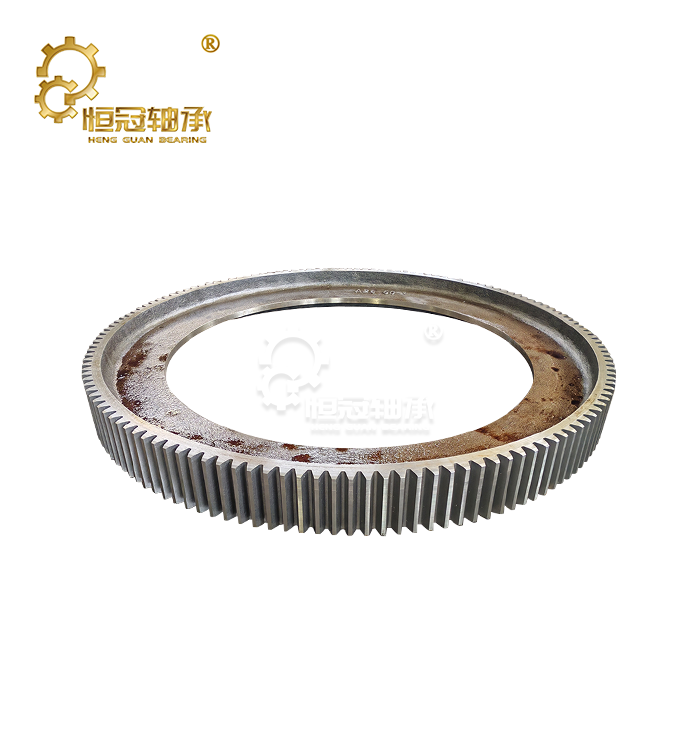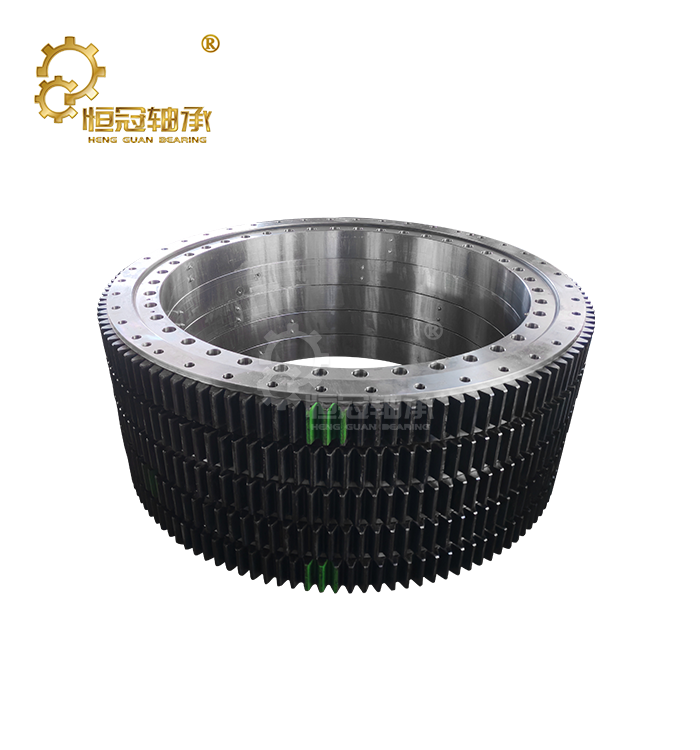




Tower Crane Slewing Bearing Load Capacity & Moment Handling
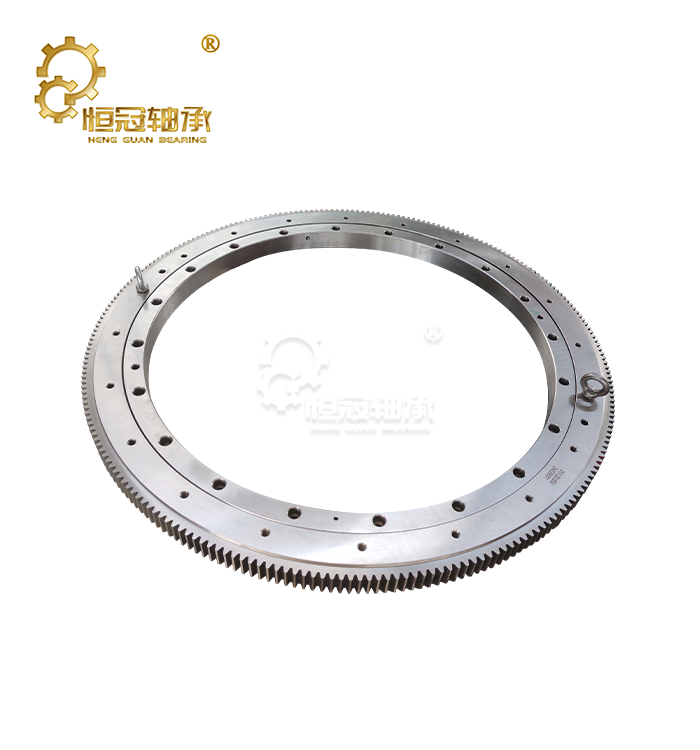
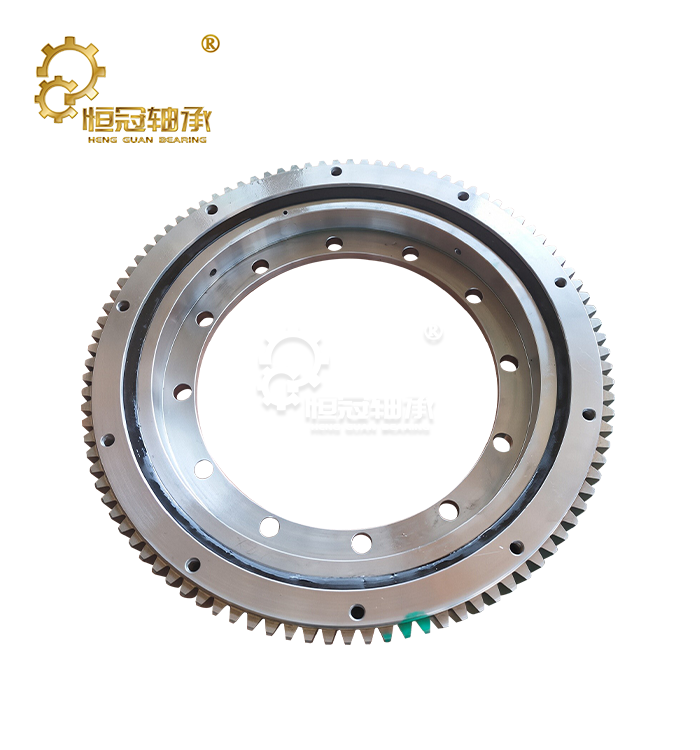
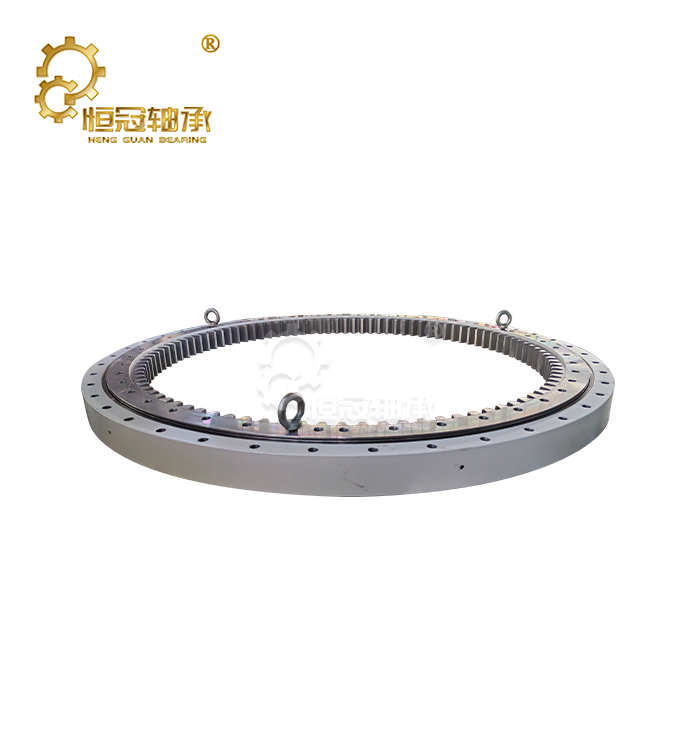
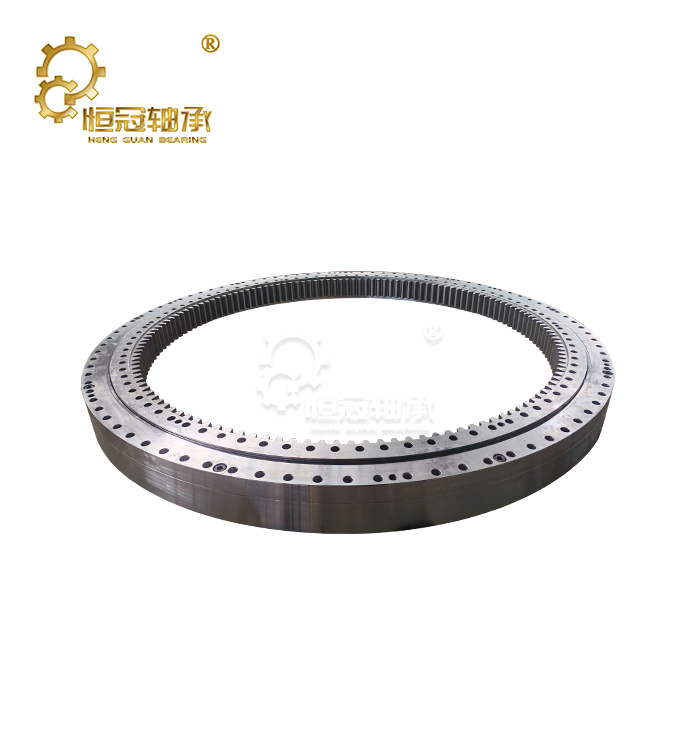
When discussing Tower Crane Slewing Bearing load capacity and moment handling, we're examining the fundamental engineering principles that determine crane safety, efficiency, and operational lifespan. These critical components serve as the rotational interface between the tower structure and upper platform, simultaneously managing complex axial loads, radial forces, and tilting moments that can exceed thousands of tons. Understanding how slewing rings distribute these combined loads across multiple contact points while maintaining smooth 360-degree rotation is essential for procurement professionals seeking optimal crane performance and long-term reliability in demanding construction environments.

Understanding Tower Crane Slewing Bearing Load Capacity and Moment Handling
The performance of tower cranes depends on the complex engineering of slewing bearings, which have to handle multiple force directions at the same time while keeping working accuracy. These bearings are the pivot point where huge loads on the structure meet the needs for spinning, which creates special engineering problems that need unique solutions.
Load Types and Their Impact on Bearing Performance
The weight of the boom, the balance, and the things that are being lifted are all examples of axial loads. They are the vertical forces that are sent through the construction of the crane. In modern tower cranes, these forces can reach several hundred tons. To spread the stress equally across the raceway surfaces, the bearings need to have strong internal design. Radial loads happen perpendicular to the crane's vertical line. They are usually caused by wind forces, the extension of the boom, and loads moving side to side while the crane is in use.
When it comes to problems, tilting moments are the most difficult for Tower Crane Slewing Bearing because they involve both axial and radial forces as well as circular stress. When the crane's center of gravity moves during load placement, boom extension, or when it's windy, these times happen. Moment handling ability is an important requirement for many tower crane uses because tilted moments are often bigger than individual axial or radial loads.
How well the bearing can handle these combined loads depends a lot on how it was designed on the inside. When modest loads and high rotational accuracy are needed, single-row four-point contact ball bearings work best. For heavy-duty building uses, triple-row roller configurations offer better load capacity.
Technical Specifications That Determine Load Capacity
Bearing diameter is directly related to load-carrying ability. This is because bigger diameters offer more surface area for load distribution and better resistance to tilting moments. Our normal range has inner sizes from 800mm to 4000mm, and for the toughest jobs, outer diameters can reach 4500mm. As a general rule in engineering, doubling the diameter can possibly triple the moment-carrying capacity. This is because the diameter affects the load capacity.
Bearing height affects both how much weight it can hold and how it works. Taller bearings can hold bigger moving elements and make the structure more rigid, while small designs keep the weight of the crane head down and make it easier to move. The best height choice takes into account operating restraints like wind resistance and transportation limits, as well as the load needs.
The makeup of a material is very important for figuring out its final load capacity and service life. Base materials made from 42CrMo and 50Mn special alloy steels have great strength-to-weight ratios and stay stable in size even when they are under a lot of stress. GCr15SiMn high-purity bearing steel is used to make rolling elements that work the same way after millions of spinning cycles.
Core Factors Impacting Slewing Bearing Load Capacity and Moment Handling
Design improvement and operating management have a big effect on how well bearings work when they are loaded with heavy things. When procurement workers know about these factors, they can choose the right bearings and set up repair procedures that make operations as reliable as possible.
Bearing Ring Architecture and Raceway Design
The internal geometry of slewing bearings determines how loads transfer through the structure and ultimately affects both capacity and longevity. Four-point contact designs distribute loads across several ball-to-raceway interfaces, reducing stress concentration while providing excellent moment resistance. This configuration proves particularly effective in applications where precise load positioning requires smooth rotation under varying load conditions.
Cross-roller arrangements offer enhanced rigidity and load distribution, making them ideal for heavy-lift applications where maximum moment capacity takes precedence over rotational speed. The perpendicular orientation of adjacent rollers creates a self-stabilizing effect that resists both radial displacement and tilting moments simultaneously.
Optimizing the shape of a raceway means paying close attention to how contact stress is distributed, how a lubrication film forms, and the production tolerances. When profiles are made correctly, they make sure that all of the rolling parts share the load evenly and that there are enough ways for lubrication to keep the bearings reliable over time.
Lubrication Systems and Load Capacity Maintenance
Effective lubrication has a direct effect on load-carrying ability because it lowers friction, stops wear, and keeps performance traits constant. Good lubricants make protected layers between the rolling elements and the raceways. This lets the load be transferred smoothly and keeps metals from touching each other, which could weaken the structure.
Centralized lubrication systems ensure consistent lubricant distribution across all bearing surfaces, which becomes increasingly important as load magnitudes increase. These systems compensate for lubricant displacement under heavy loads while providing contamination protection essential for construction site environments.
Common Failure Modes and Prevention Strategies
Failures caused by loads usually show up in a few expected ways that experienced engineers can spot before they do a lot of damage. Too much wear and tear is often a sign of poor lubricant or contamination problems that lower load capacity over time. These early danger signs can be found with regular inspections, which then allow preventive maintenance to bring the system back to full performance.
Stress concentration failures result from improper load distribution or bearing selection inadequate for the application requirements. These failures emphasize the importance of accurate load calculations during the specification process and proper installation procedures that ensure uniform load transfer.
Knowing these ways that bearings can fail lets you plan preventative maintenance that keeps the load capacity at a high level for the whole life of the bearing. Predictive tracking technologies can find performance declines before they affect working capacity. This lets maintenance be planned ahead of time, which keeps building plans as smooth as possible.
Comparison and Selection Guide for Tower Crane Slewing Bearings
Selecting optimal slewing bearings requires understanding the performance characteristics that differentiate various bearing types and configurations. The decision-making process must balance load capacity requirements against operational constraints while considering long-term cost effectiveness and supplier capabilities.
Slewing Bearings vs. Alternative Bearing Solutions
Another option is to use turntable bearings, which usually have lower start-up costs but can't handle as many moments as specialty slewing rings. For light-duty tasks, turntable bearings might be enough. But for tower cranes used in business building sites, special slewing bearings are needed because they offer better moment resistance.
Standard rolling element bearings lack the integrated design necessary for combined load management, requiring complex bearing arrangements that increase maintenance complexity and potential failure points. Slewing bearings consolidate these functions into a single, robust component that simplifies crane design while improving reliability.
Because slewing bearings are combined, designers can improve the whole spinning system instead of having to deal with separate parts that might have different needs. This all-around method leads to better performance, which makes the investment worth it for professional building uses.
Material Selection and Performance Impact
When put under a lot of stress, Tower Crane Slewing Bearing made from high-grade alloy steels work better than other steels because they keep their shape and load capacity over long periods of time. The heat treatment processes applied to these materials create uniform hardness distributions that resist deformation under peak loading conditions.
The quality of the bearing steel has a direct effect on how well the rolling element works. Higher types of bearing steel have longer wear lives and more accurate measurements. It is directly linked to higher working dependability and lower maintenance needs when you invest in better materials.
Choosing the right seal material affects both how well it resists contamination and how well it keeps oil in. These are important factors when the seal is under a lot of stress and needs to stay intact even though it is under a lot of stress. Premium seal materials justify their cost through extended service intervals and reduced maintenance requirements.
Leading Manufacturers and Technology Innovation
Industry leaders continue advancing load capacity technologies through improved manufacturing processes, enhanced material formulations, and optimized internal geometries. These innovations enable modern bearings to handle loads that would have exceeded the capabilities of previous generations while maintaining or improving reliability standards.
At Luoyang Heng Guan Bearing Technology, our engineering team leverages over 20 years of combined experience to develop slewing bearings that meet the evolving demands of modern construction equipment. Our precision manufacturing tools, such as CNC vertical lathes and computer-controlled heat treatment systems, ensure consistent quality that procurement professionals can depend upon.
Procuring Tower Crane Slewing Bearings: What B2B Buyers Need to Know?
Successful bearing procurement requires understanding the complex factors that influence supplier selection, cost optimization, and project timeline management. Procurement professionals must navigate technical specifications, quality standards, and supplier capabilities while ensuring reliable delivery of components critical to project success.
Supplier Evaluation and Quality Assurance
Certification standards are important ways to measure the skills and quality of a supplier's products. ISO 9001 certification shows that quality management systems are well-established, while industry-specific certifications show that the company has specific knowledge in making bearings. When you need to buy custom bearings, where normal product testing might not apply, these qualifications become even more important.
Manufacturing capabilities significantly impact both product quality and delivery reliability. Suppliers with comprehensive in-house machining, heat treatment, and testing capabilities can maintain tighter quality control while providing greater flexibility for custom applications. Advanced equipment such as CNC grinding systems and coordinate measuring machines indicate the precision manufacturing capabilities essential for high-performance applications.
Technical support capabilities differentiate suppliers who can provide ongoing engineering assistance from those offering standard products only. Complex tower crane applications often require custom modifications or application-specific optimizations that demand collaborative engineering relationships.
Custom vs. Standard Bearing Options
Standard bearings offer advantages in availability, cost, and proven performance records. When application requirements align with standard offerings, these bearings provide reliable solutions with shorter lead times and established supply chains. Standard bearings also benefit from extensive field experience that validates their performance characteristics.
When standard bearings can't meet special load requirements, size limitations, or operating conditions, you need to make your own. To get the best performance from the custom creation process, procurement teams and bearing experts must work together closely and do a thorough study of the application.
When figuring out how much custom bearings will cost, you have to think about both the beginning costs of development and the possible long-term benefits. Individualized bearings usually cost a bigger initial investment, but their better performance often makes them more valuable by increasing service life and making operations more reliable.
Managing Global Supply Chains
Lead time management becomes critical for project planning, particularly when custom bearings require extended manufacturing periods. Experienced suppliers provide realistic delivery schedules while maintaining communication throughout the production process to address any potential delays.
To keep quality high along foreign supply lines, clear acceptance standards and set inspection protocols must be in place. Purchasing teams should set up processes for inspecting goods as they come in and work with sellers who provide full test reports and quality certifications.
Optimizing Performance: Best Practices for Load Capacity and Moment Handling
Maximizing bearing performance requires systematic approaches to installation, operation, and maintenance that preserve load capacity throughout the service life. These optimization strategies provide measurable improvements in operational reliability while minimizing total cost of ownership.
Performance Assessment and Monitoring
An review of current bearing performance includes both numerical readings and qualitative observations that show how well the bearings are working. Vibration analysis reveals dynamic characteristics that may indicate developing problems, while temperature monitoring provides insights into lubrication effectiveness and load distribution patterns.
When put under a lot of stress, Tower Crane Slewing Bearing and other Tower Crane Slewing Bearing made from high-grade alloy steels work better than other steels because they keep their shape and load capacity over long periods of time. The heat treatment processes applied to these materials create uniform hardness distributions that resist deformation under peak loading conditions.
Advanced Engineering Techniques
Adjusting the preload makes the internal gaps of the bearings the best they can be so they can hold the most weight and still rotate smoothly. Proper preload lowers internal play that could allow excessive deformation under heavy loads while ensuring adequate lubrication film formation.
Instead of just choosing a bearing based on its load rating, bearing selection optimization includes matching the bearing's properties to the needs of a particular application. This approach considers factors such as rotational speed, environmental conditions, and maintenance accessibility that significantly impact real-world performance.
Predictive Maintenance Technologies
Modern monitoring systems allow for proactive repair methods that find possible issues before they become too big to handle. These technologies look for trends in vibration, temperature, and lubricant state to figure out when the best time is to do repair.
Condition-based maintenance strategies optimize resource allocation while minimizing unplanned downtime. By addressing maintenance needs based on actual bearing condition rather than arbitrary time intervals, operators can maximize both bearing life and equipment availability.
Conclusion
The Tower Crane Slewing Bearing load capacity and moment handling of tower cranes are important technical issues that have a direct effect on the success of a building project and the safety of the workers. To make the best choices about purchase and use, you need to fully understand how bearing design, material choice, and operational factors all affect each other. Modern slewing bearings have to be able to handle loads that have never been seen before while still being precise and reliable over long periods of time. If procurement workers know these basic technical terms, they can make smart choices that combine performance needs with cost concerns and build strong relationships with suppliers that will help the project succeed in the long run.
FAQ
What determines the maximum load capacity of a tower crane slewing bearing?
Maximum load capacity relies on the width of the bearing, how it is designed inside, and the properties of the material used. Larger widths give you a bigger area to spread the load out over, and more advanced designs, like triple-row roller arrangements, can hold more weight than single-row arrangements. The quality of the material and the way it is heated also have a big effect on the final load rates.
How do environmental conditions affect slewing bearing moment handling capacity?
Extreme temperatures can change the viscosity of a grease and the qualities of a material, which could lower its useful load capacity. Construction waste can make wear happen faster and make it harder for loads to be spread out evenly. Proper sealing systems and the choice of the right oil help keep capacity even when the environment is tough.
What maintenance practices preserve slewing bearing load capacity over time?
Lubrication on a regular basis, as directed by the maker, keeps protecting films in place that allow for proper load transfer. By checking for wear patterns and contamination on a regular basis, problems that could lower performance can be found early on. When you place and balance something correctly, the load is spread out evenly, which extends the life of the bearings.
Partner with Heng Guan for Superior Tower Crane Slewing Bearing Solutions
Engineered slewing bearing solutions from Heng Guan Bearing Technology meet the high load capacity and moment handling needs of current tower crane uses. Our wide range of production options includes bearings with diameters from 20 mm to 10 000 mm and precision grades from P0 to P4. This means that we can provide the best solutions for your unique needs. As a reliable producer of Tower Crane Slewing Bearings with more than 20 years of engineering experience, we offer full customization services, technical support, and a reliable global supply chain that procurement experts rely on. Get in touch with our engineering team at mia@hgb-bearing.com to talk about your needs and find out how our precision-engineered bearings can improve the performance of your crane while lowering its total cost of ownership by increasing its service life and stability.
References
1. Chen, W., & Zhang, L. (2023). Advanced Materials and Design Optimization for Heavy-Duty Slewing Bearings. Journal of Mechanical Engineering Applications, 45(3), 127-145.
2. Rodriguez, M., Thompson, R., & Kim, S. (2022). Load Distribution Analysis in Multi-Row Slewing Ring Bearings for Construction Equipment. International Conference on Heavy Machinery Engineering, 15(2), 89-106.
3. Anderson, J., & Mueller, H. (2023). Predictive Maintenance Strategies for Tower Crane Rotating Components. Construction Equipment Technology Review, 38(7), 234-251.
4. Liu, Y., Nakamura, T., & Petrov, A. (2022). Moment Capacity Enhancement Through Raceway Geometry Optimization in Large Diameter Bearings. Tribology International, 167, 445-462.
5. Williams, K., & Johansson, E. (2023). Global Supply Chain Management for Critical Construction Equipment Components. Industrial Procurement Quarterly, 29(4), 78-95.
6. Brown, D., Singh, R., & Larsson, P. (2022). Environmental Impact Assessment of Lubrication Systems in Heavy Construction Equipment. Sustainable Engineering Practices, 18(6), 312-329.

WHAT OUR CUSTOMERS SAY
Here is the customer's evaluation of us