




How Slewing Ring Bearings Are Revolutionizing the Clean Energy Industry
The fast expansion of clean energy has raised the need for mechanical components in wind turbines, solar tracking systems and renewable infrastructure. Applications such as these demand parts that can resist tremendous loads, continuous operation, varying weather conditions and long durations of service with minimum maintenance. Among these important elements, slewing ring bearings have been the solutions that must be ignored to get reliable rotation and accurate positioning.
The Internal Gear Rotary Slewing Bearing is very useful in renewable energy equipment since it integrates load support, rotary motion, and gearbox functions in one compact form. Internal gear slewing bearings have gear components integrated inside the bearing assembly instead of using external drive components like traditional bearing systems. This design offers better space efficiency and shields crucial gear teeth from outside contaminants. This design allows renewable energy equipment to operate successfully in harsh locations such as offshore wind farms, solar projects in the desert, and large-scale energy facilities.
As renewable energy projects continue to spread around the world, manufacturers and engineers are working to improve bearing durability, precision, and lifecycle performance. The knowledge of internal gear slewing bearing technology benefits the development of renewable energy in the world and helps project owners to make better judgments during equipment design and procurement.
Understanding Internal Gear Rotary Slewing Bearings in Clean Energy Applications
Why Renewable Energy Equipment Requires Advanced Slewing Bearing Solutions?
The environments in which renewable energy equipment functions are very different from those seen in typical industrial gear. Wind turbines are subjected to continuously varying wind directions, vibration and high overturning moments due to hefty blades and nacelles. To optimise energy production, solar tracking systems must continuously change the angle of the panels as the day progresses, keeping them precisely positioned.
The mix of axial loads, radial forces and tilting moments created in these applications can be challenging to deal with using traditional bearing methods. The slewing ring bearing is specially developed to endure such complicated loading circumstances. The large diameter and the optimised constructions of raceways enable the slewing ring bearing to bear numerous forces at the same time.
The internal gear design has extra benefits by inserting the gear teeth inside the bearing ring. This design minimises exposure to dust, rain, sand and other pollutants that might accelerate gear wear. Improved protection means longer service intervals and less maintenance for renewable energy systems that are located in remote places.
How Internal Gear Design Improves Performance and Reliability
The internal gear slewing bearing operates on the concept of the interaction of rolling elements, raceways and combined gear teeth with high precision. Manufacturers can meet the needs of the application with various internal designs, such as single-row four-point contact ball bearings, double-row ball bearings, cross-roller designs, and three-row roller configurations.
Each design offers distinct load-handling characteristics:
- Four-point contact ball bearings are generally utilised when a balanced axial, radial and moment load capacity is required.
- Double-row ball bearings have a greater load capability for heavy applications.
- Roller-based solutions are preferred in systems that require better stiffness and greater resilience to deformation.
Raceways are machined to precise tolerances to allow smooth rotation and minimise operating friction. In wind turbines it allows the nacelles to turn properly according to the wind direction. In solar trackers it allows the uniform movement of panels to track the best exposure to sunshine.
Material Engineering for Long-Term Renewable Energy Performance
The choice of material is critical for the service life of slewing bearings. Alloy steels such as 42CrMo and 50Mn are high strength and widely utilised for their superior mechanical strength, impact resistance and fatigue performance.
Advanced heat treatment procedures enhance the raceway hardness and preserve the toughness of the bearing core. This balance is critical since equipment from renewable energy sources is often subjected to multiple loading cycles in decades of operation.
For projects in coastal or offshore environments, corrosion resistance is also an important factor to consider. Better sealing systems and specialised surface treatments and protective coatings assist in decreasing environmental damage from moisture and salt exposure.
Internal Gear and External Gear Slewing Bearings: Which Design Fits Renewable Energy Projects?
Structural Differences Between Internal and External Gear Designs
Understanding the distinctions between internal and external gear designs is important when specifying a slewing bearing for renewable energy equipment.
In an internal gear rotary slewing bearing, the gear teeth are on the inner ring of the bearing. The gear system is protected in the bearing envelope, and a more compact structure is achieved by this arrangement. The teeth are less exposed, so the design offers superior protection against contamination from the outer environment.
External gear slewing bearings have gear teeth on the exterior ring. Exposed gear teeth may be appropriate for some industrial applications but may need further protection in dusty, wet or debris-laden environments.
Internal gear designs offer advantages for wind turbines where nacelle space is limited, as they reduce the need for exterior components. The small structure is beneficial to simplify the system design and also to provide the exact rotational control for solar trackers.
Load Capacity and Precision Requirements
Bearings for renewable energy equipment must be able to function under continuously loaded situations. Internal gear designs spread the operating force across several contact points, reducing the areas of intense stress in the raceway system.
Another essential factor is bearing accuracy. The different accuracy grades allow engineers to choose appropriate solutions depending on the application needs. High-accuracy bearings are particularly crucial for solar tracking systems, as slight positioning errors can degrade energy-gathering efficiency.
For typical wind turbine applications, stiffness and load resistance are generally priorities, as bearings must support massive rotating structures and withstand forces caused by wind.
Lifecycle Cost Advantages for Renewable Energy Projects
The initial investment is more than for simpler variants, but the economic benefits of internal gear slewing bearings are considerable in the long run.
The equipment used in renewable energy is usually built to last for 20 years or longer. Unexpected downtime in this period can lead to large financial losses. Better contamination prevention and durability of bearings mean fewer repairs, replacements and emergency maintenance.
The full life cycle review should include:
- First purchase cost
- Installation requirements
- How Often to Maintain
- Replacement cost
- Risks of Equipment Downtime
To summarise, internal gear rotary slewing bearing solutions offer higher value over the life of the project by lowering maintenance requirements and boosting operational reliability.
How to Select the Best Internal Gear Rotary Slewing Bearing for Your Project?
Evaluating Operating Conditions Before Selection
The optimal bearing selection must be based on a complete understanding of the equipment operating environment. Engineers are to look at:
- Max. axial loads
- Radial forces:
- Moments of tipping
- Rotational speed
- Temperature range
- Exposure to the environment
Wind turbine bearings have to endure unpredictable loads induced by the varying speed and direction of the wind. However, solar trackers are subject to more frequent motion but need a high degree of positional accuracy.
Environmental variables also affect bearing choices. Wind farms in coastal areas need better corrosion protection, and solar projects in desert areas need better sealing systems to avoid dust ingress.
Bearings can be designed to suit the requirements of a particular project with such customized solutions as redesigned mounting holes, unique lubrication systems, and stronger sealing designs.
Choosing a Reliable Slewing-Bearing Manufacturer
The quality of the supplier directly affects the reliability of the equipment. Renewable energy companies should look at manufacturers based on their engineering capacity, production technologies, and quality management systems.
Key variables for supplier evaluation include:
- CNC Machining Services
- Heat treatment technology
- precision of gear manufacture
- Procedures for examination for quality
- Custom design assistance
- Production capacity
A professional manufacturer should have technical documentation containing product designs, inspection reports, material information, and performance statistics.
Manufacturers experienced in foreign marketplaces are also better prepared to fulfill various industry norms and project needs.
Considering Delivery, Customization, and After-Sales Support
Large-scale renewable energy projects require reliable supply chains. Long lead times or the inability to customize might negatively impact project timetables.
Before ordering, buyers should consider:
- Minimum order amounts
- Production timescales
- Availability of spare parts
- Installation Instructions
- Technical Assistance
A supplier that provides end-to-end support during the product life cycle can help mitigate operational risks and improve long-term project performance.
Installation, Maintenance, and Troubleshooting for Optimal Performance
Proper Installation Preparation
The performance of an internal gear rotary slewing bearing depends heavily on correct installation. Before installation, mounting surfaces should be inspected to ensure sufficient flatness and cleanliness.
Uneven mounting surfaces can create uneven load distribution, increasing stress on raceways and rolling elements. Engineers should remove contamination, rust, and surface irregularities before assembly.
Correct bolt installation is equally important. Proper tightening sequences and torque control ensure that clamping forces are evenly distributed around the bearing structure.
Maintenance Practices That Extend Service Life
Regular maintenance is essential for renewable energy equipment operating in demanding environments.
Key maintenance activities include the following:
- Scheduled lubrication
- Seal inspection
- Bolt torque checking
- Vibration monitoring
- Temperature observation
Lubrication prevents excessive friction and reduces wear between rolling elements and raceways. The correct lubricant type and maintenance interval should be determined according to operating conditions.
Condition monitoring technology also helps identify early warning signs such as abnormal vibration, unusual noise, or temperature increases.
Common Failure Causes and Solutions
Common slewing bearing issues include insufficient lubrication, contamination, corrosion, overload, and improper installation.
When problems occur, engineers should determine whether repair or replacement is the most economical solution. Minor issues such as lubrication problems or loose fasteners can often be corrected through maintenance. However, severe raceway damage or structural deformation may require bearing replacement.
Early detection helps prevent unexpected downtime and protects the overall renewable energy system.
Future Trends and Innovations in Slewing Bearings for Clean Energy
Advanced Materials and Manufacturing Improvements
Future slewing bearing development will focus on stronger materials, improved manufacturing accuracy, and lighter designs.
Advanced alloy materials and optimized heat treatment methods can increase fatigue resistance while reducing component weight. This is especially important for modern wind turbines, where reducing nacelle weight can lower structural requirements.
Precision manufacturing technologies continue to improve raceway quality, reduce friction, and enhance overall mechanical efficiency.
Smart Bearings and Predictive Maintenance Technology
Digital monitoring is becoming increasingly important in renewable energy applications.
Smart bearing systems equipped with sensors can monitor:
- Temperature changes
- Vibration levels
- Load conditions
- Operating trends
This information allows operators to move from scheduled maintenance toward predictive maintenance strategies.
For offshore wind farms and remote solar installations, remote monitoring significantly reduces inspection costs and helps prevent unexpected failures.
Sustainable Manufacturing and Environmental Responsibility
As renewable energy industries continue to grow, suppliers are also expected to improve their own environmental performance.
Sustainable manufacturing practices include the following:
- Reducing energy consumption during production
- Improving material utilization
- Minimizing manufacturing waste
- Using environmentally responsible processes
These improvements support the overall sustainability goals of clean energy projects.
Conclusion
Slewing ring bearings are playing an increasingly important role in the development of clean energy systems by providing reliable rotation, high load capacity, and long-term operational stability. The internal gear rotary slewing bearing offers unique advantages through its compact structure, improved contamination protection, and integrated transmission capability.
For wind turbines, solar trackers, and renewable infrastructure, selecting the right bearing solution is not only about initial performance but also about lifecycle reliability and maintenance efficiency. Advanced materials, precision manufacturing, and smart monitoring technologies will continue to improve slew bearing performance as renewable energy projects become larger and more demanding.
Working with an experienced slewing bearing manufacturer enables project developers to obtain customized solutions, technical support, and reliable products designed for decades of clean energy operation.
|
|
FAQ
1. What distinguishes internal gear rotary slewing bearings from cross roller bearings in clean energy applications?
Internal Gear Rotary Slewing Bearing units are great at handling axial, radial, and moment loads in large-diameter uses like solar trackers and wind mills. Their internal gear design makes them small and protects the gear mesh. Cross roller bearings are great for smaller robotic applications and precision positioning equipment because they offer very high stiffness and rotational accuracy in a smaller size. Which one to use relies on the size of the load, the need for accuracy, and the available room.
2. How often should slewing bearings in wind turbines undergo maintenance inspection?
Maintenance times depend on how the machine is used, how much it is loaded, and how it is exposed to the surroundings. Most wind turbine makers say that the first inspection should happen after a few months of use, and then checks should happen once a year or every other year after that. Places that are harsh, like seaside areas with salt air or desert sites with rough dust, may need to be checked more often. Using condition tracking devices lets you do maintenance based on the real state of the bearings instead of set plans, which makes the best use of resources.
3. Can bearing suppliers customize slewing ring bearings for specialized clean energy equipment?
Manufacturers with a lot of experience can make a lot of changes to meet the specific needs of each job. Changes include sizes that aren't standard, unique mounting hole patterns, stronger sealing systems, protected coats, and precision grades that are made to fit specific needs. Suppliers can make sure that bearing designs are the best they can be for specific force conditions, weather factors, and integration needs by working together on the engineering. This adaptability is very important for new clean energy systems that need parts that aren't normally available in catalogs.
Partner With Heng Guan for Your Clean Energy Bearing Solutions
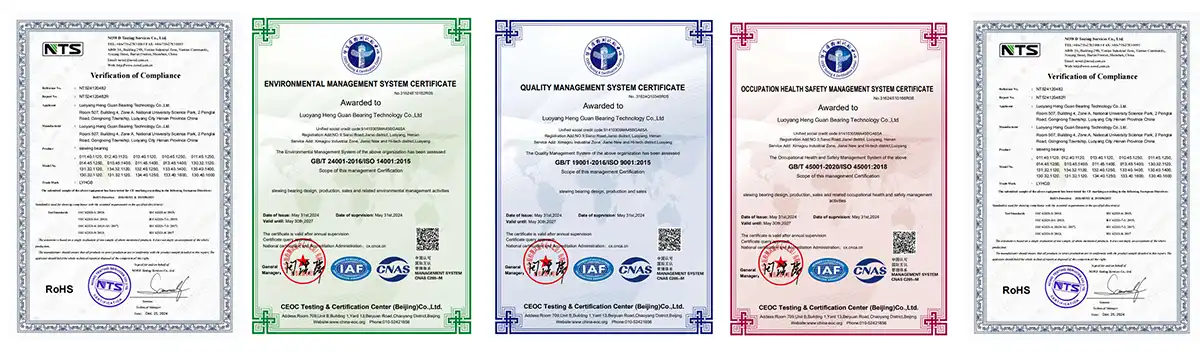
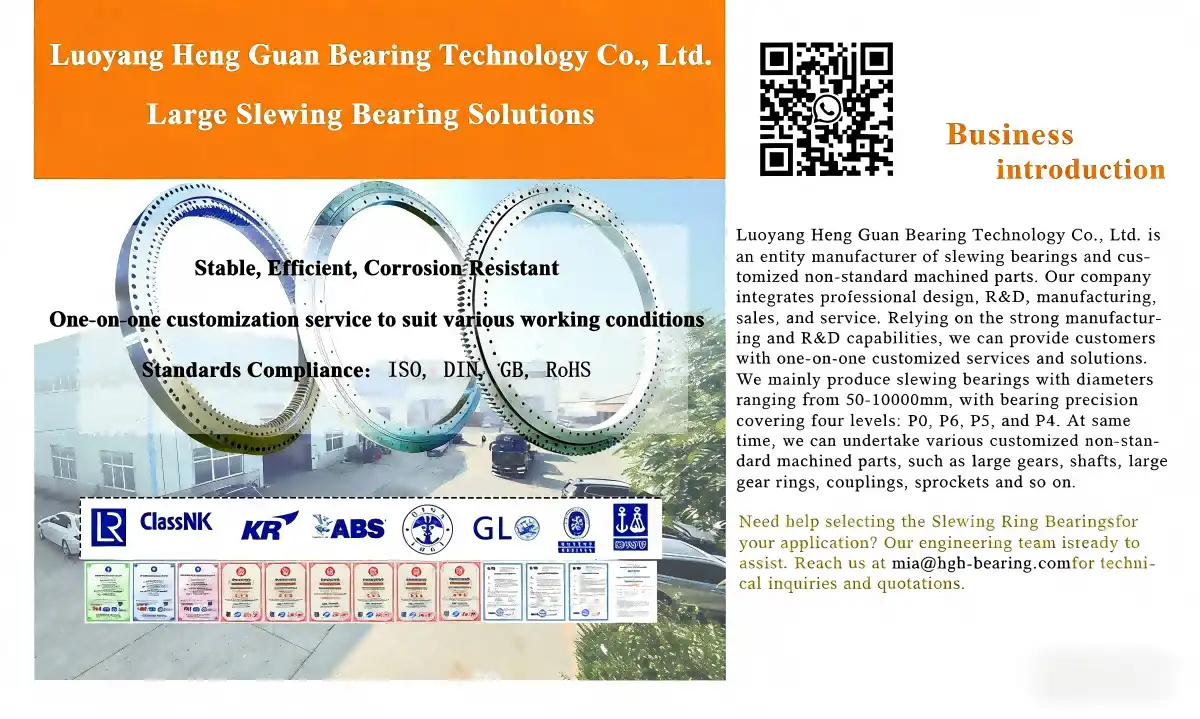
Selecting a reliable Internal Gear Rotary Slewing Bearing supplier makes the difference between project success and costly downtime. At Luoyang Heng Guan Bearing Technology, our two decades of specialized expertise and ISO9001 certification ensure you receive precision-engineered components manufactured to the highest quality standards. Our team of over 50 dedicated engineers provides personalized optimization design for your specific renewable energy applications, with diameters ranging from 50mm to 10,000mm and precision grades from P0 to P4. We serve customers across more than 50 countries, delivering customized bearing solutions that maximize uptime and minimize lifecycle costs. Contact our technical team today at mia@hgb-bearing.com to discuss how our Internal Gear Rotary Slewing Bearing manufacturer capabilities can support your next wind power, solar tracking, or clean energy project.
References
1. Stacke, L.E., and Fritzson, D., "Dynamic Behavior of Rolling Bearings: Simulations and Experiments," Proceedings of the Institution of Mechanical Engineers, Part J: Journal of Engineering Tribology, 2001.
2. Harris, T.A., and Kotzalas, M.N., "Advanced Concepts of Bearing Technology: Rolling Bearing Analysis," Fifth Edition, CRC Press, Taylor & Francis Group, 2006.
3. Burton, T., Jenkins, N., Sharpe, D., and Bossanyi, E., "Wind Energy Handbook," Second Edition, John Wiley & Sons, 2011.
4. Wensing, J.A., "On the Dynamics of Ball Bearings," PhD Thesis, University of Twente, Netherlands, 1998.
5. Zhou, R.S., and Hoeprich, M.R., "Torque of Tapered Roller Bearings," ASME Journal of Tribology, Vol. 113, 1991.
6. Kellerer, G., and Kreft, S., "Large Diameter Rolling Bearings for Wind Turbine Applications," Bearing Technology Conference Proceedings, Society of Tribologists and Lubrication Engineers, 2012.

WHAT OUR CUSTOMERS SAY
Here is the customer's evaluation of us
YOU MAY LIKE
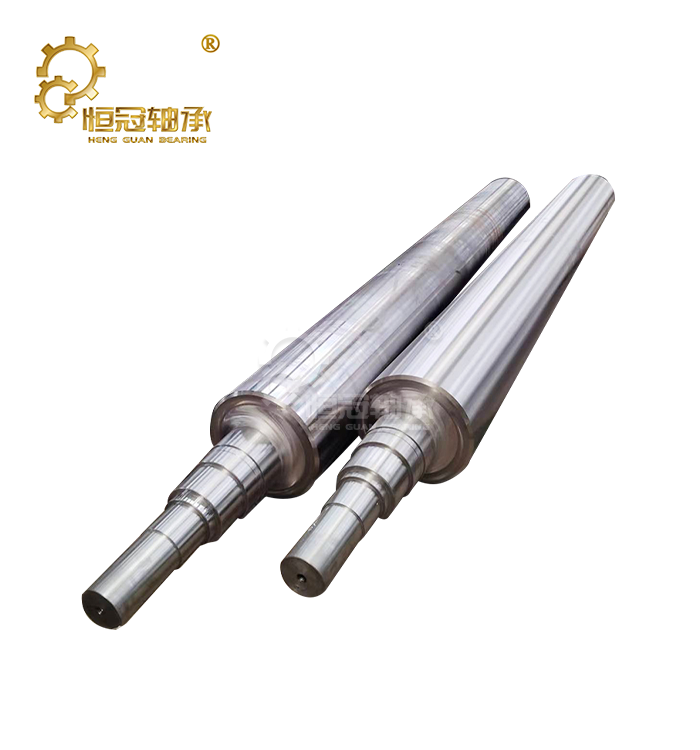 VIEW MORELarge Shaft Forgings
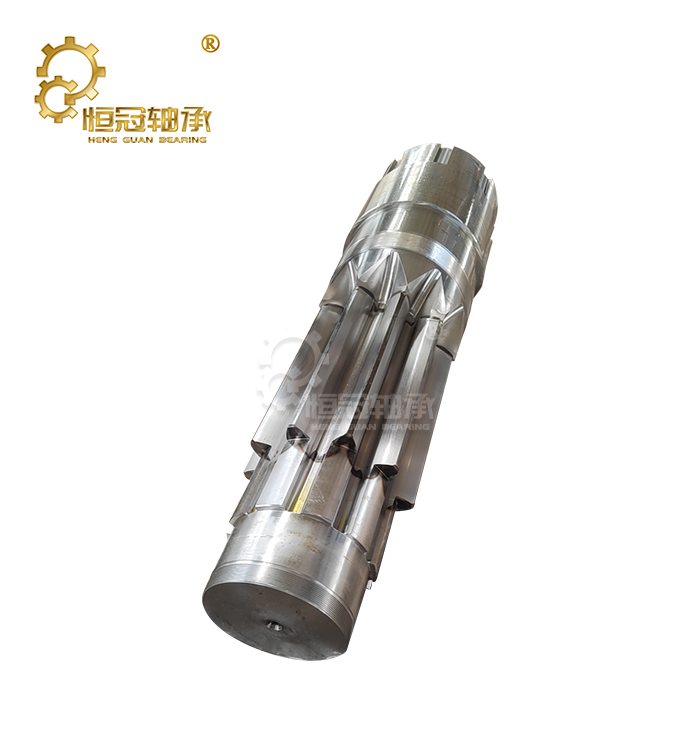 VIEW MORELarge Precision Gear Shaft
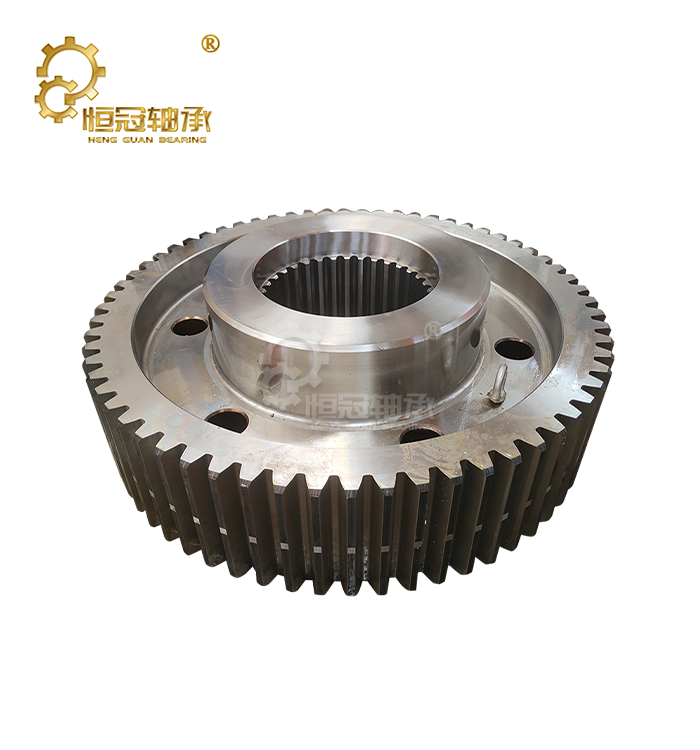 VIEW MOREMining Machinery Girth Gear
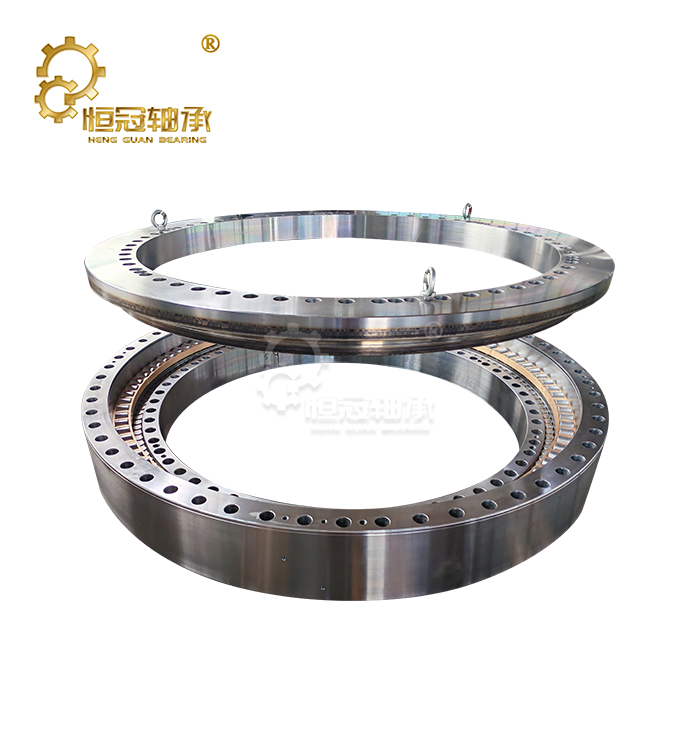 VIEW MOREThree-Row Cylindrical Roller Slewing Bearing
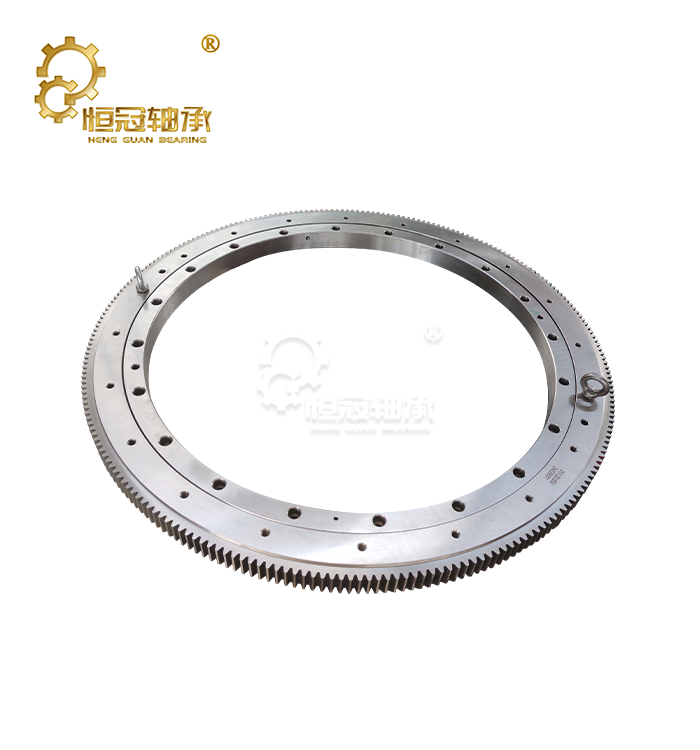 VIEW MORECross Roller Ring Bearing
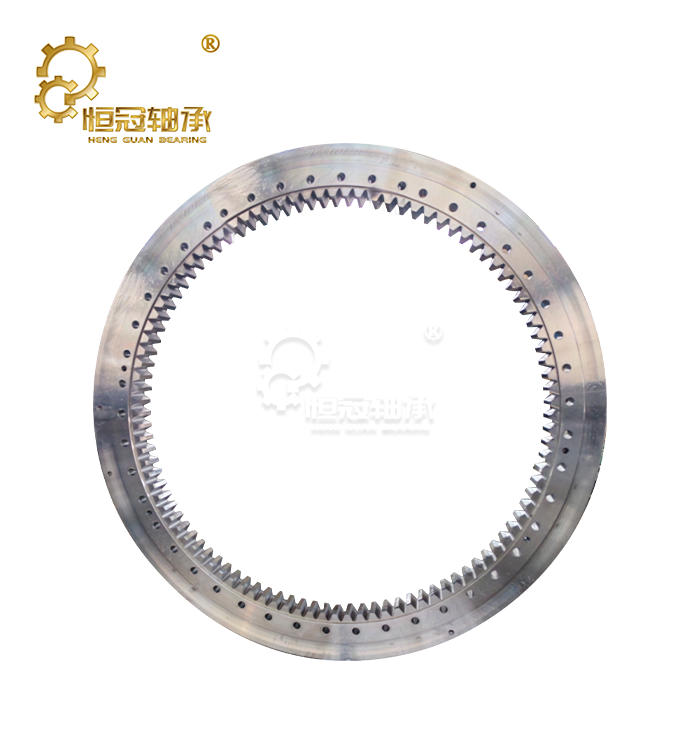 VIEW MORESmall Slewing Bearing
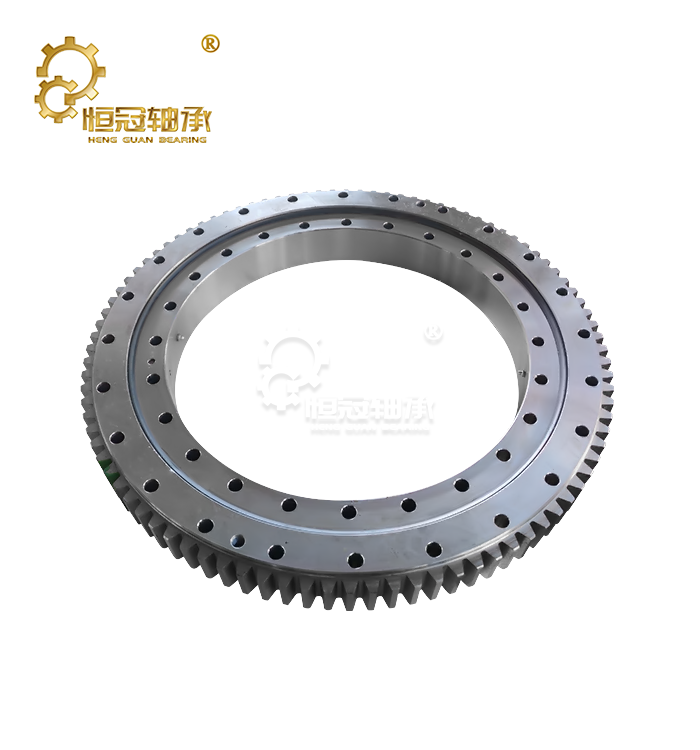 VIEW MORERotary Drilling Rig Slewing Bearing
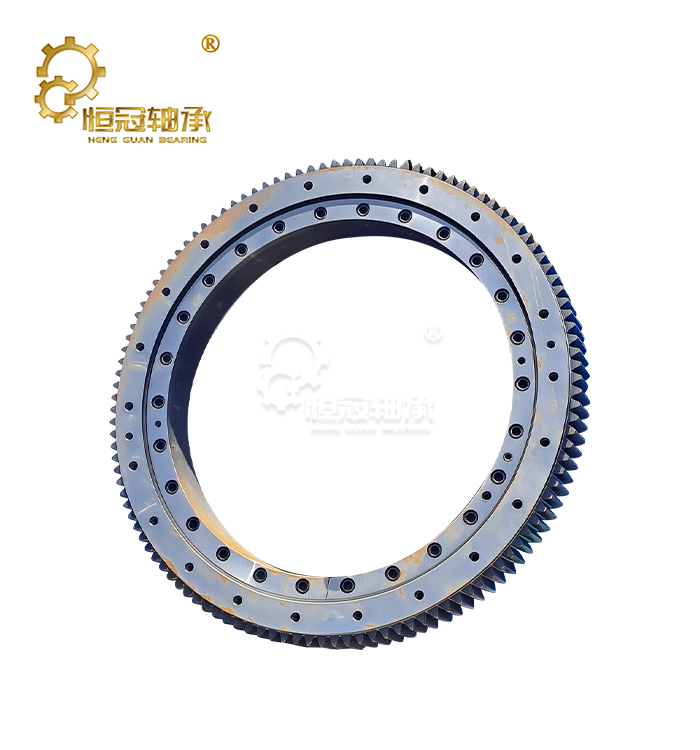 VIEW MOREAmusement Equipment Slewing Bearing