




Installation and Maintenance Best Practices for Slewing Ring Bearings
When it comes to big machinery, the life and dependability of rolling bearing systems depend on how well they are installed and maintained. When we talk about Installation and Maintenance Best Practices for Crane Slewing Rings, we're talking about the important steps that keep equipment from breaking down too soon, cut down on Crane Slewing Ring unnecessary downtime, and help workers get the most out of their investments. Pay close attention to the Crane Slewing Ring during installation and ongoing upkeep. This is because the large-diameter bearings support axial, radial, and moment loads that can be more than several hundred tons in mining and building settings.
Understanding Crane Slewing Ring Bearings
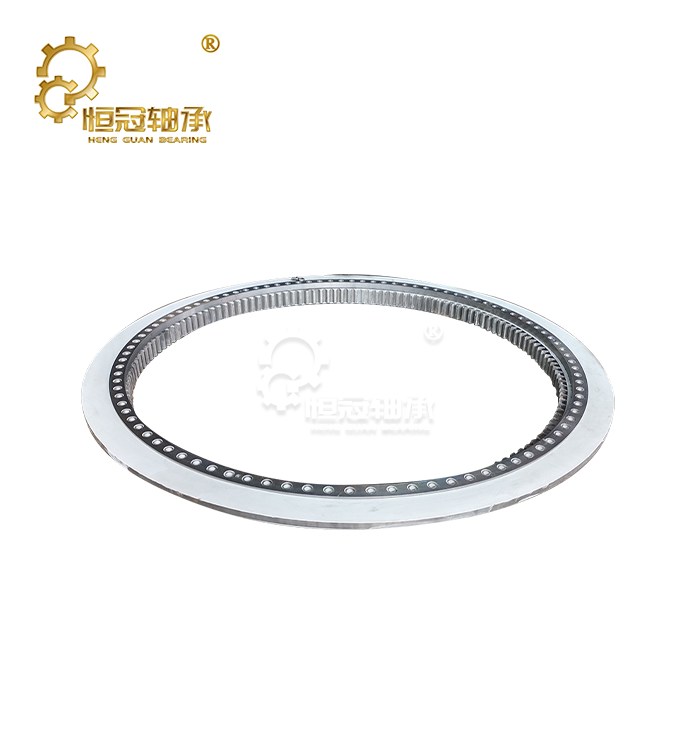
Crane Slewing Ring allows the boom to rotate 360 degrees and handle complicated load vectors. They are the rotating interface between the crane's upper structure and its lower structure. These precision-engineered parts have inner and outer rings with moving elements, which can be balls or rollers, placed in specific ways to handle forces that come from different directions that regular bearings can't handle.
Construction and Working Principle
A Crane Slewing Ring is made up of hardened raceways that are formed into rings that fit together, with moving elements in the middle. Engineers can choose from single-row four-point contact ball designs for modest loads, double-row setups for better radial capacity, or three-row roller assemblies for extreme uses like tower cranes and gantry cranes. The assembly is finished with lubrication paths, built-in sealing systems, and carefully drilled mounting holes that let force be transferred to neighboring structures through bolted connections.
Common Slewing Ring Types
For different crane uses, different bearing designs are needed. Single-row ball Crane Slewing Rings have small features that make them good for mobile cranes that don't have a lot of room. Cross-roller bearings make accurate lifting equipment in aircraft manufacturing facilities very rigid. Three-row roller versions are most common in heavy-duty mine cranes, which are used in places with a lot of stress because of shock loads from bucket drops and moving materials. Knowing these differences helps buying teams choose parts that meet operating needs without over-engineering, which drives up costs for no reason.
Material Selection Impact
Metallurgical choices have a direct effect on how well a bearing works. Alloy steels that have been through-hardened, like 42CrMo, are strong in dirty settings like mines, while case-hardened materials have better raceway hardness for longer wear life. In rough conditions, surface techniques like induction hardening and nitriding make things more resistant to wear. At Heng Guan, we use advanced heat treatment methods for all of our 20–10,000mm diameter ranges to make sure that the material qualities match the stress profiles needed for each application.
Best Practices for Crane Slewing Ring Installation
The quality of the installation of the china crane slewing ring sets the stage for long-lasting bearings. When you don't follow the Crane Slewing Ring instructions exactly, you can cause stress to build up, forces to be out of line, and faster wear patterns that weaken the structure.
Pre-Installation Preparation
Before installation starts, checking teams have to make sure that the parts are in good shape and that the dimensions are correct. We suggest checking the raceway surfaces for machining flaws, using coordinate measure tools to make sure the bolt holes are lined up correctly, and making sure the mounting lip is flat enough to meet the manufacturer's requirements. Environmental factors are very important. For example, the outdoor temperature affects estimates for thermal expansion, and the humidity affects the corrosion protection needs during storage. As part of preparing the foundation, the mounting surfaces must be clean, flat (within 0.05 mm of error per meter), and free of burrs that can cause stress risers.
Precision Alignment Procedures
The accuracy of alignment has a direct effect on how loads are spread across moving parts. Bearing dynamics study shows that misalignment as little as 0.5 degrees can cause edge stress that shortens the life of a Crane Slewing Ring by 40 to 60 percent. To make sure that mating rings are straight, installation teams should use laser alignment systems or precise dial signs. It's possible to change the shim stock to account for uneven foundations, and dowel pins keep the stock in place while the bolts are being tightened.
Torque Application Protocol
Bolt preload creates a binding force that stops pitting rust and spreads out operating loads. We suggest following a star-pattern tightening process and moving forward gradually until you reach the final torque values listed in the engineering documents. Hydraulic tensioners make sure that the preload is the same across links with a lot of diameters. This gets rid of the variation that comes with using a hand torque wrench. After a 100-hour run-in time, re-torquing allows the material to settle and keeps the charge constant throughout the service life.
Initial Lubrication Requirements
When you lubricate something properly during launching, protective films form between the metal surfaces during the first few spinning cycles. Most Crane Slewing Ring jobs can be done with lithium-based greases that have EP ingredients. However, synthetic formulas may be needed in places with very high temperatures. The amount of grease used should fill the raceway spaces 30 to 40 percent of the way—too much grease causes spinning resistance and temperature rise, while not enough grease lets metal-to-metal contact happen. Installing automated lubrication systems during launching makes planning upkeep easier and makes sure that deliveries happen at the same time every time.
Effective Maintenance Tips to Prolong Slewing Ring Life
Maintenance programs turn fixes that are done after the fact into ones that are done ahead of time. This cuts down on catastrophic failures that stop production and put people in danger. Examining the Crane Slewing Ring regularly shows early signs of wear and tear before it becomes functionally useless.
Visual Inspection Protocols
Maintenance workers should check the stability of the seal once a month for cracks, movement, or ways for contamination to get in. By looking at the raceway through viewing holes, you can see pitting, spalling, or coloring, which means the lubrication has broken down. Checking the state of bolts can find problems like loosening, corrosion, or stress cracks that threaten the links between structures. Documentation methods, such as taking pictures and measuring things, keep track of how quickly things break down and help with decisions about when to replace them.
Lubrication Management Strategies
The state of grease gets worse over time due to oxidation, contamination, the china crane slewing ring, and mechanical tearing, so it needs to be replaced every so often. We suggest replacing lubricant every 500 hours of use in clean settings and every 250 hours in dusty mine or seaside areas where abrasive particles and salt spray speed up wear and tear. Through lab tests, grease analysis tools find out how much contamination there is, how much base oil is used up, and how much additive is left. This lets condition-based maintenance happen instead of just following random plans. Automated cleaning systems get rid of human mistakes and make sure that the same amount of grease is applied to all of the parts.
Vibration and Temperature Monitoring
Predictive repair technologies find problems with bearings before they fail completely. Vibration sensors placed near the housings of Crane Slewing Rings record acceleration signs that show problems with the balls or rollers, damaged raceways, and out-of-alignment situations. Frequency analysis can tell the difference between normal operating vibration and patterns that are caused by a fault. Depending on the shape, bearing flaw frequencies usually show up at 3–10 times the rotational speed. Temperature tracking with infrared cameras or embedded sensors finds slipping grease and too much friction, so repairs can be made before thermal damage happens.
Addressing Common Wear Issues
Damage to the raceway can show up as fake brinelling from vibrations during shipping, true brinelling from shock loads that are higher than the material's yield strength, or spalling from fatigue cracks spreading below the surface. Corrosion shows up as surface rust in wet places or fretting corrosion at fixed joints that are moving very little. Whether to repair or replace depends on how bad the damage is. For example, small surface corrosion can be fixed by cleaning and re-lubricating, but raceway spalling that covers more than 5% of the circle usually needs to be replaced to keep the bearing from breaking suddenly under load.
Choosing the Right Crane Slewing Ring for Your Needs
Accurate Crane Slewing Ring specifications during purchase stop expensive mismatches between what a component can do and what it needs to do for an application.
Load Capacity and Safety Factors
Before choosing a bearing, you need to figure out the total loads that it will have to handle. These loads will include axial forces from the lifted mass, rotational forces from the boom's reach, wind loading, and twisting moments from uneven load distribution. Manufacturer catalogs list dynamic load ratings that show how much weight is allowed for certain service lives. For example, L10 ratings mean that the load will survive 90% of the given working hours. Safety factors of 1.5 to 2.0 take into account shock loading, material variation, and uncertain working conditions. This is especially important in mine crane environments where impact loads from bucket drops are higher than what is calculated in a steady state.
Application-Specific Considerations
Tower crane Crane Slewing Rings have to deal with high moment loads because the booms are longer, which means they need three-row roller setups with bigger raceways to lower contact stress. When using a gantry crane, it's important to keep the rotational stiffness high so that the containers are placed precisely. In order to balance weight limits with load capacity, mobile crane designs often use lighter single-row ball bearings with the best possible ball diameter and contact angle shape. P4 or P5 grades with running accuracy standards measured in arc-seconds are needed for medical equipment and aerospace uses, but P6 or P0 grades are fine for construction machines.
Evaluating Manufacturer Capabilities
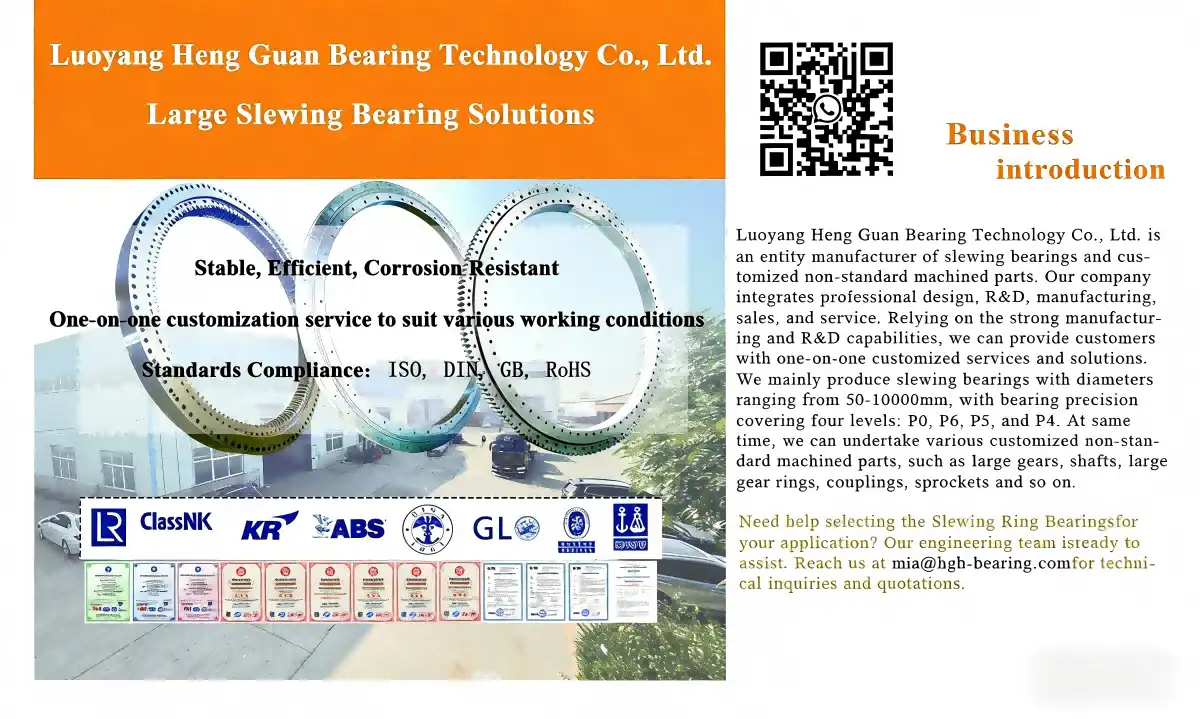
Supplier selection includes more than just catalog requirements. It also includes technical assistance, the ability to make changes, and quality control systems. Well-known companies like SKF and Schaeffler offer a lot of testing data and service networks around the world, but their lead times and prices may make it hard for people on a tight budget to buy from them. Manufacturers with a lot of experience, like Kaydon and Rothe Erde, make designs that are perfect for specific uses in industries like wind power and aircraft. Heng Guan stands out because it offers individual optimization design and flexible production options, which allow it to meet the needs of non-standard, special-shaped bearings that standard goods can't. For 20–10,000 mm diameters and P0, P6, P5, and P4 accuracy grades, our engineering team works with OEMs and support providers to create custom solutions.
Optimizing Operational Performance through Installation and Maintenance
To improve performance, you need to find areas where you're losing speed and take steps to fix them in a way that makes things more reliable. When the Crane Slewing Ring isn't lined up right, it adds extra loads that use more power and wear out faster. Operators notice signs like uneven rotation resistance, strange noises during slewing motion, Crane Slewing Ring, and seals failing too soon because the housing shape is off.
Identifying Performance Bottlenecks
When structures bend or foundations settle, uneven load distribution puts most of the stress on a few raceway segments. This lowers the effective load capacity by 30 to 50 percent compared to situations where the load is distributed evenly. When there isn't enough lubrication, protective films don't reach the contact zones. This raises the friction coefficients and creates temperatures that break down any leftover grease and speed up the oxidation processes.
Implementing Corrective Techniques
To get the geometry right again, alignment correction methods include leveling the base, adjusting the shims, and strengthening the structure. Load distribution is better when the boom counterweight is optimized, operating procedures are improved to reduce dynamic stress, and structural changes are made to make the structure more rigid. Upgrades to the lubrication system switch from human greasing to computerized delivery, which ensures regular times and gets rid of the variability that comes from operator dependence. Condition tracking integration lets you know in real time how healthy a bearing is, which lets you plan maintenance in a way that avoids both needing to be replaced too soon or failing unexpectedly.
Predictive Maintenance Technologies
Vibration monitors connected to control systems allow for constant tracking, with alarm levels setting off repair alerts before damage gets worse. Using infrared cameras to check the temperature during regular checkups shows hot spots that mean the lubrication is breaking down or there is stress from being out of line. New technologies include fiber optic strain monitors that measure how stress is distributed in the raceway, wireless accelerometers that get rid of the need for complicated wiring, and machine learning algorithms that can tell the difference between normal changes in operation and patterns of fault development. Companies that are ahead of the curve are getting ready for Industry 4.0, which will connect all of its assets and make crane companies into networked assets that can report their own health and schedule their own upkeep.
Conclusion
The quality of installation and maintenance decides whether investments in Crane Slewing Rings last as long as planned or break down early, which can be expensive. The steps described here, from precise alignment routines and torque sequence during installation to vibration tracking and condition-based lubrication during operation, are the best that the bearing engineering field has come up with over many years of study and hands-on experience. When compared to reactive maintenance methods, organizations that use strict fitting standards and predictive maintenance plans see bearing service lives that are 40 to 60 percent longer. As crane designs change to have more features and more technology, the basics of installing them correctly, keeping them oiled, and keeping an eye on them all the time stay the same. Heng Guan is dedicated to technical education and customer support. This makes sure that machine workers and repair teams have the skills they need to get the most out of bearings in a wide range of settings, from building sites to wind power installations.
|
|

FAQ
1. What are the recommended inspection intervals for crane slewing rings?
How often you inspect relies on the working conditions and job cycles. In clean areas with light use, things need to be visually checked every month and more thoroughly checked every three months, with checks for tightening of bolts and checking the state of the grease. Mining operations and sites near the coast are examples of harsh environments that need eye checks every two weeks and full inspections every month. Vibration sensors and monthly hand checks to make sure sensor data is correct are good ways to keep an eye on equipment that is used a lot and works multiple shifts.
2. How can I identify early signs of slewing ring bearing failure?
Early warning signs of failure include grinding or clicking sounds during rotation, higher rotational resistance that operators can see, visible grease leakage from seals, rising temperatures found by infrared inspection, and higher vibrations measured by monitoring equipment. A loosening of the bolts found during torque checks and damage to the seals seen during visible reviews are also signs of problems that need to be looked into right away before they stop working.
3. Can crane slewing rings be customized for unique applications?
Customizing a Crane Slewing Ring takes into account non-standard size needs, unusual load ratios, harsh temperature conditions, and problems with integrating it with current machinery. Changes include changing the internal shape to fit certain load distributions, using different sealing setups for dirty environments, upgrading to a higher precision grade for specific uses, and choosing materials that are resistant to corrosion. Heng Guan is an expert in personalized optimization design, and he works directly with engineering teams to come up with solutions that can't be found in normal catalog goods.
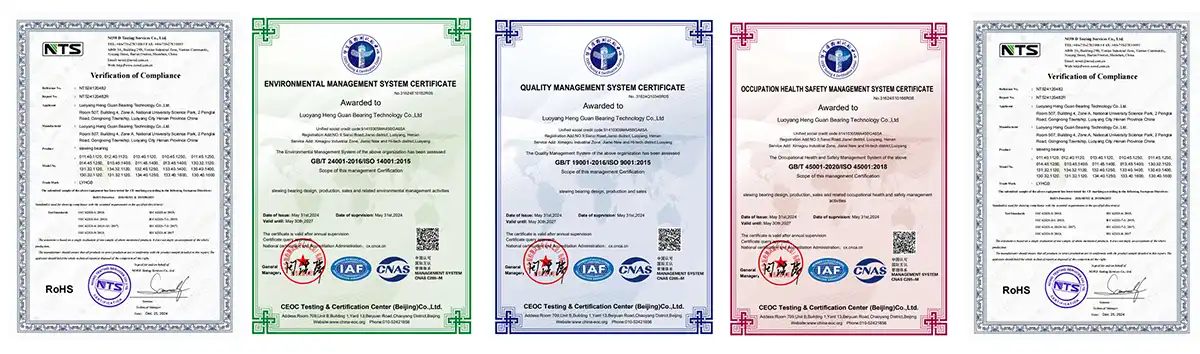
Partner with Heng Guan for Superior Crane Slewing Ring Solutions
Manufacturers of high-quality Crane Slewing Ring systems should have a lot of experience and know how to handle the complicated needs of heavy-duty rotating uses. Heng Guan Bearing Technology makes Crane Slewing Rings with diameters ranging from 20 to 10000 mm and precision grades P0, P6, P5, and P4. They do this by combining decades of technical experience with modern manufacturing skills. We have a wide range of products for industries like building, mining, lifting, metallurgy, wind power, aircraft, and medical equipment. We can also customize our products to meet the most specific needs. Engineering support covers the whole lifetime of a product, from helping with the original specifications and application research to helping with installation and creating a predictive maintenance program. Manufacturing excellence and strict quality control make sure that every bearing meets the material and size requirements that are necessary for safe and effective crane operation. We've become a trusted Crane Slewing Ring maker in China and around the world, in places like Europe, America, and Asia, by consistently meeting delivery deadlines and being quick to respond to technical issues. Heng Guan's competitive prices, flexible production schedules, and expert help that makes specification problems easier will be useful to purchasing managers who want to find cost-effective bearing solutions without sacrificing quality. Get in touch with our engineering team at mia@hgb-bearing.com to talk about your specific crane bearing needs and find out how our customized approach can help you get solutions that are perfect for your business needs and performance standards.
References
1. Harris, T.A. and Kotzalas, M.N., "Advanced Concepts of Bearing Technology: Rolling Bearing Analysis," CRC Press, 2006.
2. Machinery's Handbook Editorial Staff, "Machinery's Handbook: Guide to Bearing Selection and Application," Industrial Press, 2020.
3. SKF Group Technical Development, "Rolling Bearings Catalog: Selection and Application Guidelines for Large Diameter Slewing Bearings," SKF Group Publications, 2019.
4. American Gear Manufacturers Association, "AGMA 6123-B06: Design Manual for Enclosed Epicyclic Gear Drives and Slewing Ring Bearings," American Gear Manufacturers Association Standards, 2006.
5. Budynas, R.G. and Nisbett, J.K., "Shigley's Mechanical Engineering Design: Chapter on Rolling-Contact Bearings," McGraw-Hill Education, 2015.
6. International Organization for Standardization, "ISO 76:2006 Rolling Bearings—Static Load Ratings: Application to Large Diameter Slewing Bearings," International Standards Organization Technical Publications, 2006.

WHAT OUR CUSTOMERS SAY
Here is the customer's evaluation of us
YOU MAY LIKE
 VIEW MOREFour-Point Contact Ball Slewing Bearings
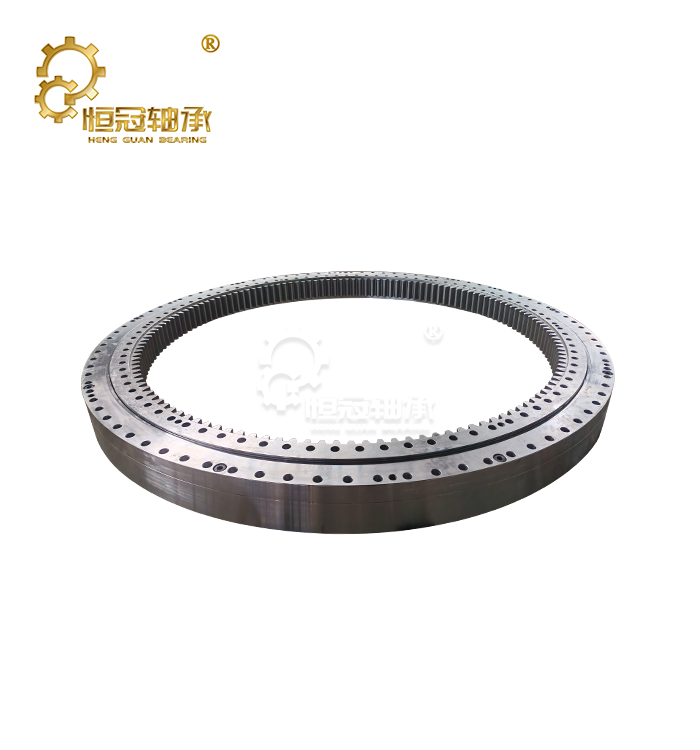 VIEW MOREHeavy-Duty Slewing Bearing
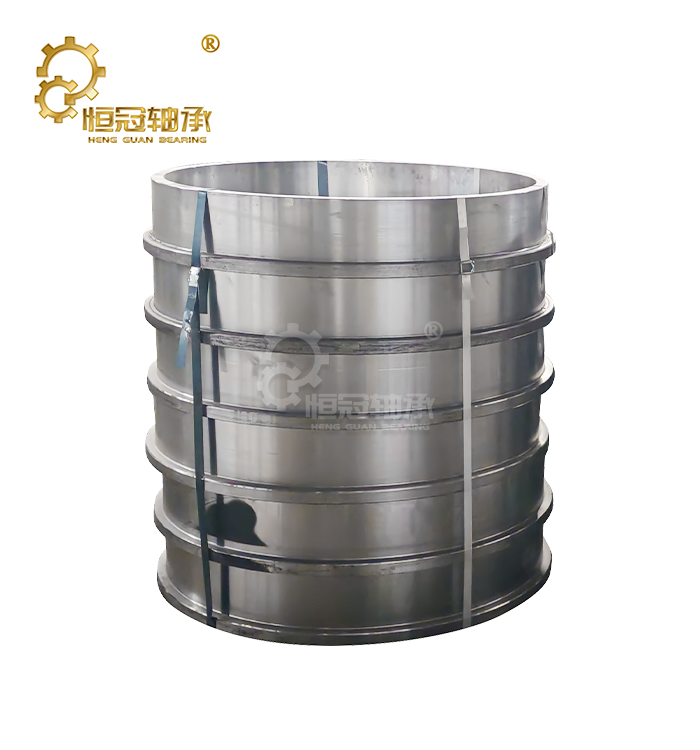 VIEW MORECustom Forged Gear Blanks
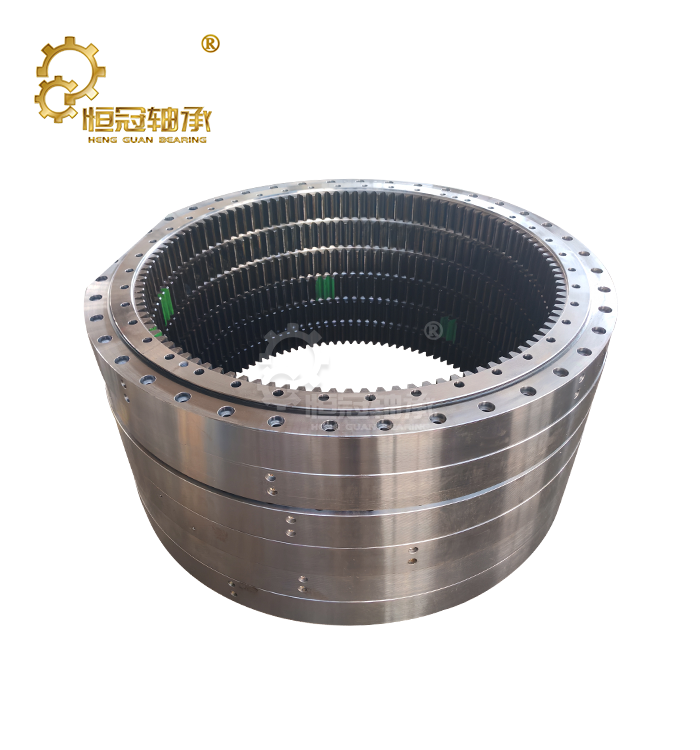 VIEW MORETower Crane Slewing Ring
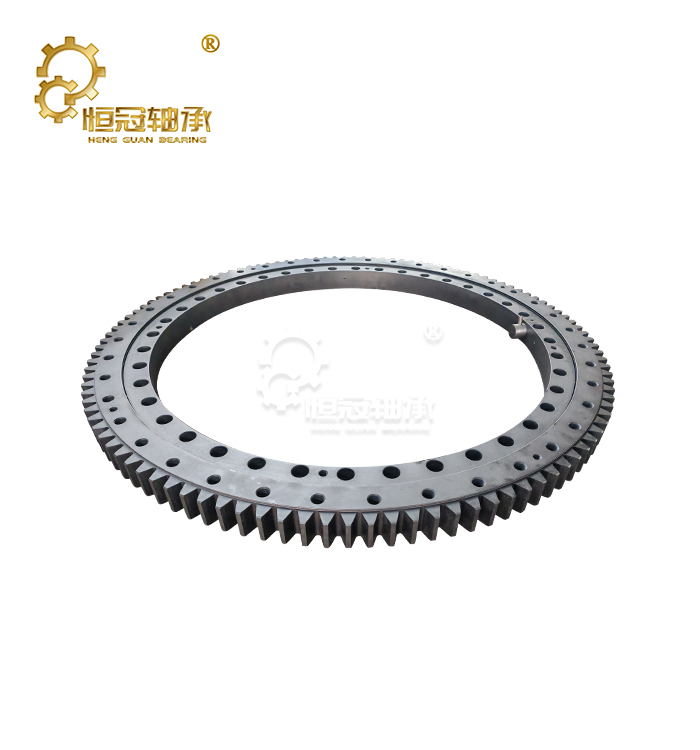 VIEW MORELarge Diameter Slewing Bearing
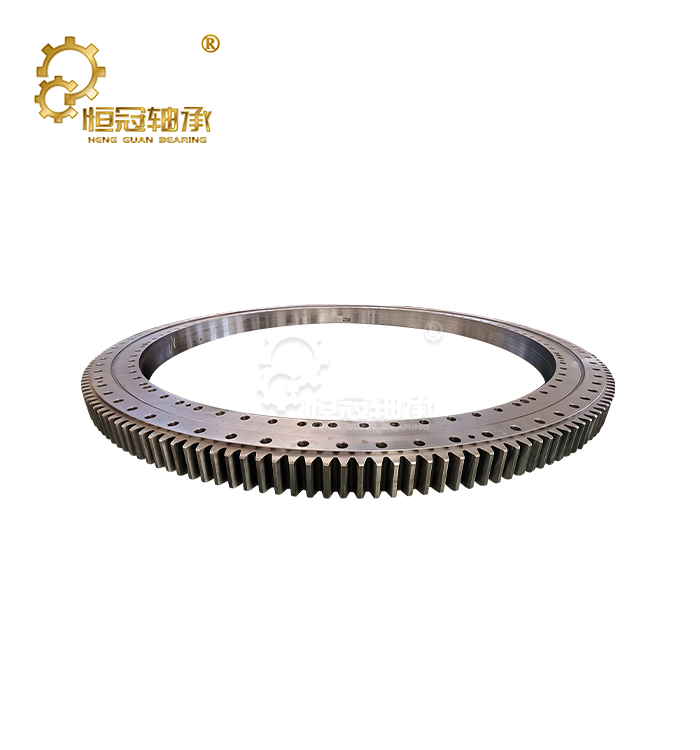 VIEW MOREDouble Row Ball Slewing Bearing
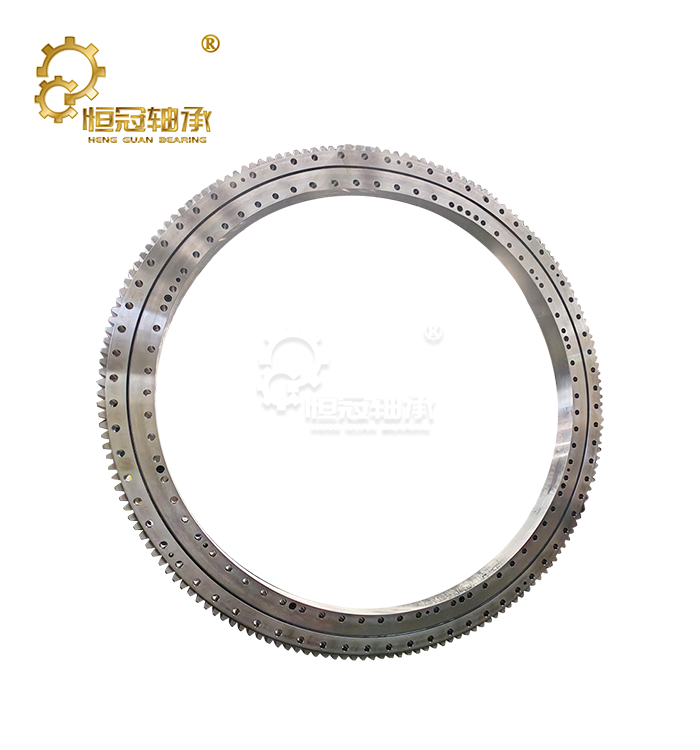 VIEW MORETurntable Bearings
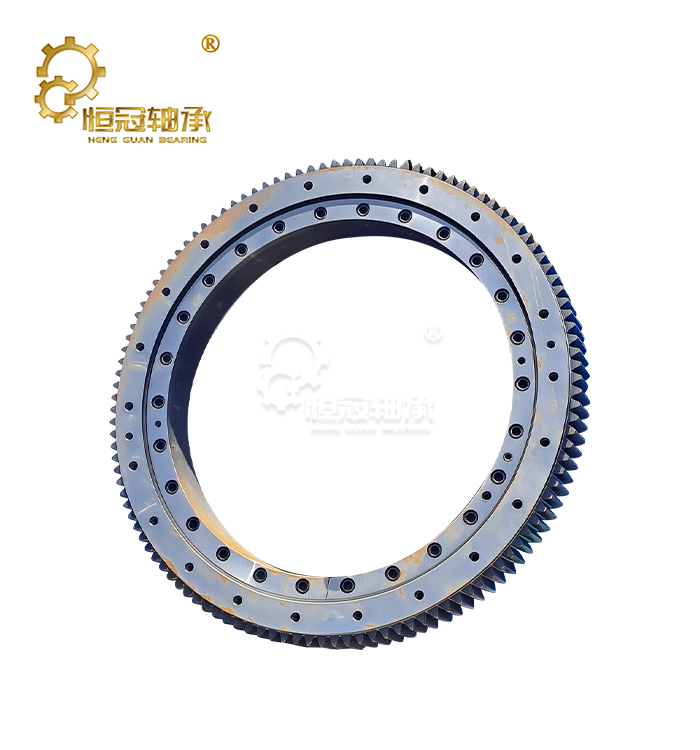 VIEW MOREAmusement Equipment Slewing Bearing