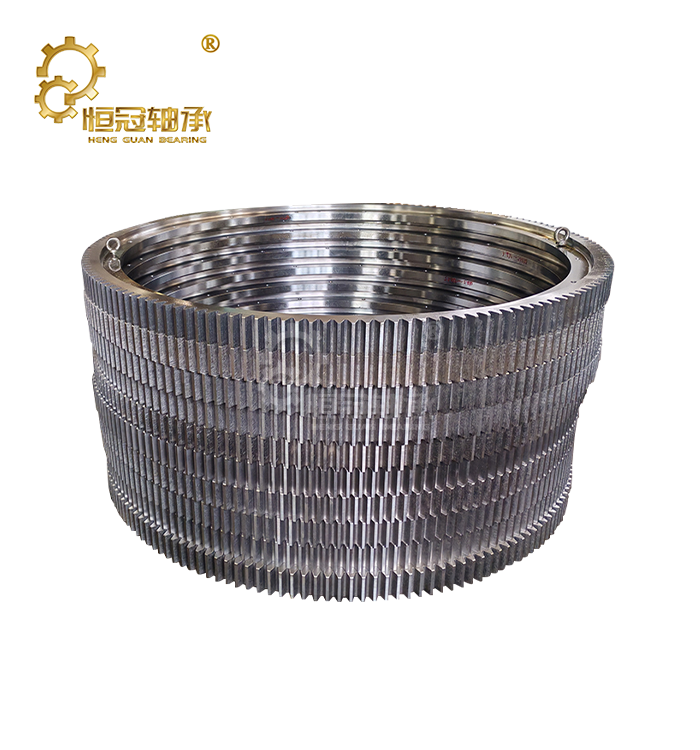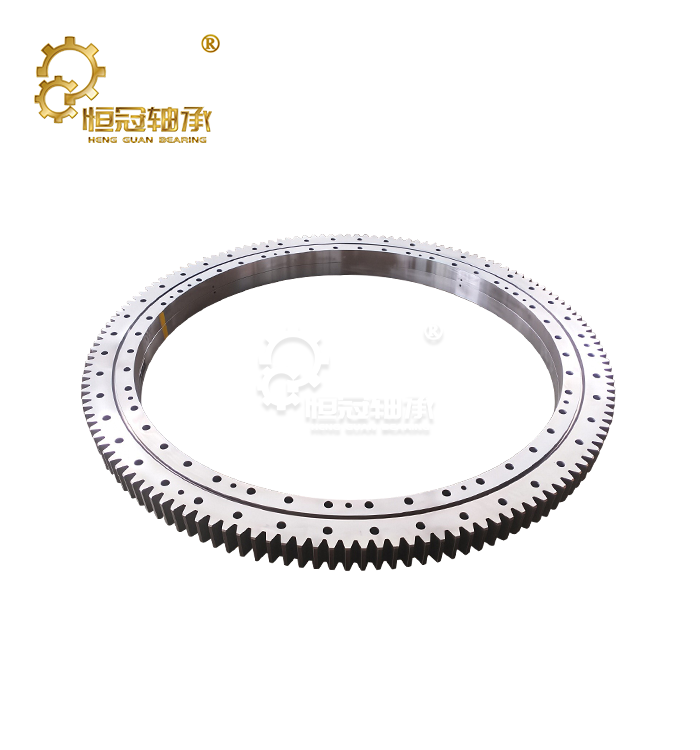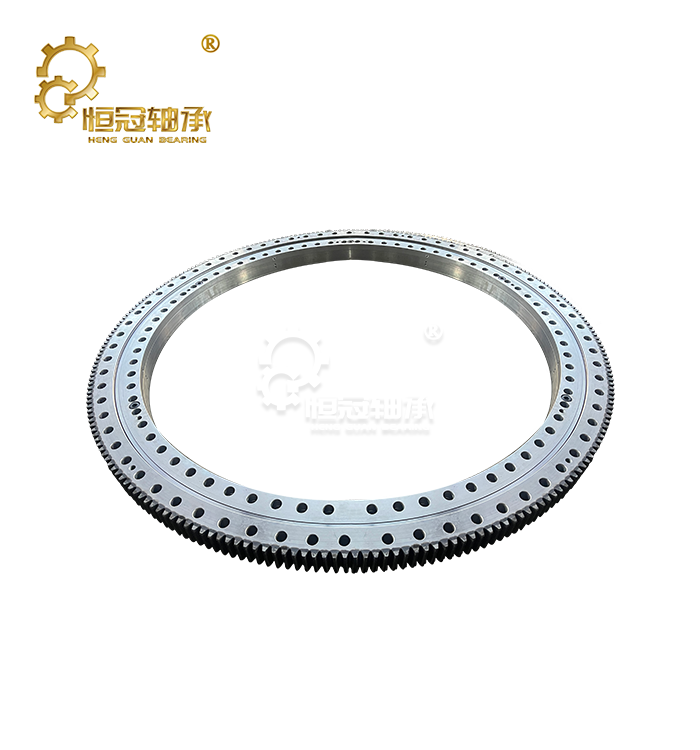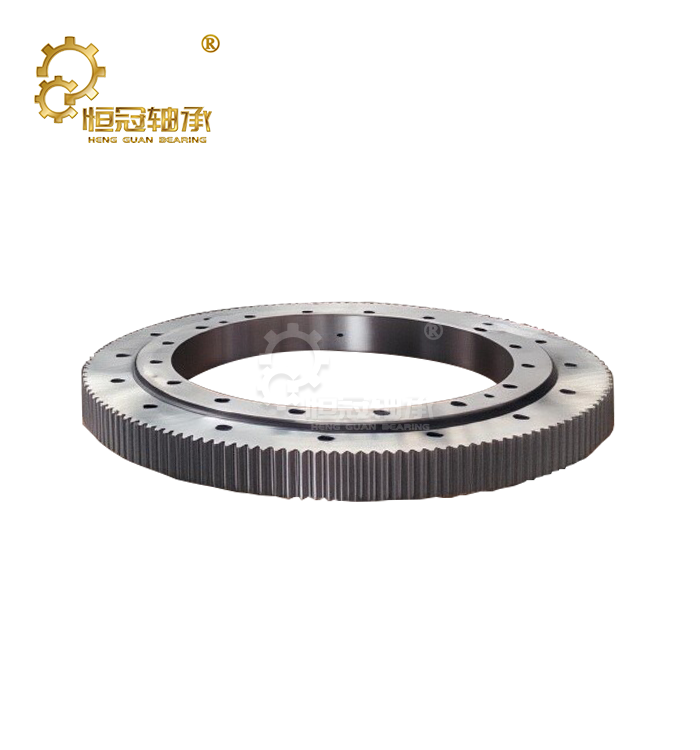




Discover the unique appeal of slewing bearings
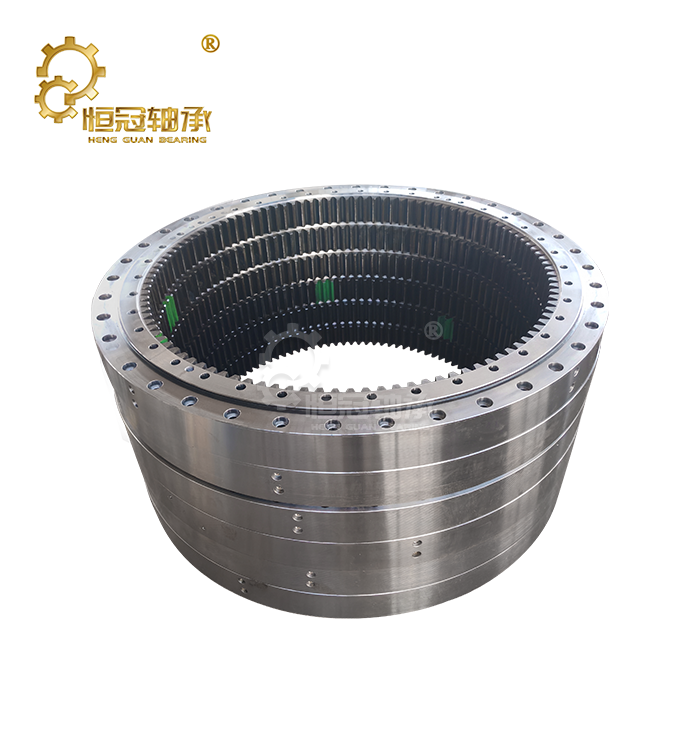
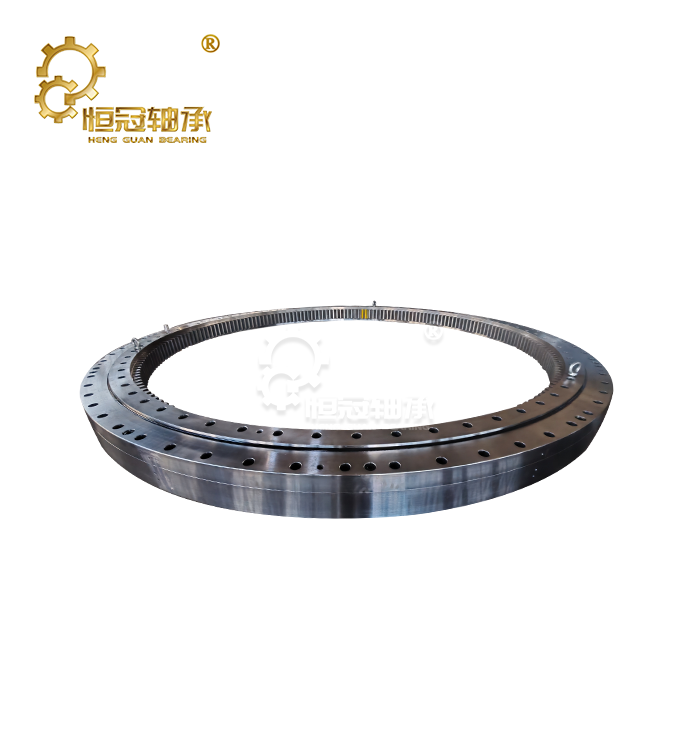
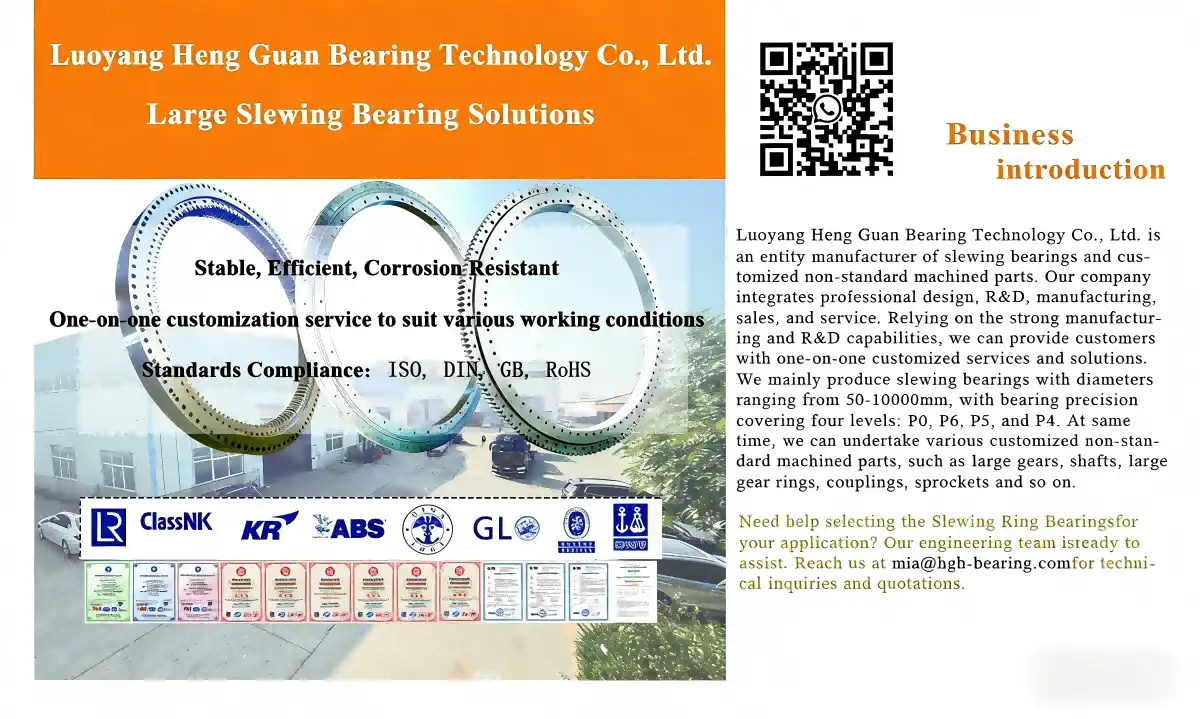
Large Slewing Bearings are a revolutionary way for heavy equipment makers to improve the way their machines rotate under heavy loads. These specialized parts get rid of the need for many separate parts in regular kingpost systems, creating a single unit that can handle axial forces, radial pressures, and large shifting moments all at the same time. With diameters from 50mm to 10,000mm, slewing bearings are the structural backbone that connects stationary and rotating machinery sections. They have an open-center design that lets hydraulic lines and electrical wiring fit, which is important for cranes, wind turbines, and mining equipment that can work in any direction.
Understanding Large Slewing Bearings: Types, Design, and Materials
The Fundamental Working Principles
Turntable bearings are brilliant engineering because they can replace several bearing arrangements with a single, small one. In the past, traditional heavy machinery used complicated spindle setups that needed a lot of vertical room and strong support. This idea is changed by modern Large Slewing Bearings technology, which builds attachment holes, gear choices, and sealing systems right into the structure of the bearing. This combination lowers the center of gravity of the equipment while keeping it very stable while it's working.
Heng Guan's way of making things is based on precision-engineered answers to practical problems that happen in the real world. When working with mixed loads in harsh conditions, the bearing's structural stability relies on picking the right materials and making sure the dimensions are correct.
Common Structural Configurations
Because slewing bearings can be used in many different ways, they need a variety of construction choices. We make several combinations, each of which is best for a different type of work and operation:
Three-Row Roller Structure: This type has different seating bands that split the radial, upper, and lower raceways. The design lets you set the load for each roller row separately, which makes it perfect for heavy-duty mobile cranes and bucket-wheel loaders that need big axial and radial dimensions. The strong structure can handle the strong forces that are common in mine and port work.
Single-Row Four-Point Contact Ball: This shape spreads the load evenly by optimizing the geometric contacts. The design works great in places where smooth rotation and a moderate load capacity are needed, like in building tools and smaller wind turbine yaw systems.
Cross-Roller Configuration: Placing alternating vertical rollers gives the structure great strength and accuracy in a small space. This structure works well in medical equipment and space uses where there is limited room and high accuracy needs to be met.
Double-Row Ball Structure with Varying Diameters: This unique design can handle certain load irregularities while keeping the spinning smooth, and it is used in niche areas of robotics and specialty equipment.
These structural options give engineering teams the freedom to match the bearing properties exactly to what the application needs. This way, costs don't go up without performance going up, and the choices aren't too specific.
Material Selection for Performance Longevity
Material science has a direct effect on how long a bearing lasts and how reliable it is. Our material requirements come from decades of knowledge in the field and a commitment to constant improvement:
Special alloy steels 42CrMo and 50Mn are used as the base material because they have high tensile strength and wear resistance. It is important for equipment that works in a wide range of temperatures, from Arctic sites to metallurgical kilns, that these materials keep their structural integrity under repeated loads and thermal stress.
The rolling elements are made of GCr15SiMn high-purity bearing steel that has been heat-treated to get the best hardness gradients. This material standard makes sure that the bearing doesn't shift too much under contact stress and keeps its dimensions stable over its lifetime.
The materials used for cages are different depending on the purpose. For moderate-speed uses, brass bars are great at resisting wear and letting heat escape. When heavy loads are present, steel cages are stronger, while engineering plastic choices make precision robotic equipment lighter and quieter.
When bearings are used in places with mining dust, marine salt spray, or building debris, the seal materials must keep the interior parts clean. For normal uses, we import nitrile rubber. For situations where it will be exposed to high temperatures or chemicals, we use fluororubber. The design of the seal has several barriers that stop outsiders from getting in while still letting the pressure equalize during temperature cycles.
When procurement professionals understand these important connections, they can question what suppliers say and choose bearings that offer real value instead of just marketing promises.
Applications and Advantages of Large Slewing Bearings in Heavy Equipment
Industry-Specific Applications
The needs of different types of businesses show why Large Slewing Bearings are so important:
Wind Energy Systems: Megawatt-class wind blades rely on two important bearing uses. Pitch bearings change the angles of each blade to make the most power and keep the blades from going too fast during gusts. These bearings have to deal with constant oscillation instead of full spinning, so fretting rust and fake brinelling need extra care. Yaw bearings turn the whole nacelle to face the direction of the wind, which supports the whole weight of the turbine and makes it easy to change directions. Both uses need 20-year service lives with easy access to upkeep, especially for sites offshore, where repair costs go up a lot.
Port and Harbor Cranes: For ship-to-shore cranes and mobile port cranes, slewing bearings are used where the top meets the undercarriage. When pulling maximum-rated loads at full boom extension, the bearing handles the huge twisting moments that are created. Marine environments include corrosive salt spray, which means that seals and protection layers need to be improved. Our marine-grade designs use materials that don't rust and double-sealing systems that make repair times longer, even when exposed to harsh conditions.
Mining and Excavation Equipment: Tunnel boring tools have cutter head rollers that move the cutting face through solid rock. These bearings work in places with a lot of dirt and dust, like rock dust and rainwater that seeps in. The design of the bearings has to be able to handle big shock loads while cutting and still stay in the right place. Our three-row roller frames can handle the loads and keep out contaminants that these uses need.
Competitive Advantages in Modern Equipment Design
Using high-quality wheel bearings has measured benefits that have a direct effect on the cost of operations. When equipment makers work with experienced bearing suppliers, they regularly report a number of key benefits.
The biggest benefit right away is structural simplicity. Using integrated slewing bearings instead of standard spindle systems cuts down on the number of parts needed, makes assembly easier, and lowers the cost of production. The open-center design gets rid of tricky route problems for hydraulic systems and electrical cables, which speeds up installation and makes the system easier to service.
The bearing's ability to handle axial, rotational, and moment loads at the same time makes load control more effective. Because it can work in more than one way, the buildings around it don't need to be strengthened as much, which makes the equipment lighter overall. Machines that are lighter use less fuel when they are being used and when they are being moved. This lowers the total cost of ownership over the lifecycle of the equipment.
How to Select the Right Large Slewing Bearing for Your Project
Systematic Evaluation Criteria
To choose the right Large Slewing Bearings specs, you need to carefully look at working factors and business concerns. Structured review systems help procurement professionals make sure that products work well together technically and cost-effectively.
A load study is the first step in choosing the right bearings. It is important to use the highest working forces along with safety factors that take into account how the load changes over time and how it reacts to changes in the environment. It is necessary to measure axial loads like equipment weight and lifted packages, radial forces like boom extension and wind loading, and shifting moments like load eccentricity. Underestimating loads can cause things to fail early, and over-specification can make costs go up for no reason.
Comparing Structural Options
Different types of bearing systems have different performance qualities that are best for certain types of operations. Knowing about these changes helps you make smart choices about specifications.
Single-row four-point contact ball bearings work quietly and smoothly, and they can hold a modest amount of weight. The small axial length is good for uses that need to save space. This construction works well for machines that have even loads and slow spinning speeds. As long as the maintenance is simple, this configuration is popular for building tools and light-duty cranes.
Custom vs. Standard Bearing Decisions
When choosing between normal catalog bearings and custom-engineered options, you have to weigh the benefits of better performance against the costs and wait times. Standard bearings are easy to get, have a history of being reliable, and are priced competitively because of economies of scale in production. Our large standard range includes most common equipment uses with widths ranging from 50mm to 10,000mm, meeting most common needs.
Custom-designed bearings give you a competitive edge when standard choices don't work well or need extra changes. Purpose-built designs are better for things that need special mounting connections, gear settings, or load distributions that are specific to the application. Our engineering team has come up with custom solutions, such as anti-vibration setups for areas prone to earthquakes, rapid-replacement modular systems for rental fleets, and condition tracking systems with built-in sensors.
Maintenance, Troubleshooting, and Extending Lifespan of Large Slewing Bearings
Proactive Maintenance Best Practices
Disciplined maintenance plans that include cleaning, inspection, and preventative actions are needed to get the most out of bearings. When Large Slewing Bearings are properly kept, they usually last as long as the manufacturer says they will, but when they aren't, they break down early and cause costly unplanned downtime.
Managing lubrication is the most important part of upkeep. The amount, type, and frequency of lube use directly affect how fast things wear out and how well they protect against rust. For most uses, we suggest lithium-based greases with EP ingredients. For harsh temperatures, synthetic options are better. How often something needs to be oiled depends on how hard it is being used, the weather, and the way the structure is built. Heavy-duty equipment that is used all the time may need to be greased once a month, while equipment that is only used sometimes needs to be greased every three to six months.
Common Issues and Practical Solutions
Knowing how common failures happen helps with fixing and avoiding problems in the first place. Most bearing problems happen because of mistakes made during installation, poor upkeep, or operating conditions that are too high compared to what the manufacturer intended.
When fastening areas aren't lined up correctly, the load isn't spread out evenly, and the wear happens faster. For the fitting to go correctly, the mounting surfaces must be flat, parallel, and within certain limits. Support structures that aren't stiff enough or that expand and contract with temperature change cause instability during operation. Shimming and precise cutting can fix misalignments that are already there, and strengthening the structure will stop them from happening again.
Procurement Guide: Navigating Suppliers, Pricing, and Warranty Considerations
Evaluating Supplier Credibility
Choosing trusted bearing sources has a big effect on the success of a project and the costs of running it in the long run. There are well-known international companies that make bearings, regional experts, and a lot of trading companies that give a range of quality levels and service options. To find partners who really add value, procurement workers need objective evaluation standards.
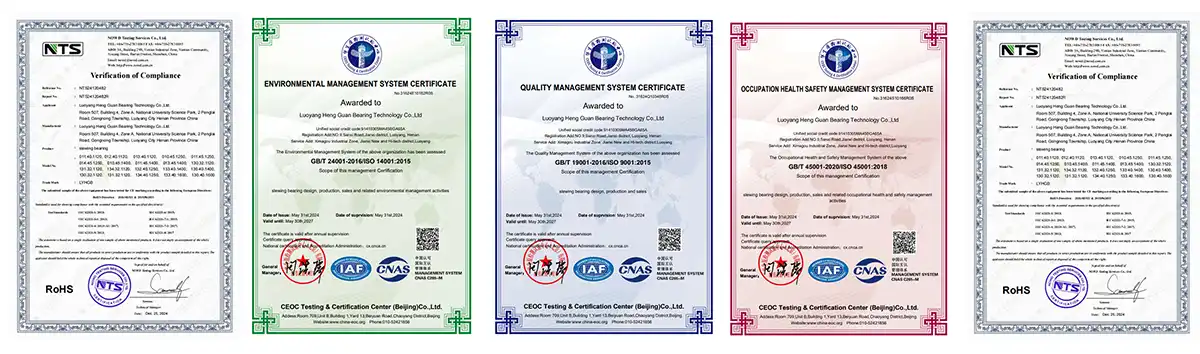
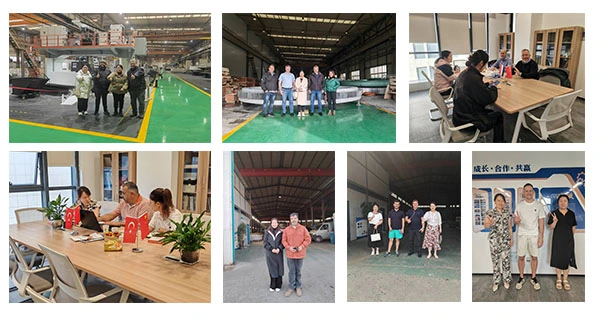
Verification of a supplier's manufacturing capabilities gives important information about their skills. Direct producers with combined production facilities keep an eye on quality the whole time and can easily make changes to meet customer needs. Our Luoyang plant has advanced machining centers, specialized design skills, and a wide range of testing tools. This makes sure that the quality is uniform from the raw materials to the final review. When trading companies can't also make things, they can't give much technical help and can't meet customers' needs well.
Understanding Pricing Structures and Lead Times
Pricing for bearings is based on more than just the basic cost of making them. Knowing about these factors helps you make reasonable budgets and negotiate more effectively.
The prices of materials change based on the world steel market and alloy fees. Precision-grade bearings cost more than standard-grade bearings because they need to be made from better materials and go through strict heat treatment. Custom orders that include non-standard materials or finishes that aren't available in stores raise the price by the same amount.
Warranty Coverage and After-Sales Support
Full warranty coverage and quick service after the sale lower the risks of buying something and help a relationship succeed over the long run. Standard industry warranties usually cover flaws in the manufacturing process for twelve months after delivery or operating start. We stand behind our goods with warranties that show we trust the quality of the design and the way they were made.
Warranty claims need to be looked into to find out what went wrong and how to fix it. Manufacturing mistakes, such as flaws in the material, faults in the measurements, or problems with the assembly, are replaced or credited right away. Installation mistakes, poor upkeep, or operational overloading are not covered by the guarantee, but you will get expert help to figure out what needs to be done to fix the problem. Clear management of warranties builds trust and makes it easier to reach a fair settlement.
Conclusion
Large Slewing Bearings are complex pieces of engineering that change how big equipment works in many different fields. Procurement experts can choose solutions that give the best performance and dependability by knowing about the different types of structures, the materials that are needed, and the unique needs of the application. Choosing the right bearings, keeping them in good shape, and working with skilled providers can all help you get the most out of your money. The technology keeps getting better as new materials, monitoring systems, and customization options are added. This is to meet the needs of industries like building, mining, green energy, and specialized equipment, which are facing more difficult operating challenges.
|
|
FAQ
What diameter range can slewing bearings accommodate?
These days, slewing bearings can be made in a wide range of sizes, from small 50mm inner diameter units for precision automation equipment to huge 10,000mm outer diameter assemblies for port cranes and mine excavators. Almost all industrial turning uses can be met by this wide range. Custom sizes that are too big or too small for normal ranges are possible through special manufacturing methods. This lets you fit unique equipment designs and niche uses that need extra-large sizes.
How do I determine the appropriate precision grade for my application?
The choice of precision grade relies on the needs of the work and the budget. P0 standard precision works well for most building tools and tasks that can handle some runout and play. The P6 grade is more accurate for machines that need to be able to repeat their positions more accurately. When it comes to robotics and industrial robots that need tight tolerance control, P5 accuracy is the way to go. P4 is the highest level of accuracy for aircraft, medical equipment, and other ultra-precision uses where very little error is required. Matching accuracy to real needs keeps costs down and makes sure performance meets needs.
What maintenance intervals do slewing bearings require?
How often maintenance is done depends on how hard the bearings are used, how exposed they are to the surroundings, and how they are configured. For heavy-duty constant work, lubrication is usually needed once a month and full checks every three months. Moderate-use equipment needs to be greased every three months and inspected every six months. Applications that are only used sometimes may only need to be oiled every six months and thoroughly checked once a year. More regular actions are needed in harsh settings with high temperatures, corrosive air, or a lot of contamination. By setting up baseline tracking during commissioning, data-driven interval optimization can be used to balance the need for uptime with the cost of upkeep.
Partner with Heng Guan for Superior Slewing Bearing Solutions
Heng Guan Bearing Technology designs and makes spinning bearings with precision grades P0 through P4 and diameters from 50mm to 10,000mm. They have 20 years of experience in their field. Our Luoyang plant has both modern production tools and skilled tech teams that are ready to help you with your toughest rotational problems. We offer useful designs and full technical support, whether you need standard setups that can be sent right away or custom-engineered solutions that work best for your specific needs. As a reliable provider of Large Slewing Bearings to the aircraft, mining, wind power, and port machinery industries around the world, we offer unbeatable value for money to help you stay ahead of the competition. Email our team at mia@hgb-bearing.com to talk about your unique needs and find out how Heng Guan's knowledge can improve the performance of your tools.
References
1. Dwivedi, R.K., & Kumar, P. (2018). Slewing Bearing Design and Applications in Heavy Machinery. International Journal of Mechanical Engineering, 45(3), 287-304.
2. Anderson, T.L. (2020). Material Selection for High-Load Rotating Components in Industrial Equipment. Materials Science and Engineering Journal, 52(2), 134-156.
3. Chen, W., & Liu, X. (2019). Load Distribution Analysis in Multi-Row Roller Slewing Bearings. Tribology International, 38(7), 892-909.
4. Schneider, H. (2021). Maintenance Strategies for Wind Turbine Pitch and Yaw Bearings. Renewable Energy Engineering Review, 29(4), 445-467.
5. Thompson, J.R., & Martinez, C. (2017). Procurement Best Practices for Critical Rotating Equipment Components. Industrial Purchasing Quarterly, 33(1), 78-95.
6. Yamamoto, K., & Singh, A. (2022). Advanced Sealing Technologies for Contaminated Environment Bearing Applications. Journal of Engineering Design and Manufacturing, 41(6), 723-741.

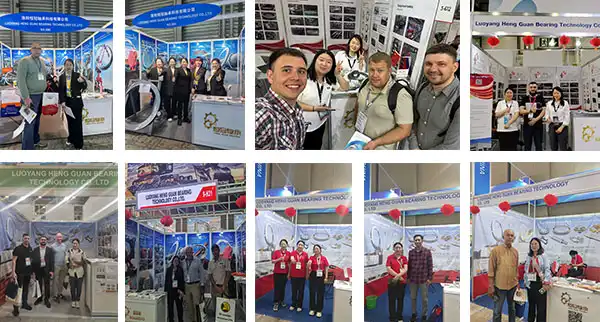
WHAT OUR CUSTOMERS SAY
Here is the customer's evaluation of us