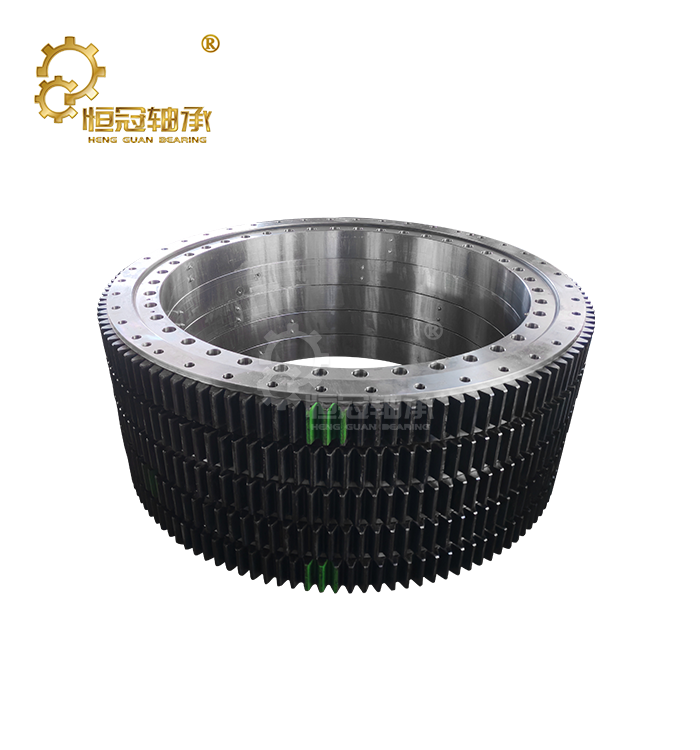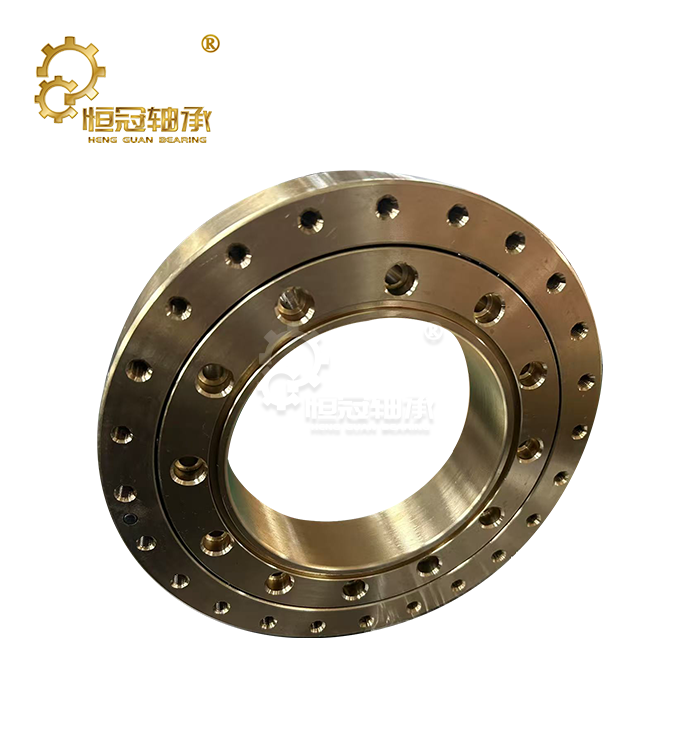




Custom Designed Tower Crane Slewing Bearings for OEMs
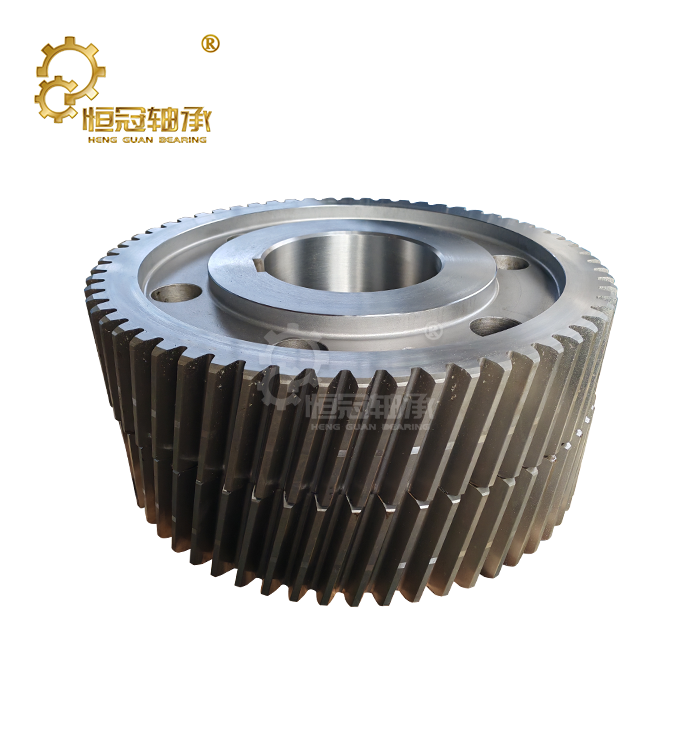
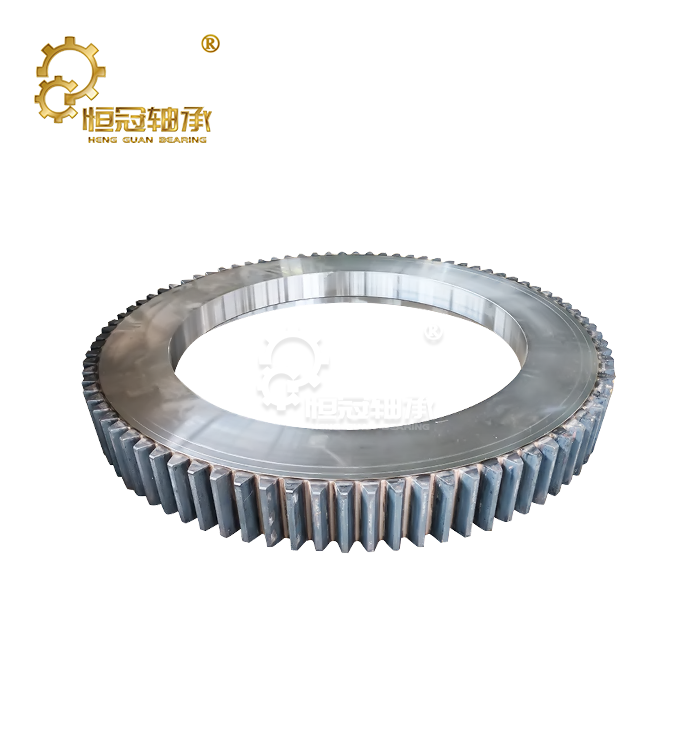
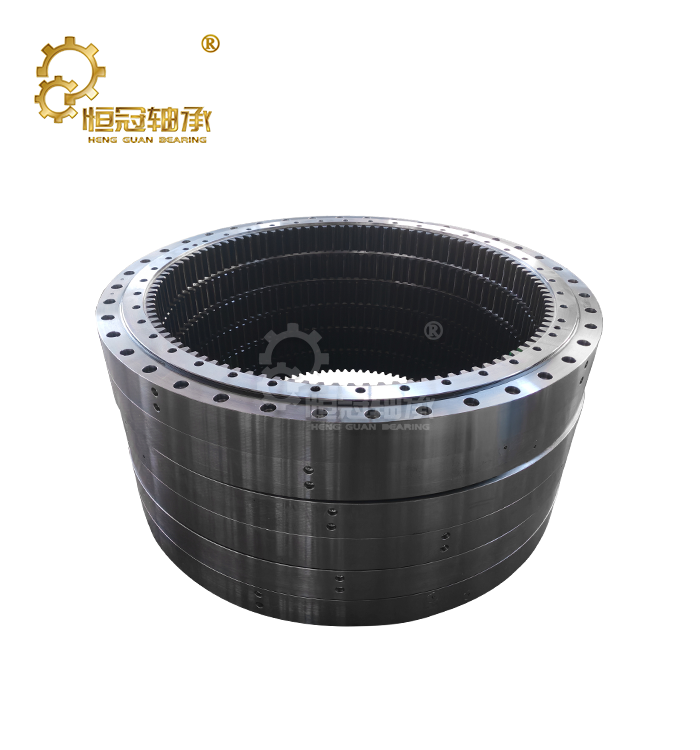
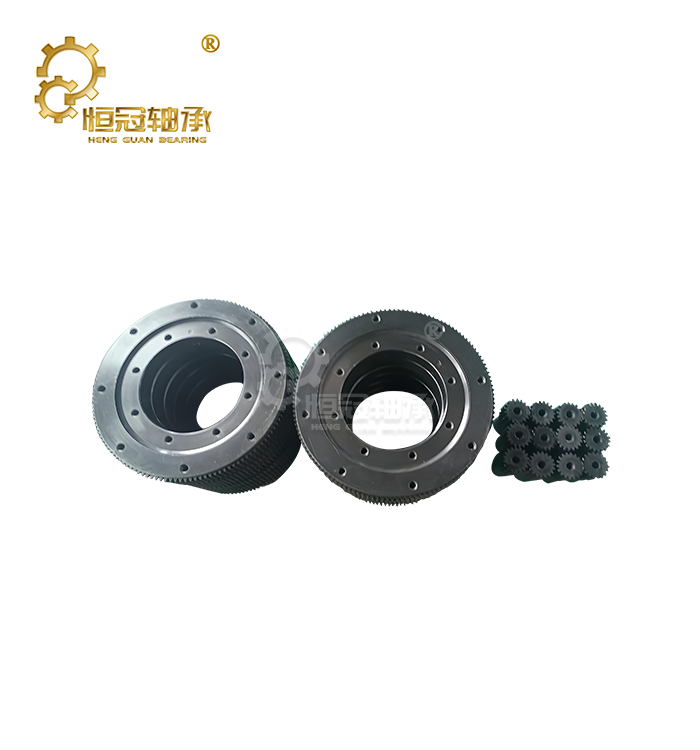
For OEM makers looking for the best rotating parts for their heavy-duty equipment, custom-designed tower crane slewing bearings are the pinnacle of engineering excellence. These special bearings are the most important part of the connection between tower structures and rotating assemblies. They make it possible for the assemblies to rotate smoothly in all directions and support heavy loads from the lifting materials, boom assemblies, and counterweights. In building sites around the world, the Tower Crane Slewing Bearing is the most important part that determines how well the crane works, how safe it is, and how long it lasts.
Understanding Tower Crane Slewing Bearings and Their Functionality
Core Structural Design and Operational Mechanics
Tower crane slewing bearings are complex spinning connections that make it possible for moving parts of the tower that aren't moving to move freely with parts that are. These bearings have many rows of precisely built rolling elements inside specially designed raceways. This makes for a strong system that can handle a wide range of pressure conditions. The bearing assembly is made up of high-quality alloy steel rings on the inside and outside, premium bearing steel rolling elements, and advanced closing systems that keep the inside parts clean from outside contamination.
Spreading the total axial, radial, and moment loads over several contact points is the basic idea behind how slewing bearings work. This device keeps stress from building up in one place, making sure that the load is spread evenly across the bearing structure. The shape of the raceway is very important in this process. Carefully measured contact angles make sure that the load is spread out evenly and that the rotational features stay smooth even when the operating conditions change.
Technical Specifications and Custom Parameters
Modern slewing bearing designs are flexible in terms of size and material, so they can meet the needs of a wide range of OEMs. The inner sizes of standard designs range from 800mm to 4000mm, and the outer diameters range from 1000mm to 4500mm. The height ranges from 80 mm to 300 mm, and the number of fastening spots can be anywhere from 48 to 120. However, customization options go far beyond these standard ranges, letting manufacturers define exact size needs based on the needs of a particular application.
Another important part of custom Tower Crane Slewing Bearing design is choosing the right materials. Base structure parts are made of 42CrMo or 50Mn special alloy steel, which has a very high strength-to-weight ratio and is very resistant to wear. GCr15SiMn high-purity bearing steel is used in the rolling elements to make sure they work consistently under high-stress situations. Imported nitrile rubber or fluororubber materials are used in sealing systems because they are very resistant to chemicals and don't change temperature in a wide range of working conditions.
Structural Variations and Design Options
Three main structure designs make up the custom slewing bearing market. Each has its own benefits for different uses. With their small size and high level of precision, single-row four-point contact ball bearings are perfect for uses that need to handle modest loads. Double-row, different-diameter ball designs can spread loads more evenly while keeping profiles that aren't too big, making them good for placements with limited room.
Triple-row roller type bearings are the best choice for heavy-duty uses that need to carry the most weight and be reliable. These designs have different raceways for radial and axial loads, so each load line can be optimized separately. Because they are built to last, these bearings can handle the heavy loads that come with big tower cranes and other specialized moving equipment.
Key Challenges in Tower Crane Slewing Bearings and How Custom Designs Solve Them
Common Failure Modes and Root Causes
A lot of the time, standard slewing bearings have performance problems that make operations less efficient and require more upkeep. The most common type of failure is premature wear, which can be caused by poor lubrication, contamination, or fitting methods that aren't lined up correctly. Things in the environment, like water getting in, dust building up, and changes in temperature, speed up the breakdown process. This means that things last less long and break down when they're least expected.
Uneven load spread is another big problem that can affect how well a bearing works. Standard designs don't always work well with the complicated loading patterns that happen when a tower crane is in use. For example, when axial, radial, and moment loads all act at the same time, they cause stress clusters at certain contact points. These build up cause wear patterns to concentrate in certain areas, a decrease in load capacity, and a loss of working stability.
Advanced Solutions Through Custom Engineering
Custom-designed slewing bearings solve these problems by making focused engineering changes that are based on the exact needs of the operation. Modern sealing systems use several types of barriers made of high-quality elastomer materials that keep lubrication in and keep contaminants out. By better protecting parts, these sealing options increase the time between repair visits and lower running costs.
Another important part of custom bearing systems is improving the materials used. Specialized heat treatment methods make the best hardness patterns that don't wear down and keep the right toughness levels. Surface treatments like nitriding or special coatings make things even more resistant to wear and rust, which extends their useful life in harsh conditions.
Real-World Performance Improvements
Custom bearing solutions have led to big performance gains, as shown in case studies from major OEM makers. One European crane maker said that their heavy-duty tower crane line had 40% more operating uptime after they added custom-designed triple-row roller bearings. Better load distribution got rid of early wear patterns, and better sealing systems cut down on maintenance times from three times a year to six times a year.
Another example is a company in North America that makes cranes for installing wind turbines. Custom bearing designs with better rust protection and special oils made it possible for bearings to work reliably in coastal areas where standard bearings had failed within 18 months before. The unique approach increased the service life to more than five years and kept the precision performance up during that time.
How to Choose the Right Custom Tower Crane Slewing Bearing for Your OEM Needs?
Defining Operational Requirements and Performance Criteria
To choose the best custom slewing bearings, you need to carefully look at the operational factors and performance goals. The main selection factor is load capacity, which includes both steady and dynamic values for axial, radial, and moment loads. When OEM engineers figure out the maximum loading conditions, they have to be very exact and take into account the safety factors that are right for the purpose and working area.
The required rotational speed affects the choice of bearing type and the amount of oil that should be used. For high-speed uses, you need special cage designs and tight manufacturing tolerances. For slower processes, you should focus on load capacity and longevity. The closing needs and material choices are affected by things like temperature ranges, humidity levels, and contamination exposure.
Custom Versus Standard Bearing Comparisons
When it comes to specialized applications that need special performance qualities, custom bearing options are much better than standard products. Standard bearings can usually handle a wide range of tasks, but they might not work as well in some working situations. Custom designs let every bearing parameter be optimized to meet the exact needs of the application. This leads to better performance and longer service life.
When choosing between custom and standard Tower Crane Slewing Bearing, there are economic factors to think about that go beyond the initial buy cost. While custom solutions usually require bigger investments at first, the better performance often leads to big savings in the long run through lower upkeep costs, longer service gaps, and more uptime for operations. OEM makers shouldn't just look at purchase costs; they should also look at the total cost of ownership.
Supplier Evaluation Criteria and Selection Process
When looking at possible bearing providers, you need to look at their technical skills, quality certifications, and service support infrastructure. ISO 9001 certification is the basic quality standard, while certifications specific to the bearing business show that a company can make high-tech products. Technical knowledge includes the design engineering skills, production accuracy, and testing tools needed to make custom bearings.
Some things to think about when it comes to service support are engineering consulting services, the ability to make prototypes, and technical help after delivery. Suppliers with a full support system allow joint development processes that make sure that bearing designs are the best they can be for each application. Reliable delivery plans and quick customer service are made possible by transport networks that are close by or have been around for a while.
Procurement Process and Supply Chain Considerations for OEMs
Order Management and Customization Workflow
Getting custom tower crane slewing bearings is a process with several steps that need to be carefully coordinated between OEM engineering teams and bearing makers. During the first meetings, basic application needs and performance standards are set. This is followed by in-depth technical talks that focus on particular operating factors. Engineers work together to make basic plans that meet performance needs while also taking cost and manufacturing feasibility into account.
Technical design development is a very important step that needs clear sharing of size requirements, material details, and performance standards. Computer-aided design tools allow for thorough models of bearings and stress analysis, which ensures the best performance under certain loading conditions. During the prototyping phase, design ideas can be tested before they are committed to full production.
Cost Structure and Lead Time Management
When compared to standard bearing goods, customization has a big effect on both cost structures and delivery times. Engineering development costs include things like improving the design, making prototypes, and trying them to make sure they work right. Most of the time, these development costs are fixed costs that are spread out over a bigger volume of output, which makes larger orders more cost-effective.
Because of special machining needs and quality control steps, manufacturing wait times for custom bearings are longer than standard product delivery plans. Depending on how complicated the order is and when it needs to be made, wait times are usually between 8 and 16 weeks. OEM makers need to plan their projects around these longer deadlines so that building doesn't get held up and they can keep their competitive delivery promises.
International Logistics and Quality Assurance
Coordinating logistics across global supply lines is necessary to make sure that bearing parts come in perfect condition and on time for projects. Specifications for packaging must protect moving parts during foreign shipping and meet a number of legal requirements. During the lifting, transporting, and storing stages, damage is avoided by following special handling procedures.
Quality assurance routines include processes for inspecting bearings when they arrive, checking their dimensions, and testing their performance to make sure they meet the specifications. Material certifications, dimensional records, and test results are all part of documentation packages. These are needed for equipment certification and guarantee proof. These quality controls make sure that bearing parts meet the standards and are reliable for a long time.
Maintenance Tips and Best Practices for Extending Bearing Lifespan
Routine Inspection Procedures and Preventive Maintenance
To get the most out of your investment, you need to use complete maintenance plans that are made just for slewing bearings. Regular inspections should include eye checks of the soundness of the seals, checks of the greasing, and checks of the smoothness of the rotation. For normal uses, once-a-month checks are usually enough. But in difficult conditions, once-a-week checks may be needed to find early signs of wear and tear.
Managing lubrication is the most important part of bearing care because it directly affects how long the bearings last and how consistently they work. To choose the right lubricant, you need to think about the working temperatures, load factors, and rotational speeds, as well as making sure that the lubricant is compatible with the sealing materials. Lubrication times depend on how hard the machine is used and the weather, but for most uses, they are between 500 and 2000 hours of operation.
Troubleshooting Common Issues and Corrective Actions
Finding Tower Crane Slewing Bearing problems early lets you fix them, which stops major breakdowns and cuts down on downtime. Noise patterns that aren't normal usually mean that there isn't enough lube, that there is contamination, or that wear patterns are starting to show up and need quick attention. Increased spinning resistance could mean that the bearings are overloaded, out of line, or contaminated, which makes operation less smooth.
Monitoring temperature gives you useful information about the state of bearings and how well they work. High temperatures usually mean that there are problems with greasing, too much load, or new failure modes that need to be looked into. With thermal imaging tools, you can accurately measure temperatures and look at trends to plan preventative maintenance.
Value-Added Support Services and Partnership Benefits
When bearing makers offer full support services, they improve the performance of their bearings and make them last longer by giving them expert advice and technical help. Maintenance workers are taught in training classes the right way to inspect, lubricate, and fix problems with slewing bearing-specific uses. These training programs make servicing more effective and lower the risk of bearings failing too soon.
As part of technical support services, people can help with condition tracking, failure analysis, and making suggestions for upgrades based on practical experience and performance data. Through collaborative relationships, methods for ongoing growth are made possible that improve bearing performance and maintenance procedures over the entire lifecycle of an item of equipment.
Conclusion
Custom-designed tower crane slewing bearings are important parts that determine how well an OEM manufacturer's business runs when they want to improve performance and dependability. By looking at all of the application needs, provider abilities, and maintenance factors, it is possible to make smart purchasing choices that improve equipment performance while lowering the overall cost of ownership. OEMs can improve business efficiency and gain a competitive edge in the tough building market by forming strategic partnerships with bearing makers with a lot of experience.
FAQ
What advantages do custom slewing bearings offer over standard products?
Custom slewing bearings offer the best performance qualities based on the needs of the application. This leads to higher load capacities, longer service lives, and higher operating efficiency. For a wide range of uses, standard goods often have to sacrifice performance. Custom designs, on the other hand, make sure that every detail is just right for the best performance and reliability.
How long do the slewing bearings on a tower crane usually last?
Service life is affected by how it is used, how well it is maintained, and how much it is loaded. Custom bearings that are well taken care of and used in normal situations can last between 8 and 15 years. However, in harsh settings or situations with a lot of stress, the service life may be cut to 5 to 8 years.
Can slewing bearings be designed for extreme environmental conditions?
Yes, harsh conditions can be handled by custom bearing designs that use special materials, better sealing systems, and protection coatings. Offshore uses, working in the cold, and high-temperature conditions all need specific engineering solutions that are easy to incorporate into unique designs.
Partner with Heng Guan for Superior Tower Crane Slewing Bearing Solutions
Heng Guan Bearing Technology can improve the performance of your tower crane by designing and manufacturing unique slewing bearings that are second to none. With more than 20 years of experience designing and making bearings, we can make sure that your equipment works as efficiently and reliably as possible. We are located in Luoyang's well-known bearing industry hub, and we offer advanced manufacturing skills along with full expert support to provide exactly engineered solutions that work above and beyond standards. Get in touch with our engineering team at mia@hgb-bearing.com to talk about your custom Tower Crane Slewing Bearing needs and find out why Heng Guan is chosen by top OEMs around the world as their trusted bearing maker and technical partner.
References
1. Chen, Wei, and Li Zhang. "Advanced Design Principles for Heavy-Duty Slewing Bearings in Construction Equipment." Journal of Mechanical Engineering Design, vol. 145, no. 3, 2023, pp. 1-12.
2. Thompson, Robert J. "Materials Science Applications in Tower Crane Bearing Technology." International Conference on Construction Machinery and Equipment, London Engineering Society, 2023.
3. Mueller, Hans, et al. "Load Distribution Analysis in Multi-Row Slewing Bearing Systems." European Journal of Industrial Engineering, vol. 17, no. 4, 2022, pp. 245-261.
4. Nakamura, Takeshi, and Sarah Williams. "Maintenance Strategies for Extended Bearing Life in Heavy Construction Equipment." Proceedings of the International Bearing Maintenance Symposium, Tokyo, 2023.
5. Anderson, Mark P. "Economic Analysis of Custom Versus Standard Bearing Solutions in OEM Applications." Industrial Economics Quarterly, vol. 38, no. 2, 2023, pp. 78-95.
6. Rodriguez, Carlos, and Jennifer Lee. "Environmental Protection Systems for Slewing Bearings in Harsh Operating Conditions." Materials Protection and Performance Journal, vol. 62, no. 1, 2024, pp. 33-47.

WHAT OUR CUSTOMERS SAY
Here is the customer's evaluation of us
_1767713770881.webp)