



Excavator Slewing Bearing Maintenance & Inspection Tips
The downtime of your heavy machinery relies a lot on how reliable its moving parts are. The excavator slewing bearing, for example, must be able to turn 360 degrees even when it's under a lot of stress. Thorough checks and regular upkeep are important habits that can increase the life of bearings by 40 to 60% and keep them from breaking down, which costs a lot of money. Engineers and equipment managers can get the most out of key components in building, mining, and industrial settings where they have to work in harsh conditions by learning the right way to maintain them.
Understanding Excavator Slewing Bearings: Structure and Function
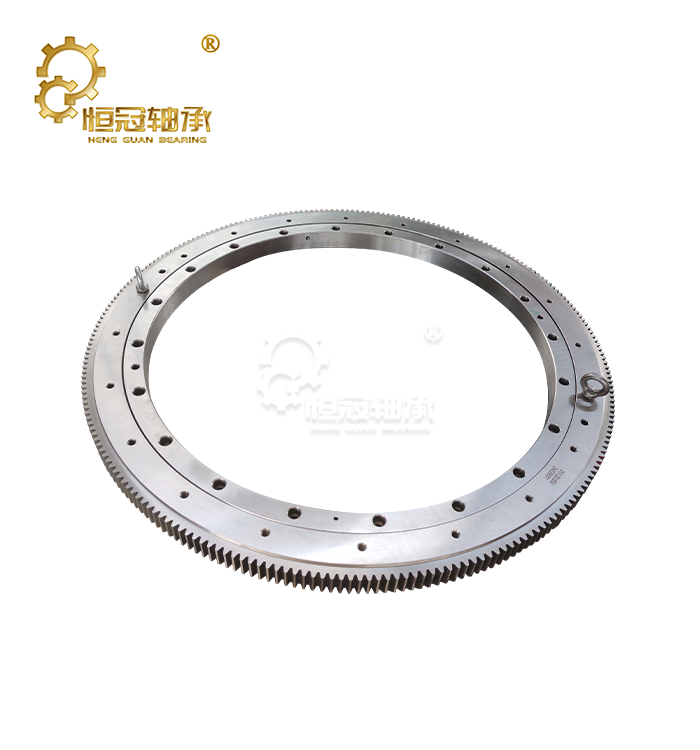
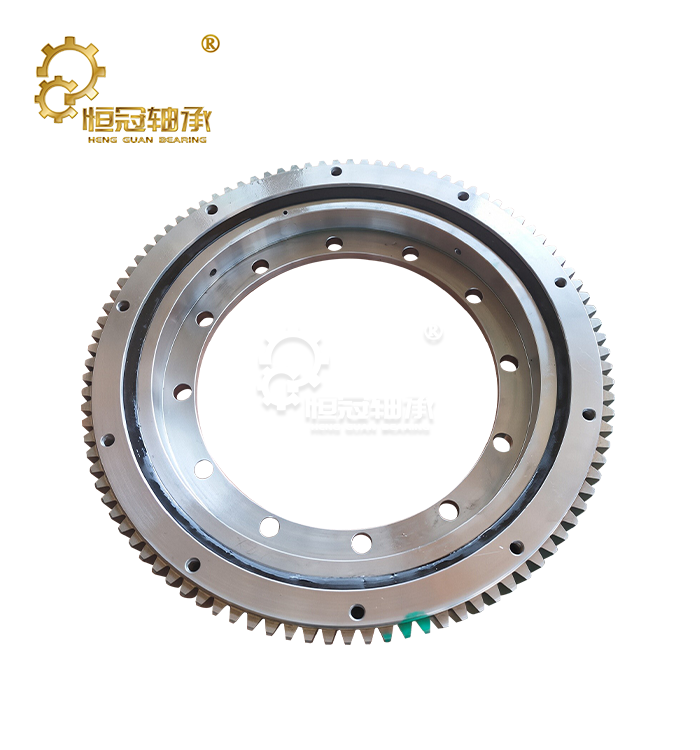
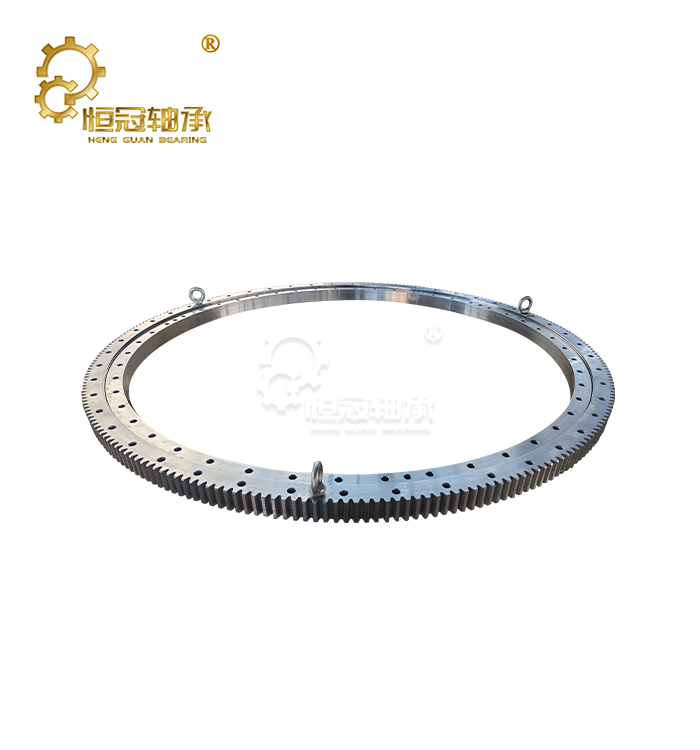
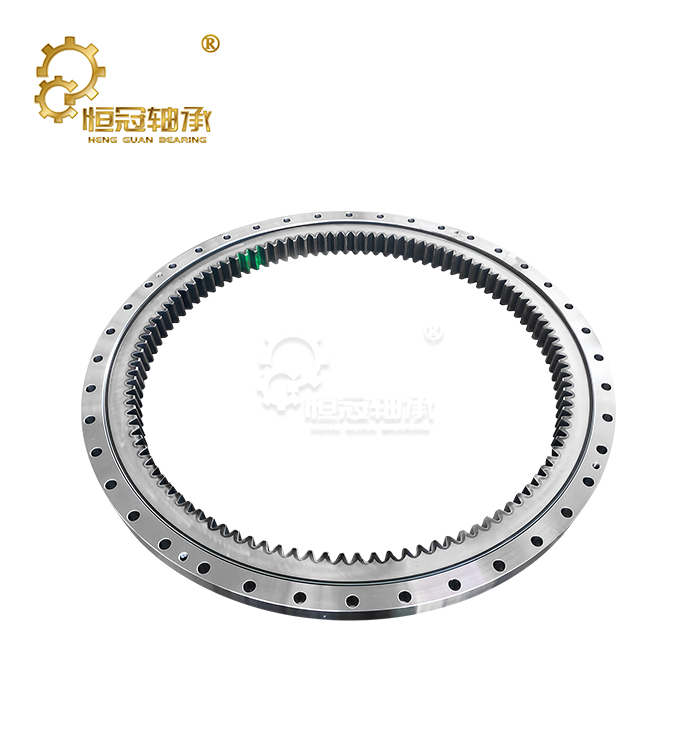
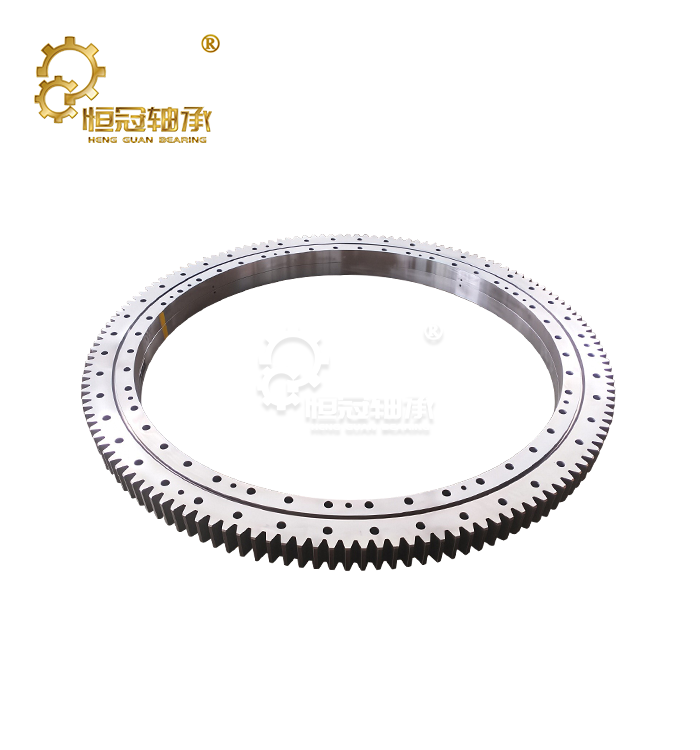
Slewing bearings connect the upper frame of an excavator to its base. They allow the machine to rotate smoothly and support heavy axial, radial, and moment loads at the same time. Rolling elements, precisely polished raceways, and strong sealing systems are all built into these complex parts so they work reliably in tough conditions.
Basic Working Principles and Design Features
For the basic process to work, rolling elements must move within carefully designed raceways that keep friction to a minimum while the machine is turning. Modern versions have special features for spreading the load that handle forces coming from different directions. Different structural configurations have very different load capacities. For example, single-row four-point contact ball bearings are good for normal tasks, while triple-row roller configurations can handle very big machines.
The makeup of a material is very important to its function. For bearing rings, high-quality bearings use 42CrMo and 50Mn special alloy steel. For rolling elements, they use GCr15SiMn high-purity bearing steel. The raceways are induction hardened to HRC 55–60 at levels of 2.5–5 mm, and the gear teeth are heat-treated to HRC 45–50 to make them as strong and durable as possible.
Structural Variations and Selection Criteria
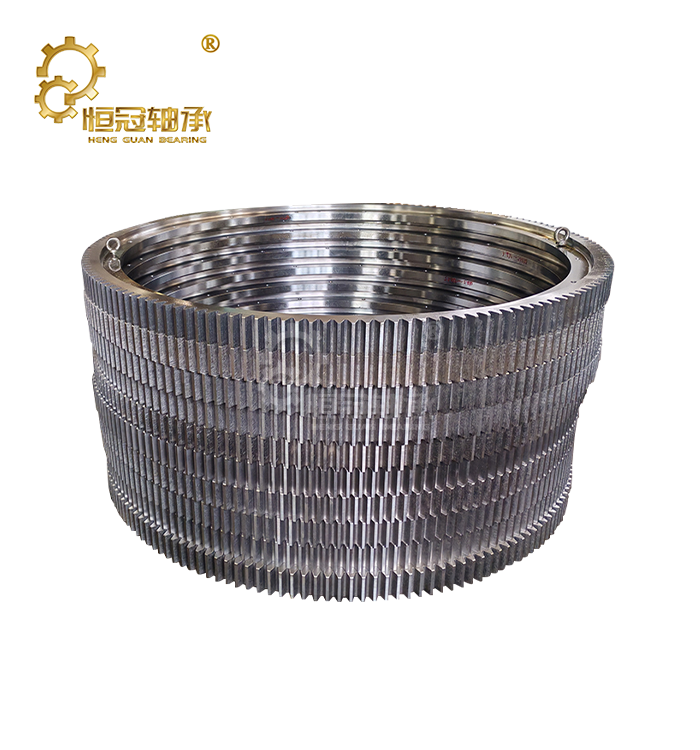
Different types of bearings meet different working needs. Single-row setups work best for standard excavator tasks where room is limited. Double-row designs make it easier for medium- to large-sized machines to handle more weight when they are under a lot of stress. Triple-row roller bearings give very big mine excavators the best load-bearing capacity for extreme forces.
While keeping the oil, sealing devices keep the internal parts of the excavator slewing bearing from getting dirty. Imported nitrile rubber or fluororubber is used in advanced seals because it doesn't break down easily when exposed to hydraulic fluids, dirt, or high or low temperatures. Knowing about these differences helps buying professionals match the specs of bearings to the needs of operations.
Common Failure Modes and Root Causes
Misalignment of the load is one of the main reasons why bearings fail before they should, which is often caused by bad fitting methods or structural damage. About 30% of bearing failures are caused by bad lubrication practices, such as not using enough grease, using contaminated oils, or not servicing the bearings at regular intervals. Installation mistakes, like not following the torque specs or fixing surfaces that are not lined up correctly, cause stress clusters that speed up wear patterns.
Essential Maintenance Tips for Excavator Slewing Bearings
Visual checks, lubrication management, and exact measurement methods are all parts of thorough maintenance routines that make sure bearings work at their best throughout their service life. Systematic methods cut down on unexpected failures and increase return on investment.
Visual Inspection and Defect Detection
Visual inspections done regularly show early warning signs before major failures happen. Maintenance teams should look at the surfaces of bearings for cracks, rust, or wear patterns that don't seem normal. These could be signs that problems are starting to form. Gear teeth need extra care because worn or chipped teeth mean that the gear is being overloaded or isn't lined up correctly.
Surface rusting is a sign that the seal isn't working properly or that water is getting in. Dark spots around seals usually mean that oil is leaking and needs to be fixed right away. Writing down what was found during a check gives predictive maintenance tools useful trend data.
Lubrication Best Practices and Intervals
Proper lubrication keeps protecting layers between the rolling elements and the raceways and gets rid of the heat that is produced during operation. Service intervals are usually suggested every 250 to 500 working hours, but this can change based on the surroundings and the load. In harsh settings with a lot of dust, water, or extreme temperatures, lubrication processes may need to happen more often.
Choosing the right grease has a big effect on how long a bearing lasts. Good lithium-based greases with the right viscosity properties do a great job of protecting things at all temperatures. Automatic greasing systems make sure that grease is always spread evenly and require less work to be done by hand. By keeping dirt and other debris out during the greasing process, contamination prevention protects the health of the bearing.
Installation and Adjustment Guidelines
The right way to put something keeps bearings from breaking down too soon and makes sure they work at their best. To get the mounting area ready, it needs to be cleaned thoroughly and its dimensions checked to get rid of any contamination and make sure it fits correctly. Bolt torque specs must exactly match what the maker says because not tightening enough causes movement, and too much torque causes stress to build up.
Checking for alignment during placement stops uneven load distribution that speeds up wear. Specialized measuring tools make sure that the bearings are in the right place in relation to the other parts. Testing after installation confirms that the turn is smooth and there are no sticking conditions.
Diagnosing and Troubleshooting Common Problems
Early detection of symptoms allows for proactive action before small problems become major failures that need extensive fixes or replacement of whole components. Understanding the links between symptoms and causes helps you figure out how to fix problems.
Warning Signs and Symptom Analysis
Strange noise patterns in an excavator slewing bearing are often a sign that bearing problems are starting to happen. Grinding sounds could mean that the bearings are dirty or not well-oiled, while clicking sounds could mean that the rolling elements are broken. Too much vibration during spinning can mean that the bearing is worn, misaligned, or has internal problems that make it not work properly.
Metal particles in lubricants, score lines on raceways, or uneven gear tooth contact patterns are all signs of wear that can be seen. Temperatures that rise above standard working ranges mean that there is too much friction or not enough heat transfer. Keeping an eye on these factors gives doctors useful diagnostic knowledge.
Root Cause Analysis and Corrective Actions
Systematic analysis looks for root reasons instead of just treating symptoms. A study of the operational past shows whether problems were caused by too much work, exposure to the environment, or poor maintenance. Material study of failed components helps us understand how failures happen and how to stop them from happening in the future.
The right way to fix things depends on which failure modes have been found. Improvements to the lubrication system fix problems like leakage or not having enough grease. Changes to the structure may fix long-term problems with inequality. Training programs for operators stop them from doing things that speed up the wear and tear on parts.
Proactive Prevention Strategies
Many common failures can be avoided by setting up maintenance plans that are based on working hours and the surroundings. Monitoring parts with sound analysis or temperature sensors lets you know early on when problems are starting to happen. Using only OEM-specified parts makes sure that they work with each other and meet performance standards.
Selecting and Procuring the Right Excavator Slewing Bearing
To get the most long-term value, strategic buying choices weigh performance needs, cost factors, and supplier abilities. Understanding rating factors helps people make smart decisions about what to buy.
Quality Assessment and Certification Standards
Manufacturers with a good reputation keep their ISO 9001 certification, which shows that they follow the rules for quality management systems. OEM approvals prove that a product meets performance and usability standards. Material certifications make sure that the steel is of good quality and that the heat treatment specs meet the needs of challenging applications.
Precision grades, such as P0, P6, P5, and P4 ratings, set the size differences that affect how well something works. Higher precision grades offer better rotational accuracy, which is good for important uses. Manufacturing possibilities range from 50 mm to 10,000 mm in diameter to meet the needs of a wide range of tools.
Supplier Evaluation and Partnership Benefits
Reliability is guaranteed by a manufacturer's recorded performance in the past and a history of making reliable products. Global service networks make sure that all companies around the world can get parts and expert help when they need it. Customization features are useful for non-standard uses that need unique designs.
When you buy in bulk, you save money and make sure that the supply chain is managed consistently. OEM/ODM models give you the freedom to use your own brand name or make unique specs. Complete support after the sale includes help with installation and fixing problems.
Advanced Maintenance Practices and Future Trends
Using technology together changes the way repair is usually done from reacting to predictive. New technologies are improving the performance of bearings while making upkeep easier.
Condition Monitoring Technology Integration
Vibration monitors can tell when excavator slewing bearing problems are getting worse by analyzing frequency and showing trends. By keeping an eye on the temperature, thermal patterns can show when lubricant is lacking or when there is too much load. IoT-enabled systems allow for remote tracking, which helps with strategies for planned repair.
Data analytics platforms use information from sensors to guess how much longer something will work and figure out the best time to do repairs. Pattern recognition and history association analysis are two ways that machine learning algorithms make diagnoses more accurate.
Innovation in Design and Materials
High-strength materials that are also light make tools lighter while keeping their load capacity. More advanced closing technologies protect against pollution better and last longer. Improvements to greasing systems make sure that grease is distributed evenly and require less upkeep.
Digitalization in Industry 4.0 makes it possible for smart bearing technologies to be made, which have sensors and communication features built in. Automatic evaluations give you a real-time picture of the problem and suggestions for how to fix it. These new ideas put businesses in a good situation to take advantage of new technologies that will make their tools work better and cost less to run.
Conclusion
To maintain and review excavator slewing bearings effectively, you need to use a method that includes regular visual checks, the right way to lubricate them, and proactive tracking. Understanding structure differences and failure modes helps you make smart decisions about what to buy and keeps you from having to pay for expensive downtime. Predictive repair plans that improve performance and extend the life of parts are possible thanks to new technologies. Buying reliable bearings from well-known companies will pay off in the long run because they come with a full range of support services.
FAQ
How often should excavator slewing bearings be inspected?
Full checks should be done every 250 to 500 hours of operation, based on the climate and how hard the job is. Visual checks done every day as part of regular maintenance help find problems early on. In harsh working conditions, detailed checks may need to be done more often to avoid failures that come up out of the blue.
What are the most common signs of slewing bearing failure?
Noise that doesn't make sense when the bearings are turning, too much shaking, wear patterns that can be seen, and higher working temperatures are all signs that there may be a problem. Metal bits in lubricants, scoring lines on raceways, and uneven wear patterns on gear teeth need to be fixed right away to avoid a catastrophic failure.
Which lubrication type provides optimal bearing protection?
Effective safety at all temperatures can be found in high-quality lithium-based greases with the right viscosity properties. The type of grease you choose should match the manufacturer's instructions and the settings of the machine. Automatic greasing systems make sure that the oil is spread evenly and reduce the risk of contamination that comes with applying it by hand.
How do precision grades affect bearing performance?
For important uses, higher precision grades (P4, P5) offer better dimensional accuracy and smoother operation. Standard types (P6, P0) work well in a wide range of workplace settings and don't cost too much. Needs for precision should be in line with working needs and tool specs.
What factors influence bearing selection for different excavator sizes?
The right bearing designs are chosen based on the load capacity needs, the available space, and the operating conditions. Single-row designs work well for most uses, while triple-row designs can handle very big machines. Material composition and sealing systems need to be able to handle the difficulties of the climate and meet performance standards.
Why is proper installation crucial for bearing longevity?
Through proper load sharing and alignment, the right construction methods keep things from breaking down too soon. Precise torque specs keep stress from building up and make sure there is enough gripping force. Keeping the bearings clean during fitting saves their integrity throughout their service life.
Partner with Heng Guan for Superior Excavator Slewing Bearing Solutions
Heng Guan is a reliable maker of excavator slewing bearings that offers great value. They have over 20 years of experience in precision engineering and can make any design you want. Our state-of-the-art CNC factories in Luoyang make bearings with sizes ranging from 50mm to 10,000mm and precision grades from P0 to P4. These bearings will work perfectly in your specific uses. Talk to our engineering team at mia@hgb-bearing.com about your needs and find out how our ISO 9001-certified quality systems and global service network can make your equipment more reliable while lowering the total cost of ownership.
References
1. Johnson, M.R. "Heavy Equipment Bearing Maintenance: Best Practices for Extended Service Life." Industrial Machinery Maintenance Journal, Vol. 45, No. 3, 2023, pp. 78-92.
2. Thompson, K.L. and Williams, S.A. "Slewing Bearing Technology in Construction Equipment: Design Considerations and Performance Optimization." International Journal of Mechanical Engineering, Vol. 38, No. 7, 2023, pp. 156-174.
3. Anderson, P.J. "Predictive Maintenance Strategies for Rotating Machinery Components." Maintenance Engineering Quarterly, Vol. 29, No. 4, 2023, pp. 112-128.
4. Chen, H.W. "Advanced Materials in Heavy-Duty Bearing Applications: Performance Analysis and Selection Criteria." Materials Engineering Review, Vol. 52, No. 2, 2023, pp. 203-219.
5. Roberts, D.M. "Condition Monitoring Technologies for Industrial Bearing Systems." Reliability Engineering Today, Vol. 33, No. 6, 2023, pp. 89-105.
6. Mitchell, L.K. "Economic Impact of Bearing Failure in Heavy Construction Equipment: Cost Analysis and Prevention Strategies." Equipment Management International, Vol. 41, No. 8, 2023, pp. 134-149.

WHAT OUR CUSTOMERS SAY
Here is the customer's evaluation of us