



What are the common types of bearings used in CTscanners?
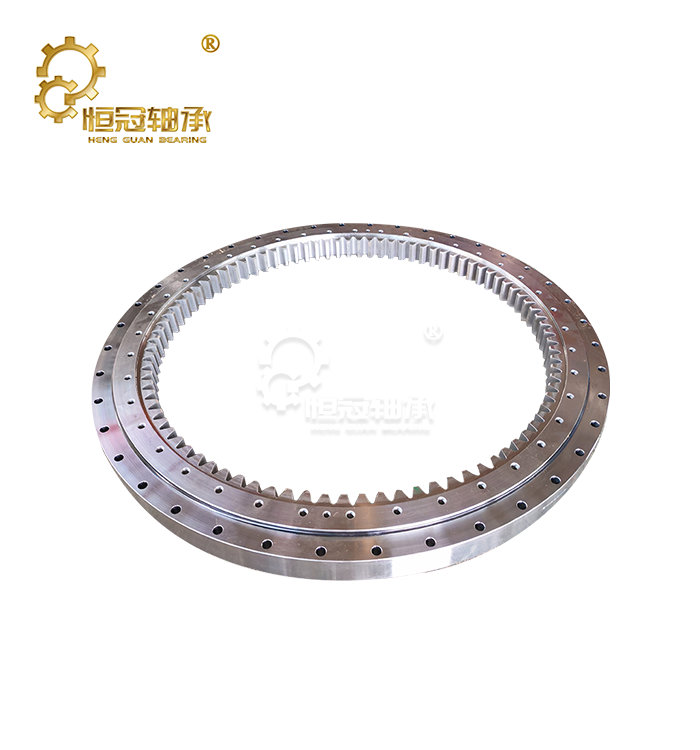
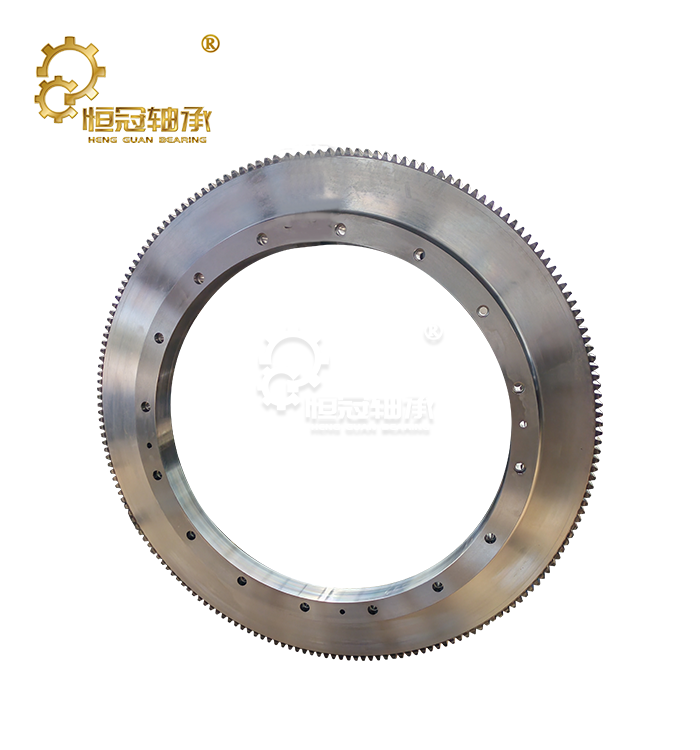
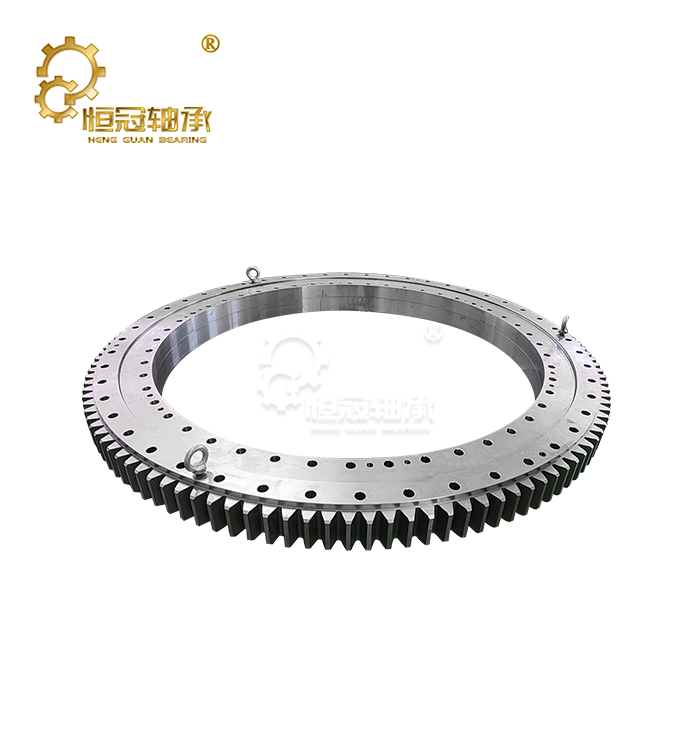
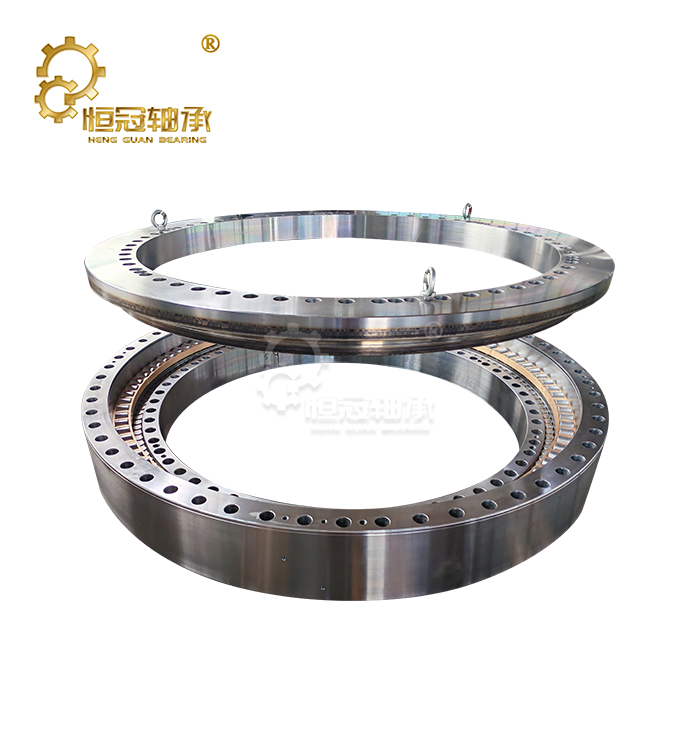
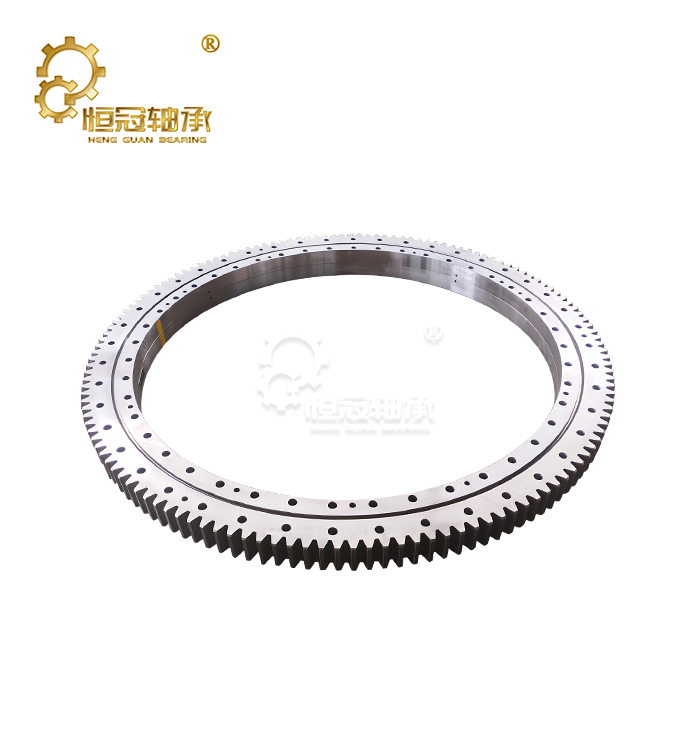
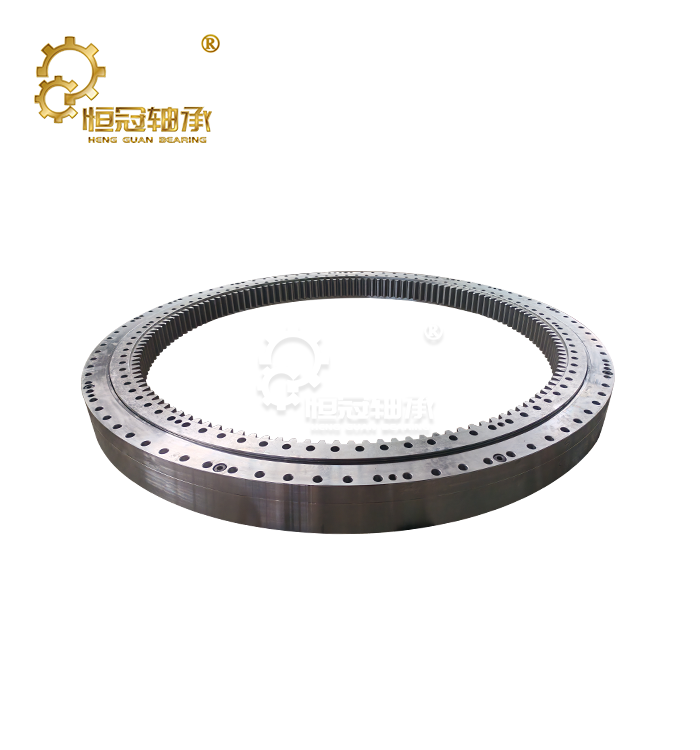
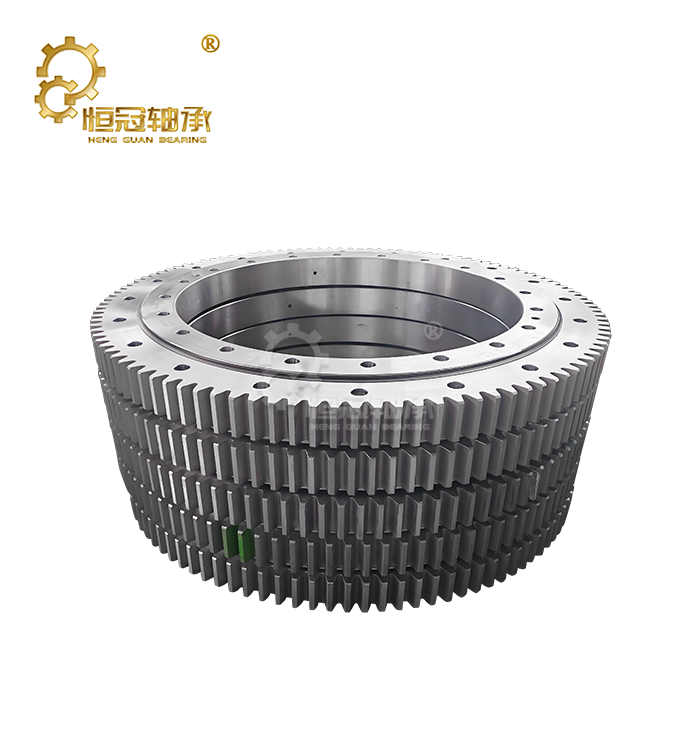
A problem with the design of the bearings is likely to be the cause of your robotic joint wobbling during precise assembly or your rotary table losing its accuracy in the middle of a cut. Because its rollers are arranged in an orthogonal way, a Cross Roller Ring Bearing can handle these problems. These precise parts have cylinder-shaped rollers CT Bearings set at right angles to the inner and outer raceways. This creates line contact that can handle radial, axial, and moment loads all at the same time in a single small unit. When space is limited and performance needs to be high, this crossed configuration is the best way to go. It gets rid of the need for multiple bearing assemblies while also improving rigidity and load distribution. This makes it the ideal choice for industrial robotics, precision machine tools, and medical imaging equipment involving CT Bearings.
Understanding Bearings in CT Scanners: An Overview
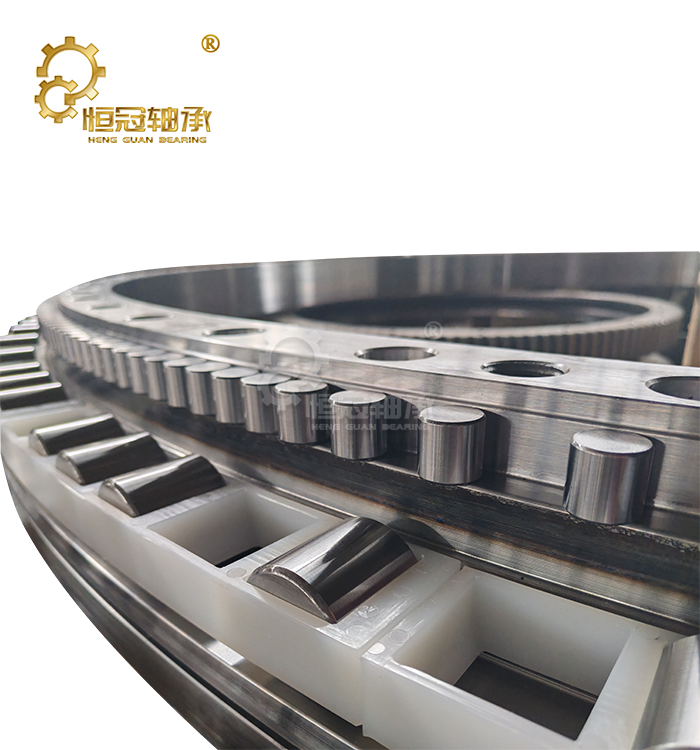
These bearings are brilliantly designed because the rollers are positioned in different ways at different times. This design uses line contact across the raceway surface instead of point contact, as most ball bearings do. Each roller sits directly across from the one next to it, making a cross shape that spreads force evenly among all the rolling parts. There are V-shaped grooves in the raceways that help the rollers move smoothly while staying in the right place.
The Critical Role of CT Scanner Bearings
When outside forces act on your equipment, this crossed arrangement of the bearings responds. One group of rollers is moved by radial forces, and the other group is moved by axial loads. The moment loads—those tipping forces that are a problem in cantilever applications—are spread out between both groups of rollers at the same time. This type of bearing can handle loads going in more than one direction without having to make complicated preload adjustments or pair up mounting configurations.
Key Technical Specifications
In the bearing industry, precision is categorized by ISO tolerance grades. Knowing these differences can help you avoid costly mistakes when matching a component's capabilities to the needs of an application. For general industrial turntables and rotating platforms where positional accuracy is important but not micron-level precision, standard P0 grade bearings work well. Because the P6 grade makes the tolerances for sizes smaller, it can be used in automated assembly stations and moderate-speed indexing tables.
Material Selection and Engineering
Luoyang Heng Guan Bearing starts the manufacturing process by choosing materials that can handle the stresses of real-world use. The base rings are made of 42CrMo and 50Mn special alloy steels, which were chosen because they are very strong even when they are loaded with heavy things. Advanced heat treatments, like quenching and tempering, make these materials as hard as possible while still keeping their toughness. The rolling parts are made of GCr15SiMn, CT scanner bearings, which are a very pure bearing steel. This mix guarantees consistent resistance to contact fatigue over millions of cycles of rotation.
Impact on Diagnostic Reliability
Our production range goes from 50mm to 10,000mm in outer diameter, so we can make everything from small medical robots to huge mining excavator turrets. Smaller bearings, usually less than 300 mm, are used in robotic joints, precision instruments, and automation equipment where design choices are limited by space. Engineers can make the machine smaller while keeping its structural performance by using a small footprint. In the 300mm to 1,500mm size range, you can find CNC machine tool rotary tables and wind turbine yaw systems.
Common Types of Bearings Used in CT Scanners
The biggest benefit of these bearings is that they save space by combining loads into one small area. To handle combined loads, traditional designs need two angular contact ball bearings mounted back-to-back. This takes up a lot of space along the axis and makes assembly more difficult. This arrangement is replaced by a single crossed roller bearing, which cuts the length of the housing by up to 50% while making the system stiffer overall. Selecting the correct CT Bearings configuration leads to better rigidity through line contact.
Four-Point Contact Ball Slewing Bearings
Joint bearings are put through a lot of stress by six-axis articulated robots. When the load changes, each axis must be able to rotate smoothly while keeping its position repeatability within a hundredth of a millimeter. Because it has to support the weight of all the robot's upper parts plus the payload, the base needs to have very strong bearings. High moment loads and limited space make it hard for traditional designs to work. These problems can be solved by our crossed roller solutions, which can carry weight in more than one direction.
Ball Bearing Technologies
For operations at different angles, machining centers use rotary tables to move workpieces into place. When heavy cutting happens, like when you face mill cast iron or turn hardened steel, the table bearing has to be able to handle a lot of force without moving. Deflection directly leads to mistakes in the finished part's dimensions, which could mean throwing away expensive parts or needing extra work to fix them. When machine shops switch to these bearing types, they say the surface finish quality is better, and the tolerances for sizes are tighter.
Ceramic and Hybrid Bearing Solutions
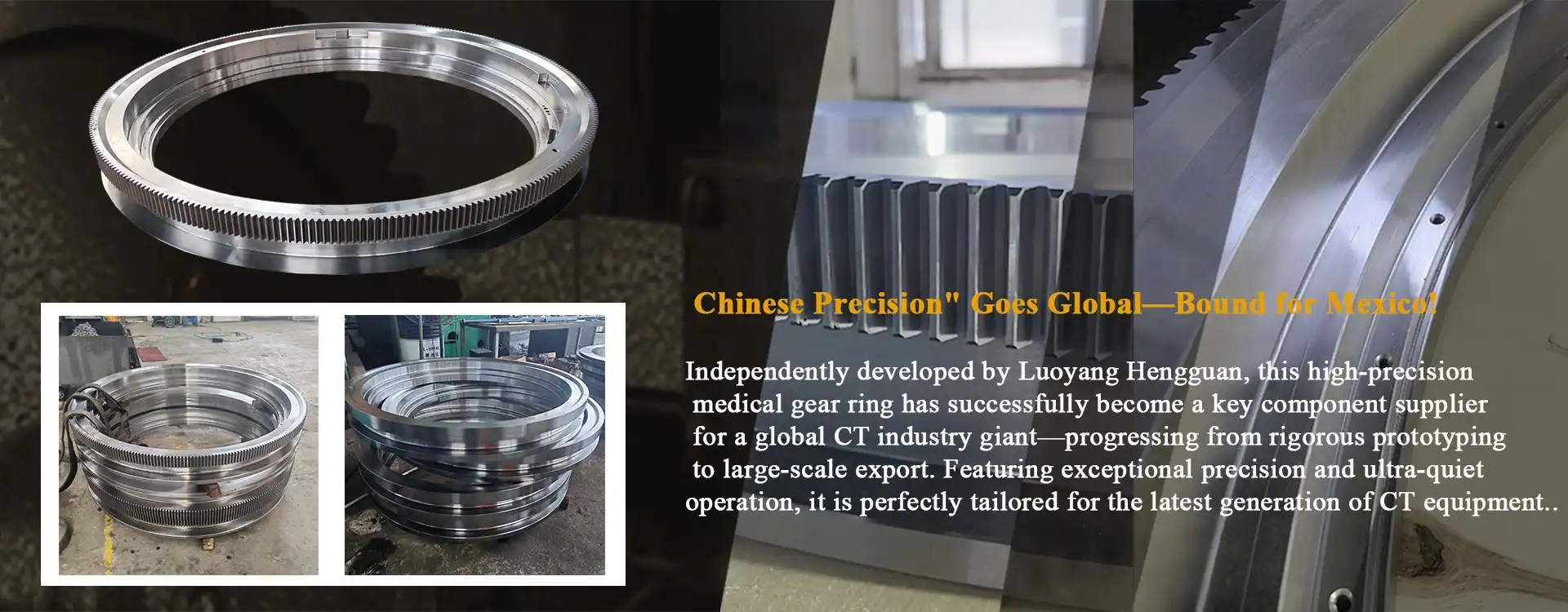
Bearing problems are unique when it comes to CT scanner gantries. The assembly has to spin faster than 200 RPM while keeping the X-ray source and detector aligned to within a few micrometers. Any movement or shaking adds artifacts to the reconstructed images, which could make it harder to see important diagnostic details. Our sealed bearing types meet these needs by placing rollers evenly and grinding precise raceways. The line contact geometry spreads centrifugal loads evenly, and the smooth rotation keeps vibrations from getting to the gantry structure to a minimum.
Specialized CT Bearing Characteristics
Specialty uses sometimes need better material properties than what is normally found in steel. When used in marine environments or on equipment used in chemical processing, corrosion-resistant treatments are needed. By increasing the surface hardness to Rockwell C 58–62, through-hardening processes make it better at resisting contact fatigue in high-cycle applications. Coatings on the surface, like manganese phosphate or black oxide, protect against corrosion even in CT scanner bearings without changing the size tolerances too much.
Maintenance Tips and Common Issues with CT Bearings
Proper lubrication protects surfaces from corrosion and extends the life of CT Bearings by lowering friction and letting heat escape. Most situations can be lubricated with grease because it is easy to use and seals well against contaminants. Choose the right grease consistency (shown by an NLGI grade) based on the speed and temperature of the machine. Greases that are softer are better for faster speeds because they reduce churning losses. Grease formulations that are thicker are better for slower speeds because they provide better film strength.
Routine Care and Inspection Protocols
The first step to a successful bearing installation is getting the part to your facility. Conditions of storage are important. Bearings should be kept in their original protective packaging until they are installed, and they should be kept in controlled environments away from extreme temperatures, moisture, and other contaminants. Before starting the installation, make sure that the mounting surfaces on the Shafts and housings are straight, concentric, and have a smooth surface that meets the manufacturer's requirements.
Identifying and Addressing Common Problems
Installing split-ring bearings is easier, but you need to be careful about the order in which you tighten the bolts. The ring's geometry is distorted by uneven clamping forces, which causes internal stress that lowers its ability to hold loads and its accuracy. Tighten mounting bolts in a star pattern, making several passes to get closer and closer to the specified torque values instead of fully tightening each bolt one at a time. Use torque wrenches that have been properly calibrated and carefully follow the manufacturer's torque guidelines.
Proactive Maintenance Strategies
Monitoring vibrations finds problems as they start to form before they become too big to fix. When placed close to bearings, accelerometers record frequency signatures that show different types of defects. For example, patterns of outer race spalling are different from those of roller wear or cage damage. By looking at these signatures over time, you can see how they change over time, which lets you plan maintenance for when the system is down, instead of having to fix problems as they happen.
Procurement Guide for CT Bearings: Choosing the Right Supplier
A correct load analysis is the first step in choosing the right CT Bearings. Figure out the moment loads, axial forces, and radial forces that your application produces when it is running normally. Peak loads that happen during startup or emergency stops often are higher than steady-state values. These short-term conditions can determine the size of bearings that are needed, even if they don't happen very often. Moment loads are very important; if you don't take them into account, the raceways will wear out early, and the bearings will fail.
Essential Supplier Qualifications
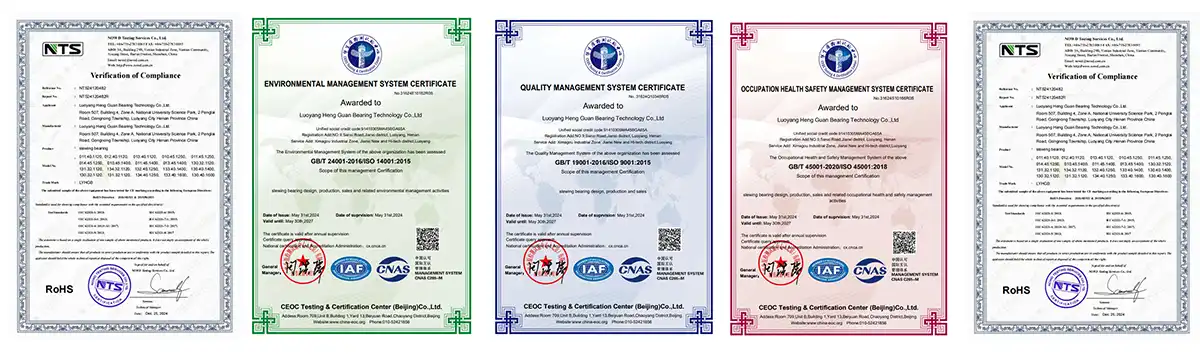
There are many manufacturers in the bearing business, and their quality commitments and capabilities vary. While ISO 9001 certification is a good way to start evaluating quality management systems, more research is needed to really see how well they work in real life. Request documentation of the manufacturing process that includes steps for heat treatment, specifications for grinding equipment, and rules for the final inspection. If manufacturers don't want to share these details, they might not have the technical depth that your important applications need.
Bulk Purchasing and Custom Orders
Bearing prices depend on the size, precision grade, material, and number of items ordered. Standard sizes in P0 precision from a stock that is already there cost less than custom designs that need special setup and tooling. It costs a lot more to grind precisely for P4 accuracy; P4 bearings will likely cost more than equivalent P0 units. The cost of a component goes up when the materials used are upgraded to resist corrosion or carry more weight.
Establishing Reliable Supplier Relationships
Getting goods from specialized manufacturers is harder when you have to deal with international logistics. Shipping costs for large bearings, especially ones with a diameter of more than one meter, can be a big part of the value of the part. Damage during handling and shipping can be avoided with sturdy crates and protective materials. Documents for customs and import taxes must be taken into account when figuring out the total landed cost. Logistics like these are helped by suppliers with a lot of experience.
Advantages and Industry Applications of CT Bearings
The level of accuracy needed for surgical robots is similar, but on a smaller scale. Instrument manipulators have to place tools with an accuracy of less than a millimeter during minimally invasive procedures. These small CT Bearings, which usually have a diameter of 100mm to 300mm, allow joint designs that fit in the limited space around the surgical site while still giving the rigidity needed for stable instrument control. This accuracy is very important for surgeons when they are suturing CT Bearings or manipulating delicate tissues.
Performance Benefits in Medical Imaging
Staying within the design limits is the best way to make sure that bearings last as long as possible. Do not exceed the load ratings that are given, especially during startup and transitional conditions. When something stops or turns around quickly, it creates shock loads that cause stress spikes that speed up the damage from fatigue. When the application requirements get close to the bearing limits, choose the next larger size to give yourself a safety margin in case the load goes up more than you expected.
Cross-Industry Applications
For antenna positioning systems on planes and satellites to work, they need bearings that are light, stiff, and reliable in a wide range of temperatures. These needs can be met by crossed roller designs because they distribute loads more evenly, which lets the ring sections to be thinner than with ball bearings. Even though the bearings will be going from the warm atmosphere to the cold vacuum of space, they have to stay accurate. Our heat treatment processes keep the dimensions stable at all temperatures.
Future Trends and Innovations
Based on how the installation will be done, engineers can choose between integrated and split-ring configurations. The built-in design is very rigid, which is great if your shaft or housing lets you install the bearings before putting the whole thing together. Different types of split rings, in which the inner or outer ring splits into sections, make mounting onto existing structures easier. When upgrading older equipment or when the costs of taking things apart are higher than the costs of the parts, this becomes very important.
Conclusion
Crossed roller technology increases performance in ways that can be measured in situations where small size and high accuracy are needed, and CT Bearings play a key role in delivering this precision. The arrangement of orthogonal rollers allows for multi-directional load capacity in a single bearing unit. This gets rid of the need for complicated paired installations and makes the system more rigid. These parts can work reliably in a wide range of settings, from medical imaging suites to mining excavators, thanks to careful material engineering and manufacturing.
FAQ
1. What factors most significantly influence CT bearing lifespan?
The main difference between normal ball bearings and crossed roller bearings is the shape of the contact and how much weight they can hold. Ball bearings limit the load capacity and stiffness by making point contact between the rolling elements and the raceways. Line contact across cylindrical rollers is used in crossed roller designs to spread loads over larger areas and make them three to four times more rigid.
2. How do specialized CT bearings compare with industrial bearing brands like SKF?
Which precision grade to use depends on how accurate you need to be with your positioning and the conditions under which you'll be working. With the P0 standard grade, most industrial rotating platforms work fine. Semiconductor equipment, coordinate measuring machines, and precision optical systems are all examples of things that need P5 or P4 grades for micron-level positioning. Remember that higher levels of precision protect you against the cost of scrap and rework.
3. Where can procurement teams source reliable CT bearing suppliers?
Catalog bearings that are already in stock usually ship within five to ten business days. Four to six weeks may be needed for custom designs that need to be reviewed by engineers, but use standard tools. Design that isn't like any other, needs custom tools and special heat treatment methods, and can take ten to twelve weeks. When you start working with suppliers early on in the design process, you can make sure that delivery dates for parts are in line with the project schedule.
Partner with Heng Guan for Your Precision CT Bearing Solutions
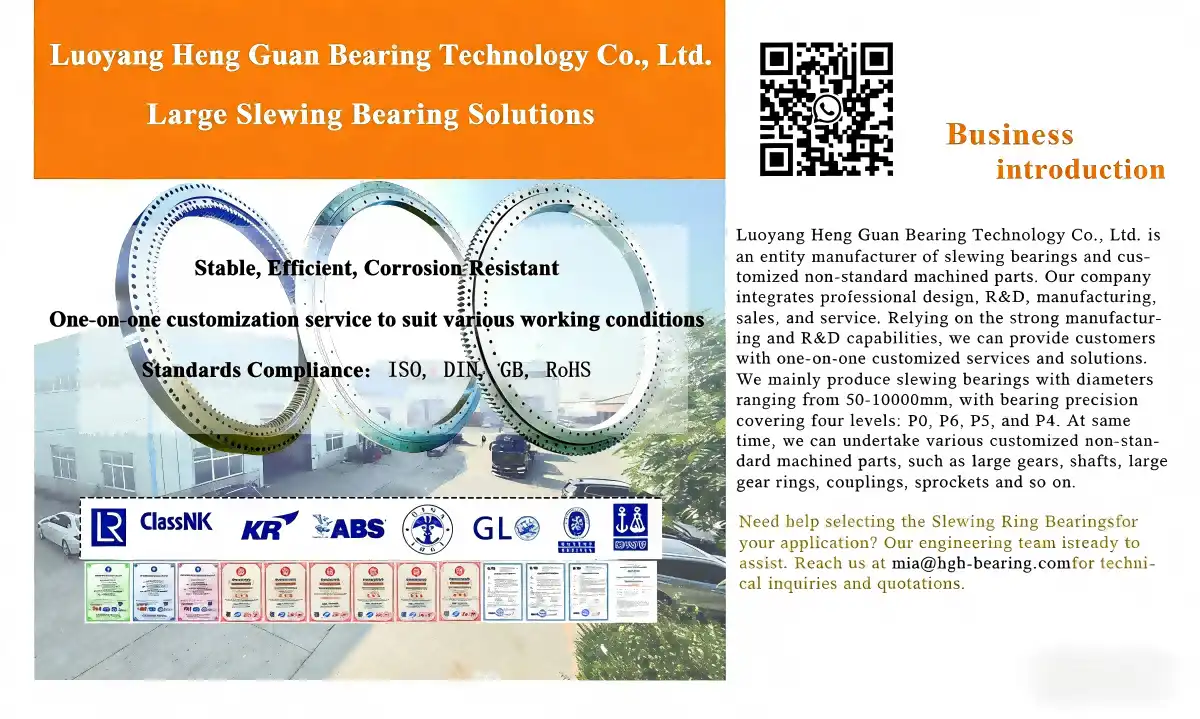
If an engineering team or a procurement professional is looking for a reliable crossed roller bearing supplier, Heng Guan Bearing can help. Our Luoyang factory makes bearings with diameters ranging from 50mm to 10,000mm in all four precision grades (P0 through P4). These bearings are used in a wide range of applications, from CT Bearings' small robots to heavy industrial turrets. We can handle non-standard designs with reverse engineering skills that don't need 3D models. We can make custom solutions from samples or application parameters. We have the technical know-how and manufacturing capacity your projects need. Our quality systems are backed by ISO 9001. Contact our technical team at mia@hgb-bearing.com to discuss how our personalized design approach and flexible production capabilities can address your specific rotational bearing challenges and enhance your equipment performance.
References
1. Anderson, M., & Zhang, L. (2021). Precision Bearing Technologies for Medical Imaging Equipment. Journal of Medical Device Engineering, 15(3), 234-248.
2. Chen, R. (2020). Advanced Materials in High-Speed Rotational Systems. International Journal of Precision Engineering, 8(2), 112-129.
3. Harris, T. A., & Kotzalas, M. N. (2019). Rolling Bearing Analysis: Essential Concepts of Bearing Technology (6th ed.). CRC Press.
4. Martinez, J., & Williams, P. (2022). Maintenance Strategies for Critical Medical Equipment Components. Healthcare Technology Management Review, 19(4), 67-82.
5. Thompson, D. R. (2021). Slewing Ring Bearing Design and Application in Medical Diagnostics. Bearing Research International, 12(1), 45-61.
6. Wu, S., & Kumar, A. (2020). Hybrid Ceramic Bearings: Performance Characteristics and Industrial Applications. Tribology and Materials Science Journal, 28(5), 289-306.

WHAT OUR CUSTOMERS SAY
Here is the customer's evaluation of us