



How to inspect a crane slewing ring for wear?
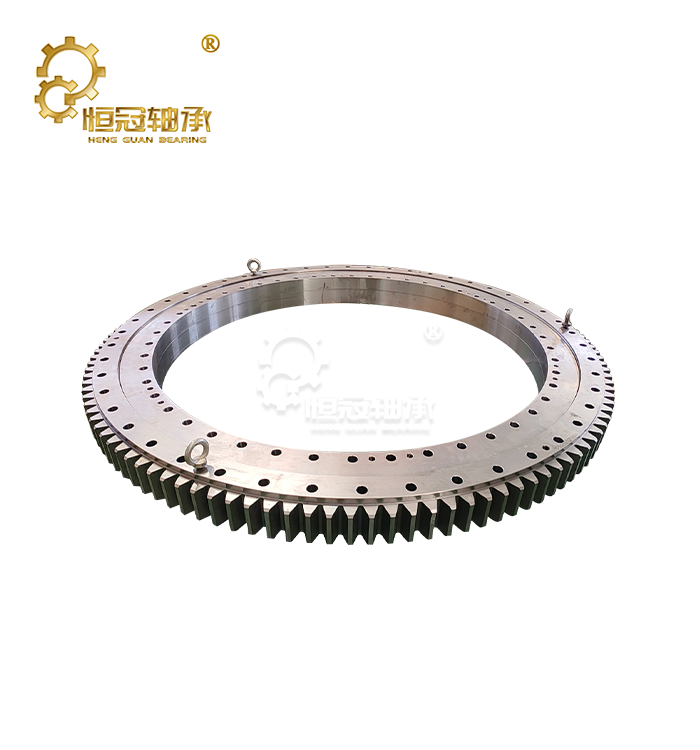
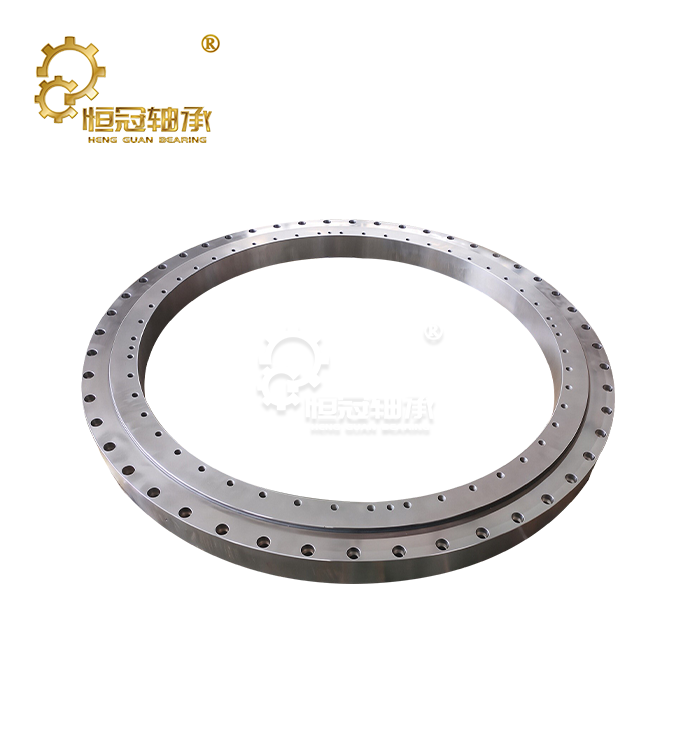
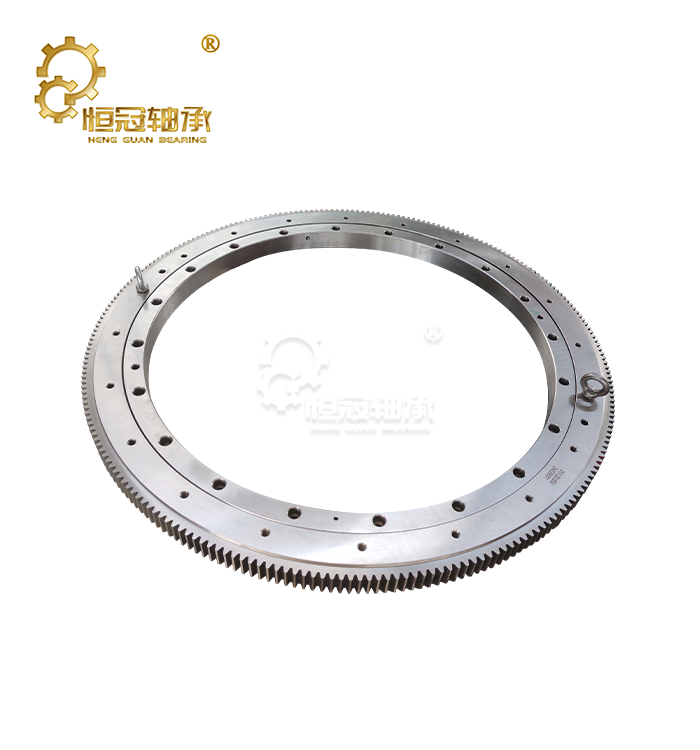
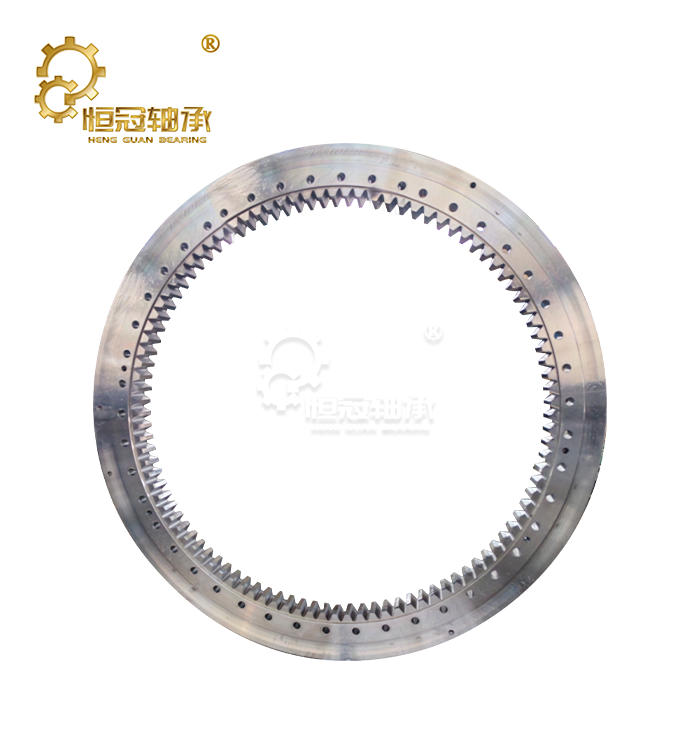
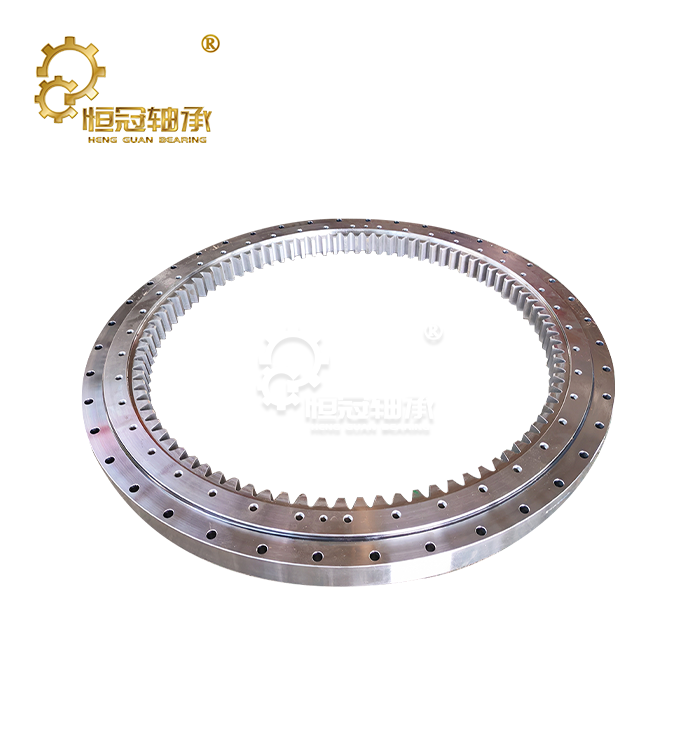
A Crane Slewing Ring is crucial for cranes to enable smooth rotation when bearing enormous axial, radial, and moment loads. Since this part is always under mechanical stress, contaminants, and different loading circumstances, regular inspections are essential to prevent unexpected failures and expensive down periods.
When you examine a crane slewing ring, you don’t only look for apparent damage. A thorough assessment should involve visual inspection, measurement of the clearance, analysis of the lubricant condition, inspection of the gear (for slewing rings with gears), and, if appropriate, sophisticated non-destructive testing procedures. These examinations can identify early indications of raceway fatigue, seal failure, corrosion, anomalous wear, and installation-related problems.
Early detection of wear in tower cranes, port cranes, mining equipment, and heavy lifting machinery enables maintenance crews to schedule repairs or replacement before safety hazards arise. In addition, an expert slewing bearing manufacturer can be very helpful to determine if a component can stay in operation, if it needs to be fixed, or if it has to be replaced with a suitable new design.
Understanding the Working Structure of a Crane Slewing Ring
Main Components That Affect Wear Performance
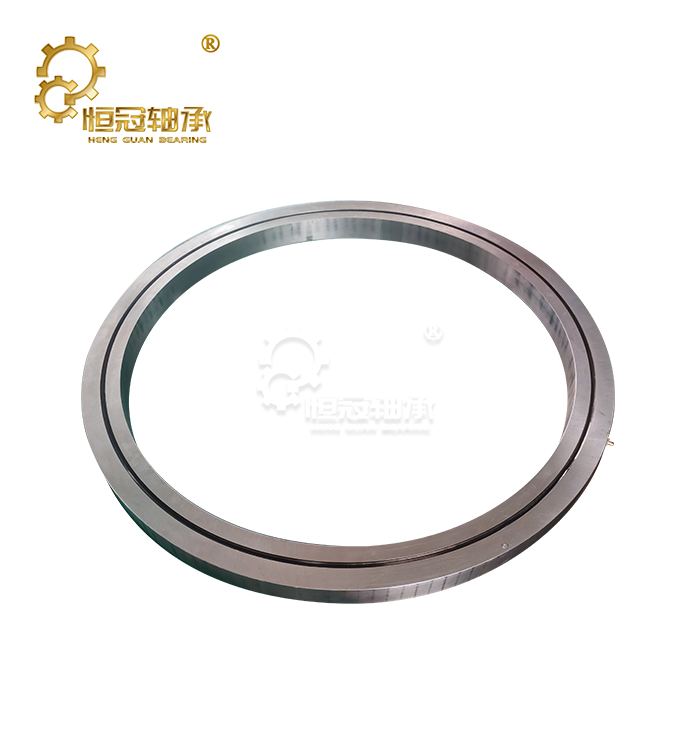
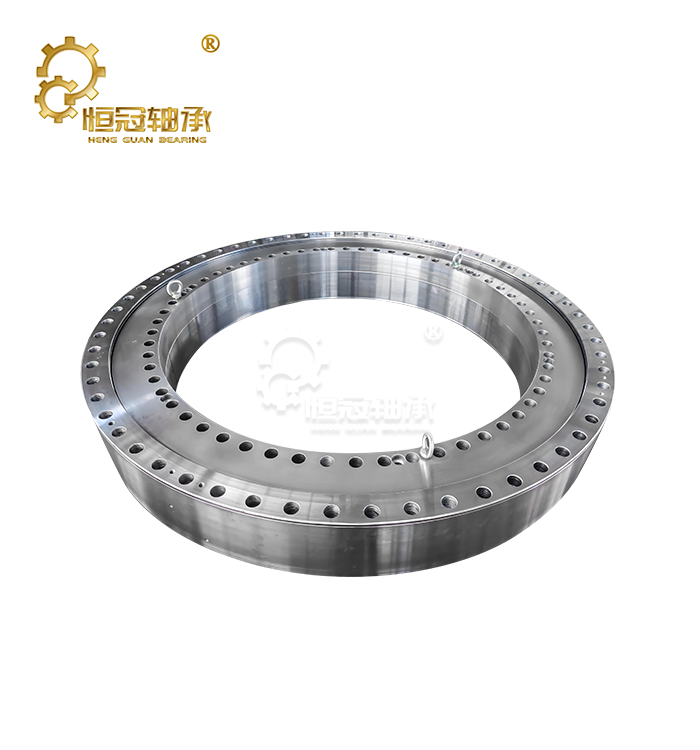
A slewing ring is a big bearing assembly that consists of inner and outer rings, raceways, rolling elements, spacers or cages, seals, and mounting holes. The interior design may use single-row ball structures, double-row ball configurations, or multi-row roller arrangements, depending on the application.
Each design deals with loads differently. For instance:
Ball slewing rings are often utilized when combined axial,
Radial and tilting moment loads have to be accommodated in an efficient way.
For heavy-duty applications, where a higher load capacity and better resistance to overturning moments are needed, roller-type systems are normally chosen.
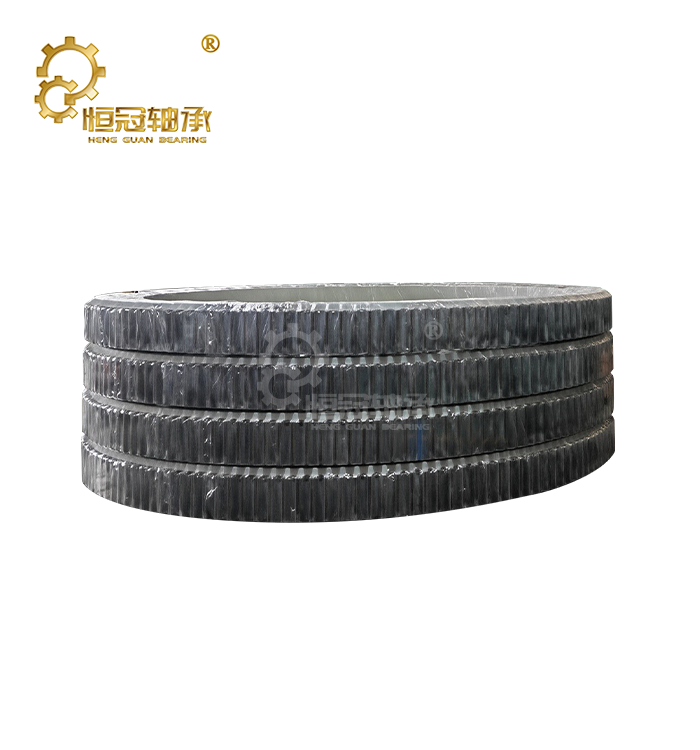
Geared slewing rings have exterior or internal gear teeth that require further inspection to determine the condition of the teeth and lubrication.
The raceway and rolling elements are under frequent contact stress during operation. This can lead to fatigue damage over time, particularly if the bearing is run above its rated load or if lubrication is insufficient.
Service life depends on quality of material, heat treatment, precision of machining, and sealing system. High-grade producers often utilize alloy steel materials with regulated hardness and raceways machined to tight tolerances to increase load distribution and wear resistance.
Common Wear Mechanisms During Crane Operation
Knowing how wear develops helps inspectors spot problems before the damage becomes serious.
The most prevalent mechanisms of wear are the following:
Raceway fatigue:
Microscopic cracks might form under the surface of the raceway over repeated loading cycles. As these cracks propagate, little bits of material might break away, causing pitting or spalling.
Wear, abrasive:
Damaged seals can allow dust, sand, metal particles, or other impurities to enter and abrade the rolling elements against the raceways. It is especially widespread in mining, construction, and outdoor settings.
Corrosion damage.
Bearing surfaces can be attacked by moisture, salt spray, and chemicals. Corrosion is accelerated by exposure to chloride and hence is especially problematic for coastal cranes and port equipment.
Wear due to lubrication:
Poor lubrication, for example, due to contaminated lubricant, lack of lubrication, or wrong lubrication intervals, increases friction and surface damage.
Understanding these principles helps maintenance teams determine not just if a crane slewing ring is worn, but why the crane slewing ring wore out.
Step-by-Step Inspection Process for a Crane Slewing Ring
Preparing the Crane Before Inspection
The first priority before evaluating any crane slewing ring should always be safety.
Before the inspection starts:
- Turn off the crane and disconnect the electrical sources.
- Follow established lockout and tagout procedures.
- Be sure the crane structure is adequately supported.
- Clean regions of excess grease, dirt, and debris in the inspection areas.
- Prepare instruments for measurement.
Typical examination tools could be the following:
- Dial indications for measuring clearance movement.
- Torque tools to inspect the quality of the mounting bolt;
- Visual inspection tools: inspection cameras, flashlights;
- Use thickness gauges to assess wear;
- Equipment for magnetic particle testing for crack detection;
- Sophisticated condition-monitoring vibration-monitoring equipment.
It is crucial to keep the inspection environment clean, as oil or contamination build-up can disguise early indicators of damage.
Performing a Visual Inspection of Raceways and Seals
The first step in identifying potential problems is looking at it.
Inspectors should consider:
- Surfaces of raceways;
- Contact regions of rolling elements;
- Sealing conditions;
- Mounting surfaces;
- Gear teeth (if applicable).
Signs that deserve attention are the following:
- Surface pitting or flaking is visible.
- Uneven wear gauges;
- Deposits of rust.
- Gaskets worn or toughened;
- Grease leaking with metal particles.
A compromised seal is generally one of the initial indicators. Contaminants entering the bearing system might impair the performance of the lubricant and increase the internal wear.
Contamination exposure is much higher; hence, a crane that operates in dusty conditions such as mining sites or building projects should check the state of the seal more frequently.
Measuring Internal Clearance and Structural Wear
One of the most significant inspection procedures is a clearance measurement, because it offers measurable information regarding internal wear.
Typically, during examination, technicians may mount a dial indicator and monitor movement between the bearing rings while applying regulated loads. Compare the results to the original manufacturer's specifications.
Increased clearance may indicate:
- Raceway wear;
- Damage of the rolling elements;
- Overloading of the working loads;
- Improper installation;
- Long-term tiredness and damage.
The permissible clearance zone relies on the design of the slewing ring, its dimensions, load requirements, and operating conditions. A tower crane working under stringent safety regulations may have to have different limits than a mobile crane functioning in less demanding settings.
Make measurements at several locations around the circle. Unequal readings can suggest misalignment, unequal loads, or distortion of the mounting structure.
Inspecting Gear Teeth on Geared Slewing Rings
Many cranes employ geared slewing rings to convey the rotation. The designs rely on inspection of the gear.
Upon inspection, check for the following:
- Wear of the tooth surface;
- cracks at base of the tooth;
- Abnormal contact pattern;
- Without lubrication;
- Too much resistance.
Uneven contact of the gears is often a sign of misalignment of the drive system and slewing ring. If the teeth of the gears are severely damaged, the action may increase stress to the entire rotating system.
Proper alignment of the gears and regular lubrication will greatly extend the life of the gears.
Advanced Testing Methods for Detecting Hidden Damage
Magnetic Particle Testing for Crack Detection
Visual inspection cannot always identify internal or surface cracks. Magnetic particle testing is commonly used to detect small defects in ferromagnetic materials.
During this process:
- The inspection area is cleaned.
- A magnetic field is applied.
- Magnetic particles are introduced.
- Crack locations create visible particle patterns.
This method is useful for high-value crane equipment because it can identify fatigue cracks before they develop into major failures.
Vibration Analysis and Condition Monitoring
Modern maintenance programs increasingly use condition monitoring technology.
Vibration analysis can detect abnormal operating conditions caused by the following:
- Raceway damage;
- Rolling element defects;
- Lubrication problems;
- Structural looseness.
By comparing vibration data over time, engineers can identify gradual deterioration trends rather than relying only on occasional inspections.
For large cranes used in ports, offshore operations, and industrial facilities, condition monitoring can support predictive maintenance strategies and reduce unexpected shutdowns.
Common Crane Slewing Ring Problems and Their Causes
Seal Damage and Contamination Problems
Seal failure is one of the most common causes of premature slewing ring wear.
Environmental factors that damage seals include:
- UV exposure;
- Extreme temperatures;
- Chemical contact;
- Continuous dust exposure;
- Improper installation.
When seals lose flexibility, contaminants can enter the bearing system. Dirt particles mix with grease and create abrasive conditions that damage raceways and rolling elements.
Regular seal inspection and proper lubrication practices are essential for extending service life.
Improper Lubrication Practices
Lubrication plays a major role in protecting internal bearing surfaces.
Common lubrication mistakes include:
- Using unsuitable grease;
- Applying insufficient lubricant;
- Mixing incompatible grease types;
- Ignoring operating environment conditions.
A crane working in a coastal environment may require different lubrication protection compared with equipment operating indoors.
The correct lubrication schedule should consider:
- Operating hours;
- Load frequency;
- Temperature;
- Dust and moisture exposure.
Proper lubrication reduces friction, controls heat generation, and helps prevent premature raceway damage.
Installation Errors and Structural Misalignment
Even a high-quality crane slewing ring can experience early failure if installation conditions are incorrect.
Common installation-related issues include:
- Uneven mounting surfaces;
- Incorrect bolt tightening sequence;
- Insufficient bolt preload;
- Structural deformation.
Poor alignment creates uneven load distribution, causing certain areas of the raceway to experience excessive stress.
Following manufacturer installation procedures and using accurate measurement tools can significantly improve reliability.

Maintenance Strategies to Extend Crane Slewing Ring Service Life
Creating a Regular Inspection Program
Inspection frequency should match the operating environment.
General recommendations:
- Light-duty cranes: periodic visual checks and basic clearance inspection.
- Construction cranes: regular inspections based on operating hours and workload.
- Mining and port cranes: more frequent inspections due to harsh operating conditions.
- A planned inspection schedule allows maintenance teams to identify problems before they become expensive failures.
Keeping Accurate Maintenance Records
Detailed records improve future maintenance decisions.
Important information includes:
- Inspection dates;
- Clearance measurements;
- Lubrication history;
- Identified defects;
- Repair actions;
- Operating conditions.
Historical data helps engineers understand wear trends and determine when replacement is more economical than continued operation.
For companies managing multiple cranes, maintenance records also help compare equipment performance and improve purchasing decisions.
Choosing the Right Crane Slewing Ring Supplier
When replacement is required, selecting the right manufacturer is as important as the inspection process.
A reliable supplier should provide the following:
- Material certificates;
- Dimensional inspection reports;
- Quality control documentation;
- Customized design support;
- Technical assistance during installation.
Different crane applications require different bearing structures and load capacities. A professional manufacturer can recommend suitable solutions based on crane type, working environment, rotation speed, and expected service conditions.
Conclusion
Systematic inspection of a crane slewing ring is essential for maintaining crane safety, improving equipment reliability, and reducing unexpected downtime. A complete inspection process should combine visual checks, clearance measurement, lubrication evaluation, gear inspection, and advanced diagnostic methods when required.
Understanding common wear causes, including contamination, lubrication failure, fatigue damage, and installation problems, allows maintenance teams to take preventive action before serious failures occur.
For companies operating heavy lifting equipment, choosing a suitable crane slewing ring and partnering with an experienced manufacturer can make a significant difference in long-term performance. Professional support, accurate engineering recommendations, and reliable quality control help ensure that the bearing system continues to operate safely under demanding conditions.
Regular inspection is not only a maintenance task but also an investment in operational efficiency, safety, and total equipment lifespan.
|
|

FAQ
1. How often should the slewing bearings on a crane be inspected in detail?
How often you inspect relies on how busy your business is and how exposed you are to the surroundings. When general building equipment is kept clean, it usually needs a full check once a year. Heavy-duty mine or port work in dirty areas needs to be inspected every three months, with readings of clearance and a study of the lubricant. In between planned checkups, workers should look over the machine once a month for obvious damage, strange noises, or lubricant leaks. Vibration tracking systems keep an eye on the state of important installations all the time. If the Crane Slewing Ring breaks down without warning, it could be very dangerous or cost a lot of money.
2. What clearance measures show that the slewing ring needs to be replaced?
For each type of Crane Slewing Ring, manufacturers list the allowed amounts of clearance. If the price goes up by more than 50% from the original specs, it's usually time to think about replacing it, but this depends on practical needs. Tighter tolerances are needed for precision uses like medical equipment or aircraft tools than for rough-terrain mobile equipment. Other things that happen at the same time are also important. For example, increasing clearances quickly, obvious damage to the raceway, or strange vibration patterns all point to the need for replacement, even if the clearances are still legally fine. The most accurate replacement suggestions come from talking to Crane Slewing Ring providers with specific measurement data and practical context.
Partner with Heng Guan for Superior Crane Slewing Ring Solutions
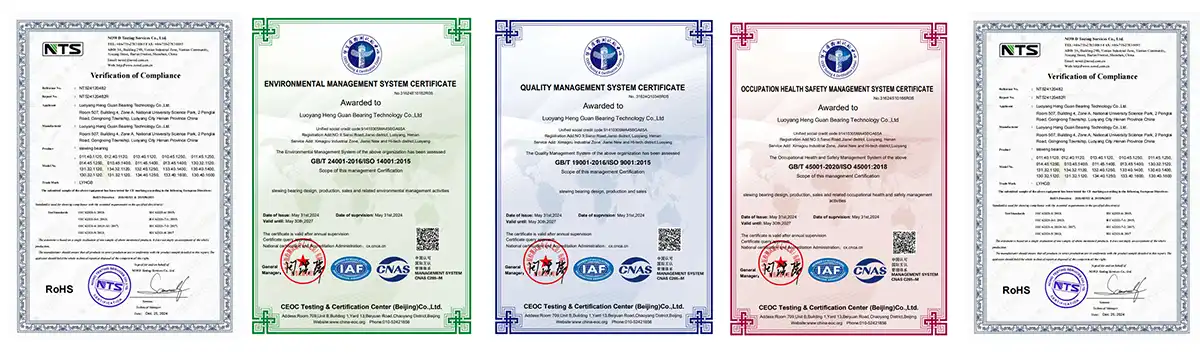
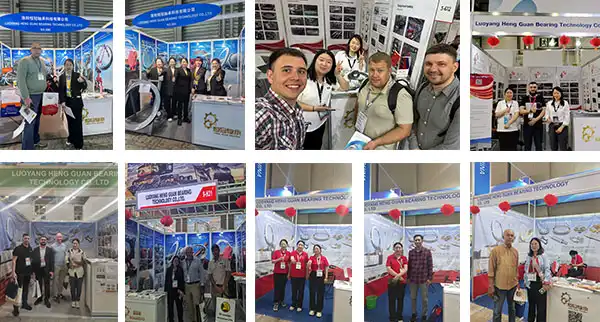
Choosing the right Crane Slewing Ring provider has a direct effect on how reliable your equipment is and how much it costs to run over multiple years. Heng Guan Bearing Technology makes engineering Crane Slewing Rings with diameters ranging from 20 mm to 10,000 mm. These Crane Slewing Rings are used in everything from small automation systems to huge mining machines. Our Luoyang plant uses modern CNC machining centers and precise measurement labs that are set up to meet international standards. It is part of China's best Crane Slewing Ring production area. We make Crane Slewing Rings with accuracy levels P0, P6, P5, and P4 in a variety of structure forms, such as single-row four-point contact, cross-roller, and three-row roller.
Our competitive edge comes from being able to customize technology. It is the job of engineering teams to work directly with OEM partners and end users to find the best Crane Slewing Ring geometry for each load, location, and interaction need. This personalized method leads to measurable performance gains, such as longer service intervals, less maintenance, and higher operating safety. Email our application engineers at mia@hgb-bearing.com to talk about what you need. As a well-known company that makes Crane Slewing Rings for customers in Europe, the Americas, and Asia, we offer full support from the initial specification stage through installation guidance and ongoing technical consultation. This way, we can make sure that your investment gives you the most value for the whole time it's working.
References
1. American Gear Manufacturers Association. (2018). AGMA 6123-B06: Design Manual for Enclosed Epicyclic Gear Drives. Alexandria: AGMA Publications.
2. Harris, T.A. & Kotzalas, M.N. (2006). Advanced Concepts of Bearing Technology: Rolling Bearing Analysis, Fifth Edition. Boca Raton: CRC Press.
3. International Organization for Standardization. (2007). ISO 281:2007 Rolling Bearings — Dynamic Load Ratings and Rating Life. Geneva: ISO Standards.
4. Machinery Lubrication Magazine. (2019). "Best Practices for Slewing Bearing Maintenance in Heavy Equipment." Machinery Lubrication, 19(4), 22-29.
5. SKF Group. (2020). Slewing Bearings: Design, Mounting, and Maintenance Guide. Gothenburg: SKF Technical Publications.
6. Wensing, J.A. (2014). On the Dynamics of Ball Bearings. Doctoral Dissertation, University of Twente, Netherlands.

WHAT OUR CUSTOMERS SAY
Here is the customer's evaluation of us