




Structure, Advantages & Applications - Crane Slewing Bearing
A crane slewing bearing is a load-bearing component that allows a crane upper structure or working attachment to rotate while supporting axial loads, radial loads, and overturning moments. For equipment such as portal and gantry cranes, tower cranes, mobile cranes, and certain port handling systems, the bearing must do more than simply provide rotational movement. Its raceway geometry, rolling elements, gear arrangement, mounting interface, sealing system, and lubrication method all influence how reliably the crane performs under repeated lifting and slewing cycles. For buyers evaluating a gantry crane slewing ring , the important question is therefore not simply whether a bearing can rotate. The selection needs to match the actual load spectrum, operating speed, mounting structure, environmental conditions, expected service duty, and drive arrangement. A properly specified bearing can simplify the mechanical design and support predictable maintenance, while an incorrectly selected unit may experience raceway fatigue, abnormal wear, gear damage, or excessive clearance. This guide explains the basic structure of crane slewing bearings, the advantages that matter in industrial applications, the main crane types that use them, and the technical information that should be reviewed before purchasing.
Crane Slewing Bearing Design: Main Components and Load Path
A slewing bearing is basically a large-diameter bearing that is intended to carry combined loads and allow controlled rotation. Construction is adapted to load-carrying capability, installation space, rotation speed, and operational circumstances.
Raceways, Rings, and Rolling Elements
The inner ring and the outer ring are the fundamental structural elements. In these rings the raceways are machined to guide the rolling elements and to transmit loads between the revolving and the stationary structures.
The rolling elements may be balls or cylindrical rollers, depending on the design. Different parts can be made of common bearing steels or alloy steels. However, the precise material grade, heat treatment, hardness, and manufacturing requirements should be obtained from the supplier’s technical data sheet and not assumed from the bearing type.
If you require large axial, radial, and moment load capacity, then a three-row roller slewing bearing is a choice. The rolling pieces are placed in separate rows. The designer can use the bearing structure to carry various components of the applied load.
But a three-row arrangement is not necessarily the best option for all cranes. When the equipment has various load or space requirements, other configurations may be more suitable. Such as single-row ball, double-row ball, crossed-roller, and so on.
Integrated Gear and Drive Interface
Many crane slewing bearings have gear teeth on the inner or outer ring. The gear meshes with a pinion attached to the slew drive, and the crane construction rotates around its center axis.
The selection of gear should be considered together with the bearing and should not be bought separately. Key elements are
Tooth form or gear module
Teeth
Diameter of pitch
Hardness and treatment of gear
Pinion Fittings
Backlash specifications
Driving force
Frequency start and stop
The gear arrangement of a gantry crane slewing ring must also be compatible with the crane’s mounting structure and slewing drive. If the gears are not properly aligned, localized tooth loading can still occur even if the bearing raceways are large enough.
Seals and Lubrication Features
Sealing systems help to limit the entry of dust, water, and other contaminants into the raceway area. This is especially true for outdoor cranes that are exposed to rain, construction dust, salt spray, or temperature extremes.
Lubrication is important, too. Grease establishes a protective film between rolling members and raceways. It also helps in corrosion protection. The type of grease and the frequency of replenishment depend on the bearing design, the load, the pattern of rotation, the temperature, and the environmental conditions.
Rather than using a fixed lubrication interval for every crane, maintenance personnel should follow the bearing manufacturer's recommendations and adjust the schedule according to actual operating conditions.
Why Slewing Bearing Selection Matters in Crane Engineering?
The main advantage of a properly selected slewing bearing is the ability to combine load support and rotation within a compact mechanical arrangement. This can reduce the need for multiple separate bearing components and simplify the interface between the rotating and stationary structures.
Combined Load Capability
Crane applications rarely produce only one type of load. A suspended load generates axial force, while acceleration, braking, wind, structural movement, and eccentric loading can introduce radial forces and overturning moments.
The bearing therefore needs to be evaluated against the combined loading condition rather than only the crane's nominal lifting capacity.
For example, two cranes with the same rated lifting capacity may require different slewing bearings if one operates with a longer working radius, higher slewing acceleration, more frequent cycles, or greater wind exposure.
Better Use of Installation Space
Large-diameter slewing bearings can combine the bearing function and, where required, the slewing gear into one assembly. This can reduce the number of separate components around the rotation interface.
The advantage is particularly useful when engineers need to control the overall height, weight, or installation envelope of the crane.
However, a compact bearing should not be selected solely because its outside dimensions fit the available space. The mounting flange, bolt pattern, structural stiffness, raceway capacity, gear dimensions, and clearance requirements must also be checked.
Controlled Rotational Movement
Correctly matched raceways and rolling elements offer regulated rotation under load. This adds to smoother positioning of suspended loads and avoids superfluous mechanical stress during regular slewing operations.
The conclusion depends on the full system, however. Bearing quality alone cannot compensate for poor mounting flatness, inappropriate bolt tightening, gear misalignment, inadequate lubrication, or excessive structural deformation.
Suitability for Outdoor and Heavy-Duty Environments
Many cranes operate outside and endure conditions that are more demanding than those found in enclosed industrial apparatus.
Construction sites can bring dust and abrasive particles. Ports expose equipment to humid, saline conditions. Mining and material-handling facilities may combine pollution with strong cyclic loads.
For these applications, purchasers should consider a gantry crane slewing ring, along with sealing, corrosion protection, grease selection, material treatment, and maintenance access as part of the bearing specification.
Crane Applications and Their Different Bearing Requirements
Slewing bearings are used across several crane categories, but the required bearing characteristics are not identical for each application.
Gantry and Portal Cranes
Gantry and portal cranes are common examples where a slewing system may be required to rotate a crane structure or working attachment.
A gantry crane slewing ring used outdoors may experience substantial overturning moments when a suspended load is positioned away from the central axis. Wind loading can further increase the moment acting on the bearing.
For these applications, engineers should evaluate:
Maximum lifted load
Working radius
Maximum slewing speed
Slewing acceleration and braking
Wind loads
Duty cycle
Mounting structure stiffness
Gear and pinion requirements
Environmental exposure
The bearing should be selected from the complete load case rather than the rated lifting capacity alone.
Tower Cranes
Tower cranes depend on a slewing connection to rotate the jib and load around the tower. Because the working radius can be large, the resulting overturning moment may be significant even when the lifted load itself is relatively modest.
Bearing selection should therefore consider the maximum and minimum working radii, load combinations, dynamic effects, wind conditions, and frequency of slewing.
For tower crane applications, installation accuracy is particularly important because the bearing forms a critical interface between the rotating upper structure and the stationary tower assembly.
Mobile Cranes
Mobile cranes place additional emphasis on weight, packaging, mounting space, and dynamic loading.
The bearing must accommodate loads generated during lifting and slewing while the crane is supported by a mobile carrier. Road transport, frequent setup and teardown, and changing job-site conditions can also influence maintenance requirements.
In this application, engineers may compare several bearing configurations rather than automatically choosing the largest available unit. The objective is to achieve the required load capacity without introducing unnecessary weight or installation complexity.
Port and Marine Cranes
Port cranes and marine handling equipment often operate in humid and saline environments. Corrosion protection and sealing can therefore become as important as basic load capacity.
The specification should consider exposure to salt spray, wash-down procedures, temperature, lubrication intervals, and accessibility for inspection.
Where the crane operates continuously, the duty cycle should also be included in the bearing selection process. A bearing designed for intermittent operation should not automatically be assumed suitable for high-frequency industrial service.
Other Rotating Lifting Equipment
Slewing bearings can also be found in specialized lifting and material-handling equipment where a rotating structure must carry a significant load.
The same selection principles apply: determine the actual load envelope, identify the required rotation characteristics, evaluate the mounting structure, and verify the bearing and gear arrangement as a complete assembly.
How to Select a Crane Slewing Bearing for a Specific Project?
The best bearing cannot be selected from outside diameter and lifting capacity alone. A supplier should receive sufficient application data to perform a meaningful technical evaluation.
Start With the Complete Load Case
At minimum, the engineering team should establish:
Maximum axial load
Maximum radial load
Maximum overturning moment
Working radius
Slewing speed
Acceleration and braking conditions
Static and dynamic load conditions
Expected duty cycle
Operating temperature
Environmental exposure
It is also useful to distinguish between normal operating loads and exceptional conditions. Emergency stopping, maximum wind conditions, impact loading, or unusual load positions may create substantially different bearing loads.
Compare Bearing Configurations
Once the load envelope is established, engineers can compare different bearing types.
A three-row roller bearing may be appropriate when high combined load capacity is required. A ball-based configuration may offer advantages where a lighter or more compact arrangement is preferred. Crossed-roller designs can be considered when stiffness and dimensional constraints are important.
The decision should be based on calculated requirements rather than the assumption that one bearing design is universally superior.
Check the Mounting Arrangement.
Mounting conditions are critical to slewing bearing performance.
The supporting structures must provide sufficient stiffness and suitable mounting surfaces. Bolt diameter, bolt grade, quantity, pitch-circle diameter, tightening method, and mounting flatness should all be checked against the bearing manufacturer's requirements.
If the mounting structure deforms excessively under load, the bearing may experience uneven raceway loading even if the bearing itself has adequate nominal capacity.
Review Gear and Drive Compatibility
For internally or externally geared bearings, the bearing gear must be matched with the slewing pinion and drive system.
The buyer should confirm:
Gear module
Pressure angle where applicable
Number of teeth
Pitch diameter
Gear accuracy requirements
Pinion dimensions
Backlash
Drive torque
Lubrication method
Gear compatibility should be checked before the bearing is ordered because changing the gear arrangement later can require significant modifications to the drive system.
Request Technical Documentation
For an industrial procurement project, the supplier should be able to provide appropriate documentation for the specified bearing.
Depending on the project, this may include:
General arrangement drawing
Mounting dimensions
Load rating information
Material documentation
Heat-treatment records
Dimensional inspection records
Gear inspection data
Lubrication recommendations
Installation instructions
Maintenance guidance
Quality certificates or inspection reports where contractually required
The exact documentation package for a gantry crane slewing ring should be agreed upon during the quotation stage.

Maintenance Practices That Help Extend Bearing Service Life
Even a correctly selected slewing bearing can fail prematurely if installation and maintenance are neglected.
Lubrication Control
Lubrication should follow the bearing manufacturer's recommendations and the actual working conditions.
A high-frequency slewing operation may require more frequent grease replenishment than an intermittently used crane. Dust, water exposure, temperature, and load also influence the required maintenance interval.
Maintenance teams should avoid mixing incompatible greases without confirmation from the lubricant or bearing manufacturer.
Inspect Raceway and Rolling Elements
During scheduled inspections, technicians should look for evidence of:
Abnormal noise
Increased rotational resistance
Raceway pitting
Surface flaking
Excessive wear
Corrosion
Seal damage
Grease contamination
Unusual temperature increase
A single symptom does not necessarily identify the root cause. For example, abnormal torque may result from lubrication problems, seal friction, mounting deformation, gear interference, or internal bearing damage.
Monitor Gear Condition
For geared slewing bearings, the teeth should be inspected for abnormal wear, pitting, cracking, or uneven contact.
Gear backlash should also remain within the specified range. Incorrect pinion alignment can create localized loading and accelerate tooth wear.
Check Mounting Bolts and Structural Interfaces
Loose or incorrectly tightened mounting bolts can alter the load distribution through the bearing and supporting structure.
Inspection should therefore include bolt condition, tightening requirements, mounting surfaces, and signs of relative movement between the bearing and structure.
For critical cranes, maintenance teams may combine visual inspections with torque checks, clearance measurements, vibration monitoring, or other condition-monitoring methods appropriate to the equipment.
What Buyers Should Ask a Slewing Bearing Supplier?
A good procurement process should evaluate more than unit price.
When requesting a quotation for a crane slewing bearing, provide the supplier with the application data and ask them to confirm the proposed bearing against those conditions.
Useful questions include:
What bearing configuration is recommended for the stated load combination?
What are the applicable axial, radial, and moment load ratings?
Is an integrated gear required?
What mounting dimensions and bolt specifications are required?
What material and heat-treatment documentation is available?
What inspection records are supplied?
What lubrication is recommended?
What installation tolerances must the supporting structure meet?
What maintenance interval is recommended for the stated duty cycle?
Can the bearing be customized to match the existing crane interface?
For a gantry crane slewing ring, providing accurate application information at the beginning of the RFQ process can prevent repeated drawing revisions and reduce the risk of selecting a bearing based only on nominal dimensions.
Conclusion
Crane slewing bearings, including gantry crane slewing ring designs, are vital structural elements, combining regulated rotation with the capacity to carry large axial, radial, and overturning loads. The performance of bearings is affected not only by the size of the bearing but also by the design of the raceway, rolling elements, gear configuration, mounting accuracy, lubrication, sealing, and the operating environment.
The most reliable way for customers to define a gantry crane slewing ring is to work from the whole load case and operational duty rather than picking a bearing based on a catalogue measurement alone. Gantry cranes, tower cranes, mobile cranes, and port equipment have extremely variable load combinations and environmental requirements; thus, the correct bearing arrangement must be assessed for the real application.
A qualified supplier should be able to assist with this process by providing engineering drawings, load information, material and inspection paperwork, mounting advice, and maintenance assistance. By comparing the suppliers based on these technical aspects, as well as price and lead time, procurement teams are better equipped to select a slewing bearing to satisfy the mechanical design and long-term operating needs of the crane.
|
|
FAQ
1. What factors determine the lifespan of a crane slewing ring?
The load management, quality of upkeep, and working environment have the most impact on the service life. Bearings that are used within their listed limits and oiled on a regular basis usually last for 20,000 hours or more. Overloading speeds up fatigue damage, and not doing enough upkeep lets dirt and grease build up, which leads to early wear. Dust, wetness, and temperature changes in the environment can affect how well seals work and how quickly they corrode. Proper fitting that makes sure loads are spread out evenly extends the life of something by stopping stress from building up. Durability is also affected by the quality of the materials used and how precisely they are manufactured. For example, our 42CrMo steel construction and GCr15SiMn rolling elements offer better fatigue protection than lower-grade options.
2. How does load capacity influence crane performance?
The highest safe working limits for lifting tasks are set by the load capacity. Going over these limits could cause the structure to collapse, major damage to the tools, and serious safety problems. Enough capacity gaps allow for dynamic loads from things like speeding up, wind, and changes in how things are run. Our three-row roller crane slewing bearings can handle mixed loads well, so cranes can work at full capacity without losing performance. Choosing the right size when buying equipment ensures that it lasts a long time and can be used in a variety of ways throughout its service life.
3. What distinguishes forged from welded slewing rings?
Forged rings have a continuous grain structure that makes them more durable and resistant to wear. They are perfect for high-stress situations where performance assurance is very important. Welded construction joins rolled pieces using special methods that make it possible to have bigger diameters and lower costs while still providing good performance for most uses. Through ultrasonic screening and heat treatment methods, modern welding quality is getting closer to that of cast integrity. The choice relies on the needs of the application, the available space, and the budget. Our engineering team helps you make the best decisions that meet business needs.
Partner with Heng Guan for Premium Crane Slewing Ring Solutions
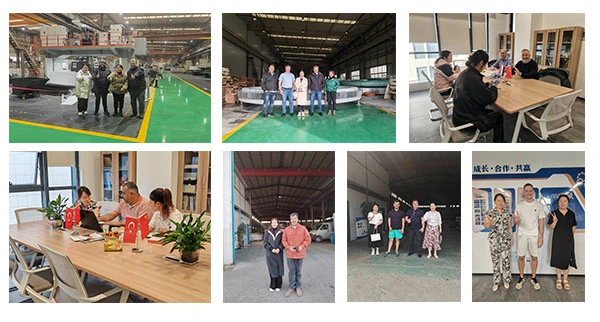
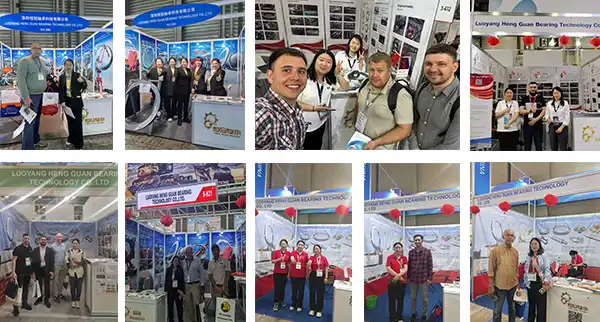
With more than 20 years of experience, Heng Guan Bearing Technology can make high-performance slewing bearings that are exactly what you need. Our wide range includes sizes from 50mm to 10,000mm and precision grades from P0 to P4. They are made in our Luoyang factory, which has state-of-the-art CNC machines and strict quality control systems. We are an ISO9001-certified Gantry Crane Slewing Ring manufacturer, and our customers in Europe, North America, and Asia trust us to make great products and provide quick expert support. Our engineering team of more than 50 experts works with your purchasing and repair staff to create custom gantry crane slewing ring solutions that solve your specific business problems. Get in touch with our bearing experts at mia@hgb-bearing.com to talk about your needs and get full quotes for big orders at prices that will lower your total cost of ownership.
References
1. Bearing Design in Machinery: Engineering Tribology and Lubrication (Mechanical Engineering Series), Marcel Dekker Publishing, 2018.
2 Crane Handbook: Design, Selection and Safety Standards for Industrial Lifting Equipment, American Society of Mechanical Engineers Technical Standards, 2020.
3. Rolling Bearing Analysis: Advanced Concepts of Bearing Technology, Fifth Edition, CRC Press Engineering Publications, 2019.
4. Heavy Equipment Maintenance and Reliability Best Practices for Mining and Construction Industries, Society for Maintenance and Reliability Professionals, 2021.
5. Material Science and Heat Treatment of Alloy Steels in Bearing Applications, International Journal of Advanced Manufacturing Technology, Volume 87, 2022.
6. European Machinery Directive Compliance Guide for Lifting Equipment Components, European Committee for Standardization Technical Documentation, 2021.

WHAT OUR CUSTOMERS SAY
Here is the customer's evaluation of us