



Heavy Load Crane Slewing Bearing for Tower and Mobile Cranes
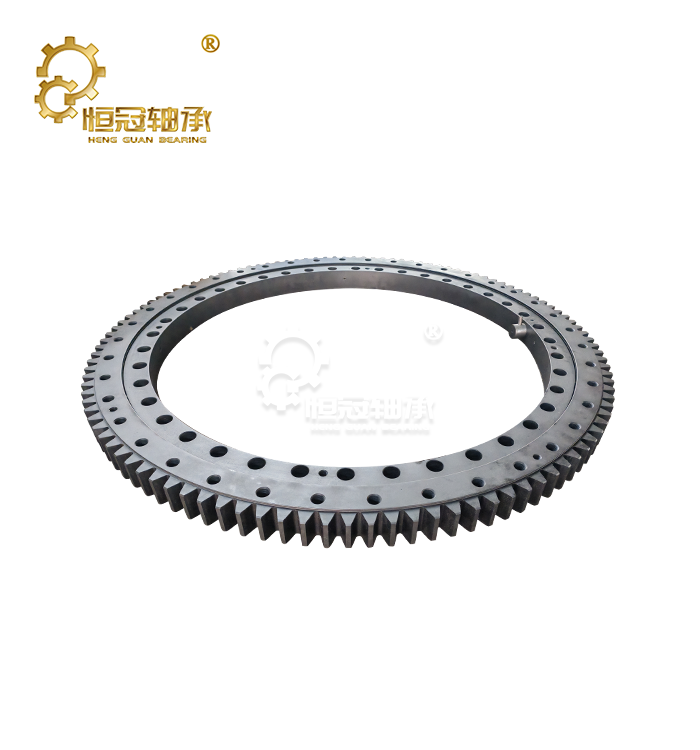
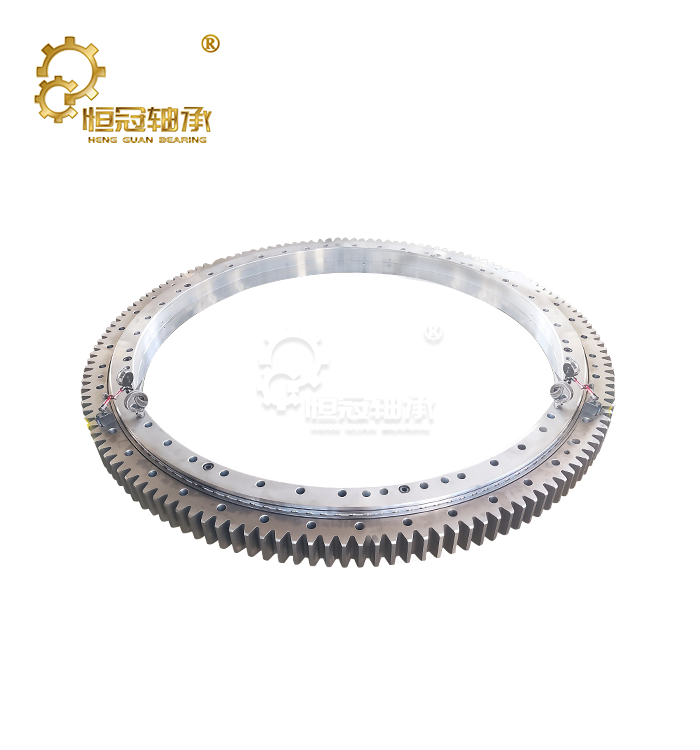
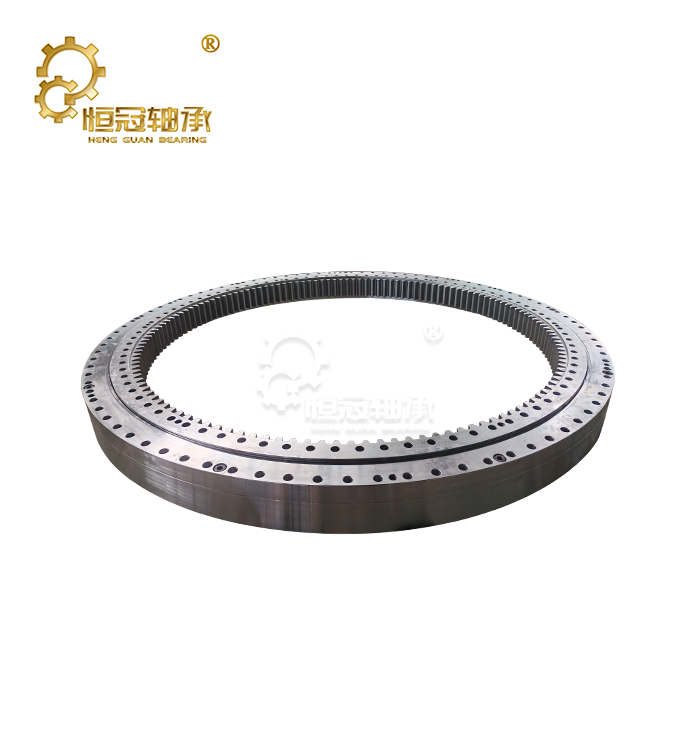
Heavy-load crane slewing bearings are the most important part of the rotating system because they connect the moving and fixed parts of the crane. They allow the crane to rotate precisely 360 degrees and hold huge axial, radial, and moment loads at the same time. Crane Slewing Bearing technology has come a long way to meet the needs of tower cranes and other heavy-duty mobile lifting tools used in mining, building, and heavy industry. As the main structural part between the undercarriage and the spinning superstructure, these special bearings keep the operation stable even under heavy loads and make sure the rotational movement is smooth. For procurement managers who need reliable performance in tough lifting settings, knowing the right selection criteria becomes important.

Understanding Heavy Load Crane Slewing Bearings
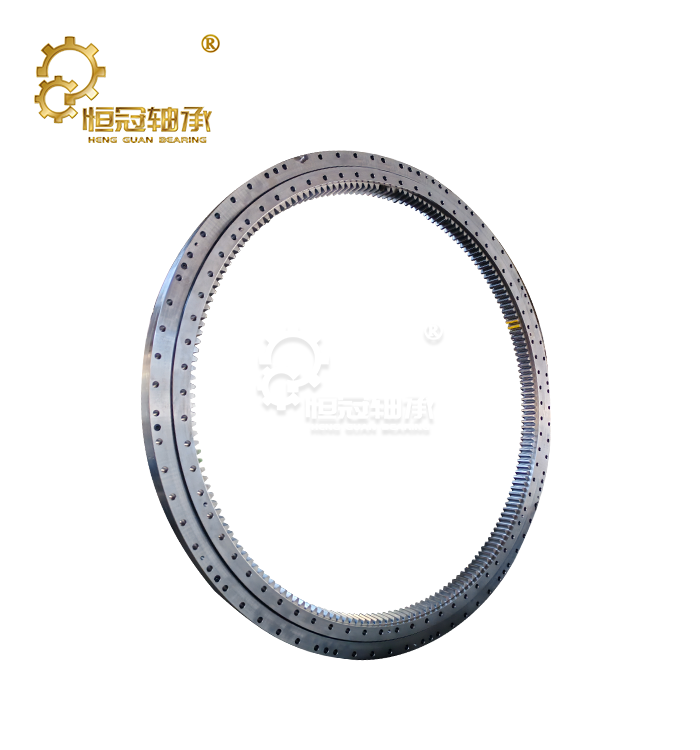
In heavy-duty uses, Crane Slewing Bearing systems allow for rotational movement between the tower and boom sections while supporting heavy axial, radial, and moment loads that can be over a thousand tons. These big rotational rolling-element bearings are the most important structural joint that connects the chassis's fixed parts to the superstructures' moving parts.
Working Principles and Core Functions
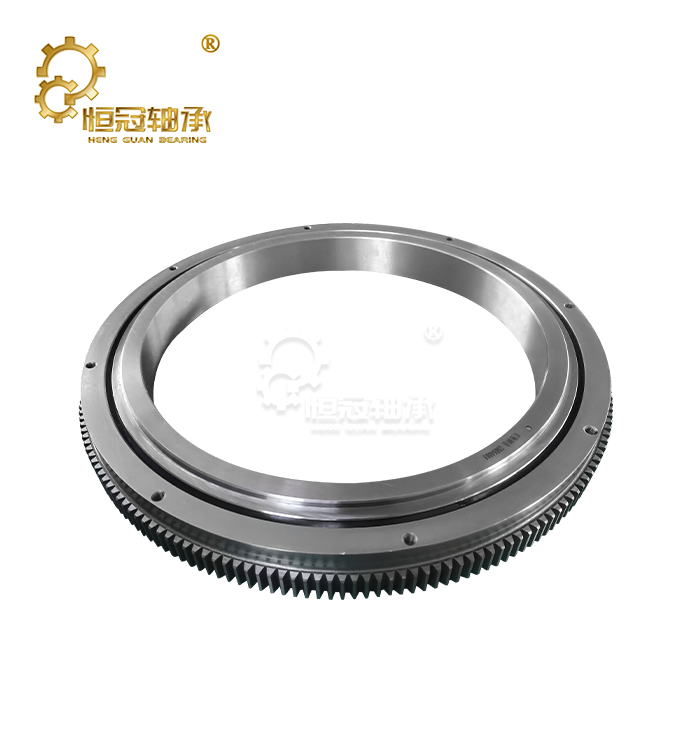
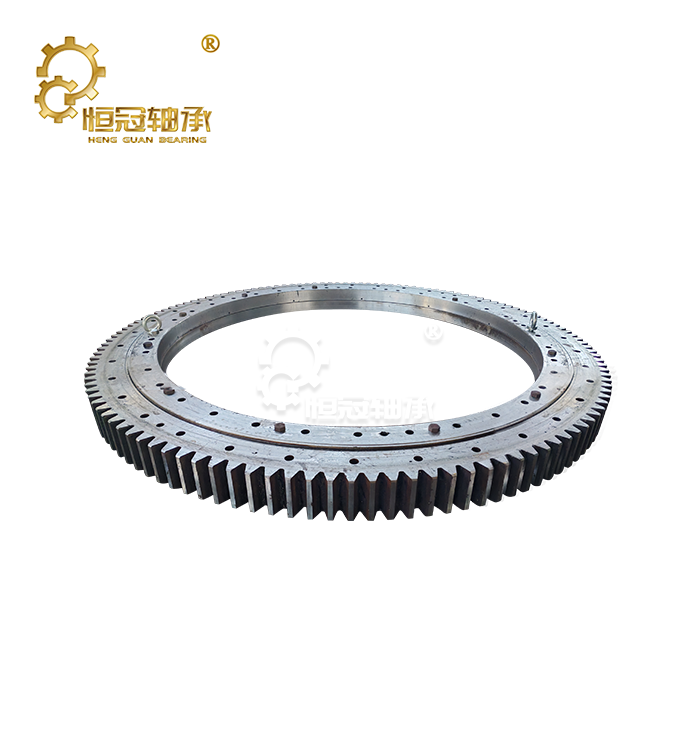
For slewing bearings to work, they have to spread out heavy loads over many rolling parts while keeping precise control over movement. Unlike regular bearings, these units have fixing holes built in, gearing devices that can be located inside or outside, and complex sealing systems that make it possible to place them accurately during lifting operations.
The bearing design specifically addresses key industry problems, such as keeping structures stable in high wind shear, controlling center-of-gravity shifts during heavy lifts, and getting rid of stick-slip friction effects that make it hard for operators to control precision hoisting operations. Modern materials and heat treatment methods make sure that the performance stays the same even when the temperature changes and the surroundings are tough.
Types and Configuration Options
Heavy-duty cranes use a variety of gear designs that are best for the loads and operations that need to be handled. Knowing about these differences helps buying teams choose the right options for their needs.
Single-row four-point contact ball bearings work great in situations where modest loads need to be handled with great accuracy. These machines offer affordable options for smaller mobile cranes and tower cranes that work in typical building sites. For jobs on a tight budget, the design offers solid performance at a reasonable price.
Cross-roller bearings are better for heavy-duty uses that need the most structural support because they can hold more weight and are more rigid. The crossed layout of cylindrical rollers gives these bearings great moment resistance, which makes them perfect for big tower cranes and heavy-lift mobile equipment that has to work in tough circumstances.
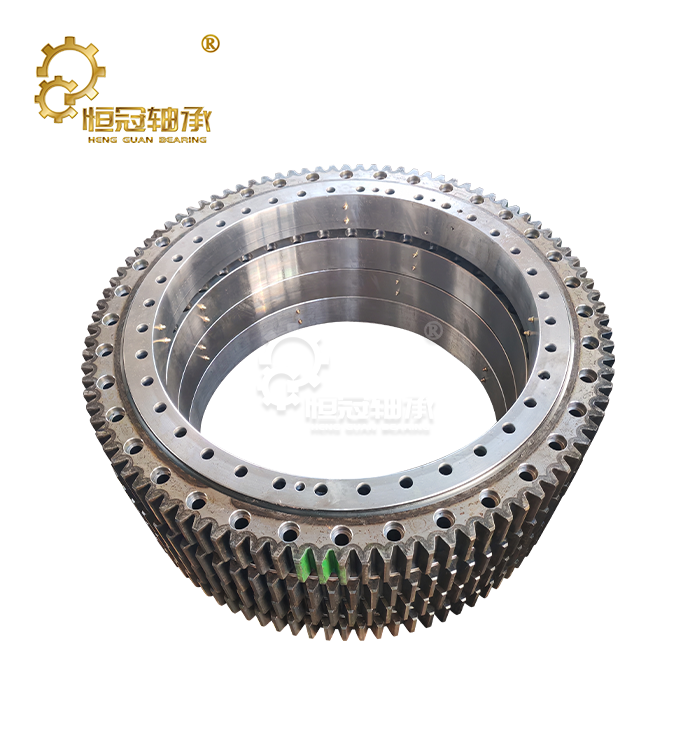
Triple-row roller slewing bearings are the best choice for heavy-duty uses because they have three different raceways that spread axial, radial, and moment loads across separate rolling elements. This set-up makes the most of the load capacity and gives bucket-wheel excavators, ship cranes, port cranes, and other heavy-duty mobile equipment the stable frame they need.
Key Design Features and Load Capacity Considerations
Durability and operating efficiency rely on key design elements that are especially made for the high loads that big cranes have to deal with. Knowing about these features helps you make smart choices during the buying process.
Structural Components and Materials
The success of slewing bearings is based on raceways that are carefully designed and made from high-quality materials like 50Mn, 42CrMo, and special steel alloys. These materials are heated in controlled ways to get the best hardness and wear protection while still keeping the toughness needed to absorb shock loads.
Precision production is used to make sure that the load is evenly distributed and that stress concentrations are kept to a minimum in heavy-duty bearings' rolling elements. Specialized oils and advanced surface treatments make things last longer and require less upkeep in harsh industrial settings.
Sealing systems keep oil in even when working conditions are very rough, and they keep internal parts clean. Multi-stage seal designs allow for stages of heat expansion and contraction while keeping dust, moisture, and other debris out that could affect the performance of the bearing.
Load Capacity Metrics and Safety Factors
Correct load rating estimates have a direct effect on the stability and safety of big lifting operations involving cranes. To make sure there are enough safety margins during high operational demands, engineers must look at both steady and dynamic load ratings as well as moment capacity ratings.
To figure out the load capacity, you have to look at the axial loads that come from lifted weights, the radial loads that come from boom extensions, and the twisting moments that come from lifting things off-center. When safety factors are higher than 2.5, they leave enough room for unexpected load situations and operational variables that happen in real life.
When compared to older designs, modern Crane Slewing Bearing units can hold up to 30% more weight because they use better load distribution patterns. These improvements come from advanced computer models and finite element analysis that make the best use of material and stress patterns in the whole bearing system.
Installation and Maintenance Best Practices for Crane Slewing Bearings
Correct installation and regular repair plans are still very important for extending the life of slewing bearings and avoiding costly downtime. Professional installation methods guarantee the best performance, and regular upkeep keeps the bearing working reliably for its entire service life.
Installation Procedures and Quality Control
The installation process starts with a series of thorough preparation checks, such as inspecting the base, making sure everything is lined up correctly, and getting the tools ready. Precision measuring tools check the smoothness and concentricity of the fixing surface, which has a direct effect on how well the bearing works and how long it lasts.
When installing, pay close attention to the torque specs because the wrong bolt tightness can cause stress concentrations that cause the part to fail early. Sequential tightening patterns make sure that the load is evenly spread across the mounting surfaces and keep the bearing raceways from warping while they are being put together.
Maintenance Protocols and Performance Optimization
Effective maintenance programs incorporate regular lubrication schedules tailored to operational intensity and environmental conditions. High-quality lubricants specifically formulated for heavy-duty applications provide extended service intervals while protecting against wear and corrosion.
Inspection plans made for slewing bearings help maintenance teams identify potential issues before they develop into costly failures. Visual inspections, vibration monitoring, and temperature measurements provide early warning indicators of developing problems that require attention.
Troubleshooting procedures address common operational concerns, including unusual noise levels, increased rotational resistance, and excessive play in the bearing assembly. Professional diagnostic techniques help maintenance teams determine appropriate corrective actions while minimizing operational disruptions.
Comparing Heavy Load Slewing Bearings: Making Informed Procurement Decisions
To get the best results for heavy load uses, procurement workers need to be able to tell the difference between different bearing technologies and weigh precision grades against material quality. When making strategic buying choices, it's important to think about the total cost of ownership, as well as the original investment costs and the long-term operational benefits.
Technical Specifications and Performance Standards
For different uses, industrial tolerances and practical accuracy levels are set by precision grades such as P4, P5, and P6. High-precision bearings offer better spinning accuracy and lower sound levels, which are important for delicate lifting tasks and precise positioning needs.
Choice of material affects bearing performance in many areas, such as its ability to hold loads, its resistance to wear, and its ability to work in different environments. Premium steel alloys and advanced heat treatment methods are worth the extra money because they last longer and need less upkeep.
The comparison process involves evaluating technical specifications against operational requirements while considering environmental factors that influence bearing selection. Temperature ranges, contamination levels, and loading patterns all affect optimal bearing configuration choices for specific applications.
Supplier Evaluation and Quality Assurance
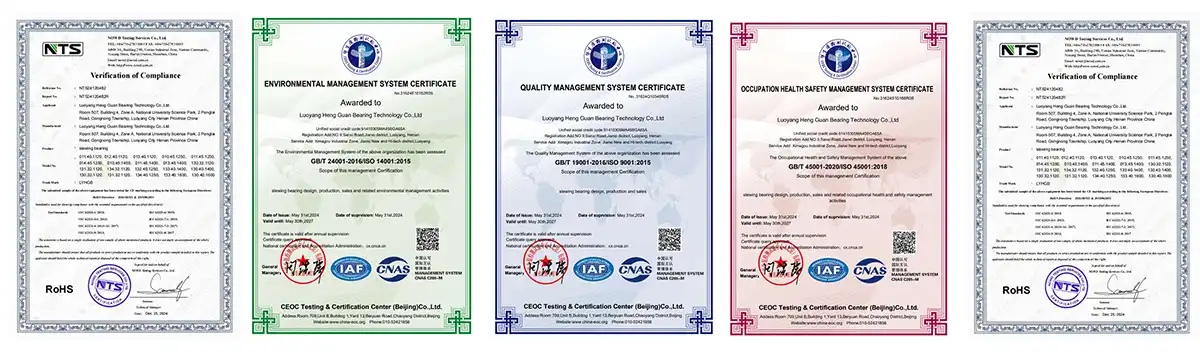
Reliable providers show that their quality is always the same by having thorough certification programs and well-established quality management systems. Following international standards ensures that goods meet the strict safety requirements for important uses in big industry settings.
The ability to make things, like having fine cutting tools and quality control systems, has a direct effect on how consistent and reliable the products are. Suppliers with modern production sites and skilled engineering teams offer better technical help during all stages of the purchase and operation process.
Supply chain reliability becomes increasingly important for global operations requiring consistent availability and delivery performance. Established sellers with a history of doing a good job lower the risk of buying something and offer quick customer service and expert help when it's needed.
Trusted Suppliers and Product Solutions for Heavy Load Crane Slewing Bearings
On the global market for heavy-duty slewing bearings, there are both well-known foreign names and new companies that are making competitive products for a wide range of uses. Knowing what a provider can do and what products they offer helps procurement teams find the best options for their needs.
International Brand Leaders
SKF maintains its position as a premium supplier through continuous innovation and comprehensive product lines covering all major crane applications. Their engineering expertise and global service network provide reliable support for complex projects requiring customized solutions and ongoing technical help.
Timken has strong bearing options designed for heavy industrial uses, with a focus on exceedingly high loads and long service life. Because they are experts in metals and use cutting-edge production methods, they can consistently provide high-quality products at a price that is competitive for large-scale purchasing plans.
Liebherr combines bearing manufacturing with extensive crane production experience, resulting in optimized products designed specifically for modern crane applications. Their integrated approach ensures compatibility and performance optimization while providing comprehensive customer support throughout the equipment lifecycle.
Chinese Manufacturing Excellence
Leading Chinese manufacturers, including ZYS and Donghua, have established strong reputations for quality and innovation in the global slewing bearing market. These companies leverage advanced manufacturing capabilities and competitive pricing to serve international markets while maintaining strict quality standards.
Crane Slewing Bearing production in China benefits from concentrated manufacturing expertise and economies of scale that enable competitive pricing without compromising quality. Modern factories have high-tech cutting centers and quality control systems that ensure the products work the same way in all situations.
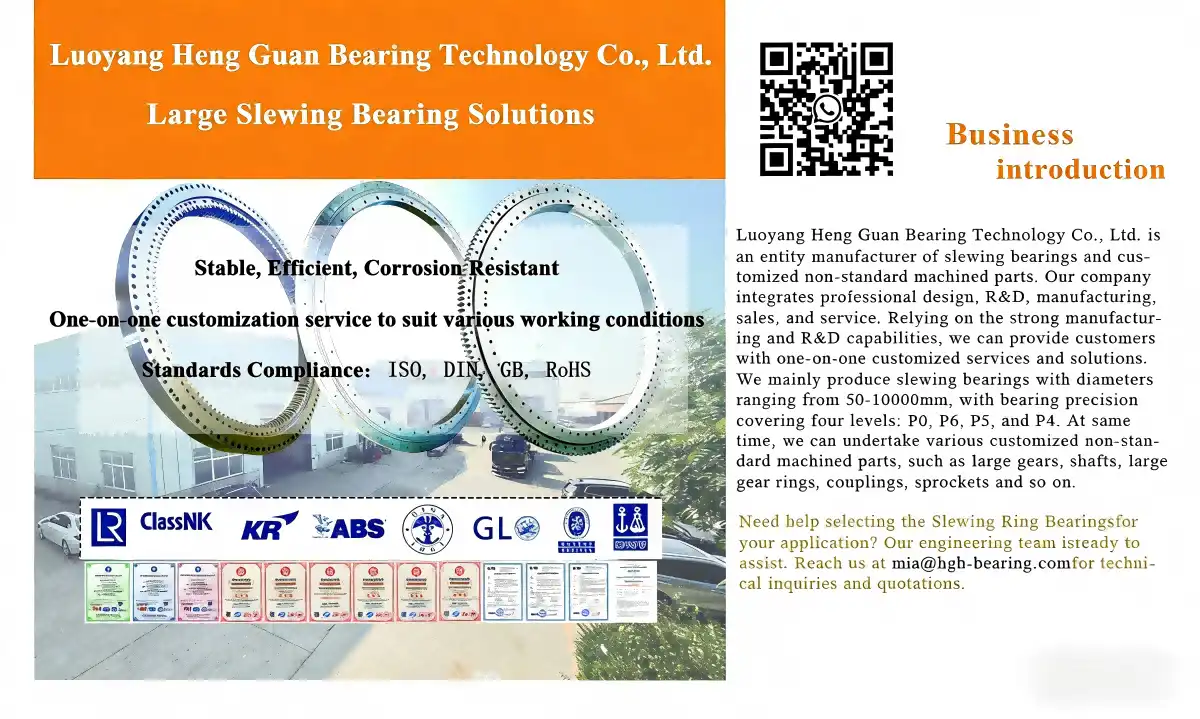
Heng Guan Bearing Technology represents the emerging generation of Chinese manufacturers combining traditional manufacturing excellence with modern quality systems and international business practices. Located in Luoyang's established bearing manufacturing cluster, the company benefits from concentrated technical expertise and supply chain advantages.
The company's comprehensive product range covers diameters from 20mm to 10,000mm with precision grades including P0, P6, P5, and P4 classifications. Product types include single-row four-point contact ball structures, cross cylindrical roller setups, and triple-row cylindrical roller designs optimized for heavy-duty applications.
These advanced manufacturing capabilities enable customized solutions for diverse applications across new energy, construction, mining, metallurgy, and aerospace sectors. The company's commitment to personalized optimization design and flexible production meets precise customer requirements while maintaining cost-effective pricing structures.
Installation and Maintenance Best Practices for Crane Slewing Bearings
Crane Slewing Bearing units work best when they are maintained regularly, and breakdowns that happen out of the blue can cost a lot of money and time. Professional repair procedures take into account the specific needs of heavy-duty uses that work in harsh industrial settings.
Advanced Diagnostic Techniques
Predictive maintenance technologies, such as vibration analysis and thermal tracking, are used in modern maintenance plans to find problems before they affect operations. These diagnostic tools give you early warning signs that let you do planned repairs during planned times of downtime.
Lubrication management systems ensure optimal lubricant condition while extending service intervals through automated monitoring and replenishment systems. Advanced lubricants formulated specifically for heavy-duty applications provide superior protection while reducing maintenance frequency and operational costs.
Performance tracking systems keep an eye on working factors like rotational torque, changes in temperature, and load conditions to make sure that bearings work at their best throughout their entire service life. Data analysis helps find operating trends that affect how long bearings last and makes it possible to plan maintenance ahead of time.
Conclusion
Heavy-load crane slewing bearings are very important parts that have a direct effect on operating safety, efficiency, and dependability in heavy lifting tasks. To make sure the best performance over a long service life, the selection process must carefully look at technical specs, material quality, and the supplier's skills.
Modern bearing technologies offer significant improvements in load capacity, precision, and durability compared to conventional designs. These advances enable crane operators to achieve higher productivity while maintaining strict safety standards in challenging operational environments.
Successful procurement strategies balance the costs of the initial investment with the benefits that come from running the business more efficiently over time. This is done by carefully evaluating suppliers and building smart partnerships. When you work with well-known providers, you can get the technical help, quality assurance, and ongoing support that mission-critical apps need.
FAQ
How often should crane slewing bearings undergo maintenance inspection?
The number of maintenance reviews relies on how busy the machine is and the weather. Typical schedules range from visual checks once a month to full overhauls once a year. Applications with a lot of activity may need more frequent checks, while normal building sites can go longer between thorough checks.
Can slewing bearings be interchanged between tower and mobile cranes?
Bearing interchangeability is not just based on the type of crane; it also depends on the load levels, mounting configurations, and operating needs. Some bearings can be used in more than one situation, but for the best performance, the specifications of the bearings must be matched to the real load conditions and operating needs.
What are the most common causes of premature slewing bearing failure?
The primary failure causes include inadequate lubrication, contamination ingress, improper installation procedures, and operation beyond specified load limits. Environmental factors such as extreme temperatures and corrosive conditions also contribute to accelerated wear patterns requiring attention during bearing selection and maintenance planning.
Contact Heng Guan for Premium Crane Slewing Bearing Solutions
Heng Guan Bearing Technology delivers industry-leading Crane Slewing Bearing solutions tailored specifically for heavy-duty tower and mobile crane applications. Our comprehensive product range spans 20mm to 10,000mm diameters with precision grades from P0 to P4, ensuring optimal performance across diverse operational requirements. Located in China's premier bearing manufacturing hub, we combine advanced production capabilities with competitive pricing to serve global markets. Contact our engineering team at mia@hgb-bearing.com for expert consultation and customized bearing solutions that maximize your crane's operational efficiency and reliability.
References
1. International Organization for Standardization. "Rolling Bearings - Slewing Bearings: Dimensions and Tolerances." ISO 12043-1:2007.
2. American Society of Mechanical Engineers. "Design Guidelines for Heavy-Duty Crane Slewing Rings in Industrial Applications." ASME B30.5-2018.
3. European Committee for Standardization. "Cranes - Safety Requirements for Design and Construction of Fixed Slewing Mechanisms." EN 14439:2016.
4. German Institute for Standardization. "Rolling Bearings - Slewing Rings: Static Load Rating and Calculation Methods." DIN 26281:2019.
5. China National Standards. "Heavy-Duty Slewing Bearings for Construction Machinery: Technical Specifications and Testing Methods." GB/T 31974-2015.
6. Society of Automotive Engineers. "Performance Standards for Mobile Crane Slewing Bearing Systems in Heavy Construction Equipment." SAE J1063-2020.

WHAT OUR CUSTOMERS SAY
Here is the customer's evaluation of us