



Which Conveying System Slewing Bearing Is Best for Heavy Loads?
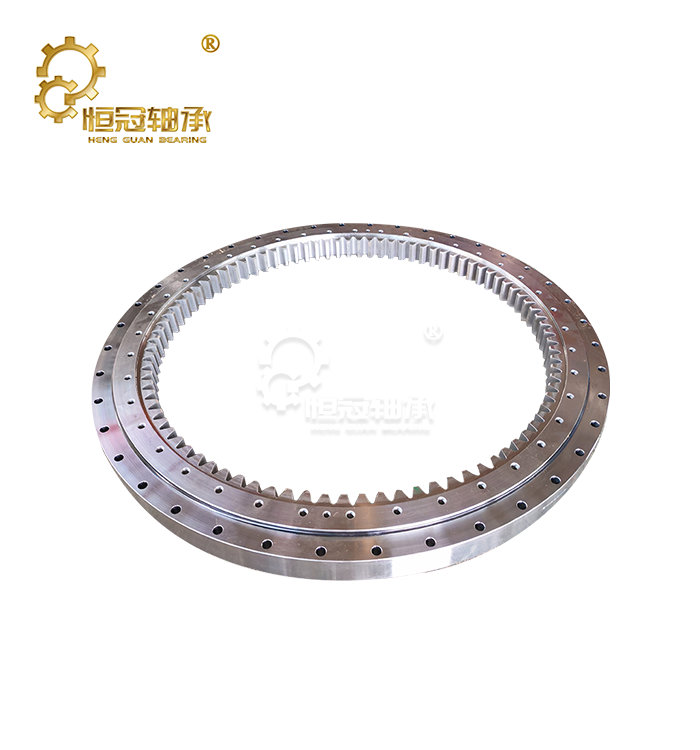
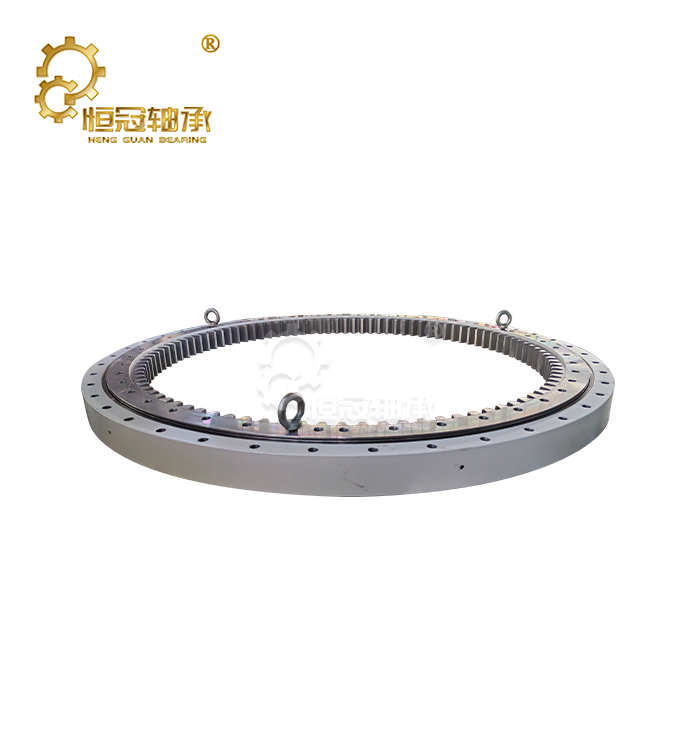
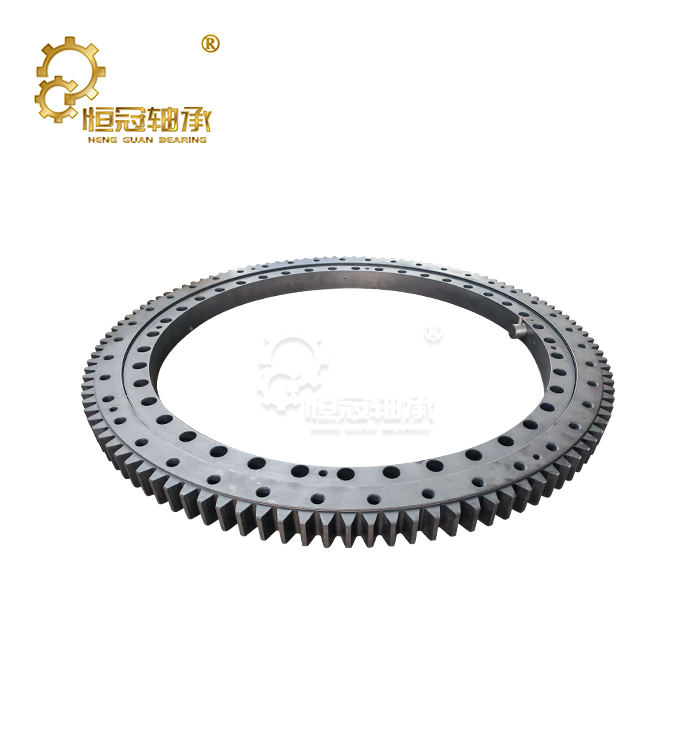
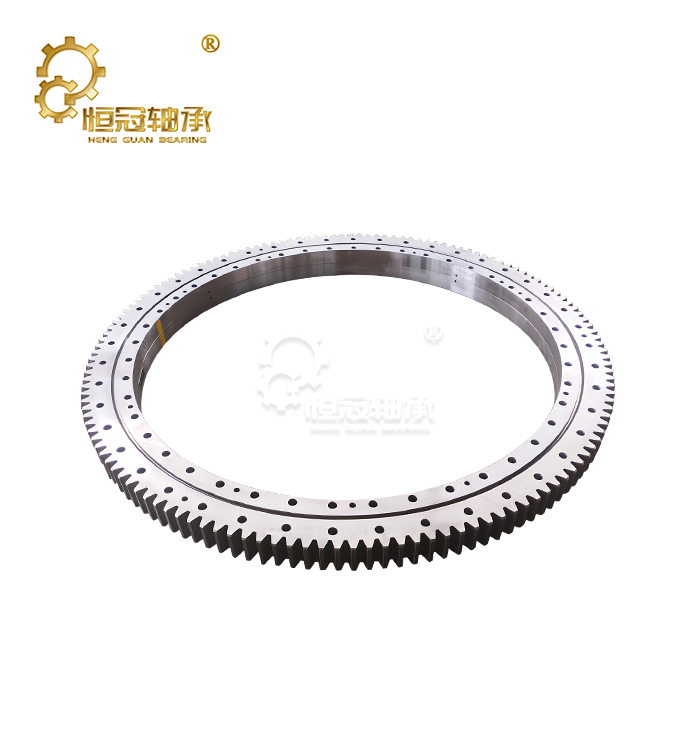
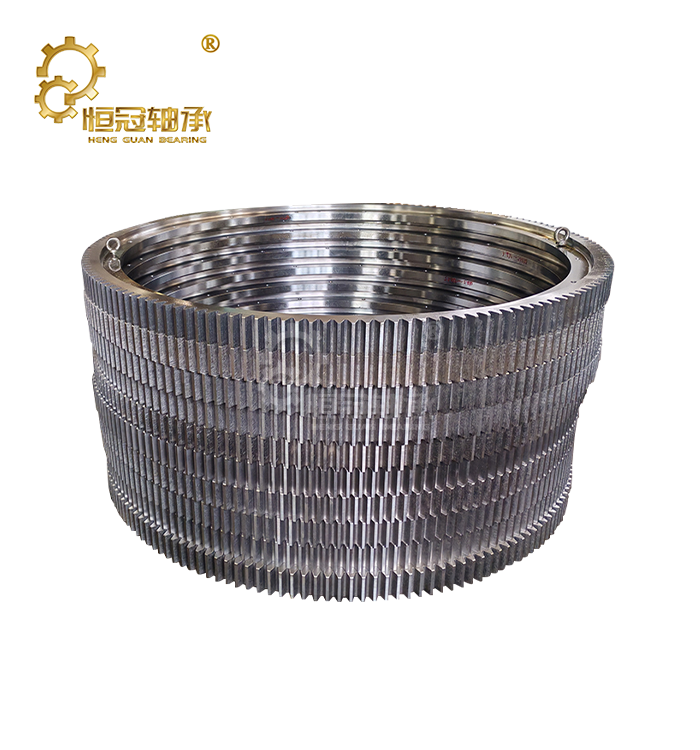
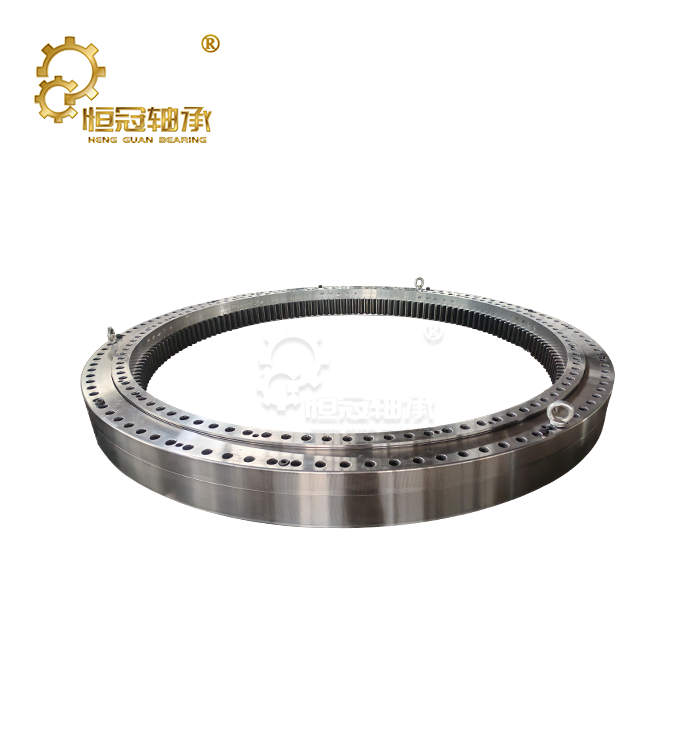
The three-row roller design is clearly the best choice for heavy-duty uses when looking for the best Conveying System Slewing Bearing for moving materials in factories.Unlike standard rolling bearings, slewing bearings are designed to support large-diameter rotating structures while handling complex load combinations. In applications such as stacker reclaimers, ship loaders, rotary conveyors, and circular storage systems, the bearing must maintain accurate rotation even when operating conditions involve heavy materials, vibration, dust contamination, and long working cycles.
For engineers and purchasing teams, the best bearing choice depends on several factors, including load capacity, bearing structure, material quality, sealing performance, maintenance requirements, and supplier engineering capability. A properly selected slewing bearing not only improves equipment reliability but also reduces long-term operating costs.

Why Does Heavy Conveying Equipment Require Specialized Slewing Bearings?
Conventional bearing arrangements are frequently challenged by significant overturning pressures or shifting load positions. Conveying systems for bulk material handling and mining are often characterized by lengthy boom structures, uneven distribution of material, and numerous start–stop cycles. The mechanical stresses generated by these situations are complex and demand a more sophisticated solution.
A conveying system slewing bearing is a large-diameter design combined with various raceway structures for more effective load distribution. Modern slewing bearing designs spread loads throughout a number of rolling parts and raceways, rather than concentrating pressures in a single contact region.
There are a number of advantages to this loading distribution:
Greater resistance to overturning situations
Better stability at continuous rotation
Improved performance for shock loading
Lower internal component wear
Longer service intervals.
For 24-hour operation equipment, these benefits immediately influence productivity and maintenance planning.
Understanding the Different Types of Conveying System Slewing bearings
The optimal bearing structure is a function of the load requirements and the operating environment. Variable designs allow variable capacity, precision, and cost-effectiveness.
Four-Point Contact Ball Slewing Bearings for Moderate Loads
A four-point contact ball slewing bearing is often employed where a compromise is needed between load capacity and rotational flexibility. The special internal raceway design allows one bearing to carry axial, radial, and moment loads at the same time.
These bearings are usable for:
Light & Medium-Duty Conveyors
Platforms that rotate
Small Stack System
Limited operating cycle equipment
Its key merit is its compact structure and comparatively low friction. However, for very high loads or continuous heavy-duty operation, roller-type designs are often preferable as they give a better load-carrying capacity.
Three-Row Roller Slewing Bearings for Heavy-Duty Applications
Thanks to their excellent load capacity, three-row roller slewing bearings are typically preferred for heavy-duty applications, such as mining stacker reclaimers and large ship loaders.
The three independent roller rows distinguish between different orientations of load:
One roller row mostly carries axial pressures
Another involves counteracting axial pressures.
A third roller row takes care of radial loads.
This permits each rolling element group to operate under the most appropriate conditions. Therefore, the bearing can carry larger combined loads and maintain stable rotation.
This design is particularly beneficial for heavy conveying systems where the load centers and large overturning moments are often moving on the equipment.
Key Engineering Factors When Selecting a Heavy-Load Slewing Bearing
Selecting a bearing based solely on its diameter or load rating can result in performance issues. Operational conditions and mechanical requirements for professional selection need to be analyzed.
Load Calculation and Operating Conditions
Engineers usually consider three key loading criteria before selecting a conveying system slewing bearing:
Axial loads:
The force perpendicular to the bearing axis. Heavy material handling equipment can exert large axial loads due to the weight of the structure and the flow of material.
Radial load:
Horizontal force at right angles to the center of bearing. Wind forces and unequal loading and movement of equipment can add to the radial tension.
Load moment:
The force develops when loads are applied distant from the center of bearing. This is frequently the most crucial aspect for long boom conveyors.
A full load analysis should also include:
Running speed
Hours worked daily
Impact loads
Ambient Temperature
Vibration of equipment
Factors of safety
Bearings that are solely intended for normal operating loads may fail prematurely if the load reaches an unexpected peak.
Material Selection and Manufacturing Quality of Heavy-Duty Slewing Bearings
The performance of a slewing bearing depends on the quality of the material and the accuracy of the production. Heavy industrial applications require materials that can withstand fatigue, impact, and surface wear over millions of working cycles.
High-Strength Bearing Materials
Typical materials for heavy-duty slewing bearings are
42CrMo alloy steel for bearing races
This material has good toughness and great strength due to heat treatment. It is commonly utilized for applications requiring resistance to impact loading and structural deformation.
GCr15SiMn bearing steel for rolling elements
This type of bearing steel provides good hardness, wear resistance, and dimensional stability. It aids in maintaining smooth rotation under repeated loading circumstances.
Proper heat treatment is just as critical. The surface of the raceways is frequently toughened to improve resistance to wear, but the core is kept robust enough to sustain service shock.
Precision Machining and Quality Inspection
A reliable slewing bearing manufacturer usually adopts tight machining and inspection techniques, including the following:
CNC precision machining
Hardness test of raceway
Dimensional inspection
Measurement of gear correctness
NDT
Final assembly check
For OEM projects, vendors also need to supply technical papers such as
Materials certificates
Inspection report
Load calculation data
Installation tips
These instructions enable equipment makers to properly incorporate bearings into conveyor systems.
How Do Environmental Conditions Affect Slewing Bearing Performance?
Heavy conveying systems are operating typically in pollution and weather situations that cause other issues.
Bearings in mining operations may be exposed to:
The coal dust
Moisture-rock fragments
Changes in temperature
Port equipment faces:
Corrosion by salt spray
Very humid levels
Exposure to marine weather
In most designs of advanced conveying system slewing bearings, stronger sealing systems and optimum lubrication solutions are incorporated to meet these circumstances.
The multi-lip seals help to prevent external pollutants from entering the raceway, while the right choice of grease minimizes friction and provides protection for the interior components.
For outdoor applications, corrosion-resistant coatings and surface treatments may further increase service life.
Maintenance Strategies to Extend Slewing Bearing Service Life
Even the best quality bearing might fail prematurely due to inadequate maintenance procedures. Preventive maintenance is critical for heavy conveying equipment, because sudden bearing failure can stop output and incur steep repair expenses.
It includes lubricant management, condition monitoring, and regular inspections as part of a scheduled maintenance program.
Lubrication Management and Wear Prevention
Proper lubrication minimizes the friction between the rolling elements and the raceways and prevents overheating. But industrial environments are heavy-duty, and they require more than just greasing on a regular basis.
Maintenance teams should ask themselves the following:
Load conditions in operation
Spin rate
Environmental pollution
Temperature fluctuations
Manufacturer's lubrication recommendations
Improper grease or inadequate lubrication may increase operating torque, shorten bearing life, and hasten raceway wear.
Automatic lubrication systems are increasingly used for large mining and port conveying equipment since they provide a constant supply of grease and reduce the workload of maintenance.
Inspection of Raceway, Seals, and Gear Components
Operators can identify early signs of bearing deterioration through regular inspections before serious damage occurs.
Engineers should look for:
Surface Pits
Curious wear marks
Unequal contact patterns
Cracking caused by fatigue
Seal performance
Damaged seals can allow dust, water, and other contaminants to enter the bearing structure. Early replacement of worn seals helps protect internal components.
Gear condition
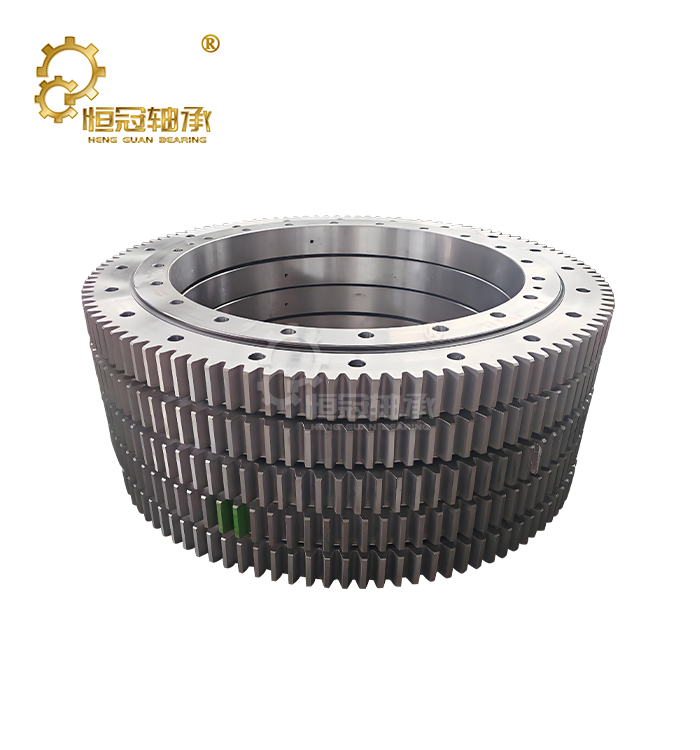
Many large conveying system slewing bearing units include integrated external or internal gears. Gear tooth wear, improper lubrication, or alignment issues can affect the entire conveyor rotation system.
Condition monitoring methods such as vibration analysis and temperature tracking can provide additional information about bearing health.

How to Choose the Right Conveying System Slewing-Bearing Supplier?
Choosing the suitable bearing is only part of the buying decision. The manufacturing quality directly influences the reliability of the equipment, so it is equally crucial to choose an experienced supplier.
A professional supplier should give engineering support for the whole project, not just the products.
Evaluating Manufacturer Capability and Technical Expertise
Buyers should assess a range of supplier competencies prior to ordering:
Engineering Design Support
An experienced manufacturer should be able to evaluate the following:
Load requirements
increasing dimensions
Technical data
Operating environment
Expected lifespan
In specialized conveyor systems, catalog bearings may not always be the best answer. Engineering support leads to the best selection of bearing size, structure, and material.
Manufacturing and Testing Capability
Reliable suppliers usually have production control systems in place and usually cover:
Steel procurement or forging
Heat treatment
"Precision machining"
Assembly.
Quality Checking
Testing capabilities is particularly critical for heavy-duty applications. Buyers should check with the supplier as to whether inspection records and performance documentation may be made available prior to shipment.
Customization Ability for OEM Applications
Custom bearing solutions are commonly required by large conveying equipment manufacturers because different machines have varying
Mounting Structures
Rotation needs
Gearing arrangements
Loading conditions
Suppliers can customize the OEM experience:
Diameter of bearing
Holes for mounting
Structure internally
Sealing design
Parameters of gear
This flexibility contributes to reducing the installation problem and the compatibility of equipment.
Comparing Total Cost of Ownership for Heavy Load Applications
If you merely look at the price of the first purchase when buying a conveying system slewing bearing, you will cause a larger cost in the future.
The actual cost includes:
Cost price.
Cost of installation
Maintenance needs
Frequency of Replacement.
Production loss during downtime
A cheaper bearing could look appealing initially, but the overall running cost can be much greater if it has to be replaced often or causes unexpected shutdowns.
Initial Investment vs. Long-Term Performance
The greater expenses of manufacturing high-quality slewing bearings are mainly due to the following:
Best quality raw material
More accurate machining
Heat treatment at high temperature
Strict quality checks
But these factors are added to
Long life
Reduced frequency of maintenance
Increased equipment availability
In mining, metallurgical and port applications, reliability is valued more than initial purchase cost.
Selecting the Optimal Bearing Configuration
Choosing a bearing with excess capacity may result in extra costs, while choosing one with insufficient capacity may lead to premature failure.
The ideal way is to match the design of bearing with the real application requirements.
Engineers need to consider:
Maximum Load
Safety margin
Duty cycle
Environmental exposure
Increase production in the future
Proper size keeps the balance between investment and performance.
Practical Applications of Conveying System Slewing bearings
Slew bearings are heavy-duty bearings used in many sectors for big rotating constructions that must work safely under severe conditions.
Mining Stacker Reclaimer Systems
Slewing bearings are one of the most demanding situations in mining operations. Stacker reclaimers move thousands of tons of bulk materials and work in dusty outdoor environments.
In these systems the bearing carries the rotating upper structure and must resist the following:
Material loading, heavy
Constant rotation
Force of impact
Temperature fluctuations
Three-row roller slewing bearings are often chosen for their high moment resistance and stable performance under harsh situations.
Port Ship Loader Equipment
High-precision positioning and reliable rotation are needed for ship loading systems, since the movement of equipment directly influences the loading efficiency.
A high-performance slewing bearing is used to maintain the following:
Accurate boom placement
Smooth spinning
Less vibration
Stable operation during ship loading
Marine conditions also demand good sealing and corrosion protection since salt spray can hasten the depreciation of components.
Steel and Metallurgy Handling Equipment
The plants run at high temperatures and tremendous loads and operate continuously.
Conveyors used in metallurgy require bearings that can handle:
High mechanical stress
Pollution by dust
Frequent operating cycles
The right selection of bearings helps to eliminate maintenance breaks and to ensure stable output.
Future Trends in Heavy-Duty Slewing Bearing Technology
The development of industrial equipment is increasing demand for smarter and more efficient bearing solutions.
Smart Monitoring and Predictive Maintenance
Modern industrial systems increasingly use sensors to monitor bearing conditions in real time.
Integrated monitoring systems can track:
Temperature changes
Vibration levels
Lubrication status
Operating conditions
This information helps maintenance teams identify potential problems before failures occur.
Predictive maintenance reduces unexpected downtime and allows companies to schedule repairs during planned production stops.
Improved Materials and Surface Technologies
Future slewing bearings are expected to benefit from:
Advanced alloy materials
Improved heat treatment methods
Wear-resistant coatings
Environmentally friendly lubrication technologies
These improvements aim to increase service life while reducing resource consumption.
For industries operating large conveying systems, improved bearing technology can contribute to higher productivity and lower lifecycle costs.
Frequently Asked Questions About Conveying System Slewing bearings
What type of slewing bearing is best for heavy conveying equipment?
For heavy-duty applications such as mining stacker reclaimers and ship loaders, three-row roller slewing bearings are often preferred because they provide high load capacity and strong resistance against overturning moments.
However, the best choice depends on actual operating conditions, including load type, speed, environment, and equipment design.
How long can a conveying system slewing bearing last?
Service life depends on:
Load conditions
Maintenance quality
Lubrication practices
Environmental exposure
Installation accuracy
With proper selection and maintenance, industrial slewing bearings can provide many years of reliable operation.
What information should buyers provide when ordering a slewing bearing?
Before purchasing, buyers should prepare:
Existing bearing dimensions
Maximum axial load
Maximum radial load
Moment load requirements
Rotation speed
Operating environment
Gear requirements
Installation drawings
Providing accurate application data allows manufacturers to recommend the most suitable design.
Conclusion
Choosing the Best Conveying System A slewing bearing for heavy loads requires a comprehensive evaluation of mechanical requirements, operating conditions, and long-term reliability goals.
For demanding applications such as mining conveyors, ship loaders, and industrial material handling systems, three-row roller slewing bearings are often an effective solution because their multi-raceway structure provides excellent load distribution and moment resistance.
However, bearing performance depends on more than design type. Material quality, manufacturing accuracy, sealing protection, lubrication management, and supplier engineering capability all influence the final service life of the equipment.
Industrial buyers should evaluate suppliers based on technical experience, customization ability, inspection procedures, and after-sales support rather than focusing only on initial cost.
By selecting the correct bearing configuration and working with a reliable manufacturer, companies can improve conveyor reliability, reduce maintenance requirements, and achieve better long-term value in heavy-duty operations.
|
|


FAQ
1. What factors determine the load capacity of a conveying system slewing bearing?
Load capacity depends on bearing configuration, material specifications, and raceway geometry. Three-row roller systems can hold the most weight because they separate different types of loads onto separate roller sets. Material quality, particularly ring steel grade and rolling element hardness, has a direct effect on load rates. Proper installation and care of the lubrication system have a big effect on the real operating ability in the field.
2. Can existing conveyors be retrofitted with heavy-duty slewing bearings?
It is often possible to retrofit old equipment, but it needs to be carefully studied in terms of mounting connections, room limitations, and changes to the load path. Custom bearing designs can work with current bolt patterns and size restrictions while also making the bearings perform better. Professional engineering advice makes sure that the merging is done right and that performance is improved to its fullest.
3. What kinds of care can make bearings last longer when they are constantly under big loads?
Maintenance plans that work are based on regularly lubricating parts with the right high-pressure greases. Systematic checks for wear patterns, seal integrity, and unusual working conditions make it possible to plan repair ahead of time. Monitoring temperatures and analyzing vibrations can help find problems early on so that they can be fixed before they get worse.
Partner with Heng Guan for Superior Conveying System Solutions
Heng Guan Bearing Technology delivers industry-leading conveying system slewing bearing solutions engineered specifically for your heavy-duty material handling requirements. Our comprehensive product line featuring three-row roller designs with dimensions up to 2541×1878×260 mm ensures optimal performance in the most demanding industrial environments. Located in Luoyang's premier bearing manufacturing hub, our experienced engineering team provides customized solutions with precision grades from P0 to P4, serving global markets across construction, mining, and metallurgy sectors.Contact our technical specialists at mia@hgb-bearing.com to discuss your specific requirements and receive detailed quotations from a trusted Conveying System Slewing Bearing manufacturer committed to delivering exceptional value and reliable performance for your critical applications.
References
1. Industrial Bearing Technology Standards for Heavy Load Applications in Mining Equipment, International Organization for Standardization, 2023.
2. Advanced Materials in Slewing Ring Manufacturing: Performance Analysis and Load Capacity Optimization, Journal of Mechanical Engineering Technology, Vol. 45, No. 3, 2023.
3. Maintenance Strategies for Large Diameter Bearings in Continuous Operation Environments, Industrial Maintenance and Plant Operation Quarterly, Spring 2024.
4. Conveying System Design Principles for Heavy Industry Applications, American Society of Mechanical Engineers Technical Publication, 2023.
5. Load Distribution Analysis in Three-Row Roller Bearing Configurations for Material Handling Equipment, International Conference on Industrial Bearing Technology Proceedings, 2024.
6. Cost-Benefit Analysis of Premium Bearing Solutions in Mining and Port Terminal Operations, Heavy Industry Equipment Management Review, Vol. 28, No. 2, 2024.

WHAT OUR CUSTOMERS SAY
Here is the customer's evaluation of us