



Common Problems of Excavator Ring Gears and How to Fix Them
The Excavator Ring Gear is usually to blame when your excavator starts to rotate jerkily or make strange grinding sounds while it's working. It's an important part of the slewing system that allows for smooth 360° movement. These precision-engineered parts are put under a lot of stress in mine and building sites. Finding problems early can save you a lot of money on repairs and downtime. Working with heavy equipment repair teams for years, I've seen how knowing about common Excavator Ring Gear problems and how to fix them has a direct effect on how well operations run and what equipment to buy.

Understanding Excavator Ring Gears: Function and Failure Points
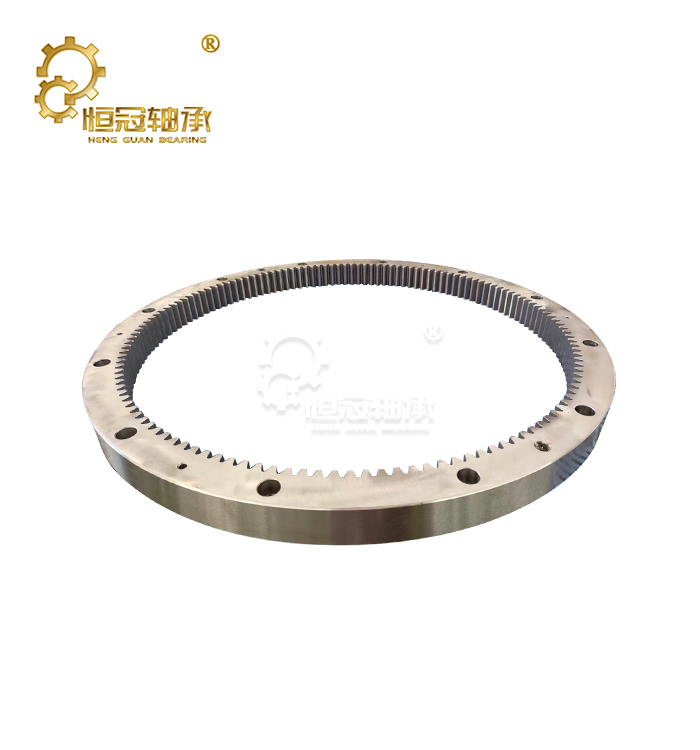
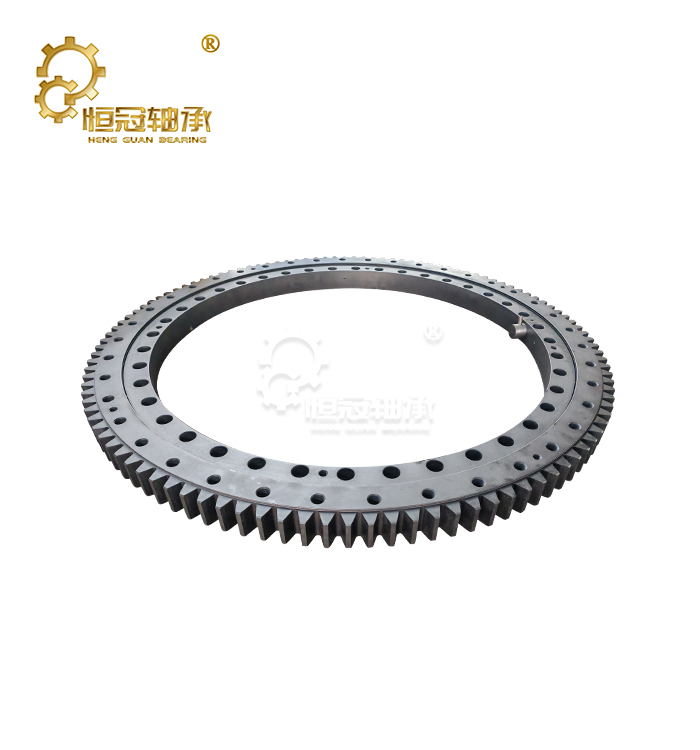
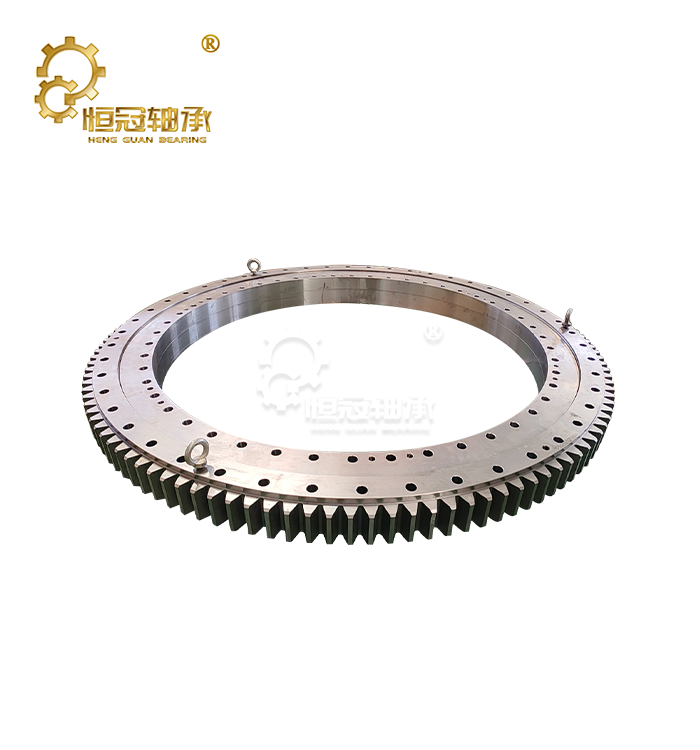
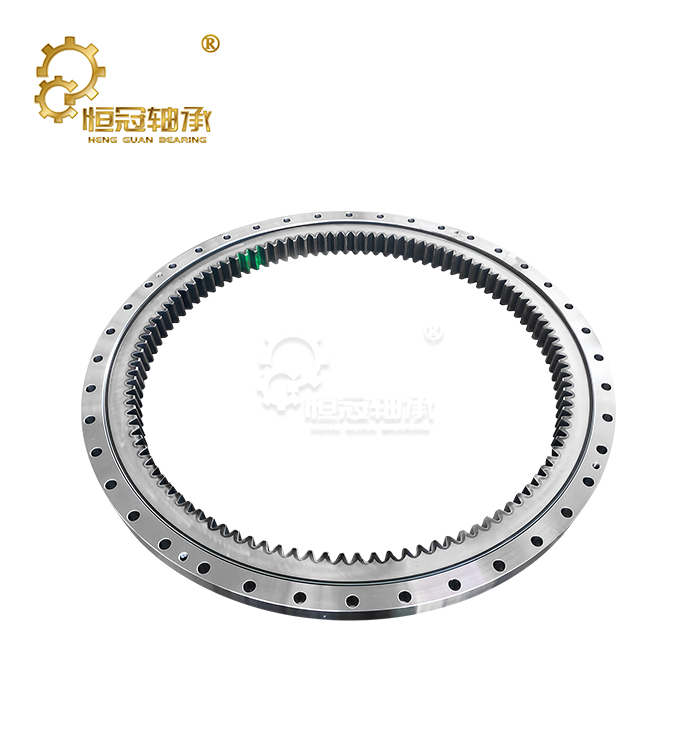
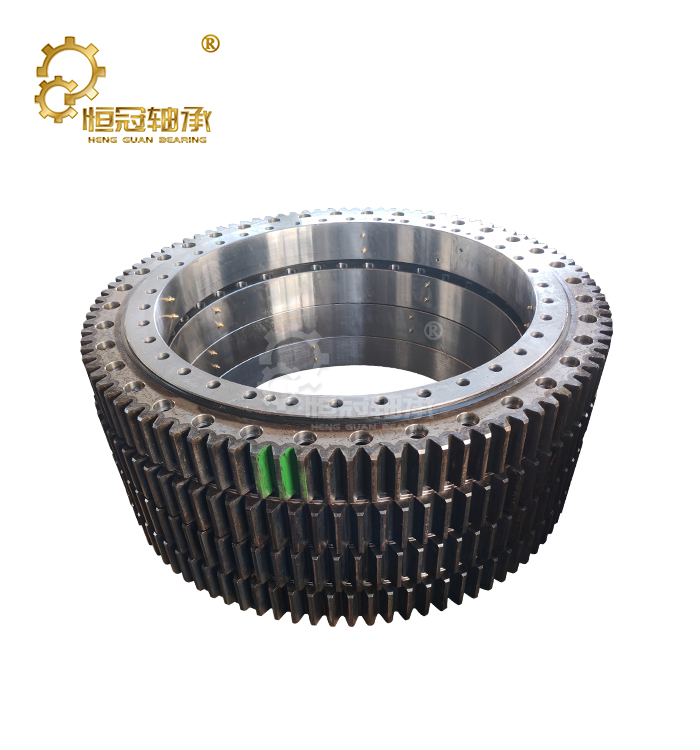
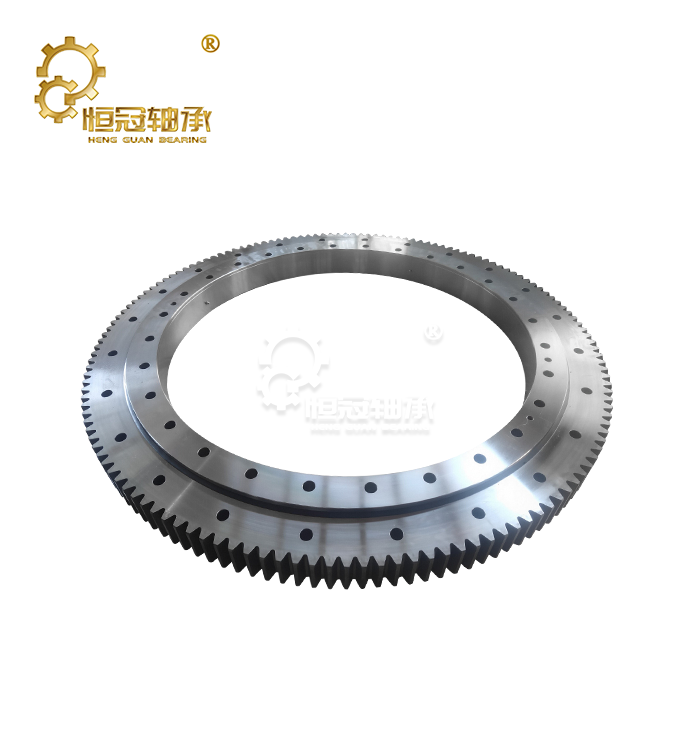
The Excavator Ring Gear on the excavator is the main transfer part of the slewing bearing system. It is placed exactly where the upper and lower excavator bodies meet. This round gear fits perfectly with the pinion of the slewing motor. It turns the motor's power into a controlled spinning movement that lets workers precisely place loads.
Critical Design Elements That Affect Performance
These days, slewing Excavator Ring Gears usually have one-piece tooth shapes that keep the structure strong even when they're under a lot of stress. Hardened alloy steels like 42CrMo or 50Mn are used for manufacturing because they have the right mix of surface hardness and core toughness. The gear teeth are quenched at high frequency to make their surfaces between HRC 55 and 60 hard, while hardening processes keep the base material flexible. This two-property method stops catastrophic brittle failure and stops wear on the surface.
Where Ring Gears Experience Maximum Stress
The most weight is put on torque transfer zones, especially when loads are swinging, which makes forces stronger. The contact surfaces of bearings must stay precisely aligned within very small ranges of error. Even small changes can cause uneven load distribution, which speeds up wear patterns. Another weakness is the mounting bolt holes, because if the torque settings are wrong during installation, they can create stress concentration points that cause cracks to spread over time.
Early Warning Signs Every Operator Should Recognize
If you hear grinding or clicking sounds during slewing operations, it means that the teeth are getting damaged or there isn't enough grease. Vibrations in the cab structure could mean that the Excavator Ring Gear and pinion are not lined up correctly or that the bearings are wearing out. Metal bits that can be seen in lube samples show that they are being worn down actively. If the slewing speed isn't consistent, and the spinning is jerky instead of smooth, it means that the tooth profiles are damaged or there is dirt in the gear mesh. When maintenance teams know these signs, they can plan fixes before the equipment breaks down completely, china excavator ring gear which protects both equipment and project timelines.
Common Problems of Excavator Ring Gears and Their Root Causes
When procurement workers are looking for replacement parts, knowing how things break down helps them set the right quality levels and repair times. Heavy-duty uses have very different problems with slewing rings than lighter-duty ones. This means that special materials must be used and the making must be very precise.
Tooth Wear and Gear Damage Patterns
Too little lubrication is still the main reason why teeth wear out too quickly on all kinds of tools. When the lube film breaks down, metal-on-metal contact makes heat and speeds up the wear and tear on the surface. When two surfaces meet, dirt, water, or metal bits can contaminate them and act as an abrasive compound, making pits and scores. Repeatedly applying heavy loads causes cyclic wear, which weakens the structure of the material over time and leads to tooth breakage. When excavators are used beyond their rated ability, the stress levels exceed what was intended, which greatly shortens the life of their parts. Abrasive materials can get into sealing systems in heavy mining uses, which are especially harsh. Specialized excavators that work in demolition sites or quarries have to deal with shock loads that regular models might not be able to handle well. During the buying process, it is very important to choose Excavator Ring Gears that are made with the right safety limits for the job.
Bearing-Related Failures That Damage Ring Gears
Problems with slewing bearings often show up as damage to the Excavator Ring Gear itself. When the upper and lower frames aren't lined up correctly, the teeth are loaded unevenly, wearing down some areas while leaving others mostly unaffected. When horizontal or axial loads are too high, they exceed the bearing's capacity. This causes deflection, which pulls the Excavator Ring Gear out of the best mesh position. When repair times are too short, bearing wear gets worse until clearances get so big that the gears can't be kept in the right position. When bearings fail totally, the movement that follows can damage the Excavator Ring Gear so badly that it needs to be replaced instead of being fixed. The more expensive Excavator Ring Gear investment is kept safe by keeping an eye on the bearing state through sound analysis and regular inspections.
Environmental Corrosion and Material Degradation
Harsh working conditions speed up the breakdown of materials in a number of ways. Coastal areas are subject to air that is full of salt, which can get through protection layers. During mining, salty water or grounds that are easily damaged by chemicals are common. Extremes of temperature cause patterns of expansion and contraction that break protective surface treatments. During the buying process, knowing about environmental factors that are unique to a place helps procurement teams choose the right material grades and surface treatments.
Installation Errors Leading to Premature Failure
If you don't set the torque correctly when installing a bolt, the gripping forces will be uneven, which will let the parts move around. When there are alignment problems, mesh mistakes happen that put loads on the edges of the teeth instead of spreading them out across the whole face width. If you leave dirt on the fastening surfaces, they won't seat properly, leaving holes that let the load cause them to bend. If you skip the break-in steps after installation, you put new parts under full working loads before their surfaces have properly joined. These problems with fitting are especially annoying because they waste the money spent on good parts by not being put together correctly. Detailed installation instructions and training for support staff protect the money you spend on parts.
How to Inspect and Maintain Excavator Ring Gears for Longevity
Total cost of ownership goes down, and the service life of Excavator Ring Gears is greatly increased with systematic inspection and repair plans. Manufacturers of equipment usually tell you how often to check it, but if the conditions of the job are really bad, you may need to do it more often. Creating customized repair plans based on the china excavator ring gear, how things are actually running, makes the best use of resources.
Visual Inspection Techniques That Reveal Problems
As part of regular monthly walk-around checks, the exposed gear teeth should be checked for chips, cracks, or wear patterns that don't seem right. Comparing the wear on different parts shows problems with alignment; even wear means the machine is working properly, while localized damage means there are problems. By looking for oil leaks around seals, problems with the lubrication system can be found before they damage parts. Checking and fixing bolts for looseness or stretching stops structures from falling apart. Keeping track of findings makes historical data that shows how trends are changing over time.
Physical Measurement Methods for Wear Assessment
Using special tools to measure tooth thickness lets you see how much wear has happened, which lets you make decisions about replacement based on data. Backlash between the Excavator Ring Gear and the pinion shows if there is too much wear or a problem with the balance. Recording gear runout with dial markers shows issues with fitting or deformation of the structure. Objective proof of wear rates can be found by comparing present measurements to readings taken at installation. These measures help with warranty claims and judging how well a seller is doing.
Advanced Non-Destructive Testing for Hidden Defects
Magnetic particle inspection finds cracks below the surface that can't be seen with the naked eye. This finds problems early, before they become too big to fix. Ultrasonic testing goes through the width of a material to find holes or other things inside it that weaken it. Dye penetrant analysis shows cracks in the surface of things that are hard to get to. These NDT methods are especially useful when looking at buying used tools or figuring out whether it's cheaper to fix something than to buy a new one.
Maintenance Best Practices That Extend Service Life
The following repair steps are the basis for keeping Excavator Ring Gears in good shape. Regular lubrication with oils or greases recommended by the maker keeps protection films between moving parts. Good lubricants have extra ingredients in them that stop rust and reduce friction. Abrasive particles can't get into important surfaces when proper covering is inspected and replaced to stop contamination. Cleaning carefully gets rid of buildup that speeds up wear and hides problems that are starting to show. When old parts are replaced on time, they don't damage more expensive parts by accident. Setting up these practices needs support from both managers and people working in the field. Setting lubrication plans based on working hours instead of dates on the calendar makes sure that they are always followed, even when the rate of use changes. By teaching workers how to spot early warning signs, problems can be fixed before they get worse.
Replacement Criteria and Component Selection
Overall equipment efficiency is improved by knowing when to replace something instead of trying to fix it over and over again. Tooth wear that is more than 30% of the original thickness usually means that the part needs to be replaced because the leftover material can't handle practical loads. Anywhere you can see cracks, they need to be replaced right away because they could break. If you measure too much runout and can't fix it by remounting, that means the distortion is permanent. When it's time to replace something, deciding between OEM and premium aftermarket choices means weighing the initial cost against the expected service life and guarantee coverage.
Comparing Excavator Ring Gears: Selecting the Best Solution for Your Needs
To make decisions about what to buy, you need to know how performance varies between makers and product levels. On the market, you can find everything from cheap replacement parts to high-end OEM parts. Each has its own benefits for different uses and price ranges.
Brand Comparison and Quality Considerations
OEM Excavator Ring Gears are made by big equipment makers like Komatsu, Caterpillar, and Hitachi to fit their own types of machines. The tooth shape, material qualities, and heat treatment of these parts all meet the exact requirements. OEM parts usually come with full warranties and are guaranteed to work with everything. Premium aftermarket providers often make things to OEM specs using the same materials and methods, but at lower prices. Aftermarket parts that are cheap might have changed tooth shapes or different materials that shorten the service life. When looking for extra parts, quality control is very important. Getting ISO 9001 certification shows that you handle quality in a planned way, but it doesn't ensure that the parts will work properly. You can get concrete proof of the quality of the making by asking for material certifications, heat treatment reports, and dimensional inspection records. Suppliers who have made a lot of bearings and gears in the past bring process knowledge to the table that younger companies don't have.
Cost Analysis Across Quality Tiers
Economy replacement Excavator Ring Gears might be forty to sixty percent less expensive than OEM parts, which is a nice savings at first. But shorter service lives and possible interface problems can cancel out the cost savings by requiring more replacements and downtime. Mid-level aftermarket options from well-known brands usually cost ten to thirty percent less than OEM choices but work just as well. By specializing in certain types of parts, premium aftermarket makers can sometimes go above and beyond OEM requirements while still offering low prices. Installation work, downtime costs, and the expected service life must all be included in the total cost analysis. If a part costs 70% of the OEM price and lasts half as long, it doesn't save you any money. Figuring out the real value by figuring out the cost-per-operating-hour leads procurement managers to the best options for each application and rate of usage.
Procurement Tips: How to Buy and Source Excavator Ring Gears Efficiently
Strategic sourcing practices lower the cost of purchase of the Excavator Ring Gear while ensuring the standard of parts and the dependability of the supply chain. Building relationships with qualified suppliers gives you a competitive edge by giving you access to better prices, expert help, and a more flexible supply chain.
Finding Reliable Suppliers for Critical Components
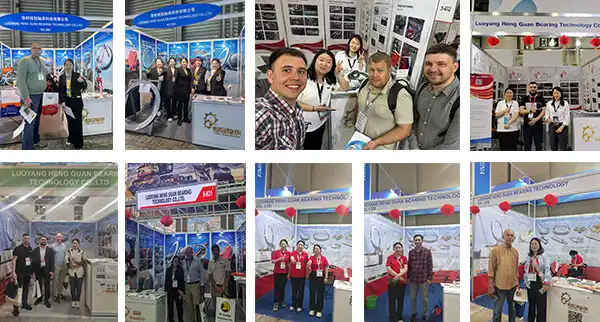
To find reliable sellers, you need to look at more than just the unit price. Suppliers make or broker third-party goods depending on their manufacturing skills. Direct makers offer better technical help and quality consistency. Lead times and shipping costs are affected by where the goods are shipped. For emergency needs, local providers can respond faster, while foreign sources may offer lower prices for planned purchases. Heavy machine parts wholesale distributors keep popular sizes in stock, which cuts down on shipping times compared to manufacturers who make parts to order. Online listings of suppliers and trade groups are good places to start your study on vendors. Trade magazines often have ads from suppliers that show how they specialize in certain products. By looking at booth displays and technical presentations at industry conferences, you can get a clear idea of how good a seller is. Performance feedback that isn't controlled comes from referrals from other equipment owners or repair managers.
Evaluating Supplier Credentials and Capabilities
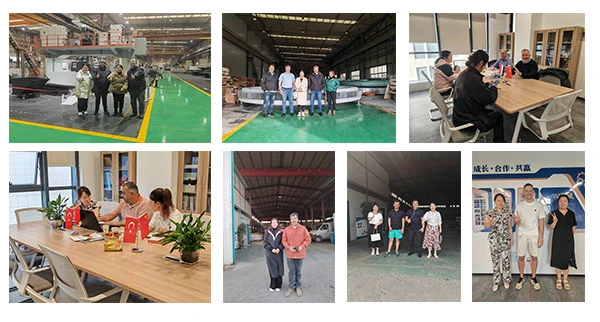
Ask for proof of factory certifications, such as ISO 9001 for quality control. Good providers are happy to give you pictures of their facilities that show CNC vertical lathes, gear hobbing machines, and heat treatment tools. Ask about testing options—reliable makers check finished goods for magnetic particles and make sure they are the right size. Warranty terms show that the company is confident in the product's durability, and longer service times show that the product is of higher quality. Technical knowledge is what sets great sellers apart from average ones. Can their tech team help with ideas that are specific to my application? Do they offer help with installation and fixing problems? Will they do unique making for needs that aren't standard? When suppliers work together as professional partners, they provide more value than just parts.
Custom Manufacturing Benefits
Standard catalog items work with most types of tools, but for unique uses, the specs often need to be changed. For certain job cycles, custom tooth shapes make the best use of load distribution. Non-standard sizes are used for equipment that has been changed or types that are no longer made. Different choices of materials are made to deal with unusual weather situations. For when standard parts don't work, suppliers who can make unique parts can help, but they may have minimum order amounts.
Strategic Partnership Advantages
Take the case of a mining company in North America that worked with Luoyang Heng Guan Bearing Technology to get slewing rings for all of their excavators. By making all of their purchases from one qualified source, they were able to arrange volume discounts that cut unit costs by 18%. Heng Guan's engineering team looked at their specific working conditions and suggested better material specs for important uses. This increased the average service life by about 30%. Scheduled production runs made sure that material was always available, so there were no costs for emergency airfreight. As part of the technical help partnership, training in installation cut down on mistakes in assembly almost to zero. This way of working together shows how choosing a seller affects the overall costs of a program, not just the prices of individual parts. To make similar partnerships, you need to find sources with the right skills and set up ways to communicate that make continued optimization easier.
|
|
Conclusion
Excavator Ring Gear problems don't have to stop your excavator from working or waste your maintenance budgets if you know how they fail and set up regular check routines. Tooth wear, broken bearings, corrosion, and mistakes in fitting can all be fixed by choosing the right parts and keeping up with regular upkeep. When making smart purchasing choices, people weigh the original costs against the total costs of ownership. They know that high-quality parts from reputable suppliers often offer better value by lasting longer and needing less maintenance. Whether you use small excavators for common work or very large mining machines, making sure that the Excavator Ring Gear specifications are right for your needs saves your equipment investments. There are many ways to buy things on the global market, so procurement workers who want to find trusted quality at low prices need to know how to evaluate suppliers.
FAQ
1. How often should excavator ring gears be inspected?
Visual checks once a month find problems that are easy to see, like damage or oil leaks. Every six months for normal use or every three months for heavy-duty use like mine, detailed readings should be taken to check the tooth thickness and backlash. Magnetic particle inspection, used once a year for non-destructive testing, finds cracks below the surface before they break. Machines that are making strange noises or shaking need to be checked out right away, no matter how often it's supposed to be done.
2. Can aftermarket ring gears match OEM quality?
Premium aftermarket makers use similar materials and methods to make parts that meet or go beyond OEM standards and are priced competitively. Manufacturing standards are confirmed by quality checks, such as material approvals and measurement inspection reports. Reliable performance comes from companies that have been around for a long time, are ISO 9001 certified, and have been making bearings for decades. Low-cost replacement parts might be made with bad materials or with less complex methods, which increases the chance that they will break too soon. Careful review of suppliers separates reliable aftermarket sources from options that may not be as good.
3. What causes most ring gear failures?
Most early failures of all kinds and sizes of tools are caused by not lubricating them properly. When dirt, water, or metal bits get into something, they make it rough, which speeds up wear. When installation is done wrong, like with the wrong torque settings or alignment mistakes, working pressures go beyond what was intended. Overloading parts of equipment by using it beyond its maximum capacity shortens their useful life. Taking care of these problems through regular repair and using the right techniques greatly increases the life of Excavator Ring Gears.
Partner With Heng Guan: Your Trusted Excavator Ring Gear Supplier
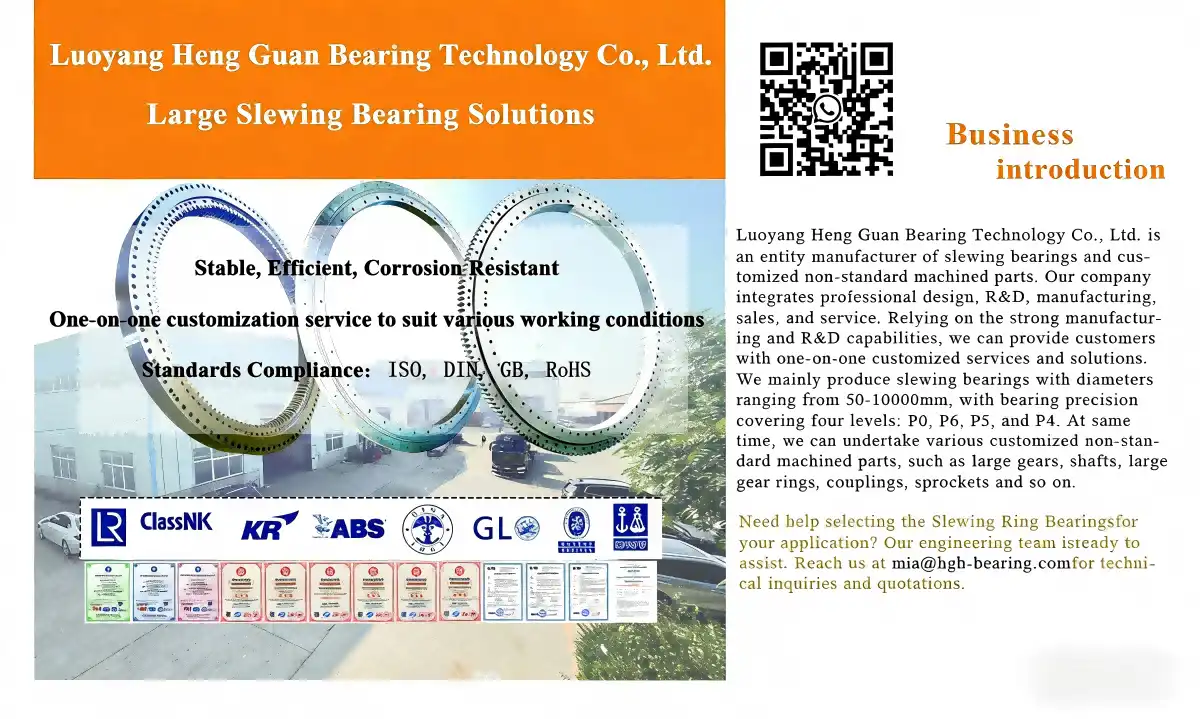
To keep an excavator running, you need parts that are reliable, designed for tough jobs, and backed by quick expert help. Luoyang Heng Guan Bearing Technology has been making specialized bearings, excavator ring gears, and gears for more than twenty years and has quality systems that are ISO 9001 approved. They make precision Excavator Ring Gears for use in fifty countries in building, mining, and heavy industry. We make our products from high-quality 42CrMo and 50Mn metals using modern CNC machining and controlled heat treatment techniques. The diameters of our products range from 800mm to 2500mm, and the number of teeth modules range from 8 to 16. When stock parts can't meet specific needs, custom engineering solutions are the only way to go. Email our team at mia@hgb-bearing.com to talk about your unique application needs, get technical specs, or set up a bulk order price that fits your budget and ensures the reliability of the parts.
References
1. Anderson, M. (2021). Heavy Equipment Maintenance: Preventive Strategies for Construction Machinery. Industrial Press Technical Publications.
2. Chen, W., & Liu, X. (2020). Failure Analysis of Large Slewing Bearing Ring Gears in Mining Excavators. Journal of Mechanical Engineering Science, 234(8), 1576-1589.
3. Deutschman, A., Michaels, W., & Wilson, C. (2019). Machine Design: Theory and Practice for Rotating Equipment. Macmillan Technical Publishing, Third Edition.
4. Johnson, R. (2022). Procurement Best Practices for Industrial Components: A Guide for Engineering Managers. Society of Manufacturing Engineers.
5. Smith, K., & Thompson, P. (2020). Gear Tooth Wear Mechanisms in Construction Equipment Applications. Tribology International, 145, 106-118.
6. Zhang, H. (2021). Heat Treatment Effects on Wear Resistance of Large Module Ring Gears. Materials Science and Engineering Conference Proceedings, 1098, 234-241.

WHAT OUR CUSTOMERS SAY
Here is the customer's evaluation of us