



Advantages and Disadvantages of Cross Roller Ring Bearings
When engineers and purchasing managers look at bearing options for tough jobs, they often come across a key question: what kind of bearing has the most torque and load capacity in the smallest space? Cross Roller Ring Bearings solve this problem with their unique orthogonal roller design, which lets a single small unit handle radial, axial, and moment loads all at the same time. These precise parts are now necessary in fields where limited room and high-performance standards must be met. Knowing their strengths and weaknesses helps people make decisions about how to build equipment in a way that balances cost, lead time, and operating reliability.
Understanding Cross Roller Ring Bearings
Cross Roller Ring Bearings are a special kind of rotating part that is made with a special building principle in mind. Inside these bearings, V-shaped raceways cut into the inner and outer rings connect cylindrical wheels that move back and forth at right angles to each other. When these are crossed, they make a line contact instead of a point contact, like in ball bearings. This spreads the forces over a much bigger surface area. Usually, spacers or bars are used to keep the rollers from rubbing against each other and keep their precise position.
Structural Design and Material Composition
High-quality materials were used in the building because they are long-lasting and stable in size. Special alloy steels 42CrMo and 50Mn are used to make base rings. These steels go through advanced cooling and hardening processes to get the right hardness while keeping their toughness. The rolling elements are made of GCr15SiMn high-purity bearing steel, which was chosen because it doesn't wear down easily and can keep running smoothly even when it's under constant stress. This mix of materials makes sure that the bearing can work in tough industrial settings without losing its accuracy.
Precision Grades and Size Range
These bearings are made in four different ISO-compliant precision grades: P0 is for general industry use, P6 is for middling accuracy needs, P5 is for high-precision machinery, and P4 is for very precise uses like medical imaging equipment. The outer width ranges from 50mm to 10,000mm, so it can fit everything from small robotic joints to huge wind turbine turning systems. You can choose from single-piece rings for maximum stiffness or split-ring designs that make fitting on existing Shafts and housings easier without having to take them apart.
Common Application Sectors
Robotics companies put these bearings in joint motors and spinning bases, which are used to handle loads that come from different directions during fast acceleration cycles. CNC machine tool builders depend on them for rotary tables and bearing heads that need to be able to hold their place with precision down to the micron level while also withstanding cutting forces. Medical equipment makers use them in surgical tools and CT scanner gantries where quiet, smooth operation affects patient safety and the accuracy of diagnoses. Aerospace engineers use them in antenna positioners and satellite systems that need solutions that are both light and very strong. Each section gains from the bearing's ability to replace several standard bearings with a single, small unit.
Advantages of Cross Roller Ring Bearings
The best thing about these bearings is that they can solve several technical problems with just one part. To deal with complicated load situations, traditional bearing setups often need to pair angular contact ball bearings or combine radial and thrust bearings. This method takes up important installation space and makes assembling the china cross roller ring bearing more difficult. Because the Cross Roller Ring Bearing structure has a combined load path design, these problems are taken care of.
Superior Load Distribution and Rigidity
By rotating the rollers at right angles, forces are spread evenly across all rolling parts, no matter which way the load is going. When a machine puts radial force on the rollers, half of them connect immediately to fight the load. The perpendicular rollers handle both horizontal and moment loads at the same time, so they don't need any extra support structures. Compared to ball bearings of the same size, this controlled contact makes the structure three to four times more rigid. Even when the load changes, the equipment stays in the same place, which prevents movement that could lower the quality of the finished product in precision manufacturing processes. Line contact between the wheels and the raceways makes a bigger contact area than ball bearings do. Because this shape spreads stress over more material, the bearing can hold more weight without going over the yield strength of the material. When loaders and excavators come across unexpected shock loads while moving materials, mining equipment workers like this feature. In the same way, construction equipment benefits when cranes move their highest loads and then stop and start quickly.
Compact Footprint and Simplified Assembly
When horizontal and axial loads are combined in one bearing, the total size and weight of the system are reduced. Robotic arm makers can make structures that are lighter when joints don't need as many bearings. This increases the carrying capacity and lowers the motor needs. This space-saving feature is especially useful in situations where design choices are limited, like when the envelope is too small for something like portable medical diagnostic tools or methods for launching satellites. Split-ring designs make installation even easier because they let techs put bearings on existing shafts without taking the whole machine apart. Maintenance teams can replace old parts with new ones with less downtime because they can access and swap split rings during regular service times instead of having to stop production for long periods of time. The built-in raceway design also gets rid of the need for complicated preload changes that are usually needed when installing angular contact bearing pairs.
Long Service Life with Minimal Maintenance
If you place and grease these bearings correctly, they will last for years with little maintenance. Evenly distributing the load across the wheels stops localized wear that leads to early failure in other types of bearings. When used in dirty places like mines and foundries, sealed versions keep the inside parts from getting dirty, which increases the time between maintenance checks. When facilities figure out their total cost of ownership, the longer life and less frequent upkeep often make up for the higher initial purchase price.
Disadvantages and Limitations of Cross Roller Ring Bearings
Even though these parts have a lot of useful features, they also have some limitations that buyers need to think about when deciding what to buy. When procurement teams know about these limits, they can avoid costly problems where Cross Roller Ring Bearing specs don't match up with practical needs.
Higher Initial Investment
Costs are higher than for regular ball or roller bearings because of the precise ways they are made. To meet the required standards, the complicated raceway shape needs specialized grinding tools and more time for machining. Choosing materials that are high-grade metal steels raises the cost of raw materials. If a project has a small budget, this higher price may make teams look for other options, even if the technical benefits would make the investment worth it. Buying in bulk from a provider you already work with china cross roller ring bearing can help you negotiate a better price, but custom sizes and exact grades usually have higher per-unit costs.
Installation Precision Requirements
To get the recommended performance, you need to pay close attention to how the mounting area is prepared and aligned. Technicians must keep joining surfaces flat and straight within very small error ranges, since variations cause uneven load distribution that speeds up wear. To make sure that clamping forces are spread out evenly around the circle, bolts are tightened in star designs that follow specific torque sequences. When installation steps aren't done right, things break down too soon, and makers may not cover this under insurance. Companies that don't have their own skilled repair staff often need training or help from field service to set up the right installation procedures.
Speed Limitations Compared to Alternatives
There is more friction between the rollers and raceways when they touch in a line than when they touch at a point, which limits the fastest rotating speeds. Applications that need to rotate at a high speed, like some spindle designs or turbomachinery, may be too hot for the bearing. Friction creates heat that raises working temperatures. This can break down the lubricant and change its dimensions, which can affect gaps. In some designs, slewing bearings and needle roller bearings work better at high speeds. This makes them better choices for uses where rotational speed is more important than load capacity.
Customization Lead Times
Standard catalog sizes usually ship within an acceptable amount of time, but deliveries take longer for items with non-standard measurements or special features. For one-of-a-kind uses, custom engineering needs design approval, tooling preparation, and a production schedule, all of which can add weeks or months to the time it takes to buy something. Specifying customized bearings without enough extra time can be risky for projects with tight starting dates. Talking to possible suppliers early on in the planning phase about wait times helps project managers make realistic schedules and figure out if off-the-shelf options could meet needs with faster delivery.
Cross Roller Ring Bearings vs. Other Bearing Types
Engineers can choose the best options for different operational situations by comparing the performance qualities of different types of bearings. Each type of bearing works best in some situations and not so well in others.
Comparison with Ball Bearings
Point contact between the moving elements and the raceways is what makes ball bearings work. This creates stress spots that limit the load that they can hold. The line contact of the Cross Roller Ring Bearing design spreads forces over bigger areas, which lets it handle much heavier loads in the same mounting space. When moment loads are applied, rigidity differences are especially clear. Ball bearings move more, which affects how accurately they can place themselves. Precision applications, such as coordinate measuring tools and equipment for inspecting semiconductors, benefit from the increased hardness that keeps measurements consistent.
Distinction from Slewing Bearings
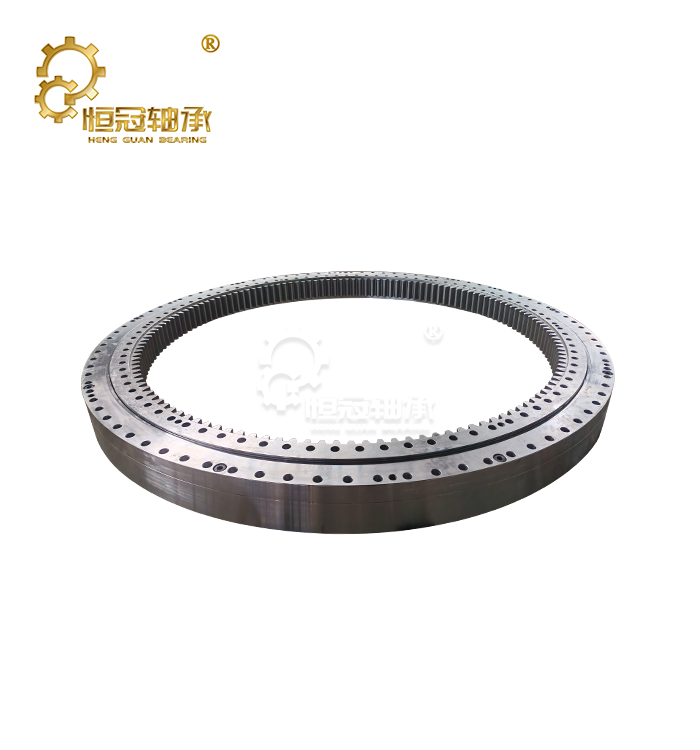
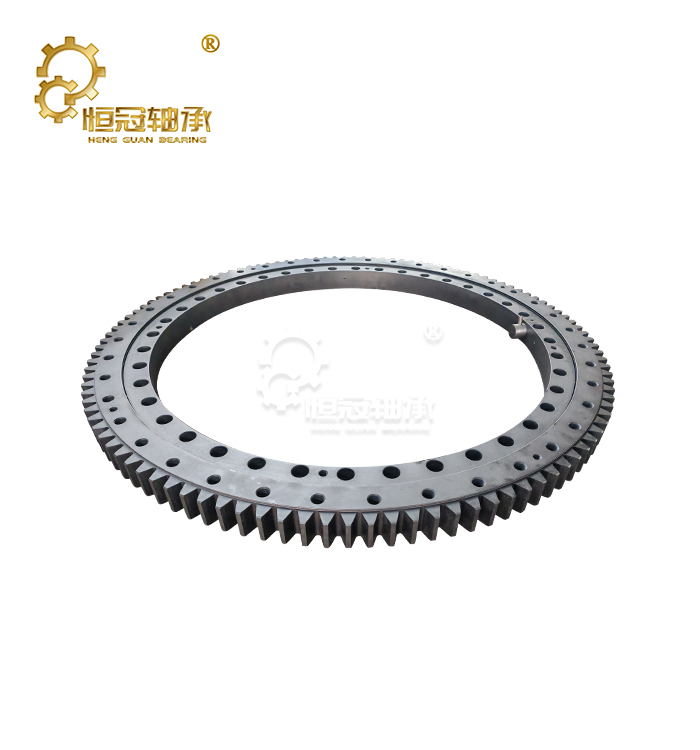
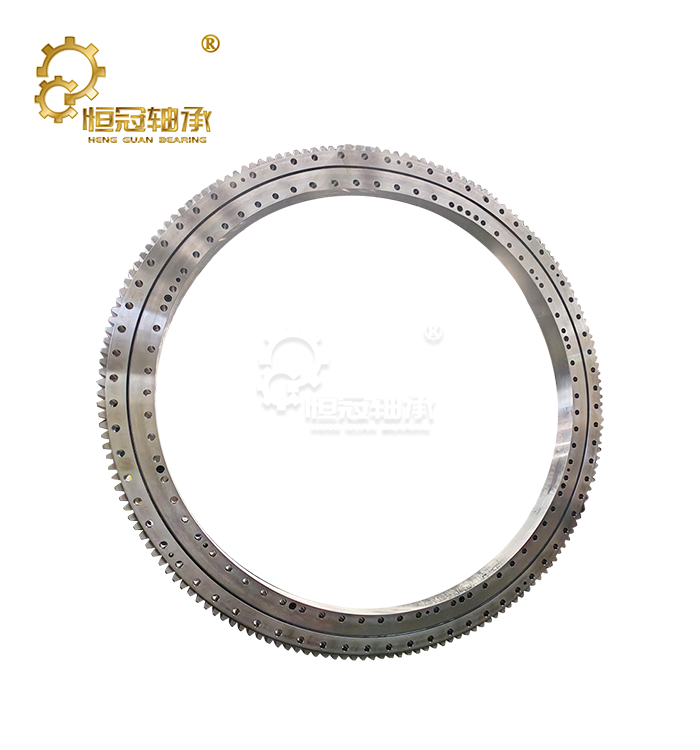
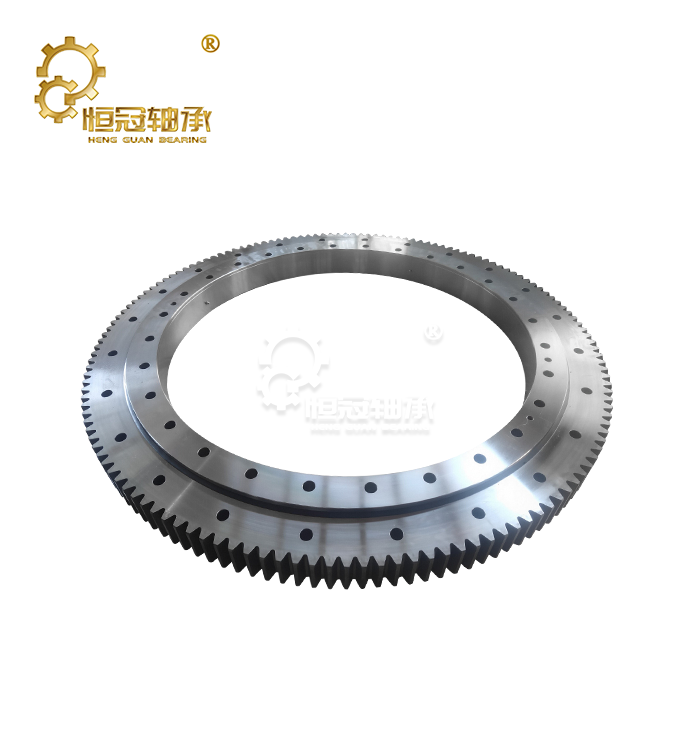
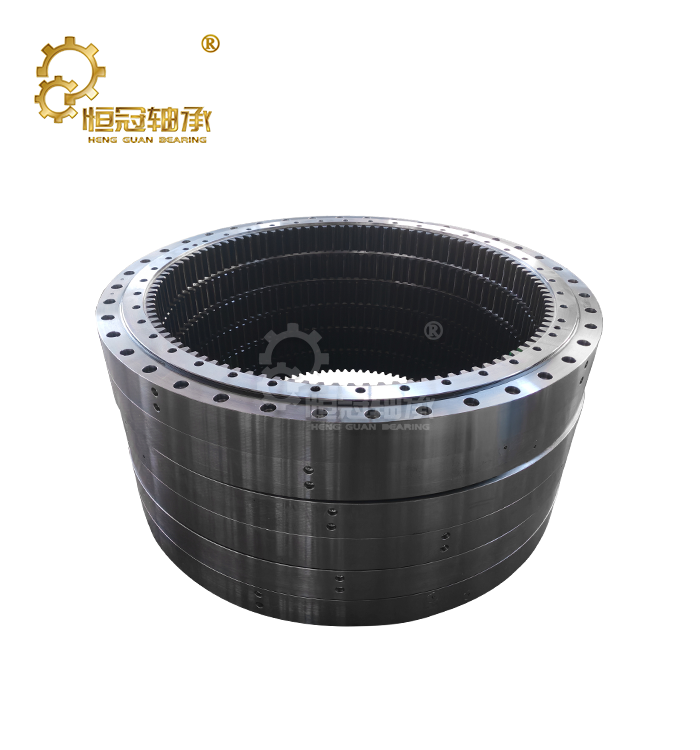
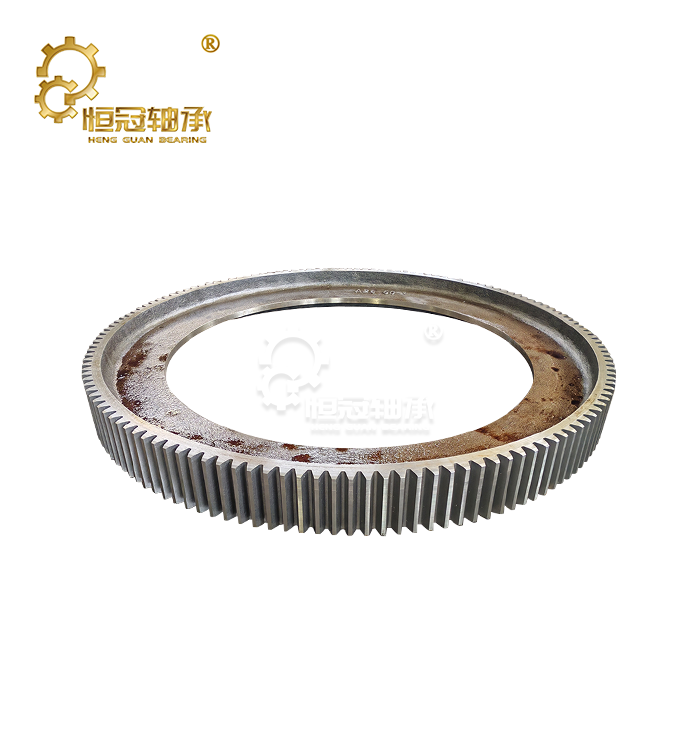
Slewing bearings are used for rotating parts that are bigger than one meter in diameter, like backhoe turrets and wind turbine yaw drives. Both slewing and Cross Roller Ring Bearings can handle combined loads, but slewing designs are best for large-scale applications with reasonable accuracy, while crossed roller designs are best for small setups that need accuracy down to the micron level. Direct motor drive is possible with slewing bearing rings because they often have gear teeth built in. This is something that isn't usually found in precision crossed roller uses. Choosing between these groups is based on the project's size, spinning speed, and accuracy limit.
Contrast with Thrust and Needle Roller Bearings
Pure thrust bearings are great at handling linear loads, but they need radial bearings to make full support systems. Needle roller bearings can hold a small amount of radial load and take up very little radial room, but they need their own thrust control. Cross Roller Ring Bearings can handle both lines of load at the same time, so you don't need different types of bearings, and the number of parts is lower. This integration makes it easier to keep track of supplies for upkeep tasks and makes it easier to put together new equipment.
Precision Grade Selection Strategy
You can choose between P0, P6, P5, and P4 levels of accuracy based on your budget and operating tolerance needs. P0 or P6 grades work consistently with most industrial tracks and material handling equipment because they offer good performance at a lower cost. A lot of machine tool rotary tables and robotic equipment need P5 to keep their positioning accurate, even when they are cutting and moving quickly. Ultra-precision P4 is needed for medical imaging and measuring to make sure that measurements are accurate and patients are safe. By matching the precision grade to the real need, you can avoid paying for accuracy that you don't need while still making sure that the equipment meets performance standards.
Procurement Considerations for Buyers
A successful Cross Roller Ring Bearing purchase process includes more than just meeting technical specifications. It also includes evaluating suppliers, negotiating prices, and making sure they can provide long-term support. Strategic choices about buying affect both the instant success of a project and the stability of operations in the long term.
Supplier Selection and Brand Evaluation
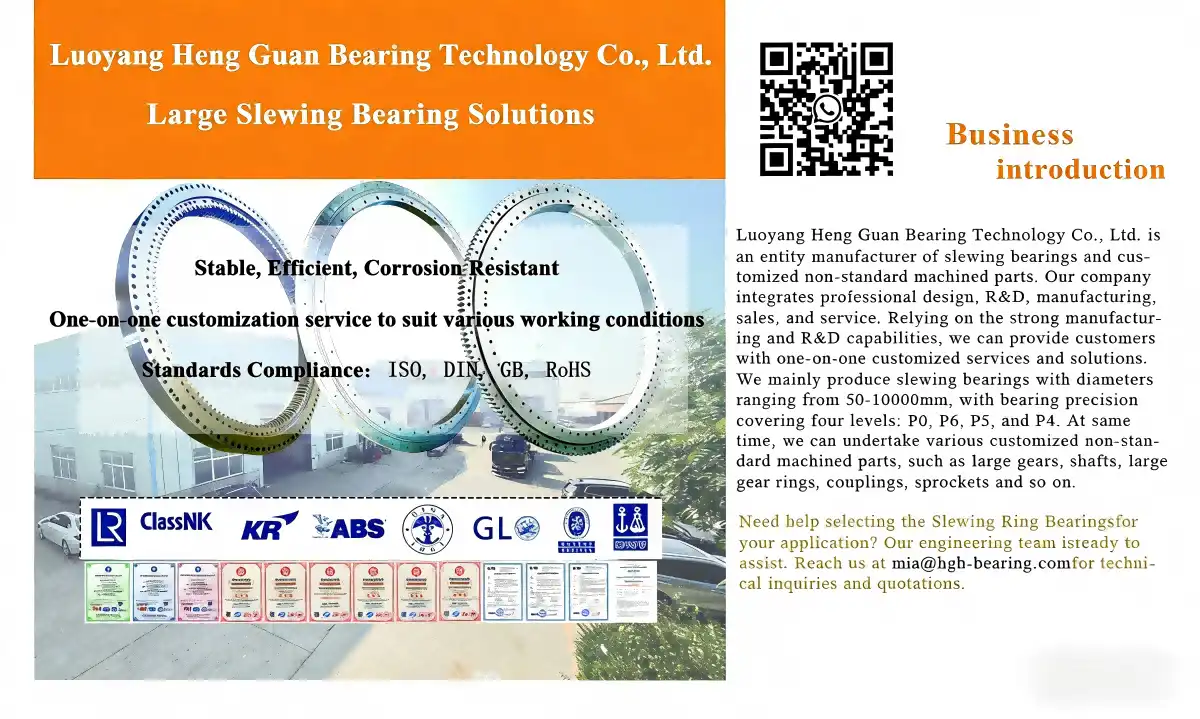
IKO, NSK, FAG, THK, SKF, Koyo, and NTN are well-known brands that Cross Roller Ring Bearings have built their names on reliable quality and global delivery networks. Their networks of approved dealers offer local technical help and quick access to new parts. Specialized makers, on the other hand, like Luoyang Heng Guan Bearing Technology, have an edge over their competitors because they can make changes easily, offer direct factory prices, and work with engineers on non-standard designs. When you evaluate providers, you need to look at their manufacturing skills, quality certifications, and how quickly they respond to technical questions.
Pricing Dynamics and Negotiation Strategies
The price of a bearing depends on its width, precise grade, material requirements, and the number of units ordered. Standard, precise, small-diameter bearings cost a few hundred dollars each, while ultra-precision, large-diameter bearings can cost tens of thousands of dollars each. A lot of the time, promises to buy in bulk open up tiered price systems that make unit costs much lower. Buyers who are in charge of more than one project can combine orders from different programs to get better prices on big purchases. Asking for detailed quotes that break down the prices of materials, production, and testing can help you find ways to negotiate while also making sure that everyone knows what the value drivers are.
Customization Services and Engineering Support
Custom building services from providers are helpful for applications that have unique mounting restrictions or performance needs. Manufacturers with a lot of experience can reverse-engineer current bearings from real samples without needing full CAD models. This speeds up the development process for retrofit projects. Engineers can find the best bearing shape for a given load profile and surroundings by working together on the design process. Suppliers who offer help with finite element analysis and load calculations help make sure that the bearing choice is correct before committing to production equipment. This lowers the chance of having to make expensive changes after production starts.
After-Sales Support and Service Networks
Full technical help increases the worth over time, after the initial buy. When suppliers offer fitting instructions, they help maintenance teams set up the right mounting methods that extend the life of bearings. When vibrations or temperature changes happen out of the blue, troubleshooting help quickly fixes functioning problems. Warranty coverage protects you financially against problems with the way the product was made, but the terms and conditions of coverage change a lot from one seller to the next. During negotiations, buyers should make sure they understand the details of the guarantee, such as whether it covers mistakes in installation or flaws in the material. For remote installations or fixes that need to be done quickly, it's important to be able to get in touch with nearby service centers or field techs.
Conclusion
In conclusion, Cross Roller Ring Bearings offer high stiffness, load capacity, and accuracy in small packages that make machine design easier and lower the total system weight. Because they can handle loads in more than one way within a single bearing, they get rid of the need for complicated bearing arrangements. This has clear benefits in robotics, medical equipment, aircraft, and precision machining. The downsides, like higher prices, more precise installation, speed limits, and possible longer wait times for custom orders, need to be carefully weighed against the needs of the project. A good procurement process balances technical performance with cost, supplier skills, and long-term help available to get the best value for both the product's instant use and its value over its entire life.
|
|
FAQ
1. How do these bearings handle more weight than regular ball bearings?
When the rollers of a Cross Roller Ring Bearing are set up in an oblique way, they make line contact with the raceways instead of point contact. This spreads the forces over a much bigger surface area. Because of this shape, the bearing can handle radial, axial, and moment loads all at the same time within the same area. This means that you don't need to use multiple bearing sets. The bigger contact surface spreads out stress better, so it can handle three to four times as much weight as ball bearings of the same size can without breaking.
2. What installation practices maximize bearing lifespan?
A well-prepared fixing area is flat and straight, which stops the load from being distributed unevenly. Cleaning all areas of touch gets rid of dirt and grime that speeds up wear. By following the given torque steps while tightening the bolt, the binding forces are spread out evenly around the circle. The right layer thickness is set by using the right type and amount of lubricant before the first action. When you run the first break-in rounds with lower loads, the rollers can settle in properly before you start using them at full capacity.
3. Can these bearings be customized for specific industrial applications?
Manufacturers often make non-standard bearing types that are specific to the needs of a specific application. Customization choices include making the measures unique to fit tight envelopes, changing the way the seals work for harsh environments, and changing the materials for situations with high or low temperatures or corrosion. Engineers and suppliers can work together on finite element analysis and load predictions to make sure that unique designs are correct before they are made. Some makers will take actual samples for reverse engineering if they don't have access to the original specs. This helps with retrofit projects and replacing old bearings.
Partner with Heng Guan for Your Precision Bearing Needs
With more than 20 years of experience, Luoyang Heng Guan Bearing Technology makes sure that every Cross Roller Ring Bearing is of the highest quality. Our Luoyang plant has modern CNC machining tools and strict quality control systems that allow us to make bearings with diameters ranging from 50mm to 10,000mm and in all four precision grades. As a producer of cross roller ring bearings that is ISO 9001 approved, we can help OEMs make changes, such as reverse engineering from samples, without needing full technical drawings. Our engineering team helps you choose the right bearings for your purpose by calculating loads and giving you advice on how to install them. Their products are used in fields like wind power and aircraft, and they have experience exporting to markets in North America, Europe, and the Asia-Pacific region. Email our technical experts at mia@hgb-bearing.com to talk about your needs and get a full quote that fits your project's schedule and performance standards.
References
1. Harris, T.A. & Kotzalas, M.N. (2006). Advanced Concepts of Bearing Technology: Rolling Bearing Analysis, Fifth Edition. CRC Press, Taylor & Francis Group.
2. Warda, B. & Chudzik, A. (2014). "Effect of Ring Misalignment on the Fatigue Life of the Radial Cylindrical Roller Bearing." International Journal of Mechanical Sciences, Volume 86, Pages 26-31.
3. ISO 492:2014. Rolling Bearings – Radial Bearings – Geometrical Product Specifications (GPS) and Tolerance Values. International Organization for Standardization.
4. Tsuha, N.A.H. & Cavalca, K.L. (2020). "Stiffness and Damping of Elastohydrodynamically Lubricated Line Contact Applied to Cylindrical Roller Bearing Dynamic Model." Journal of Sound and Vibration, Volume 481, Article 115444.
5. Noel, D., Ritou, M., Furet, B. & Le Loch, S. (2013). "Complete Analytical Expression of the Stiffness Matrix of Angular Contact Ball Bearings." Journal of Tribology, Volume 135, Issue 4, Article 041101.
6. Zhao, H. (2016). "Analysis of Load Distributions within Solid and Hollow Roller Bearings." Journal of Tribology, Volume 138, Issue 3, Article 032202.

WHAT OUR CUSTOMERS SAY
Here is the customer's evaluation of us