



Why Use Forged Rings Instead of Welded Rings?
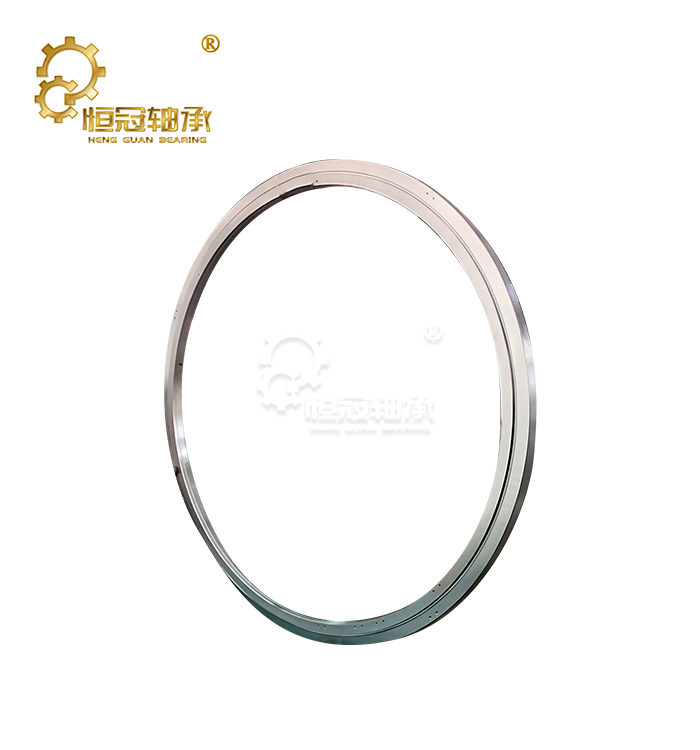
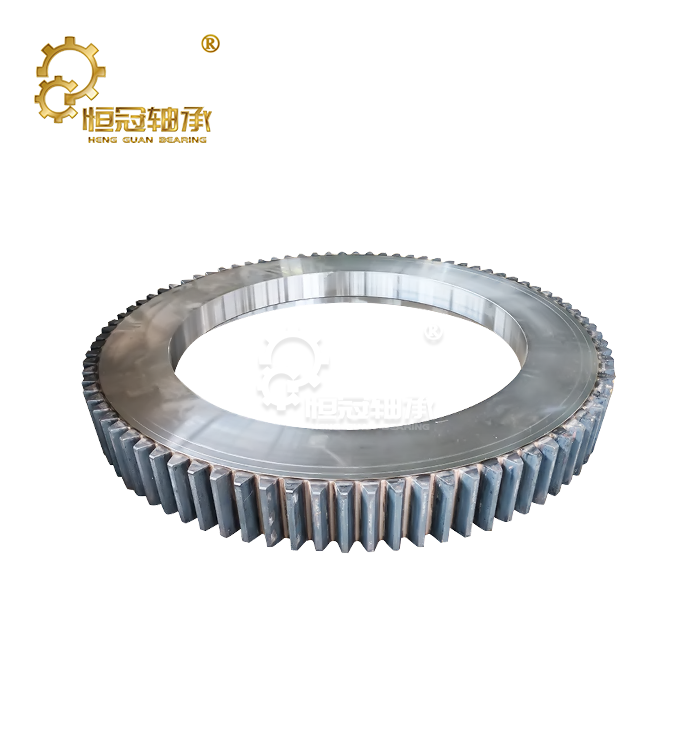
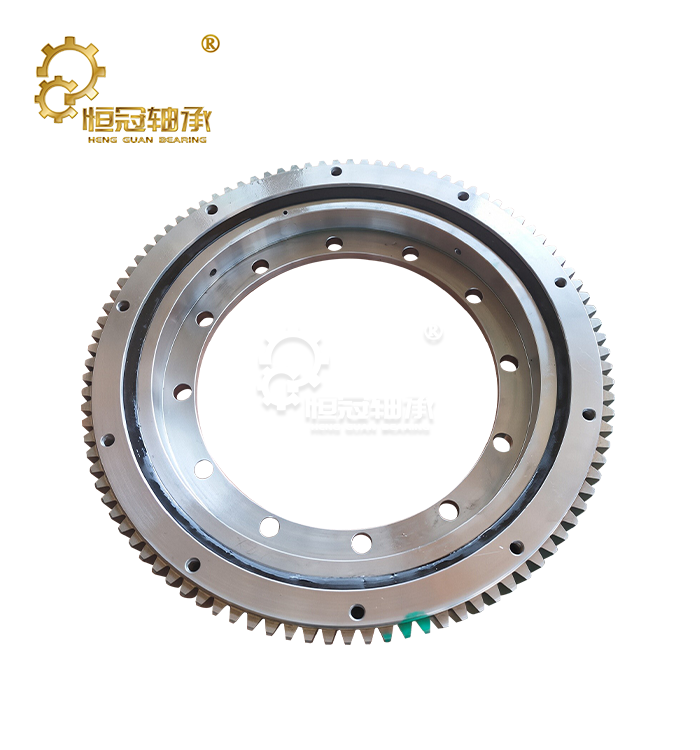
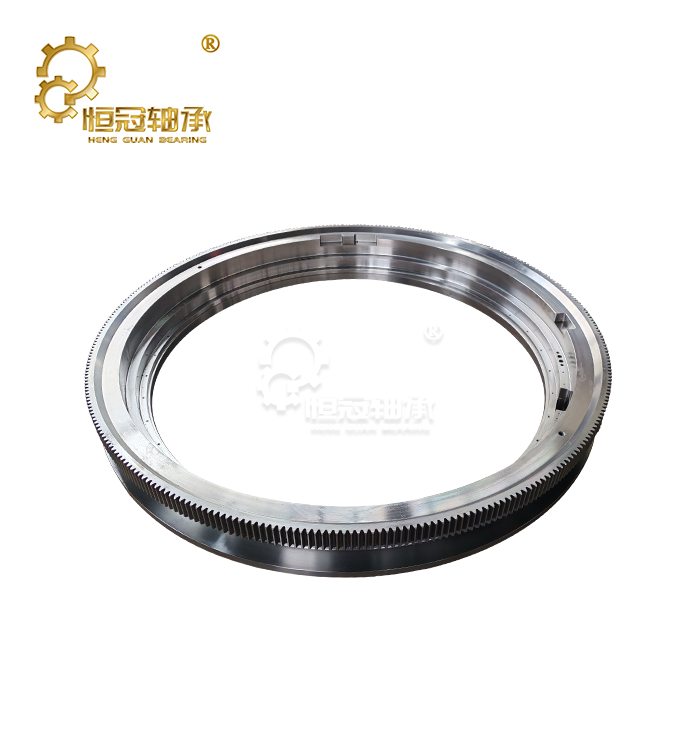
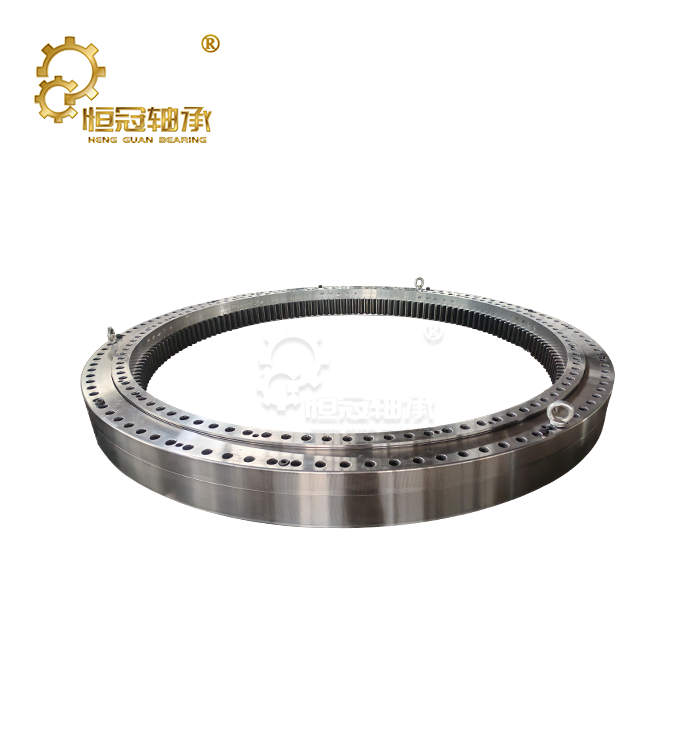
Can a welded ring provide the same strength and reliability as a forged ring? For some low-load applications, welded fabrication may be acceptable. However, for slewing bearings, gear rings, wind power equipment, mining machinery, and heavy industrial systems, the answer is usually no. When components operate under cyclic loads, shock forces, and continuous rotation, structural integrity becomes more important than initial manufacturing cost. Forged rings deliver superior grain flow, higher fatigue resistance, and better dimensional stability, making them the preferred solution for demanding applications. At Luoyang Hengguan, forged rings from 300 mm to 10,000 mm are engineered to provide long service life and reliable performance in heavy-duty environments.
|
|
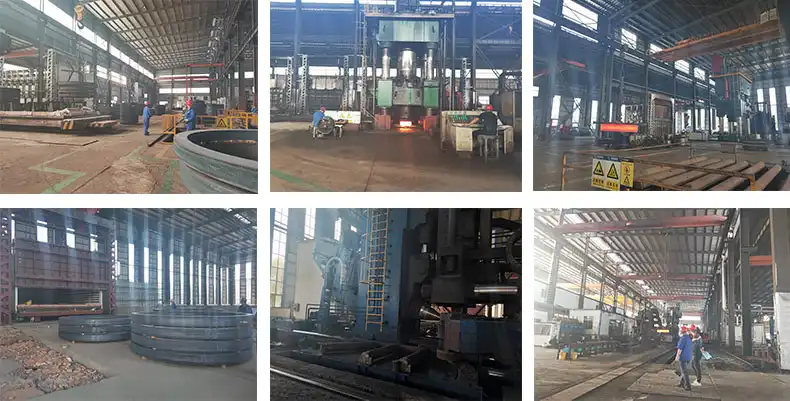
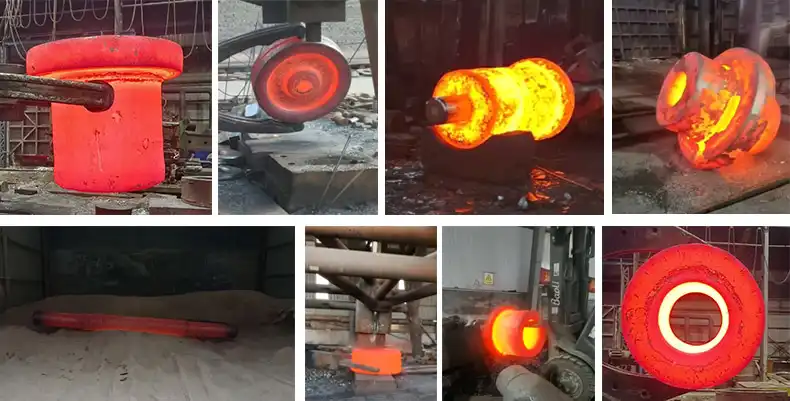
Structural Integrity: Where Forged Rings and Welded Rings Differ
The biggest difference between forged and welded rings lies in the material structure.
Welded rings are produced by joining plates or bars. Every weld seam creates a heat-affected zone (HAZ) where grain continuity is interrupted, and residual stress may develop.
These areas often become initiation points for fatigue cracks under repeated loading.
Forged rings eliminate this issue.
Through open-die forging and ring rolling, the billet is plastically deformed into a seamless structure with continuous grain flow following the ring contour.
This provides:
- No weld seams
- No heat-affected zones
- Lower internal defect risk
- Better load distribution
- Higher fatigue strength
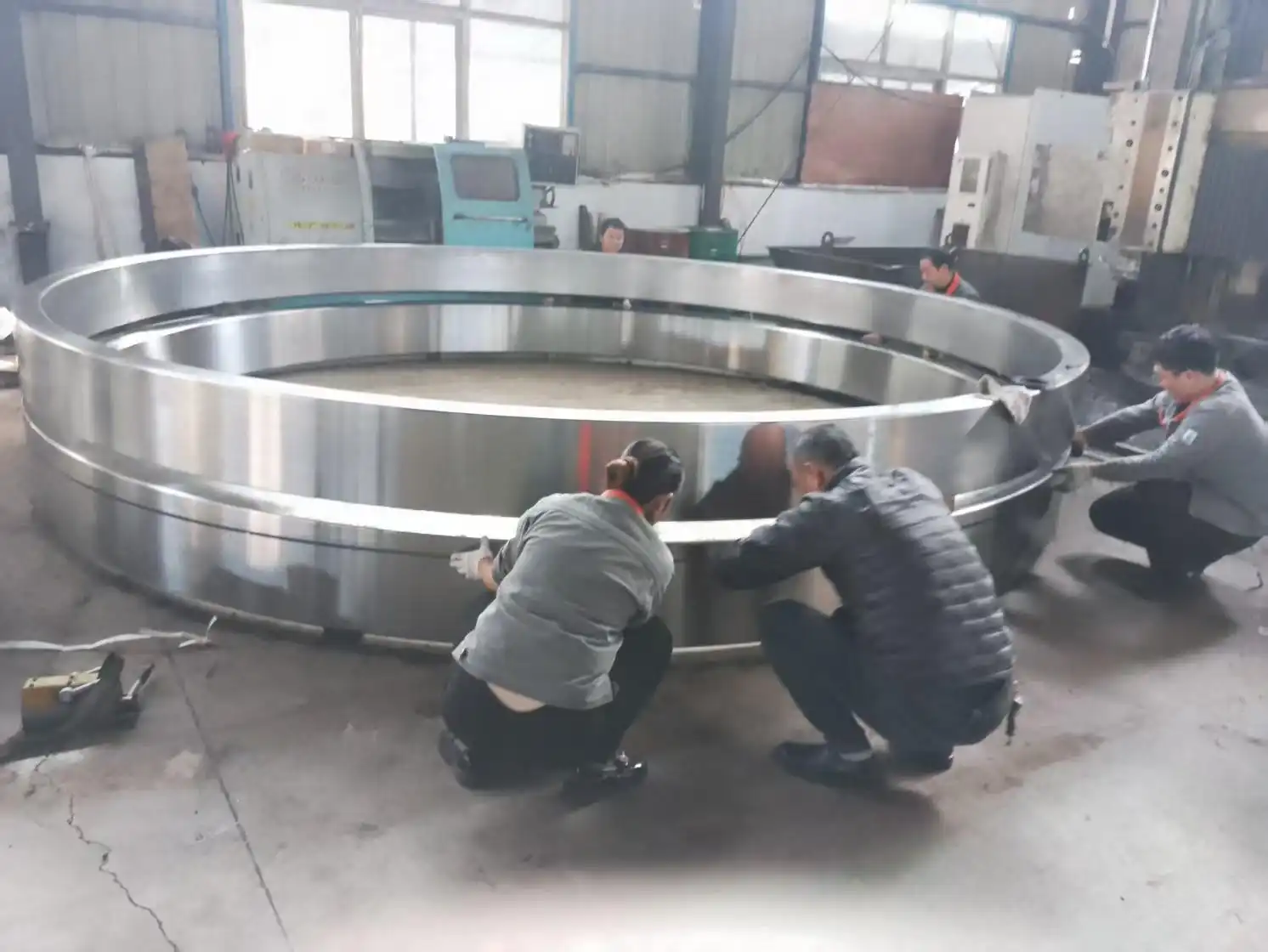
For example, Hengguan's 3180 mm × 3180 mm × 500 mm forged ring project supplied to Thailand achieved uniform hardness of 265–295 HB across the full section through controlled quenching.
|
| Property | Forged Ring | Welded Ring |
|---|---|---|
| Grain Structure | Continuous and aligned | Interrupted at weld seams |
| Internal Voids | Minimal | Possible at weld areas |
| Fatigue Resistance | High | Reduced near HAZ |
| Hardness Uniformity | Stable | Variable |
| Load Distribution | Uniform | Stress concentration possible |
Mechanical Performance Under Real Operating Conditions
Heavy-duty rings rarely work under ideal loading conditions.
Applications such as:
- Mining equipment
- Port machinery
- Wind turbines
- Construction equipment
- Ground support systems
Often expose rings to:
- Rotational loads
- Axial forces
- Bending moments
- Shock loading
- Continuous vibration
In welded structures, stress concentration around joints can accelerate crack propagation.
Mechanical properties may also vary depending on:
- Welding process
- Electrode selection
- Preheating conditions
- Interpass temperature
- Operator consistency
Forged rings remove these variables.
Because the ring is produced from a single metal body, performance depends mainly on alloy selection and controlled forging parameters.
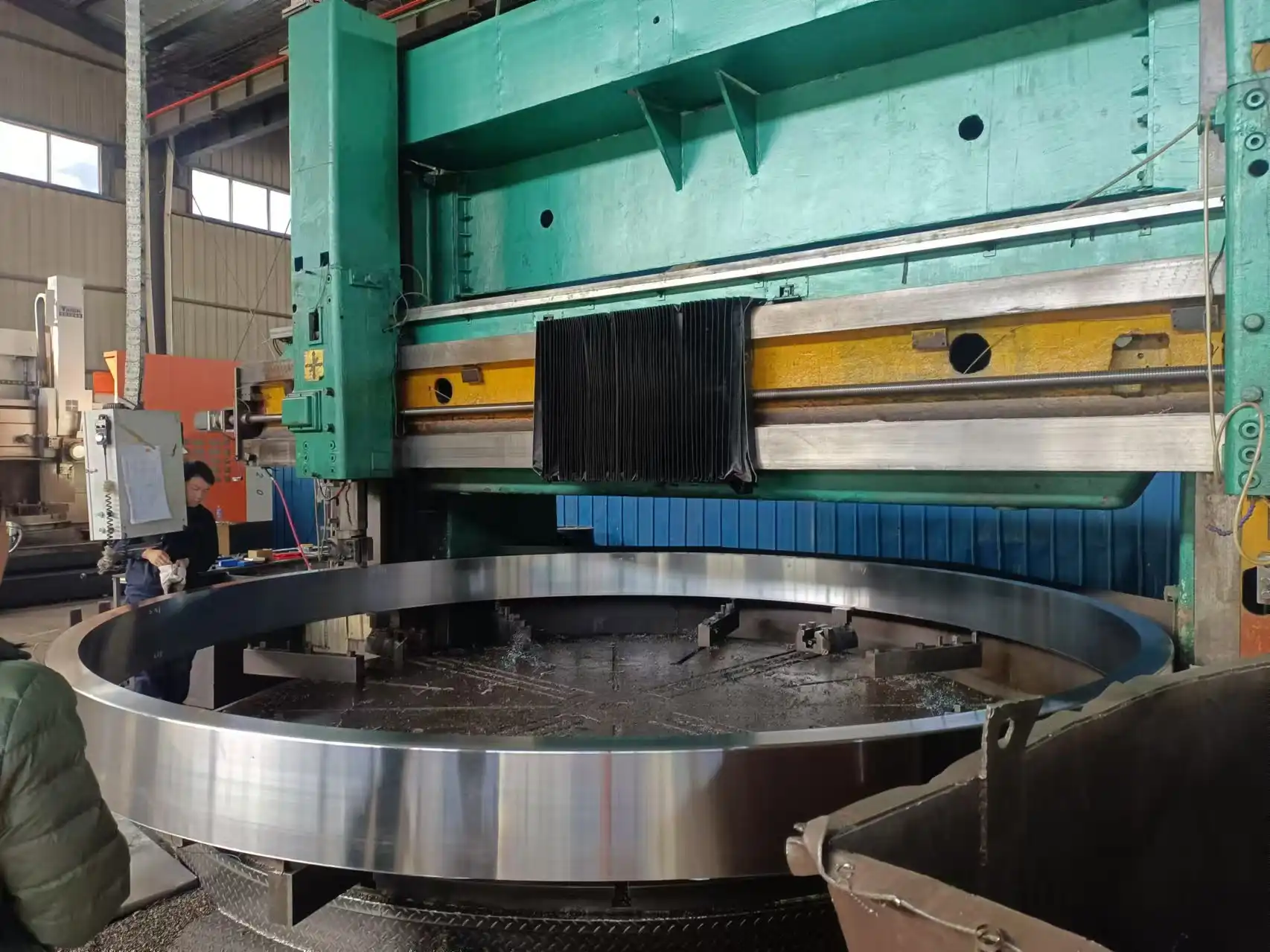
At Luoyang Hengguan, forged rings undergo:
- Precision forging process control
- CNC quenching
- CNC vertical turning
- Final machining and inspection
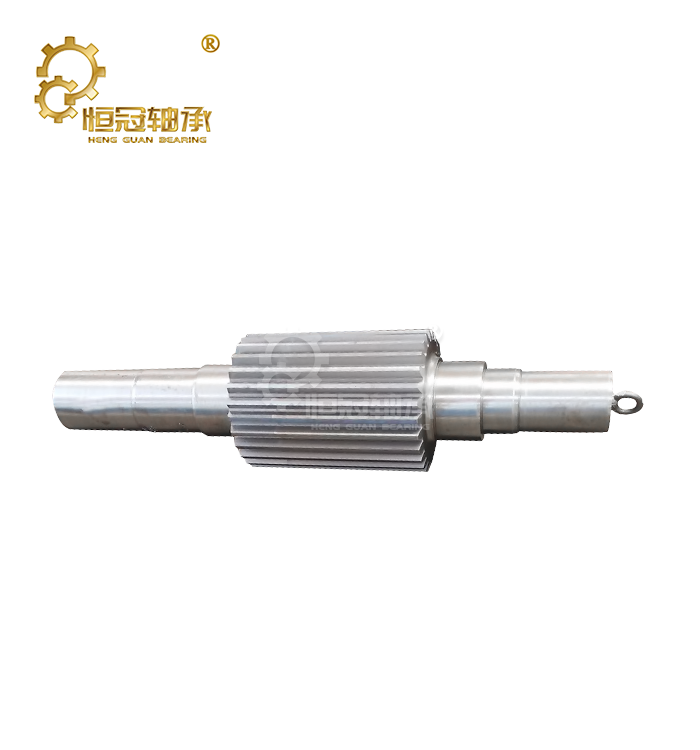
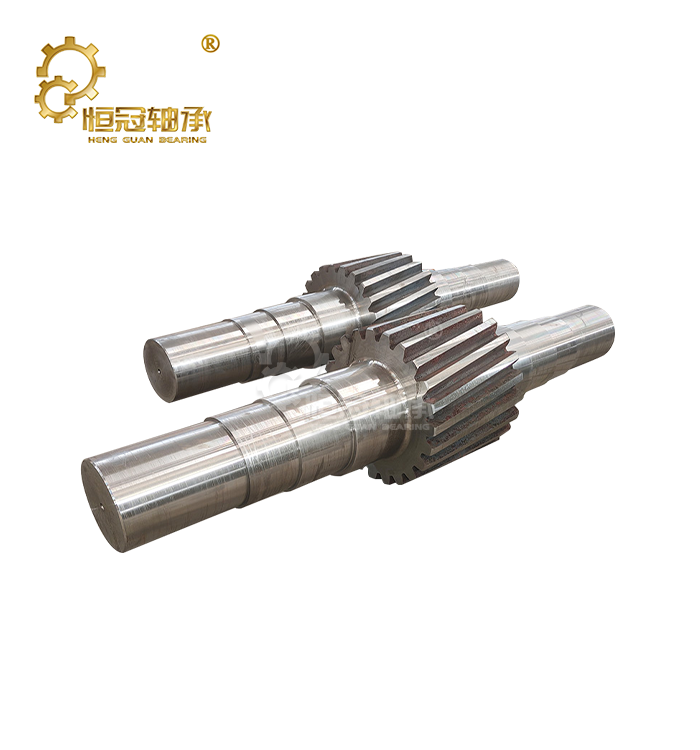
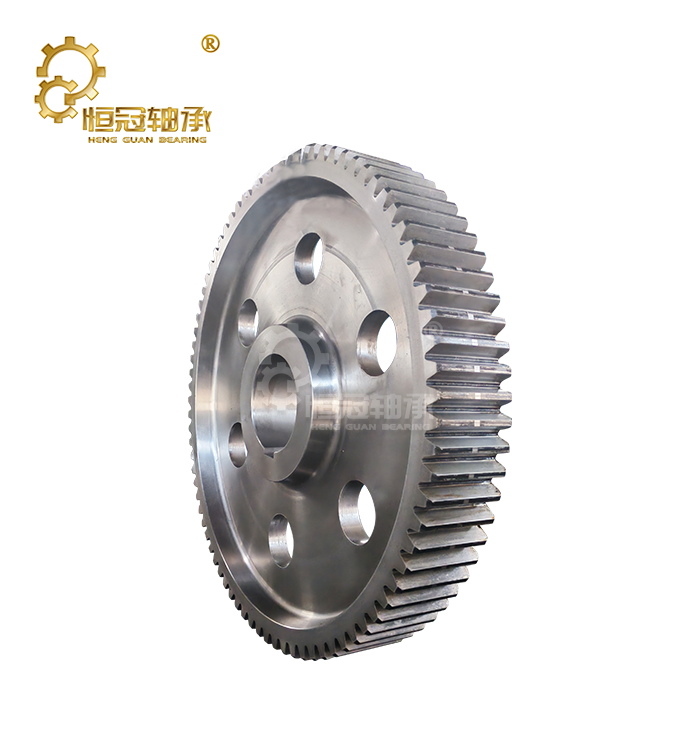
This ensures stable dimensions and reliable assembly performance for slewing bearing rings, gear blanks, and structural components.
|
|
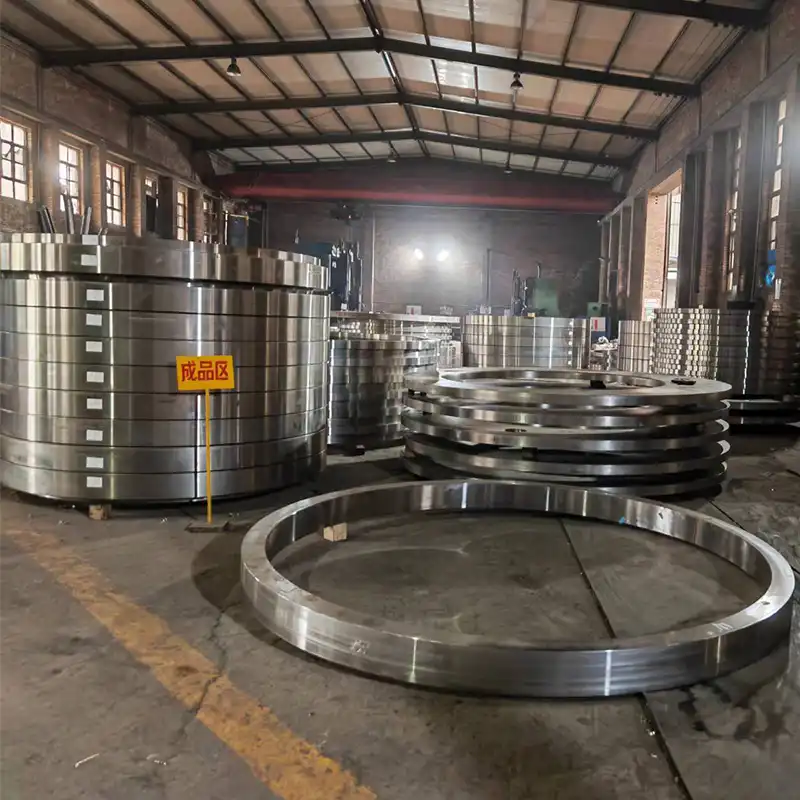
Technical Specifications
Luoyang Hengguan provides customized forged ring manufacturing capabilities for heavy industrial applications.
| Parameter | Specification |
|---|---|
| Diameter Range | 300 mm – 10,000 mm |
| Standard Hardness | 265 – 295 HB |
| Manufacturing Process | Open-die forging / Ring rolling |
| Precision Grades Available | P0, P6, P5, P4 |
| Material Options | Customer-specified bearing steel and alloy grades |
| Maximum Wall Thickness | Customizable based on application |
| Surface Finish | Machined according to drawing requirements |
| Heat Treatment | Controlled quenching and tempering |
| Compliance Standards | ISO, DIN, GB |
| Minimum Order Quantity | Negotiable |
These capabilities allow customers to achieve customized geometries while maintaining structural integrity.
Need support selecting the right forging route or dimensions? Contact our engineering team at mia@hgb-bearing.com for technical recommendations and project evaluation.
Customization Without Sacrificing Structural Reliability
Some engineers assume welded fabrication offers greater design flexibility.
While welded rings can easily add flanges or modify profiles, each additional weld introduces another potential weak point.
Modern forging technologies have significantly reduced this gap.
Luoyang Hengguan manufactures forged rings with:
- Diameter range: 300–10,000 mm
- Customized wall thickness
- Various cross-sectional profiles
- Bearing steel and alloy options
- Solutions for corrosive and high-temperature environments
The engineering team can develop solutions based on operating requirements even without complete 3D drawings.
This means customers obtain required geometries without compromising structural continuity.
The production system is fully traceable from raw material receipt through final inspection.
Typical Applications and Recommended Manufacturing Routes
| Application | Recommended Process | Typical Diameter Range |
|---|---|---|
| Slewing Bearing Rings | Ring Rolling | 500–10,000 mm |
| Gear Blanks | Ring Rolling / Open-die | 300–3,000 mm |
| Pressure Vessel Flanges | Open-die Forging | 300–5,000 mm |
| Wind Turbine Pitch Rings | Ring Rolling | 1,500–6,000 mm |
| Mining Equipment Hubs | Open-die Forging | 800–4,000 mm |
Selecting the correct forging method helps balance structural performance, dimensional requirements, and manufacturing efficiency.
Conclusion
For applications where structural reliability, fatigue resistance, and service life matter, forged rings remain the superior solution over welded fabrication. With over 20 years of manufacturing experience, customers across 50+ countries, and full customization capability, Luoyang Hengguan Bearing Technology Co., Ltd. delivers forged ring solutions designed for demanding industrial environments.
FAQ
Q: Can forged rings match custom-welded geometries?
A: Yes. Customized profiles, wall thicknesses, and cross-sections are available from 300 mm to 10,000 mm.
Q: Why is grain flow important?
A: Continuous grain flow distributes loads more evenly and significantly improves fatigue resistance.
Q: What hardness range is available?
A: Typical hardness ranges from 265–295 HB, maintained through controlled quenching.
Q: Do welded rings require additional maintenance?
A: Weld seams are common fatigue initiation points and may require periodic inspection under cyclic loading.
Looking for Forged Rings for Your Application?
Luoyang Hengguan Bearing Technology Co., Ltd. supports projects involving slewing bearings, gear systems, wind energy equipment, mining machinery, and heavy industrial assemblies.
Send your dimensions and operating requirements to mia@hgb-bearing.com, and our engineering team will provide a customized forged ring proposal.
References
1. Altan, T., Oh, S.-I., & Gegel, H. L. (1983). Metal Forming: Fundamentals and Applications. ASM International.
2. Boyer, H. E., & Gall, T. L. (Eds.). (1985). Metals Handbook Desk Edition. ASM International.
3. Dieter, G. E. (1988). Mechanical Metallurgy (SI Metric Edition). McGraw-Hill.
4. Lancaster, J. F. (1999). Metallurgy of Welding (6th ed.). Abington Publishing.
5. Semiatin, S. L. (Ed.). (2005). ASM Handbook, Volume 14A: Metalworking: Bulk Forming. ASM International.
6. Weman, K. (2011). Welding Processes Handbook (2nd ed.). Woodhead Publishing.

WHAT OUR CUSTOMERS SAY
Here is the customer's evaluation of us