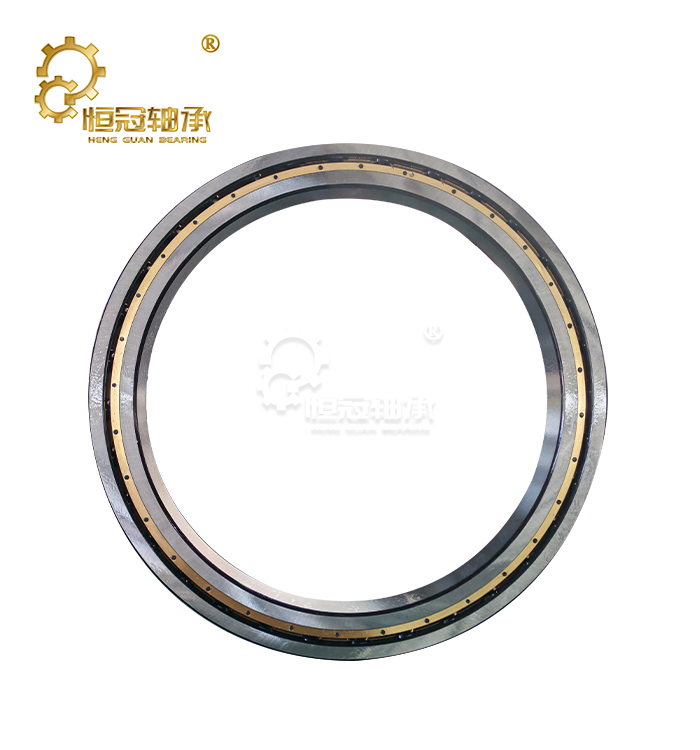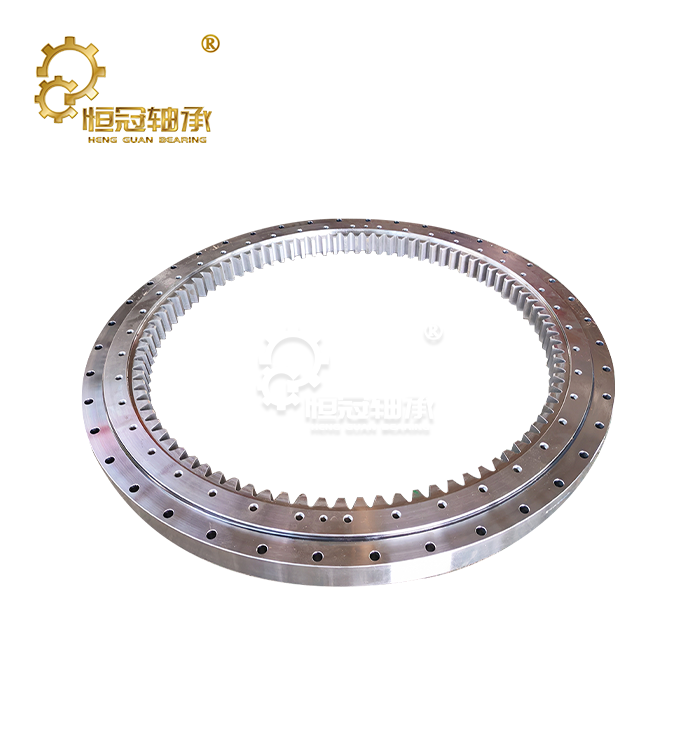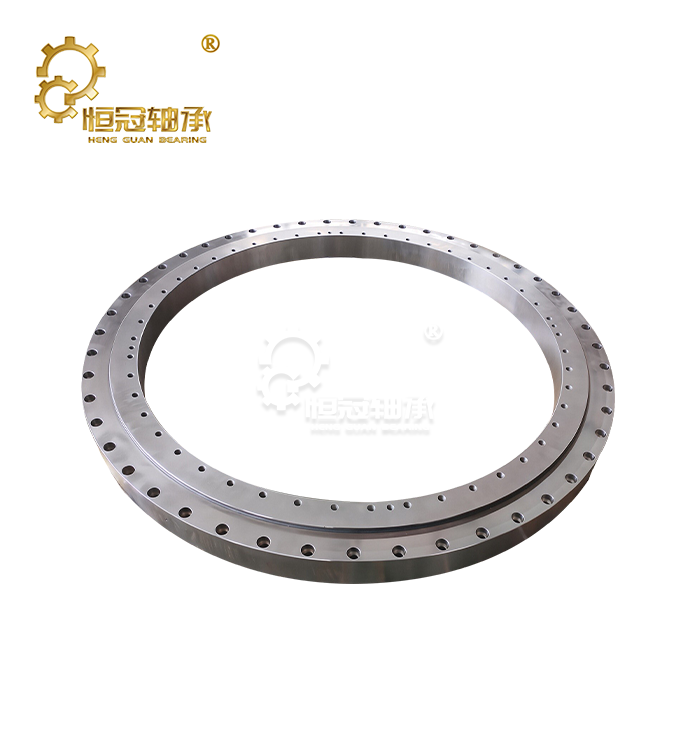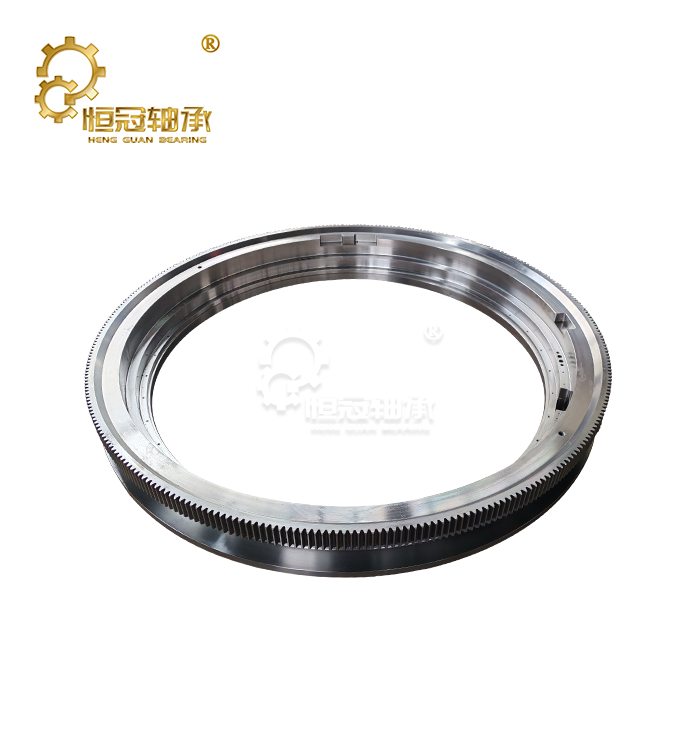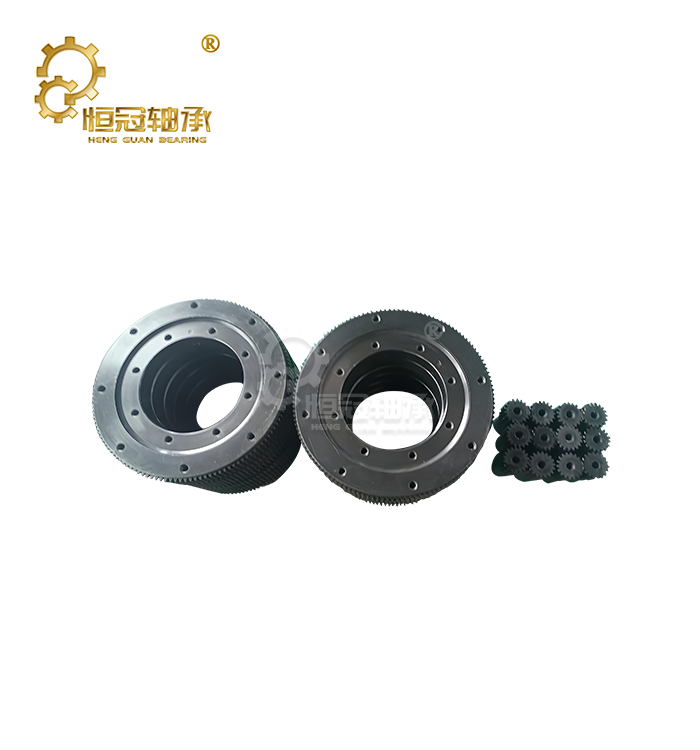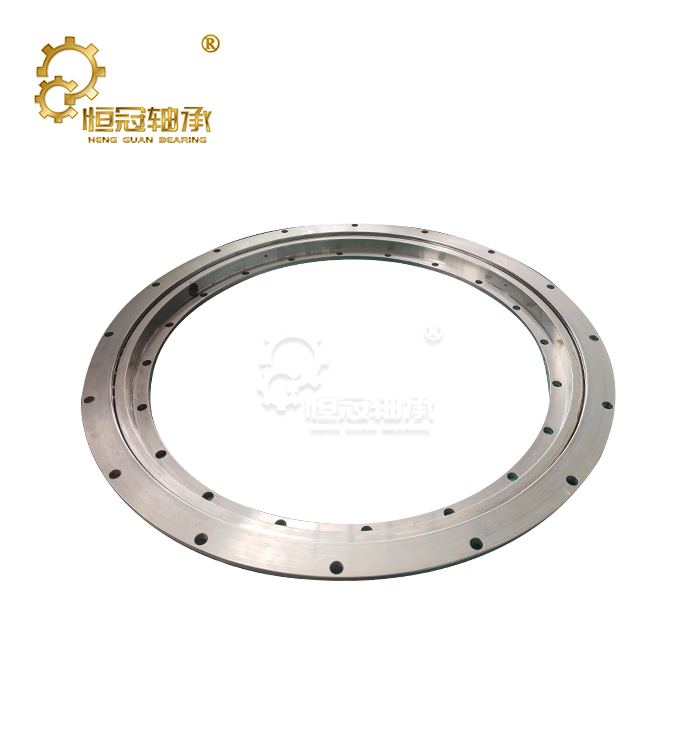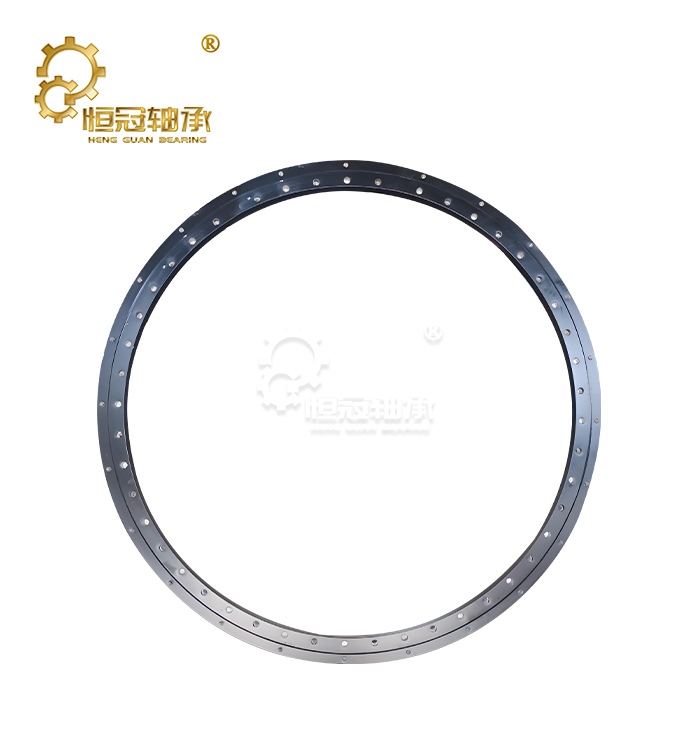




What Materials Are Used in Custom Gear Ring Production?
When a gear ring fails, the problem often starts long before manufacturing begins. In many cases, the wrong material was selected for the operating environment. A gear ring used in a ball mill must withstand continuous abrasion and heavy loads. A gear ring for a CT scanner requires smooth, quiet rotation and precise positioning. Construction equipment faces shock loading, while rotary kilns operate under sustained thermal stress. Because operating conditions vary so widely, material selection is one of the most important decisions in custom gear ring production. The right alloy can extend service life, reduce maintenance costs, and improve equipment reliability.
Common Materials Used in Custom Gear Ring Manufacturing
Different materials offer different combinations of strength, toughness, wear resistance, and machinability.
Grade 45 Carbon Steel
Grade 45 Carbon steel is a cost-effective choice for light- to medium-duty applications. It offers good machinability and reliable performance under moderate loads.
42CrMo
42CrMo is one of the most widely used materials for heavy-duty gear rings. Its high tensile strength and fatigue resistance make it suitable for rotary kilns, large reducers, rolling mills, and other demanding industrial equipment.
20CrMnTi
For abrasive environments, 20CrMnTi is often the preferred choice. After carburizing, it develops a hard wear-resistant surface while maintaining a tough core, making it ideal for crushers, ball mills, and mining machinery.
40Cr
40Cr provides a balanced combination of strength, toughness, and cost efficiency. It is commonly used in industrial gearboxes and general machinery applications.
34CrNiMo6
For applications involving high torque and severe shock loads, 34CrNiMo6 delivers exceptional strength and impact resistance. It is frequently specified for excavators, crawler cranes, shield tunneling machines, and heavy construction equipment.
| Material Grade | Key Properties | Typical Application |
|---|---|---|
| Grade 45 Carbon Steel | Good machinability, moderate strength | General industrial equipment |
| 42CrMo | High strength, excellent fatigue resistance | Rotary kilns, rolling mills |
| 20CrMnTi | Superior wear resistance after carburizing | Ball mills, crushers |
| 40Cr | Balanced strength and toughness | Industrial gearboxes |
| 34CrNiMo6 | High impact resistance and strength | Excavators, tunneling machines |
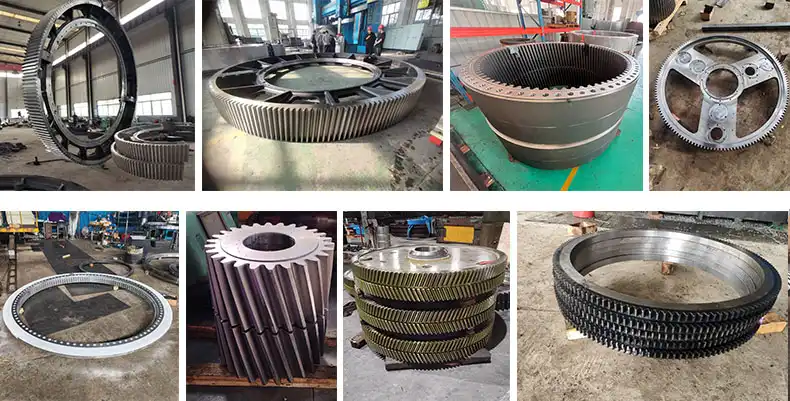
Luoyang Heng Guan Bearing Technology Co., Ltd. manufactures custom gear rings from φ200 mm to φ8,000 mm with module ranges from M1 to M60+, allowing materials to be matched to actual operating conditions rather than inventory limitations.
|
|
Need Help Selecting the Right Material?
Choosing between 42CrMo, 20CrMnTi, 34CrNiMo6, or a custom alloy depends on factors such as load, speed, operating temperature, and wear conditions.
If you're unsure which material is best for your application, contact our engineering team at mia@hgb-bearing.com. We can provide material recommendations and manufacturing guidance based on your operating requirements, even during the early design stage.
How Heat Treatment Improves Gear Ring Performance
Selecting the right material is only part of the process. Heat treatment determines how effectively that material performs in service.
Carburizing
Carburizing creates a hard outer layer while maintaining a tough core. It is commonly used for 20CrMnTi and 42CrMo gear rings operating in abrasive environments.
Nitriding
Nitriding provides excellent surface hardness with minimal distortion, making it suitable for precision gear applications where dimensional stability is critical.
Induction Hardening
For large-diameter gear rings, induction hardening allows tooth surfaces to be hardened without heat treating the entire component.
Quenching and Tempering
This process improves overall strength and impact resistance and is widely used for heavy-duty industrial gear rings. After heat treatment, gear teeth are typically finish-machined or ground to restore dimensional accuracy and ensure smooth meshing performance.
|
|
Matching Materials to Operating Conditions
The best material is always the one that matches the application's real operating environment.
| Application Environment | Primary Stress Type | Recommended Material | Heat Treatment |
|---|---|---|---|
| Ball Mills & Crushers | Abrasive wear, heavy load | 20CrMnTi | Carburizing |
| Rotary Kilns | Thermal and radial loading | 42CrMo | Quench & Temper |
| Excavators & Tunneling Machines | Shock loading, high torque | 34CrNiMo6 | Quench & Temper |
| Medical Equipment | Low noise, precision rotation | 40Cr / 42CrMo | Nitriding |
| Stackers & Reclaimers | Positioning accuracy | 42CrMo | Induction Hardening |
At Luoyang Heng Guan, material selection is based on application requirements rather than standard catalog specifications.
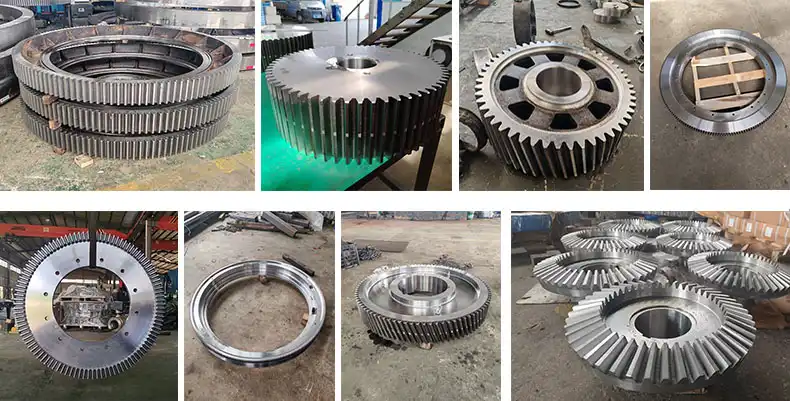
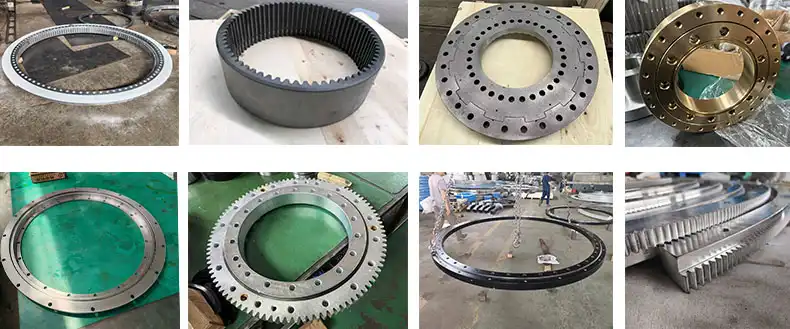
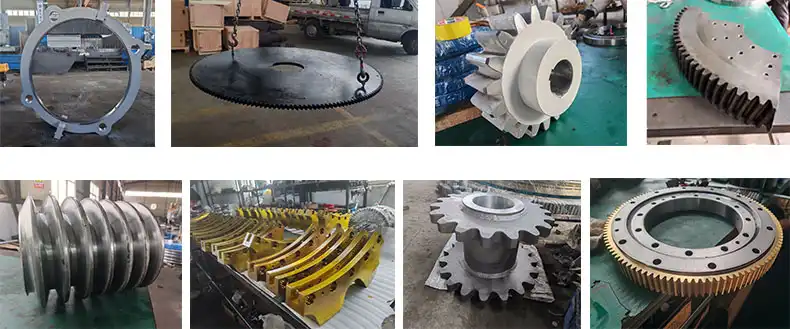
In addition to standard involute gears, the company can manufacture circular arc and cycloidal tooth profiles, segmented gear rings, and customized mounting interfaces. Bolt holes, flange features, and special connection structures can also be integrated during production, reducing secondary machining at the customer's facility.
Why Choose Luoyang Heng Guan Bearing Technology?
Over 30 Years of Industry Experience
Extensive expertise in designing and manufacturing large custom gear rings for heavy industrial applications.
Wide Manufacturing Range
Outer Diameter: φ200 mm – φ8,000 mm
Module Range: M1 – M60+
Segmented and one-piece designs available
Full Customization Capability
Manufacturing based on:
Customer drawings
Samples
OEM requirements
Special material specifications
Strict Quality Control
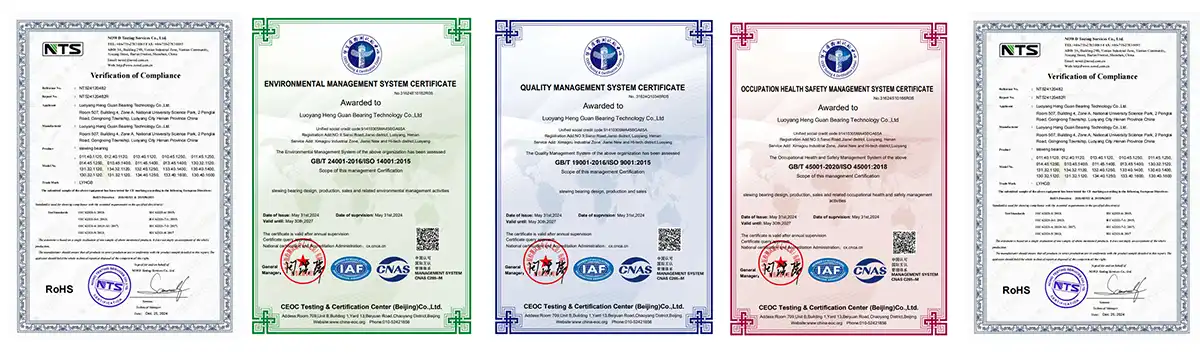
ISO 9001 Certified
Full production traceability
Material certifications available
Comprehensive inspection reports
Engineering Support
From material selection and tooth profile optimization to final production, experienced engineers support every stage of the project.
Conclusion
Material selection is one of the most important factors in custom gear ring production. The right combination of alloy, heat treatment, and gear geometry can significantly improve wear resistance, fatigue life, and overall equipment reliability. With more than 30 years of manufacturing experience, Luoyang Heng Guan Bearing Technology Co., Ltd. provides custom gear ring solutions designed around the actual demands of your application, not standard catalog limitations.
FAQ
Q1: What material is commonly used for mining gear rings?
20CrMnTi with carburizing is widely used for crushers, ball mills, and other abrasive applications.
Q2: Can custom materials be supplied?
Yes. Materials beyond 45#, 42CrMo, 20CrMnTi, 40Cr, and 34CrNiMo6 can be sourced upon request.
Q3: What heat treatment options are available?
Carburizing, nitriding, induction hardening, quenching, and tempering are all available depending on application requirements.
Q4: What is the maximum gear ring diameter you can manufacture?
Luoyang Heng Guan can produce custom gear rings up to φ8,000 mm in diameter.
Tell Us Your Application — Get a Material Recommendation
Every gear ring operates under different conditions. Sharing your load requirements, operating environment, and dimensional specifications allows our engineers to recommend the most suitable material and manufacturing process.
Email: mia@hgb-bearing.com
Send us your drawings or project details today and receive a customized gear ring solution designed for your application.
References
1. Dudley, D. W. (1984). Handbook of Practical Gear Design. McGraw-Hill.
2. Davis, J. R. (Ed.). (2005). Gear Materials, Properties, and Manufacture. ASM International.
3. Townsend, D. P. (Ed.). (1991). Dudley's Gear Handbook (2nd ed.). McGraw-Hill.
4. ASM International. (1991). ASM Handbook, Volume 4: Heat Treating. ASM International.
5. Niemann, G., & Winter, H. (1983). Maschinenelemente, Band 2: Getriebe. Springer-Verlag.
6. Shigley, J. E., & Mischke, C. R. (2001). Mechanical Engineering Design (6th ed.). McGraw-Hill.

WHAT OUR CUSTOMERS SAY
Here is the customer's evaluation of us