



What Are the Key Benefits of Using CT Bearings in Industry?
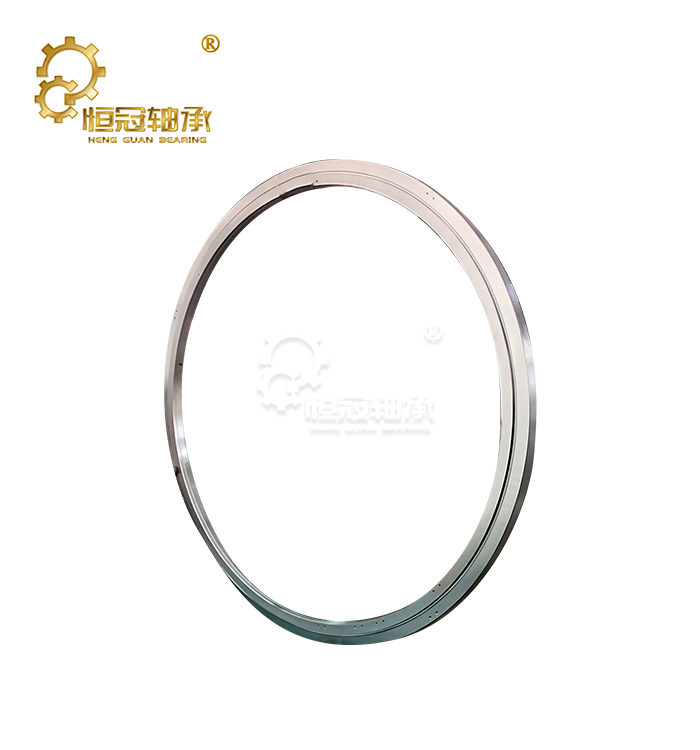
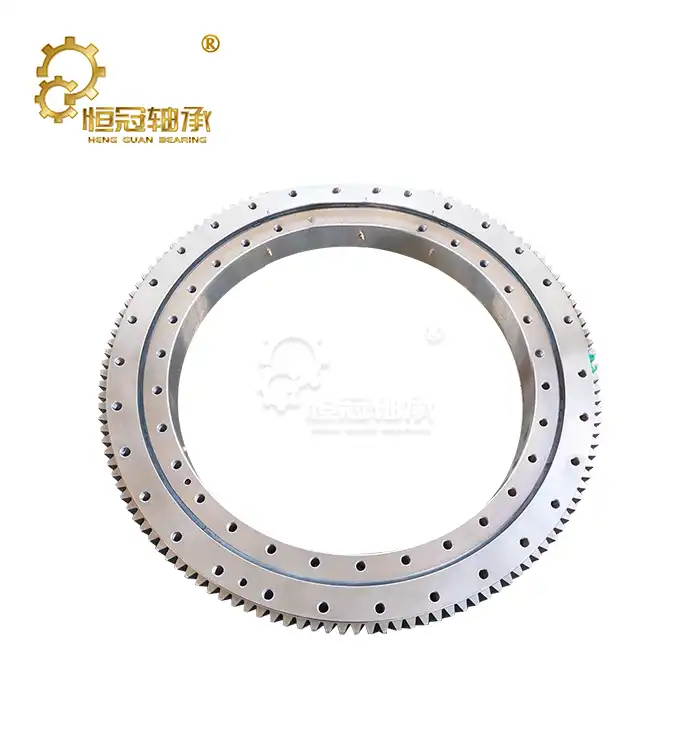
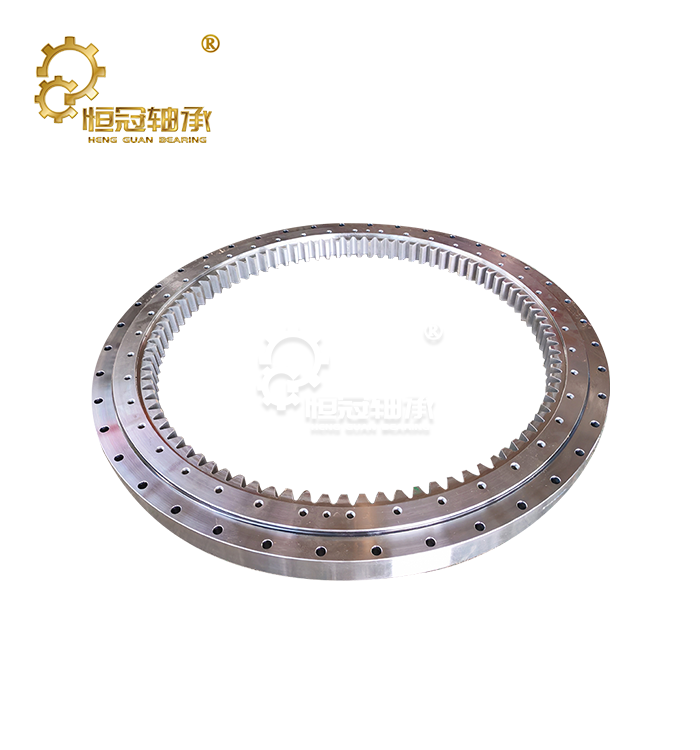
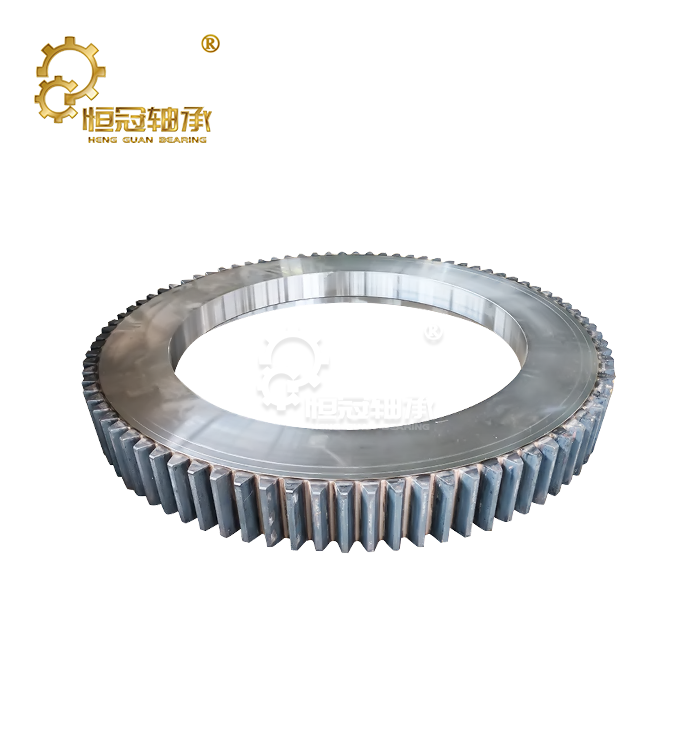
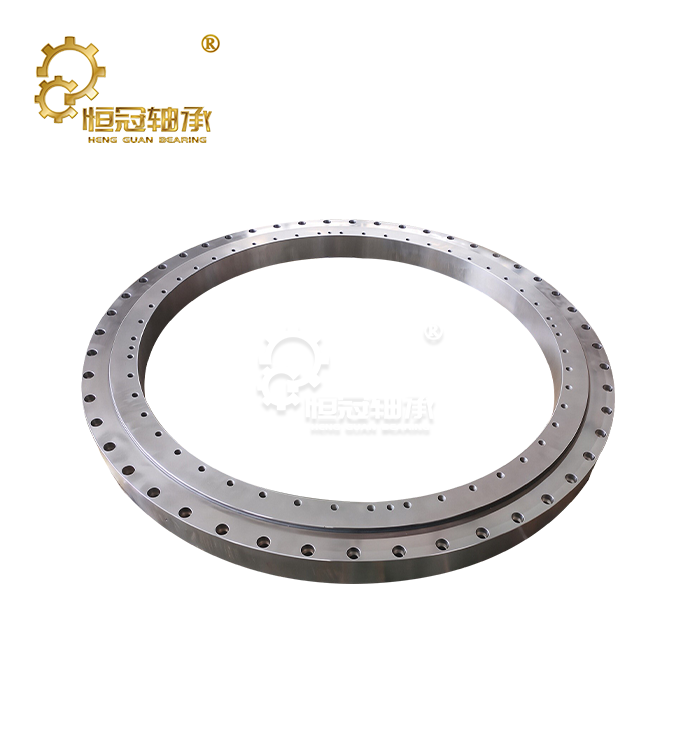
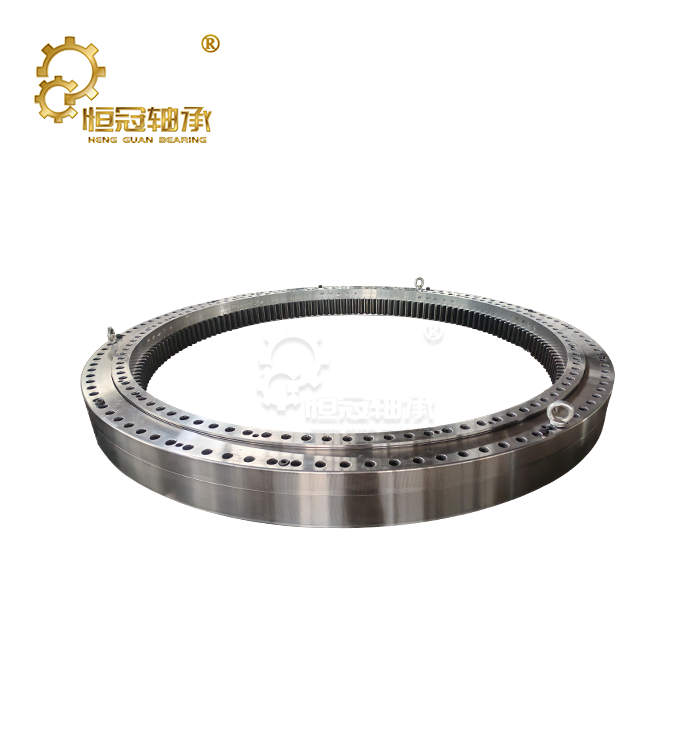
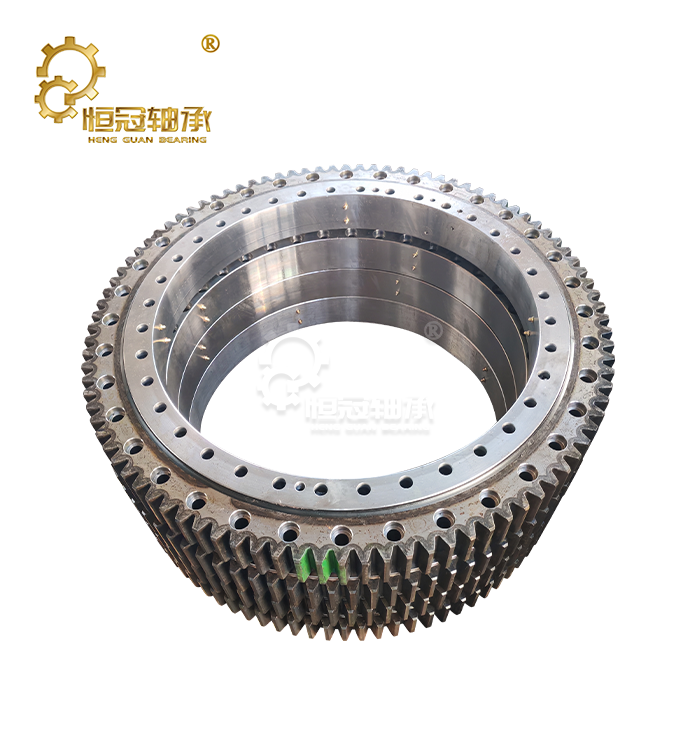
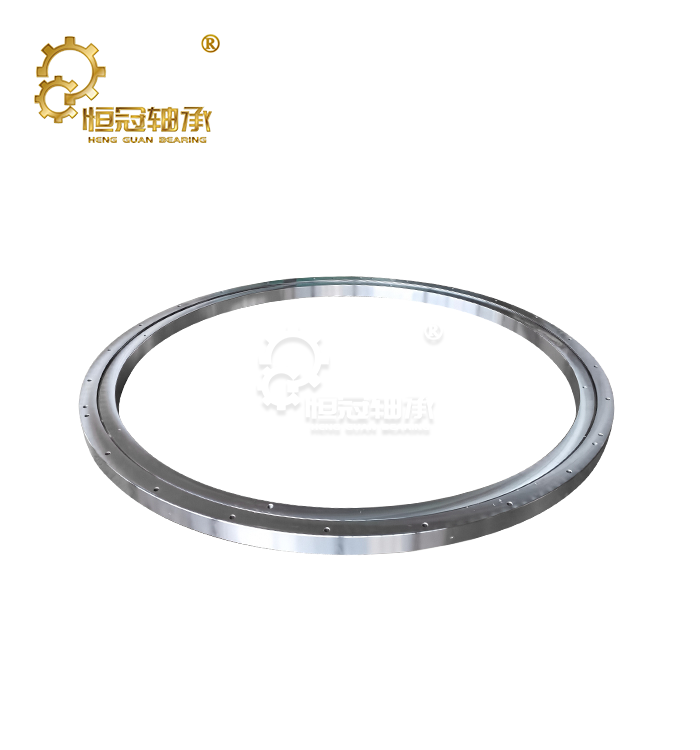
How can medical imaging systems and semiconductor precision equipment maintain ultra-stable, vibration-free rotation while operating under continuous high-speed loads and strict accuracy requirements? Among all supporting components, CT Bearings play a critical role in enabling smooth, stable, and highly precise rotation under continuous operational loads. In Luoyang Heng Guan Bearing Technology Co., Ltd., CT Bearings are engineered as high-precision four-point contact ball slewing bearings designed for CT scanners, optical instruments, semiconductor platforms, and other advanced rotating systems where motion stability is absolutely critical. This article breaks down the engineering structure, material system, performance advantages, and real-world applications of CT Bearings in precision equipment systems.
CT Bearings: Key Advantages in High-Load and High-Speed Environments
CT Bearings are specifically designed to operate under a unique combination of high rotational speed, continuous duty cycles, and strict positional accuracy requirements.
In CT scanner systems, the bearing must support:
- X-ray tube assembly weight
- Detector structure load
- Continuous high-speed rotation during imaging cycles
- Strict runout and vibration control requirements
Even microscopic vibration or eccentricity can degrade image reconstruction quality.
Why the Four-Point Contact Design Matters
The core structural advantage of CT Bearings is the four-point contact ball architecture, which allows a single compact bearing to simultaneously handle:
- Axial loads (both directions)
- Radial loads
- Tilting moments
This eliminates the need for multi-bearing assemblies and improves system compactness and reliability.
Material System for High Precision and Durability
Heng Guan Bearing uses carefully selected materials:
- Ring materials: 50Mn / 42CrMo alloy steel
- Rolling elements: GCr15 high-precision bearing steel balls
- Seals: Oil-resistant NBR rubber
These materials ensure:
- High hardness and fatigue resistance
- Dimensional stability under cyclic loading
- Long-term rotational consistency
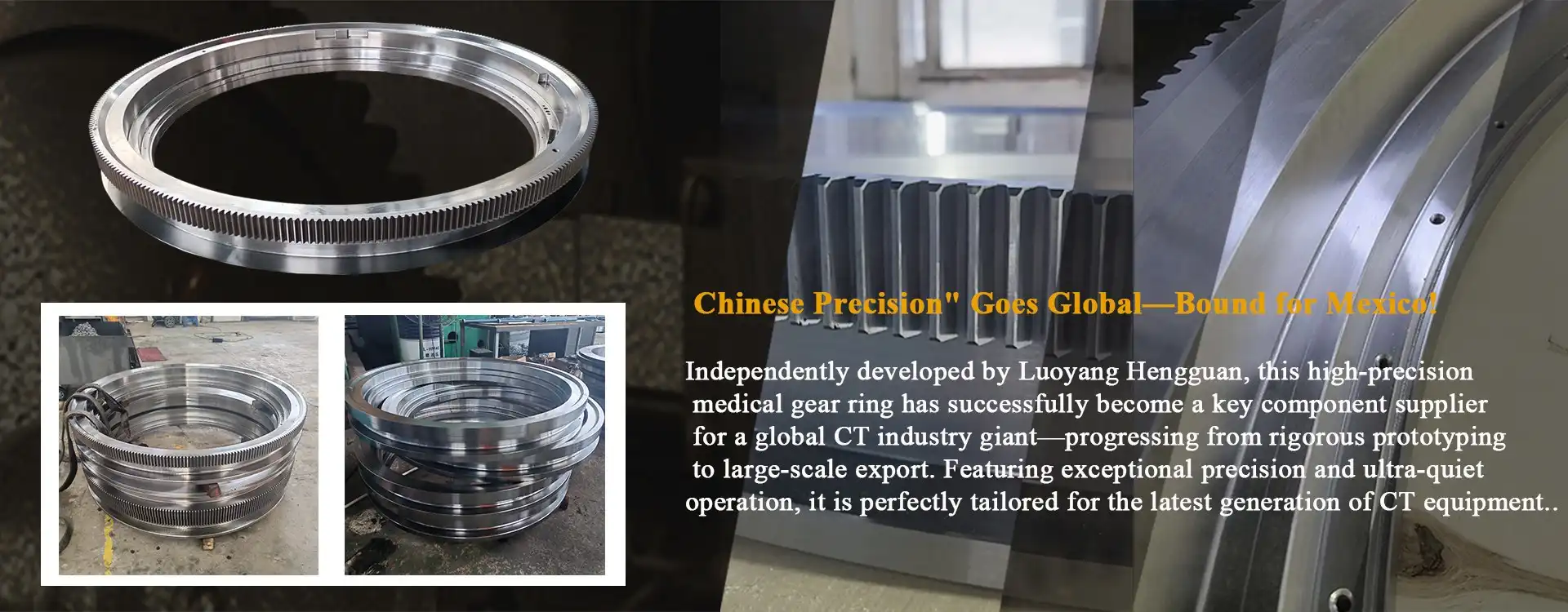
CT Bearing Standard Specifications
| Parameter | Specification |
|---|---|
| Outer Ring Diameter | 350 – 2000 mm |
| Inner Ring Diameter | 300 – 1850 mm |
| Height | 20 – 80 mm |
| Ring Material | 50Mn / 42CrMo alloy steel |
| Rolling Elements | GCr15 precision steel balls |
| Seal Material | NBR (oil-resistant rubber) |
| Structure Type | Four-point contact ball slewing bearing |
These parameters allow CT Bearings to be integrated into a wide range of imaging and precision equipment platforms, including CT scanners, semiconductor stages, and optical inspection systems.
Why Are CT Bearings Widely Used in Heavy Machinery and Precision Systems?
The widespread adoption of CT Bearings is driven by one key engineering requirement: High-precision rotation under continuous load in compact assemblies.
Medical Imaging Applications
In CT scanning systems, rotational precision directly impacts:
- Image resolution
- Reconstruction accuracy
- Diagnostic reliability
Any deviation in rotation path introduces artifacts that compromise clinical interpretation.
Semiconductor and Optical Systems
In semiconductor manufacturing equipment, CT Bearings support:
- Wafer inspection stages
- Lithography alignment systems
- High-precision optical platforms
These systems require nanometer-level repeatability and extremely stable rotational motion.
Expanded Application Flexibility
Beyond standard CT systems, Heng Guan Bearing Technology Co., Ltd. also provides:
- Non-magnetic stainless steel variants for MRI equipment
- Custom structural adaptations for specialized industrial platforms
For technical consultation or customized engineering support, contact: mia@hgb-bearing.com
How Do CT Bearings Improve Equipment Efficiency and Reduce Maintenance Costs?
One of the most significant advantages of CT Bearings is their ability to reduce downtime and long-term maintenance costs.
In medical environments, equipment downtime can disrupt diagnostic workflows. In industrial environments, it can halt production entirely.
Engineering Factors That Improve Efficiency
Heng Guan CT Bearings improve lifecycle performance through:
- Advanced heat treatment of 50Mn / 42CrMo steel
- Precision-ground raceways for reduced vibration
- High-hardness GCr15 rolling elements for wear resistance
- NBR sealing system for contamination protection
Performance Comparison Table
| Performance Factor | Standard Bearing | Heng Guan CT Bearing |
|---|---|---|
| Material Grade | Basic carbon steel | 50Mn / 42CrMo alloy steel |
| Rolling Elements | Standard steel balls | High-precision GCr15 |
| Sealing System | Basic rubber seal | NBR oil-resistant seal |
| Vibration Control | Moderate | Low vibration, precision ground |
| Service Life | Standard | Extended lifecycle |
| Maintenance Interval | Short | Long, reduced downtime |
These improvements translate directly into lower operational costs and higher system availability.
CT Bearings Performance Features: Durability, Load Capacity, and Operational Stability
CT Bearings are defined by three core engineering pillars:
Durability
Durability is achieved through:
- Alloy steel ring structures
- High-hardness rolling elements
- Heat-treated raceway surfaces
This ensures resistance to millions of load cycles in continuous operation environments such as hospital CT departments.
Load Capacity
The four-point contact structure enables simultaneous handling of:
- Axial loads (dual direction)
- Radial loads
- Overturning moments
This makes CT Bearings ideal for compact gantry systems where space optimization is essential.
Operational Stability
Operational stability is achieved through:
- CNC precision machining
- Tight dimensional tolerances
- High-quality surface finishing
- Sealed lubrication environment
These processes are carried out under ISO 9001-certified manufacturing standards at Heng Guan Bearing Technology Co., Ltd.
The result is:
- Minimal vibration
- Stable rotational accuracy
- Long-term reliability under continuous use
Conclusion
CT Bearings are essential components in modern precision equipment, delivering the combination of high rotational accuracy, strong load capacity, and long service life required by medical imaging and industrial systems. Through advanced engineering design, material optimization, and precision manufacturing, Heng Guan Bearing Technology Co., Ltd. provides CT Bearing solutions that ensure stable performance in the most demanding environments. For industries where precision cannot fail, CT Bearings are not just components—they are a core reliability foundation.
|
|
FAQ
Q1: What is the size range of CT Bearings?
Outer diameter ranges from 350 mm to 2000 mm, with height from 20 mm to 80 mm.
Q2: What materials are used?
Rings use 50Mn or 42CrMo, rolling elements use GCr15 steel, and seals are NBR rubber.
Q3: Can CT Bearings be used in MRI systems?
Yes, non-magnetic stainless steel variants are available for MRI compatibility.
Q4: How do CT Bearings reduce maintenance costs?
Through improved sealing, heat treatment, and precision grinding that extend service life and reduce vibration.
Q5: Are CT Bearings used outside medical equipment?
Yes, they are widely used in semiconductor manufacturing, optical instruments, and precision automation systems.
Upgrade Your Equipment with High-Precision CT Bearings
If your equipment requires ultra-precise rotation, low vibration control, and long-term operational stability, selecting the right CT Bearing is essential to ensuring consistent performance and minimizing system failure risks.
Luoyang Heng Guan Bearing Technology Co., Ltd. provides full engineering support, including structural design consultation, load analysis, precision grade selection, material optimization, and customized CT Bearing solutions based on technical drawings and application conditions. Our CT Bearings are widely used in CT imaging systems, semiconductor manufacturing equipment, optical inspection platforms, medical diagnostic devices, and precision automation systems—where rotational accuracy directly impacts system performance.
To improve system stability and extend equipment life, choose engineered CT Bearing solutions designed for high-precision environments. For technical consultation, drawing review, or quotation requests, contact our engineering team: mia@hgb-bearing.com
References
1. Harris, T. A., & Kotzalas, M. N. (2007). Rolling Bearing Analysis: Essential Concepts of Bearing Technology (5th ed.). CRC Press.
2. ISO 76:2006 — Rolling Bearings: Static Load Ratings. International Organization for Standardization.
3. Kalender, W. A. (2011). Computed Tomography: Fundamentals, System Technology, Image Quality, Applications (3rd ed.). Publicis Publishing.
4. Brändlein, J., Eschmann, P., Hasbargen, L., & Weigand, K. (1999). Ball and Roller Bearings: Theory, Design, and Application (3rd ed.). Wiley.
5. ISO 281:2007 — Rolling Bearings: Dynamic Load Ratings and Rating Life. International Organization for Standardization.
6. Shigley, J. E., & Mischke, C. R. (2004). Mechanical Engineering Design (7th ed.). McGraw-Hill.

WHAT OUR CUSTOMERS SAY
Here is the customer's evaluation of us