




Slewing Ring Bearing vs Turntable Bearing: What’s the Difference?
An awful lot of engineers and Slewing ring bearing procurement workers get slewing ring bearings and turntable bearings mixed up when they need rotational bearings for heavy-duty industrial uses. In the business, these terms are often used interchangeably, but it's important to know the differences between them in order to choose the right equipment. A slewing ring bearing is a special kind of large-diameter rotational bearing that can handle heavy axial loads, radial loads, and tilting moments all at the same time. They usually have a built-in structure with fixing holes and gears that can be inside or outside the bearing. The difference between these types of bearings has a direct effect on how well they work, how much they cost, and how reliable they are in key machinery uses in the mining, construction, wind power, and automation industries.

What Are Slewing Ring Bearings and Turntable Bearings?
Understanding the fundamental differences between these bearing technologies requires examining their unique design philosophies and operational characteristics. Each type serves specific industrial needs, and recognizing their individual strengths helps optimize equipment performance and longevity.
Understanding Slewing Ring Bearings: Definition and Core Characteristics
Slewing ring bearings are a special kind of large-scale rotational bearing that are made to handle complicated load combinations that would be too much for most bearing systems to handle. These bearings have a special thin-section design compared to their large diameter. Their inner diameter is usually between 200 mm and 8000 mm, but custom solutions can go up to 10 meters in diameter. Their technical definition includes their ability to support axial forces, radial forces, and overturning moments all at the same time in a single compact unit. This ability to handle loads in more than one way gets rid of the need for complicated multi-bearing assemblies, which makes the equipment much shorter and lighter overall. Key structural parts include precisely machined inner and outer rings made from high-strength 50Mn or 42CrMo alloy steel forgings, high-purity GCr15 bearing steel rolling elements, and oil-resistant NBR nitrile rubber seals made for harsh working conditions. Different structural configurations can handle different loads. Single-row four-point contact ball configurations can handle lighter loads, while three-row roller configurations can handle the toughest heavy-duty tasks. These bearings are different from other rotational parts because they have mounting holes built in and alternative gear systems that can be installed internally or externally. They are necessary structural joints between bases that stay still and superstructures that rotate.
Turntable Bearing Fundamentals: Structure and Function
Turntable bearings work in a way that is similar to how ball bearings do, but they focus more on accuracy and smooth operation than on raw load capacity. Most of the time, these bearings have smaller diameters and are designed for situations where precise positioning and consistent rotational performance are more important than handling huge structural loads. Their basic function is to provide smooth, controlled rotation for machinery where positioning accuracy is very important. Lighter-duty track designs that are optimised for speed and accuracy rather than maximum load capacity are often used in construction. Reduced friction, better sealing, and precise tolerances are often top priorities in the design specifications to meet the needs of automation and material handling. Load distribution characteristics are very different from slewing ring bearings; turntable bearings are made for more balanced load conditions rather than the extreme moment loads that are common in heavy machinery applications. Rotational features stress precise speed control and positioning, making them perfect for uses where repeatability and accuracy are more important than raw load-carrying capacity.
Common Terminology Confusion in the Industry
Regional differences in names cause a lot of confusion in global markets. For example, European manufacturers often use different words than their Asian or American peers. Some areas use "slewing bearings" to refer to all large rotational bearings, while others only use this term for heavy-duty industrial uses. Differences in terminology used by manufacturers and suppliers make things even more confusing, as some companies sell the same products under both names to get more search traffic and questions. This way of marketing makes sense from a business point of view, but it makes it hard for engineers to find exact technical answers. It can have a big effect on the buying and spec processes, leading to misunderstandings, wrong sizes, and poor performance. Talking to suppliers clearly about specific application needs, load conditions, and performance standards can help clear up any confusion about terminology Slewing ring bearing, and make sure the right bearing is chosen.

Key Technical Differences Between Slewing Ring Bearings and Turntable Bearings
The engineering distinctions between these bearing types extend beyond simple naming conventions to encompass fundamental design philosophies and performance characteristics. Understanding these technical differences enables informed decision-making for specific applications.
Design, Architecture, and Construction Variations
The most important structural difference between these bearing types is the way the raceways are configured. Most slewing ring bearings have strong raceway designs that make them better at handling high moment loads and complex force combos. The raceways are carefully made to fit different arrangements of rolling elements while still keeping the structure strong under heavy loads. There are a lot of different arrangements of rolling elements. For example, slewing ring bearings have single-row four-point contact balls for light loads, double-row ball arrangements for better radial capacity, three-row roller designs for maximum load capacity, and cross-roller arrangements for applications that need extreme rigidity. Each arrangement meets different performance and load needs. Roller elements can usually handle more weight, while ball elements make the operation smoother and reduce friction. Different mounting and installation options are available to meet the needs of different applications. For example, slewing ring bearings have built-in mounting hole patterns that allow them to be directly attached to a structure. With these mounting holes, you don't need different bearing housings, and you can make smaller equipment. Most turntable bearings need different mounting hardware and housing systems. This makes installation more difficult but gives you more options.
Load Capacity and Performance Specifications
Comparing load ratings shows big differences in what they can do. For example, slewing ring bearings are made to handle loads that are moderate to very heavy, based on how they are built. Three-row roller slewing bearings can handle loads of more than a few hundred tonnes while still rotating smoothly, making them ideal for the toughest industrial uses. Different types of bearings have very different speed limits and operational factors. Slewing ring bearings usually work at slower rotational speeds but are great for tasks that need exact positioning while under load. The operational parameters put load capacity and durability ahead of high-speed performance. Maximum speeds are usually limited to make sure the bearings last a long time when they're under a lot of load. The precision grades range from P0 to P5, with P4 and P5 being reserved for applications that need extreme accuracy and smooth operation. These precision grades make sure that automation, aircraft, and medical equipment always work at their best, since positioning accuracy has a direct effect on how well it does its job.
Size Ranges and Dimensional Standards
Different types of bearings can be scaled up or down depending on their diameter range. For example, slewing ring bearings can have an outer diameter of 50mm or over 10,000mm. This huge range of sizes can be used for everything from small automation equipment to huge construction equipment and wind turbines. Standard sizes are based on standard industry practices, but custom sizing options can be used for special situations that need non-standard configurations. The fact that bearings with outer diameters of up to 10 meters can be made shows that the engineers can make even the biggest pieces of industrial equipment. As the sizes get bigger, weight becomes more important, and safe operation requires proper structural support and installation procedures. When figuring out how much space is needed, you need to think about both the size of the bearings and the space you need for installation, care, and use.
Application Scenarios: When to Choose Which Type
Selecting the appropriate bearing type requires careful analysis of operational requirements, environmental conditions, and performance expectations. Understanding typical application scenarios helps guide initial bearing selection and narrows the decision-making process.
Slewing Ring Bearing Applications and Use Cases
Heavy machinery and construction equipment represent the primary application domain for slewing ring bearings, where their ability to handle complex load combinations proves invaluable. Excavators, cranes, Slewing ring bearing and drilling equipment rely on these bearings to manage the substantial overturning moments generated during operation while maintaining smooth rotation under varying load conditions. Wind turbines and renewable energy systems showcase another critical application area, with slewing ring bearings enabling precise nacelle positioning and rotor orientation. The bearings must withstand extreme weather conditions, substantial wind loads, and continuous operation while maintaining positioning accuracy essential for optimal energy generation. Marine and offshore equipment applications demand exceptional corrosion resistance and reliability, with slewing ring bearings supporting deck cranes, drilling platforms, and positioning systems. The harsh marine environment requires specialized sealing and material treatments to ensure long-term performance and minimize maintenance requirements.
Turntable Bearing Optimal Applications
Industrial automation and robotics benefit from turntable bearings' precision and smooth operation characteristics. These applications prioritize accurate positioning, repeatable performance, and low friction over maximum load capacity, making turntable bearings ideal for assembly systems, packaging equipment, and precision manufacturing tools. Material handling equipment, including conveyors, sorting systems, and automated storage solutions utilize turntable bearings for their consistent performance and reliability. The bearings enable smooth material flow and precise positioning while maintaining operational efficiency in high-cycle applications. Packaging and processing machinery applications emphasize speed and accuracy, with turntable bearings providing the smooth rotation and precise positioning required for high-speed packaging lines and processing equipment. These applications typically involve moderate loads but demand exceptional operational consistency.
Critical Selection Factors for Your Application
Environmental conditions and operating requirements play a decisive role in bearing selection, with factors such as temperature extremes, contamination exposure, and load cycling patterns influencing performance and longevity. Understanding these conditions helps identify the most suitable bearing type and configuration for specific applications. Maintenance accessibility and service life expectations impact long-term operational costs and equipment availability. Applications with limited maintenance access benefit from bearing designs emphasizing extended service intervals and robust performance, while applications with regular maintenance schedules can accommodate bearing types requiring periodic service. Cost considerations and budget constraints must balance initial investment against long-term value, including maintenance costs, replacement intervals, and operational efficiency. The total cost of ownership often favors higher-quality bearings despite increased initial costs, particularly in critical applications where downtime carries a significant economic impact.

Material Options and Manufacturing Standards
The material selection and manufacturing processes directly influence bearing performance, longevity, and suitability for specific applications. Understanding available options enables optimization for particular operating conditions and performance requirements.
Steel Grades and Heat Treatment Processes
Common materials used in both bearing types include high-strength alloy steels such as 50Mn and 42CrMo for ring components, selected for their exceptional strength-to-weight ratios and fatigue resistance. These materials undergo precise heat treatment processes to achieve optimal hardness and toughness characteristics while maintaining dimensional stability under operational stresses. Surface hardening and coating options extend bearing life and enhance performance in challenging environments. Advanced surface treatments include carburizing, nitriding, and specialized coatings that improve wear resistance, reduce friction, and enhance corrosion protection. These treatments are particularly valuable in applications involving contamination, extreme temperatures, or corrosive atmospheres. Corrosion resistance and environmental protection features become critical in marine, chemical, and outdoor applications where exposure to moisture, chemicals, or aggressive atmospheres threatens bearing integrity. Specialized materials and protective treatments ensure reliable performance throughout the design service life while minimizing maintenance requirements.
Quality Standards and Certifications
International compliance with ISO standards makes sure that quality and efficiency are the same in all markets around the world. The factories follow the ISO 9001 quality management system to the letter, and the goods they make meet international standards for size, functionality, and materials. Certifications and approvals that are specific to an industry give extra peace of mind for important uses in aerospace, medicine, and other safety-sensitive fields. To keep these certificates valid, they usually need a lot of testing, paperwork, and regular quality checks to make sure they meet strict industry standards. Inspection of incoming materials, monitoring of work in progress, and verification of finished products are all part of quality control and testing methods. This is done to make sure that performance and dependability are always the same. Advanced testing options include load testing, vibration analysis, and rapid life testing to make sure the design works as planned and find any problems before they are delivered.
Customization Capabilities and OEM Solutions
Design changes can be made to make something work better for certain uses that need non-standard shapes, special materials, or performance traits that aren't found in other goods. Engineering teams work with customers to come up with one-of-a-kind solutions that are both cost-effective and good at moving things along the production line.OEM buyers can choose between private labelling and branding if they want to keep their brand the same while using our specialised Slewing ring bearing knowledge. Packages, instructions, and professional help are often made to fit the needs of a certain market as part of these partnerships. There's more to technical help and engineering services than just getting things to people. They also come with application analysis, help with installation, and expert support all the time. A lot of experienced engineering teams can help you pick the right bearings, make sure the job works best, and fix any issues that come up so the installation and use go smoothly.
Selection Guide: Making the Right Choice for Your Needs
Developing a systematic approach to bearing selection helps ensure optimal performance while avoiding costly mistakes. The selection process should consider multiple factors and their interactions to identify the most suitable solution.
Performance Requirements Assessment
Load analysis and calculation methods form the foundation of proper bearing selection, requiring a detailed understanding of applied forces, moments, and their variations throughout operational cycles. Engineering analysis should consider maximum loads, typical operating loads, and dynamic factors that influence bearing life and performance. Speed and operational parameter evaluation encompasses rotational speeds, acceleration rates, and positioning accuracy requirements. These parameters influence bearing design selection, lubrication requirements, and expected service life. Applications with high-speed requirements may favor ball bearing configurations, while heavy-load applications benefit from roller bearing designs. Environmental factor considerations include temperature ranges, contamination exposure, vibration levels, and atmospheric conditions that affect bearing performance and longevity. Understanding these factors enables the selection of appropriate materials, seals, and protective features to ensure reliable operation throughout the design life.
Cost-Benefit Analysis Framework
Initial investment versus long-term value analysis should consider not only purchase price but also installation costs, system integration requirements, and operational efficiency impacts. Higher-quality bearings often provide superior long-term value despite increased initial costs through extended service life and reduced maintenance requirements. Maintenance costs and replacement cycles vary significantly between bearing types and applications, with factors such as lubrication requirements, seal replacement intervals, and inspection procedures influencing long-term operational expenses. Understanding these costs helps optimize bearing selection for specific operational and budget constraints. Total cost of ownership calculations should encompass all costs associated with bearing procurement, installation, operation, maintenance, and eventual replacement. This comprehensive analysis often reveals that premium bearing solutions provide superior value through reduced downtime, extended service intervals, and improved operational efficiency.
Supplier Evaluation and Procurement Strategy
Manufacturer capability assessment encompasses technical expertise, production capacity, quality systems, and track record in similar applications. Evaluating supplier capabilities helps ensure successful project execution and ongoing support throughout the bearing service life. Supply chain reliability and delivery schedules become critical in applications with tight project timelines or strategic inventory requirements. Understanding supplier capacity, lead times, and logistics capabilities helps avoid project delays and ensures reliable product availability. Technical support and after-sales service capabilities provide ongoing value through application expertise, troubleshooting assistance, and replacement part availability. Suppliers with strong technical support capabilities, such as Slewing ring bearing, often contribute significantly to successful bearing implementation and long-term operational success.
|
|


Installation and Maintenance Best Practices
Proper installation and maintenance procedures are essential for achieving design performance and service life from any bearing system. Following established best practices helps avoid premature failures and ensures reliable operation.
Proper Installation Procedures
Before installation, steps are taken to make sure that the bearings are in good shape and that the mounting surfaces and other parts that go with them meet the requirements of the standard. The bearings should be checked to make sure they are the right size, have a smooth surface, and are free of any damage before they are put in place. There are different ways to place and torque needs for different types of bearings, so it is important to follow the right steps to get the best performance and avoid damage during installation. As long as you follow the manufacturer's instructions for installing the tools and bolt torque sequences, you can be sure that the bearings are in the right place and that the load is spread out properly. To get the best performance and service life, you need to carefully measure and make changes to the alignment and spacing. Getting the balance right keeps the bearings from having to work too hard and makes sure they run smoothly. With the right gaps, the bearings don't get stuck and wear out too quickly while they're being used.
Maintenance Schedule and Lubrication Requirements
How often you need to do preventative maintenance depends on the conditions of the application, the type of bearing, and the needs of the operation. Regular inspection and service are necessary for effective operation. Setting up regular maintenance plans based on operating hours, load cycles, or time intervals can help keep things running at their best and stop them from breaking down without warning. Different types of lubricants and how to use them depend on the bearing's design and the needs of the application. Using the right lubricant and following the right application steps are essential for getting the recommended life. Understanding the right way to lubricate, how often to re-oil, and any compatibility issues is important for keeping bearings in good shape and making sure they work properly. Performance monitoring and inspection procedures help find problems early, before they become major failures. Monitoring vibration levels, temperature, and lubricant condition on a regular basis can help you figure out how healthy bearings are and make maintenance plans work better.
Troubleshooting Common Issues
Some early warning signs of bearing problems are strange noises, vibrations, temperature rises, and oil contamination. These all point to problems that need to be fixed. By recognising these signs, you can do preventative maintenance and keep small problems from turning into big ones. Failure analysis and root cause identification methods help you figure out why bearing problems happen in the first place and stop them from happening again. Using the right analysis methods can help you find problems like poor lubrication, contamination, misalignment, or overloading that cause things to break down too soon. When thinking about replacement or upgrading, you should compare the current needs of the application to the original specifications to find ways to improve performance or lower costs. When bearings need to be replaced, they may need to be upgraded because of changes in the product or better bearing technology.
Conclusion
Knowing the differences between slewing ring bearings and turntable bearings helps engineers and purchasing workers make smart choices that improve the performance of equipment and lower its costs. Slewing ring bearings are great for heavy-duty tasks that need to hold a lot of weight and last a long time. On the other hand, spinning bearings are great for automation and material handling tasks that need precision and smooth operation. To find the best solution, the selection process should take into account things like the load requirements, the environment, the need for precision, and the long-term operating costs. Installing, maintaining, and choosing the right provider are all very important for getting the design performance and longest service life from bearings in tough industrial settings.

FAQ
1. Are slewing ring bearings and turntable bearings the same thing?
While these terms are often used interchangeably in the industry, there are distinct differences in their design architecture and typical applications. Slewing ring bearings generally refer to larger, heavy-duty bearings used in construction and industrial machinery, capable of handling complex load combinations, including high moment loads. Turntable bearings often describe smaller, precision bearings used in automation and material handling equipment where accuracy and smooth operation are prioritized over maximum load capacity.
2. How do I determine the correct bearing type for my specific application?
The selection depends on several critical factors, including load requirements (axial, radial, and moment loads), operating speed, environmental conditions, space constraints, and precision requirements. We recommend conducting a thorough application analysis that considers maximum and typical loads, speed requirements, environmental factors, and maintenance accessibility. Our engineering team can provide personalized recommendations based on your specific application parameters and performance objectives.
3. What are the typical lead times for custom slewing ring bearings versus standard turntable bearings?
Standard turntable bearings typically have shorter lead times of 2-4 weeks due to common sizing and specifications that allow for inventory stocking. Custom slewing ring bearings may require 6-12 weeks, depending on complexity, size, and customization requirements such as special materials or non-standard configurations. We maintain strategic inventory for popular sizes and can often expedite delivery for urgent applications through our global distribution network.
4. Can these bearings be retrofitted into existing equipment?
Retrofitting is possible in many cases but requires careful dimensional analysis and compatibility assessment to ensure proper fit and performance. Our technical team can evaluate your existing equipment specifications and recommend suitable bearing solutions that meet or exceed original specifications. The retrofit process often provides opportunities to upgrade performance through improved bearing technology while maintaining compatibility with existing mounting interfaces and system requirements.
Partner with Heng Guan for Your Slewing Ring Bearing Solutions
Choosing the right bearing manufacturer is as critical as selecting the proper bearing type for your application. Heng Guan combines over 20 years of specialized experience with advanced manufacturing capabilities to deliver precision slewing ring bearing solutions that exceed industry standards. Our comprehensive product range spans diameters from 50mm to 10,000mm with precision grades P0 through P5, ensuring optimal solutions for construction, wind power, mining, Slewing ring bearing, and automation applications. Contact our engineering team at mia@hgb-bearing.com for expert consultation, custom design services, and competitive pricing from a trusted slewing ring bearing manufacturer serving clients across 50+ countries worldwide.
References
1. "Industrial Bearing Design and Application Handbook" by Rolling Element Bearing Institute, 3rd Edition, 2023.
2. "Slewing Ring Bearing Engineering Standards and Performance Analysis" by International Bearing Technology Association, 2024.
3. "Heavy Machinery Rotational Bearing Systems: Design Principles and Applications" by Mechanical Engineering Research Foundation, 2023.
4. "Wind Turbine Bearing Technology and Performance Optimization" by Renewable Energy Engineering Society, 2024.
5. "Large Diameter Bearing Manufacturing Standards and Quality Control" by Precision Bearing Manufacturing Association, 2023.
6. "Industrial Automation Bearing Selection and Application Guidelines" by Automation Engineering Institute, 2024.

WHAT OUR CUSTOMERS SAY
Here is the customer's evaluation of us
YOU MAY LIKE
 VIEW MOREExternal Gear Ring
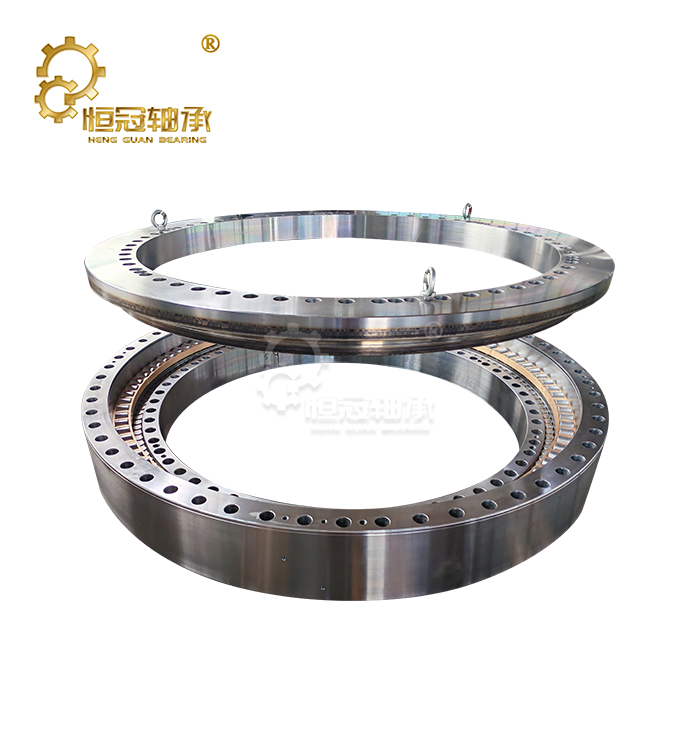 VIEW MOREThree-Row Cylindrical Roller Slewing Bearing
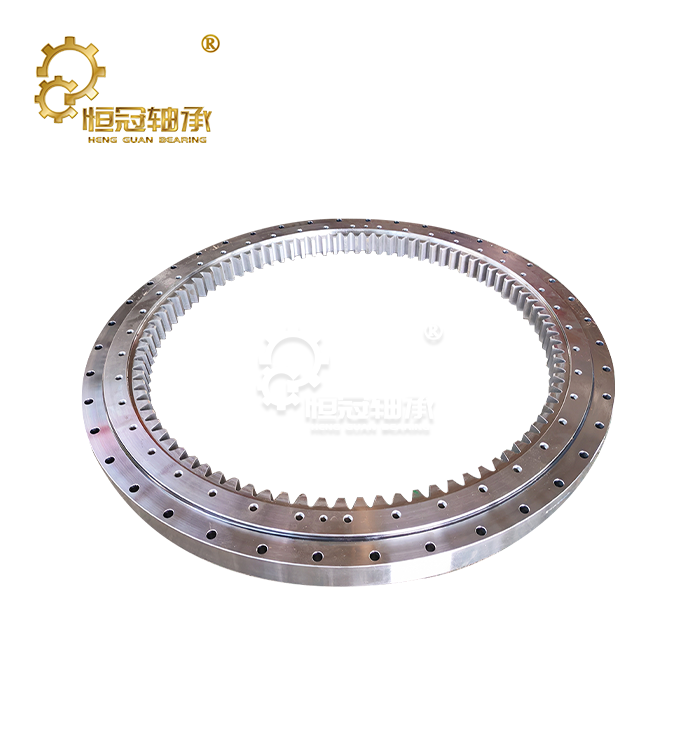 VIEW MORESlewing Ring Gear
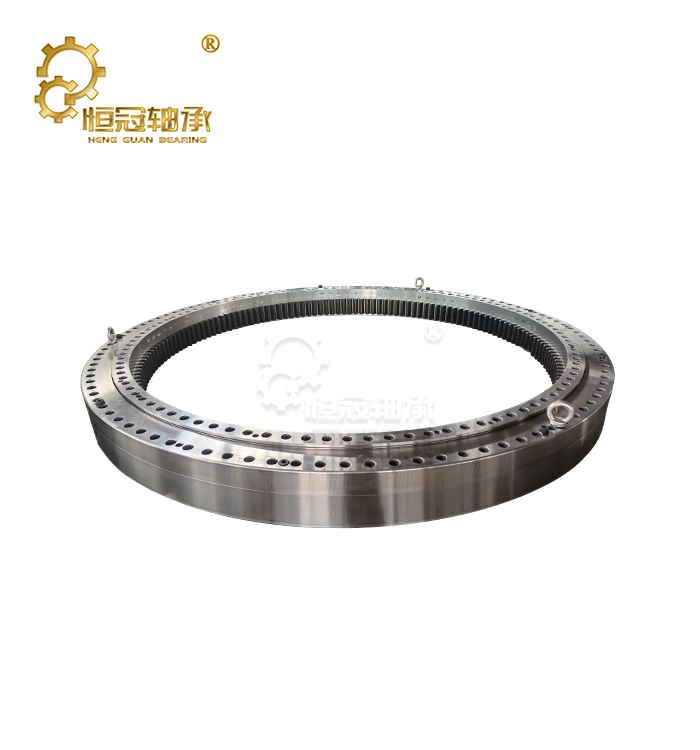 VIEW MORESlewing Bearing For Marine Crane
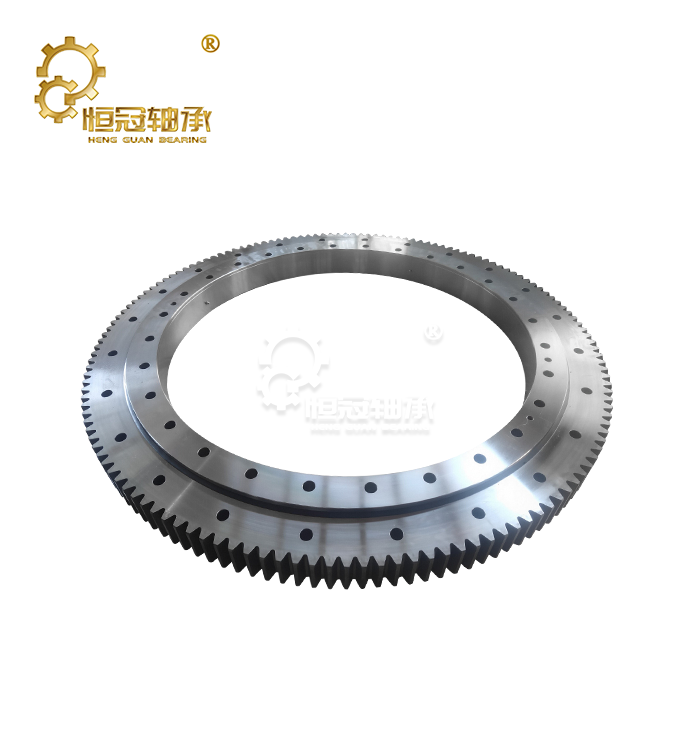 VIEW MOREMining Crane Slewing Ring
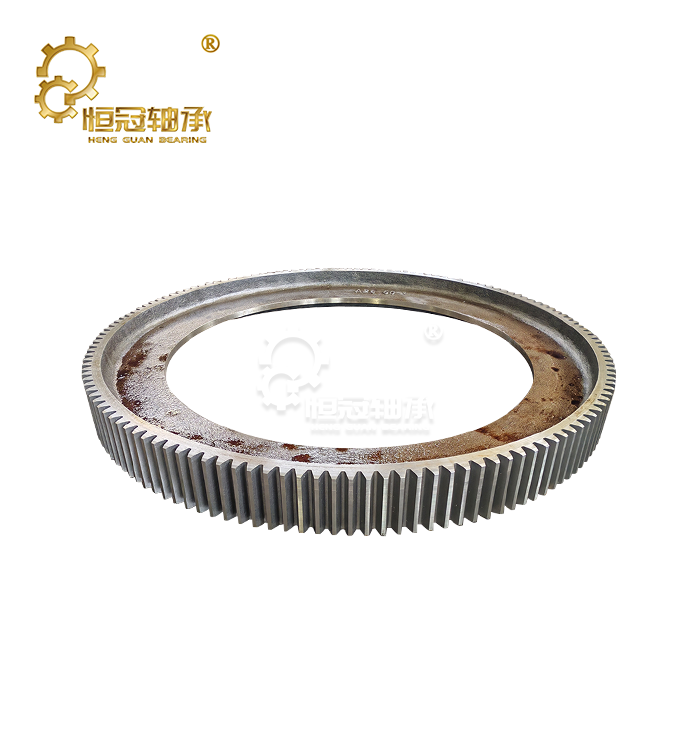 VIEW MORElarge gear rings for mining
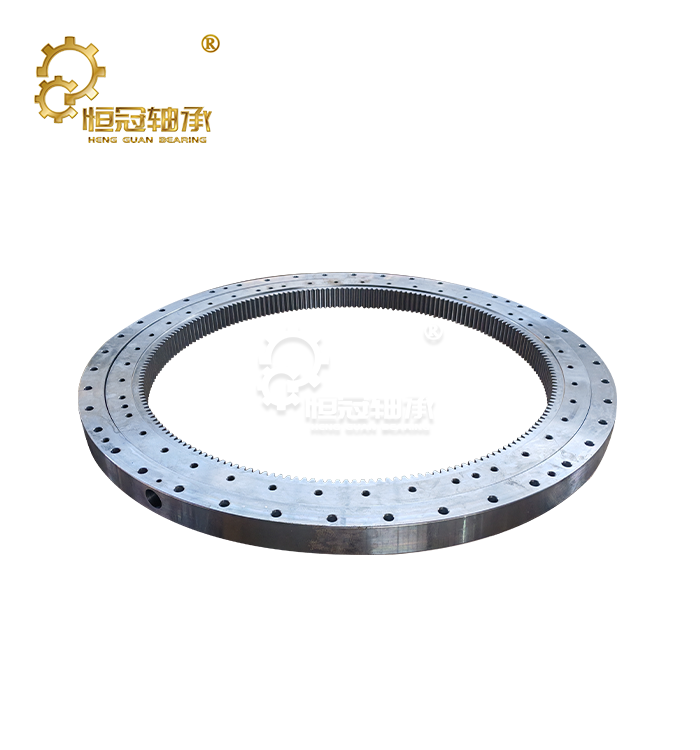 VIEW MOREInternal Gear Rotary Slewing Bearing
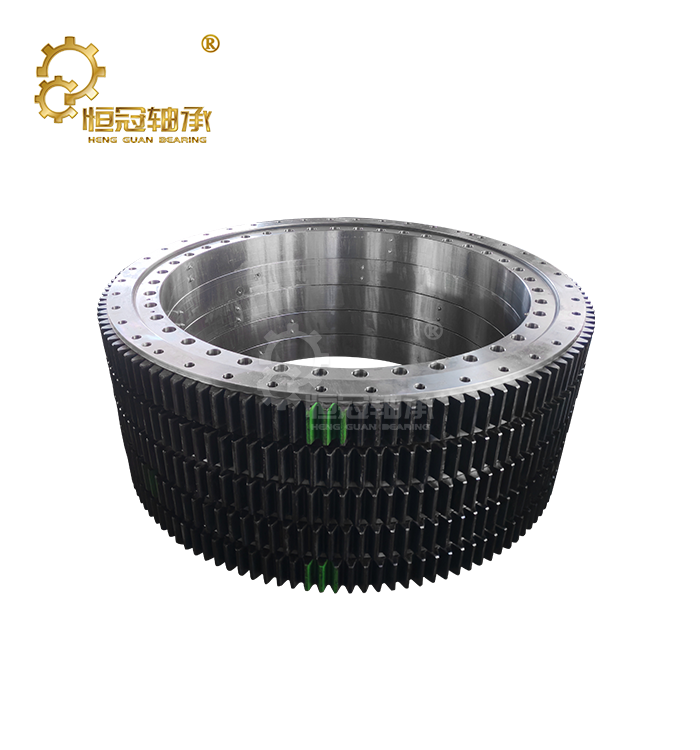 VIEW MOREUncoiling Machine Slewing Ring