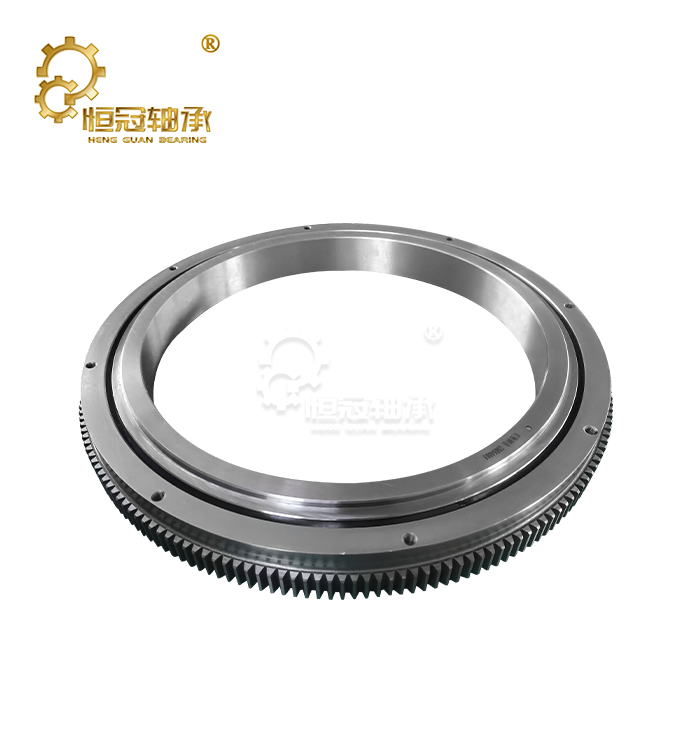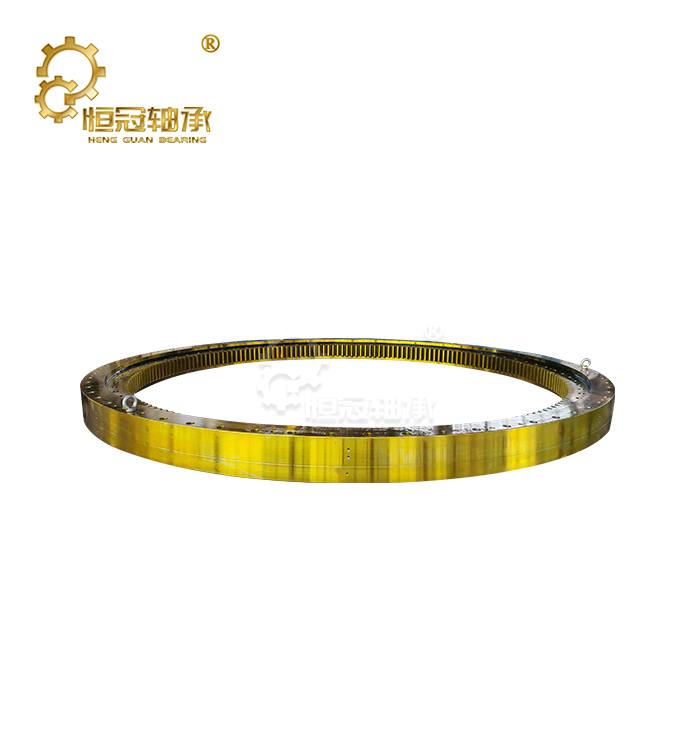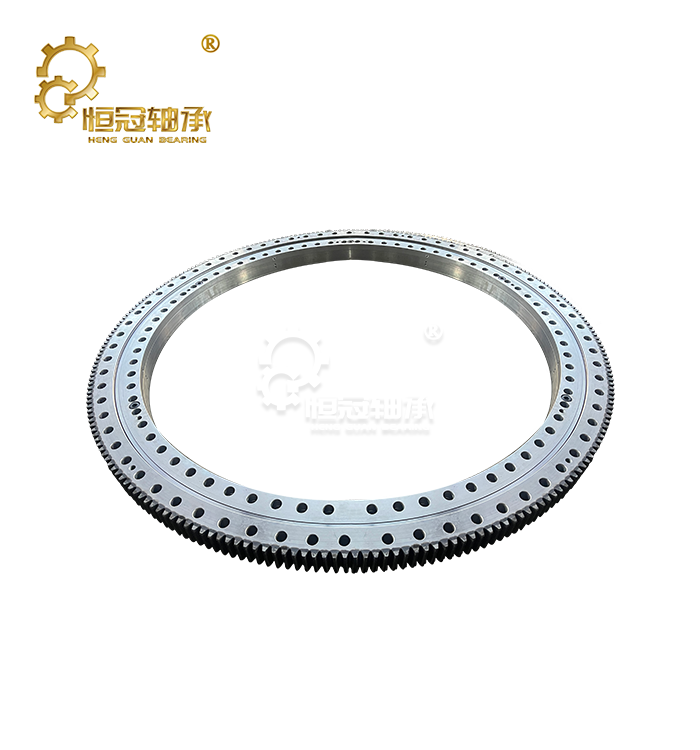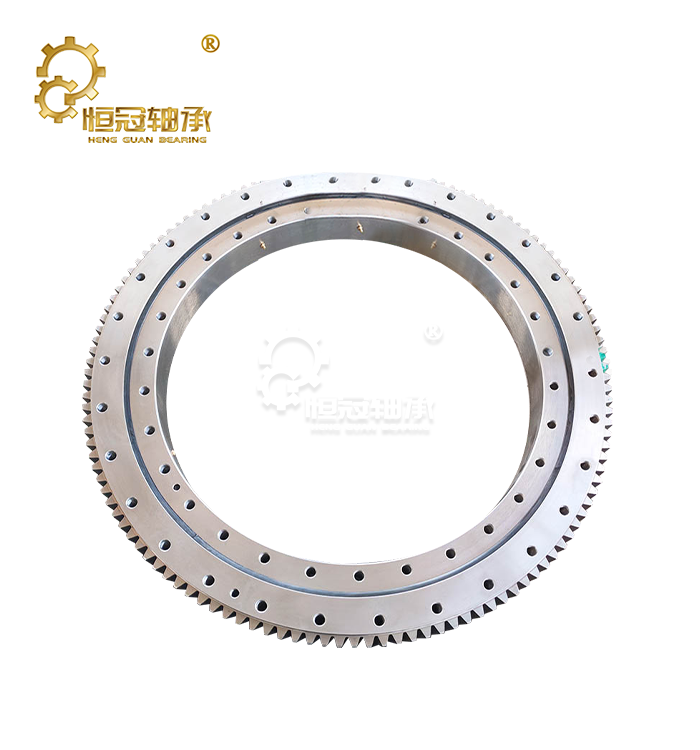




Manufacturer of Slewing Rings & Drives
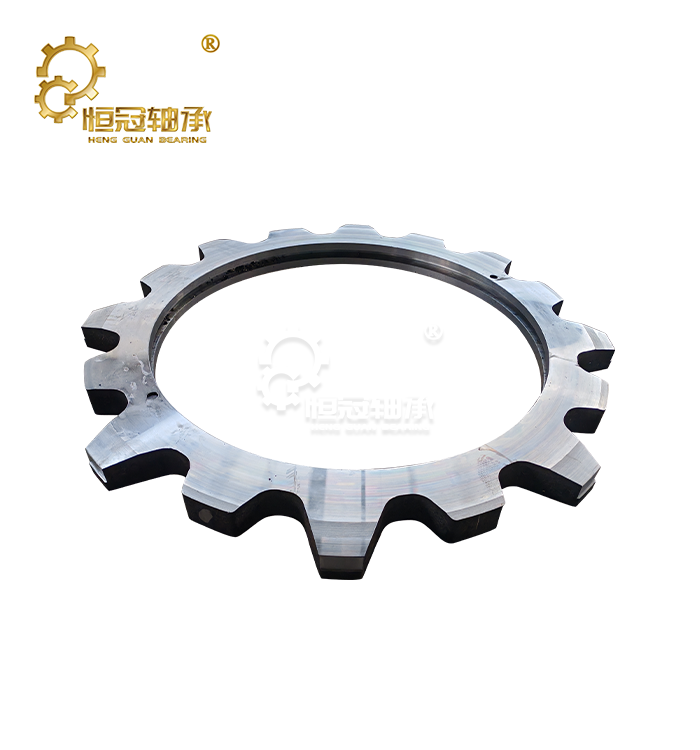
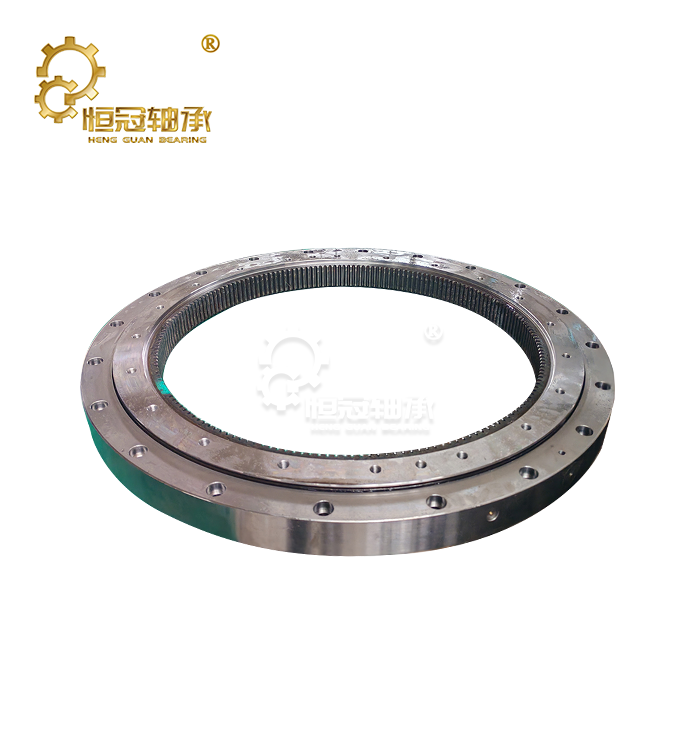
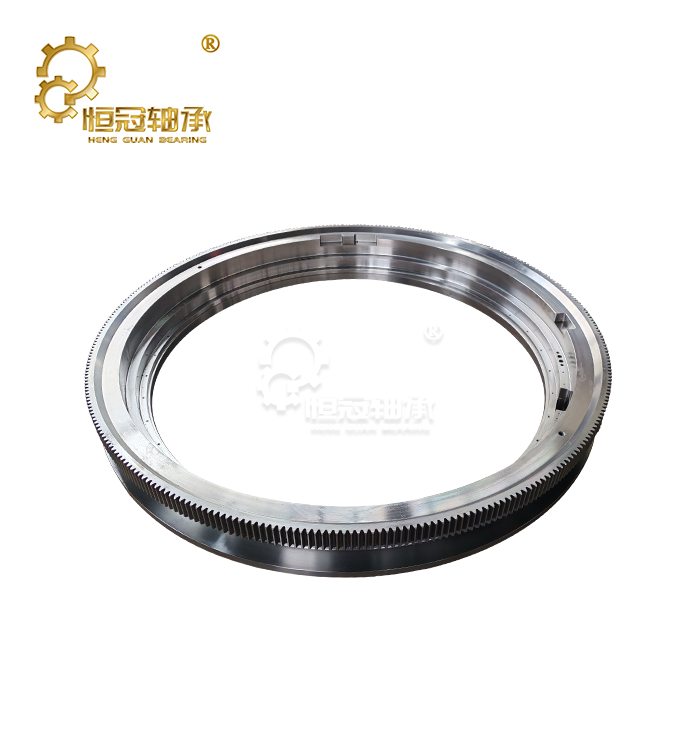
When buying important rotating parts for heavy machinery, picking the right maker of slewing rings and drives decides not only how well the equipment works but also how well the business does overall. A slewing ring bearing is the rotating backbone of cranes, wind turbines, medical imaging systems, and mining equipment. It can handle axial, radial, Slewing Ring, and moment loads all at the same time. In today's tough business world, procurement managers and engineers have to make a tough choice: how to balance precise engineering with cost-effectiveness while making sure supply chains are reliable. The difference between a high-quality bearing maker and a mediocre one is not in the brochures, but in how long the equipment lasts, how often it needs repair, and how much it is used. As we walk you through technical specifications, frameworks for evaluating manufacturers, and procurement strategies, you'll learn how to find partners who can provide customized bearing solutions that meet the exact needs of your application while also offering competitive pricing and quick technical support.
Understanding Slewing Rings and Drives: Types, Functions, and Design Features
When made for heavy-duty uses, rotational bearings are complex technical solutions that make motion smooth even in the worst circumstances. Getting the right parts is easier for buying teams when they know what their basic features are.
Working Principles and Bearing Type Classifications
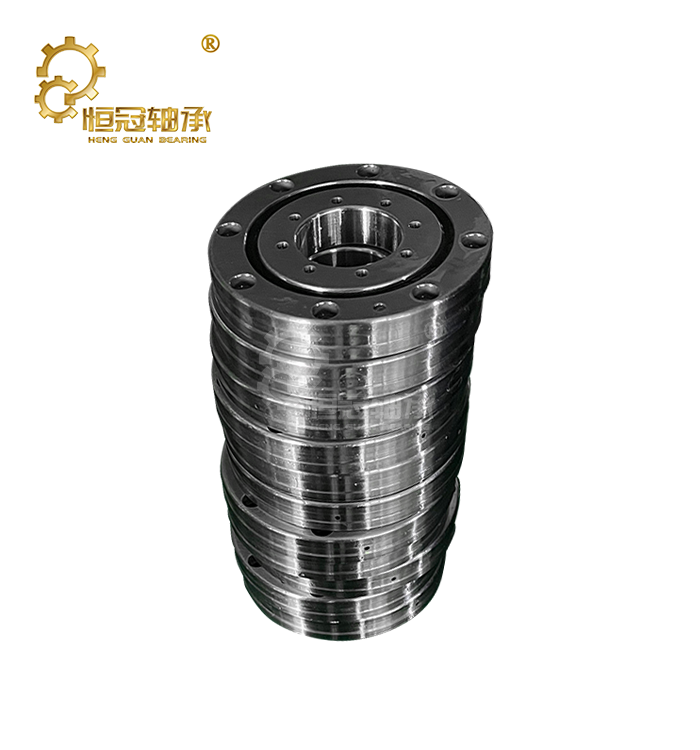
Precision-engineered raceways let slewing ring bearings control movement while handling forces that come from different directions. Standard bearings only deal with radial or thrust loads. These special parts, on the other hand, deal with axial forces, radial pressure, and twisting moments all at the same time. The internal geometry spreads stress across rolling elements, which could be balls or rollers. This keeps the structure from deforming, even when it's under shock loads like in mine machines or port cranes. Based on the design of the rolling elements, the industry defines a number of structural groups. Single-row ball designs work well for smaller uses that need to take up little room, like in packing machines and mobile robots. For medium-duty machines like truck-mounted cranes, double-row ball designs raise the load rates. Cross-roller setups use cylindrical rollers that are placed perpendicular to each other. This gives them great rigidity for precise uses in medical CT scanners and satellite tracking systems in space. In mine draglines and offshore drilling platforms, where heavy equipment and changing working pressures add up to the heaviest loads, three-row roller structures are the best choice.
Load Capacity Determinants and Material Engineering
Several engineering factors affect how well a bearing works in the real world. The shape of the raceway has a direct effect on how forces move through the rolling elements. For example, improved contact angles can boost capacity rates by 30% compared to standard designs. The choice of material is also very important. Premium metal steels that have been treated with special heat processes don't wear down on the surface, so well-kept installations can last for more than 100,000 hours. Specifications for surface hardness, usually between 58 and 62 HRC for raceways, keep equipment from brinelling when it hits something hard quickly. Many slewing ring drive systems have a gear rim that needs the same kind of material qualities to keep its teeth from wearing down after millions of rotations. When manufacturers use vacuum degassing and controlled cooling, the structures of the materials are more regular. This means that there are fewer internal stress points that could cause fatigue cracks.
Lubrication Systems and Sealing Technologies
Proper greasing is still very important for meeting design life standards. Most bearings on the market are grease-lubricated because they are easy to use and work well in most situations. Extreme pressure (EP) ingredients in high-performance lithium complex greases protect contact surfaces when they are lubricated at the boundary, which happens a lot in slow-rotation systems like wind turbine yaw systems. Oil bath lubrication is used for high-speed tasks that need to get rid of heat quickly. Using sealing technology keeps fluids inside while keeping outside parts clean. In harsh places like mine crushers and port gantry cranes, dust and moisture can't get in because of multi-lip seals with built-in screens. Labyrinth seal designs make winding tracks that keep contaminants out without causing friction, making them good for uses where the spinning direction changes a lot. The frequency of regular inspections depends on the job cycle strength. For example, equipment that works in rough settings may need maintenance every three months, while automation systems that are kept at a constant temperature may need service once a year.
Technical Specifications and Performance Comparisons
Knowing about exact grades makes it easier to match parts to the needs of an application. The P0 grade is good enough for most industry tools where precise positioning is not as important. For building equipment that needs better working control, P6 precision bearings cut down on runout and make rotation smoother. P5 and P4 grades offer micrometer-level accuracy that is needed for medical imaging gantries, robots that make semiconductors, and flight tracking systems, where positioning mistakes directly affect how well the system works. When you compare turntable bearings with built-in slewing ring drives, it's easier to choose the right parts. Standard turntable bearings support movement, but they need to be driven from the outside by pinion gears or hydraulic motors. Slewing drives use worm gear reducers or planetary gearboxes inside the bearing assembly to make small powered spinning systems that are perfect for solar tracks and aerial work platforms. The integrated method makes installation easier and cuts down on the number of parts needed, but it may make customization less possible than with separate bearing and drive setups.
How to Select the Best Slewing Ring Manufacturer for Your Application
To find a manufacturing partner that can meet technical needs and produce commercial value, you need to evaluate them systematically across a number of different aspects.
Defining Core Procurement Criteria
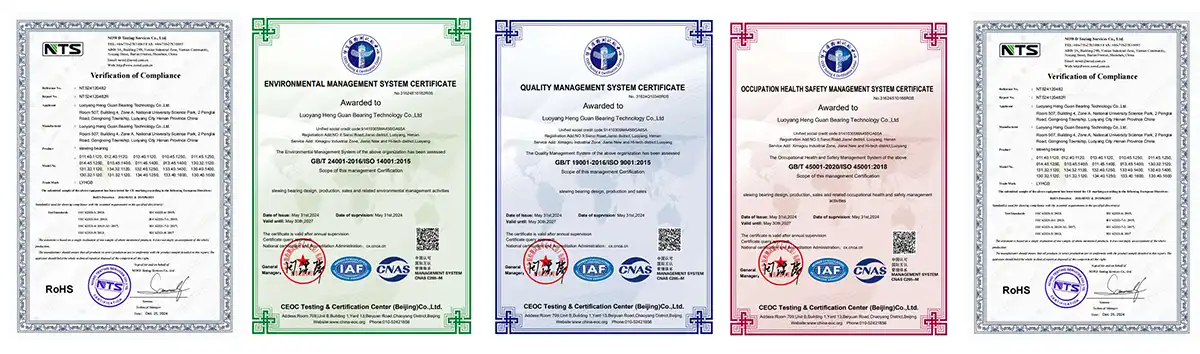
Quality assurance methods tell the difference between suppliers, China slewing ring gear manufacturers who are trusted and those who aren't. Vertically integrated sites that choose the raw materials and do the final check show better consistency. Look for companies that have quality management systems that are written down and approved to ISO 9001 standards. Extra aerospace AS9100 or car IATF 16949 certifications show that the company has advanced process controls. Dimensional accuracy is based on how precisely the parts are made. For example, facilities with CNC vertical lathes that can turn parts up to 10 meters in diameter can make large wind power bearings with very tight tolerances. The success of lead times affects the schedule of a project and the cost of supplies. Manufacturers who keep standard sizes in stock can ship within days, but custom versions usually take 6 to 12 weeks, based on how complicated they are. It's important to be clear about production capacity so that suppliers with multiple lines can increase output during times of high demand without lowering quality. After-sales technical support is very helpful when there are questions about installation or when there are problems with how the product works. Companies that hire experienced application engineers can help customers avoid making mistakes that cost a lot of money.
Procurement Guide: How to Buy Slewing Rings Efficiently and Cost-Effectively
By using the procurement method correctly, you can lower the total cost of acquisition while still ensuring quality and service performance.
Purchasing Channel Evaluation
When you work with a traditional distributor, you can get access to local goods, Slewing Ring, and set payment terms that make the buying process easier. Regional wholesalers keep popular sizes in stock, so replacements can be sent within days in case of an emergency. But markups by distributors usually add 20 to 40 percent to the price paid by the company directly. The sales staff at distributors may not know enough about technology to help optimize applications. When you deal directly with the maker, you skip the middleman's fees, which is especially helpful for large orders or custom setups. Manufacturers offer technical help during the development of specifications, which prevents expensive mistakes from happening. There may be a minimum order quantity. Standard items usually ship by themselves, but unique patterns may need groups of five or ten units. When compared to wholesaler stock, lead times are longer, but they are still acceptable for planned projects. Online sites make it easier to compare prices and look up specifications. Slewing ring companies with a good reputation keep thorough product catalogs with CAD models and technical datasheets that can be downloaded. Transparency is provided by safe transaction handling and tracking of shipments. Before you place an order, check the manufacturer's credentials and product certifications. Reliable makers will gladly share quality documents.
Quote Request and Price Interpretation
Complete quote requests for Slewing Ring lead to accurate bids, which lowers the risk of shocks after the fact. Give full information about the application, such as the load, rotation speed, mounting setup, surroundings, and accuracy needs. When you make vague requests, you get general quotes that might not fit your needs. Include CAD models of unique applications that show how they must be built and how they must fit together. Price structures range from one maker to the next. Some give prices per unit, which means that adding up the numbers for the amounts is necessary. Others offer different levels of volume prices with break points at popular order sizes. Don't just compare unit prices; also look at the total landing costs that include shipping, taxes, and insurance. International orders from Asian makers may take 4 to 6 weeks by water, while faster air freight costs a lot more. Payment terms affect plans for cash flow. For special orders, manufacturers usually ask for a 30% fee, and the rest is due before the shipment. Once a person has proven they can pay on time, they can ask for net-30 or net-60 terms. Letters of credit protect both buyers and sellers in foreign deals; buyers promise to pay, and sellers confirm shipment before the funds are released.
Customization Process and Quality Validation
Structured development methods are used for projects that need non-standard bearings. The functional needs and working conditions are set during the initial consultation. Engineering teams come up with ideas that meet the requirements and often give more than one choice that balances cost and performance. Finite element analysis checks the load capacity and finds possible stress spots that need to be fixed by finetuning the shape.For difficult custom designs, prototype development comes before full production. Making a prototype usually takes 4 to 6 weeks, which gives you time to test it physically and make sure it fits right. Design changes found during testing of the prototype are incorporated into the production specs, which avoids having to make costly changes in the field. Custom bearings can take anywhere from 8 to 12 weeks to make, based on how complicated they are and how busy the factory is at the moment. Quality paperwork goes with bearing shipping so they can be tracked and checked. Material approvals show what the steel is made of and how well it responds to heat treatment. Dimensional inspection records show that important requirements were met. Keeping these records helps with insurance claims and reordering in the future.
Building Sustainable Supplier Relationships
Long-term relationships are more valuable than one-time deals. Preferred providers give more power to high-demand times, which makes sure that deliveries are reliable. When relationships get older, engineers can work together better because sellers who know your equipment and how it's used can make better suggestions. Making a promise to buy a lot of something could lead to better prices or exclusive design partnerships. Giving providers regular feedback on their work helps them understand your goals and concerns. Dealing with small problems right away keeps relationships from getting worse. Manufacturers like it when you let them know about good projects, and they may give extra attention to customers who are grateful. Relationships that are fair and help both people produce security that helps both of them grow.
Conclusion
When choosing a maker of slewing ring units and drives, you need to think about their technical skills, quality control, business terms, and the possibility of a long-term relationship. Optimized raceway shape, better materials, and precise production are the building blocks of high-performance bearings. Installation and upkeep methods are both very important. Following the right steps can keep things from breaking down too soon, even in tough settings. By matching bearing specs to the needs of the application, you can avoid wasteful over-specification while still ensuring enough performance gaps. Working directly with the maker gives you access to technical support and lower costs, which is especially helpful for custom setups. To be successful at procurement, you need to include detailed specs, look at the total cost, and build relationships that go beyond single deals and lead to long-term partnerships that support equipment reliability and operational excellence.
FAQ
1. What factors have the biggest effect on the slewing ring's load capacity?
Load capacity is mostly determined by the shape of the raceway, the size of the moving elements, and the qualities of the material. When contact angles are optimized, forces are spread out evenly across moving surfaces. Balls or rollers with a larger diameter improve the touch area, which lowers stress concentrations. When heat-treated correctly, premium alloy steels don't bend on the surface when they're under a lot of stress. Tight tolerances and precision production make sure that the load is spread evenly across all rolling parts, rather than gathering forces on a few contact spots.
2. How often should you lubricate and maintain slewing bearings?
How often you need to lubricate depends on how the bearings are used and how they are made. Equipment that is used all the time in dusty or hot places usually needs to be greased every three months. In controlled settings, machinery that is only used sometimes may only need repair once a year. Manufacturers give you a starting point for how often to check, and you can change it based on what you find. Not enough greasing shows up as higher temperatures or more resistance to spinning. Too much greasing damages seals and forces grease out of the machine. Automated cleaning systems keep the film layer at the right level for important uses.
3. What distinguishes slewing rings from slewing drives functionally?
Slewing ring units support spinning and need external drive systems like hydraulic motors or pinion gears that engage internal gear rims. They give you the most customization options and work well in situations where drive parts are placed separately. Slewing drives put worm or planetary gearboxes inside bearing systems to make powered spinning units that work on their own. This small design makes installation easier and cuts down on the number of parts needed, but it may limit the setup options. The best choice is based on the needs of the application, such as limited room, high power needs, and precise control.
Partner With Heng Guan for Premium Slewing Ring Solutions
For specific bearing needs, you need production partners who can combine professional know-how with quick service. Heng Guan specializes in making custom rotational bearing solutions that meet the needs of your particular application, whether it's P4-accurate medical equipment or heavy mining equipment that needs to carry the most weight. Our production sites in Luoyang keep a collection of 20mm to 10,000mm diameters, and they can be customized to fit particular needs. During the creation of a project, experienced application engineers work together to make sure that the design is correct and that installation goes smoothly. When prices are competitive, they get great cost-performance rates without lowering quality standards. Email our technical team at mia@hgb-bearing.com to talk about your bearing needs with a reputable slewing ring maker that cares about your business's success.
References
1. Harris, T.A. and Kotzalas, M.N. (2006). Advanced Concepts of Bearing Technology: Rolling Bearing Analysis, Fifth Edition. CRC Press, Boca Raton.
2. Glodež, S., Potočnik, R., Flašker, J. and Zafošnik, B. (2012). Computational Model for Determination of Dynamic Load Capacity of Large Three-Row Roller Slewing Bearings. Journal of Mechanical Engineering, 58(5), 349-361.
3. Burton, R.A. (2018). Engineering Tribology and Lubrication: Fundamentals and Applications in Bearing Design. Industrial Press, New York.
4. Nguyen-Schäfer, H. (2015). Rotary Bearing Technology: Design, Testing and Condition Monitoring. Springer International Publishing, Switzerland.
5. Schwack, F., Byckov, A., Bader, N., Wandel, S. and Poll, G. (2016). On the Critical Speed of Large Slewing Bearings: Validation of a Flexible Multibody Model. Tribology Transactions, 59(4), 670-679.
6. ISO 76:2006. Rolling Bearings - Static Load Ratings. International Organization for Standardization, Geneva.

WHAT OUR CUSTOMERS SAY
Here is the customer's evaluation of us