



5 advantages of internal gear slewing bearings
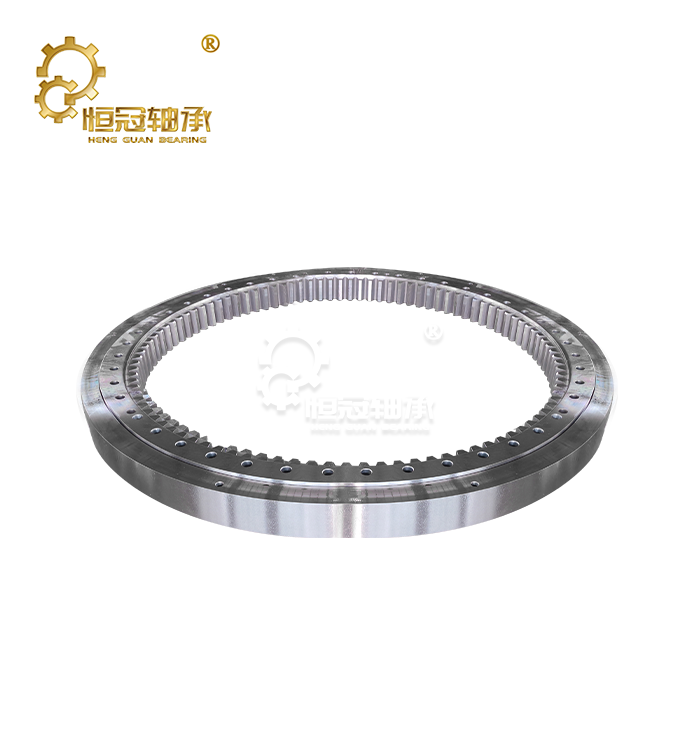
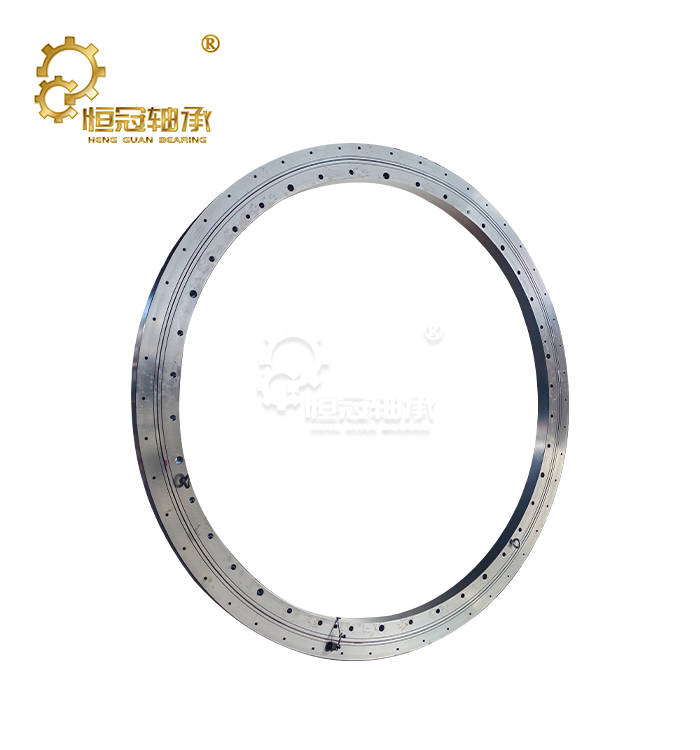
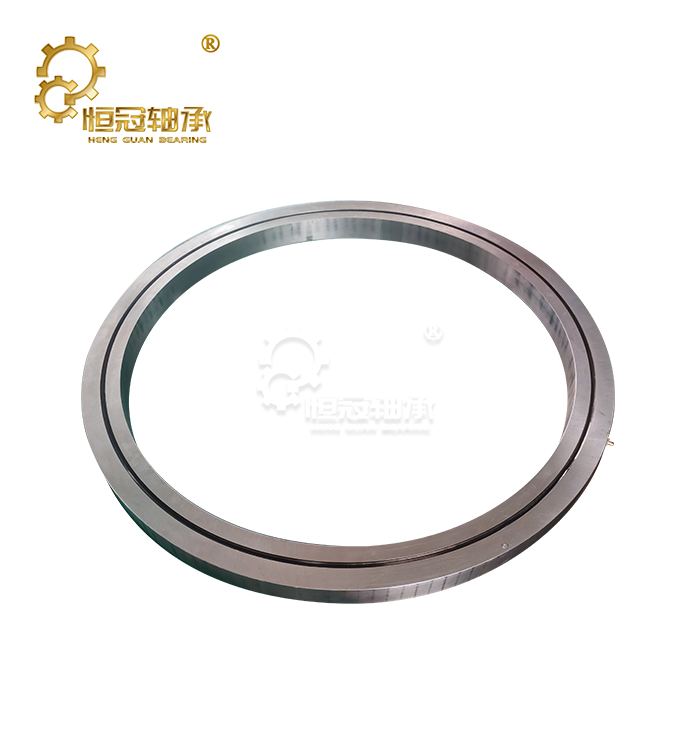
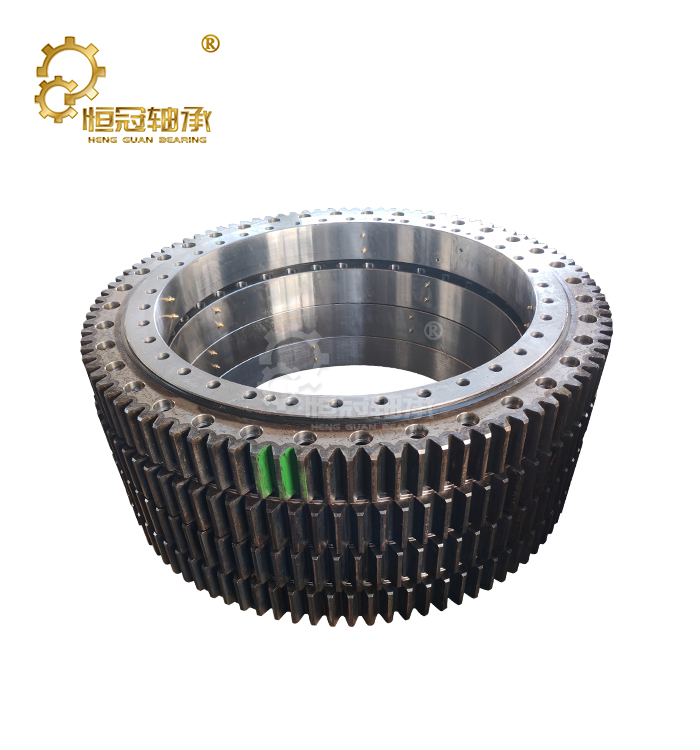
When choosing moving parts for big machinery, it's important to know how the different types of bearings work and what their benefits are. Internal Gear Rotary Slewing Bearing is a unique solution that blends the functions of load-bearing, transmission, and turning into a single part. The internal gear design of these bearings sets them apart by placing the drive system inside the bearing ring instead of on the outside. This design choice has five measurable benefits: small installation footprints that make equipment layouts more efficient; better load distribution for higher capacity and rigidity; better environmental protection that lowers maintenance needs; the ability to be used in a wide range of industrial sectors; and favorable cost-performance ratios that increase the value of procurement. Heavy industry makers in fields like construction, mining, lifting, and metallurgy benefit from these features. So do makers of precision equipment in fields like wind power, automation, aerospace, and medicine, where reliable rotation in tough conditions is key to keeping operations going.
Advantage 1 – Compact Design and Space Efficiency
Why Compact Design Matters in Industrial Equipment
Equipment makers are always under pressure to make their products as useful as possible in limited installation areas. This problem is solved by the Internal Gear Rotary Slewing Bearing design, which puts the gear teeth on the inner ring instead of the outer edge. This architectural choice quickly cuts down on the radial envelope needed for installation. This lets companies that make machinery make equipment shapes that are more streamlined. This benefit is clearly shown by modern excavators. When an internal gear slewing bearing is used instead of an external gear alternative in the swing mechanism, less mounting room is needed. This lets the counterweights be rebuilt, and the user sees better. The same things happen with tower cranes: every millimeter of saved room means better structure efficiency and lower material costs. Because these bearings are small, they help OEM engineers find the best way to distribute weight without losing spinning performance.
Integration Benefits for System Design
The internal gear design does more than just save room; it also makes it easier to connect to other mechanical systems. Drive pinions mesh directly with the internal teeth, so there's no need for the safe housings that china internal gear slewing bearing factory other gear systems need. This simplified method cuts down on the number of parts that go into spinning assemblies. This has a direct effect on the time it takes to put them together, the places where they could fail, and how hard it is to maintain them over time. Our engineering team at Heng Guan has seen that makers of construction tools really like how well this integration works. When we create custom slewing solutions with diameters from 50mm to 10,000mm, we work closely with OEMs to make sure that the mounting hole patterns, seal configurations, and gear parameters fit their space needs correctly. We make single-row four-point contact balls, double-row, three-row rollers, and cross-rollers. These configurations give you design options while keeping the important small size benefit.
Advantage 2 – Enhanced Load Capacity and Rigidity
Superior Multi-Directional Load Handling
Internal Gear Rotary Slewing Bearings are very good at handling axial, radial, and moment loads all at the same time because of how they are built. The improved raceway shape and strong ring construction from 42CrMo and 50Mn special alloy steels give this bearing the ability to carry loads in more than one direction. These materials go through exact heat treatment steps that make the raceways as hard as they need to be while keeping the core tough and bendable so it can handle shock loads. Comparative testing shows that, based on the setup, internal gear designs often have a 15–25% higher tilting moment capacity than exterior gear designs. This extra stiffness directly helps keep the machine stable while it's running. This feature is very helpful for mining equipment that has to work in harsh conditions, because quick changes in load happen a lot when digging or moving irregular materials. Similar unpredictability exists in the loading patterns of port equipment that handles shipping containers. Increasing stiffness stops premature wear and keeps precision over long service periods.
Material Science and Manufacturing Precision
The edge in load capacity goes beyond plan geometry and includes the quality of the materials and the accuracy of the manufacturing. At Heng Guan, we control the steel structure by using modern heat treatment methods that make sure all of our products work the same way. Our precise production methods ensure tight dimensional limits and smooth raceway surfaces, which means there is little friction and the motor always works at full speed. In mining facilities, where temperatures change a lot, and vibration levels stay high, equipment needs bearings that keep their structure when they're under a lot of stress. Because they are made of high-quality materials, are heat-treated precisely, and come in accuracy grades from P0 to P4, our internal gear slewing bearings will work reliably for a long time. This dependability immediately leads to less downtime and a lower total cost of ownership for areas that buy things and think about long-term investments.
Advantage 3 – Improved Protection and Maintenance Ease
Environmental Protection Through Design
Internal Gear Rotary Slewing Bearing naturally protects against air pollutants that are a problem in industrial settings. The enclosed gear system keeps dust, dirt, wetness, and rough particles that usually get into exterior gear mechanisms away from important meshing surfaces. In places like building sites, mines, and seaside port facilities where airborne contaminants are a constant problem, this protective trait comes in very handy. The main defense system is the protected housing that is made by the bearing ring structure. In contrast to external gear systems that need extra protective covers and sealing mechanisms, the interior design naturally reduces contamination exposure. This design cuts down on the places where particles could get into the gear mesh. This makes the greasing last longer and slows down wear on important areas.
Simplified Maintenance Protocols
Complexity of maintenance has a direct effect on how much China's internal gear slewing bearing factory technology is used and how much it costs to run. When compared to outdoor gear systems, internal gear systems are easier to maintain because they are sealed. Lubrication entry places stay safe and well-defined, which lowers the level of skill needed for proper service. Because the equipment is easier to get to, maintenance teams can do standard maintenance faster, which means less downtime during planned maintenance times. When comparing internal gear slewing bearings to external gear systems in turbine yaw mechanisms, wind energy users have found that repair time is cut by 30 to 40 percent. The protected gear mesh is very useful because of the harsh weather conditions at wind farm sites, such as temperature changes, exposure to wetness, and salt air in seaside installations. Similar changes can be seen in the repair logs for building equipment. Shorter service intervals and easier processes help the fleet be used more efficiently and cost less over its lifetime.
Advantage 4 – Versatility Across Industrial Applications
Diverse Application Compatibility
There is a huge range of industries and kinds of tools that Internal Gear Rotary Slewing Bearing can be used in. This adaptability comes from the fact that there are different structural configurations and makers like Heng Guan can make changes to meet specific operating needs. One major area where these bearings are used is in construction equipment like loaders, tower cranes, and concrete pumps. They allow these machines to rotate reliably even when they are under heavy loads and harsh circumstances. Different industrial automation systems have very different working needs, but internal gear slewing bearings work just as well for all of them. Automated production lines need exact positioning with little backlash. Tight manufacturing standards of quality slewing bearings make this easy to achieve. In robotics, applications need smooth spinning with known torque needs. The optimized raceway geometry and precision-ground surfaces constantly meet these needs. Medical equipment makers use these bearings in imaging systems and patient positioning devices that need to work smoothly and quietly and be completely reliable.
Customization for Specific Needs
Applications in port machinery show how flexible internal gear slewing solutions can be when it comes to customization. Bearings for container cranes and ship-to-shore cranes need to be able to handle huge loads and not rust in salty seas. The basic bearing design is changed to work in these tough conditions with special sealing arrangements and surface treatments that stop rust. Wind turbine yaw and pitch systems need bearings that work effectively and don't need much upkeep in remote areas where getting help is hard and costs a lot. Over fifty committed engineers work full-time at Heng Guan on bearing research and development. They work directly with OEMs to make custom solutions that solve specific application problems. Special mounting setups, changed sealing configurations, and application-specific gear factors make sure that the gears work well with the designs of the customer's equipment. With the ability to customize and our full production facilities that include CNC vertical machines, gear-making machines, and grinding machines, we can provide solutions that are both strong and adaptable for a wide range of industries.
Advantage 5 – Cost-Effectiveness and Procurement Benefits
Favorable Total Cost of Ownership
When procurement professionals look at bearing choices, they need to Internal Gear Rotary Slewing Bearing think about more than just the original purchase price. When it comes to cost-effectiveness, Internal Gear Rotary Slewing Bearing does more than just offer low prices. Advantage 3 says that the equipment needs less upkeep, which means that it will cost less to run and need fewer new parts over its lifetime. When service times are longer, equipment breaks down less often, which makes end users more productive and helps them make more money. Advantage 2 talks about how the increased load capacity and stiffness help bearings last longer in tough situations. When a bearing can handle heavier loads without breaking down too soon, machine owners don't have to pay a lot for emergency repairs or have to stop production. The small size of Advantage 1 cuts down on the weight and cost of materials used in nearby structure parts. This saves money for equipment makers during the planning phase, which they can then use to make equipment prices more competitive.
Supply Chain Reliability and Manufacturer Trust
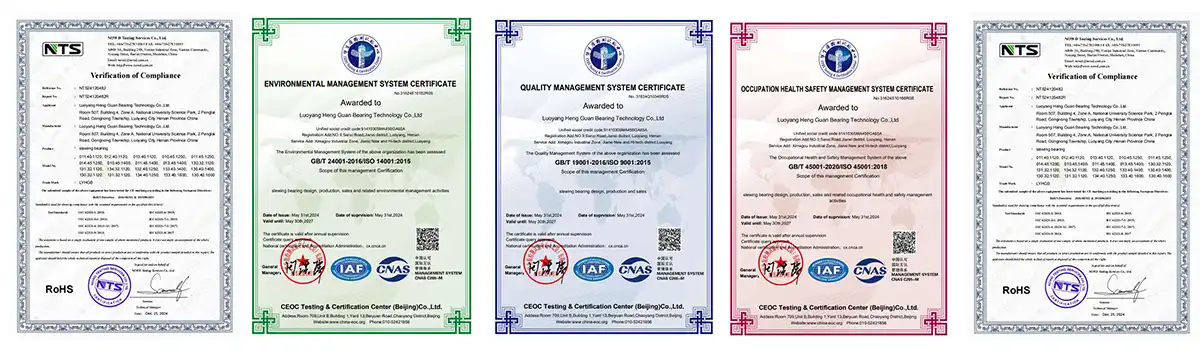
When choosing bearing providers, procurement teams look at how reliable the supply chain is, along with the quality of the products. Manufacturers of internal gear rotary slewing bearings who have been in business for a while and know how to make them well offer good wait times, reliable delivery schedules, and easy access to stock levels that help with project planning and inventory management. Global producers that sell to customers around the world know what paperwork, quality certifications, and contact standards B2B buyers expect. The ISO9001 certification and RoHS compliance of Heng Guan show that we are dedicated to quality standards that buying professionals know and trust. We've been in this business for more than 20 years and have customers in more than 50 countries, such as the USA, Canada, Mexico, Brazil, and all of Europe. Because our team has worked in different countries, they understand how to meet the needs of different applications and comply with different rules. OEMs and engineering firms need to be able to trust a company's technical knowledge, manufacturing skills, quality certifications, and track record of on-time deliveries in order to buy important parts for their equipment.
Conclusion
Internal Gear Rotary Slewing Bearing offers measurable benefits in five key performance areas that have a direct effect on the dependability, working efficiency, and total cost of ownership of equipment. The small size makes setups that use space efficiently possible and supports equipment plans that are more streamlined. Better stiffness and load capacity give structures the performance they need for tough industrial uses. Better protection for the surroundings makes upkeep easier and increases the life of the product. Because they can be used in a lot of different situations, these bearings are useful in many fields, from building to precision robotics. The buying value argument is stronger when costs are low throughout the ownership lifecycle. Because of these benefits, OEMs and engineering firms are specifying internal gear configurations more and more for heavy machinery, building equipment, port operations, wind turbines, and industrial automation systems that need to rotate reliably in tough circumstances.
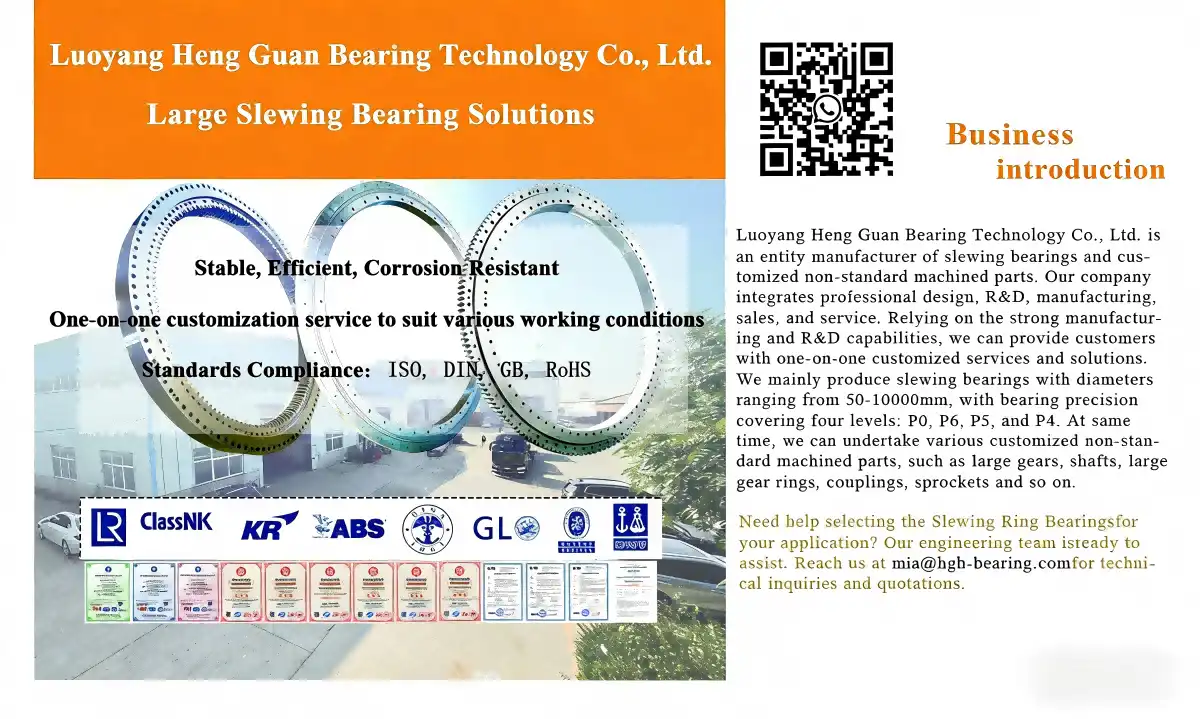
FAQ
1. What makes internal gear slewing bearings different from external gear types?
The main difference is where the gear teeth are placed and how that affects how the machine works. With an internal gear slewing bearing, the gear teeth are on the inner ring, and the drive Shaft engages from inside the bearing assembly. In this design, the fitting area is smaller, and the gear mesh is better protected from outside contaminants. External gear bearings put teeth on the outside edge of the ring, which needs more rotational room and lets dust, moisture, and other debris get into the gear mesh. The internal arrangement usually provides better safety by enclosing moving parts and allows for more streamlined equipment designs. This is especially helpful in building and lifting equipment where room is limited.
2. How do I determine the right size and configuration for my application?
When choosing a bearing, you need to carefully consider a number of practical factors, such as the load magnitudes (axial, radial, and moment), the rotational speed needs, the mounting space, and the weather conditions. Our research team looks at these things along with the design of your equipment to find the best diameter, structural layout (single-row, double-row, three-row roller, or cross-roller), accuracy grade, and material specs. Custom solutions with specific fastening holes, sealing arrangements, and gear factors make sure that they fit perfectly with the design of your machinery.
3. What maintenance procedures do internal gear slewing bearings require?
Proper lubrication and regular inspections are important parts of routine upkeep. Apply the suggested type of grease at intervals based on working conditions. These intervals are usually between 100 and 500 operating hours, but can be longer or shorter depending on the load and the surroundings. During planned repair times, check the torque values of the mounting bolts. Loose bolts can cause faster wear. Check the seals for any damage or wear that could let contaminants in. When compared to external gear systems, these steps are easier to do with internal gear designs because they are secured. This cuts down on upkeep time and skill needs while increasing service intervals.
Partner with a Trusted Internal Gear Rotary Slewing Bearing Manufacturer
Your equipment needs rotating parts that work reliably over long periods of time and tough operating conditions. Heng Guan Bearing Technology has been making specialized Internal Gear Rotary Slewing Bearing products for more than 20 years and can make any changes you need to meet your unique application needs. We offer internal gear rotating slewing bearings with sizes from 50 mm to 10,000 mm, precision grades from P0 to P4, and different types of structures, such as single-row four-point contact ball, double-row, three-row roller, and cross-roller designs. Our dedication to quality is shown by our ISO9001 certification and RoHS compliance. Our team of more than 50 engineers provides the technical help you need to make the best equipment designs. Talk to our applications team about your project needs and find out how the right internal gear rotary slewing bearing source can help your equipment work better. Get in touch with us at mia@hgb-bearing.com to begin the chat.
References
1. Slewing Bearing Engineering Handbook, Bearing Manufacturers Association Technical Committee, 2021.
2. Load Distribution Analysis in Multi-Row Slewing Bearings for Heavy Machinery, Journal of Mechanical Engineering Science, Volume 235, Issue 8, 2020.
3. Comparative Performance Study of Internal vs External Gear Slewing Bearings in Wind Turbine Applications, Renewable Energy Engineering Quarterly, Spring 2022.
4. Advanced Materials and Heat Treatment Processes for High-Capacity Slewing Bearings, Materials Science in Manufacturing, Volume 47, 2021.
5. Maintenance Cost Analysis for Rotating Machinery in Construction Equipment, Heavy Equipment Maintenance Journal, December 2022.
6. Design Optimization Strategies for Space-Constrained Rotational Systems, Industrial Engineering Design Review, Volume 34, Issue 2, 2023.

WHAT OUR CUSTOMERS SAY
Here is the customer's evaluation of us
_1767713770881.webp)