




KD 320 Slewing Bearing Installation and Maintenance Tips
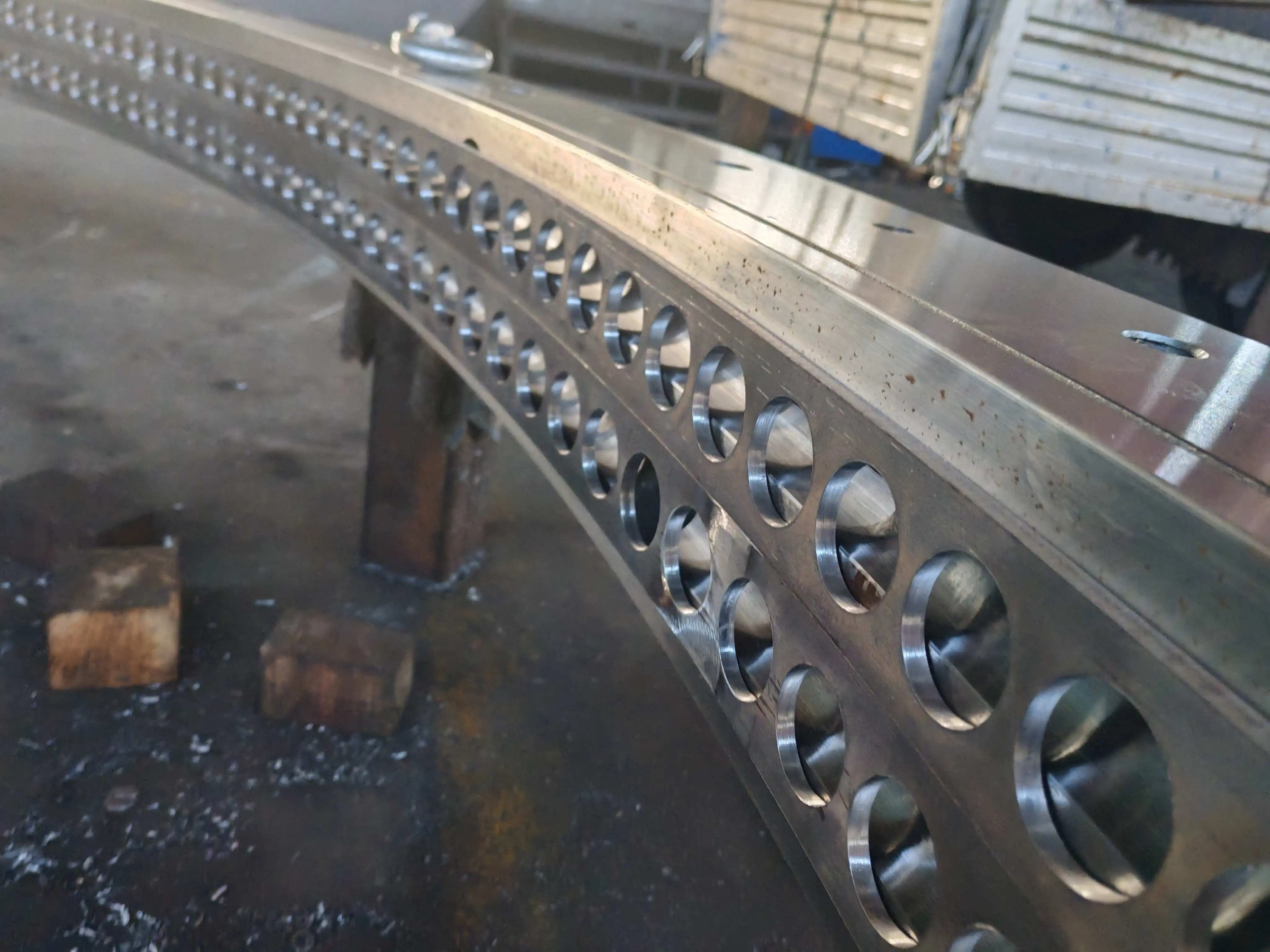
The service life of a slewing bearing depends on its assembly and maintenance, particularly for heavy-duty components such as the KD 320 slewing bearing. The KD 320 is a double-row ball design in which two rows of balls of various diameters are used. This allows the bearing to carry a combination of axial, radial, and moment loads in some of the most demanding equipment on earth – from 20-ton hydraulic excavators to ship-to-shore harbour cranes. Getting the fundamentals right pays dividends in terms of delay and expense, whether installing a new KD 320 turntable bearing on a harbour crane or maintaining an existing unit. At Heng Guan Bearing, we deal with crane operators and equipment manufacturers on a daily basis; therefore, this guide takes you through the practical procedures to install and maintain your KD 320 slewing bearing properly, safely, and with little difficulty.
|
|
How Should a KD 320 Slewing Bearing Be Installed Correctly?
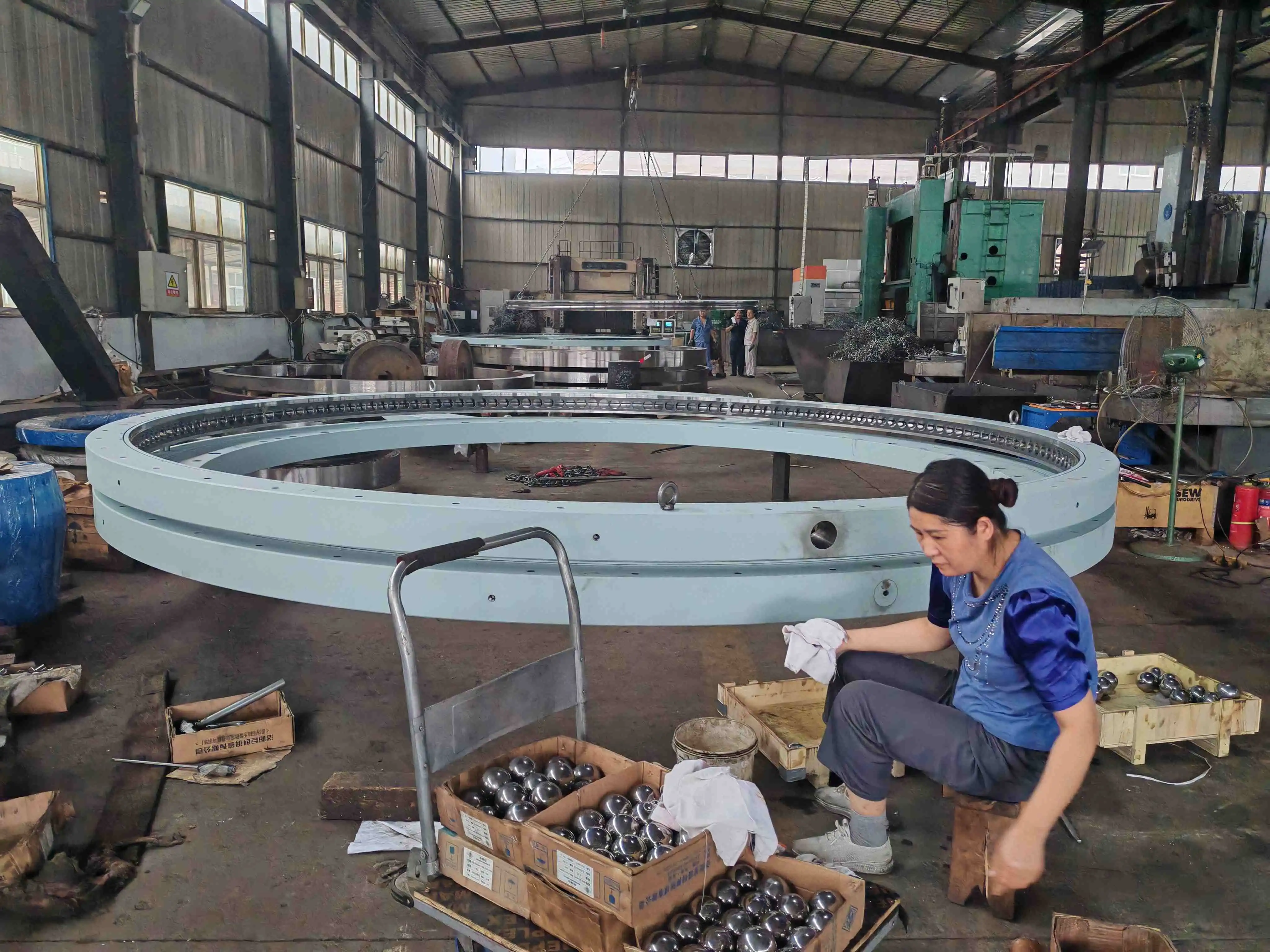
Take the time to prepare the location adequately before you even get the bearing in place. The mounting surface must be clean, level, and free of paint, corrosion, or burrs, since any unevenness will produce stress areas once the KD 320 slewing bearing is loaded. Flatness should be confirmed using a precision level or a straightedge gauge within 0.3-0.5mm/m. It is also important to ensure that the supporting structure is stiff enough to carry the operating loads of a harbour crane slewing bearing, since a weak foundation would flex during rotation and limit the service life.
For reference, the KD 320 series covers raceway diameters from 748 mm to 4,140 mm with total heights of 77–185 mm and weights varying from 90 kg to 3,282 kg; therefore, the structure underneath it must be designed correspondingly. Correct handling during the raise is also important; use soft slings or a purpose-built lifting device, not chains through the bolt holes, and always maintain the bearing horizontal. Following the manufacturer’s installation drawing step by step will assist in preventing the most frequent problems that cause premature wear on a KD 320 turntable bearing.
| KD 320 Key Specification | Value |
|---|---|
| Structure type | Double-row ball (two rows, different ball diameters) |
| Raceway diameter (DL) | 748 – 4,140 mm |
| Total height (H) | 77 – 185 mm |
| Weight range | 90 – 3,282 kg |
| Gear configuration | External (011 series) / Internal (012 series) |
| Ball diameter options | 18 / 20 / 22 / 25 / 30 / 35 / 40 / 45 / 50 mm |
| Ring material | Forged 42CrMo alloy steel (50Mn optional) |
| Raceway hardness | HRC 55 – 62 |
| Seal type | Double-lip NBR rubber |
| Operating temperature | -20 °C to +120 °C |
KD 320 Slewing Bearing Mounting, Alignment, and Bolt Tightening
Once the bearing is set on the structure, alignment becomes the next priority. The inner and outer rings must rotate concentrically with no wobble, so use a dial indicator to check radial and axial runout before final tightening. For a KD 320 slewing bearing used on a harbour crane, even a small misalignment can translate into significant edge loading on the raceway over thousands of rotation cycles, so it pays to double-check before moving on. The forged 42CrMo rings, induction-hardened to HRC 55–62, are designed to carry high loads — but only if the load is distributed evenly across the raceway.
Bolts should always be tightened in a criss-cross, diagonal pattern rather than working around the circle, and torque should be applied in at least three stages up to the specified final value — this evens out clamping pressure across the whole ring. For example, the KD 320 model 011.20.0755 uses 24 × M16 bolts on outer and inner bolt circles of 800 mm and 706 mm, respectively, and the same staged-torque principle applies across all sizes in the series. If you need engineering support at this stage, our team can be reached at mia@hgb-bearing.com, and Heng Guan Bearing is always happy to review your installation drawings free of charge. Finally, re-check bolt torque after the first few weeks of operation, since settling of the structure is common in newly commissioned harbour crane slewing bearing systems.
| Mounting Parameter (Example: 011.20.0755) | Specification |
|---|---|
| Outer bolt circle diameter | 800 mm |
| Inner bolt circle diameter | 706 mm |
| Bolt count | 24 |
| Bolt size | M16 |
| Gear type | External |
| Gear pitch diameter | 852 mm |
| Module | 6 |
| Teeth | 142 |
| Tooth width | 50 mm |
| Gear standard | DIN 3967 / ISO 1328 |
What Lubrication Does a KD 320 Slewing Bearing Need?
Lubrication is arguably the single biggest factor in how long a KD 320 turntable bearing will last. Extreme-pressure lithium-based grease is recommended for the raceway, while the gear teeth on geared versions need a separate open-gear grease with good adhesion and water resistance. The double-lip NBR seals on the KD 320 are designed to retain grease and exclude contaminants, but they only work effectively when the bearing is greased on a consistent schedule. It is important to grease the bearing fully during commissioning, rotating it slowly through several full turns so lubricant reaches every contact zone — both the upper row of larger balls (which carry the main axial and moment loads) and the lower row of smaller balls (which provide radial support).
In regular service, a harbour crane slewing bearing exposed to salt air, humidity, and heavy dust — typical port conditions — should be greased more frequently than one used indoors, often every one to two weeks depending on duty cycle. Avoid mixing incompatible grease types, and make sure old, contaminated grease is purged out through the relief points rather than simply topped up. Consistent, correctly scheduled lubrication is one of the easiest ways to protect your KD 320 slewing bearing investment.
| Lubrication Point | Suggested Grease Type | Typical Interval |
|---|---|---|
| Raceway (both ball rows) | Lithium-based EP grease, NLGI 2 | Every 100–200 operating hours |
| Gear teeth (external or internal) | Open-gear grease with adhesive additive | Every 100 operating hours |
| Seals (double-lip NBR) | Compatible waterproof grease | Monthly inspection |
| Relief points | Purge old grease fully | At each relubrication |
KD 320 Slewing Bearing Inspection and Routine Maintenance
Routine inspection catches small problems before they become expensive ones. Check the double-lip NBR seals regularly for cracking, hardening, or detachment, since damaged seals let in moisture and grit that accelerate raceway wear on a KD 320 slewing bearing. Listen for unusual noise during rotation — grinding or clicking sounds often indicate contamination or early raceway damage on the induction-hardened HRC 55–62 surfaces.
It is also good practice to measure axial clearance periodically; once it exceeds the manufacturer's allowable limit, the KD 320 turntable bearing should be scheduled for replacement rather than pushed further, as running with excessive play risks catastrophic raceway spalling. For a harbour crane slewing bearing operating in continuous shifts, keeping a simple maintenance log of grease amounts, torque checks, and clearance readings makes it much easier to spot trends over time.
If anything looks abnormal, do not hesitate to contact Heng Guan Bearing for a technical assessment before the issue affects crane safety or uptime.
| Inspection Item | Method | Frequency |
|---|---|---|
| Seal condition | Visual check for cracks, detachment | Weekly |
| Raceway noise | Listen during full rotation | Each shift |
| Axial clearance | Dial indicator or feeler gauge | Monthly |
| Bolt torque | Torque wrench, criss-cross check | After first 50 hours, then quarterly |
| Gear tooth wear | Visual + tooth thickness gauge | Quarterly |
| Mounting surface | Check for fretting corrosion | Semi-annually |
How Can You Prevent KD 320 Slewing Bearing Wear and Failure?
Prevention really comes down to consistency and attentiveness. First, avoid overloading the crane beyond its rated capacity, as sustained overload is one of the fastest ways to fatigue a KD 320 slewing bearing raceway. The forged 42CrMo rings with induction-hardened raceways are engineered for high load capacity, but no material survives continuous overloading indefinitely. Second, keep the bearing properly lubricated on schedule, and never let it run dry, even briefly. Third, protect exposed surfaces from corrosion — particularly important for a harbour crane slewing bearing working in salty, humid coastal environments.
For port applications, the KD 320 can be specified with zinc thermal-spray coating (TSZ), heavy-duty multi-lip seals, stainless-steel bolt options, and FKM (fluorocarbon) seals for enhanced chemical resistance. It is also worth training operators to avoid abrupt starts, stops, or sudden reversals of slewing direction, since shock loading places uneven stress on the balls inside a KD 320 turntable bearing.
When sourcing replacement units, ensure that bolt circle diameters, total height, ring thickness, and gear specifications match the original — Heng Guan Bearing provides direct-fit replacement bearings manufactured to DIN 3967 and ISO 1328 gear standards, with full material traceability and classification society documentation where required. Taken together, these habits, paired with genuine components from a trusted supplier, go a long way toward extending service life and avoiding unplanned downtime.
| Corrosion Protection Option | Description | Recommended For |
|---|---|---|
| Zinc thermal-spray coating (TSZ) | Metallised zinc layer on ring surfaces | Marine and coastal environments |
| Multi-lip seals | Enhanced sealing beyond standard double-lip NBR | High-dust, high-moisture sites |
| Stainless-steel bolts | Corrosion-resistant fasteners | Salt-spray exposure zones |
| FKM (fluorocarbon) seals | Chemical- and heat-resistant elastomer | Chemical port facilities |
Conclusion
A correctly installed and well-maintained KD 320 slewing bearing keeps your crane running safely and efficiently for years. From surface preparation and staged bolt tightening to scheduled lubrication and proactive corrosion protection, each step in the process directly extends bearing life and reduces total cost of ownership. Partner with Heng Guan Bearing for genuine, direct-fit KD 320 components backed by full material certification — and protect your investment from day one.
FAQ
Q: How often should a KD 320 slewing bearing be greased?
A: Typically, every 100–200 operating hours for the raceway and every 100 hours for gear teeth. In harsh port environments with salt air and high humidity, more frequent relubrication is recommended, and old grease should always be purged through the relief points.
Q: What causes premature wear in a KD 320 turntable bearing?
A: The main causes are overloading beyond rated capacity, poor or infrequent lubrication, misalignment during installation, and damaged seals that allow contaminants to enter the raceway. Shock loading from abrupt slewing reversals also accelerates ball and raceway fatigue.
Q: How do I check alignment during installation?
A: Use a dial indicator to measure radial and axial runout on both the inner and outer rings before final bolt tightening. Runout should be within the tolerance specified on the installation drawing, and bolts must be tightened in a criss-cross, diagonal pattern in at least three stages.
Q: Can a harbour crane slewing bearing be repaired instead of replaced?
A: Minor issues such as seal replacement or gear tooth re-greasing can be addressed in place. However, once raceway spalling, excessive axial clearance, or hardening fatigue is detected, the bearing should be replaced with a direct-fit unit to ensure continued safe operation.
Q: What bolt tightening pattern should I use?
A: A criss-cross, diagonal pattern applied in at least three stages — typically 30%, 60%, and 100% of the specified final torque. Re-check torque after the first 50 operating hours and then quarterly, as structural settling can reduce clamping force over time.
Need Help With Your KD 320 Slewing Bearing?
Ready to install, maintain, or replace your KD 320 slewing bearing? Heng Guan Bearing's engineers are here to help with installation drawings, lubrication plans, gear specification matching, and genuine direct-fit parts. Email us today at mia@hgb-bearing.com and keep your crane running smoothly.
References
1. Harris, T. A., & Kotzalas, M. N. (2006). Rolling Bearing Analysis: Essential Concepts of Bearing Technology (5th ed.). CRC Press, Boca Raton, FL, USA.
2. Brändlein, J., Eschmann, P., Hasbargen, L., & Weigand, K. (1999). Ball and Roller Bearings: Theory, Design and Application (3rd ed.). John Wiley & Sons, Chichester, UK.
3. International Organization for Standardization. (2006). ISO 76:2006 Rolling bearings — Static load ratings. ISO, Geneva, Switzerland.
4. International Organization for Standardization. (2007). ISO 281:2007 Rolling bearings — Dynamic load ratings and rating life. ISO, Geneva, Switzerland.
5. Deutsches Institut für Normung. (2012). DIN 3967:2012 Cylindrical gears — System of gear tolerances — Tooth thickness tolerances and backlash. DIN, Berlin, Germany.
6. International Organization for Standardization. (2013). ISO 1328-1:2013 Cylindrical gears — ISO system of flank tolerance classification — Part 1: Definitions and allowable values of deviations relevant to flanks of gear teeth. ISO, Geneva, Switzerland.

WHAT OUR CUSTOMERS SAY
Here is the customer's evaluation of us
YOU MAY LIKE
 VIEW MORE161.40.2000.890.11.1503 Slewing Bearings
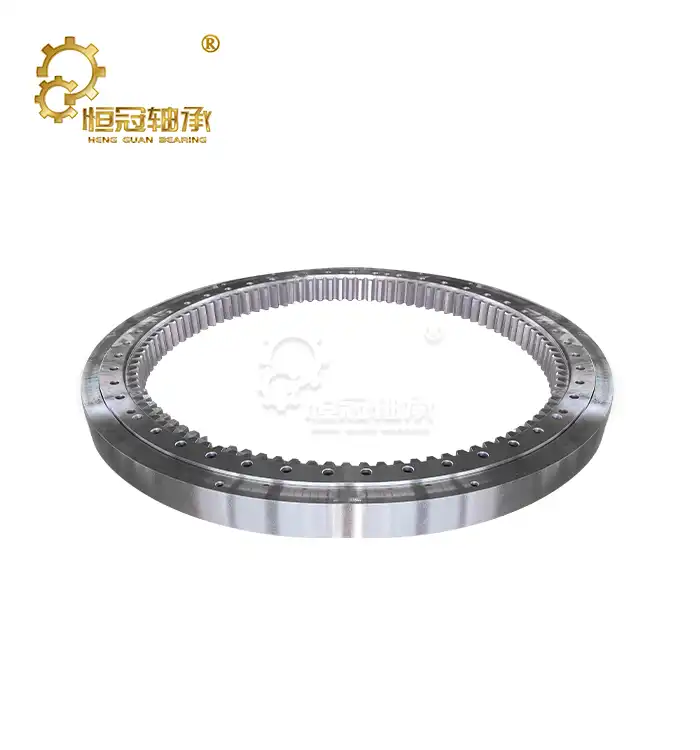 VIEW MOREJohn Deere Excavator slewing bearing
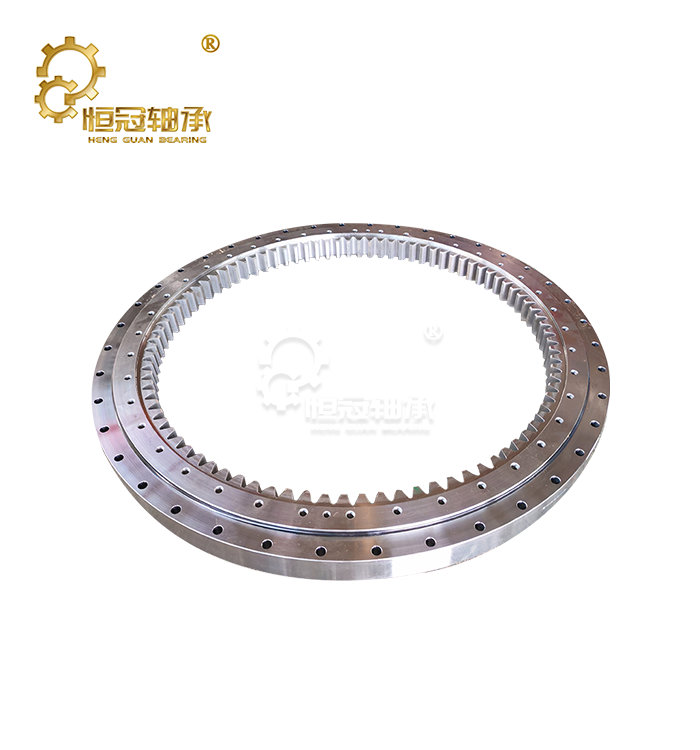 VIEW MORECat Excavator slewing bearing
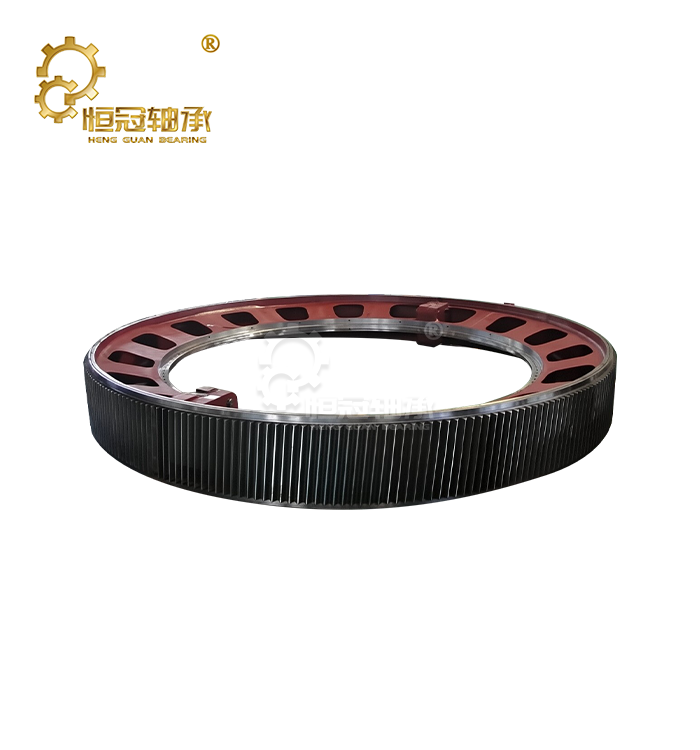 VIEW MOREDryer Ring Gear
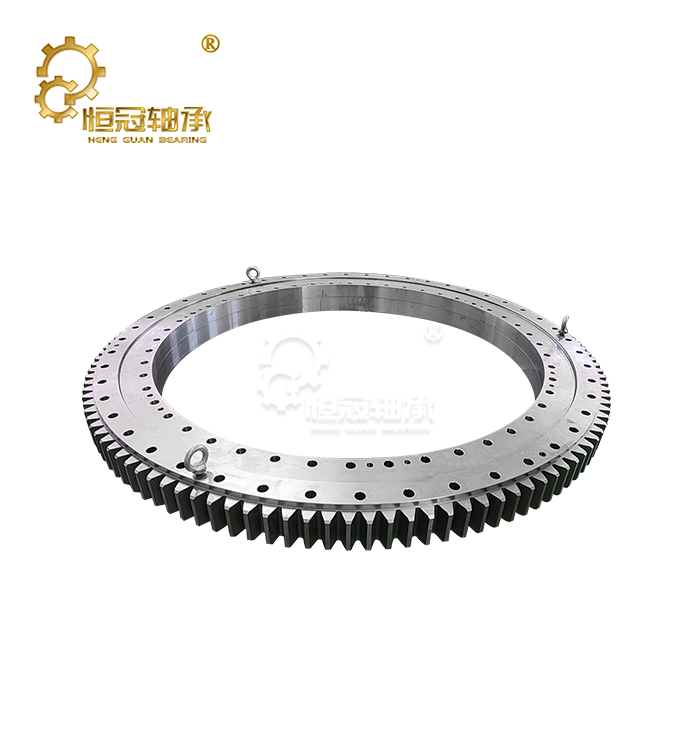 VIEW MORECrane Slewing Bearing
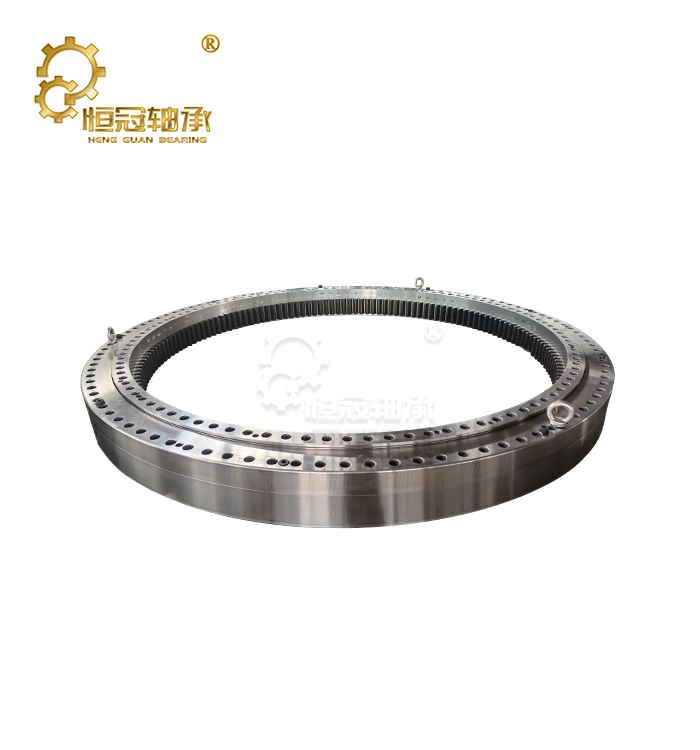 VIEW MORESlewing Bearing For Marine Crane
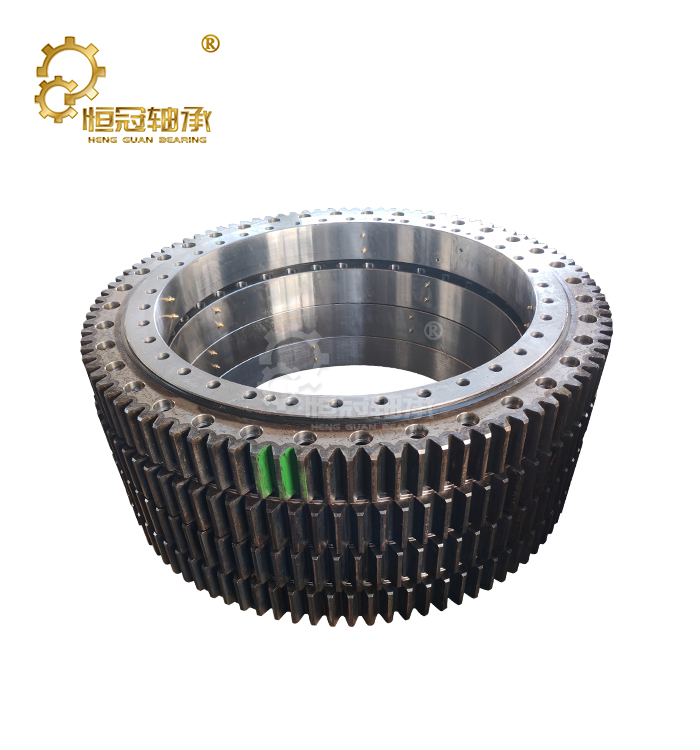 VIEW MOREGantry Crane Slewing Ring
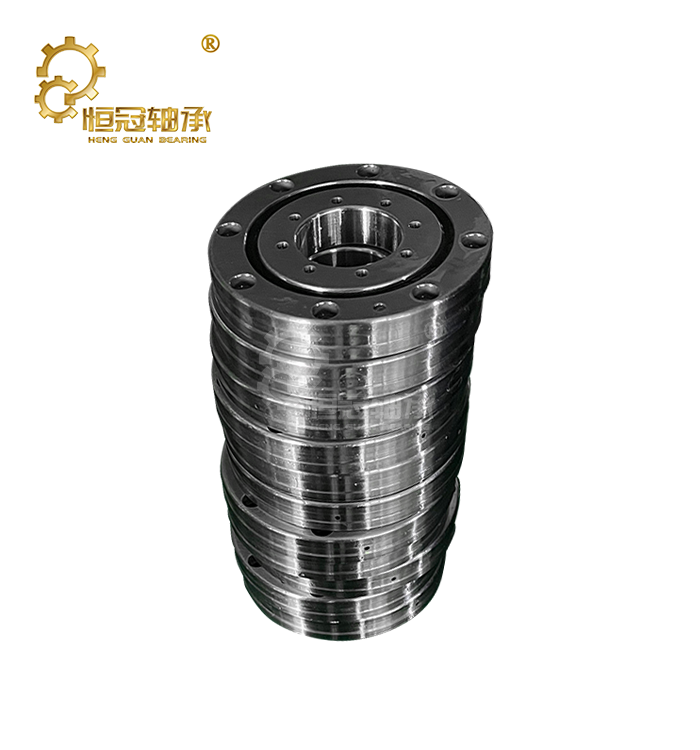 VIEW MOREPrecision Crossed Roller Bearings