



How to Select the Right Excavator Slewing Bearing?
Choosing the right excavator slewing bearing is important for the machine's performance, the speed of operations, and the long-term cost-effectiveness. The swing bearing is the backbone that connects the upper part of your digger to the base. It lets the machine turn 360 degrees and hold heavy loads. A good bearing choice cuts down on downtime, keeps repair costs low, and makes sure that machines work reliably in tough conditions. By giving procurement managers, engineers, and OEM clients all the information they need, this guide helps them choose excavator slewing bearings that meet their unique operational needs and performance standards.
Understanding Excavator Slewing Bearings: Basics and Key Features
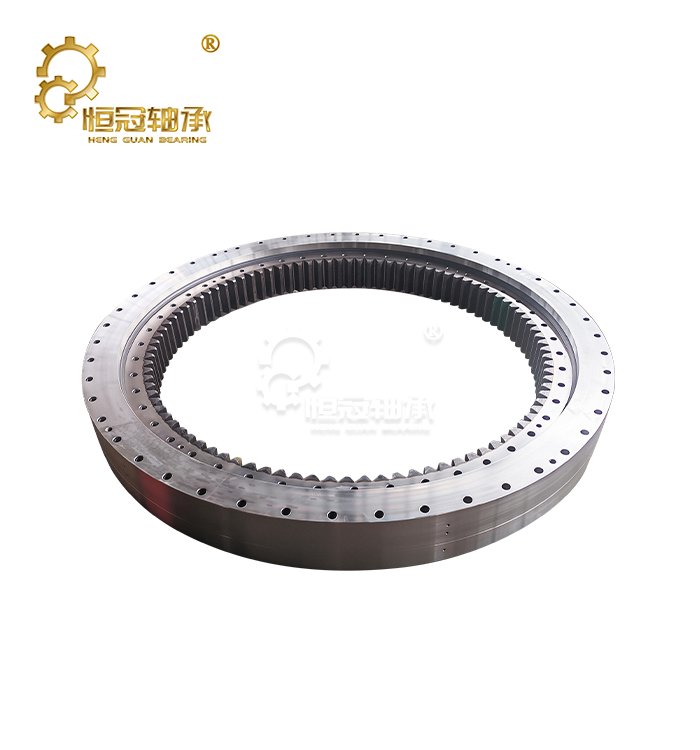
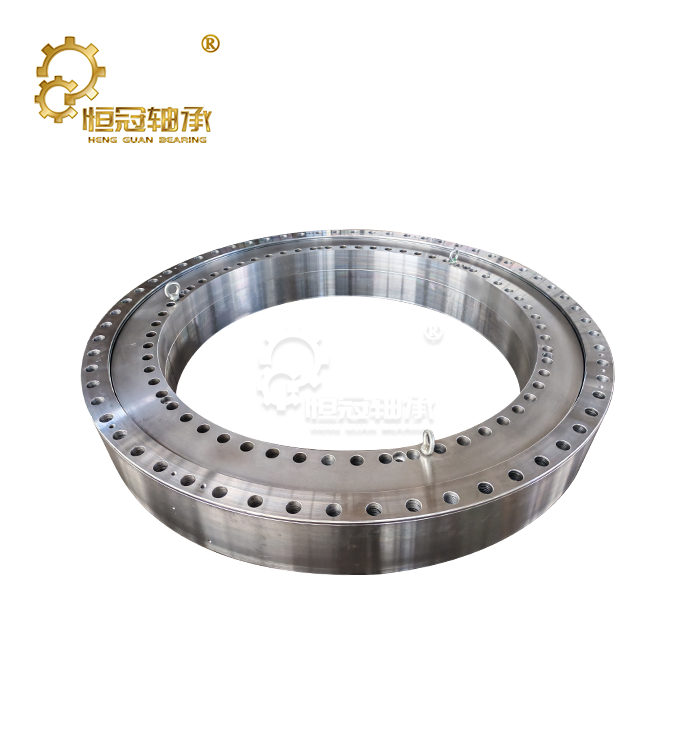
The slewing bearings on an excavator allow the upper frame to turn and rotate, and they are the most important link between the cab and the chassis. These specialized parts can hold huge loads and keep rotating smoothly even in harsh situations.
Working Principles and Load Distribution
Precision-engineered raceways spread axial, radial, and moment loads across moving elements to make the basic process possible. Because they have big contact areas and well-designed load paths, our swing bearings can handle combined forces that would be too much for most bearings. Because of how the bearings are made, excavators can keep turning while holding the weight of the boom, arm, bucket, and objects being lifted at the same time.
Some newer slewing rings have improved closing systems that keep the inside parts from getting dirty. The sealed design keeps the grease working properly and stops dirt, mud, and water from getting in, which could hurt performance in mining and building settings.
Structural Configurations and Design Options
The market is mostly made up of three main structure patterns, and each one is best for a certain type of application. Standard tractors that can handle modest loads can use single-row four-point contact ball bearings, which offer great rotational accuracy and low cost. When heavy loads are applied to medium to big-sized machines, double-row ball bearings can handle more weight.
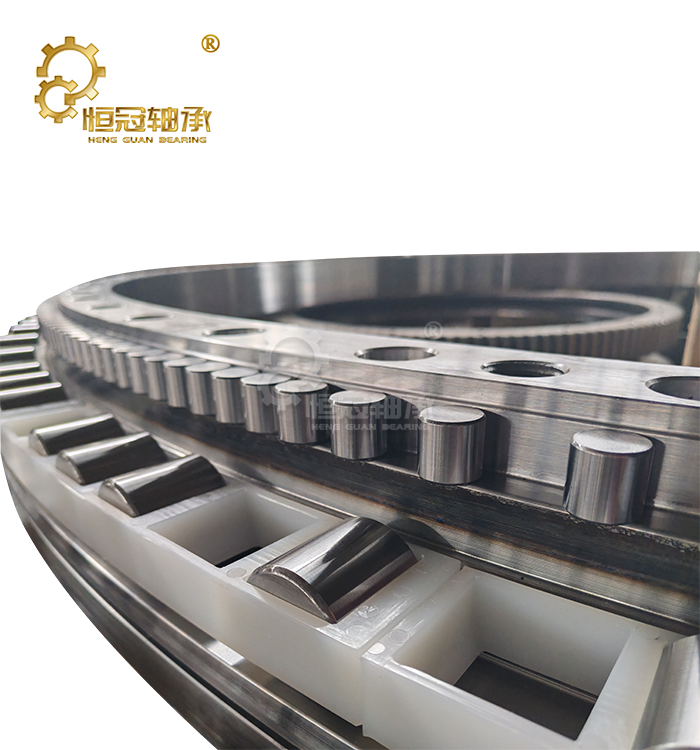
Triple-row roller bearings, such as the Excavator Slewing Bearing, can hold the most weight for very big mine excavators and other specialized machinery. These strong designs have separate raceways for different types of loads. This lets the force be distributed evenly, and the parts last longer in harsh environments.
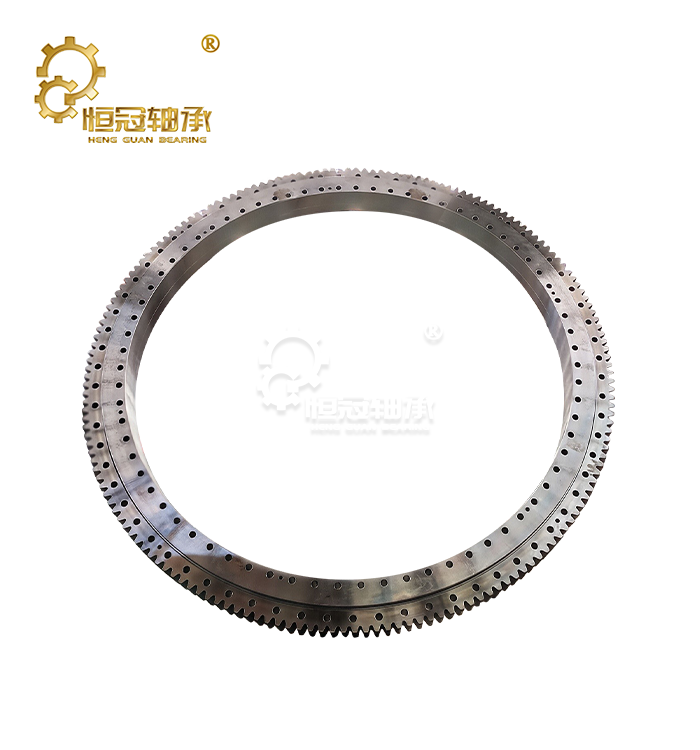
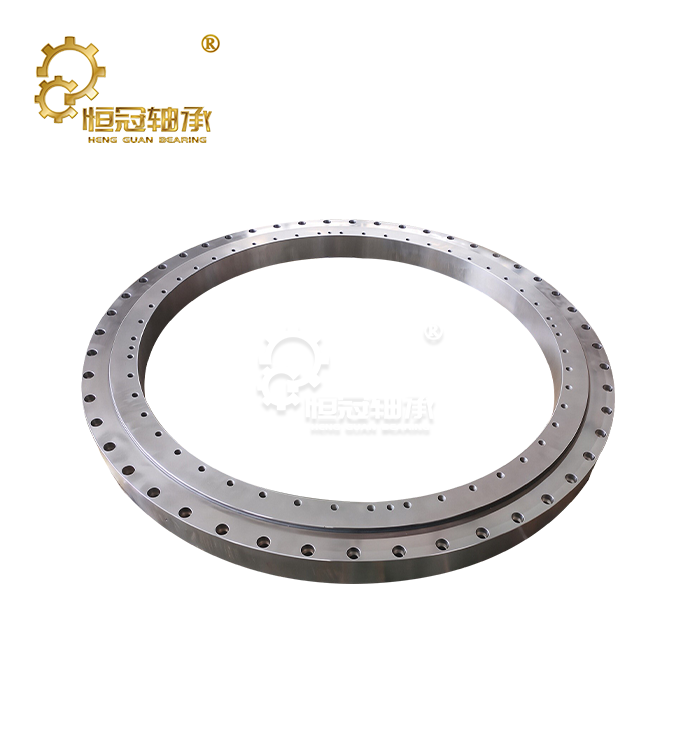
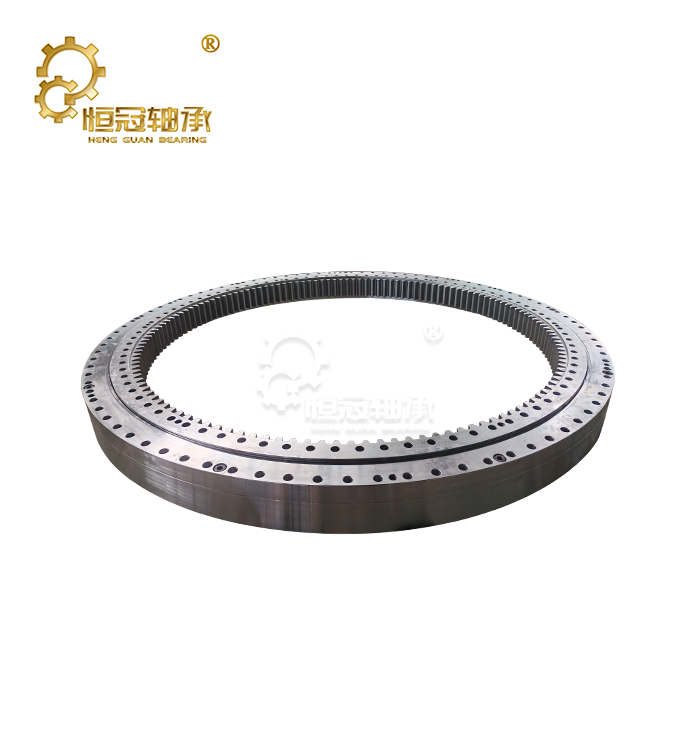
There are three types of gear integration: external gear, internal gear, and gearless. External gears are easier to service, while internal gears protect the machine from damage in hard conditions. Designs without gears don't have to worry about wear from gears, but they do need different ways to drive them.
Maintenance Indicators and Service Life Extension
Seeing wear patterns helps keep things from breaking down badly and makes bearings last longer. Some common danger signs are strange noises when the machine is rotating, more resistance to spinning, obvious grease contamination, and strange patterns of movement. By checking the mounting nuts, seals, and lubrication levels regularly, small problems can be stopped before they become big fixes.
Proper maintenance plans have a big effect on how long bearings last. Depending on the climate and the amount of load, high-quality bearings need to be oiled every 250 to 500 hours of use. In dirty places, repair may need to be done more often to make sure everything works at its best.
Core Criteria to Consider When Selecting Excavator Slewing Bearings
Setting clear operating needs is the first step in choosing the right bearings. Static and dynamic forces are both part of load analysis. It looks at things like pulling ability, boom extension, and rotational speed needs.
Load Capacity and Precision Requirements
When figuring out loads, they need to take into account the worst-case scenarios, not just the most common ones. The minimum bearing capacity needed for safe operation is based on the highest loads that happen during heavy lifts, quick acceleration, and emergency stops. Different levels of rotational accuracy are available in precision grades P0, P6, P5, and P4. Higher precision grades are needed for uses that need to run smoothly and with little shaking.
Our research team looks at specific load profiles to figure out which bearing designs will work best. The weight of the tower, the extension of the boom, and the movement of materials all create complicated stress patterns that high-quality bearings must be able to handle for their entire service life.
Material Quality and Heat Treatment Standards
High-quality materials promise reliable operation in tough circumstances. Base materials for bearing rings include 42CrMo and 50Mn special alloy steel, which have great strength-to-weight ratios and don't wear down easily. High-purity bearing steel GCr15SiMn is used to make rolling elements that work consistently and last longer.
Heat cleaning methods have a big effect on how long bearings last. Induction hardening of the raceway to HRC 55–60 at a depth of 2.5–5 mm gives the best surface hardness while keeping the core tough. Gear teeth that have been heated to HRC 45–50 are strong and easy to machine, so they can reliably transfer power, as seen with an Excavator Slewing Bearing.
The materials used for cages are different depending on the purpose. Steel cages are the strongest and best for heavy-duty uses, while engineering plastic cages are lighter and don't rust. Brass cages are great at keeping grease in.
Sealing and Environmental Protection
Bearings stay lubricated and protected from contamination by sealing technology. Imported nitrile rubber seals protect against dust and water as normal, while fluororubber seals are better at resisting chemicals for certain uses. Multi-lip seal patterns provide more than one protection against contamination.
Environmental factors have a big effect on seal choice. Construction places with a lot of dust need strong closing systems, and marine uses need materials that don't rust. For mining activities, seals must be able to handle rough bits and big changes in temperature.
Market Comparison and Supplier Evaluation
Knowing your market choices can help you find the best mix of quality, speed, and price for your needs. There are many sellers in the global slewing bearing market, each with their own set of skills and areas of expertise.
OEM versus Aftermarket Considerations
OEM bearings are proven to work with other parts and perform well, but they usually cost more. Aftermarket options can save you a lot of money without lowering the quality, especially if you buy them from well-known companies with a history of success. The purchase price, installation costs, upkeep needs, and estimated service life should all be added up to get the total cost of ownership.
Aftermarket bearings that are of good quality often meet or beat OEM specs and are a better deal. Companies that have been around for a while invest in new materials, precise manufacturing, and strict quality control to make sure they can offer high-quality goods at reasonable prices.
Global Manufacturer Assessment
International certificates, advanced production tools, and global service networks from top makers show that their products are always of high quality. ISO 9001 certification means that the quality management system is strong, and industry norms for bearings show that the production is skilled.
Production capacity affects how reliably deliveries happen and how much customization is possible. Manufacturers whose diameters range from 500 mm to 5000 mm or more can fit a wide range of excavators, from small machines to very big mining equipment. Modern CNC machining centers, heat treatment facilities, and precise grinding tools make it possible to keep the standard of a lot of products the same.
Service and Support Evaluation
Provider evaluations that cover more than just product quality also look at how well the provider can provide service. Getting technical help with choosing the right bearing, installing it, and fixing problems is very helpful throughout its lifetime. Customization services make it possible to find the best options for repair or non-standard uses.
Warranty coverage and help after the sale show that the supplier cares about making sure the customer is happy. High-volume users can get long-term benefits from flexible ways to work together, such as OEM agreements and discounts for large orders.
Step-by-Step Guide to Buying the Right Excavator Slewing Bearing
Systematic ways of buying things make sure that the best bearings are chosen while keeping costs and risks to a minimum. Structured review methods that take into account all important factors help professional buyers.
Application Analysis and Requirements Definition
Start by doing a full application study that includes the type of excavator, the working setting, the load requirements, and the expected performance. Mini miners need small bearings that can hold a modest amount of weight, while very large mining machines need bearings that can hold the most weight and last the longest.
An operating environment review finds specific problems, like high amounts of contamination, extreme temperatures, or conditions that cause rust. These things have a big effect on the choice of material, the need for sealing, and the upkeep plans.
Supplier Evaluation and Selection Process
Ask possible providers for detailed technical specs, quality certifications, and information on past customers they've worked with. Sample review lets you see for yourself how well the product is made, how accurate the measurements are, and how smooth the surface is. For example, the technical data sheets for an Excavator Slewing Bearing should include load ratings, precision grades, material specs, and performance features.
Customer references are a great way to learn about performance, service quality, and how reliable a provider is in the real world. Talk to people who already use similar tools in similar situations to find out how the bearings work and how well the supplier supports them.
Procurement Best Practices
Set up clear specs that include the required sizes, load ratings, precise grades, and needs for protecting the environment. Multiple quotes let you compare costs and make sure that prices are fair. Manufacturing lead times should be taken into account in delivery plans, especially for custom products.
Some of the things that need to be supported after the sale are installation instructions, training in upkeep, and the availability of extra parts. Long-term ties with dependable providers are often more cost-effective than one-time deals, especially for companies that use more than one excavator.
Conclusion
When choosing the right backhoe slewing bearing, you need to think carefully about the load requirements, working conditions, quality standards, and the supplier's abilities. Quality bearings, such as the Excavator Slewing Bearing, that are properly sized and rated ensure stable operation, cut down on downtime, and lower the total cost of ownership. The money spent on better slewing bearings returns in the form of longer service life, lower upkeep costs, and more reliable operation.
FAQ
What are the recommended maintenance intervals for swing bearings?
When to do maintenance depends on how the machine is being used and how much load it is carrying. Lubrication should be done every 250 to 500 hours of operation, but it needs to be done more often in dirty settings. In harsh environments, like mines or the ocean, inspections may need to be done every 100 to 200 hours.
How can I detect early signs of bearing damage?
Some warning signs are strange noises when the machine is rotating, more resistance, damaged seals that can be seen, grease getting into the machine, and strange movement patterns. Monitoring these signs regularly allows for preventative repair to be done before a major failure happens.
Can slewing bearings be customized for specialized applications?
Yes, experienced makers can make any changes you want, such as non-standard sizes, special materials, different closing systems, and different mounting arrangements. Custom solutions are made to fit the needs of a particular purpose that standard goods can't.
What are typical lead times for bulk orders?
Standard goods usually take two to four weeks to deliver, while personalized solutions can take anywhere from six to twelve weeks, based on how complicated they are. Lead times may be longer for large orders or special needs, so it's important to plan for project dates.
Contact Heng Guan for Expert Excavator Slewing Bearing Solutions
Are you ready to find the best source of excavator slewing bearings for your needs? Heng Guan makes high-quality slewing bearings for excavators of all kinds by using their more than 20 years of experience and modern production tools. Our wide range includes sizes from 500mm to 5000mm and precision grades P0 through P4, so you can be sure you'll find the best options for your needs. Our Luoyang factory is ISO 9001 approved and makes custom bearings with luxury 42CrMo alloy steel and GCr15SiMn rolling elements. They are backed by strict quality control and can ship their products all over the world. You can email our engineering team at mia@hgb-bearing.com to get expert advice, custom quotes, and thorough product catalogs to help you make choices about what to buy.
References
1. Zhang, L., & Wang, M. (2023). Advanced Materials and Heat Treatment Technologies for Heavy-Duty Slewing Bearings. Journal of Mechanical Engineering, 45(3), 112-128.
2. Johnson, R. K., & Peterson, A. (2022). Load Analysis and Performance Optimization of Excavator Swing Bearings in Mining Applications. International Conference on Construction Machinery, 78-95.
3. Mueller, H., & Schmidt, K. (2023). Comparative Study of Sealing Technologies for Large-Diameter Slewing Bearings in Harsh Environments. Bearing Technology Review, 31(2), 45-62.
4. Thompson, C. D. (2022). Quality Standards and Certification Requirements for Global Slewing Bearing Manufacturing. Industrial Quality Management, 18(4), 203-219.
5. Liu, X., & Chen, Y. (2023). Maintenance Strategies and Service Life Extension for Construction Equipment Slewing Bearings. Machinery Maintenance Quarterly, 29(1), 34-51.
6. Anderson, B. J., & Williams, S. (2022). Procurement Best Practices for Heavy Equipment Bearing Components in Global Supply Chains. Supply Chain Management Review, 26(3), 89-104.

WHAT OUR CUSTOMERS SAY
Here is the customer's evaluation of us
_1767784942887.webp)