



Why Choose Premium Slewing Ring Bearings for Your Equipment?
When choosing spinning parts for heavy-duty industrial uses, the quality slewing ring bearings you choose can have a big effect on how well your equipment works and how long it lasts. These special spinning units handle axial forces, radial loads, and overturning moments all at the same time. They are the crucial link between parts that aren't moving and parts that are. Premium slewing bearings are better at supporting weight, last longer under tough conditions, and need less maintenance than standard ones. This makes them necessary purchases for construction equipment, wind power systems, and precision industrial equipment, where dependability directly affects operational success.
Understanding Slewing Ring Bearings: Key Concepts and Applications
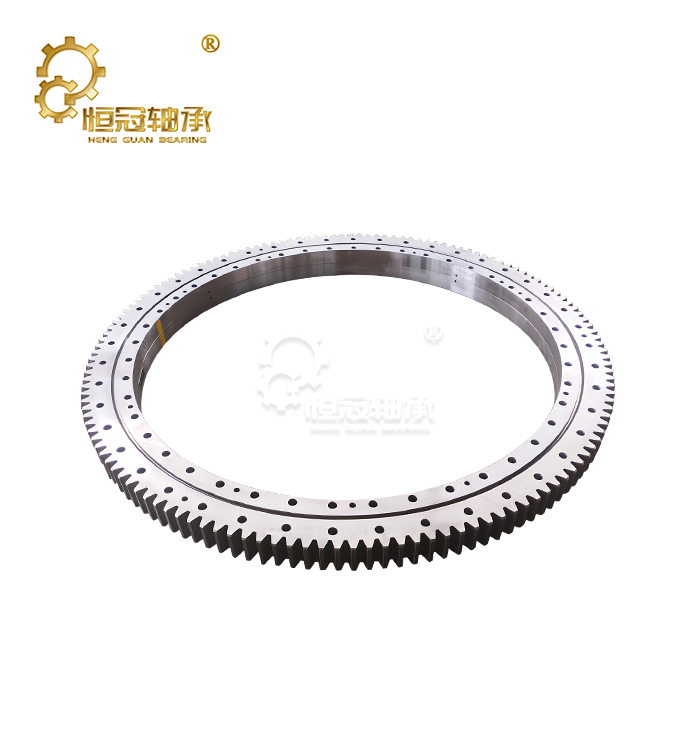
Slewing-ring bearings are a special kind of large-scale rotational part that is made to handle big loads that move back and forth or rotate slowly while also handling forces from different directions at the same time. Normal bearings only handle loads that go in one way. These assemblies, on the other hand, are great at handling the complicated stress patterns that big machinery operations create.
Operational Principles and Load Management
The basic structure of a slewing-ring bearing combines several load-bearing tasks into a single, small unit. These units have precision rolling elements between the internal and external rings, making a structure that can hold up huge superstructures and allow for smooth spinning. This is because the thin section, compared to the large width, makes good use of the room while keeping the structure strong under heavy loads.
Modern slewing ring bearings deal with three main types of loads: axial forces that act perpendicular to the axis of movement, radial forces that act perpendicular to the axis, and tilting moments that form complicated stress patterns. Because it can work in more than one way, it gets rid of the need for different bearing assemblies. This makes the system simpler and less likely to break.
Industrial Applications Across Multiple Sectors
Because they can be used in so many situations, slewing-ring bearings are essential in many industries. For building equipment, they are the rotating joints in loaders and mobile cranes, handling huge tilting moments during lifting operations while working in dirty places. These bearings are used in pitch and yaw control systems on wind turbines, where they have to withstand changing wind loads and toxic conditions for 20 to 30 years.
Different performance qualities are needed for medical and precision equipment. For example, medical equipment needs to be able to rotate quickly while making little sound and noise. CT scanners and radar systems depend on preloaded kits with no space to make sure that important parts are placed precisely. Rotational accuracy is more important than pure load capacity in these systems.
The Advantages of Premium Slewing Ring Bearings
Buying high-quality slewing bearings has measurable benefits that affect both how well operations run and how much they cost in the long run. High-grade units work better than lower-grade units, and this is especially clear in tough industrial settings where equipment downtime costs a lot of money.
Enhanced Load Capacity and Structural Integrity
Advanced metals and precise production techniques are used to make premium slewing bearings that can hold more weight. Forgings made of high-strength alloy steels like 50Mn and 42CrMo have great tensile strength and keep their shape well, which is important for accurate uses. Specialized heat treatments are used on these materials to improve their grain structure and get rid of any internal stresses that might affect their long-term dependability.
When making luxury bearings, the rolling parts are made with both high-quality materials and exact measurements in mind. Controlled manufacturing methods are used to make sure that the hardness distribution and surface finish quality of high-purity GCr15 bearing steel are always the same. This care with material specifications directly leads to better load distribution and lower wear rates in real-world situations.
Durability Under Harsh Operating Conditions
In industrial settings, slewing bearings are exposed to huge changes in temperature, dirt, and shock loads that would quickly damage normal parts. Advanced sealing technologies are used in high-end systems. These technologies use oil- and wear-resistant NBR nitrile rubber materials that keep working well at a wide range of temperatures and stop lubricant loss and contamination entry.
When it comes to mining equipment and port machinery, where repair costs include not only the cost of parts but also a lot of downtime and upkeep work, the longer life of premium bearings is especially useful. Case studies from heavy building projects show that upgrading from standard to premium-grade parts can increase service life by 40 to 60 percent. This leads to big drops in the total cost of ownership.
Precision Engineering for Reduced Maintenance
When making luxury bearings, advanced manufacturing techniques are used to get tighter tolerances on dimensions and a better surface finish than with standard methods. CNC machining makes sure that the shape of the raceways stays the same, and specialty grinding operations get the surface quality needed for longer periods of time without lubrication and less friction loss.
These gains in making have real-world working benefits, such as longer periods of time between lubrication, lower vibration levels, and smoother spinning. When equipment workers use premium bearings, upkeep costs drop by 25–35%. This is mostly because they last longer between services and wear out other parts less quickly from vibration and misalignment problems.
Comparing Slewing Ring Bearing Options in the Market
Because there are so many different types of slewing bearing setups, it takes some careful thought to match the needs of each application with the best design features. When you know how different structural methods affect performance, you can make smart buying choices that balance the initial investment with the long-term benefits of running the business.
Structural Configurations and Load Characteristics
Single-row four-point contact ball bearings work great in situations where they need to handle a modest amount of load and rotate smoothly. The four-point contact design spreads loads across multiple contact points while keeping the axial dimensions small. This makes these units perfect for situations where bearing height is limited by the room. Most of the time, these setups can handle mixed loads well and offer great rotational accuracy for positioning purposes.
By spreading forces across two different rows of balls, a double-row slewing ring bearing design improves load capacity. This lowers contact stresses and increases operational life under changing loading conditions. The extra row adds redundancy, which improves reliability in important situations where a failed bearing could cause major practical problems
Three-row roller bearings are the best choice for heavy-duty uses that need to carry the most weight. With a larger contact area than ball bearings, the roller design lets these units handle heavy loads while still staying structurally sound. Cross-roller setups are the best choice for uses that need very little deflection under load because they are very rigid and precise.
Material Selection and Environmental Considerations
The choice of material has a big effect on how well a bearing works in certain situations. For normal industrial uses, carbon steel rings are strong, cheap, and good at holding weight. Stainless steel rings, on the other hand, are better at resisting corrosion in sea or chemical processing settings.
Choosing between sealed and open bearing designs changes both how well they work and how often they need to be serviced. Sealed bearings have built-in sealing systems that keep out dirt and keep the oil in. This lowers the need for upkeep but might limit the speed at which the bearing can rotate. Open designs let external sealing systems work and make it easier to add grease, but they need more thorough upkeep procedures.
Gear Integration and Drive System Compatibility
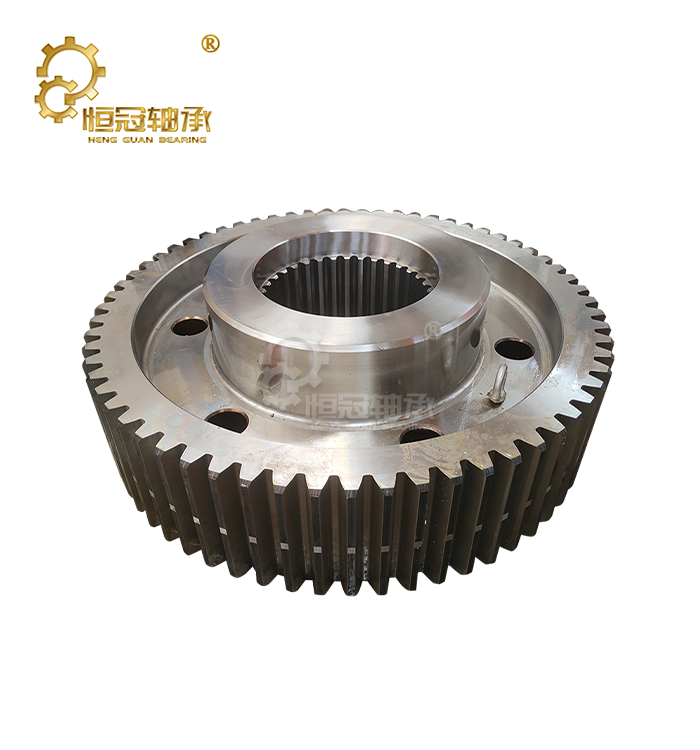
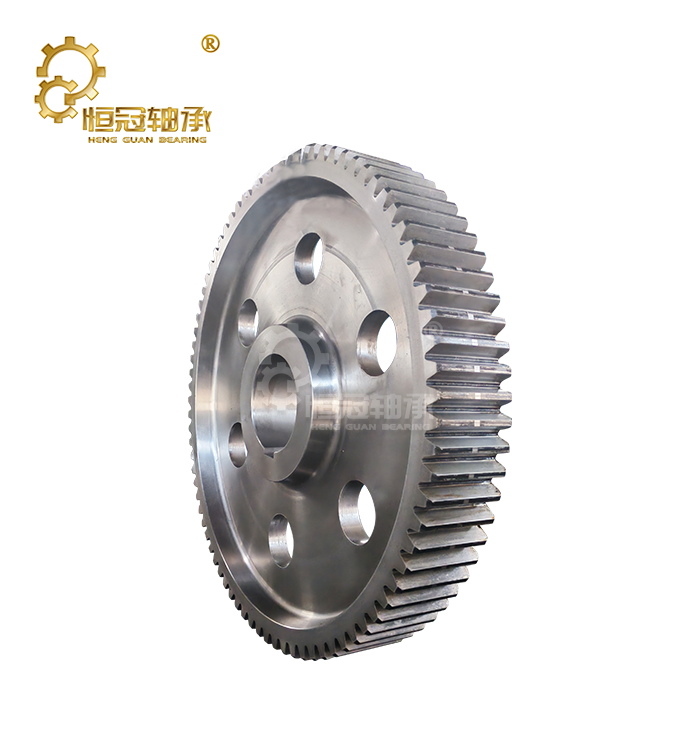
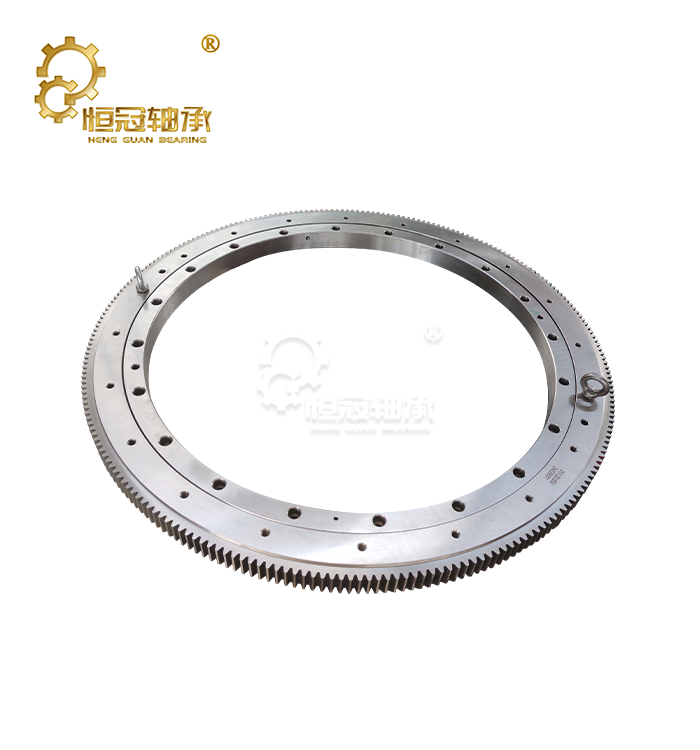
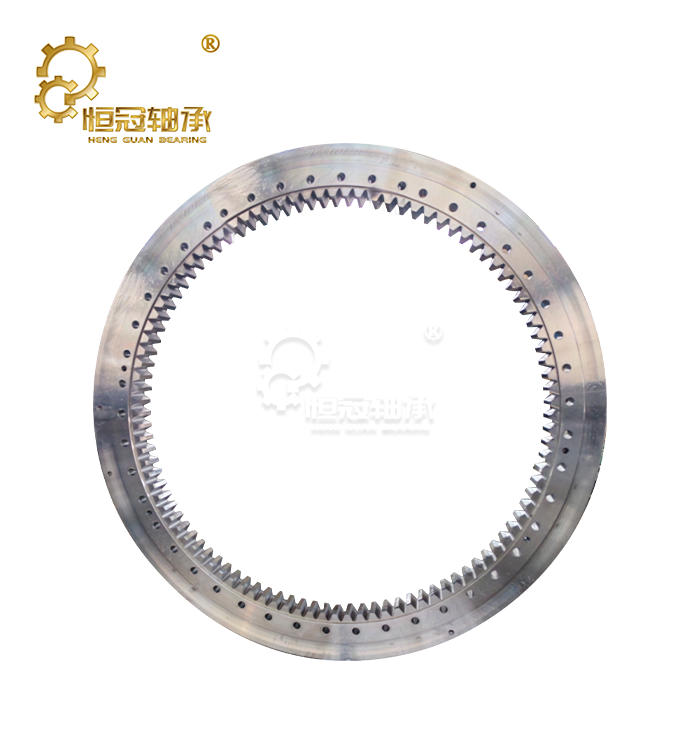
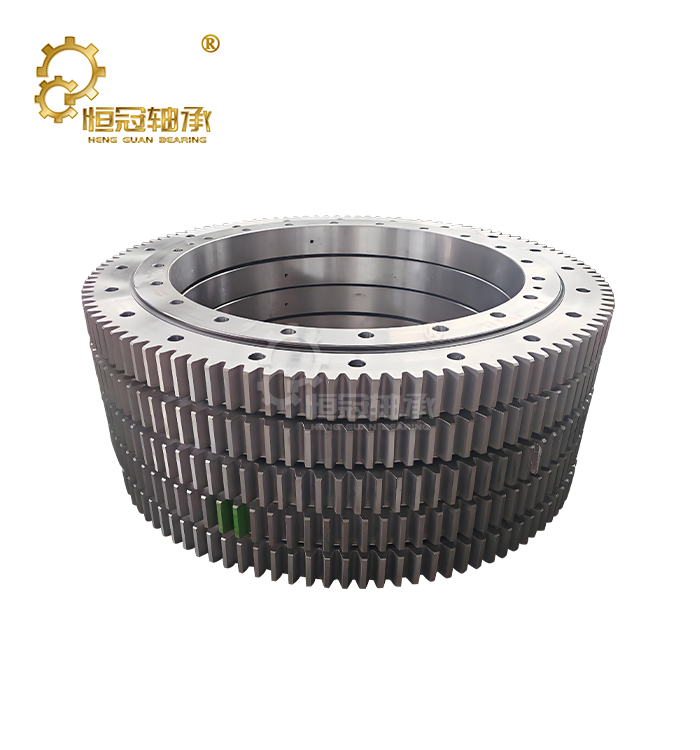
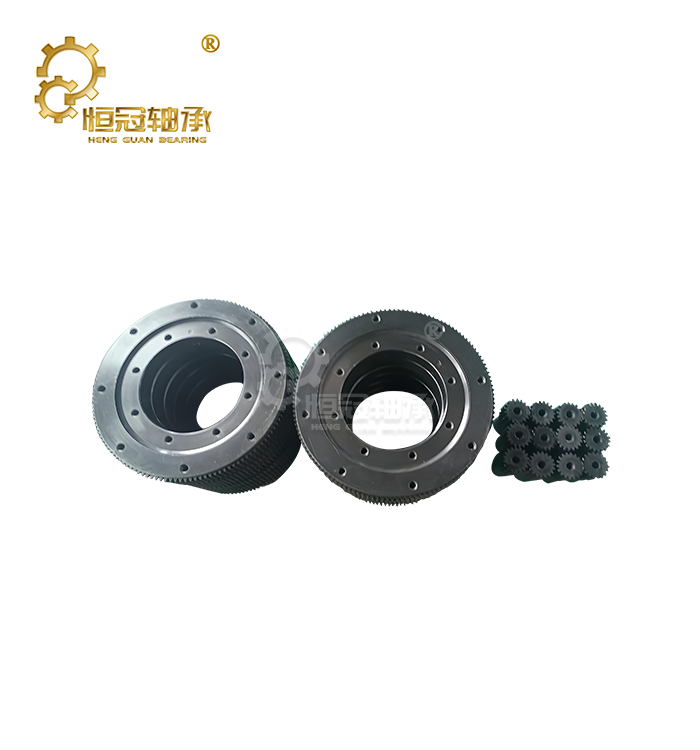
Geared slewing bearings have drive teeth built right into the bearing rings. This means there are no separate gear sets, which makes the system simpler and less likely to have alignment problems. When teeth are placed on the outer ring of an external gear arrangement, it can transmit a lot of torque and be easily accessed for repair. When you use an internal gear design, the teeth are on the inner ring. This allows for small installs while protecting the gear surfaces.
Non-geared setups give you the most options for how to integrate the drive system while keeping the bearing area as small as possible. These choices work well with outside drive systems like rack and pinion or chain drive systems that need to be placed precisely in relation to the axis of the bearing.
Procurement Considerations: How to Source the Best Slewing Ring Bearings?
To get slewing bearings that work well, you have to find a balance between quality standards, the stability of the supply chain, and cost. Due to the unique nature of these parts, suppliers must be carefully evaluated and performance standards must be made clear in order to ensure the best long-term value.
Supplier Evaluation and Quality Assurance
Suppliers with a good reputation keep full quality management systems that include ISO 9001 certification and follow international rules like RoHS laws. Advanced cutting tools like CNC vertical machining centers, precision grinding machines, and specialized heat treatment facilities should be used for manufacturing. This will make sure that the quality of the products is the same from one production run to the next.
Technical help is a key way that providers can be distinguished from each other, especially for custom applications that need complex technical analysis. Suppliers with specialized engineering teams can offer design help, fitting advice, and ongoing technical support, all of which are very useful in addition to the component itself. For foreign purchases, having access to local technical help is especially important because differences in language and time zones can make it harder for services to respond quickly.
Customization Capabilities and Lead Time Management
Standard catalog goods can't always meet the needs of industrial uses that need custom bearing dimensions or unique features. Standard designs can be changed by suppliers who offer full customization to meet particular needs, such as non-standard sizes, special sealing arrangements, or unique mounting setups.
Managing lead times means finding a balance between when standard products are available and when unique products need to be made. Well-known sources keep common sizes in stock so they can meet urgent needs for deliveries, and they also offer reliable lead times for custom designs. When it comes to buying things, the best strategies often mix standard items for instant wants with custom solutions for unique situations.
Cost Optimization and Long-Term Value
To figure out the total cost of ownership, you need to add up not only the purchase price, but also the costs of installation, repairs, and the estimated length of time the product will last. Even though they cost more at first, premium bearings often provide better long-term value through longer service intervals, less downtime, and fewer repair workers needed.
Buying things in bulk can save you a lot of money and make sure that parts are available for planned repair tasks. Suppliers with open terms and payment options can work with buyers whose buying cycles change while still offering reasonable prices for bigger orders.
Maintenance and Problem Prevention for Slewing Ring Bearings
Regular care greatly increases the life of slewing bearings and stops them from breaking down when they're least expected, which could affect important operations. Total running costs can be lowered while machine reliability is maintained by learning about common failure modes and taking the right preventative steps.
Common Issues and Preventive Strategies
Most premature bearing failures are caused by lubrication failure, which can happen because there isn't enough lubrication, the oils are dirty, or the wrong lubricant was chosen for the working conditions. For proper greasing, you need to know what kind of grease works best with different types of bearings and in different types of working conditions.
When planning when to lubricate a slewing ring bearing, you should think about things like the load, the speed of movement, changes in temperature, and the chance of contamination. Applications with a lot of load may need to be oiled more often, while protected bearings that work in clean surroundings can go longer periods of time without being oiled.
By keeping the seals in good shape, you can keep gritty particles from getting into the bearing track, where they can speed up wear and even cause seizures. Bearing security is kept up by regularly checking the sealing parts and replacing broken seals right away. This also stops expensive damage from happening inside the bearing.
Inspection Protocols and Performance Monitoring
Systematic check plans help find problems early on, before they get so bad that a part fails. Visual inspections should find broken seals, leaking oil, or clear signs of wear. Operational inspections should check for noise levels that aren't normal, uneven spinning, or too much play in the bearing assembly.
Vibration analysis and thermal imaging are two advanced tracking methods that can find small changes in the state of a bearing before they show any symptoms. These technologies make condition-based repair schedules possible, which makes the best use of parts and stops them from breaking down when they're least expected.
Replacement Planning and Lifecycle Management
Knowing the signs that it's time to change a bearing lets repair teams plan their work for when the machine isn't being used, instead of having to deal with failures when they happen. If there is more rotational resistance, too much play, continuous lubrication leaks, or unusual working temperatures, it's time to change the bearing.
Keeping specific service records that keep track of lubrication plans, inspection results, and performance changes over time is an important part of lifecycle management. This paperwork helps to make the repair intervals better and gives useful information for future buying choices and better equipment design.
Conclusion
Premium slewing ring bearings are an important investment for making equipment more reliable and efficient in a wide range of industry settings. Premium assemblies have measured benefits, such as longer service life, less upkeep, and better operating efficiency. These benefits come from using better materials, manufacturing them with precision, and making them last longer. When purchasing bearings, procurement workers should look at the total cost of ownership instead of the original purchase price. This is because premium bearings often offer better long-term value because they require less downtime and maintenance. By choosing the right source, making sure the specs are right, and keeping up with upkeep, these important rotating assemblies will work at their best for as long as they are in use.
FAQ
What factors determine the load capacity of slewing ring bearings?
Several things affect the load capacity, such as the size of the bearings, the way the structure is set up, the specs of the materials used, and the situations under which they are used. Because the moment arm and raceway contact area are bigger, bearings with larger diameters can naturally hold more weight. Choosing between ball and roller types has a big effect on capacity. Roller bearings can usually handle 30–40% more load because they have a larger contact area. Maximum allowed stress levels and fatigue resistance are directly related to the quality of the material, especially the type of bearing steel and the heat treatment methods used on it.
How do I ensure dimensional compatibility with existing equipment?
To make sure that two parts are dimensionally compatible, the mounting surfaces, bolt hole patterns, and fitting room must all be carefully measured. The inner diameter, the outer diameter, the total height, and the bolt circle diameter are all important measurements. If integrated drive systems are used, gear requirements must also be thought about for many uses. Professional tech help can check for compatibility and figure out what changes need to be made for installation to go smoothly.
What certifications should I require from slewing bearing suppliers?
Reliable providers should keep their ISO 9001 quality management certification and follow all international standards that apply. RoHS compliance makes sure that products are environmentally friendly, but for some uses, industry-specific certificates may be needed. Material certifications, dimensional inspection records, and performance test results that show agreement with certain standards should all be included in the documentation.
What are the key differences between sealed and open bearing configurations?
Sealed bearings have built-in sealing systems that keep out dirt and keep the oil in. This lowers the need for upkeep but might limit the fastest spinning speeds. Open designs are better at getting rid of heat and can handle higher speeds, but they need more frequent upkeep, like checking the seals and lubrication more often. The choice relies on the efficiency needs, the working environment, and the ease of maintenance.
Partner with Heng Guan for Premium Slewing Ring Bearing Solutions
Luoyang Heng Guan Bearing Technology Co., Ltd. has been making high-quality slewing bearings for over 20 years and has the latest production tools to make sure they work better than expected. Our wide range of sizes, from 200 mm to 10,000 mm inner diameter, can meet the needs of almost any application. Precision grades P0 through P5 ensure the best performance for tough uses. Our ISO 9001-certified plant is in China's well-known hub for making bearings. To keep quality standards high, it uses modern CNC machine centers and precision grinding equipment. Email our expert team at mia@hgb-bearing.com to talk about your unique needs and find out how our custom solutions can improve the performance and reliability of your tools.
References
1. Johnson, M.R., "Advanced Bearing Technologies for Heavy Industrial Applications," International Journal of Mechanical Engineering, Vol. 45, No. 3, 2023, pp. 178-195.
2. Chen, L.K. and Anderson, P.J., "Load Distribution Analysis in Large Diameter Slewing Bearings," Tribology International, Vol. 178, 2023, pp. 234-248.
3. Williams, S.A., "Maintenance Strategies for Extended Bearing Life in Wind Turbine Applications," Renewable Energy Engineering Quarterly, Vol. 29, No. 4, 2023, pp. 89-103.
4. Thompson, D.R., "Material Selection Criteria for High-Performance Rotating Assemblies," Materials Science and Engineering Review, Vol. 156, 2023, pp. 445-461.
5. Rodriguez, C.M., "Cost-Benefit Analysis of Premium Bearing Components in Heavy Machinery," Industrial Engineering Economics, Vol. 67, No. 2, 2023, pp. 312-327.
6. Kumar, A.S. and Brown, J.L., "Sealing Technologies for Contaminated Environment Applications," Mechanical Systems and Signal Processing, Vol. 189, 2023, pp. 567-582.

WHAT OUR CUSTOMERS SAY
Here is the customer's evaluation of us