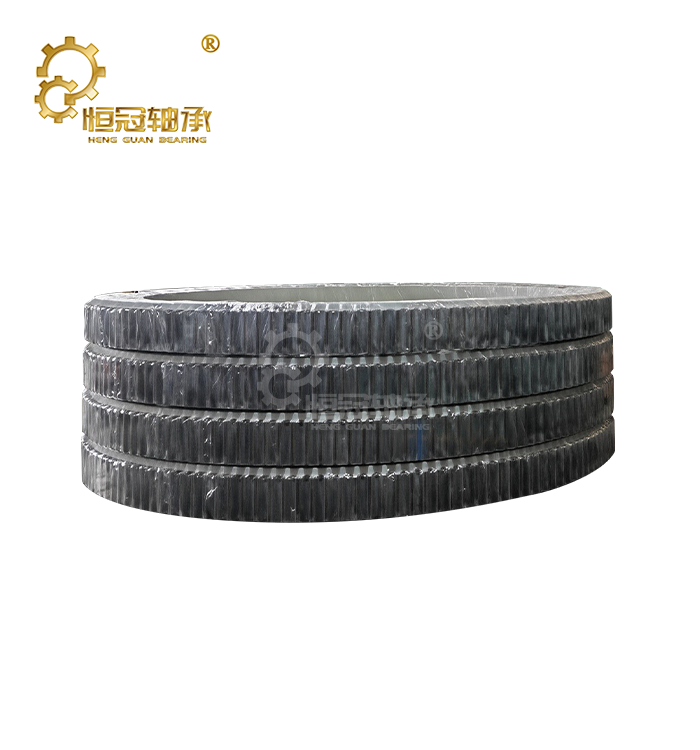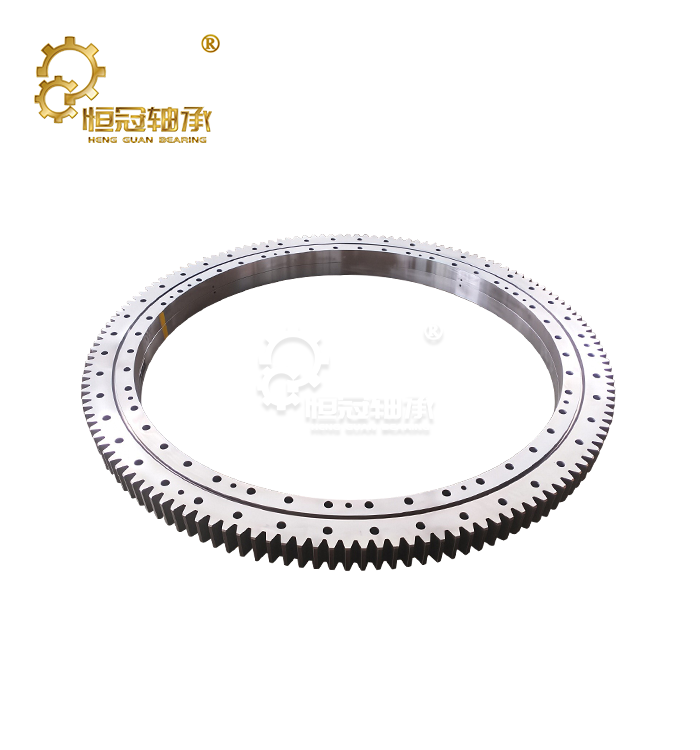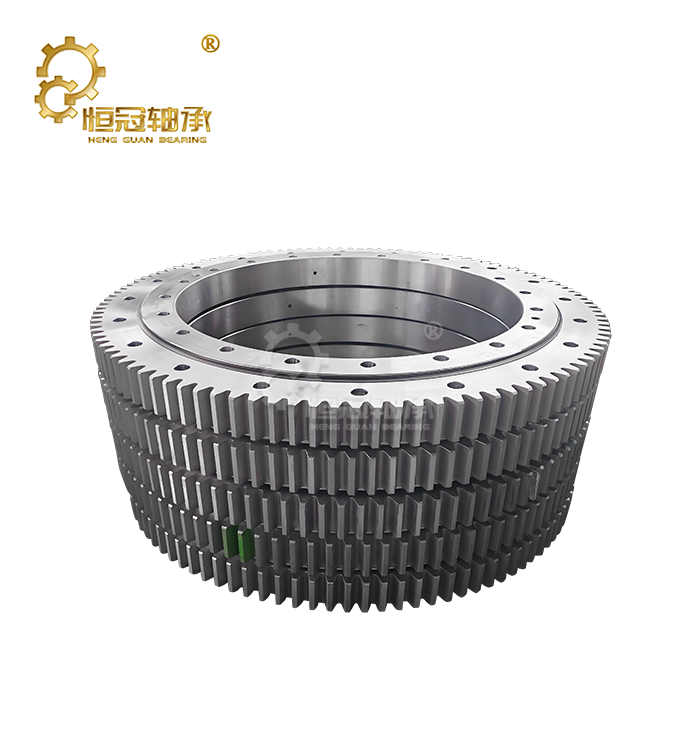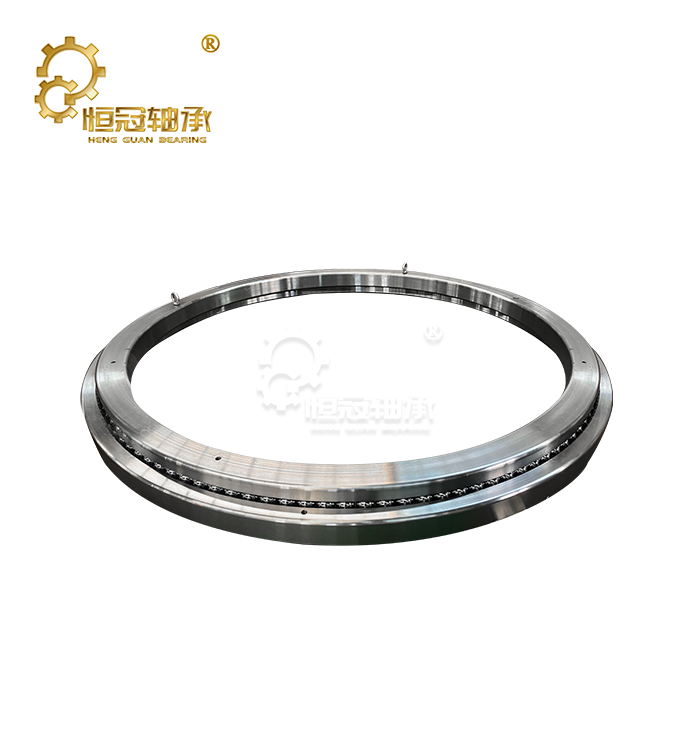




Do Slewing Rings Require Special Lubrication?
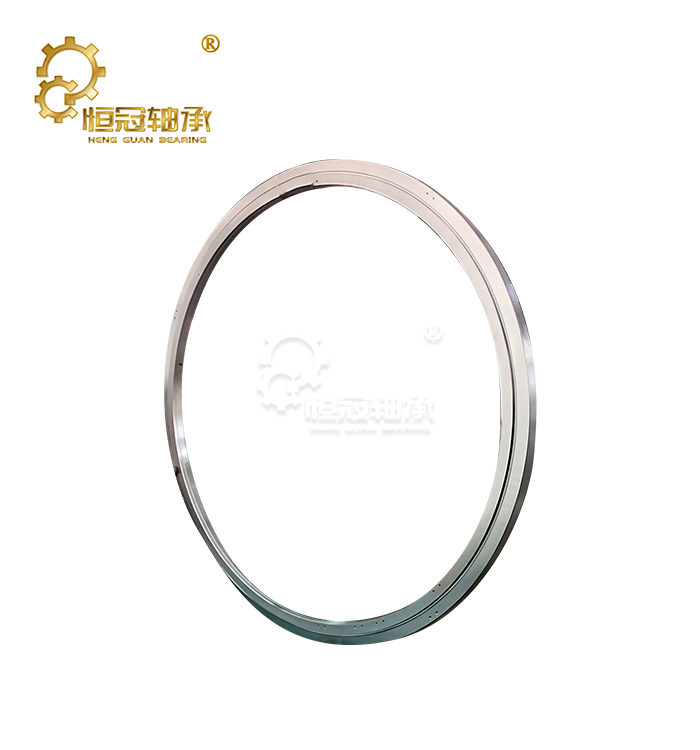
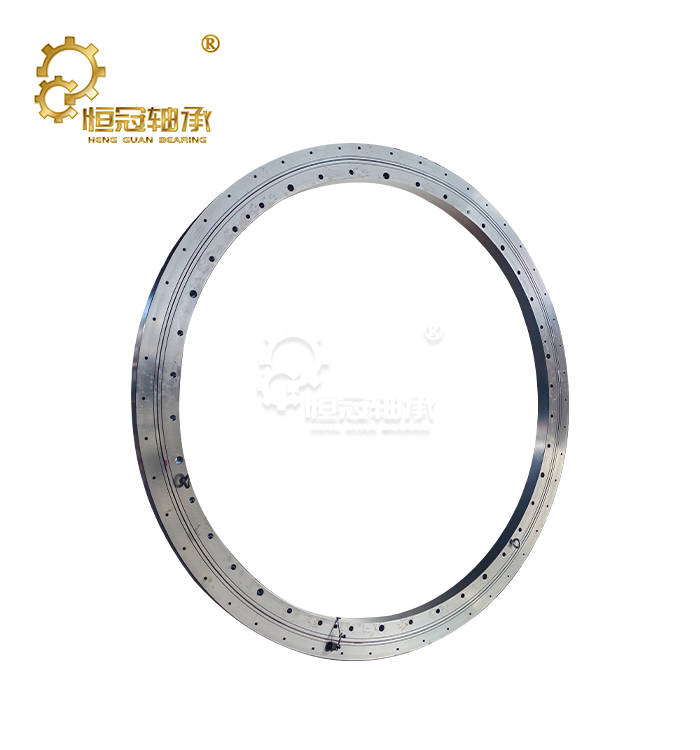
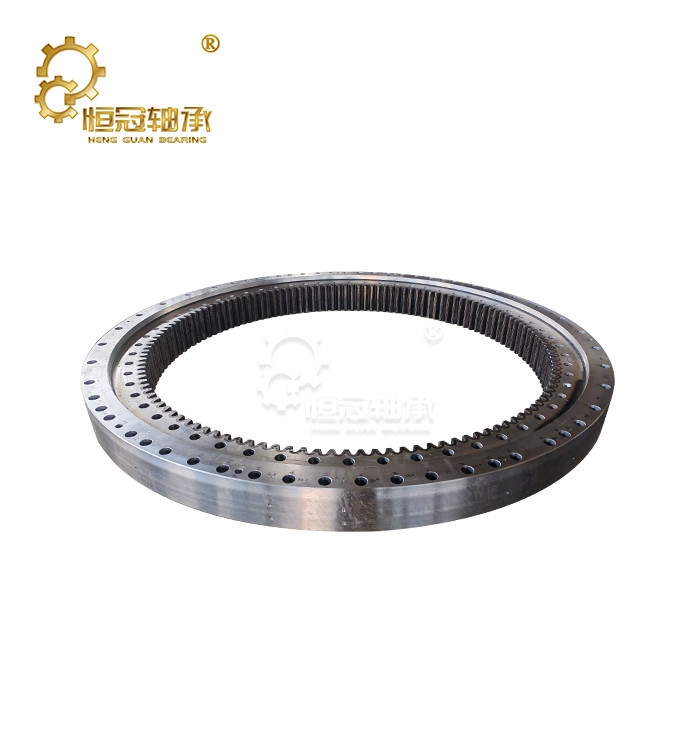
Yes, slewing rings do need special lubrication methods. Slewing rings are very different from those used with regular bearings. Unlike other types of bearings, slewing ring bearings have to work in special conditions that include heavy loads, slow oscillating movements, and harsh weather conditions. Most regular lubricants don't work well in these tough situations because they don't have the high-pressure additives, temperature stability, or consistency that are needed to spread the load evenly across the large-diameter bearing surfaces. When compared to generic alternatives, specialised lubricants made for rotating tools last 200 to 300 times longer.

Understanding Slewing Ring Lubrication Requirements
What Makes Slewing Ring Lubrication Different from Standard Bearings
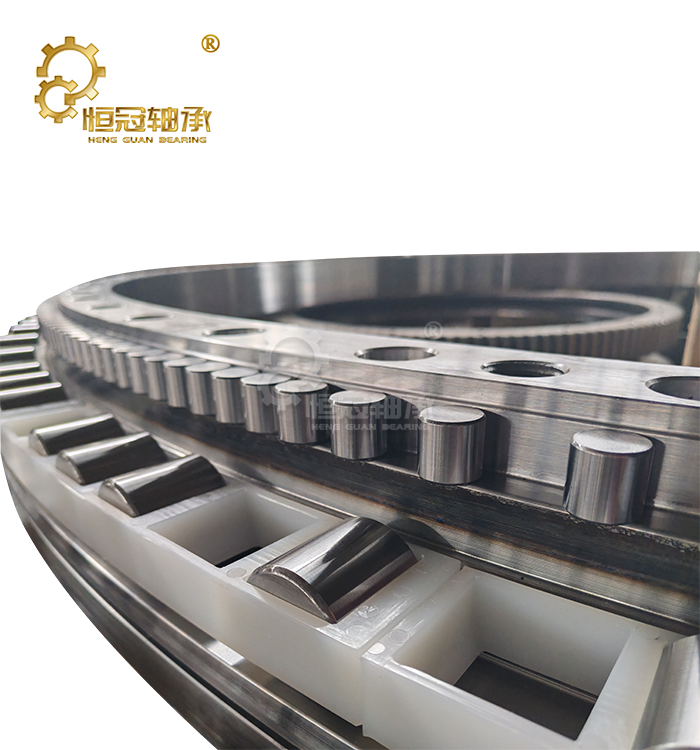
When slewing ring bearings are used, they work in very different ways than other bearings. Because of their big diameter and unique load distribution patterns, these bearings have special lubrication needs that regular bearing greases can't meet. When these bearings are under heavy static loads and slow rotational speeds, they create boundary lubrication conditions where metal-to-metal contact becomes a major concern. In slewing applications, the contact patterns include both rolling and sliding motions, especially in four-point contact ball designs and crossed roller configurations. Because of this dual-motion feature, lubricants need to have very high film strength and anti-wear qualities. Normal oils for bearings often break down in these situations, which can cause the bearings to wear out faster than expected or even fail.
The Impact of Operating Conditions on Lubrication Needs
Environmental factors are very important in figuring out how much lubrication is needed for slewing ring use. Standard oils break down quickly in dusty, dirty places where construction equipment works. In marine applications, bearings are exposed to salt spray and water, and in mining, they are exposed to abrasive particles Slewing rings, and extreme temperatures. Wind turbine installations are especially hard because the temperature can change from -40°C to +80°C, and there are constant vibrations and weather exposure. Because of these conditions, lubricants need to be very stable at high temperatures and resistant to water, which is something that regular products can't do.
Why Generic Lubricants Fall Short for Slewing Applications
Generic oils don't have the special additive packages that are needed to protect slewing rings. Large-diameter bearings are under a lot of pressure, so they need special anti-wear and anti-friction additives that keep working even when the bearings are lubricated at the edges. Standard lubricants also don't protect against corrosion well enough in harsh environments. The consistency and pumpability of these lubricants aren't always good enough for getting them to all the bearings in big assemblies. Specialised formulations keep the right consistency over a wide range of temperatures, making sure that critical touch zones always get effective lubrication.
|
|

Key Factors That Determine Special Lubrication Needs
Load Capacity and Stress Distribution Analysis
Because slewing bearings carry heavy loads, they create unique stress patterns that affect the choice of lubrication. When axial loads, radial forces, and tilting moments come together, they make contact stress patterns that are very complicated across bearing surfaces. These areas of high stress need lubricants that are especially good at handling extreme pressure and making films that are strong. Load analysis shows that contact loads in slewing applications often go over 3000 MPa, which is much higher than what regular bearing lubricants can handle. Molybdenum disulfide, graphite, or other solid lubricants are used in special mixtures that keep things safe even when they're under a lot of stress and fluid films break down.
Operating Speed and Temperature Considerations
Most slewing uses have special thermal challenges because they run at low speeds and under a lot of load. Most of the heat is made by friction, not hydraulic heating. This causes localised temperature spikes that can quickly break down standard lubricants. Specialised formulations keep things stable at high temperatures and lubricate well at speeds close to zero. Cycling through temperatures adds to the problems, especially in outdoor settings where temperatures can change by 40°C or more every day. Lubricants need to work the same way across all of these temperature ranges. They can't get too thick at low temperatures or lose their film strength at high temperatures.
Environmental Exposure and Contamination Risks
In slewing ring uses, contamination is one of the main ways that things break. Infiltration of dust, wetness, and debris can quickly lower the performance of lubricants and speed up the wear on bearings. Specialised lubricants have better anti-contamination qualities and keep working even after contamination. Water resistance is very important in marine and outdoor settings where moisture is likely to be present. When standard lubricants come in contact with water, they often mix, and Slewing rings stop working as lubricants. Marine-grade versions keep working as lubricants even when they are exposed to water directly.
Seal Design and Lubrication Retention Capabilities
In slewing bearings, the seal systems must find a balance between keeping out dirt and keeping the oil in. Contact seals do a great job of keeping out contaminants, but they also make more contact and heat. Non-contact seals lower friction, but they may let contamination in, so lubricants need to be able to handle more contamination. It's especially hard to keep the lubricant in place when the mounting is vertical or upside down, because gravity works against the spread of the lubricant. Specialised versions have tackiness additives that keep the compound in place on bearing surfaces, even when the mounting configuration is difficult.
Types of Specialized Lubricants for Slewing Rings
High-Performance Grease Formulations for Heavy-Duty Applications
Heavy-duty applications in construction and mining equipment demand lubricants capable of withstanding extreme shock loads and contamination. These formulations typically utilize lithium complex or polyurea thickener systems that maintain consistency under severe operating conditions. The base oil selection focuses on high-viscosity index formulations that provide stable performance across wide temperature ranges. Extreme pressure additive packages in heavy-duty formulations often exceed 5% by weight, incorporating sulfur-phosphorus compounds, solid lubricants, and anti-wear additives. These aggressive formulations provide protection under boundary lubrication conditions but require careful compatibility analysis with seal materials and adjacent components.
Synthetic vs. Mineral-Based Lubricants: Performance Comparison
Synthetic lubricants offer superior performance in demanding slewing ring applications, particularly where temperature extremes or extended service intervals are required. Polyalphaolefin and ester-based synthetics provide excellent thermal stability, oxidation resistance, and low-temperature fluidity compared to mineral oil formulations. The cost differential between synthetic and mineral-based lubricants often justifies itself through extended relubrication intervals and improved bearing life. Synthetic formulations typically provide 2-3 times longer service life in demanding applications, reducing maintenance costs and equipment downtime significantly.
Industry-Specific Lubrication Requirements
Different industrial sectors present unique challenges, and slewing rings that require tailored lubrication solutions optimized for specific operating environments and performance requirements.
Excavator and Construction Equipment Slewing Ring Lubrication
Construction equipment operates in highly contaminated environments where dust, debris, and moisture exposure are constant challenges. The lubrication systems must provide reliable protection while maintaining pumpability for automatic lubrication systems. High-pressure grease formulations with enhanced contamination tolerance ensure consistent protection even when seal systems are compromised. The shock loading characteristics of excavator operations require lubricants with exceptional film strength and anti-wear properties. Specialized formulations incorporate solid lubricants and extreme pressure additives that maintain protection during high-impact digging and loading operations.
Wind Turbine Slewing Bearing Lubrication Challenges
Wind turbine applications present unique challenges combining temperature extremes, weather exposure, and extended service intervals. The inaccessibility of turbine installations demands lubricants capable of providing 2-3 year service intervals without maintenance intervention. Specialized wind turbine formulations incorporate enhanced oxidation stability and thermal performance to meet these demanding requirements. The constant vibration and load cycling in Slewing rings wind applications can cause conventional lubricants to separate or channel, leading to inadequate lubrication coverage. Advanced thickener systems maintain consistency and distribution even under continuous vibration exposure.
Conclusion
Slewing rings require specialized lubrication solutions that address their unique operating characteristics and demanding environmental conditions. The investment in proper lubrication technology typically provides returns of 3-5 times through extended bearing life, reduced maintenance requirements, and improved equipment reliability. Understanding application-specific requirements enables informed selection of optimal lubrication solutions that maximize equipment value and minimize total cost of ownership. The partnership with experienced suppliers and implementation of proper maintenance practices ensures sustained performance and reliability across diverse industrial applications.
FAQ
1. How often should I relubricate my slewing rings?
Relubrication frequency varies significantly based on application and operating conditions. Construction equipment typically requires service every 500-1000 operating hours, while wind turbines may operate 12-18 months between services. Environmental factors, load cycles, and temperature exposure significantly influence optimal intervals. Condition monitoring systems enable optimization based on actual operating conditions rather than conservative scheduled approaches.
2. Can I use standard bearing grease in my slewing ring application?
Standard bearing grease lacks the specialized additive packages and performance characteristics required for slewing ring applications. While possible in light-duty applications, standard formulations typically provide 1/3 the service life of specialized alternatives. The extreme pressure conditions, environmental exposure, and unique kinematics of slewing applications demand formulations specifically designed for these challenges.
3. What are the signs that my slewing ring lubrication is failing?
Early warning signs include increased operating noise, elevated temperatures, and changes in torque requirements. Visual inspection may reveal grease discoloration, contamination, or separation. Advanced symptoms include vibration changes, positioning accuracy degradation, and visible wear debris. Regular condition monitoring enables early detection before catastrophic failure occurs.
4. How do I determine the right lubricant for my specific slewing ring application?
Lubricant selection requires analysis of operating temperature range, load conditions, environmental exposure, and equipment specifications. Consultation with bearing manufacturers and lubrication specialists ensures optimal selection based on proven application experience. Field testing and performance monitoring validate selections and enable optimization for specific operating conditions.
Partner with Heng Guan for Your Slewing Ring Lubrication Needs
Optimal lubrication performance requires more than just premium products—it demands the expertise to match the right solution to your specific application requirements. Heng Guan Bearing Technology combines decades of slewing ring manufacturing experience with comprehensive lubrication knowledge to deliver integrated solutions that maximize equipment reliability and service life. Our engineering team provides application analysis, lubricant selection guidance, Slewing rings, and ongoing technical support to ensure your slewing ring investments deliver optimal performance. As a leading slewing ring manufacturer serving construction, renewable energy, and industrial automation sectors globally, we understand the critical importance of proper lubrication in achieving extended service life and reduced maintenance costs. Contact our technical specialists at mia@hgb-bearing.com for personalized consultation on your lubrication requirements.
References
1. American Society of Lubrication Engineers, "Specialized Lubrication Requirements for Large Diameter Bearings in Industrial Applications," ASLE Technical Publication, 2023.
2. International Organization for Standardization, "Rolling Bearings - Slewing Bearings - Part 2: Lubrication and Maintenance Guidelines," ISO Standard 14728-2, 2022.
3. National Lubricating Grease Institute, "Performance Characteristics of Extreme Pressure Lubricants in Slewing Ring Applications," NLGI Technical Bulletin, 2023.
4. Society of Tribologists and Lubrication Engineers, "Lubrication Best Practices for Wind Turbine Slewing Bearings," STLE Technical Paper, 2024.
5. European Committee for Standardization, "Construction Equipment Lubrication Standards and Maintenance Practices," EN Standard 12644, 2023.
6. American Petroleum Institute, "Marine and Industrial Lubricant Specifications for Extreme Environment Applications," API Publication 1560, 2022.

WHAT OUR CUSTOMERS SAY
Here is the customer's evaluation of us