



How to Choose the Best Swing Bearing Supplier?
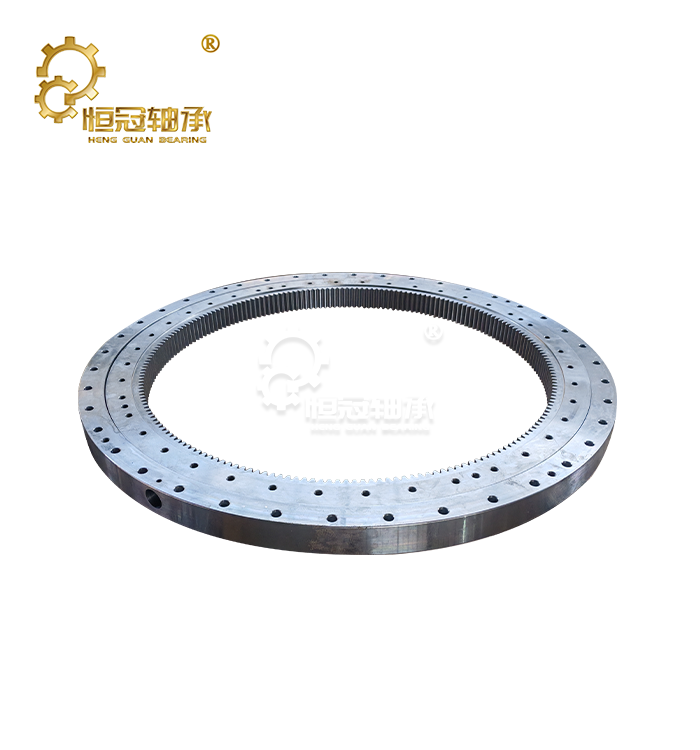
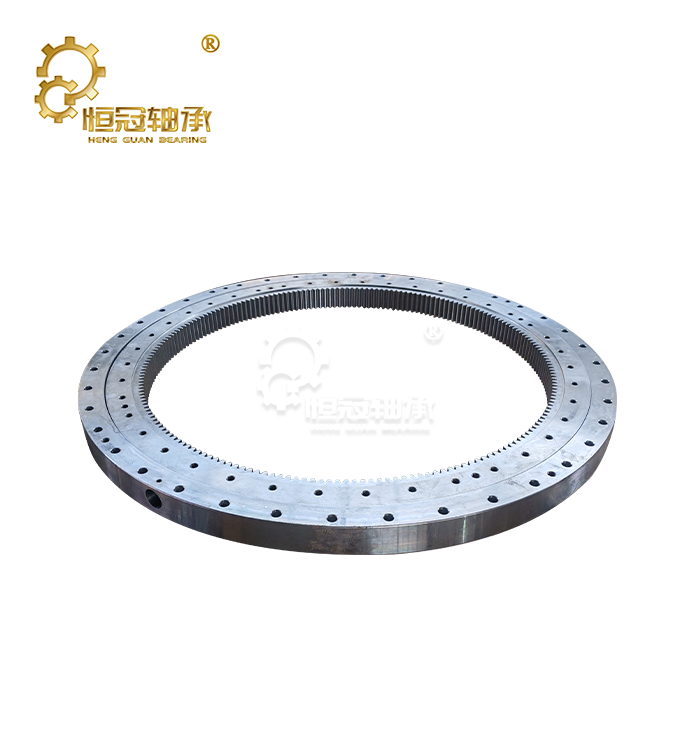
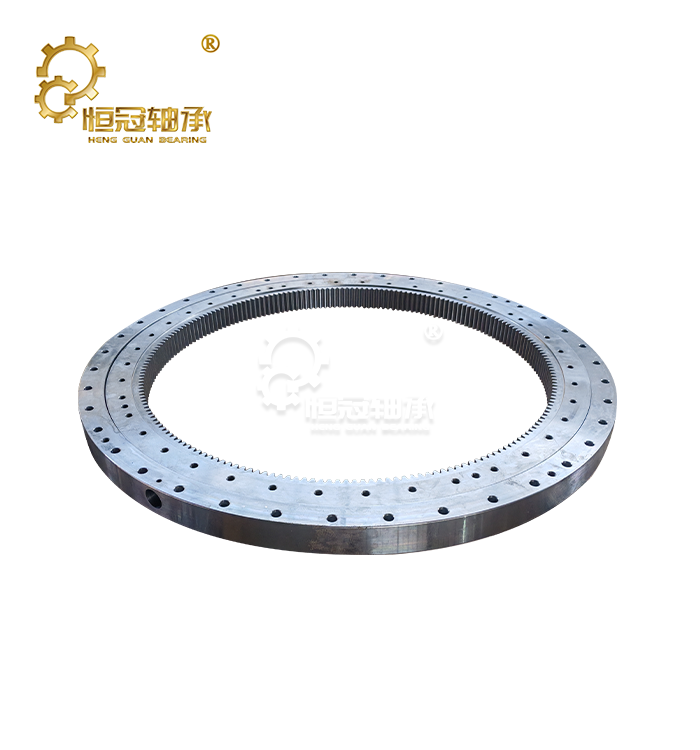
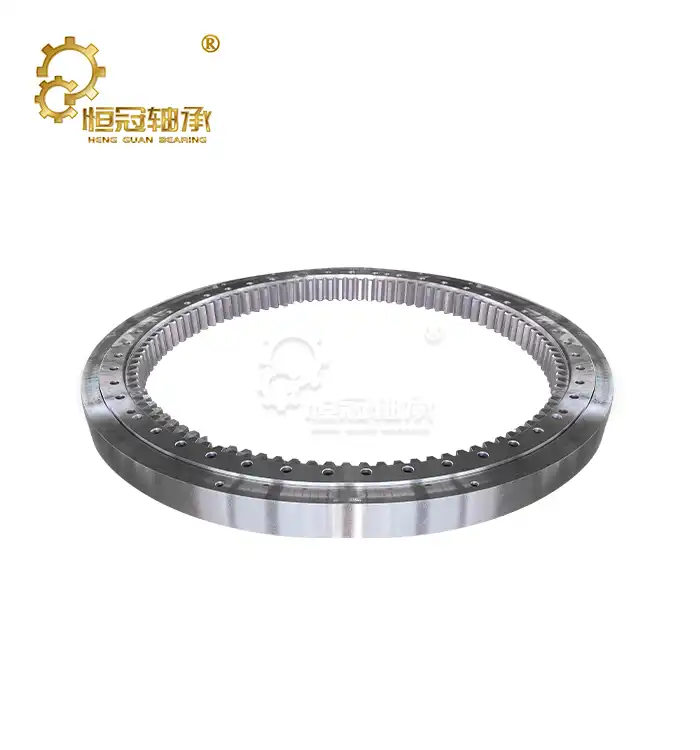
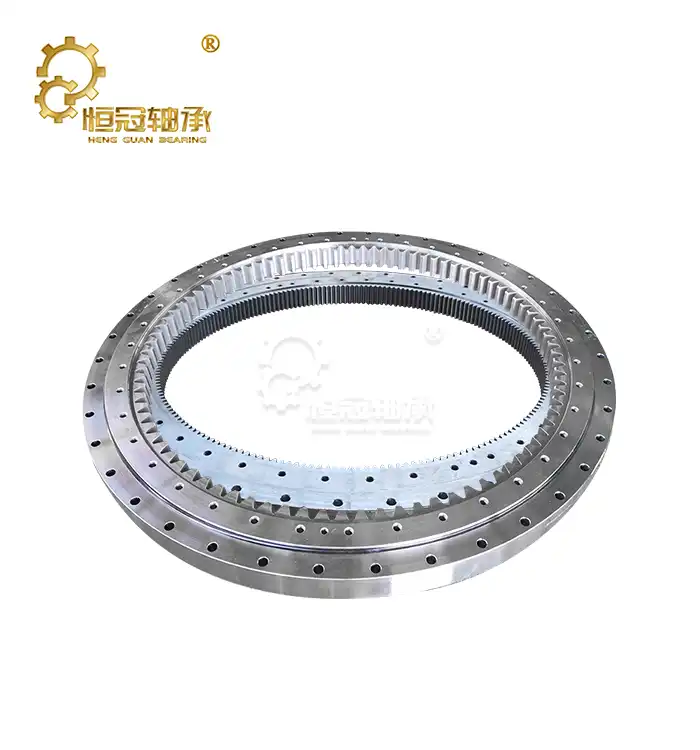
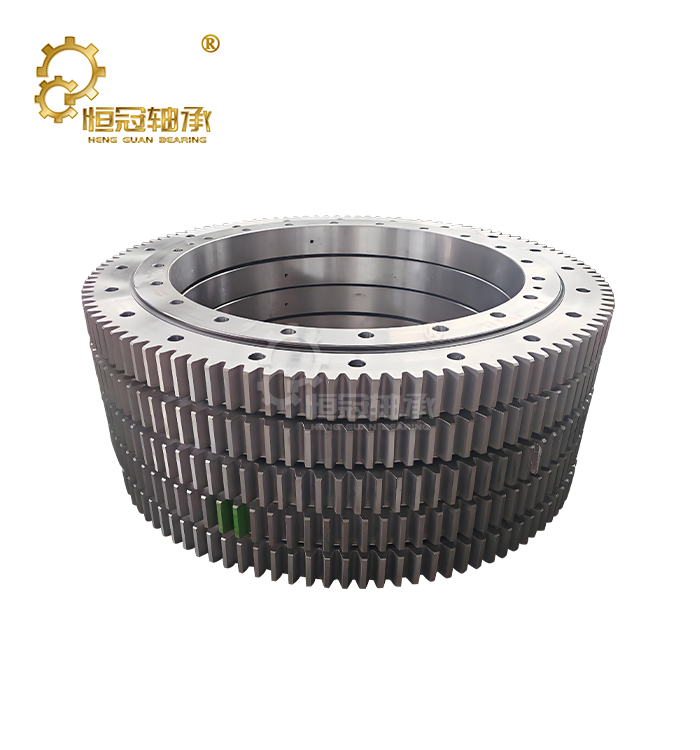
Choosing the right swing bearing supplier is a big decision that will affect how well your equipment works, how much it costs to run, and how long the job takes. A reliable swing bearing source is essential to maintain heavy machinery performance, safety and longevity. These bearings are used extensively in excavators, cranes, wind turbines, port equipment and other applications requiring smooth rotation under tremendous loads.
Choosing the best source is more than a simple comparison of prices. Buyers should examine manufacturing experience, quality of materials, engineering assistance, production capacity and after-sales service. A technically competent provider can help you to choose the proper bearing design, reduce operational hazards, and boost the long-term reliability of equipment.
In this session we will go through the most important aspects to pay attention to when choosing a swing bearing supplier and how to find out whether a manufacturer is able to match the needs of your project.

Define Your Swing Bearing Requirements Before Selecting a Supplier
Buyers should know exactly what equipment they need before approaching vendors. When provided with accurate application information, manufacturers can offer appropriate bearing designs and deliver more reliable prices.
Analyze Application Conditions and Load Requirements
The swing bearing requirements vary from machine to machine. “A bearing in an excavator has to withstand frequent impact loads and sudden changes in movement. The bearing in a wind turbine needs stable rotation performance under continuous loads and changing weather conditions.
When assessing requirements, consider things like
Radial load capacity Axial load capacity
Criteria for overturning moment
Speed of rotation
Operation temperature
Dust, moisture or rust exposure
Maintenance condition
For example, construction machinery typically needs high impact resistance and effective sealing systems, whereas precise automation equipment may be more interested in low friction properties, positioning accuracy and smooth operation.
Knowing these requirements allows vendors to recommend acceptable structures. These can be anything from single-row four-point contact ball bearings, double-row ball bearings or three-row roller designs.
Review Technical Specifications and Manufacturing Requirements
A qualified supplier should be able to give thorough technical information on materials, production procedures and quality-checking methods.
Check Materials, Heat Treatment, and Precision Grades
The material selection directly impacts the bearing strength and service life. 42CrMo4 and 50Mn steel are often used for big industrial bearings due to their strong mechanical strength and wear resistance.
But the performance is not determined by substance alone. Heat treatment methods are necessary to improve surface durability and contact fatigue resistance, in particular, raceway induction hardening.
Suppliers should be asked by buyers to:
Certificates of material
Records of heat treatment
Hardness testing of raceways
Reports of dimensional inspections
Tolerances in manufacturing
The precision criteria should also fit the application. High-precision grades may be needed for aircraft, robotics or medical equipment. Standard construction machinery may have varying tolerance levels to balance performance and cost.
A good supplier will explain why one specific specification is recommended and not just give the most priced alternative.
Consider Total Cost Instead of Only Purchase Price
Price is a consideration but not the main criterion in supplier selection. A low-cost bearing can end up costing more if it needs frequent maintenance, causes equipment downtime or has a short service life.
Evaluate Long-Term Value and Production Capability
A comprehensive cost assessment should include:
Up-front purchase price
Installation needs
How often to perform maintenance
Life Expectancy of Service
Replacement hazards
Timely delivery
Another important factor for big projects is the production capacity. Suppliers must be able to produce sufficient quantities to assure consistent quality for trial orders and long-term supply agreements.
A good manufacturer should be able to discuss the following:
production capacity monthly
Typical Lead Times
Ability to order custom
Procedures for quality control
Selecting a supplier with constant production capability might help avoid project delays caused by inconsistent delivery or restricted manufacturing resources.
Evaluate Supplier Manufacturing Capability and Quality Control
Once you have defined the technical requirements, you need to assess if a supplier has the manufacturing capability to supply consistent products.
Verify Factory Capability and Quality Management Systems
The professional manufacturer of swing bearings should have a complete process of production, including machining, heat treatment, assembly, inspection and testing.
Important points of assessment are the following:
Equipment for factory manufacturing
Quality management certificates
Inspection equipment
Talented engineering teams
Traceability systems for production
ISO 9001 certification is often cited as a prima facie sign of quality management capacity. But buyers should not go by certifications alone. A factory audit or third-party inspection might give a better idea about real manufacturing circumstances.
Sophisticated vendors may employ the following:
Coordinate Measuring Machine (CMM)
Hardness test equipment
Metallographic investigation
Vibration test
Dimensional inspection systems
These inspection methods confirm that each bearing meets design specifications before it is shipped.
Assess Engineering Support and Customization Ability
A great supplier is more than generic products. Many industrial applications demand special solutions depending on equipment design, installation conditions, or operational environments.
Engineering support can include:
Bearing selection guide
Technical drawings
Installation process
Recommendations for lubrication
Maintenance guidelines
Support for failure analysis
For example, a crane manufacturer could need a special bearing structure based on lifting capacity and frequency of operation. An experienced engineering provider can help optimize the design and save excessive expenditure.
Technical support is particularly useful during installation and operation, since improper mounting or inadequate servicing can shorten bearing life.
Compare Different Swing Bearing Supplier Options
Not all suppliers give the same service. Buyers need to understand the differences between manufacturers, distributors and regional suppliers to be able to choose the correct partner for the needs of the project.
OEM Manufacturers vs. Authorized Distributors
Working directly with an OEM manufacturer has many benefits, particularly when dealing with big volume quantities or specific applications.
Commonly supplied by OEM suppliers:
Talk directly to the engineering team
Support for custom design
More control over the quality of production
Bulk order price
However, authorized distributors can provide benefits like
More rapid local delivery
Easier communications
Local Inventory Available
Multi-point support
The best pick is based on your shopping needs. A distributor can serve ordinary replacement requests more quickly. For some larger projects that need a tailor-made solution, it’s often better to work directly with a manufacturer.
Review Supplier Reputation and Industry Experience
The technical skill of a supplier can be a good indicator of its experience in several industries.
Manufacturers experienced in applications such as:
Construction equipment
equipment for mining
Wind power plants
Cranes at the ports
Industrial automation is more conversant with application issues and can offer better advice.
In measuring reputation, consider:
Years of experience in manufacturing
Customer Reviews
Past projects
Experience in export
Feedback from the industry
Traditional bearing manufacturers such as SKF, Schaeffler, Timken and NSK have gained global brand awareness through improved technology and quality procedures. Meanwhile, a lot of specialized manufacturers in the primary locations of bearing production can offer competitive options with flexible manufacturing and customization capabilities.
Consider Geographic Location and Supply Chain Reliability
The supplier's location can impact transportation costs, communication efficiency, delivery timetables, etc.
Local vendors might provide the following:
Fast delivery times
Reduced transport expenses
Technical communication made easier
International vendors can provide:
Additional manufacturing alternatives
Competitive pricing
Specialized production capacities
When engaging with offshore suppliers, buyers should verify the following:
Export experience,
Packaging standards
Shipping procedures.
Customs documents support
A good vendor for logistics management can prevent delays that cannot be foreseen and keep projects moving.
Complete Supplier Verification Before Placing Orders
Before entering a long-term purchasing deal for a swing bearing, buyers must carry out a rigorous supplier verification process.
Check Company Background and Business Reliability
Basic business verification for example: A supplier evaluation should include the following:
Company Registration Details
History of Manufacturing
Production place
Customer reviews
Economic Stability
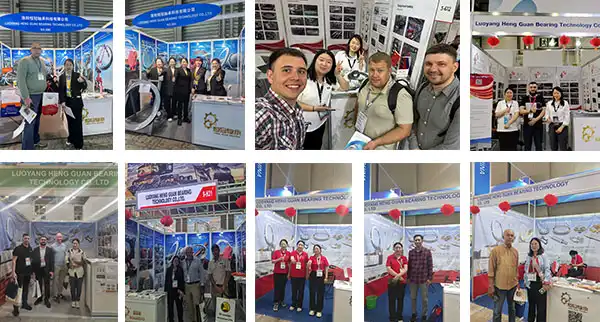
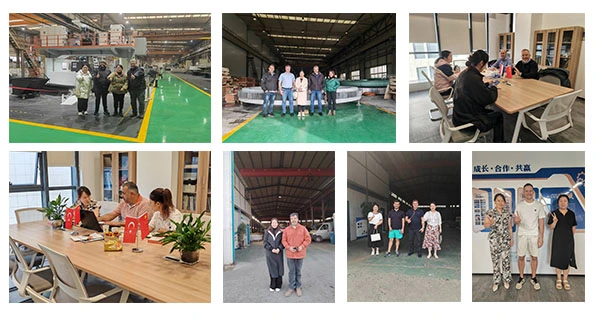
Good suppliers will usually be open about their premises, production procedures and quality systems.
Customer references can also tell you useful things about:
Product uniformity
Performance of delivery
Quality of technical support
Problem-solving abilities
Review Quality Documentation and Testing Procedures
Before purchasing big quantities, request the required technical documents, such as:
Materials certificates
Reports of inspection
Product sketch
Quality certifications
Test records
Details of warranty
For mission-critical applications, buyers should consider:
Factory audits
Testing samples
Third-Party Inspection
Test Orders
How the supplier reacts to quality issues is also crucial. In the long term, companies with clear warranty policies and excellent technical support teams are usually better partners.
Make the Final Swing Bearing Supplier Selection
Once you have supplier information, don’t rely just on pricing, but apply a systematic review procedure for decisions.
Create a Supplier Evaluation Checklist
A workable evaluation system would look at a number of aspects to evaluate suppliers:
Manufacturing Capacity
Verify that the supplier has the right equipment, production capacity and quality control procedures.
Product Quality
Look at materials, how they are inspected, certificates, and consistency across batches.
Support Engineering
Think about whether the supplier can give technical help, customization, and installation guidance.
Delivery Performance
Check production lead times, logistical experience and capacity to cope with rush requirements
Total Cost-Value
Think total cost of ownership, not just the up-front purchase price.
This approach helps to find providers that deliver reliable long-term value.
Develop a Long-Term Partnership Strategy
The contact with a swing bearing provider should not end with the initial order. Better future initiatives are possible with continuous communication, performance evaluations and technical collaboration.
Long-term relationships with suppliers can offer the following:
Quicker problem-solving
More customization of products
Better cost control
More reliable supply chains
A supplier who knows your equipment needs can be a useful technical partner, not just a product source.
|
|
Conclusion
When choosing a swing bearing provider, you have to be very careful about their technical skills, production quality, engineering support and supply chain reliability. "The cheapest is not necessarily the best. The bearing performance has a direct effect on the effectiveness of the equipment, the cost of maintenance and the safety of operation.
Before committing, buyers should check supplier credentials, review quality records, analyse manufacturing capacity and seek potential for future partnership.
A reputable supplier will also provide superior bearings, technical support, bespoke options and continuous servicing during the entire life cycle.
FAQ
1. What should I check before choosing a swing bearing supplier?
You should evaluate the supplier’s manufacturing capability, quality certifications, technical experience, production capacity, inspection methods, delivery performance, and after-sales support.
2. Is the lowest-priced swing bearing supplier the best choice?
Not necessarily. A lower purchase price may lead to higher long-term costs if the bearing has a shorter service life, inconsistent quality, or requires frequent maintenance. Total cost of ownership should be considered.
3. How can I verify a swing bearing supplier’s quality?
Request technical documents such as material certificates, inspection reports, and quality certifications. You can also conduct factory audits, order samples, or use third-party inspection services.
4. Should I buy directly from a manufacturer or through a distributor?
Direct manufacturers are usually better for customised designs and large orders, while distributors may provide faster delivery and local support. The right choice depends on your project requirements.
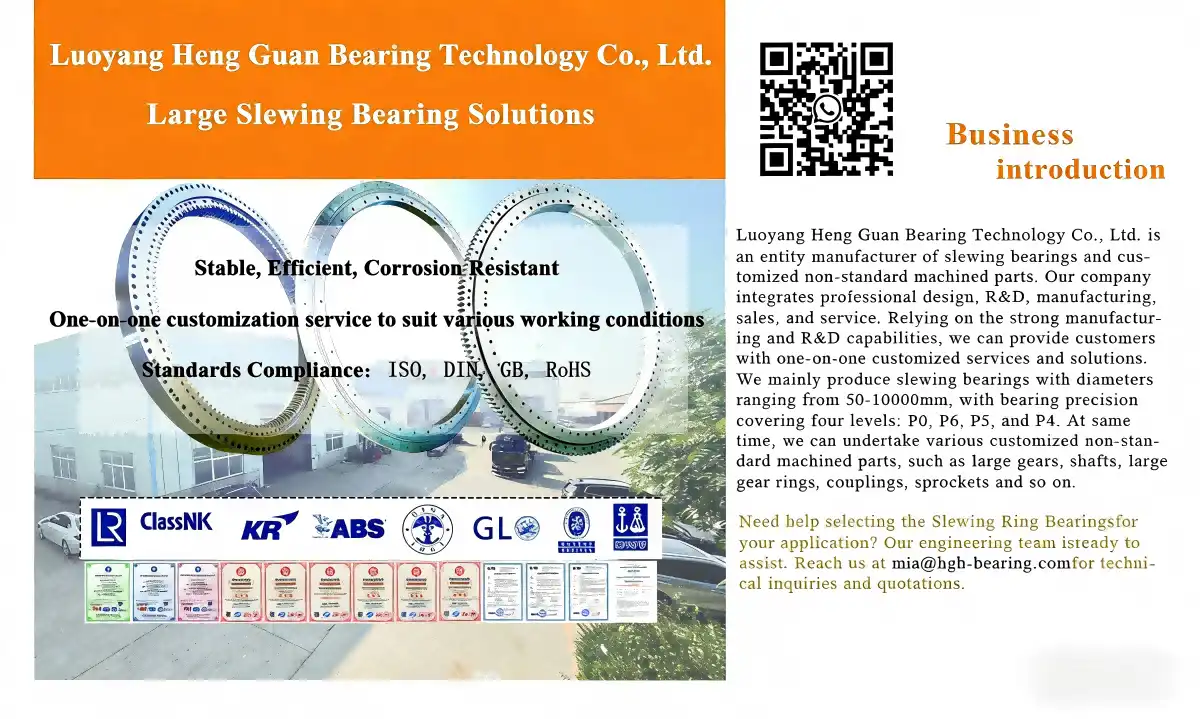
Partner with Heng Guan for Your Swing Bearing Requirements
Heng Guan Bearing Technology provides professional swing bearing solutions for construction machinery, mining equipment, wind power applications, and industrial systems.
Located in Luoyang, one of China’s major bearing manufacturing centres, Heng Guan focuses on producing reliable slewing bearings with customised engineering support. The company offers bearings with diameters from 20mm to 10,000mm and supports different precision requirements, including P4, P5, and P6 grades.
With experienced engineers, manufacturing capabilities, and quality inspection procedures, Heng Guan helps customers select suitable bearing solutions based on application requirements.
For projects requiring reliable performance, customised designs, and professional technical support, working with an experienced swing bearing supplier can help reduce risks and improve long-term equipment value.Contact our technical specialists at mia@hgb-bearing.com to discuss your specific requirements and discover why global manufacturers trust Heng Guan as their preferred swing bearing supplier for reliable, cost-effective solutions.
References
1. Chen, M. and Liu, H. "Quality Assessment Frameworks for Industrial Bearing Procurement in Heavy Equipment Applications." International Journal of Manufacturing Engineering, 2023.
2. Rodriguez, A. "Supply Chain Risk Management in Global Bearing Industry: Best Practices for B2B Procurement." Industrial Procurement Quarterly, 2023.
3. Thompson, R. and Wilson, K. "Comparative Analysis of Swing Bearing Technologies for Construction and Mining Equipment." Heavy Equipment Engineering Review, 2022.
4. Anderson, S. "Total Cost of Ownership Models for Industrial Bearing Selection and Supplier Evaluation." Manufacturing Economics Journal, 2023.
5. Zhang, L. "International Standards and Quality Certification Requirements for Precision Bearing Manufacturing." Global Industry Standards Review, 2022.
6. Parker, D. and Johnson, M. "Strategic Supplier Relationship Management in the Industrial Components Sector." B2B Procurement Management, 2023.

WHAT OUR CUSTOMERS SAY
Here is the customer's evaluation of us