




Why Are Pinion Gear Shafts Critical in Gear Drives?
In heavy industrial equipment, drivetrain failures rarely begin with the motor. More often, problems originate at the connection between the gear and the Shaft. Misalignment, excessive vibration, tooth wear, and unexpected shutdowns can all be traced back to weaknesses in this critical power transmission component. For manufacturers and equipment operators in mining, steel production, wind energy, marine propulsion, and heavy machinery, a failed pinion gear shaft can result in costly downtime, production losses, and expensive gearbox repairs. So what makes a high-quality Pinion Gear Shaft essential for long-term drivetrain reliability?
What Problems Can a Poorly Designed Pinion Gear Shaft Cause?
Many traditional gear systems use separate gears mounted onto shafts through keys, splines, or press-fit connections. While these designs are common, they introduce several potential risks:
- Stress concentration at connection interfaces
- Micro-slip under cyclic loading
- Reduced torque transmission efficiency
- Increased vibration and noise
- Premature wear of gears and bearings
- Difficult assembly and alignment
As operating loads increase, these issues become more pronounced, especially in demanding applications such as rolling mills, crushers, cranes, and wind turbine gearboxes. A drivetrain is only as reliable as its weakest connection.
How Does an Integrated Pinion Gear Shaft Improve Performance?
An integrated Pinion Gear Shaft eliminates the mechanical joint between the gear and shaft.
Instead of assembling separate components, the gear teeth and shaft body are manufactured from a single forged blank. This creates a continuous load path throughout the material, improving structural integrity and reducing stress concentration.
Compared with conventional assemblies, integrated designs provide:
| Design Type | Stress Concentration Risk | Torque Efficiency | Alignment Sensitivity |
|---|---|---|---|
| Press-fit gear + shaft | High at the interface | Baseline | High |
| Keyed gear + shaft | Moderate at keyway | Baseline | Moderate |
| Integrated pinion gear shaft | Low (filleted transitions) | Up to 15% higher | Low |
| Splined gear + shaft | Moderate | Slight improvement | Moderate |
Key advantages include:
- Improved torque transmission efficiency
- Reduced vibration and noise
- Better concentricity control
- Higher fatigue resistance
- Longer service life
- Lower maintenance costs
For industries where downtime can cost thousands of dollars per hour, these benefits directly impact operational profitability.
Customized Pinion Gear Shaft Solutions from Luoyang Hengguan
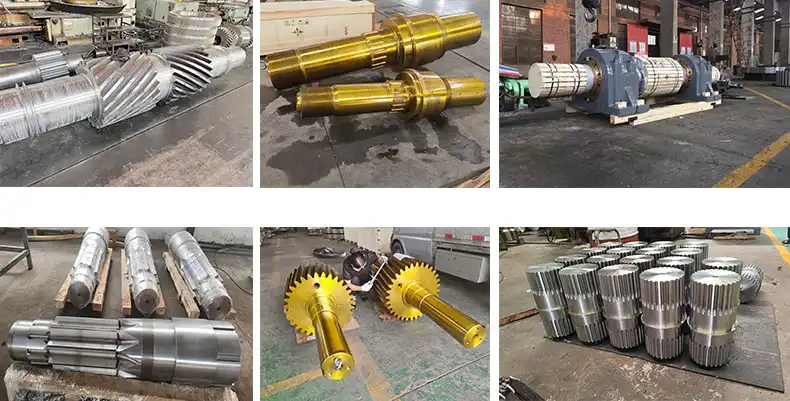
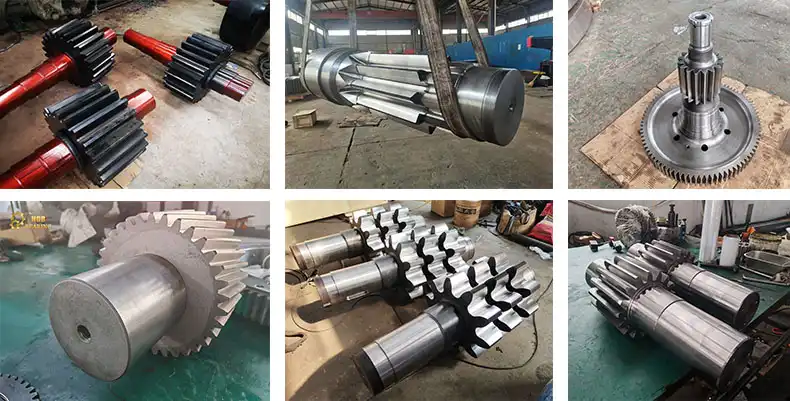
Luoyang Hengguan Bearing Technology Co., Ltd. specializes in manufacturing precision Pinion Gear Shafts for heavy-duty industrial applications.
With over 20 years of manufacturing experience and customers in more than 50 countries, Hengguan provides customized solutions for:
- Industrial gearboxes
- Rolling mills
- Mining equipment
- Wind turbine gearboxes
- Marine propulsion systems
- Crane and hoisting machinery
- Transportation equipment
Whether based on customer drawings, samples, or OEM specifications, Hengguan delivers complete support from design optimization to final inspection. For technical consultation or quotation requests:
Email: mia@hgb-bearing.com
|
|
Technical Specifications
| Parameter | Specification |
|---|---|
| Shaft Diameter | φ100mm - φ1000mm |
| Total Length | 100mm - 3000mm |
| Gear Module | M3 - M20 (customizable) |
| Unit Weight | 5kg - 500kg |
| Base Material | 42CrMo, 20CrMnTi, 40Cr Alloy Steel |
| Core Hardness | HRC 28-32 (After Heat Treatment) |
| Tooth Surface Hardness | HRC 58-62 (After Carburizing) |
| Gear Accuracy Grade | GB 5-6 (ISO Equivalent) |
| Connection Types | Keyway, Spline, Flange |
| Tooth Profile Options | Spur, Helical, Bevel |
Why Material Selection and Heat Treatment Matter
A Pinion Gear Shaft operates under extreme mechanical stress. The gear teeth must withstand continuous contact loads, while the shaft body resists torsional and bending fatigue over millions of operating cycles.
To achieve this balance, Hengguan combines premium alloy steels with advanced heat treatment processes.
Carburized Tooth Surface
The carburized surface provides:
- Excellent wear resistance
- Improved pitting resistance
- Higher contact fatigue strength
- Extended gear life
Tough Core Structure
The hardened case is supported by a ductile core that provides:
- Shock-load resistance
- Impact toughness
- Fatigue durability
- Reduced risk of brittle fracture
This combination allows the component to perform reliably under demanding industrial operating conditions.
Where Are Pinion Gear Shafts Used?
Pinion Gear Shafts are fundamental components in mechanical power transmission systems across numerous industries.
| Industry | Typical Application | Key Performance Requirement |
|---|---|---|
| Rolling mills | Drive spindles, pinion stands | High torque, shock resistance |
| Wind energy | Gearbox intermediate stages | Fatigue life, low vibration |
| Mining | Crusher and conveyor drives | Wear resistance, reliability |
| Marine | Propulsion gearboxes | Corrosion resistance, strength |
| Transportation | Axle and transmission systems | Compact design, precise ratio |
Each application presents unique challenges involving load, speed, environmental exposure, and dimensional constraints. This is why customization is often critical for achieving optimal performance.
Conclusion
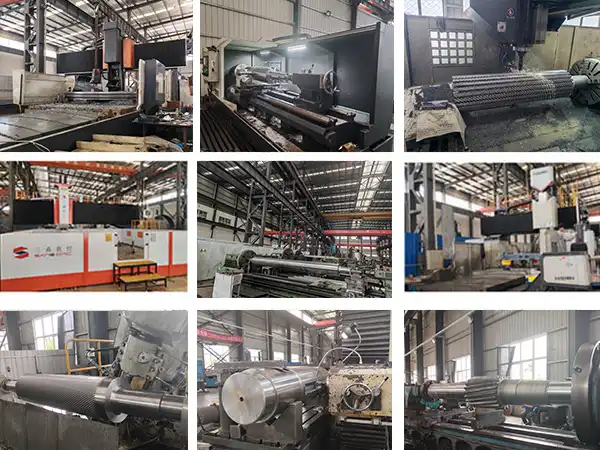
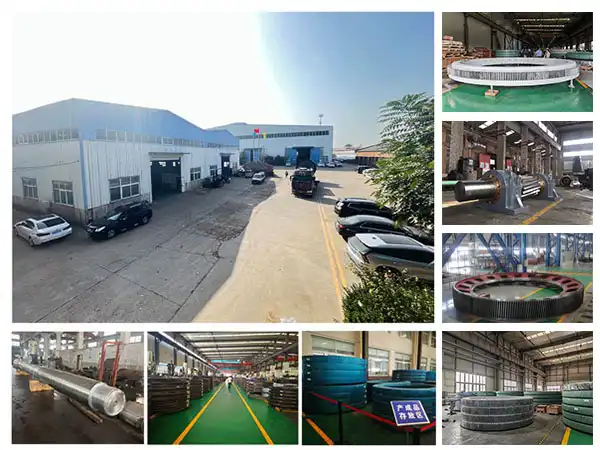
A Pinion Gear Shaft is far more than a simple transmission component. It directly influences drivetrain efficiency, reliability, vibration levels, and overall equipment lifespan. Choosing an integrated, precision-manufactured Pinion Gear Shaft can significantly reduce maintenance costs, improve power transmission efficiency, and minimize costly downtime. With advanced manufacturing capabilities, flexible customization, and decades of industry experience, Luoyang Hengguan Bearing Technology Co., Ltd. provides reliable Pinion Gear Shaft solutions for the world's most demanding industrial applications.
|
|
FAQ
Q1: What shaft diameters and lengths are available?
A: Shaft diameters range from φ100 mm to φ1,000 mm, with lengths from 100 mm to 3,000 mm. Custom dimensions are available for drawing.
Q2: How does an integrated pinion gear shaft improve efficiency over a keyed assembly?
A: Eliminating the gear-to-shaft joint removes stress concentration and micro-slip, improving torque transmission efficiency by up to 15%.
Q3: What surface treatment is used on gear teeth?
A: Carburizing produces a hard, wear-resistant tooth surface while maintaining a tough core for shock resistance.
Q4: Can connection features like splines or keyways be customized?
A: Yes. Standard DIN/ANSI keyways, involute splines, and custom interfaces are all available to specified tolerances.
Ready to Specify Your Pinion Gear Shaft?
Reduce drivetrain failures, improve transmission efficiency, and extend equipment service life with precision-engineered Pinion Gear Shaft solutions.
Send your drawings or technical requirements today. Email: mia@hgb-bearing.com
Luoyang Hengguan Bearing Technology Co., Ltd. – Your Trusted Partner for Custom Industrial Transmission Components.
References
1. Shigley, J. E., & Mischke, C. R. (2001). Mechanical Engineering Design (6th ed.). McGraw-Hill.
2. Niemann, G., & Winter, H. (1983). Maschinenelemente, Band 2: Getriebe. Springer-Verlag.
3. Norton, R. L. (2010). Machine Design: An Integrated Approach (4th ed.). Prentice Hall.
4. Dudley, D. W. (1984). Handbook of Practical Gear Design. McGraw-Hill.
5. Townsend, D. P. (Ed.). (1991). Dudley's Gear Handbook (2nd ed.). McGraw-Hill.
6. ASM International. (1991). ASM Handbook, Volume 4: Heat Treating. ASM International.

WHAT OUR CUSTOMERS SAY
Here is the customer's evaluation of us
YOU MAY LIKE
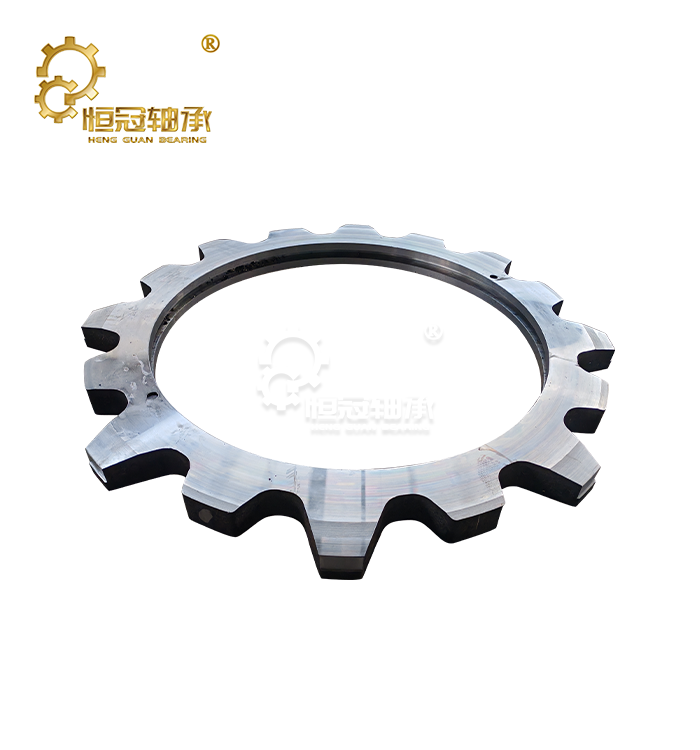 VIEW MOREOem Mining Equipment Gears
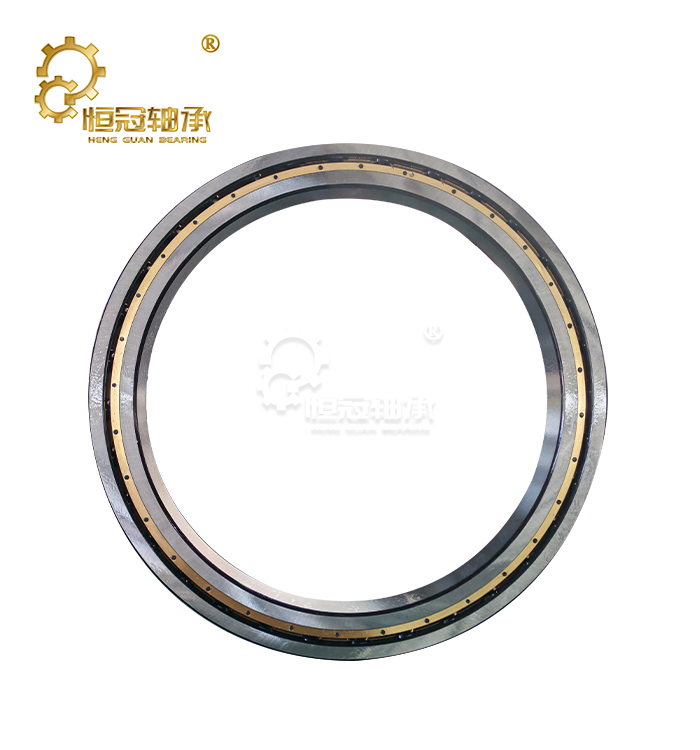 VIEW MORECrossed Roller Slewing Bearing
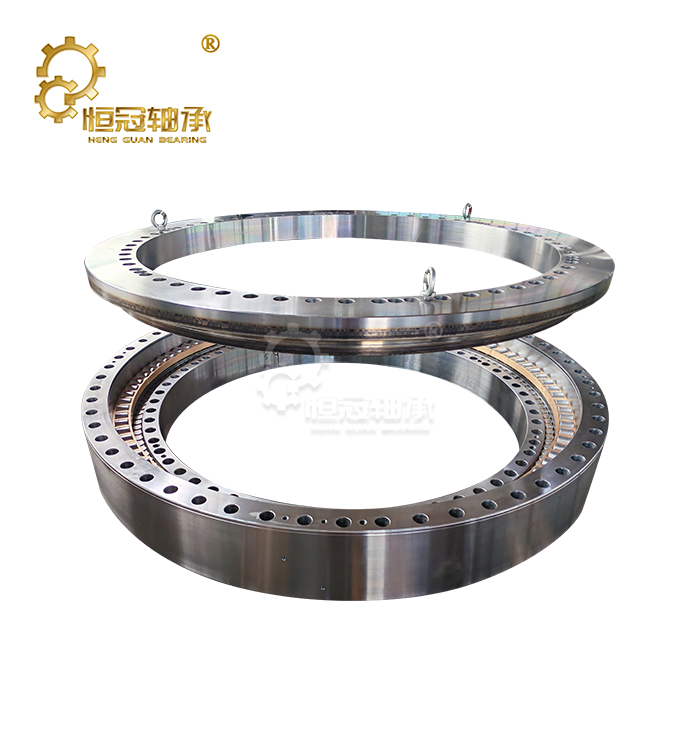 VIEW MOREThree-Row Cylindrical Roller Slewing Bearing
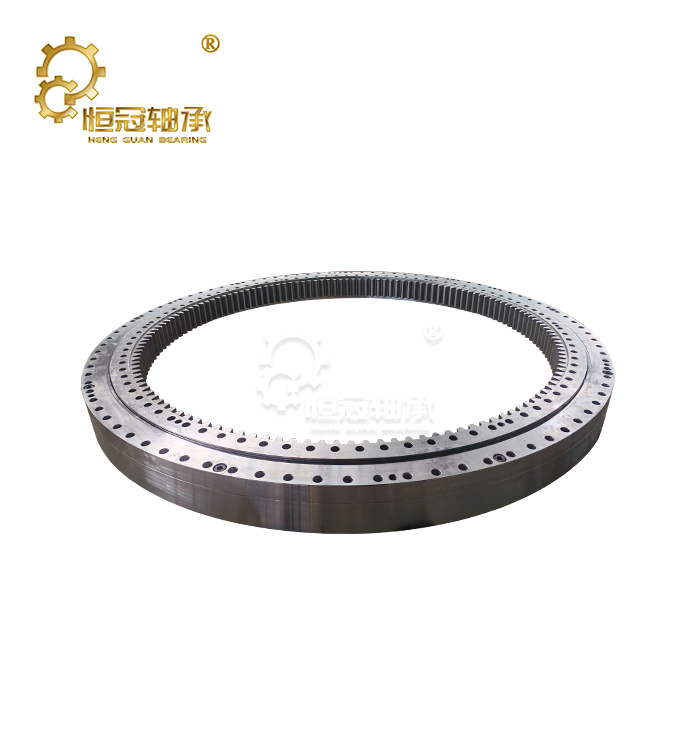 VIEW MORENK450B Swing Bearing
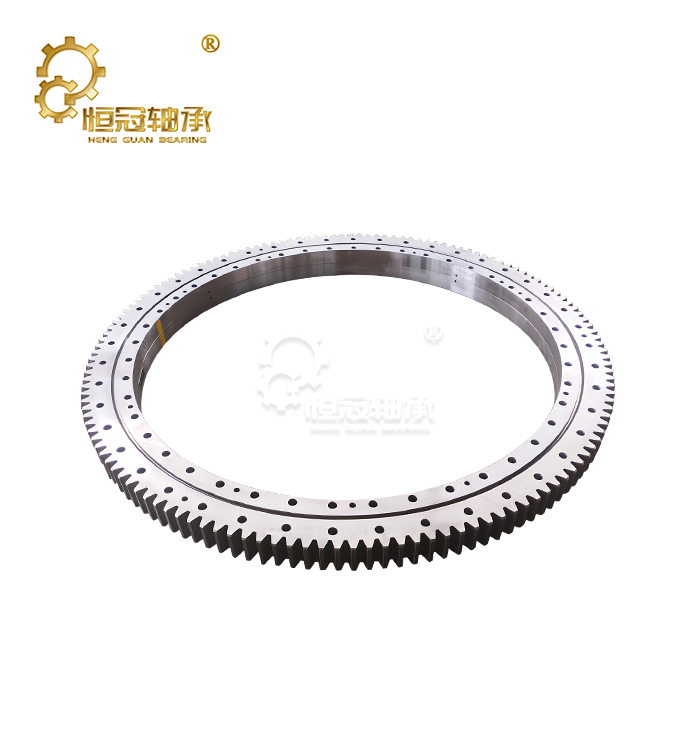 VIEW MORERoller Slewing Rings
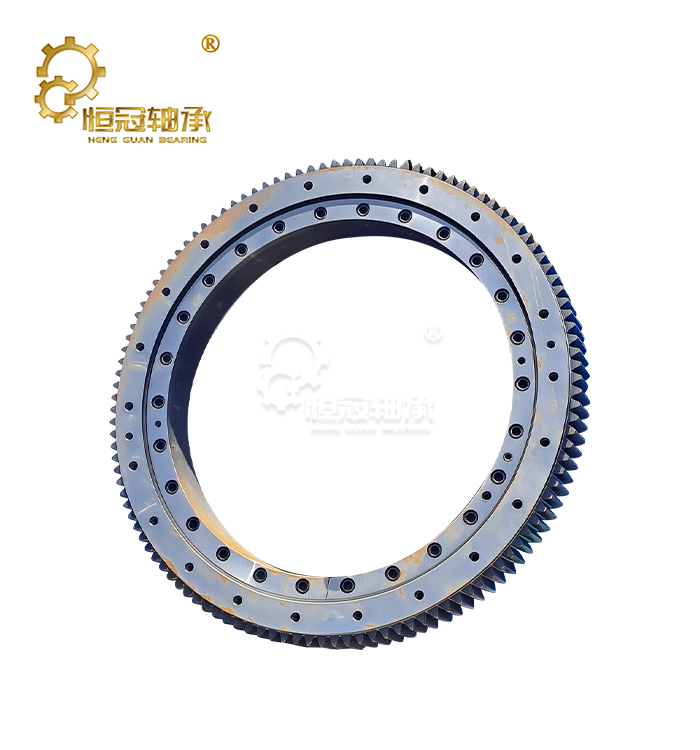 VIEW MOREAmusement Equipment Slewing Bearing
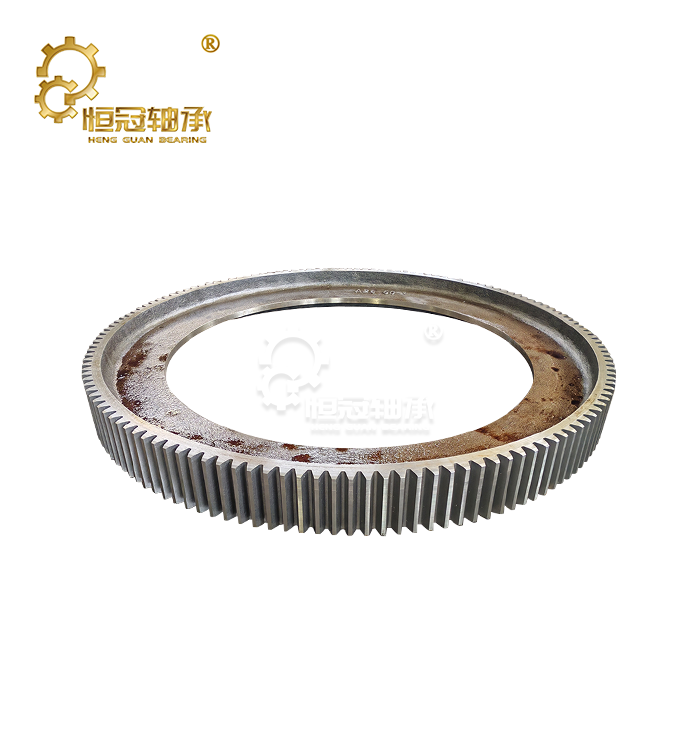 VIEW MORElarge gear rings for mining
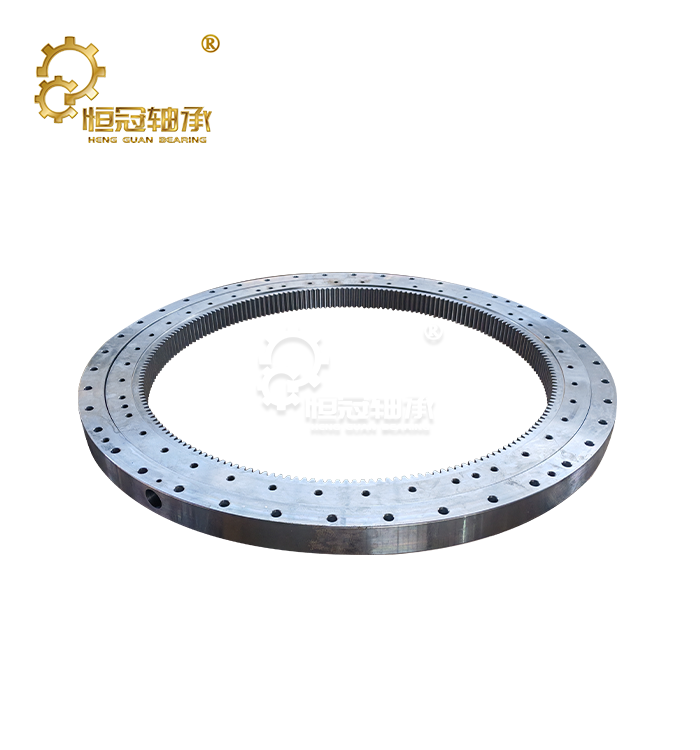 VIEW MOREInternal Gear Rotary Slewing Bearing