



When Should You Replace an A904 Excavator Bearing?
When heavy equipment operates under demanding conditions, knowing when to replace an A904 Excavator Bearing is the key to avoiding costly repairs and undesired downtime. This bearing is a major part of the excavator’s swing mechanism, carrying heavy loads and allowing the upper segment to revolve smoothly across 360 degrees. If it starts to fail, it can generate unwanted noise, extra vibration, unbalanced rotation, and a higher working temperature, which could affect productivity and safety.
Some operators talk about working hours, yet it is not possible to replace workers only based on time intervals. The real life of an A904 excavator bearing is related to the load situation, lubricant quality, working environment, installation correctness, maintenance, etc. Regular inspections allow operators to readily identify early warning indications and replace broken components before serious swing system collapse.
Enterprises in the mining, construction, and heavy excavation industries must also find a reliable bearing manufacturer. A reliable provider can provide you with correct measurements, material traceability, quality inspection records, and technical support to ensure the new bearing will perform dependably in tough settings.
Why Does the A904 Excavator Bearing's Condition Matter for Excavator Performance?
One of the most common mechanisms on an excavator is the swing system. The upper structure has to seamlessly rotate during all cycles of excavating, loading, and material handling. The A904 Excavator Bearing handles the combined loads that are generated during these motions, including axial loads, radial loads, and overturning moments.
The bearing is arranged such that it maintains rotational stability with minimum friction losses during normal operation. However, internal damage can slowly degrade accuracy and increase the strain on related components. A worn bearing can reduce hydraulic performance, increase fuel consumption, and put extra strain on the swing motor and gearbox.
Therefore, a bearing check should be carried out as part of routine equipment maintenance, rather than waiting for a full failure to occur. Early bearing replacement is generally significantly less costly than the repair of damaged gears, hydraulic components, or other equipment that is impacted by bearing failure.
Key Design Features That Influence A904 Excavator Bearing Service Life
Understanding the nature of the bearing helps to understand why specific maintenance techniques are important. Excavator slewing bearings are built to cope with complicated forces and provide accurate rotational movement.
Four-Point Contact Ball Structure and Load Distribution
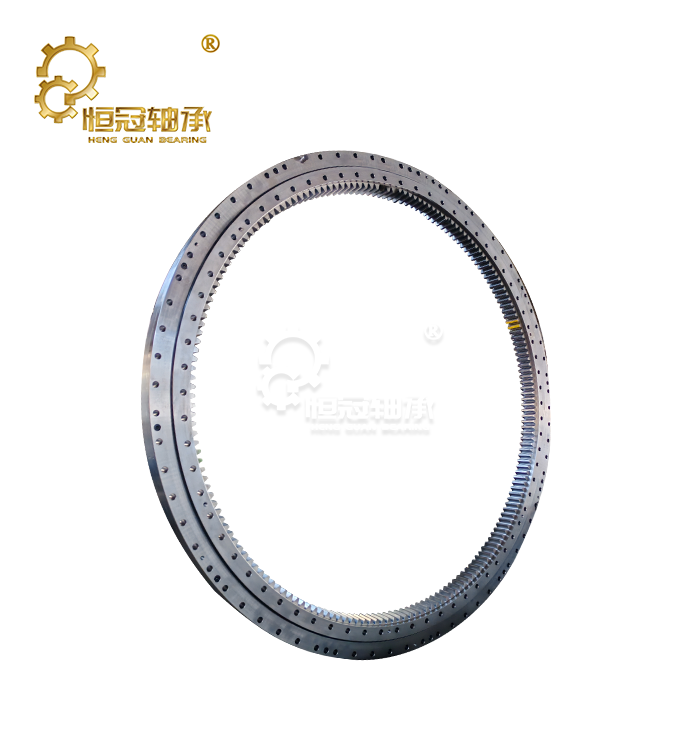
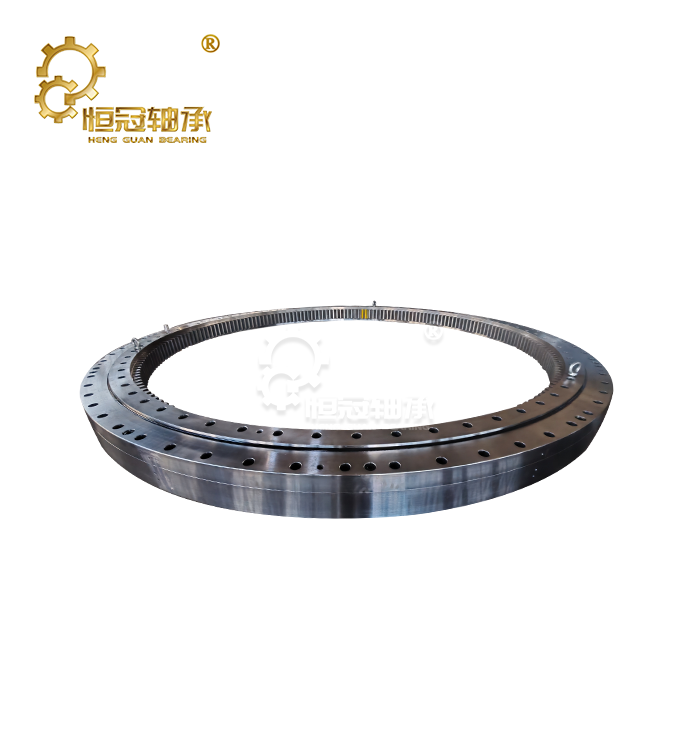
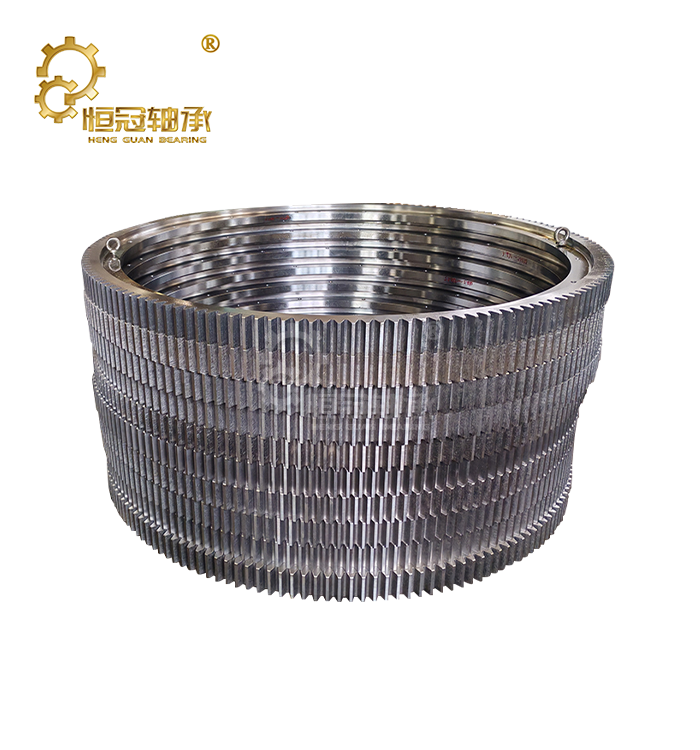
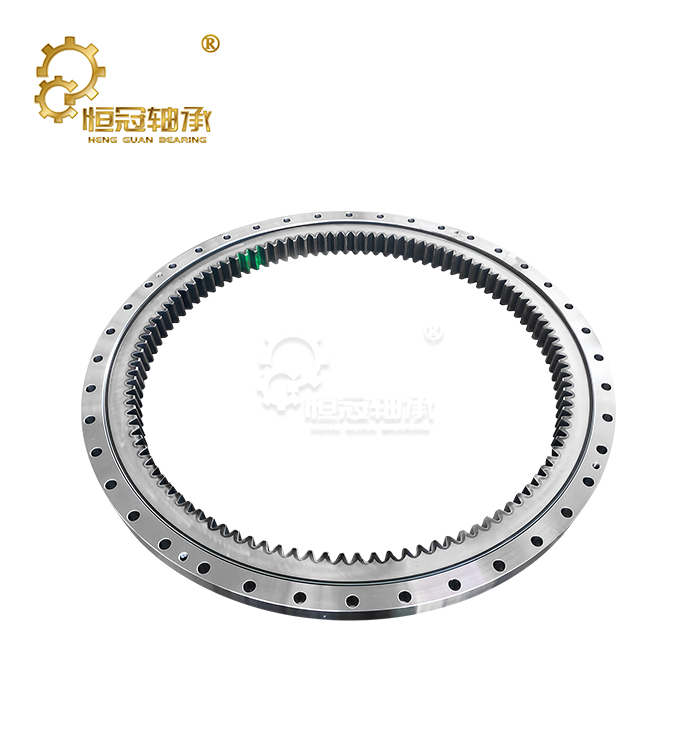
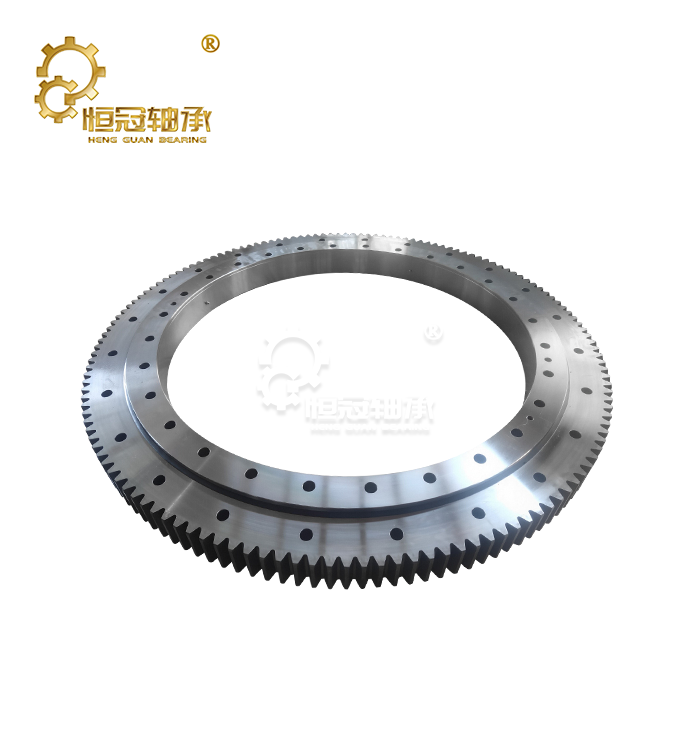
The structure of the A904 excavator bearing is a single-row, four-point contact ball bearing. This design enables the bearing to accommodate diverse load orientations through several contact sites of the balls with the raceways.
During the excavation operation, the bearing is subjected to various stresses due to resistance to excavation, movement of the boom, and uneven ground conditions. The four-point contact design helps to disperse these stresses more equally, providing a sturdy support for the revolving upper structure.
But there are limits of operation for a robust bearing design. Continuous overload, impact loading, or insufficient lubrication may cause accelerated raceway degradation and shorter service life.
Material Quality and Manufacturing Accuracy
The choice of material is significant for the durability of the bearing. The bearing ring is generally made of high-strength alloy steel such as 50Mn, 42CrMo, etc., with good mechanical strength and wear resistance.
The method of heat treatment is very crucial. Correct surface hardening provides greater resistance to the following:
- Rolling contact fatigue
- Surface damage
- Repeated impact loads
- Extended mechanical stress
Performance, aside from material quality, is also directly correlated to manufacturing precision. Wrong raceway dimensions, bad machining accuracy, or bad quality control can lead to uneven loading and premature failure.
The important sections must be accompanied by inspection data from a professional manufacturer, such as the following:
- Dimensional accuracy
- Track quality
- Machining state of gear
- Data on hardness tests
- Final assembly inspection
Factors That Affect the Service Life of an A904 Excavator Bearing
More than only running hours impact the replacement period of an A904 excavator's bearing. Even if the bearing model is the same, the service life of two excavators might be highly varied because the operating conditions and maintenance requirements are very diverse. With this knowledge, equipment owners may create more effective preventive maintenance programs.
Working Environment and Operating Conditions
Excavators used for mining, quarrying, demolition, and heavy construction generally operate in conditions where bearings are subject to greater stress.
Dust, Moisture, and Contaminant Exposure
Dust and foreign particles are one of the main causes of early bearing damage. Abrasive conditions between rolling elements and raceways can arise from fine particles penetrating broken seals and mixing with lubricants.
There are other hazards in wet situations. Water pollution can degrade lubricant performance and promote accelerated corrosion of interior surfaces. Excavators used in places near ports, rivers, or high rainfall zones require extra inspections, as exposure to moisture can affect the life of bearings.
A good maintenance program should include:
- Check seal conditions routinely
- Cleaning up dirty grease
- Lubrication Point Inspection
- Check rotation for abnormal resistance
- These basic actions can greatly prevent failures due to contamination.
Heavy Loads and Shock Loading
Excavator slewing bearings are designed to handle large forces, but repeated overload conditions can still cause damage.
During normal digging operations, the bearing experiences changing forces from the following:
- Bucket resistance
- Uneven ground conditions
- Sudden stops during rotation
- Heavy lifting operations
Shock loads are especially harmful because they create concentrated stress on raceways and rolling elements. Over time, this may result in:
- Raceway indentation
- Ball deformation
- Increased clearance
- Irregular rotation
Operators can extend bearing life by avoiding unnecessary impact loading and following recommended operating practices.
Lubrication Quality and Maintenance Frequency
Proper lubrication is one of the most essential aspects that determine the service life of an excavator bearing. The lubricant decreases friction, inhibits metal-to-metal contact, and protects interior surfaces from corrosion.
Lubrication problems, however, usually develop over a period of time. Typical problems are the following:
- Used wrong grease parameters
- Not enough lubrication
- Lubrication intervals extended too long
- Old tainted grease not removed
For heavy-duty excavators, the maintenance staff should follow the manufacturer’s lubrication recommendations for the A904 Excavator Bearing and adapt service intervals according to actual working conditions.
Equipment in dusty mines may require more regular lubrication than equipment operating in cleaner atmospheres.
How to Inspect an A904 Excavator Bearing Before Replacement?
Before replacing an A904 excavator bearing, a complete inspection should be performed to confirm the actual condition of the component. Replacing a bearing too early increases maintenance costs, while replacing it too late may cause damage to other expensive parts.
Check Operating Symptoms During Machine Movement
The first inspection step is observing excavator performance during operation.
Technicians should pay attention to:
- Abnormal swing noise
- Uneven rotation speed
- Excessive upper structure movement
- Increased vibration
- Delayed response during rotation
Comparing current performance with previous operating conditions is often useful. A gradual increase in noise or movement clearance usually indicates progressive wear.
Measure Bearing Clearance and Rotation Condition
Mechanical inspection provides more accurate information about bearing condition.
Maintenance professionals may check the following:
- Axial clearance
- Radial movement
- Rotation smoothness
- Gear engagement condition
Excessive clearance usually indicates internal wear of raceways or rolling elements. If the clearance exceeds acceptable limits, continued operation may create safety risks.
For critical applications such as mining equipment, inspection records should be maintained to track changes over time.
Inspect Related Components Before Installing a New Bearing
Replacing only the bearing without checking surrounding components can lead to repeated failures.
Before installation, technicians should inspect the following:
- Mounting surfaces
- Bolt holes
- Gear teeth
- Lubrication system
- Sealing components
For example, damaged mounting surfaces can prevent a new bearing from distributing loads evenly. Similarly, worn gears may create abnormal forces that damage a replacement bearing.
A complete inspection ensures that the new A904 Excavator Bearing achieves its expected service life.
A904 Excavator Bearing Replacement Process and Installation Considerations
Replacing an excavator slewing bearing requires careful preparation because installing an A904 excavator bearing incorrectly can reduce performance even when a high-quality bearing is used.
Prepare the Excavator and Installation Area
Before removing the old bearing, technicians should prepare a clean and controlled working environment.
Important preparation steps include:
- Securing the excavator safely
- Supporting the upper structure correctly
- Removing contaminants around the installation area
- Inspecting mounting surfaces
Any dirt, rust, or foreign materials between the bearing and mounting surface can create uneven loading after installation.
Remove the Damaged Bearing Carefully
The removal process should avoid damaging connected components.
Improper removal methods may cause the following:
- Mounting surface deformation
- Gear damage
- Bolt thread damage
- Additional repair costs
Professional maintenance teams normally use suitable lifting equipment and follow correct procedures to prevent unnecessary damage.
Install and Test the New A904 Excavator Bearing
After installation, several checks should be completed before returning the excavator to full operation.
Important verification steps include:
Bolt Tightening Inspection
Mounting bolts must be tightened according to recommended torque values. Incorrect tightening can create uneven stress distribution and shorten bearing life.
Rotation Testing
The swing system should be tested under controlled conditions. Technicians should check:
- Smooth rotation
- Unusual sounds
- Vibration levels
- Temperature changes
Initial Operating Monitoring
During the first operating period after replacement, the bearing condition should be monitored carefully. Early detection of abnormal behavior helps prevent installation-related failures.
How to Choose a Reliable A904 Excavator Bearing Supplier?
Selecting the right supplier is just as important as selecting the correct bearing model. A poor-quality replacement may appear cheaper initially but can result in unexpected downtime, additional labor costs, and repeated repairs.
Evaluate Manufacturing Capability and Quality Control
A professional bearing manufacturer should have complete control over production processes, including the following:
- Raw material inspection
- Precision machining
- Heat treatment
- Surface hardness testing
- Final dimensional inspection
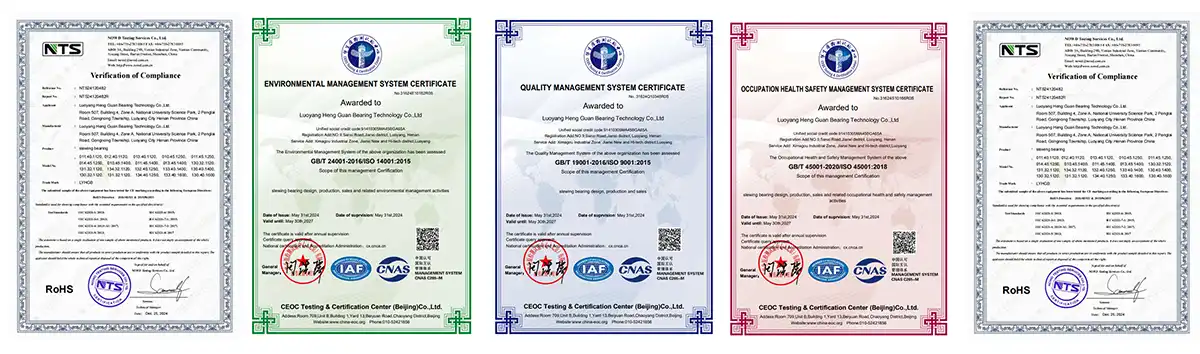
Quality control documentation provides buyers with confidence that the bearing meets required performance expectations.
Important documents may include:
- Material certificates
- Inspection reports
- Product specifications
- Quality management certifications
Confirm Technical Support and Customization Ability
Different excavator models may require different dimensions or specifications. A reliable supplier should be able to provide technical support when customers need it:
- Replacement confirmation
- Dimension verification
- OEM alternative solutions
- Customized bearing designs
Technical communication before purchase helps prevent compatibility problems during installation.
Consider Delivery Capability and Long-Term Cooperation
For construction and mining companies, bearing availability directly affects equipment uptime. Suppliers with stable production capacity and efficient logistics can reduce waiting time during emergency repairs.
A strong long-term supplier relationship can provide additional benefits, including:
- Faster response times
- Maintenance recommendations
- Product tracking support
- Better purchasing planning
Instead of choosing only based on price, buyers should evaluate total value, including product reliability, technical support, and after-sales service.
Conclusion
Replacing A904 excavator bearing components at the right time is essential for maintaining excavator performance, reducing unexpected downtime, and protecting other expensive swing system components. Although operating hours can provide a basic reference, actual replacement decisions should be based on equipment condition, inspection results, and working environment.
Abnormal noise, excessive vibration, increased temperature, lubrication problems, corrosion, and visible wear are important warning signs that should not be ignored. Regular inspections allow operators to identify developing problems before they become major mechanical failures.
The service life of an A904 excavator bearing depends on many factors, including load conditions, environmental exposure, maintenance quality, and installation accuracy. Proper lubrication, professional inspection, and correct installation procedures can significantly improve operating reliability.
For companies purchasing replacement bearings, supplier selection is also a key part of long-term equipment management. A dependable manufacturer should provide accurate specifications, quality inspection records, technical assistance, and reliable delivery support.
By combining preventive maintenance with careful supplier evaluation, businesses can maximize excavator availability, reduce repair costs, and ensure stable performance in demanding construction and mining applications.
|
|

FAQ
How often should I check the bearings on my A904 excavator?
Every 250 to 500 hours of operation, or more often in harsh settings, routine reviews should be done. During daily equipment walkarounds, problems like leaks or strange noises can be found by looking at the equipment. Temperature readings and oil samples should be part of detailed checks that happen once a month to find early signs of wear.
What causes the A904 digger bearing to fail before it should?
A lot of early bearing failures are caused by contamination (36% of the cases), not enough grease (34% of the cases), and bad fitting (16% of the cases). Extreme temperatures, water exposure, and shock loads are some of the environmental factors that can shorten the life of bearings in excavators.
Can I use a regular bearing instead of an A904 bearing?
Standard bearings can't be used in place of A904 Excavator Bearing components because they don't meet the same load standards and size restrictions. A904 uses a lot of rotational force, which needs a four-point contact design and special material qualities that can only be found in bearings made for excavators.
What tools do I need to change an A904 bearing?
To change bearings professionally, you need hydraulic pullers, torque wrenches that are set to the manufacturer's specs, bearing heaters for thermal installation, and accurate measuring tools to make sure there is enough clearance. Damage caused by installation can be avoided with contamination control tools like clean work areas and materials that don't have lint on them.
How do working conditions change how often bearings need to be replaced?
Extreme settings can shorten the life of bearings by 50 to 75% compared to mild ones. Dusty building sites, high-temperature work, and a lot of shock loading speed up wear patterns, which means that parts need to be replaced more often. On the other hand, controlled indoor settings and regular filling patterns may make the service last longer than what is normally suggested.
Partner with Heng Guan for Premium A904 Excavator Bearing Solutions
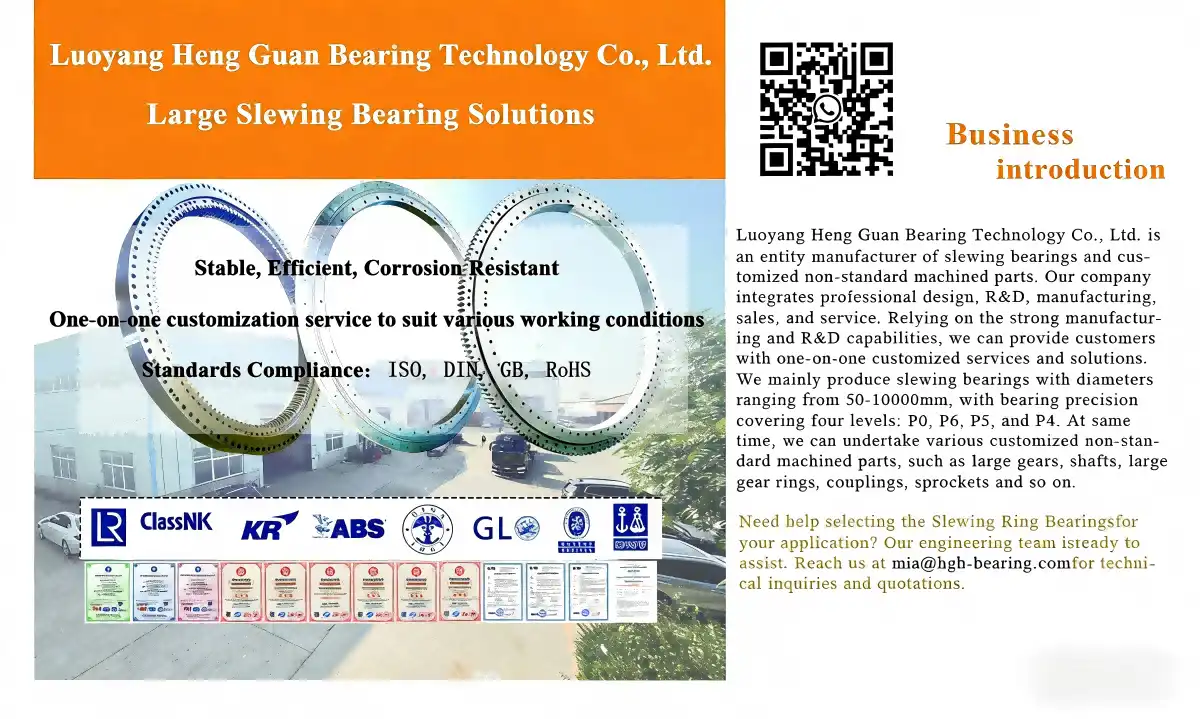
Choose Heng Guan as your reliable A904 Excavator Bearing provider to get the most out of your machine's uptime and operating efficiency. Our manufacturing site in Luoyang blends decades of bearing experience with cutting-edge production tools to make solutions that are perfectly engineered and can handle the roughest circumstances. Our engineering team can make a personalized optimization plan that fits your exact needs, whether you need standard measurements or custom setups. Get in touch with our technical experts at mia@hgb-bearing.com to talk about your needs and find out why top mining and building companies around the world trust Heng Guan bearing technology. Get a reasonable price today and see for yourself the better performance that can only be delivered by a specialized A904 excavator bearing manufacturer.
References
1. Smith, J.R., and Williams, M.K. "Bearing Failure Analysis in Heavy Construction Equipment: A Comprehensive Study of Excavator Swing Mechanisms." Journal of Construction Equipment Engineering, Vol. 45, No. 3, 2023, pp. 112-128.
2. International Organization for Standardization. "Rolling Bearings - Dynamic Load Ratings and Rating Life for Heavy-Duty Applications." ISO 281:2023 Standard Guidelines, Geneva, Switzerland, 2023.
3. Thompson, A.L., Peterson, D.M., and Chen, H.W. "Predictive Maintenance Strategies for Excavator Bearing Systems: Cost-Benefit Analysis and Implementation Guidelines." Mining Equipment Maintenance Quarterly, Vol. 28, No. 2, 2023, pp. 67-84.
4. Manufacturing Engineering Society. "Advanced Materials and Heat Treatment Processes for Heavy Equipment Bearings." Proceedings of the International Conference on Bearing Technology, Detroit, Michigan, 2023, pp. 245-262.
5. Rodriguez, C.F., and Kumar, S.P. "Environmental Impact Assessment on Bearing Performance in Construction Equipment." Heavy Machinery Research Institute Technical Report, Vol. 15, 2023, pp. 89-105.
6. European Committee for Standardization. "Maintenance Practices for Mobile Construction Equipment: Bearing Inspection and Replacement Protocols." CEN Workshop Agreement CWA 17823:2023, Brussels, Belgium, 2023.

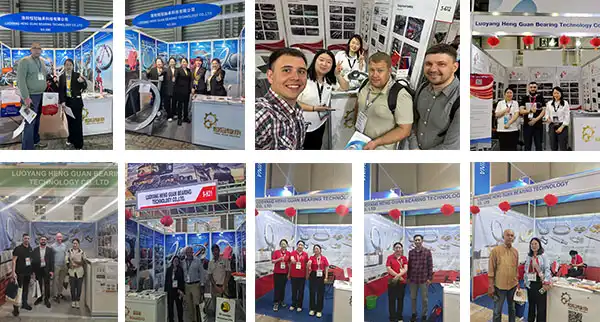
WHAT OUR CUSTOMERS SAY
Here is the customer's evaluation of us