



When Should You Use a 4 Point Contact Ball Bearing Instead?
4 Point Contact Ball Bearing technology is a big step forward in modern industry settings, where choosing the right bearings has a direct effect on how well machines work and how long they last. The special features of these rolling bearings make them useful for solving certain engineering problems in the heavy industry, robotics, and precision equipment fields. Figuring out when to use these bearings instead of more traditional ones can make tools much more reliable while cutting down on costs and downtime.

Understanding 4 Point Contact Ball Bearings
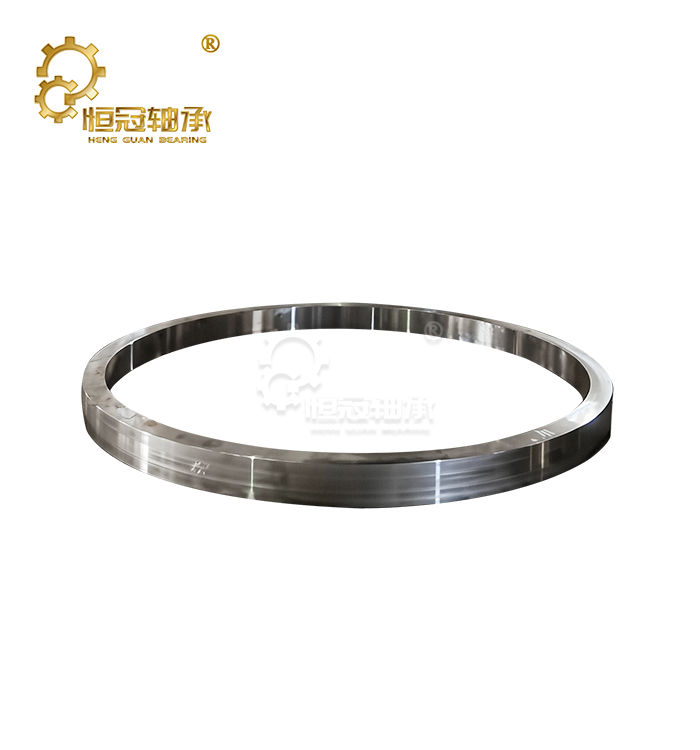
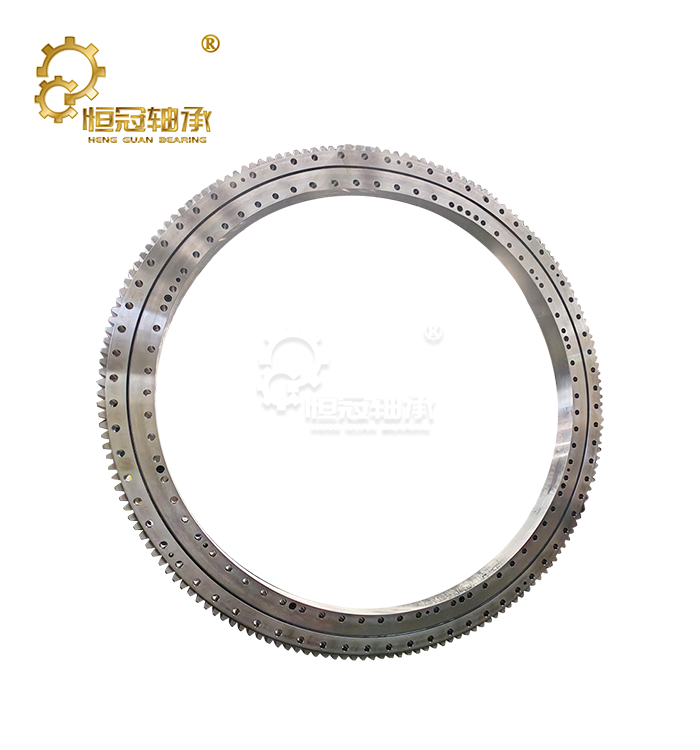
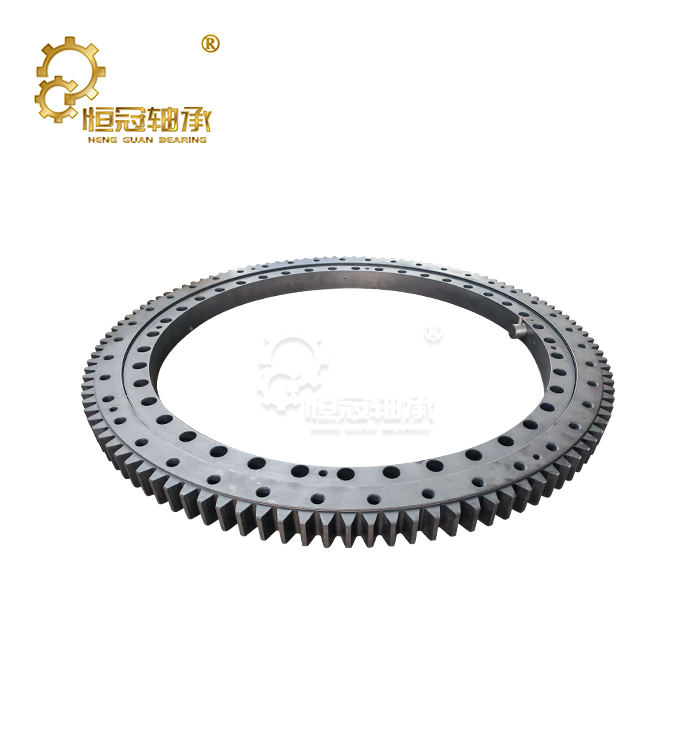
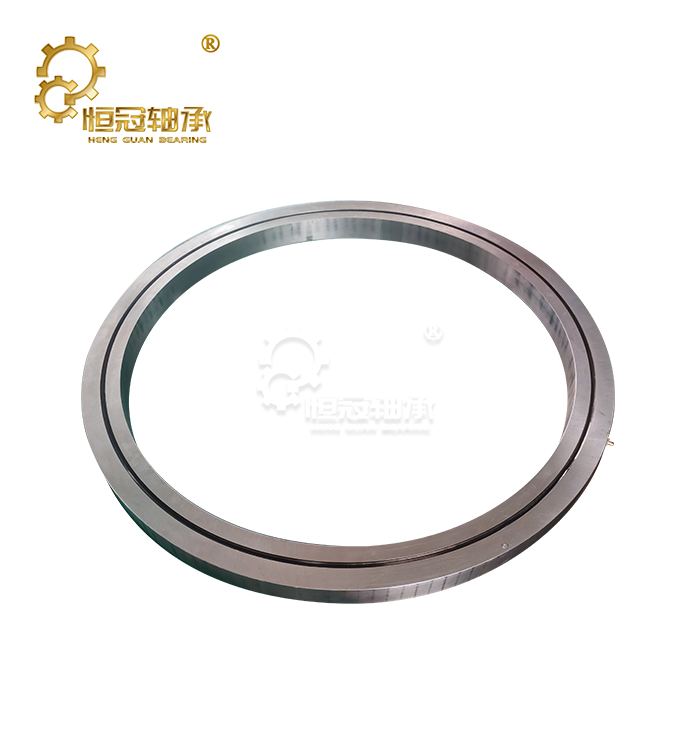
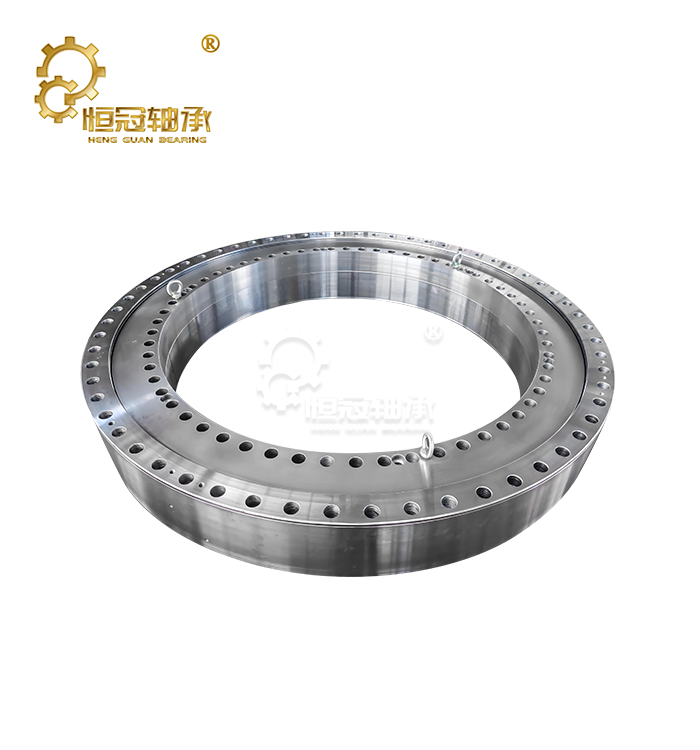
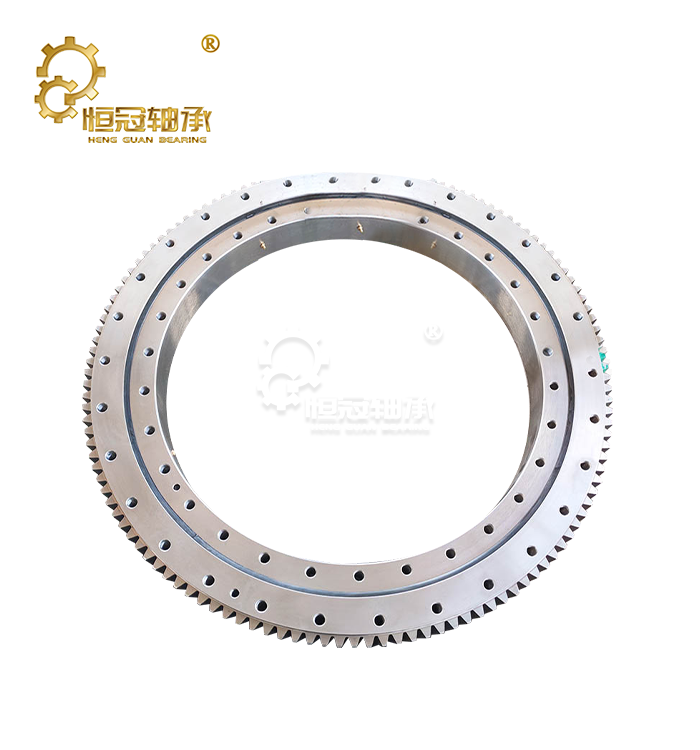
Traditional bearing technologies are different from 4 Point Contact Ball Bearing systems because they can handle both axial and radial loads at the same time through four separate contact points. With this new way of designing things, a small solution is made that has the load-carrying ability of double-row angular contact bearings but is only made of one row.
Structural Design Features
The inner and outer rings of the bearing are built to work together and have carefully designed raceways. Each steel ball makes contact at four exact points, which makes the bearing structure's load distribution ideal. This shape gets rid of the need for dual-row configurations in many situations, which saves important installation space while keeping the best performance. For ring construction, our production process uses high-strength 50Mn or 42CrMo alloy steel, which makes them very durable even in harsh working situations. The rolling elements are made up of precisely ground GCr15 bearing steel balls that have controlled hardness specs. This makes sure that the performance stays the same as the temperature changes and the load cycles.
Load Distribution Mechanics
The Gothic arch raceway shape supports axial loads well in both directions while only being able to handle small rotational loads. This special contact shape spreads forces evenly over many places, which lowers stress concentrations that usually lead to bearing failure before their time. Engineers like this technology edge in high-speed settings where the load is always changing. The design that lets the outer ring sections and inner ring halves be mounted separately makes installation easier in tight areas. This trait is very useful in situations where limited access makes standard bearing installation hard or takes a long time.
Comparing 4 Point Contact Ball Bearings With Other Bearing Types
Knowing how 4 Point Contact Ball Bearing technology performs differently from other options helps purchasing teams make decisions that save money. Comparative research is necessary for the best equipment design because each type of bearing works best in certain situations.
Angular Contact Ball Bearings
For reversible uses, traditional angular contact bearings need to be installed in pairs because they only support loads in one direction. Not only do these bearings work well at high speeds, but they also take up a lot more horizontal room than four-point contact options. When you put multiple bearings in series, the installation process gets more complicated, which could affect the accuracy of the assembly and the ease of upkeep.
Deep Groove Ball Bearings
For straight radial loads, deep groove shapes work great, but they have trouble with large axial forces. Their symmetric raceway design gives them great rotational capacity and makes them easy to use. But when uses need to handle combined loading cases, deep groove bearings often need extra thrust bearings, which makes the system more complicated and costs more.
Thrust Ball Bearings
Thrust bearings are best for uses with pure linear loads; they can't handle radial forces well. In single-direction loads, they have great axial capacity, but in most real-world situations, they need extra rotational support bearings. This multi-bearing method takes up more room during installation and makes upkeep more difficult.
Performance Metrics Comparison
A study of load capacity shows that four-point contact bearings use space more efficiently than paired angular contact setups. Their longevity is the same as or longer than that of standard methods, and they are easier to maintain. Four-point contact designs are better for uses that need reversible axial support in spaces that are limited because they are more cost-effective.
When to Use a 4 Point Contact Ball Bearing Instead?
In certain working situations, standard bearings fail, and 4 Point Contact Ball Bearing technology is the best way to fix these problems. Knowing about these uses helps engineers choose the bearing technology that will best meet their needs.
Combined Load Applications
Four-point contact designs are very helpful for equipment that has to deal with circular and bidirectional rotational loads at the same time. Traditional single-purpose bearings can't handle the complicated loading patterns that construction equipment, like digger swing motors and crane turntables, has to deal with. The uniform design fits all of these forces into a single bearing unit, which makes the housing design easier and the assembly process simpler.
Space-Constrained Installations
Four-point contact bearings are very useful for applications that need to keep performance high while staying within their limited axial space. Industrial robotics joints, especially those in RV reducers, need small bearings that can hold a lot of weight. The single-row structure takes the place of the old paired bearing setups, which saved important space without affecting the structure's ability to do its job.
High-Precision Requirements
Spindles and rotating tables for machine tools need to be very accurate and repeatable, even when the load changes. Four-point contact bearings keep things in the exact place while adjusting for cutting forces that make loading situations more complicated. Their stable contact shape makes sure that they work the same way every time, which is very important for keeping machining standards.
Installation and Maintenance Best Practices
When you place a bearing correctly, it works better and lasts longer. The design of the inner ring being able to be separated makes it possible to put it together in a way that ensures the best setup settings and accurate alignment. Monitoring the oil on a regular basis keeps it from getting dirty, and regular checks find problems before they affect operations. In industrial settings, these techniques cut down on unexpected breakdowns and upkeep costs by a large amount.
Procurement Insights for 4 Point Contact Ball Bearings
When looking for 4 Point Contact Ball Bearing options, global B2B buyers need to know a lot about buying issues. Effective strategies for evaluating and buying from suppliers ensure high-quality goods while maximizing cost-effectiveness and supply chain dependability.
Supplier Credibility Assessment
When judging bearing makers, you need to look at their production skills, quality certifications, and customer service. ISO certifications and thorough testing procedures show that established sellers always provide high-quality goods. Product reliability is directly affected by the manufacturing facility's production capability, the level of sophistication of its tools, and its quality control systems.
As part of assessing technical knowledge, you should look at engineering support options, customization options, and help with designing for specific applications. Suppliers who give detailed technical documentation, application instructions, and installation help are more valuable than those who just send the product.
MOQ and Lead Time Considerations
Buyers can better plan their inventory needs when they know the minimum order amounts and production dates. Custom uses need special manufacturing methods, so wait times are usually longer for custom sizes. Maintaining the right amount of supplies by suppliers shows that they care about customer service and cuts down on buying delays.
Talks about production plans show how well suppliers can meet volume needs and be flexible with shipping times. Manufacturers that have been around for a while usually offer more reliable schedules because their production methods and supply chain management have been tried and tested.
Pricing Dynamics and Value Assessment
Cost analysis looks at more than just the price of a single unit. It also looks at the total cost of ownership, which includes things like upkeep, expected lifetime use, and how well the product works. Quality bearings are worth the extra money because they last longer and need less upkeep. Value assessment looks at things like technical success, provider support, and the benefits of a long-term relationship.
Choosing between OEM and aftermarket sources affects both cost and quality. Original equipment makers usually offer better quality assurance, while aftermarket providers might have prices that are competitive for common uses. Finding the right balance between these factors requires a thorough analysis of how important the application is and how well it needs to run.
Certifications and Warranty Considerations
Quality approvals prove that the way a product is made meets certain standards of dependability. ISO 9001 certification shows that quality management systems are well-established, while badges specific to a field show that the person has specialized knowledge. Comprehensive guarantees show that the maker trusts the quality of the product and protects against breakdowns that happen before they should.
Assessing a distributor's dependability means checking how well they handle their supplies, offer technical help, and deal with customer service issues. Established wholesalers provide helpful local support and keep close ties with manufacturers to ensure genuine goods and expert support.
|
|

Conclusion
4 Point Contact Ball Bearing technology is very useful for situations where a lot of weight needs to be supported in a small space. The unique benefits of their form include better load distribution, less wasted space, and easier fitting compared to standard bearing arrangements. These advantages directly lead to lower equipment costs, higher working reliability, and lower upkeep needs in a wide range of industry settings. When deciding to use four-point contact bearings, specific application needs, load factors, and area limitations should all be taken into account. The best methods for evaluating and buying from suppliers make sure that you can get high-quality goods at the lowest possible cost. By understanding these technical and business factors, you can make smart choices that improve the performance of your tools and help you reach your long-term working goals.
FAQ
What factors determine the load capacity of a 4 Point Contact Ball Bearing?
Load capability is based on a number of important factors, such as the size of the bearing, the specs of the material, and the geometry of the contact angle. The Gothic arch raceway shape spreads loads across four contact points, which makes it more capable than designs with only one contact point. Choosing the right materials, especially high-grade bearing steels, has a big effect on load rates and service life. In real life, operating factors like speed, temperature, and the quality of the oil also affect the load that can be carried.
How does misalignment tolerance compare with other bearing types?
Because their contact shape is flexible, four-point contact bearings can handle small angular misalignment better than fixed bearing types. But too much misalignment lowers the load capacity and working life, so the placement must be properly aligned. When compared to spherical roller bearings, four-point contact designs can't self-align as well. Misalignment problems are less likely to happen when the housing is designed and installed correctly. This keeps the performance traits at their best.
What are the maintenance requirements compared to traditional bearings?
The maintenance needs are the same as for other precise ball bearings, with a focus on keeping the bearings clean and lubricated. The separate design makes inspections easier and lets you plan maintenance in a more organized way. How often you need to lubricate depends on how the machine is being used, and choosing the right oil is very important for getting the expected design life. Monitoring working temperatures and sound patterns on a regular basis can help find problems before they affect how the equipment works.
What size ranges are available for industrial applications?
4 Point Contact Ball Bearing products come in diameters ranging from 50mm to 10,000mm, so they can be used in a wide range of industrial settings, from big machinery to precision equipment. Standard sizes are available right away, but special sizes need to be discussed with an expert and have longer lead times. Choosing the right size relies on how much weight is needed, how much room is available, and the needs of the specific application. These factors define the best bearing shape.
Partner with Heng Guan for Premium 4 Point Contact Ball Bearing Solutions
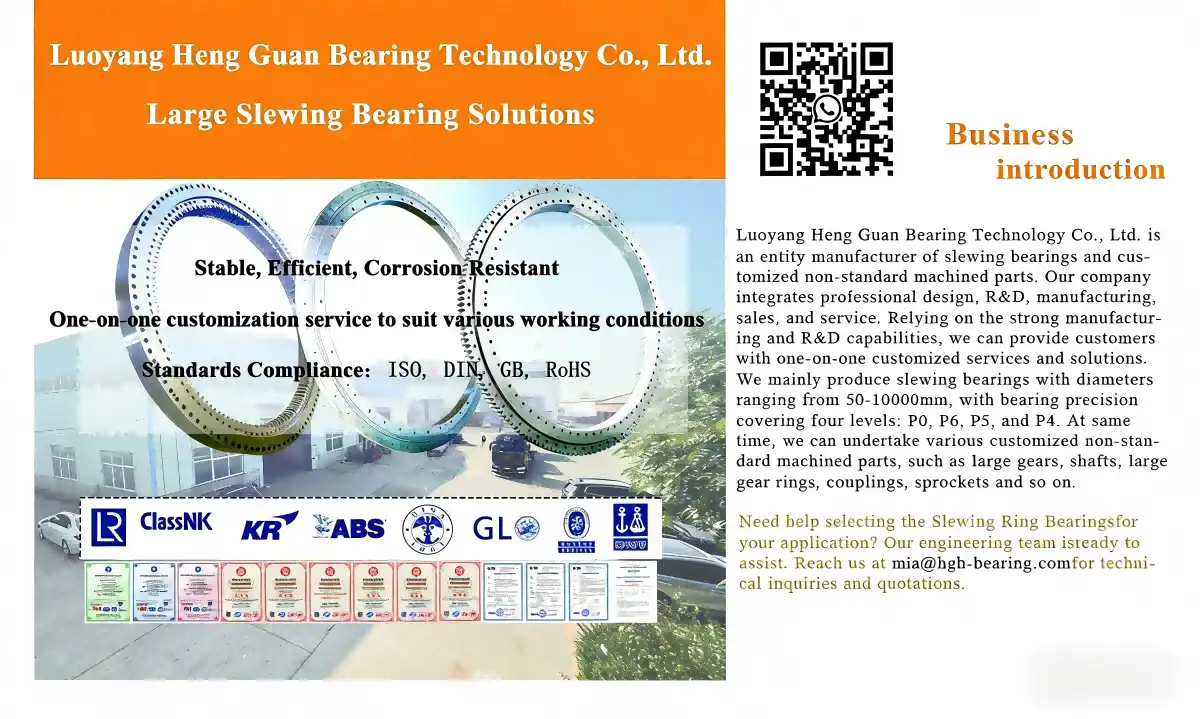
Heng Guan Bearing Technology specializes in manufacturing precision 4 Point Contact Ball Bearing solutions for demanding industrial applications across construction, mining, automation, and precision equipment sectors. Our comprehensive product range spans diameters from 50mm to 10,000mm with accuracy grades including P4, P5, and P6 specifications. Located in Luoyang's renowned bearing manufacturing hub, we combine advanced production capabilities with extensive engineering expertise to deliver customized solutions that meet your specific operational requirements. Connect with our technical team at mia@hgb-bearing.com to discuss your application needs and discover how our premium 4-point contact ball bearing manufacturer capabilities can enhance your equipment performance while reducing operational costs.
References
1. Harris, Tedric A., and Michael N. Kotzalas. "Advanced Concepts of Bearing Technology: Rolling Bearing Analysis." CRC Press, 2006.
2. Houpert, Lucien. "Ball Bearing and Tapered Roller Bearing Torque: Analytical, Numerical and Experimental Results." Tribology Transactions, vol. 45, no. 3, 2002.
3. Palmgren, Arvid. "Ball and Roller Bearing Engineering: Third Edition." SKF Industries Inc., 1959.
4. Eschmann, Paul, Ludwig Hasbargen, and Karl Weigand. "Ball and Roller Bearings: Theory, Design and Application." John Wiley & Sons, 1985.
5. Stribeck, Richard. "Ball Bearings for Various Loads: Transactions of the American Society of Mechanical Engineers." ASME Press, 1907.
6. Jones, A.B. "A General Theory for Elastically Constrained Ball and Radial Roller Bearings Under Arbitrary Load and Speed Conditions." Journal of Basic Engineering, vol. 82, no. 2, 1960.

WHAT OUR CUSTOMERS SAY
Here is the customer's evaluation of us