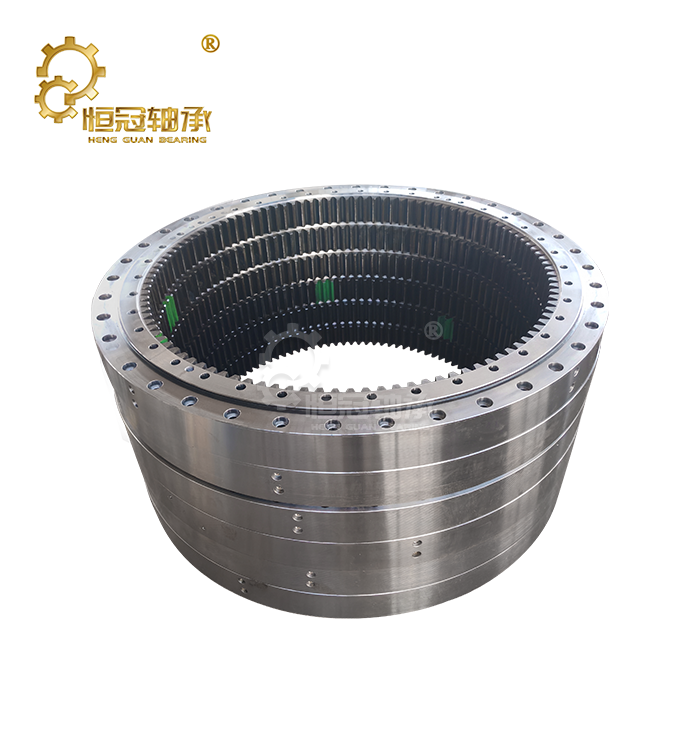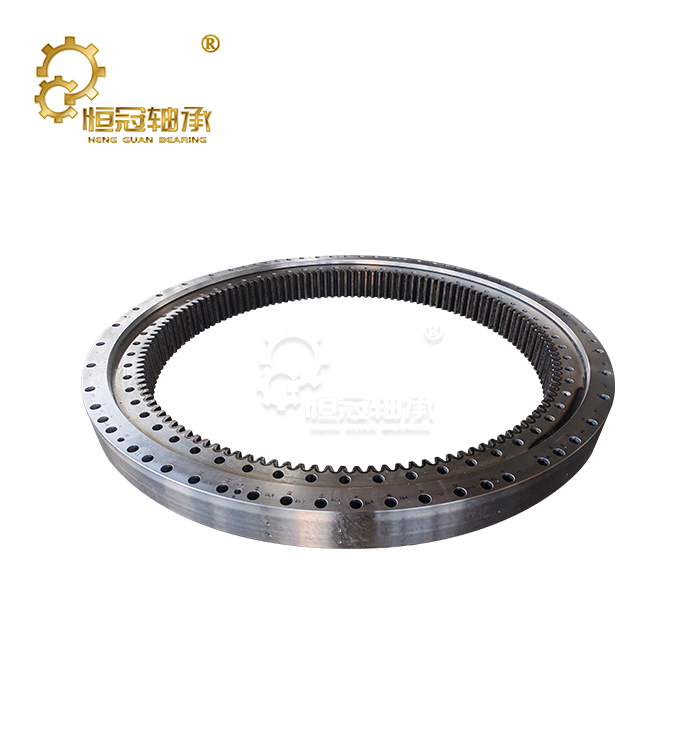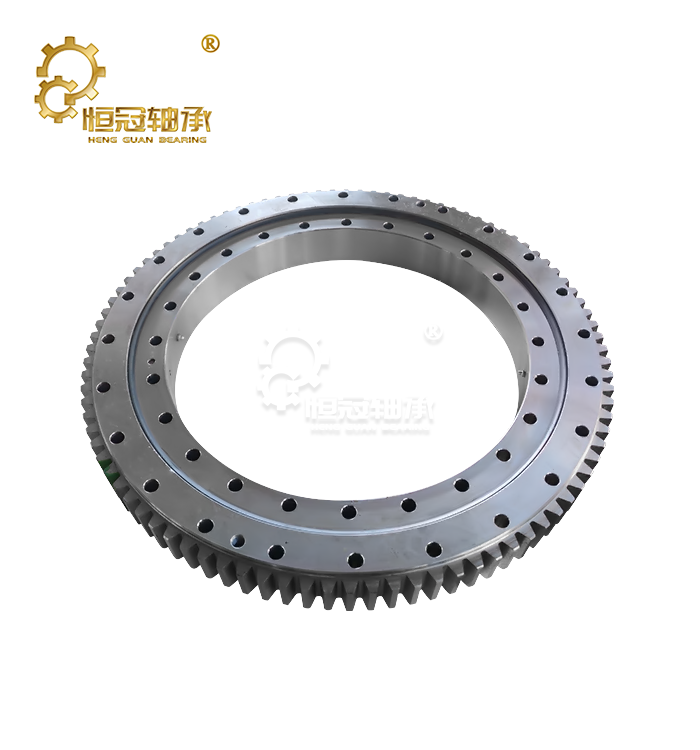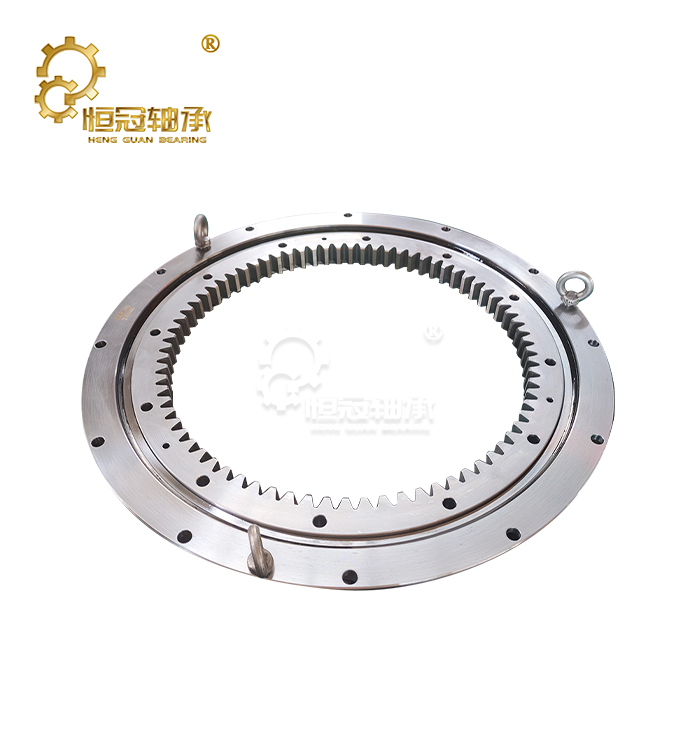




What Materials Are Commonly Used in Slim Section Bearings Manufacturing?
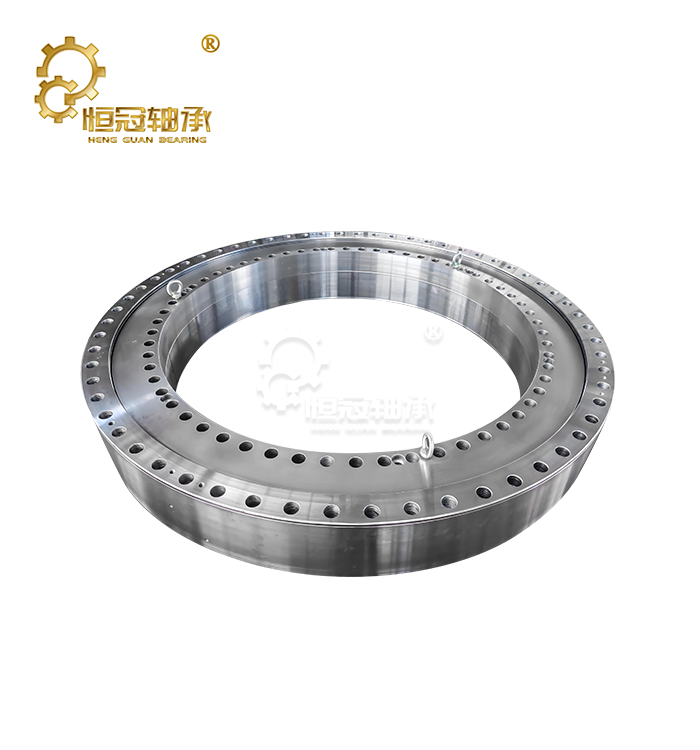
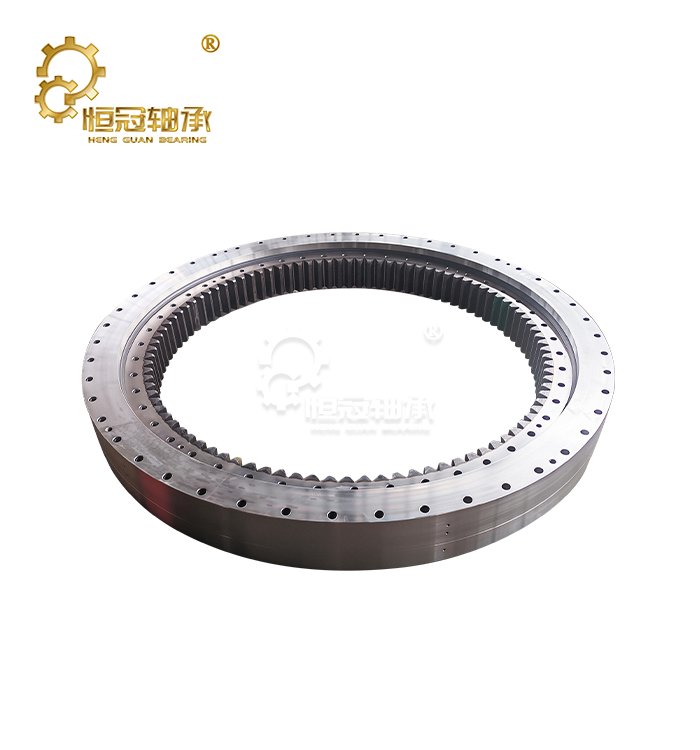
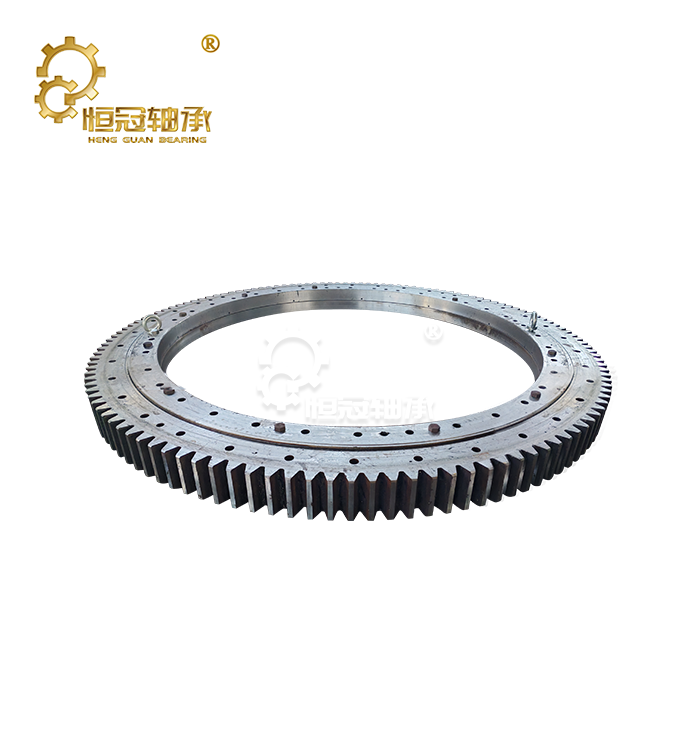
Slim section bearings are a crucial component in various industries where space and weight constraints are paramount. These bearings can take radial, axial, and moment loads in a smaller cross-sectional profile compared to traditional bearings. This unique design enables their use in robotics, aerospace systems, medical devices, semiconductor equipment, automation machinery, and precision instruments.
The choice of material used in the construction of slim section bearings significantly impacts the performance, service life, and operating reliability. The material must have certain attributes depending on the application: highly wear resistant if it is to be used on a continuous basis, corrosion resistant if it is to be used in severe environments, an electrical insulator if used in sensitive equipment, or lightweight if used in aeronautical systems.
Knowing the benefits and drawbacks of different bearing materials is critical for engineers and procurement teams to select the proper option. Slim section bearings can be manufactured from high-performance steels, stainless steels, ceramic materials, engineering polymers, and composites. Each material has certain benefits depending on operating conditions, load requirements, and environmental variables.
This article discusses the most common materials utilized in the construction of the slim section bearings and how each material affects the performance of the bearing.

High-Performance Steel Materials for Reliable Bearing Performance
The slim section bearings are manufactured from steel, as this material offers an excellent combination of strength, durability, machinability, and cost efficiency. In the fabrication of steel bearings, advanced heat treatment and accurate machining methods can be used to get high dimensional precision and long service life.
GCr15 Chromium-Bearing Steel for High-Precision Applications
GCr15 chromium-bearing steel is one of the most popular materials in the construction of precision bearings. GCr15 is a high-carbon chromium alloy steel that possesses excellent hardness, wear resistance, and fatigue strength after sufficient heat treatment.
Bearing rings and rolling elements of slim section bearings are commonly built of GCr15, which can keep steady performance under repeated contact stress. Great dimensional stability means smooth rotation and accurate placement, both important for robotics, automation equipment, and precision machinery.
The main advantages of GCr15 are the following:
High hardness after heat treatment;
Excellent resistance to rolling contact fatigue;
Good wear resistance in continuous operation;
Stability performance is good in mid- and high-speed ranges.
GCr15 still remains one of the most widely used materials for the usual industrial applications requiring both cost-effective and reliable performance.
Alloy Steel Materials for Heavy Load Applications
For Slim section bearings used under higher loads or more severe mechanical conditions, bearing parts can be manufactured of alloy steels, such as 42CrMo and 50Mn.
Alloy steels are stronger and tougher mechanically than the standard bearing steels. These features make them suitable for use in applications where the bearings are subjected to shock loads, vibration, or strong operating forces.
For example, robotic joints, industrial automation equipment, and large precision mechanisms often require bearings that can maintain structural integrity in a limited installation space. Alloy steels can also be used to manufacture tiny bearings that have great load-carrying capacity.
Advantages of alloy steel include the following:
Superior tensile strength
Improved impact resistance
Excellent performance under heavy loads
Ideal for custom bearing designs
In choosing alloy steel slim section bearings, engineers usually take into account the load capacity, the rotational speed, the temperature of operation, and the expected service life.
Stainless Steel for Corrosive and Hygienic Environments
Another primary material used in the manufacture of slim section bearings is stainless steel. This is particularly advantageous for applications exposed to moisture, chemicals, or stringent cleanliness requirements.
Stainless steel bearings possess superior corrosion resistance compared to standard bearing steels. They are widely used in such industries as:
Food processing machinery Pharmaceutical Equipment and Medical Devices
Chemical processing systems. Marine purposes.
The corrosion resistance of stainless steel helps to reduce maintenance and extend the service life of the bearing under severe conditions.
Stainless steel slim section bearings are also the bearings of choice for applications where contamination control is crucial. For instance, medical and semiconductor equipment typically need materials that can withstand frequent cleaning processes and provide correct performance.
Ceramic Materials for Advanced Slim-Section Bearing Applications
Ceramic materials are replacing traditional steel materials in high-performance bearing applications due to their unique advantages. Ceramic parts can reduce friction, enhance speed capability, and improve resistance to extreme operating conditions.
Steel bearings are generally cheaper than ceramic bearings. They are mainly employed when the performance warrants the increased cost.
Silicon Nitride for High-Speed and Lightweight Designs
Silicon nitride is one of the most often used ceramics in advanced bearing applications. It is valued for its high hardness, low density, and excellent thermal stability and wear resistance.
Silicon nitride is commonly employed as rolling elements in hybrid bearing designs in slim-section bearings. These bearings are generally built with steel rings and ceramic balls for better performance.
Advantages of silicon nitride are the following:
lighter than steel rolling parts.
less friction in operation.
better performance at high rotational speeds.
good heat and wear resistance.
The properties of silicon nitride hybrid slim section bearings make them suitable for use in aeronautical equipment, high-speed machinery, and precise production systems.
Zirconia for Wear Resistance and Chemical Stability
For specialized slim-section bearings, another material option is zirconia ceramics. Zirconia is hard relative to many other ceramic materials, making it an excellent material for applications where durability is a key need.
Zirconia parts are typically used in situations where steel parts would be too susceptible to wear or chemicals. They are desirable in difficult surroundings because of their corrosion resistance and capacity to function in some low-lubrication conditions.
Typical applications include the following:
Equipment for chemical processing;
laboratory equipment;
high-precision automation equipment
By combining zirconia ceramic rolling elements with steel bearing rings, manufacturers are able to make hybrid slim-section bearings that provide a balance between durability, performance, and cost.
Aluminum Oxide for Electrical Insulation Requirements
Alumina, or aluminum oxide, is typically selected where electrical insulation is needed. In electric motors and generators in particular, the degradation of conventional steel bearings due to electrical current passing through the bearing components is a known problem.
Alumina ceramic pieces are utilized to prevent electrical conductivity yet still maintain mechanical performance.
Aluminum oxide parts in narrow section bearings are commonly found in:
Electric motors and generators Electrical testing equipment Industrial machinery, special
Alumina is a particularly important material choice for applications where electrical protection is a basic design requirement, because of its electrical insulating qualities.
Engineering Polymer Materials for Specialized Bearing Applications
Metals and ceramics are the principal materials for bearing manufacture. However, engineered polymers also have a significant part to play in specialized slim-section bearing applications. Polymer materials are commonly used because they have little friction, are chemically resistant, are light in weight, and are self-lubricating.
PEEK for Chemical and Temperature Resistance
Polyether ether ketone (PEEK) is a high-performance engineering polymer with outstanding chemical resistance, mechanical strength, and temperature stability.
PEEK parts can be utilized for bearing cages, retainers, or unique bearing structures when conventional metal materials are not applicable.
Advantages of PEEK are the following:
Chemical resistance to numerous substances;
Low friction properties;
Lightweight construction;
Good dimensional stability at high temperatures.
PEEK components in bearings with slim sections are often used in semiconductor manufacturing equipment, chemical processing machinery, and cleanroom conditions.
PTFE for Low-Friction and Self-Lubricating Applications
The low coefficient of friction of polytetrafluoroethylene (PTFE) is well known. PTFE is widely used as a liner or coating material in bearing applications to minimize friction and to ensure smooth operation.
Special applications where normal lubrication is difficult or not desired are especially suitable for slim section bearings based on PTFE.
Typical applications are the following:
Vacuum apparatus Food processing machinery Clean-room equipment
Equipment for managing chemicals.
The low friction nature of PTFE helps to reduce wear and extend service life and also reduces maintenance requirements.
Composite Materials for Lightweight and Customized Bearing Solutions
Composites blend materials to get the properties you want. Composites are more and more used in the manufacture of slim section bearings when engineers are looking for lightweight structures, increased corrosion resistance, or specific mechanical qualities.
Composite materials may consist of combinations of:
Fiber-reinforced polymers Carbon-based materials Specialized resin systems
These materials can minimize the weight of the whole system while preserving sufficient mechanical strength.
Composite slim-section bearings are hence attractive for aerospace, automotive, and advanced automation applications where weight reduction and efficiency improvements are major design goals.
Manufacturers with extensive material processing capabilities can develop composite bearing solutions to suit operational conditions, such as load requirements, speed constraints, and environmental exposure.
How to Select the Right Material for Slim Section Bearings?
Picking the best material involves looking at numerous operational criteria rather than simply choosing the strongest.
Engineers generally consider:
Load Requirements
Heavy load applications may need alloy steels. Lightweight systems may have to use ceramic or composite materials.
Working Atmosphere
In corrosive settings stainless steel or ceramic materials are commonly required, and in cleanroom applications low-contamination materials may be needed.
Speed and Temperature
Ceramic rolling elements are generally used for high-speed applications, as they generate less heat and have better speed capability.
Maintenance Needs
Low friction components such as PTFE or ceramic can be something you want for applications where you want to avoid maintenance.
Cost concerns
For many industrial applications, steel is still the cheapest option. Ceramic and specialty polymers are typically a choice for higher performance demand.
A competent slim-section bearing manufacturer can help assess these issues and offer the most appropriate material combination.
Why Does Material Selection Matter in Slim Section Bearing Manufacturing?
The material used to manufacture the bearings has more than mechanical strength. It impacts:
Accuracy of bearings Service life frequency of maintenance Operating reliability: Overall equipment effectiveness
Modern manufacturing techniques enable providers to mix and match materials such as steel rings with ceramic rolling elements or polymer parts to provide unique bearing solutions for certain applications.
Reliable manufacturers additionally carry out material inspection, heat treatment control, dimensional measurement, and performance testing to guarantee that each bearing fulfills application requirements.
When buying slim section bearings, it is equally crucial to choose a provider with strong engineering capabilities and quality control systems to complement the material.

Conclusion
The materials used in slim section bearings manufacturing play a critical role in determining bearing performance, durability, and suitability for different applications. High-performance steels such as GCr15 and alloy steels provide reliable strength and cost efficiency, while stainless steel offers excellent corrosion resistance for demanding environments.
Ceramic materials such as silicon nitride, zirconia, and aluminum oxide expand the possibilities of slim-section bearings by providing high-speed capability, wear resistance, and electrical insulation. Engineering polymers like PEEK and PTFE offer additional advantages for specialized applications requiring low friction, chemical resistance, or lightweight designs.
As industries continue to demand smaller, more precise, and more efficient mechanical systems, material innovation will remain an important factor in slim-section bearing development. By understanding the characteristics of different materials and working with experienced bearing manufacturers, engineers can select solutions that deliver long-term reliability and optimized performance.
FAQ
1: What are the main advantages of slim-section bearings?
Slim section bearings offer space-saving design, high load capacity, and precision operation, making them ideal for compact applications in robotics, medical equipment, and the aerospace industry.
2: How do ceramic materials benefit slim-section bearings?
Ceramic materials like silicon nitride and zirconia provide benefits such as higher speed capabilities, improved wear resistance, and better performance in high-temperature or corrosive environments.
3: Can slim-section bearings be customized for specific applications?
Yes, slim section bearings can be customized using various materials and designs to meet specific application requirements, such as those in extreme environments or specialized industries.
4: What is the typical size range for slim-section bearings?
Slim section bearings typically range from 50mm to over 2000mm in inner bore diameter, with cross-section heights from 20mm to 100mm.
Custom Slim Section Bearings and Slewing Rings You Can Trust
Luoyang Heng Guan Bearing Technology Co., Ltd. is a leading manufacturer of high-quality slim section bearings and slewing rings. With our state-of-the-art production facilities and experienced team of engineers, we deliver innovative bearing solutions tailored to meet the most demanding industry requirements. Our commitment to quality, precision, slim section bearings, and customer satisfaction has made us a trusted partner for businesses worldwide. We specialize in custom designs and offer a wide range of slim section bearings to suit various applications.For expert advice and superior bearing solutions, Contact Us at mia@hgb-bearing.com.
References
1. Smith, J. D. (2018). Advanced Bearing Materials for High-Performance Applications. Journal of Tribology and Lubrication, 42(3), 156-172.
2. Chen, L., & Wang, Y. (2019). Slim Section Bearings: Design Principles and Material Selection. International Journal of Mechanical Engineering, 55(2), 89-104.
3. Thompson, R. A. (2020). Ceramic Bearings in Modern Industrial Applications. Advanced Materials Technology, 31(4), 215-230.
4. Garcia, M., & Lee, S. H. (2021). Polymer-Based Bearings: Innovations and Applications. Polymer Science and Engineering, 47(1), 78-93.
5. Brown, K. L., et al. (2017). Composite Materials in Bearing Design: Challenges and Opportunities. Composite Structures, 68(5), 312-328.
6. Yamamoto, T., & Patel, N. (2022). Recent Advances in Slim Section Bearing Manufacturing Techniques. Journal of Manufacturing Processes, 39(2), 145-160.

WHAT OUR CUSTOMERS SAY
Here is the customer's evaluation of us