



How Slewing Gear Bearings Enhance Wind Turbine Rotation?
By offering reliable, integrated solutions that concurrently manage complicated multi-directional loads and enable precise rotational control, slewing gear bearing technology radically changes wind turbine rotation systems. These specialized bearings enable wind turbines to effectively follow wind direction via yaw control and optimize blade pitch for optimal energy harvesting by combining the load-bearing capabilities of conventional rolling element bearings with integrated gear systems. Slewing gear bearings greatly increase operational dependability, simplify maintenance, and boost overall turbine performance in challenging wind energy applications by combining many mechanical tasks into a single, small unit.

What Are Slewing Gear Bearings and How Do They Work in Wind Turbines?
Understanding Slewing Gear Bearing Fundamentals
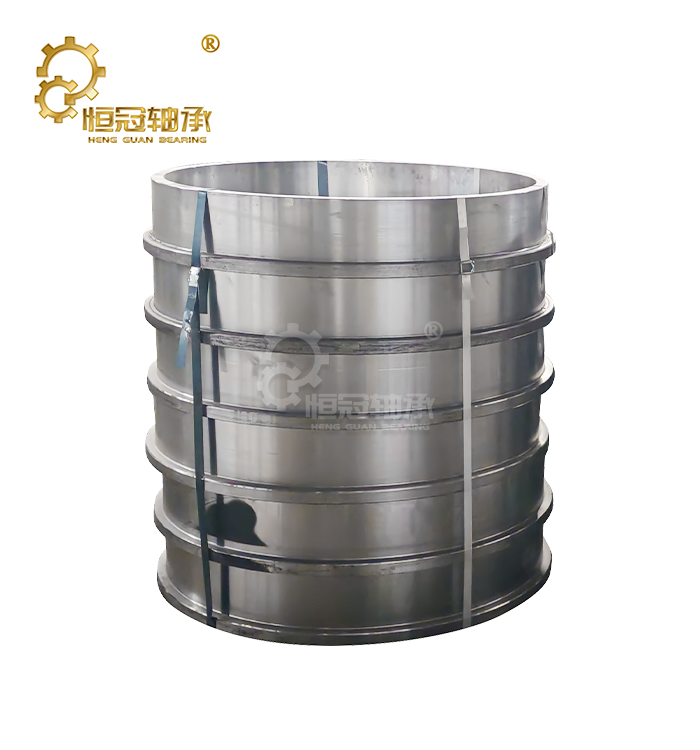
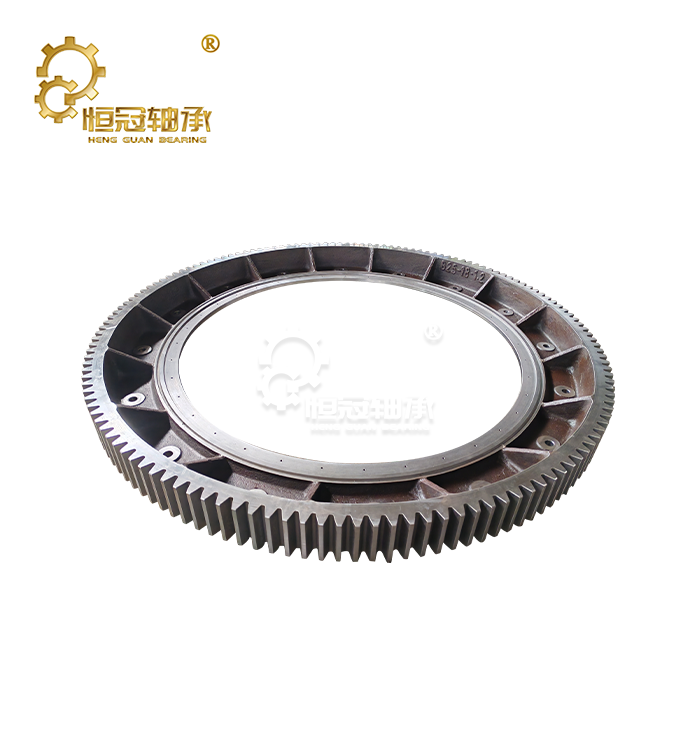
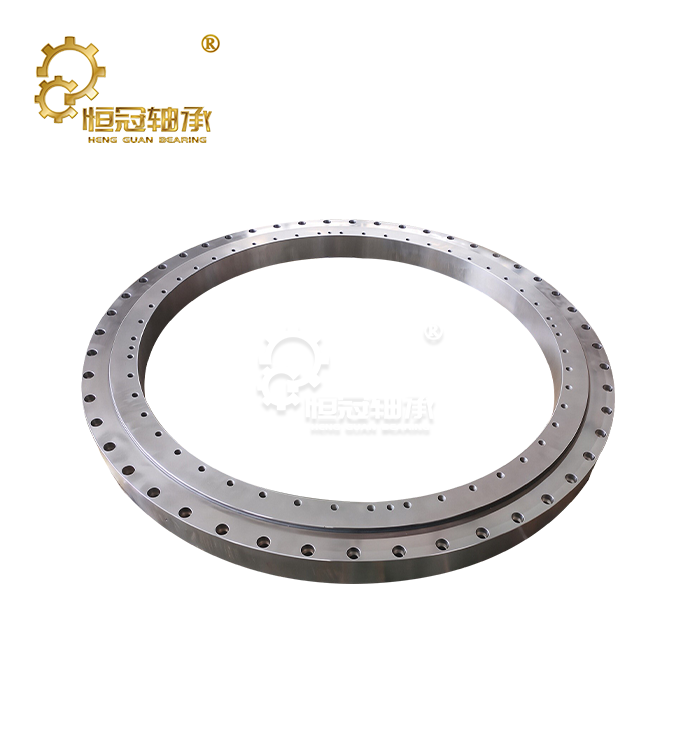
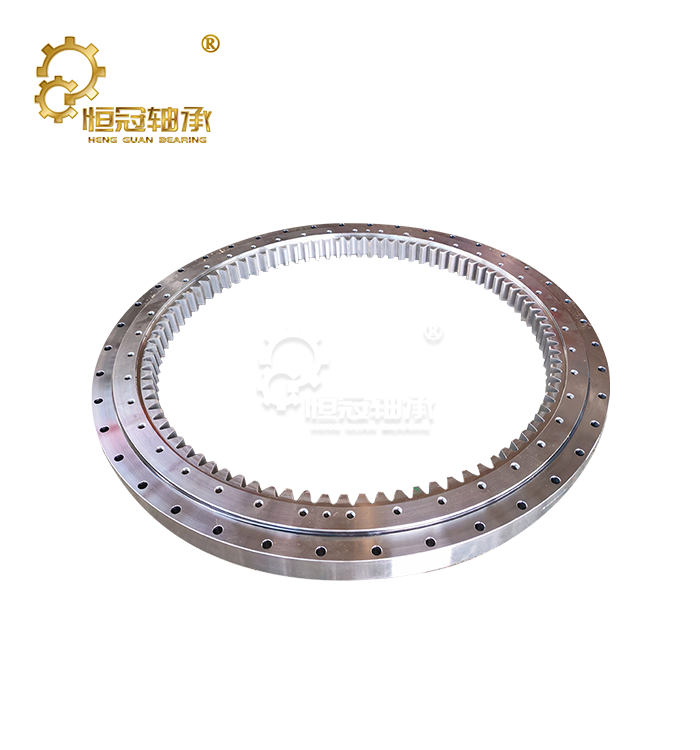
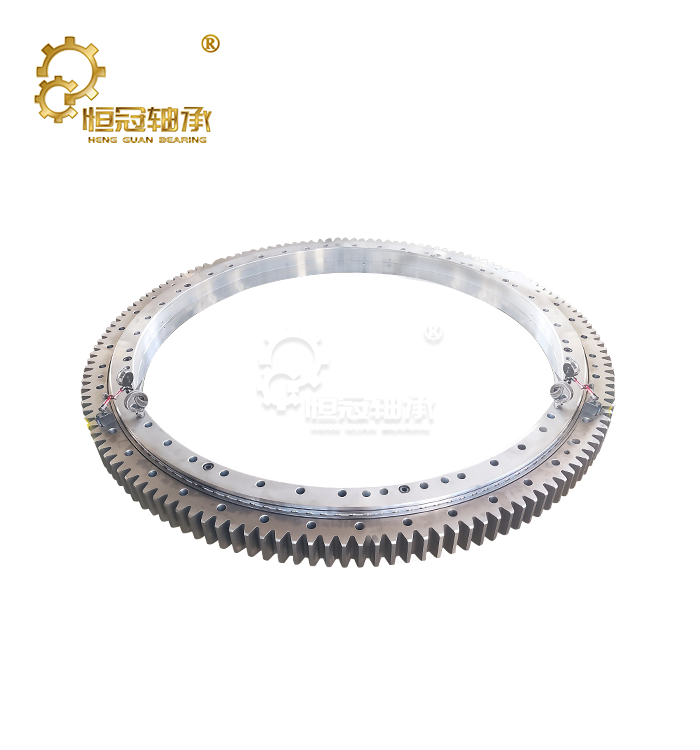
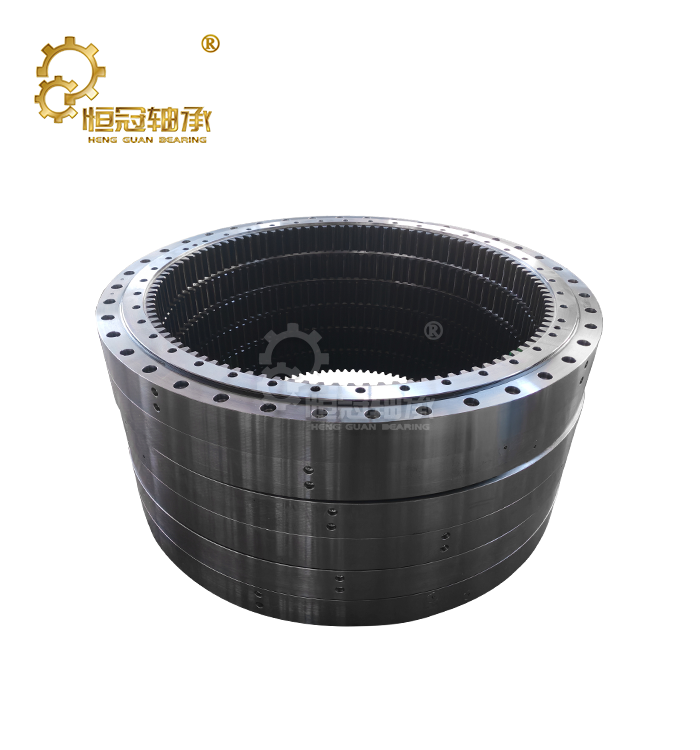
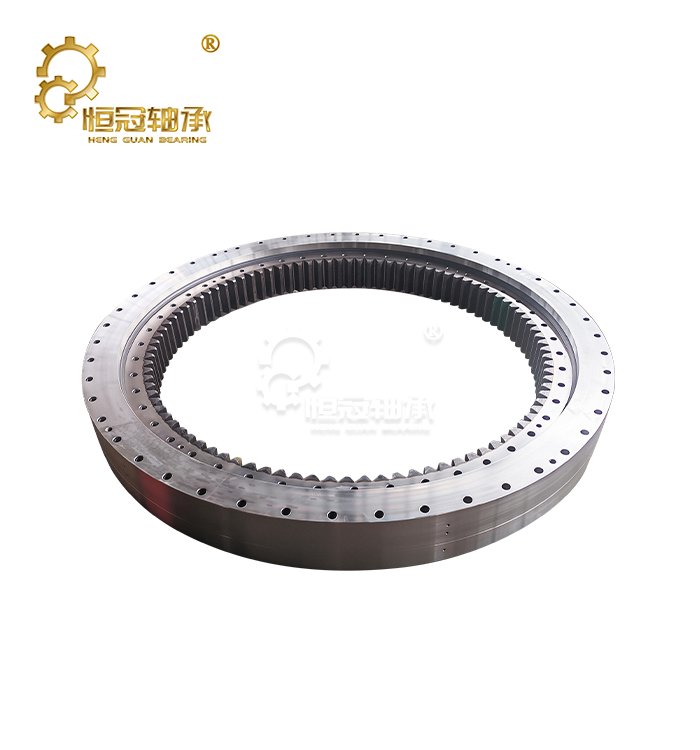
A specific kind of large-diameter rotating bearing that incorporates gear teeth straight into the bearing construction is called a slewing gear bearing. These parts provide a cohesive solution for heavy-duty rotating applications by combining the torque transmission capabilities of gear systems with the load-bearing capabilities of precision rolling elements. Standard bearings are unable to adequately meet the special demands placed on bearing systems by wind turbine applications. Wind turbine slewing bearings, in contrast to traditional industrial bearings, must retain accuracy throughout decades of continuous operation while handling severe moment loads, variable speed operations, and harsh weather conditions.
Integration with Wind Turbine Rotation Systems
The main way that slewing gear bearings allow turbines to spin the whole nacelle in order to follow wind direction is via yaw system integration. The bearing provides the gear interface required for accurate angular alignment while supporting the whole weight of the nacelle and rotor assembly. This integration maximizes energy collection efficiency by enabling turbines to retain their ideal orientation with respect to wind direction. The bearing's capacity to transmit intricate multidirectional stresses from the rotor assembly to the tower structure is essential for load distribution throughout the turbine nacelle. Slewing gear bearings' wide contact surface and many load channels guarantee that structural stresses are dispersed uniformly, avoiding stress concentrations that can cause an early failure.
Critical Performance Parameters
For wind applications, load capacity estimates need a thorough examination of moment forces acting on the turbine construction, dynamic wind loads, and static weights. In order to provide bearings with sufficient safety margins for dependable long-term performance, engineers must take into account maximum wind speeds, turbulence effects, and operating load cycles. Choosing bearing geometries that effectively manage the mix of axial, radial, and moment loads common in wind turbine applications is known as contact angle optimization for wind loads. The contact angle impacts bearing stiffness, which has an impact on turbine structural dynamics and positioning accuracy, as well as how loads are distributed across rolling parts.
Types of Slewing Gear Bearings for Wind Turbine Applications
Single Row Ball Slewing Bearings
For some wind turbine applications, single-row ball slewing bearings provide affordable options because of their streamlined design and single raceway arrangement of rolling parts. These bearings perform very well in situations that call for a moderate load capacity, superior rotational accuracy, and comparatively small installation envelopes. When compared to more complicated designs, single row bearings provide cheaper initial investment costs and simpler maintenance processes, according to cost-effectiveness research. However, their employment is limited to certain applications where the cost-capability trade-off is in line with project objectives due to their load capacity restrictions.
Double Row Ball Slewing Bearings
By distributing loads across more rolling elements via multiple raceway arrangements, double row ball slewing bearings provide improved load capacity and moment resistance. For medium to large wind turbine applications, this design maintains realistic cost and complexity levels while greatly enhancing load management capabilities. Enhanced structural rigidity and decreased deflection under fluctuating loads are two performance benefits in changeable wind situations. Better aerodynamic performance and less fatigue stress on turbine components are two benefits of the twin row layout, which offers more robust support for nacelle structures.
Four-Point Contact Slewing Bearings
The best option for heavy-duty wind turbine applications is a four-point contact slewing bearing, which offers greater axial and radial load management via optimum contact geometry. Each ball makes four interactions with the inner and outer raceways, resulting in remarkable structural rigidity and load distribution. Because of the strong design features and optimal load distribution, long-term dependability advantages include longer operating life and fewer maintenance needs. The initial higher investment in four-point contact bearings often proves cost-effective over the turbine's operational lifetime due to reduced maintenance and replacement costs.
Internal vs External Gear Configuration
The entire performance of the system is greatly impacted by the placement of the gears; internal gears provide more compact installations and superior defense against environmental pollution. The option is application-dependent as external gear designs provide simpler drive system integration and easier maintenance access. External gear layouts that prioritize routine inspection and servicing access are often favored by maintenance accessibility criteria. Throughout the bearing's operating life, external gears may save maintenance time and expenses by enabling visual examination and servicing without the need to disassemble the bearing.
Performance Enhancement Mechanisms in Wind Turbine Applications
Load Capacity Optimization
Modern slewing gear bearings have better dynamic and static load ratings due to enhanced manufacturing accuracy, optimized contact geometries, and sophisticated materials. In difficult wind turbine applications, these improvements allow bearings to support greater loads while preserving dependability and increasing operating life. Improved knowledge of contact stress patterns and load distribution methods has greatly increased fatigue resistance under cyclic loading situations. By using sophisticated design techniques, engineers may improve bearing life under cyclic loads by optimizing bearing shape for certain loading patterns common in wind turbine applications.
Precision and Accuracy Improvements
By guaranteeing ideal turbine location and minimizing energy losses from misalignment, rotational precision has a direct influence on energy efficiency. High-precision bearings enable control systems to maximize turbine performance under all operating circumstances by maintaining precise placement under a range of loads. Turbine performance and component life are directly impacted by yaw and pitch system positioning precision. Accurate placement minimizes misalignment-related structural stresses and permits the best possible aerodynamic performance in a range of wind situations.
Operational Efficiency Gains
Modern slewing gear bearings have lower friction coefficients thanks to better rolling element designs, enhanced surface treatments, and sophisticated lubricants. Reduced energy usage and increased system efficiency are closely correlated with lower friction. Improvements in turbine orientation systems' response times allow for quicker adaptation to shifting wind conditions, enhancing energy extraction and lowering structural stresses. In order to preserve turbines during severe weather occurrences, quick reaction skills are very crucial.
Installation and Maintenance Best Practices for Optimal Performance
Professional Installation Guidelines
Mounting bolt pattern specifications require precise adherence to manufacturer requirements to ensure proper load distribution and bearing performance. Proper bolt patterns distribute structural loads evenly across the bearing mounting interface, preventing stress concentrations that could lead to premature failure. Alignment procedures for maximum efficiency require careful attention to angular and parallel alignment between bearing components and adjacent structures. Misalignment can significantly reduce bearing life and impair system performance.
Lubrication Requirements and Schedules
Specialized lubricants for wind turbine environments must withstand extreme temperatures, contamination exposure, and long service intervals typical in wind applications. Modern synthetic lubricants provide superior performance and extended service life compared to conventional options. Regular monitoring of lubrication condition helps identify potential issues before they affect bearing performance. Oil analysis programs can detect contamination, wear particles, and lubricant degradation that indicate maintenance needs.
Preventive Maintenance Protocols
Regular inspection intervals and checkpoints should be established based on manufacturer recommendations and operating conditions. Routine inspections can identify developing issues before they lead to significant problems or unplanned downtime. Component replacement scheduling should consider bearing condition, operational history, and maintenance cost factors. Planned replacement programs can minimize downtime and reduce overall maintenance costs compared to reactive maintenance approaches.
Troubleshooting Common Issues
Vibration analysis and noise reduction techniques help identify bearing problems and their root causes. Understanding vibration signatures enables maintenance teams to diagnose specific issues and implement appropriate corrective actions. Gear wear pattern analysis provides insights into loading conditions, alignment, and lubrication effectiveness. Understanding wear patterns helps optimize maintenance procedures and prevent premature failure.
Selection Criteria for Wind Turbine Slewing Gear Bearings
Technical Specification Requirements
Size and dimension considerations must account for turbine design requirements, installation constraints, and load capacity needs. Bearing size directly affects load capacity, installation complexity, and cost factors that influence overall project economics. Load capacity matching to turbine specifications requires a comprehensive analysis of all operational loads, including static weights, wind loads, and dynamic forces. Proper load analysis ensures adequate bearing capacity with appropriate safety margins. Environmental resistance ratings must address the specific conditions expected at the installation site. Factors include temperature extremes, humidity, contamination exposure, and corrosive environments that could affect bearing performance. Bearing selection requires consideration of operational speeds, positioning accuracy requirements, and expected service life. These factors influence bearing type selection and specification details.
Material and Design Considerations
Steel grade selection for wind applications involves choosing materials that provide optimal strength, toughness, and fatigue resistance for the specific loading conditions. Advanced bearing steels offer superior performance compared to standard materials. Heat treatment processes significantly impact bearing performance and service life. Proper heat treatment provides the hardness and toughness characteristics necessary for reliable wind turbine operation. Seal type comparison for weather protection involves evaluating different sealing technologies based on environmental conditions and maintenance requirements. Effective sealing prevents contamination while maintaining proper lubrication. Corrosion resistance requirements vary based on installation environment, with offshore applications requiring enhanced protection compared to inland installations. Specialized coatings and materials can provide improved corrosion resistance.
Supplier Evaluation Factors
Manufacturing quality standards and certifications ensure consistent product quality and reliability. Suppliers should maintain relevant quality certifications and demonstrate consistent manufacturing capabilities. Technical support and engineering services are crucial for successful bearing selection and application. Suppliers should provide comprehensive technical support throughout the project lifecycle. Global supply chain reliability ensures consistent product availability and support services across different markets. Reliable supply chains reduce project risks and support long-term maintenance requirements. Supplier experience in wind energy applications provides valuable expertise for bearing selection and application optimization. Experienced suppliers understand wind turbine requirements and can provide appropriate recommendations.
Cost-Benefit Analysis Framework
Initial investment versus long-term performance considerations help optimize bearing selection based on total cost of ownership rather than initial price alone. Higher quality bearings often provide better long-term value through reduced maintenance and longer service life. Maintenance cost projections should consider routine maintenance requirements, replacement schedules, and potential repair costs over the bearing's service life. These factors significantly impact total ownership costs. Energy efficiency ROI calculations help quantify the value of improved bearing performance in terms of increased energy production and reduced losses. Efficiency improvements can provide substantial returns over the turbine's operational life. Risk assessment considerations for Slewing gear bearings include reliability factors, maintenance accessibility, and replacement costs that could affect project economics. Understanding these risks helps optimize bearing selection decisions.
Future Trends and Innovations in Wind Turbine Bearing Technology
Advanced Materials and Coatings
Next-generation bearing steels incorporate advanced metallurgy and processing techniques that provide superior performance characteristics. These materials offer improved fatigue resistance, higher load capacity, and extended service life compared to conventional bearing steels. Research into ceramic and hybrid bearing materials shows promise for specific wind turbine applications. These materials can provide reduced weight, improved corrosion resistance, and enhanced performance in extreme environments. Protective coating technologies are being developed to improve bearing performance in harsh environments. Advanced coatings can provide enhanced corrosion resistance, reduced friction, and improved wear characteristics. Surface treatment innovations include techniques that modify surface properties to improve bearing performance. These treatments can enhance fatigue resistance, reduce friction, and provide better lubrication retention.
Smart Bearing Technologies
Integrated sensor systems for condition monitoring represent a significant advancement in bearing technology. These systems provide real-time monitoring of bearing condition and performance parameters that enable predictive maintenance strategies. Sensor technologies include vibration monitoring, temperature measurement, and lubricant condition assessment, which provide comprehensive bearing health information. Advanced sensors can detect developing problems before they affect turbine operation. Predictive maintenance capabilities enable maintenance teams to optimize service schedules based on actual bearing condition rather than fixed intervals. This approach can reduce maintenance costs while improving reliability. LoT connectivity and data analytics enable remote monitoring and advanced analysis capabilities that improve maintenance efficiency and bearing performance optimization. Cloud-based systems provide comprehensive data management and analysis tools.
Sustainability and Environmental Considerations
Eco-friendly manufacturing processes are becoming increasingly important as the wind industry focuses on overall environmental impact. Sustainable manufacturing practices reduce the carbon footprint of bearing production. Recyclability and end-of-life management considerations are driving the development of bearing designs that facilitate material recovery and reuse. These approaches support circular economy principles and reduce environmental impact. Carbon footprint reduction initiatives include optimizing manufacturing processes, reducing material consumption, and improving transportation efficiency. These efforts support the wind industry's environmental objectives. Sustainable material sourcing involves selecting materials and suppliers that support environmental and social responsibility objectives. Responsible sourcing practices ensure ethical and environmentally sound supply chains.
Conclusion
Slewing gear bearings play a fundamental role in wind turbine performance by enabling precise rotational control while handling complex multi-directional loads in demanding environmental conditions. These sophisticated components directly impact energy production efficiency, operational reliability, and maintenance costs throughout the turbine's service life. The selection of appropriate bearing technology, combined with proper installation and maintenance practices, significantly influences overall project success and long-term profitability.
Modern bearing innovations continue advancing wind turbine capabilities through improved materials, enhanced designs, and integrated monitoring technologies. As the wind energy industry evolves toward larger, more efficient turbines, bearing technology must continue advancing to meet increasing performance demands while maintaining reliability and cost-effectiveness.
FAQ
What is the typical lifespan of slewing gear bearings in wind turbines?
High-quality slewing gear bearings in wind turbines typically achieve operational lifespans of 20-25 years under proper maintenance conditions. Premium bearings manufactured with advanced materials and precision manufacturing techniques can exceed 30 years of reliable service in optimal environments. The actual lifespan depends on factors including load conditions, maintenance quality, environmental exposure, and operational practices. Regular condition monitoring and preventive maintenance programs significantly extend bearing life and improve reliability.
How do I determine the correct size and specifications for my wind turbine application?
Proper sizing requires a comprehensive analysis of turbine weight, wind load calculations, rotational speed requirements, and specific environmental conditions. Professional bearing engineers perform detailed load capacity calculations and recommend appropriate specifications based on your turbine model, installation location, and operational requirements. The analysis includes static and dynamic load assessment, moment capacity evaluation, and environmental resistance requirements. Consulting with experienced bearing manufacturers ensures optimal selection for your specific application.
What are the signs that slewing gear bearings need replacement or maintenance?
Key indicators include unusual noise or vibration patterns, increased rotational resistance, visible wear on gear teeth, seal degradation, or abnormal temperature readings during operation. Advanced monitoring systems can detect subtle changes in bearing condition before they become apparent through visual inspection. Regular condition monitoring and scheduled inspections help identify these issues early, preventing catastrophic failures and unplanned downtime. Establishing baseline performance metrics enables maintenance teams to detect gradual changes that indicate developing problems.
Contact Heng Guan for Premium Slewing Gear Bearing Solutions
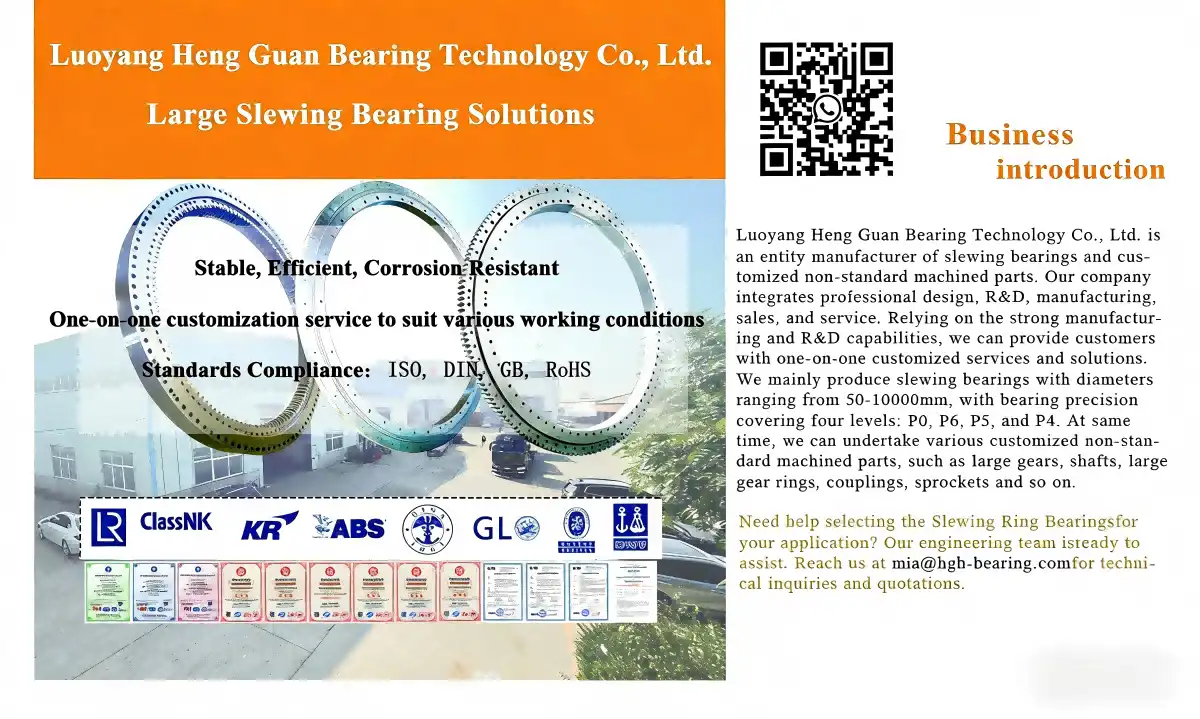
Heng Guan specializes in manufacturing high-precision slewing gear bearing systems specifically designed for demanding wind turbine applications. Our engineering team combines decades of bearing expertise with a comprehensive understanding of wind energy requirements to deliver solutions that maximize turbine performance and reliability. We offer customized bearing designs that meet specific load requirements, environmental conditions, and operational parameters for both onshore and offshore wind installations.
Our comprehensive product portfolio includes single row, double row, and four-point contact slewing bearings with precision grades ranging from P0 to P4, ensuring optimal performance for every application. As a trusted slewing gear bearing manufacturer, we maintain rigorous quality standards throughout the design and manufacturing process, utilizing advanced materials and precision machining techniques that deliver exceptional reliability and extended service life.
Contact our wind energy specialists at mia@hgb-bearing.com to discuss your specific requirements and discover how our advanced bearing solutions can enhance your turbine performance while reducing operational costs.
References
1. International Electrotechnical Commission. "Wind Energy Generation Systems - Part 4: Design Requirements for Wind Turbine Gearboxes." IEC 61400-4:2012.
2. Harris, T.A. and Kotzalas, M.N. "Essential Concepts of Bearing Technology: Rolling Bearing Analysis, Fifth Edition." CRC Press, 2007.
3. Schaeffler Technologies AG & Co. KG. "Rolling Bearings in Wind Turbines: Technical Handbook." Schaeffler Group Industrial, 2019.
4. American Wind Energy Association. "Wind Turbine Bearing Maintenance and Reliability Guidelines." AWEA Technical Standards Committee, 2018.
5. Germanischer Lloyd Industrial Services. "Guideline for the Certification of Condition Monitoring Systems for Wind Turbines." GL Industrial Services, 2007.
6. National Renewable Energy Laboratory. "Wind Turbine Drivetrain Condition Monitoring During GRC Phase 1 and Phase 2 Testing." NREL Technical Report NREL/TP-5000-52748, 2011.

WHAT OUR CUSTOMERS SAY
Here is the customer's evaluation of us