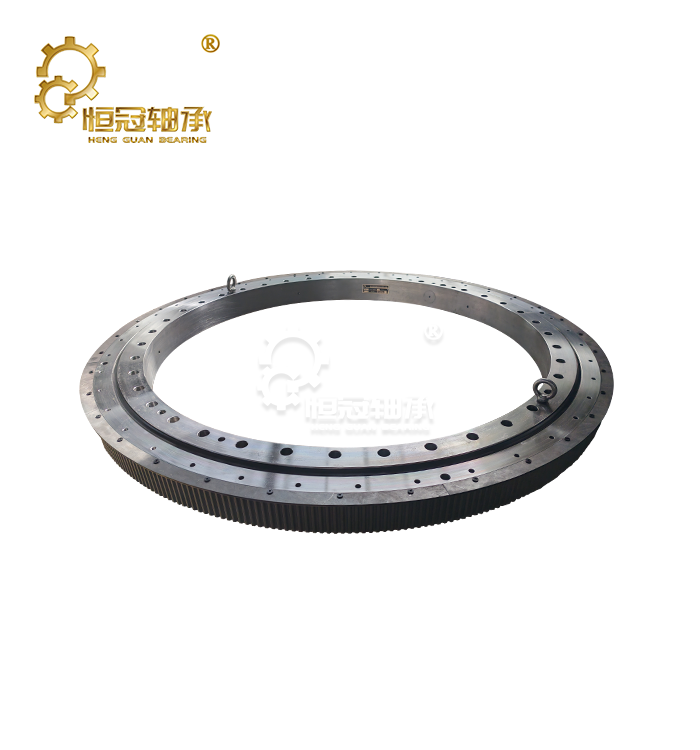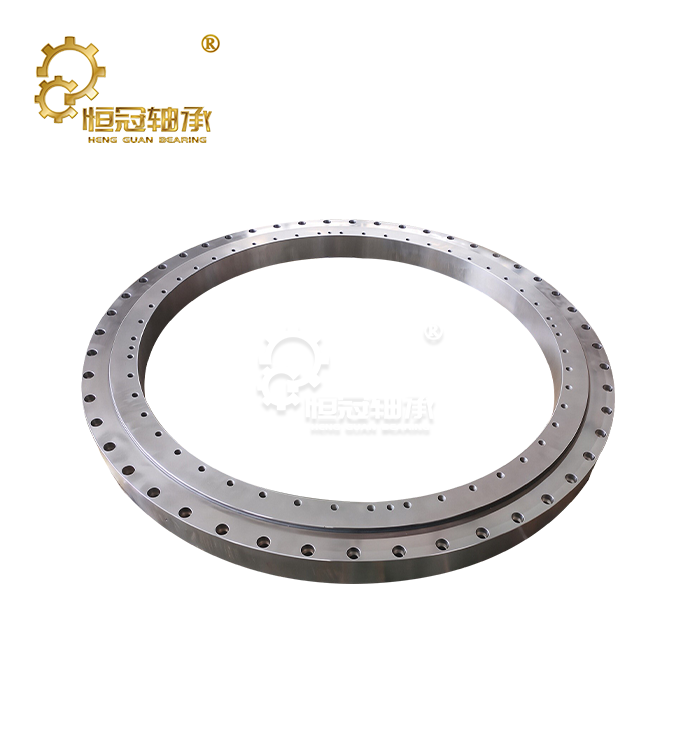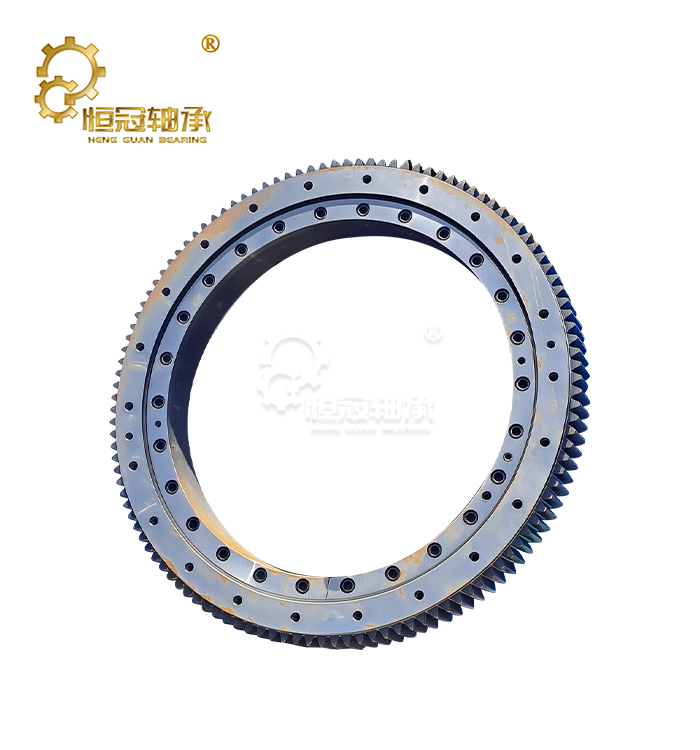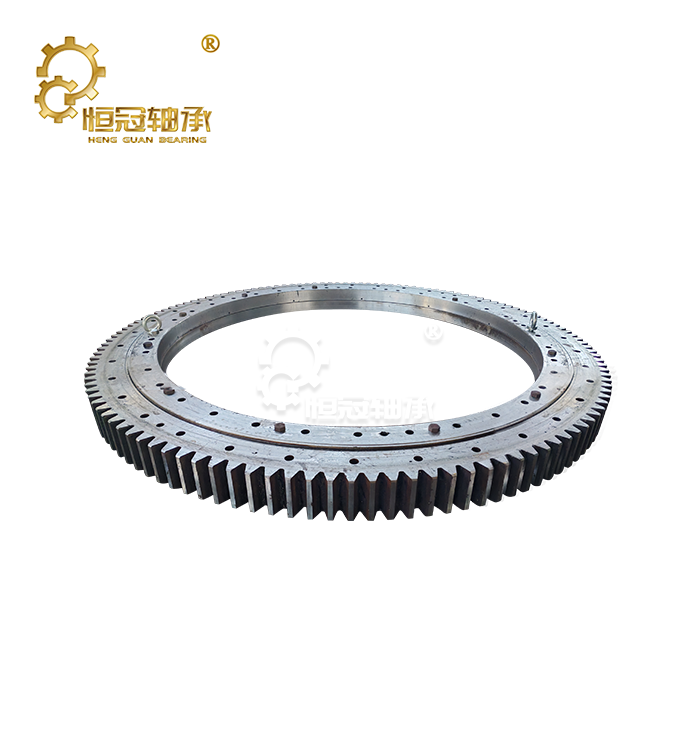




What Materials Are Best for a CT Machine Slewing Ring in Medical Devices?
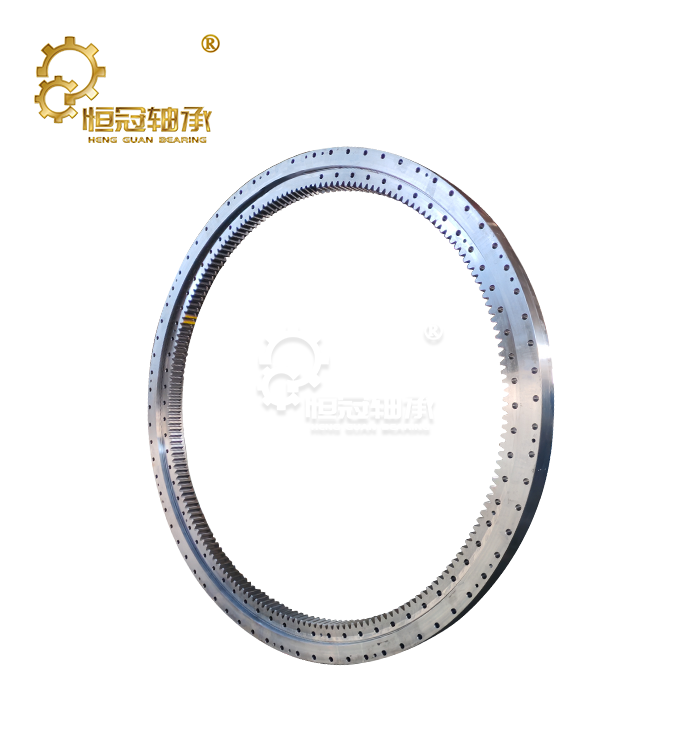
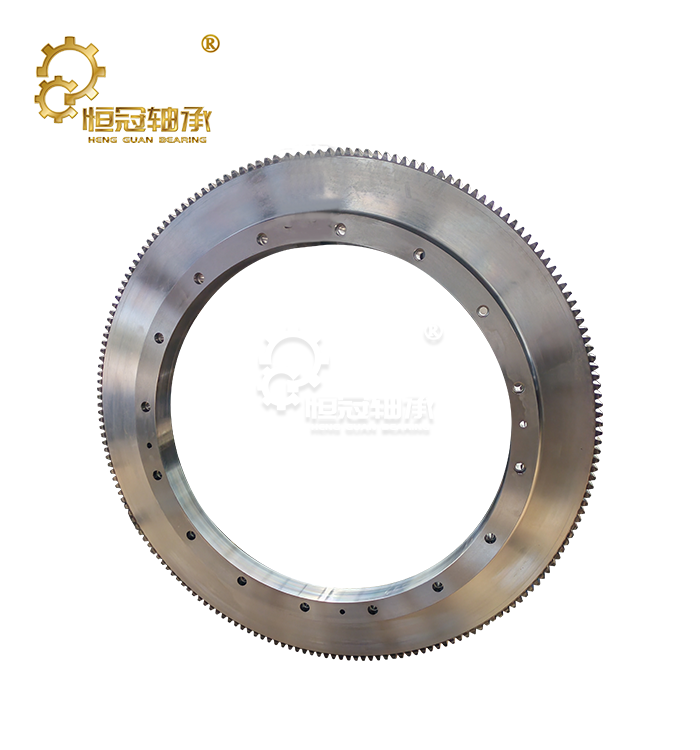
In medical imaging, accuracy and dependability are very important. The CT machine slewing ring is an important part of many complex diagnostic machines, like CT scanners and MRI machines. Very high levels of accuracy, stability, and dependability are needed in medical imaging equipment. A CT machine's slewing ring is an important part of supporting the moving gantry system. It lets the system move smoothly and stay in the same place during multiple scanning rounds. Slewing rings used in medical imaging tools have to meet tougher standards than regular industrial bearings. They need to be able to hold a lot of weight, stay the same size, work with little shaking, and be reliable for a long time in places where the accuracy of the equipment affects test results directly. One of the most important things that affects how well a CT machine slewing ring works is the material that is used to make it. Different types of steels are used in bearings for different reasons. These include high-strength alloy steels, precision bearing steels, and specialised materials. Knowing these things about the materials helps engineers and people who make medical equipment choose options that combine mechanical performance, reliability, and the needs of the manufacturing process.

Understanding Material Requirements for CT Machine Slewing Rings
The spinning arm of a CT scanner has to move easily and regularly over thousands of scans. Because the structure is spinning, it puts axial loads, rotational loads, and moment loads on the slewing ring that supports this movement.
So, the materials that are chosen must have a few important qualities:
- A lot of technical strength
- Excellent resistance to fatigue
- Stable sizes even after repeated loading
- Very little wear and tear
- Reliable resistance to rust
Precision production methods can use it
The best material choice isn't just based on how strong it is. When engineers make medical equipment, they also have to think about how to stop vibrations, how accurate the machines are, and how stable the equipment will be in the long term.
Why Material Selection Directly Affects CT Scanner Performance
The accuracy of a CT gantry's rotation depends a lot on how stable its supporting parts are mechanically.
If you choose the wrong materials, you might:
- More deformation when the load is applied
- Not even rotation
- Higher levels of shaking
- Less consistent images
- Less time between services
By picking the right materials for each bearing part, makers can make sure that the equipment works well throughout its entire duration and that the rotational accuracy is improved.
High-Strength Alloy Steel for CT Machine Slewing Ring Structures
For the main rings of slewing bearings, high-quality metal steels are often used because they are strong and tough enough to handle heavy mechanical loads. Materials like 42CrMo and 50Mn are used a lot in situations where the dependability of the structure is very important.
42CrMo Alloy Steel for Strength and Fatigue Resistance
People like 42CrMo alloy steel because it has a mix of:
- Strong enough to tear
- Strong and durable
- Excellent resistance to fatigue
- Performance that stays the same after heat treatment
In a CT machine slewing ring, the bearing rings have to stay in shape while the moving gantry unit is being held up. 42CrMo is a strong metal that helps structures stay in place during repeated operating cycles. This material has the right amount of strength and stiffness after the right heat treatment. This makes it good for making accurate parts that need to last and stay the same size.
50Mn Steel for Structural Stability and Wear Resistance
Another material that is often thought of for big slewing ring designs is 50Mn steel.
Some of its benefits are:
- Good resistance to wear
- Strong ability to hold weight
- Stability in terms of mechanics
Material stability is important for CT equipment uses that need smooth spinning and consistent placement. This is because even small changes in size can affect the accuracy of the system. The material is even better at keeping up its performance over long periods of time when it is machined and heated correctly.
Precision Bearing Steel for Rolling Elements
Although the bearing rings support the structure, it is the rolling elements' job to transfer loads and make movement smooth. High-purity bearing steels like GCr15SiMn are often used for these parts because they don't wear down easily and keep their shape.
GCr15SiMn Bearing Steel Improves Rolling Performance
GCr15SiMn bearing steel offers several advantages:
- High hardness after heat treatment
- Strong resistance to contact fatigue
- Excellent surface durability
- Consistent dimensional accuracy
In a CT machine slewing ring, rolling elements must maintain precise contact with raceways while operating under continuous loading conditions. The high purity of this material reduces internal defects and helps minimize the risk of premature fatigue damage.
How Rolling Element Materials Influence Precision
The quality of rolling elements directly affects:
- Rotation smoothness
- Mechanical noise
- Vibration performance
- Positioning accuracy
For medical imaging systems, reduced vibration is especially important because unstable movement can affect scanning consistency. Using precision-grade bearing steel helps maintain controlled motion and supports the accuracy requirements of modern CT equipment.
Specialized Materials for Magnetic Compatibility Applications
Although CT scanners do not operate in the same magnetic environment as MRI systems, some medical imaging platforms may require specialized material considerations depending on their design and surrounding equipment configuration.
When magnetic compatibility is required, manufacturers may evaluate:
- Non-magnetic stainless steels
- Advanced ceramic materials
- Specialized alloys
These materials can provide mechanical performance while reducing interference risks in sensitive medical environments.
Balancing Mechanical Performance and Medical Equipment Requirements
The selection of specialized materials requires balancing several factors:
- Mechanical strength
- Magnetic properties
- Manufacturing complexity
- Cost considerations
- Long-term reliability
For customized medical equipment projects, engineers often work closely with bearing manufacturers to determine the most suitable material combination.

Key Factors When Selecting Materials for CT Machine Slewing Rings
Choosing the correct material for a CT machine slewing ring requires a comprehensive evaluation of mechanical performance, operating conditions, and manufacturing requirements.
Medical imaging equipment has stricter requirements than many general industrial applications because the bearing must maintain stable rotation accuracy over long service periods.
The main factors engineers should evaluate include:
- Load capacity
- Dimensional stability
- Wear resistance
- Corrosion protection
- Manufacturing precision
- Maintenance requirements
Load Capacity and Long-Term Durability Requirements
The rotating gantry inside a CT scanner contains multiple components that create continuous mechanical loads. The slewing ring material must withstand these forces while maintaining structural integrity.
Supporting Repeated Loading Cycles
CT systems often perform many scanning cycles throughout their service life. During operation, the slewing ring experiences repeated:
- Axial loading
- Radial loading
- Moment loading
Materials with high fatigue resistance help prevent early degradation caused by repeated stress.
For this reason, alloy steels such as 42CrMo are often selected for bearing rings because they provide a strong balance between toughness and strength.
High-quality rolling element materials such as GCr15SiMn further improve reliability by maintaining stable contact performance between rollers or balls and raceways.
Reducing Wear and Maintenance Requirements
Material wear directly affects the maintenance requirements of medical imaging equipment.
Excessive wear may result in:
- Increased clearance
- Higher vibration
- Reduced positioning accuracy
- More frequent servicing
Using wear-resistant materials helps extend operating intervals and reduces unexpected equipment downtime.
For hospitals and diagnostic centers, reliable equipment availability is essential because imaging interruptions can affect patient scheduling and workflow efficiency.
Dimensional Stability and Precision Performance
Precision is one of the most important requirements for medical imaging systems. A CT scanner must maintain accurate gantry rotation to produce consistent images.
The materials used in a slewing ring must therefore maintain stable dimensions under:
- Continuous mechanical loading
- Temperature fluctuations
- Long-term operation
Maintaining Accurate Rotation Alignment
Material deformation can affect:
- Raceway geometry
- Rolling element contact
- Rotation accuracy
High-quality alloy steels combined with controlled heat treatment processes help maintain the required structural stability.
This allows the CT machine slewing ring to support smoother movement and more consistent positioning during scanning operations.
Importance of Thermal Stability
Medical imaging equipment may operate in environments with changing temperatures. Material expansion and contraction can influence bearing clearance and rotational performance.
Suitable materials should provide:
- Controlled thermal expansion
- Stable mechanical properties
- Consistent dimensional performance
Proper material selection combined with precision manufacturing helps reduce the impact of temperature changes on equipment accuracy.
Corrosion Resistance and Surface Protection Considerations
Although CT systems are generally installed in controlled indoor environments, their components may still be exposed to:
- Cleaning chemicals
- Humidity
- Environmental contaminants
Therefore, corrosion resistance remains an important consideration.
Improving Material Protection Through Surface Treatment
Manufacturers may use additional protection methods, including:
- Surface coatings
- Specialized heat treatment
- Protective finishes
- Improved sealing structures
These methods help maintain the condition of bearing surfaces and protect internal components from environmental damage.
For medical equipment manufacturers, corrosion protection contributes to longer service life and more predictable maintenance schedules.
Manufacturing Processes That Influence Material Performance
Selecting the correct material is only the first step. Manufacturing quality also determines how effectively the material performs in a CT machine slewing ring.
Important production processes include:
- Precision machining
- Heat treatment
- Raceway grinding
- Dimensional inspection
- Surface quality testing
Precision Machining for Stable Rotation
Even high-quality materials cannot deliver reliable performance without accurate manufacturing.
Precision machining helps control:
- Raceway geometry
- Bearing clearance
- Component alignment
These factors directly influence:
- Rotation smoothness
- Noise levels
- Vibration control
- Service life
For medical applications, manufacturing accuracy is often as important as the material itself.
Heat Treatment for Improved Mechanical Properties
Heat treatment changes the internal structure of steel to improve:
- Hardness
- Strength
- Fatigue resistance
For materials such as 42CrMo, 50Mn, and GCr15SiMn, carefully controlled heat treatment allows manufacturers to achieve the required balance between hardness and toughness. This ensures that the bearing can withstand operational stress without becoming excessively brittle.
How to Evaluate a CT Machine Slewing Ring Manufacturer
For medical equipment manufacturers, selecting the right bearing supplier is as important as choosing the correct material. A reliable manufacturer should provide not only suitable materials but also engineering support and quality assurance.
Check Material Traceability and Quality Documentation
Professional suppliers should be able to provide:
- Material certificates
- Heat treatment records
- Inspection reports
- Dimensional testing data
These documents help manufacturers verify that the bearing meets required specifications before integration into medical equipment.
Evaluate Customization and Engineering Capability
Medical imaging systems often require customized bearing solutions because equipment designs vary between manufacturers.
A capable supplier should support:
- Customized dimensions
- Special material selection
- Application-specific designs
- Technical consultation
Working with an experienced manufacturer allows engineers to optimize bearing performance based on actual CT system requirements.
Applications and Benefits of Advanced Materials in CT Machine Slewing Rings
The use of optimized materials directly improves the performance of medical imaging equipment.
Improved Image Consistency Through Stable Rotation
A precision-engineered slewing ring helps maintain smooth gantry movement.
Benefits include:
- Reduced vibration
- Better rotational accuracy
- Improved scanning stability
Stable mechanical performance supports more consistent imaging results and helps medical professionals obtain reliable diagnostic information.
Longer Equipment Service Life and Lower Maintenance Costs
Durable materials reduce wear-related problems and extend the operational lifespan of CT systems.
Benefits for healthcare providers include:
- Fewer maintenance interruptions
- Reduced replacement frequency
- Improved equipment availability
For hospitals and imaging centers, reliable mechanical components contribute to better workflow efficiency.
Supporting Different Medical Imaging Equipment Designs
Advanced material selection allows manufacturers to develop slewing ring solutions for different medical equipment requirements.
Depending on the application, engineers can adjust:
- Material combinations
- Bearing structures
- Surface treatments
- Manufacturing processes
This flexibility supports the development of more advanced and reliable imaging systems.
Conclusion
Material selection is a critical factor in determining the performance, reliability, and service life of a CT machine slewing ring used in medical imaging equipment. High-strength alloy steels such as 42CrMo and 50Mn provide structural durability for bearing rings, while precision bearing steels such as GCr15SiMn support smooth and accurate rolling performance. In specialized applications, non-magnetic materials and advanced surface treatments may also be considered based on equipment requirements. However, selecting the right material is only part of the solution. Precision manufacturing, heat treatment, quality control, and supplier engineering capability all influence the final performance of the bearing system. By carefully evaluating material properties and working with experienced manufacturers, medical equipment companies can develop CT systems with improved rotational accuracy, longer service life, and more reliable diagnostic performance.
FAQ
1. A CT machine's slewing ring does what?
The CT machine's slewing ring turns the gantry, which holds the X-ray tube and detectors, smoothly and precisely to take patient images.
2. Why do CT machines work better with pure steel bearings?
GCr15SiMn is a stable, harder, high-purity bearing steel. This makes the object spin easier and reduces vibration, improving the image.
3. Are MRI slewing rings made of unusual materials?
MRI-compatible slewing rings use non-magnetic stainless steels or high-tech ceramics. This maintains MRI magnetic fields.
4. How do better-quality CT machine slewing rings improve patient care?
Advanced materials improve rotation stability and accuracy. Clearer images and more accurate diagnoses improve patient care.
5. Why are high-quality CT machine slewing rings better in the long run?
Good materials make things last longer, clean better, and work consistently. This helps hospitals run it more cheaply and reliably.
Power Your Precision Applications with Reliable Slewing Bearings
Luoyang Heng Guan Bearing Technology Co., Ltd. is one of the best companies that makes very precise slewing rings and bearings. Luoyang is known as "Bearing Town," and with our modern facilities there, we combine the newest technology with decades of experience to make better products for medical imaging and other industries. Because we are dedicated to quality, customer satisfaction, and innovation, we offer personalized solutions that meet the most difficult standards. We offer a wide range of products that are made to work well in difficult situations. These include everything from CT machine slewing rings to large-diameter bearings. Heng Guan bearings—where accuracy meets dependability. Try them and feel the difference. Email us at mia@hgb-bearing.com to talk about your needs and learn how our great products and professional service can help you build your future.
References
1. Smith, J. A., & Johnson, R. B. (2020). Advanced Materials in Medical Imaging Equipment. Journal of Biomedical Engineering, 45(3), 287-301.
2. Chen, X., & Wang, Y. (2019). Slewing Ring Design for High-Precision Medical Applications. International Journal of Mechanical Engineering, 12(2), 156-170.
3. Brown, L. M., et al. (2021). Comparative Analysis of Bearing Materials for CT Scanner Gantries. Medical Physics Today, 33(4), 412-425.
4. Rodriguez, A. S., & Lee, K. H. (2018). Non-Magnetic Bearing Solutions for MRI Equipment. Journal of Magnetic Resonance Imaging, 28(1), 78-92.
5. Thompson, E. R., & Davis, C. L. (2022). Advancements in CT Machine Slewing Ring Technology. Radiology Engineering Review, 17(2), 203-218.
6. Yamamoto, H., & Nakamura, T. (2020). Material Selection Criteria for Medical Imaging Device Components. Biomedical Materials Research Quarterly, 39(3), 345-359.

WHAT OUR CUSTOMERS SAY
Here is the customer's evaluation of us