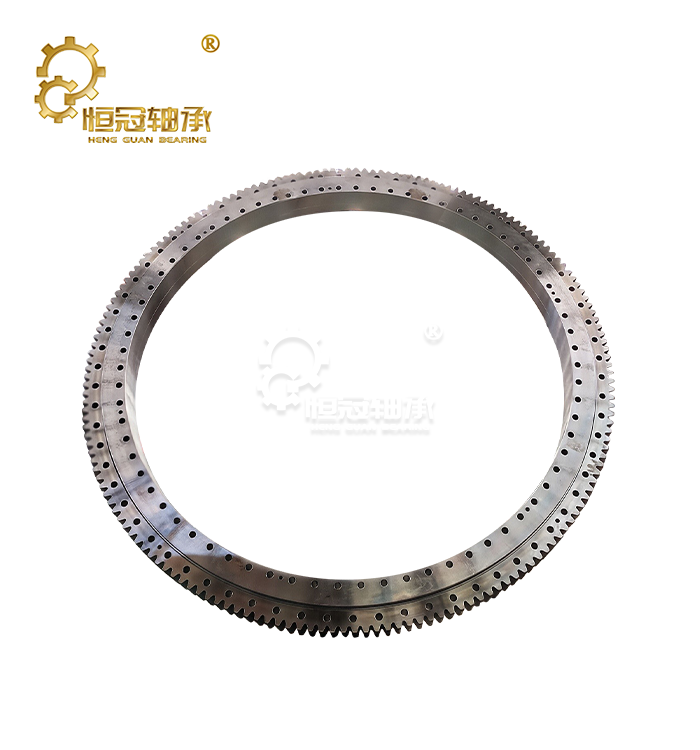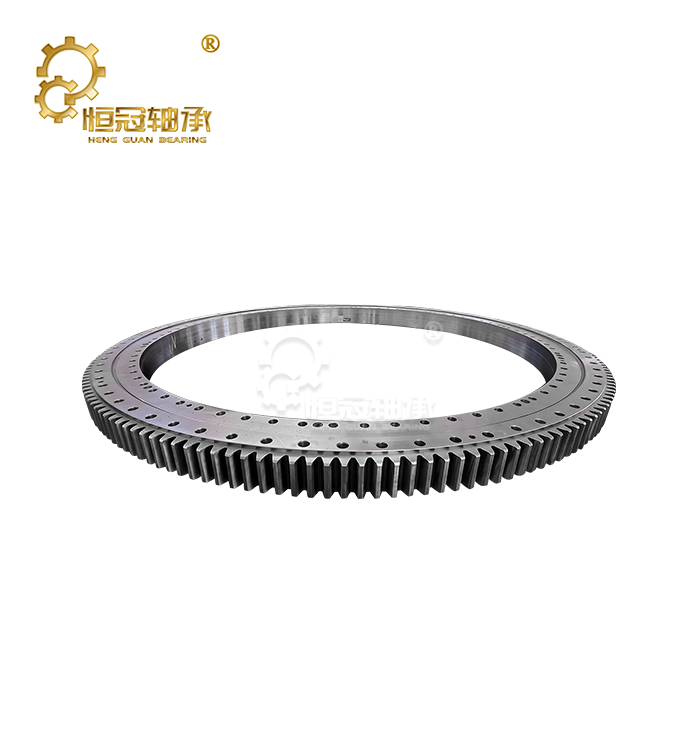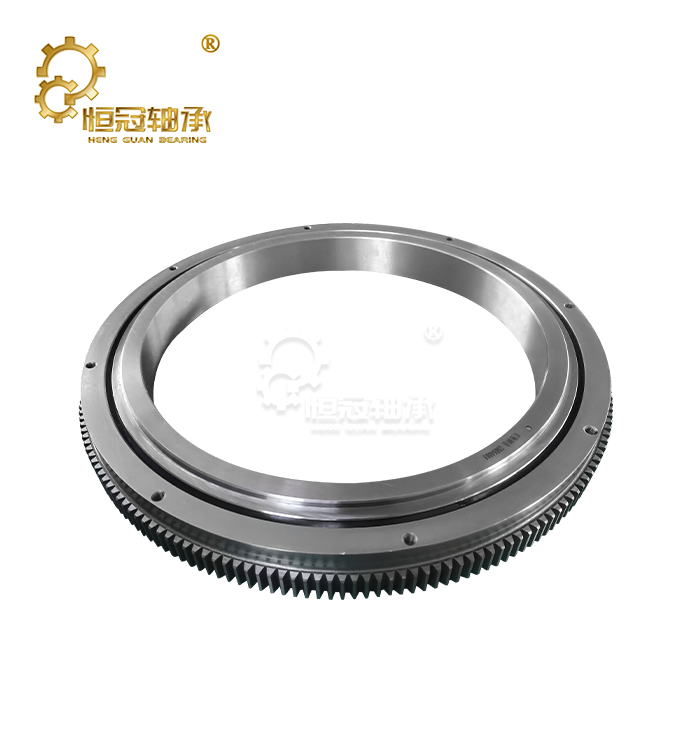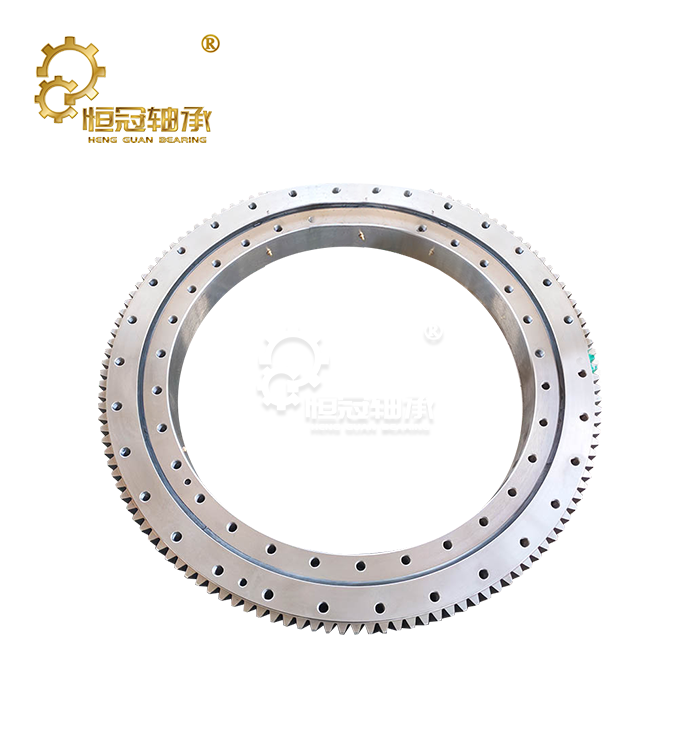




What Certifications Matter for Slewing Bearing Customize?
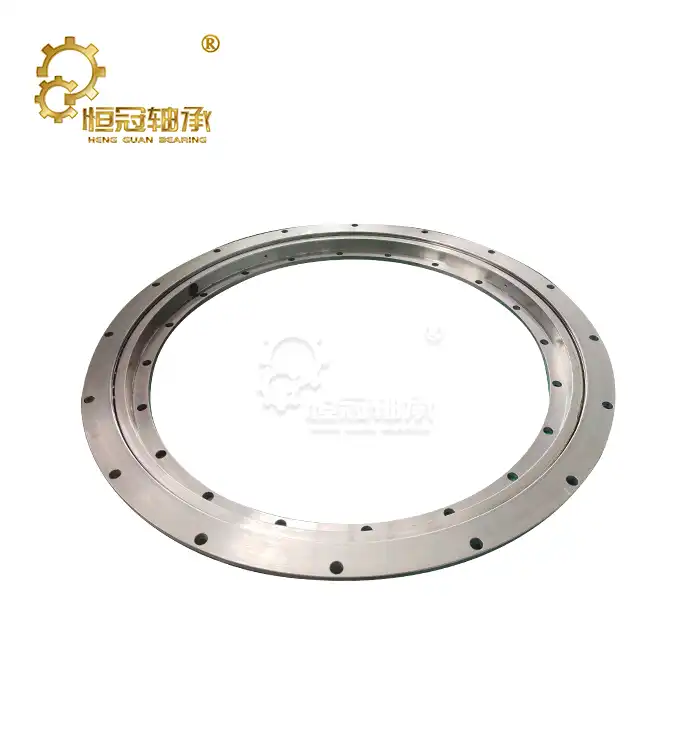
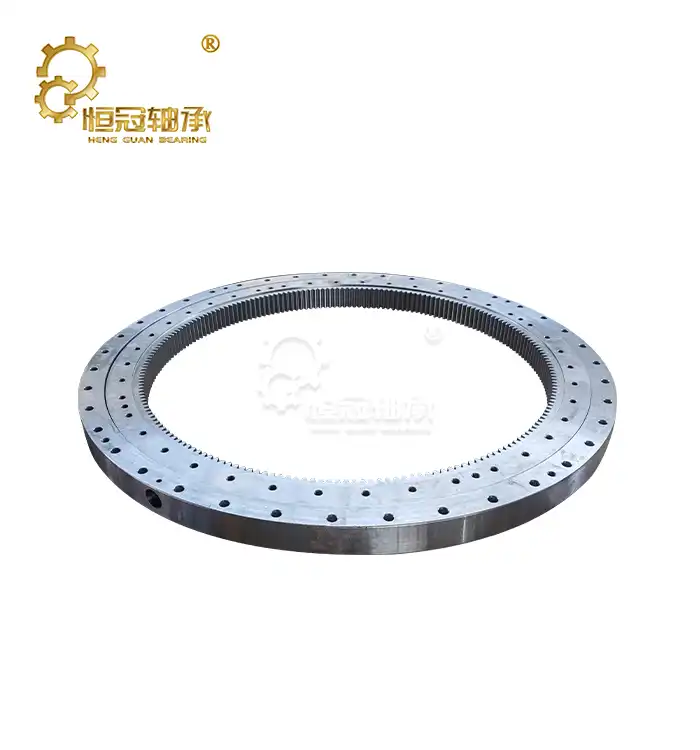
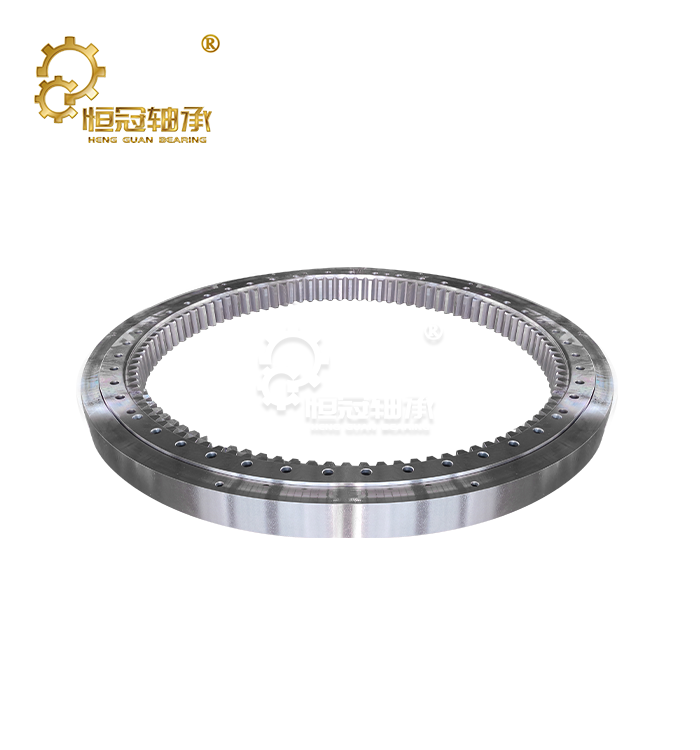
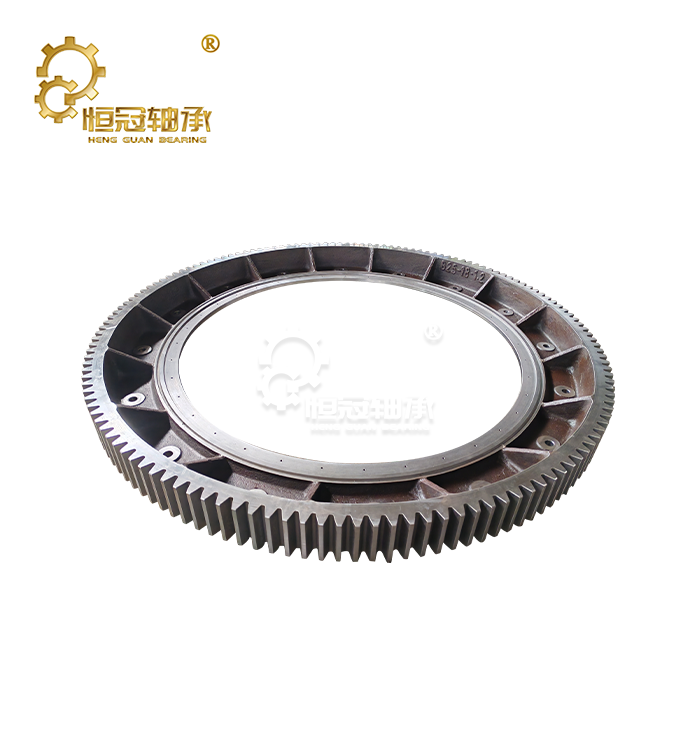
When you’re buying a bespoke Slewing Bearing Customized for a crane, wind turbine, or offshore platform, certifications are more than just paper; they’re confirmation of a supplier’s ability to deliver on promises. Heng Guan Bearing has developed over 20 years of documented, standards-based procedure that distinguishes a trustworthy Slewing Bearing Customise partner from one that just says “yes” to everything. We are located in Luoyang, and we manufacture diameters from 50 mm to 10,000 mm and section heights from 20 mm to 600 mm. We have more than 50 expert engineers, and we serve more than 50 nations all over the world. This article guides you through the particular ISO, quality, testing, and industry-specific certifications to look out for before you commit to a supplier, so you can make a sourcing choice with confidence, supported by actual facts and not just sales copy.
Which ISO Certifications Should a Slewing Bearing Custom Supplier Have?
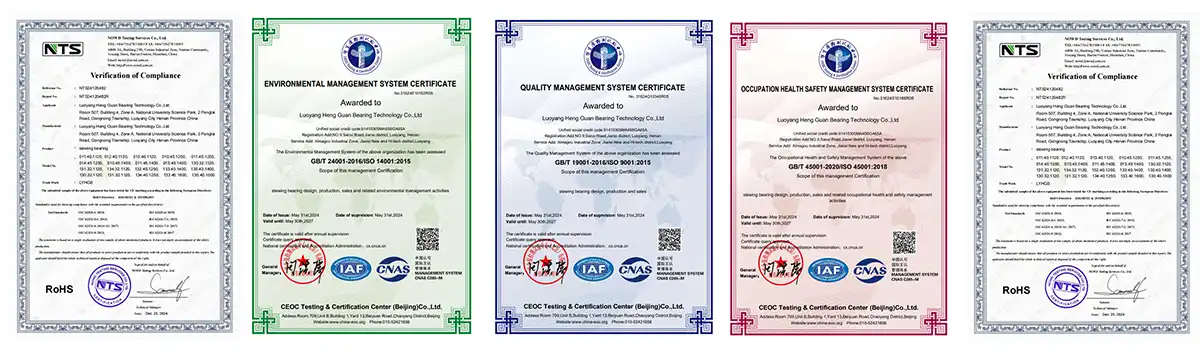
This is the least you need to know to determine if a supplier’s procedures are documented and repeatable at all. A good supplier of Slewing Bearing Customise should have ISO 9001 certification, with the design, manufacture, and quality control processes being controlled by a consistent and auditable system, rather than by ad hoc systems for each order. Beyond ISO 9001, seek conformity with DIN and Chinese National (GB) requirements for dimensional precision, gear teeth tolerances, and bearing component material specifications.
ISO 1328-1 offers the tolerance classification for cylindrical gear flanks, and DIN 3967 covers the gear tolerance systems for tooth depth, center distance, and meshing backlash; both are directly applicable to the internal and external gear alternatives available on a bespoke slewing bearing. Heng Guan Bearing has these certifications at its Luoyang manufacturing base, and each unique slewing bearing that comes out of that plant is required to be built to the same established standards, whether it’s a single prototype or a complete production run.
RoHS compliance also gives further assurance that banned hazardous chemicals are not included in materials and surface treatments – a criterion more and more imposed by European and North American purchasers.
| Certification / Standard | Scope | What It Confirms |
|---|---|---|
| ISO 9001:2015 | Quality management system | Documented, auditable design-to-delivery processes |
| ISO 1328-1:2013 | Cylindrical gear flank tolerances | Gear tooth precision classification |
| DIN 3967:2012 | Gear tolerance system | Tooth depth, centre distance, meshing backlash |
| GB (Chinese National) | Bearing and material standards | Domestic regulatory compliance |
| RoHS (2011/65/EU) | Restriction of hazardous substances | Environmental and material safety compliance |
How Do Quality Certifications Affect Custom Slewing Bearing Reliability?
Certifications matter most when they translate directly into field performance, and that connection is where reliability actually gets decided. A properly certified custom slewing bearing is built from traceable raw materials — typically 42CrMo or 50Mn alloy steel for the rings, with rolling elements manufactured from precision-ground GCr15 bearing steel — details that only get verified consistently under a certified quality system. The precision grade you select, from P0 (ISO Normal) through P4 (ISO P4), determines raceway tolerances, rotational runout, and ultimately positioning accuracy in service.
CNC quenching machines control heat treatment depth and hardness profile precisely, while CNC vertical lathes, gear shaping machines, and grinding equipment maintain the dimensional accuracy that certified processes demand. This is where professional custom precision slewing bearing solutions earn their reputation: certifications force a supplier to document heat treatment, hardness depth, and raceway tolerances for every batch, rather than relying on inspection after the fact. Working temperature ranges from -40 °C to +80 °C are validated under the same system, and specialized high-temperature or high-pressure seal configurations are available for environments that exceed standard conditions.
For technical questions about how these standards apply to your specific application, our engineering team can be reached directly at mia@hgb-bearing.com, and we're happy to walk through documentation before you place an order.
| Parameter | Specification |
|---|---|
| Ring material | 42CrMo or 50Mn high-strength alloy steel |
| Rolling element material | GCr15 bearing steel (precision ground) |
| Seal material | Oil-resistant, wear-resistant NBR (standard) |
| Precision grades | P0 (ISO Normal) / P6 (ISO P6) / P5 (ISO P5) / P4 (ISO P4) |
| Heat treatment | CNC-controlled induction quenching |
| Standard working temperature | -40 °C to +80 °C (extended range available) |
| Manufacturing diameter range | 50 mm – 10,000 mm |
| Section height range | 20 mm – 600 mm |
What Testing Standards Should Custom Slewing Bearings Meet?
Certification on paper only means something if it's backed by real, repeatable testing during production. Before a precision slewing bearing solution ships, it should pass a defined sequence of inspections rather than a single visual check. Coordinate measuring machines (CMMs) verify every critical dimension against the approved drawing, while hardness testing and metallographic analysis confirm that material properties meet specification throughout the ring cross-section. Ultrasonic testing catches internal material defects that aren't visible from the surface, while magnetic particle inspection identifies surface-level cracks that could compromise structural integrity under load.
Surface quality is confirmed through roughness measurement and visual inspection, and a final functional test verifies that the finished Slewing Bearing Customize unit rotates smoothly without irregularities that would shorten service life. The entire process — from raw material certificates to final rotation test — is documented under a full traceability system, so every bearing can be tracked back to its steel heat lot and heat treatment batch. Suppliers who can produce test reports for each of these steps are demonstrating something meaningful — reliability that holds up under actual working conditions, not just in a showroom demo.
| Test Method | What It Verifies | Equipment / Standard |
|---|---|---|
| Coordinate Measuring Machine (CMM) | Dimensional accuracy of all critical features | CMM per ISO 10360 |
| Hardness testing | Raceway and gear tooth hardness profile | Per ISO 6508 (Rockwell) |
| Metallographic analysis | Material microstructure and heat treatment quality | Per ASTM E3 + ISO 4967 |
| Ultrasonic testing | Internal material defects (voids, inclusions) | Per ISO 16811 |
| Magnetic particle inspection | Surface and near-surface cracks | Per ISO 9934 |
| Surface roughness measurement | Raceway and gear surface finish | Per ISO 4287 |
| Functional rotation test | Smooth, defect-free rotation under load | Factory acceptance test (FAT) |
Industry-Specific Certifications for Cranes, Wind Power, and Offshore
General ISO and testing certifications establish a baseline, but specific industries add their own layer of requirements that a supplier needs to satisfy as well. Crane manufacturers typically expect documentation aligned with international lifting equipment safety standards, since a slewing bearing failure in that application carries serious safety consequences. Wind power projects add their own material and fatigue-life expectations, given the extreme load cycling turbines endure over decades of operation. Offshore installations demand corrosion-resistant sealing and material certifications suited to marine environments — specialized environmental protection seals, surface treatments, and high-pressure seal configurations are available to match these conditions.
Beyond the heavy-duty sectors, Heng Guan Bearing also supplies certified custom slewing bearing solutions into medical equipment (CT scanners, radiotherapy systems), aerospace and defense (antenna positioning, tracking equipment), and precision instruments (telescopes, radar systems) where smooth, low-noise rotation, high positional accuracy, and absolute reliability are non-negotiable. Our engineering team tailors raceway configuration — single-row four-point contact ball, double-row ball, or three-row cylindrical roller — along with gear options (internal, external, or no gear with involute or custom tooth profiles) and sealing systems to match whichever industry-specific requirements your project falls under, ensuring the final Slewing Bearing Customize solution actually fits its intended environment rather than a generic template.
| Industry | Key Requirement | Customization Response |
|---|---|---|
| Cranes and port equipment | Safety-critical load documentation, bolt torque specs | Single-row or double-row ball; external gear; heavy-duty seals |
| Wind power | Fatigue-life calculation per ISO 281, anti-corrosion | Three-row roller; internal/external gear; surface treatment |
| Offshore / marine | Saltwater corrosion resistance, classification docs | FKM or high-pressure seals; anti-corrosion coating; full traceability |
| Medical equipment | Non-magnetic, smooth precision rotation, low noise | P4/P5 precision; NBR or specialized seals; GCr15 elements |
| Aerospace & defense | Absolute reliability, minimal friction | P4 precision; custom tooth profiles; high-temperature seals |
| Precision instruments | High repeatability, low starting torque | P5/P4 precision; no-gear or friction-drive; specialized seals |
Conclusion
Heng Guan Bearing combines ISO 9001:2015 certified quality systems with real engineering expertise to deliver dependable custom slewing bearing solutions. From 50 mm to 10,000 mm in diameter, P0 to P4 precision, and 20+ years of industry experience across 50+ countries, every bearing is backed by full material traceability, documented heat treatment, and rigorous multi-stage testing.
FAQ
Q: Does Heng Guan Bearing hold ISO 9001 certification?
A: Yes. Our manufacturing processes for every Slewing Bearing Customize project are ISO 9001:2015 certified, and we maintain compliance with DIN, ISO, GB, and RoHS standards across our Luoyang facility.
Q: What testing does a custom slewing bearing undergo before shipment?
A: Each unit passes coordinate measuring machine (CMM) dimensional verification, hardness testing, metallographic analysis, ultrasonic testing, magnetic particle inspection, surface roughness measurement, and a final functional rotation test — all documented under a full traceability system from raw material to finished product.
Q: Can certifications be provided for wind power applications?
A: Yes. We document material certificates, heat treatment records, and fatigue-life calculations per ISO 281, suited to wind turbine operating conditions, and can provide factory acceptance test (FAT) reports for critical applications.
Q: What precision grades are available for custom orders?
A: We offer P0 (ISO Normal), P6 (ISO P6), P5 (ISO P5), and P4 (ISO P4) precision grades depending on your application's positioning accuracy, rotational runout, and budget requirements.
Q: What is the typical lead time for a custom slewing bearing?
A: Standard turnaround from final design approval to production completion is 2–4 weeks, with expedited service available on request. Single-piece prototypes are acceptable — there is no rigid minimum order quantity.
Q: Can Heng Guan Bearing produce bearings without existing drawings?
A: Yes. Our engineering team of 50+ professionals can work from load requirements, operating speed, environmental conditions, and mounting interface details to produce a custom design. We also offer reverse engineering of existing worn bearings using on-site measurement.
Get Certified Custom Slewing Bearing Solutions Today
Don't leave reliability to chance. Heng Guan Slewing Bearing Customize backed by ISO 9001:2015 certified processes, DIN and ISO standard compliance, and rigorous multi-stage testing — from CMM dimensional verification to functional rotation testing. With manufacturing capability from 50 mm to 10,000 mm, P0 to P4 precision, and full material traceability on every order, your project gets exactly what it needs. Email mia@hgb-bearing.com today to discuss your project specifications and certification requirements.
References
1. ISO 9001:2015. Quality management systems — Requirements. International Organization for Standardization.
2. ISO 281:2007. Rolling bearings — Dynamic load ratings and rating life. International Organization for Standardization.
3. ISO 76:2006. Rolling bearings — Static load ratings. International Organization for Standardization.
4. DIN 3967:2012. System of gear tolerances — Cylindrical gears — Tolerances, deviation of centre distance, tooth depth, and meshing backlash. Deutsches Institut für Normung.
5. ISO 1328-1:2013. Cylindrical gears — ISO system of flank tolerance classification. International Organization for Standardization.
6. Directive 2011/65/EU. Restriction of Hazardous Substances (RoHS). European Parliament and Council of the European Union.

WHAT OUR CUSTOMERS SAY
Here is the customer's evaluation of us