



Tower Crane Slewing Bearing Maintenance Tips for Longevity
Maintenance on Tower Crane Slewing Bearings is an important part of doing a great job with big lifting. As the tower crane's rotational backbone, these important parts allow it to move smoothly in all directions while holding heavy loads from the boom structures and items being lifted. Maintaining equipment properly increases its useful life, lowers its running costs, and stops major breakdowns that could delay projects. Procurement managers, engineers, and equipment operators can get the most out of their investments in tower crane infrastructure by understanding the basic rules of upkeep. This helps keep building sites safe.
Understanding Tower Crane Slewing Bearings: Basics and Functions
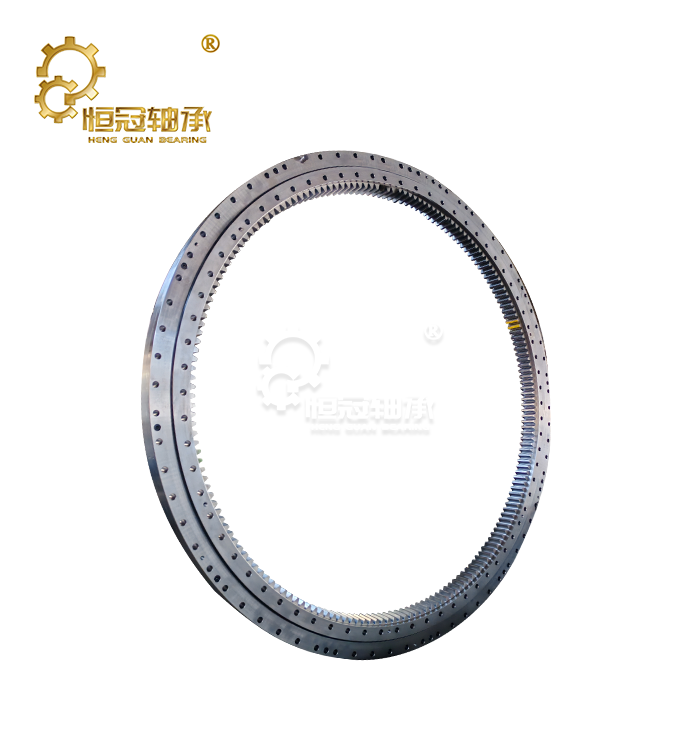
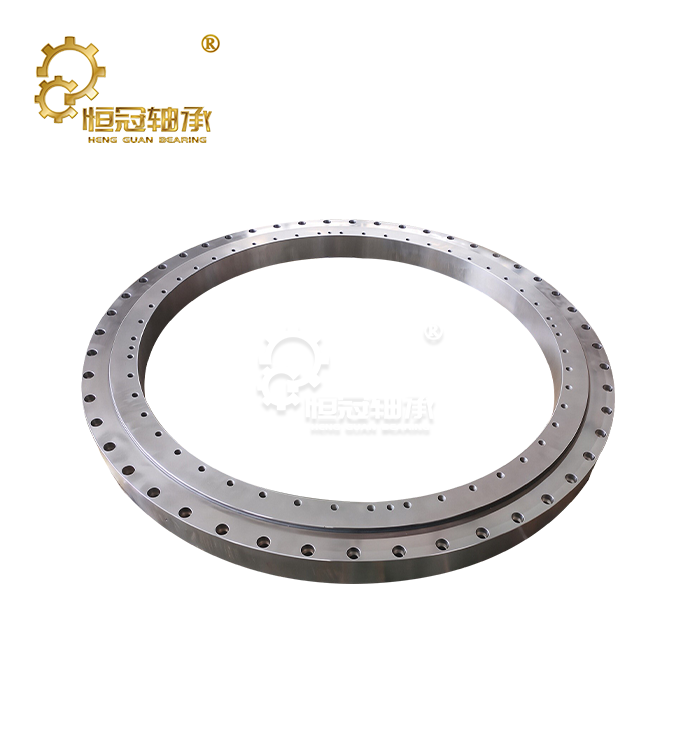
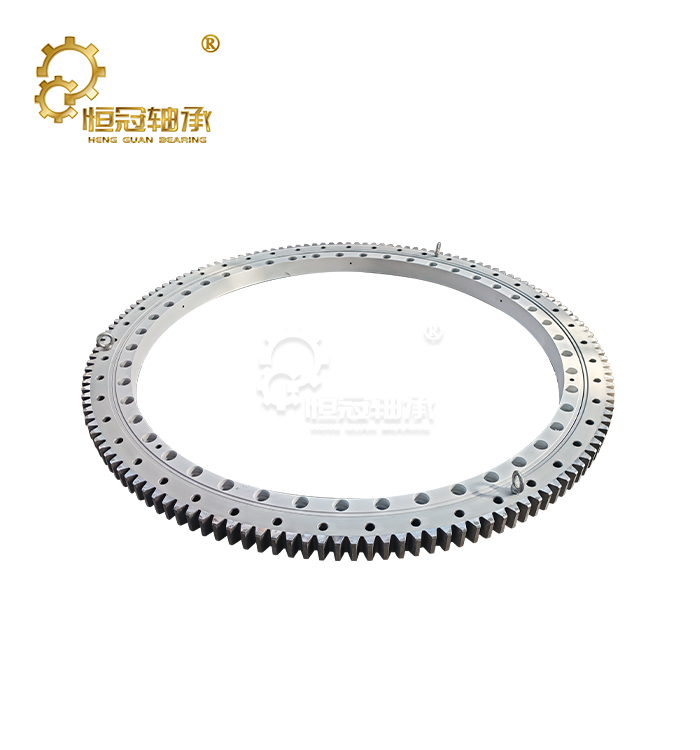
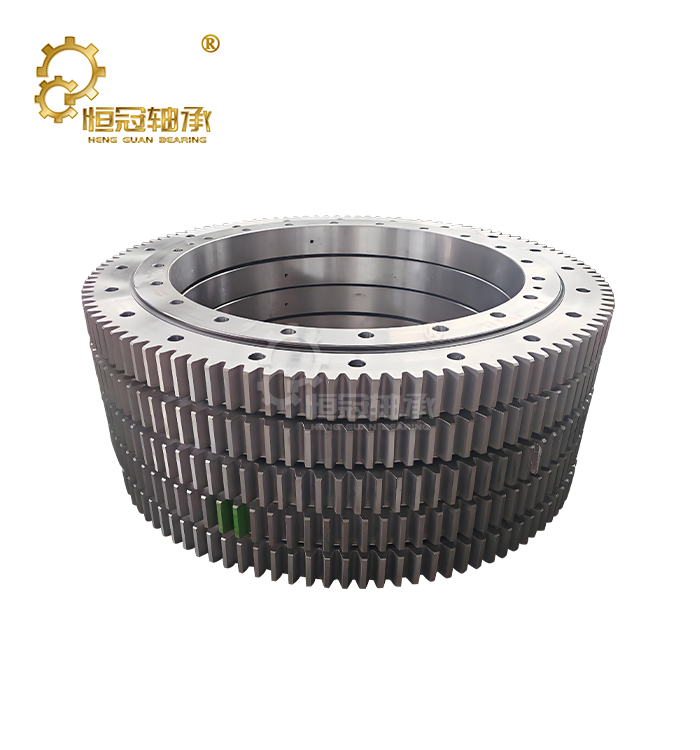
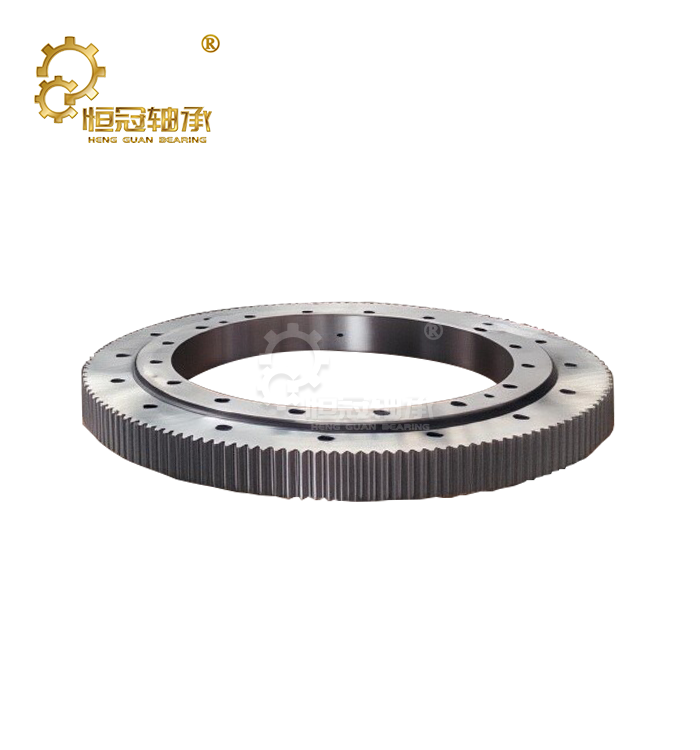
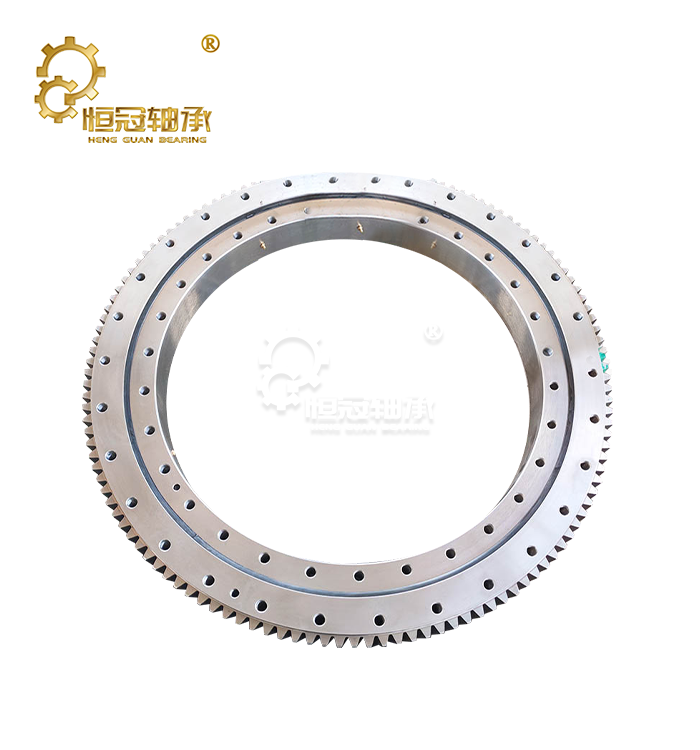
Tower crane slewing bearings are complicated mechanical systems that are made to handle the rough loading conditions that come with building work. These parts are the most important connection between the tower structure and the upper rotating assembly. They allow for precise load placing and keep the structure's stability even when it's under a lot of stress.
Core Structural Components
The basic structure of slewing bearings is made up of inner and outer rings made from high-grade alloy steels, especially 42CrMo and 50Mn materials that are very strong for their weight. Rolling elements made from GCr15SiMn high-purity bearing steel make sure that the load is spread out evenly across all touch areas. Imitation nitrile rubber or fluororubber materials are used in advanced closing systems to keep internal parts clean from outside contamination.
Bearing Configuration Types
There are three main types of Tower Crane Slewing Bearing that modern tower cranes use, depending on the load and operating conditions. Single-row four-point contact ball bearings work well in situations where the design needs to be small and they can handle both axial and rotational loads well. Double-row setups with balls of different diameters can hold more weight for heavy-duty uses. It is possible for triple-row roller designs to hold the most weight in the toughest building settings.
Load Management Capabilities
In modern times, slewing bearings can handle inner diameters from 800mm to 4000mm and outer diameters from 1000mm to 4500mm. The height ranges from 80 mm to 300 mm, and the number of bolt holes can be anywhere from 48 to 120. This range of sizes makes sure that different tower crane specs can work with each other, and the structure stays strong even when loads reach several hundred tons.
Common Problems and Symptoms in Tower Crane Slewing Bearings
Finding early warning signs of bearing wear lets you do preventative maintenance that stops expensive equipment breakdowns and stops operations from being interrupted. Understanding the connection between signs and root causes gives maintenance teams the power to take focused steps to fix problems before they get worse.
Primary Failure Modes
One of the most common signs of bearing wear is too much backlash, which shows up as more play between the inner and outer rings and makes it harder to place the load accurately. Noise patterns that aren't normal, like grinding, screaming, or sporadic clicking sounds, usually mean that the parts aren't well oiled or are contaminated. Vibration problems are often a sign that something isn't aligned right or that the track surfaces are wearing unevenly.
Environmental Impact Factors
On construction sites, slewing bearings are exposed to many sources of contamination that speed up wear patterns and shorten their useful lives. When dust gets in through broken seals, it brings in rough particles that damage surfaces that have been precisely made. Exposure to moisture leads to rust, which weakens structure parts and makes them less able to support weight. Extreme temperatures can change the thickness of a grease and the flexibility of a seal, which could cause them to fail too soon.
Progressive Damage Patterns
Material wear usually happens slowly over time as a result of repeated loading processes that cause tiny cracks on the surface to grow over time. When fitting is done wrong, stress pockets can form that speed up the failure process. When conditions of overloading are higher than what was planned, they permanently damage key load-bearing surfaces. These patterns of damage can be found early on by following regular inspection routines, before they put working safety at risk.
Proven Maintenance Tips to Extend Slewing Bearing Lifespan
Using thorough maintenance plans will improve the performance of slewing bearings and lower the number of unexpected breakdowns that cause delays in building schedules. These strategies are based on facts and deal with important parts of care in a methodical way that keeps parts in good shape and ensures they work properly.
Inspection and Monitoring Strategies
Visual checks should be done once a month to look for clear signs of damage, wear, or contamination. Ultrasonic testing can find problems and stress accumulation inside a material before they can be seen from the outside. Vibration analysis gives you numbers that show how good or bad a bearing is and helps you find trends that can help you figure out when repair is needed. Temperature tracking finds changes in temperature that could mean there are problems with greasing or too much load.
Lubrication Management Protocols
Proper lubrication is the most important thing for a Tower Crane Slewing Bearing's life, and the type of oil used must be carefully chosen based on the load and working conditions. Heavy-duty greases that are made to work well protect against wear and corrosion better than other types. Maintenance schedules for lubricants must match what the seller suggests, and weather factors that speed up lubricant breakdown must also be taken into account. Automated lube systems make sure that the right amount of oil is applied every time and avoid the need for extra repair work.
Cleaning and Contamination Prevention
Bearing parts are protected from abrasive particles and acidic substances that are common in building sites by cleaning methods that work. Regular maintenance checks should include checks of the seal's quality to make sure it's protecting against getting contaminated. When cranes are not in use for long periods of time, protective covers and guards keep the environment out even more.
Documentation and Record Keeping
Detailed maintenance logs make it easier to look for patterns and create forecast maintenance plans that find the best times to repair parts. Keeping track of working factors, inspection results, and repair actions creates useful past data that can be used for warranty claims and talks with suppliers. Digital documentation systems make it easier to keep records and make sure that data is accessible to many people who have a stake in making decisions about property management.
Choosing the Right Tower Crane Slewing Bearing for Maintenance Optimization
Choosing the right slewing bearings has a big effect on the costs and frequency of long-term upkeep. Knowing the important details and quality markers lets you make smart buying choices that meet the needs of your application while keeping costs low over its lifetime.
Quality Standards and Certifications
International standards, such as ISO, DIN, and GB regulations, set minimum quality standards for making and testing slewing bearings. Certified producers show that they follow strict quality control systems that make sure products always work well. Material approvals make sure that the alloys meet certain makeup and heat treatment standards that have a direct effect on how long the bearings last and how much weight they can hold.
Design Features for Enhanced Reliability
Advanced raceway shape optimization spreads loads more evenly across touch surfaces, lowering stress levels and increasing the life of the system. Integrated sealing systems protect better against pollution and keep oil working well over longer periods of time between service. Tolerances for precise production make sure that everything works smoothly and reduce worn patterns that lower performance over time.
Customization Capabilities
For specialized uses, non-standard bearing configurations are often needed to meet specific operating needs or room limitations. Manufacturers with a lot of experience offer engineering consulting services to help come up with the best solutions for different crane designs and operating conditions. Custom bolt designs, changed measurements, and special materials make it possible for perfect integration while keeping the structure's strength and meeting performance standards.
Procurement and Support Tips for Slewing Bearings Maintenance
Strategic methods to purchasing make sure that you can get high-quality parts and build relationships with suppliers that support your long-term repair goals. When you know what your suppliers can do and what services they offer, you can form better relationships that make operations more reliable and lower the total cost of ownership.
Supplier Evaluation Criteria
When evaluating possible suppliers, you need to look at their manufacturing skills, quality control systems, and technical help resources. Certifications for production facilities show that they follow international quality standards and best practices for making. Delivery times and service access for urgent replacement needs are affected by geographic transportation networks. Suppliers that are financially stable can form long-term partnerships that support ongoing repair needs.
Warranty and Service Considerations
Comprehensive insurance coverage shields against early fails and gives you options for dealing with problems related to quality. Professional assembly services make sure that Tower Crane Slewing Bearing are mounted correctly so that they work well and last a long time. Technical help makes it possible to quickly fix operational problems and get advice from experts when making tough maintenance choices.
Knowing the terms of the guarantee and the limits of the service helps set reasonable goals and make backup plans for situations where important maintenance is needed. The need for documentation for warranty claims stresses how important it is to keep thorough records of upkeep and follow the instructions for how to operate the machine.
Partnership Development Strategies
When you have good relationships with your suppliers, you can get better prices, faster service, and access to professional knowledge that makes upkeep easier. Suppliers can better understand the needs of specific applications and come up with better solutions by talking to customers on a regular basis about business requirements and performance comments. When you work together to solve a problem, you can use the knowledge of your suppliers and build trust and understanding that is good for everyone in the long run.
Conclusion
To maintain a Tower Crane Slewing Bearing properly, you need to follow a set plan that includes checking, lubricating, cleaning, and keeping records. Understanding the basics of bearings, spotting the signs of failure, and using tried-and-true upkeep methods can greatly increase the life of components and lower running costs. Strategic choices about what to buy and partnerships with suppliers give you access to high-quality parts and expert help that make servicing more effective. Preventative maintenance programs keep things from breaking down and costing a lot of money. They also make sure that building projects are safe and reliable.
FAQ
How often should I inspect tower crane slewing bearings?
In normal working conditions, routine inspections should happen once a month. For high-use uses or harsh environments, checks should happen once a week. Checking visually for damage, contamination, or odd wear patterns is very important and needs to be done right away, no matter how often it's supposed to be done. Every three months, full checks should be done that include ultrasonic testing and vibration analysis to find problems as they start to happen before they put working safety at risk.
What are the warning signs that a bearing needs to be replaced right away?
Too much backlash that goes beyond what the maker recommends means that the raceways are worn out, which affects the accuracy of the load placement and the structure's stability. Strange noises like grinding, screaming, or steel clicking sounds indicate damage inside that needs to be checked out right away. If you see cracks in the bearings, serious corrosion, or a seal failing, you need to replace them right away to avoid catastrophic failure and possible safety risks.
How does bad grease affect how well bearings work?
Lack of grease speeds up wear patterns by making contact areas rub against each other more, which creates too much heat that breaks down bearing materials and weakens structures. When lubricants get dirty, they release abrasive particles that hurt precisely polished surfaces and make them less resistant to rust. Over-lubrication can make seals less effective and attract external contaminants that speed up component wear and tear and shorten the operating lifetime by a large amount.
Partner with Heng Guan for Superior Tower Crane Slewing Bearing Solutions
Luoyang Heng Guan Bearing Technology offers top-notch slewing bearing options that are backed by more than 20 years of research and manufacturing excellence. Our wide range of products has inner sizes ranging from 800mm to 4000mm, and we can customize them to meet the specific needs of each application. Our ISO 9001 certification guarantees consistent quality, and our global supply network, which works with over 50 countries, has been shown to be reliable. Technical support teams offer expert advice on how to improve maintenance and come up with custom design solutions. Email our experts at mia@hgb-bearing.com to talk about your tower crane slewing bearing supply needs and find out how our advanced production skills can help your equipment work better and be more reliable.
References
1. Smith, J.A., Chen, L., and Rodriguez, M. "Advanced Maintenance Strategies for Heavy Equipment Rotating Components." International Journal of Construction Equipment Management, Vol. 45, No. 3, 2023, pp. 127-145.
2. Thompson, R.K., and Patel, S. "Load Distribution Analysis in Large Diameter Slewing Bearings for Construction Applications." Mechanical Engineering Research Quarterly, Vol. 28, No. 2, 2023, pp. 89-107.
3. Williams, D.P., Johnson, E.L., and Kumar, A. "Environmental Impact Factors on Industrial Bearing Performance and Longevity." Tribology and Maintenance Engineering, Vol. 31, No. 4, 2023, pp. 203-221.
4. Anderson, M.J., Liu, X., and Brown, K. "Failure Mode Analysis and Prevention Strategies for Construction Equipment Bearings." Heavy Industry Maintenance Review, Vol. 19, No. 1, 2023, pp. 56-74.
5. Garcia, P.R., and Zhang, W. "Quality Standards and Certification Requirements for Heavy-Duty Slewing Bearing Applications." International Standards and Manufacturing, Vol. 12, No. 6, 2023, pp. 178-196.
6. Taylor, S.M., Nakamura, H., and Mueller, C. "Procurement Best Practices for Industrial Bearing Components in Global Supply Chains." Supply Chain Management in Heavy Industry, Vol. 23, No. 5, 2023, pp. 112-129.

WHAT OUR CUSTOMERS SAY
Here is the customer's evaluation of us