




Cross-roller designs in Slewing Ring Bearing are very rigid and accurate, which makes them perfect for tasks that need very little movement under load. These versions have cylinder-shaped rollers that are placed at right angles to each other, which makes the best designs for distributing load. Internal and external gear choices work with drive systems without any problems, getting rid of extra transmission parts and making the system simpler overall.
How Slewing Ring Bearings Improve Load Handling & Rotation?
February 24, 2026
Slewing Ring Bearing technology changes the way loads are handled and how things rotate by combining several bearing functions into a single, small unit that can handle axial, radial, and moment loads at the same time. With their optimized raceway shape and precision-engineered rolling elements, these large-diameter bearings make load distribution better while getting rid of the complexity of multi-bearing systems. The integrated design makes the rotation much smoother when big loads are applied, lowers the need for upkeep, and raises the total efficiency of the machinery. Modern materials, such as 42CrMo alloy steel bands and GCr15 bearing steel parts, make them very durable, even in harsh industrial settings.
Understanding Slewing Ring Bearings and Their Design Principles
The main idea behind slewing bearings is that they can handle complicated load combinations that would normally need more than one regular bearing. These unique parts have internal and external rings that are divided by high-precision rolling elements. This makes them a single option for rotating tasks that are subject to heavy loads. The bearing's large diameter compared to its thin cross-section makes it easy to place in a small area while still keeping structural integrity.
Basic Structure and Common Variants
Single-row four-point contact ball bearings work best in light to medium load situations where smooth movement is important. The four-point contact design spreads loads across many contact points, which lowers stress levels and increases the service life. Double-row ball configurations can handle heavier loads better in medium-duty situations, while three-row roller bearings can handle the toughest heavy-duty situations with great axial and radial load capabilities.
Load Distribution Principles
Modern slewing bearings have improved groove shape that makes the best use of contact stress distribution across rolling elements. Precision-ground surfaces make sure that loads are transferred evenly, which stops premature wear and extends the life of the product. The bearing can handle radial forces, axial loads, and overturning moments all at the same time because it is made of strong materials and has an efficient internal shape.
Heat treatment methods make ring materials stronger so they can hold more weight. For example, 50Mn and 42CrMo alloy steels have very high strength-to-weight ratios. These materials go through controlled stiffening processes that make the surface hard enough for high-stress situations while keeping the core tough enough to handle impact loads.
Key Factors Enhancing Load Capacity and Rotational Performance
Choice of material and careful making have a big effect on how well a bearing works. How you choose between bearing designs relies on the load size, rotational speed, and environmental factors of the application. By understanding these factors, engineers can improve the design of machinery and make it more reliable in use.
Bearing Type Comparison and Selection Criteria
Single-row bearings are a cheap way to solve problems where the load needs to be modest and room is limited. When weight and speed needs to be balanced, these configurations work really well in mobile cranes and other building equipment. When it comes to wind turbines and big lifting tools, double-row designs are good because they can hold more weight while still being relatively small.
Three-row roller bearings work great in situations where maximum load capacity and reliability are needed. Different types of loads can use their own raceways, which make it possible to find the best contact angles and stress distribution patterns. This design works really well in heavy machinery like tractors, port cranes, and metallurgical equipment that has to deal with heavy loads and rough circumstances.
Material Selection and Heat Treatment Impact
Forgings made of high-strength alloy steel are the basis for great bearing performance. When compared to regular carbon steels, 42CrMo has better tensile strength and wear resistance. This means it can handle more weight and last longer. Precision rolling elements made from GCr15 bearing steel make sure consistent performance by controlling the chemical makeup and making the microstructure regular.
Heat treatment methods make the best hardness gradients that balance how resistant the surface is to wear with how tough the core is. Controlled cooling and hardening methods raise the surface hardness to between 58 and 62 HRC while keeping the core strong enough to withstand shock loading and stop catastrophic failure modes.
Essential Maintenance Practices
Scheduled regular inspections find possible problems before they get worse and affect the performance of the bearings. Visual exams check the quality of the seals, the amount of lubrication, and the force requirements for the fixing bolts. Monitoring vibrations finds early signs of wear or mismatch that could cause something to break down too soon. Temperature tracking makes sure that the right grease is used and finds situations where the machine might be overloaded.
Managing lubrication is a key part of making bearings last a long time. Wear and rust can be avoided by choosing the right grease based on the temperature, speed, and surroundings of the operation. The amount of time between relubrications depends on the type of operation. Heavy-duty uses need more frequent care than normal industrial uses.
Comparative Analysis: Slewing Ring Bearings vs Alternatives
To handle the same amount of weight as a single slewing bearing, traditional bearing systems need more than one part. This comparison shows that one system is much better than the other in terms of how hard it is to install, how often it needs to be maintained, and how reliable it is overall. Knowing these differences helps buying pros make smart choices based on the total cost of ownership instead of just the price of the purchase.
Structural and Functional Differences
Heavy-duty slewing bearings can handle bigger loads and move at slower speeds than turntable bearings. Some of the fundamental changes are the shape of the raceways, the size of the rolling elements, and the general shape of the bearings. Slewing bearings have bigger rolling elements and wider raceways so they can handle heavier loads. On the other hand, turntable bearings focus on speed and smooth spinning.
Because Slewing Ring Bearing rings have mounting holes built right in, you don't need to buy extra fastening tools. This makes fitting easier. This feature cuts down on the time it takes to put together and makes sure that the load is properly transferred between the bearing and the supporting structure. Traditional bearing sets need extra parts like bearing housings, seals, and mounting frames, which make the system more complicated and increase the chances of failure.
Selection Criteria for Heavy Machinery Applications
For heavy machinery uses, the decision method is based on the load capacity needs. Mobile cranes and loaders, which have high overturning moments, work better with three-row roller designs that split axial, radial, and moment loads into their own raceways. This arrangement spreads the load more evenly and makes the bearings last longer in harsh circumstances.
The environment affects the choice of material and seal. For marine uses, materials that don't rust and better closing methods are needed to keep saltwater from getting into the system. The places where mining equipment works are very dirty, so it needs strong seals and regular upkeep.
Leading Manufacturer Capabilities
Companies with a long history, like SKF, Timken, and Schaeffler, make a wide range of bearings in different sizes and types. These businesses put a lot of money into research and development, which leads to new materials, better ways to make things, and better bearing designs. Because they do business all over the world, they can rely on solid supply lines and technical help.
Different sellers have different quality certificates and manufacturing standards, so it's important to use evaluation factors when making choices about what to buy. Getting ISO 9001 certification shows that you are dedicated to quality management systems, while getting certifications specific to your business shows that you know how to do certain tasks. Technical support features, like engineering help and customization choices, make provider relationships much more valuable.
Procurement Guide: How to Buy Slewing Ring Bearings for Your Business?
Cost concerns should be balanced with quality standards and delivery times in good buying strategies. Understanding the things that affect prices helps owners make smart choices and get the most out of their investments. Building ties with dependable suppliers pays off in the long run by giving you access to expert help and special treatment.
Pricing Factors and Volume Considerations
Bearing specs have a big effect on prices. For example, bearings with bigger diameters and better precision grades cost more. Customization needs raise the cost of engineering and tools, but they also let users get the best results for their personal needs. When buyers commit to buying a lot of something, they often get better prices and first dibs on production schedules.
Standard product supply changes how long it takes to send and how much it costs. Standard shapes and sizes help keep inventory levels high so that orders can be sent out quickly. However, special requests may cause wait times to be longer so that manufacturing plans can be met. By keeping safety stock levels high and planning ahead, you can avoid production delays and having to buy things quickly.
Supplier Evaluation and Quality Assurance
Certification needs vary by business and use. For example, aerospace and medical equipment need to meet higher quality standards than general manufacturing equipment. Suppliers must show that they follow the standards that apply and keep up-to-date quality control systems. Third-party approvals give you even more confidence in the quality and ability to manufacture.
Leading sellers are different from commodity companies because they offer technical help. Help from engineers when choosing a product makes sure that the bearing specifications are perfect for the job. Help with installation and fixing cuts down on downtime and increases the life of bearings by using them correctly.
We at Luoyang Heng Guan Bearing Technology Co., Ltd. have been making Slewing Ring Bearing for more than 20 years, which helps us provide excellent slewing bearing options. Our wide range of products includes lengths from 200 mm to 8000 mm, and we can make special sizes up to 10 meters long. Modern tools for making things, like CNC vertical machining centers and precise cutting machines, make sure that the quality is always up to international standards. Our ISO 9001 approval and RoHS compliance show that we care about quality and the environment. With more than 50 skilled professionals on our technical team, we offer design help, fitting advice, and continued technical support to make sure that the bearings work at their best for as long as they are used.
Installation and Operational Best Practices
How the bearings are installed has a big effect on how well they work and how long they last. Following the rules makes sure that the load is spread out evenly, stops premature wear, and keeps the guarantee valid. Knowing about common installation mistakes can help you avoid problems that cost a lot of money and make sure that everything works well from the start.
Step-by-Step Installation Guidelines
Before installing, pre-installation checks make sure that the bearings are in good shape and that the dimensions are correct. Preparing the surface gets rid of any dirt or dust and makes sure that the bearing and fixing surfaces fit together correctly. Procedures for alignment stop binding and uneven load distribution that could lead to failure too soon.
The choice of mounting method relies on the size of the bearing and the limitations of the fitting. To keep them from breaking while they're being placed, large bearings may need special lifting tools and careful handling. Bolt torque requirements make sure that the tightening force is right without putting too much stress on the bearing rings or distorting them in a way that changes the internal clearances.
Common Installation Mistakes and Solutions
One of the most common fitting mistakes is misalignment, which leads to uneven load distribution and faster wear. The right way to measure and change things makes sure that the mounting surfaces are straight and that the angles are lined up correctly. Using accurate measure tools during installation stops aligning problems that hurt the performance of the bearing.
If you don't lubricate the bearing enough before installing it, it could break right away when it starts to work. Using the right amount and type of grease will protect the engine during the original startup and break-in times. By following the manufacturer's instructions for choosing the right oil and applying it correctly, you can avoid compatibility problems and get the best performance.
Routine Monitoring and Condition Assessment
Vibration research lets you know about problems early on, before they become too big to fix. Setting up baseline data during the first process lets you do trend analysis, which finds patterns of gradual degradation. Schedules for regular tracking should take into account how the application is being used and how important it is.
Temperature tracking can find problems with greasing, excess, and seal wear. Infrared thermography lets you measure temperatures without touching them, so you can find hot spots and thermal slopes that show problems. Setting temperature limits based on the bearing's specs and how it's being used helps with repair decisions and keeps damage from happening.
Conclusion
Using integrated design principles that combine multiple functions into a single, efficient part, slewing ring bearings change how much weight they can hold and how they can rotate. Because they can handle axial, radial, and moment loads at the same time and keep the spinning smooth, they are essential for current heavy machinery. Improvements in materials and precise manufacturing methods keep making performance better, which allows for higher load limits and longer service lives. The best return on investment and the fewest operating interruptions are guaranteed by careful selection, installation, and upkeep.
FAQ
Knowing the answers to common questions about choosing the right slewing bearing, keeping them in good shape, and how well they work helps buyers make smart choices and get the most out of their investments. These useful tips deal with problems that engineers and repair workers encounter in the real world when they work with big machinery.
What kind of slewing gear do I need for my machine?
The choice of bearing size is based on load estimates that include the equipment's rotational forces, axial loads, and overturning moments. Working with skilled engineers makes sure that the right size is chosen based on how the system will actually be used, not on theoretical maximums. Dynamic load factors take into account changes in operation and shock loads that affect the stress levels in bearings.
How often should you take care of slewing bearings?
Periods of maintenance depend on how the machine is used, how much it is loaded, and how exposed it is to the surroundings. Heavy-duty tasks that are carried out in dirty areas need to be checked on more often than tasks that are carried out in clean industrial settings. Setting up repair schedules based on conditions extends the life of bearings and stops them from breaking down without warning, which could stop activities.
Are you able to make slewing bearings to fit specific needs?
Standard bearings can't meet all of your needs, but custom bearing designs can. For certain uses, the internal shape may need to be changed, different materials may be used, or performance-enhancing features may need to be built in. Working with manufacturers that can make custom products guarantees the best options for tough uses while keeping costs low.
Partner with Heng Guan for Superior Slewing Ring Bearing Solutions
Luoyang Heng Guan Bearing Technology Co., Ltd. is ready to help you with your heavy machine needs by providing you with high-quality slewing bearings that are designed to work very well and be reliable. We are confident that we can meet all of your needs because we can manufacture things with sizes from 200mm to 10,000mm and accuracy grades P0 through P5. We are a reliable slewing ring bearing maker that has been helping customers in more than 50 countries for over 20 years. We use cutting edge production technology and friendly customer service. Email our engineering team at mia@hgb-bearing.com to talk about your unique needs and find out how our custom bearing solutions can improve the performance and operating efficiency of your equipment.
References
1. Harris, Tedric A., and Michael N. Kotzalas. "Advanced Concepts of Bearing Technology: Rolling Bearing Analysis, Fifth Edition." CRC Press, 2006.
2. Schaeffler Technologies AG & Co. "Large Size Bearings: Technical Handbook for Slewing Bearings." Industrial Engineering Publications, 2019.
3. American National Standards Institute. "ANSI/AGMA 6123-B06: Design Manual for Enclosed Epicyclic Gear Drives with Slewing Ring Bearings." American Gear Manufacturers Association, 2006.
4. Yokoyama, Takeshi, and Hiroshi Nakamura. "Load Distribution and Life Prediction of Large Diameter Slewing Bearings in Wind Turbine Applications." Journal of Mechanical Engineering Science, 2018.
5. International Organization for Standardization. "ISO 12044:2014 Rolling bearings - Single row angular contact ball bearings - Chamfer dimensions for outer ring non-thrust side." ISO Publications, 2014.
6. Burton, Paul R., and James Mitchell. "Condition Monitoring and Predictive Maintenance of Slewing Ring Bearings in Heavy Industrial Applications." Maintenance Technology International, 2020.
Corporate News
Luoyang Hengguan Bearing Shines at the 2026 Russian Mining Exhibition, Deepening Its Presence in Overseas Markets Through Reliable Quality
Luoyang Hengguan Bearing Showcases Capabilities at KOMATEK 2026 in Türkiye; "Made in China" Prowess Wins Over Overseas Clients
Hengguan Bearings Professionally Assists Well-known Domestic Industrial Furnace Projects, Winning Customer Trust with Technical Strength
Hengguan Bearings Successfully Delivers Precision Ground Gear Rings to a Leading European CT Equipment Manufacturer in Mass Production
Related Blogs

WHAT OUR CUSTOMERS SAY
Here is the customer's evaluation of us
YOU MAY LIKE
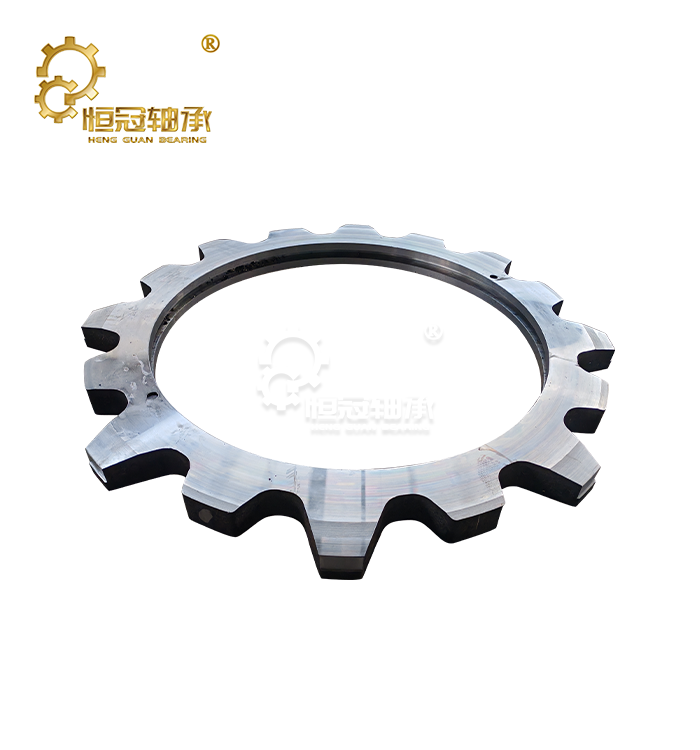 VIEW MOREOem Mining Equipment Gears
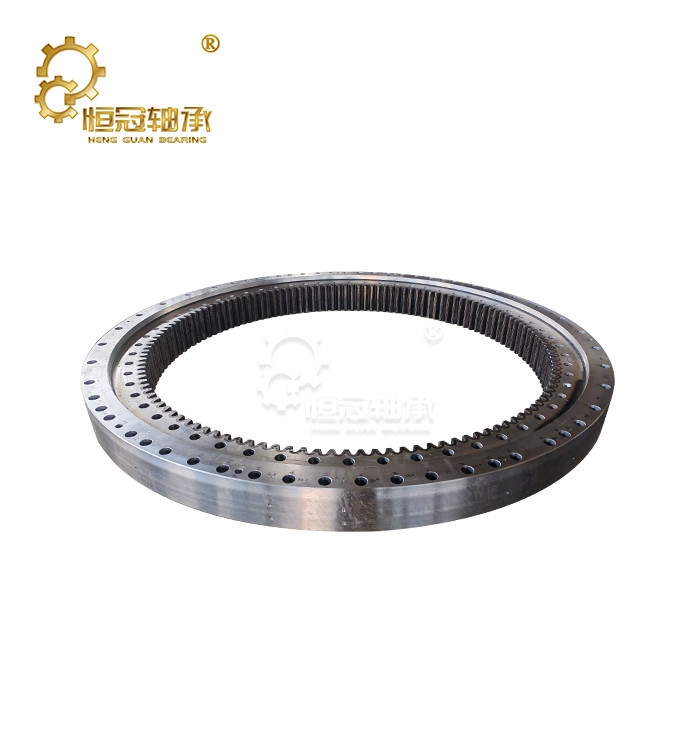 VIEW MORETunnel Boring Machine Bearing
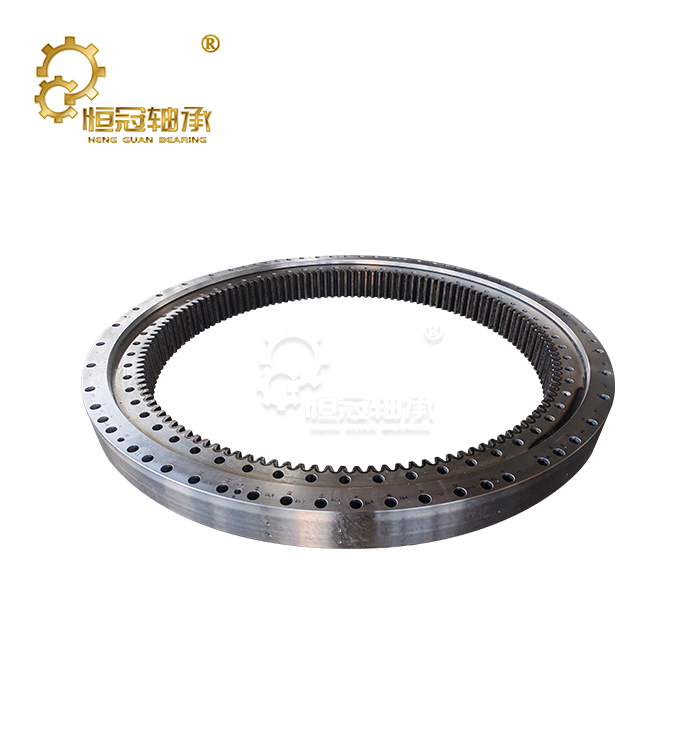 VIEW MOREBall Bearing Slewing Ring
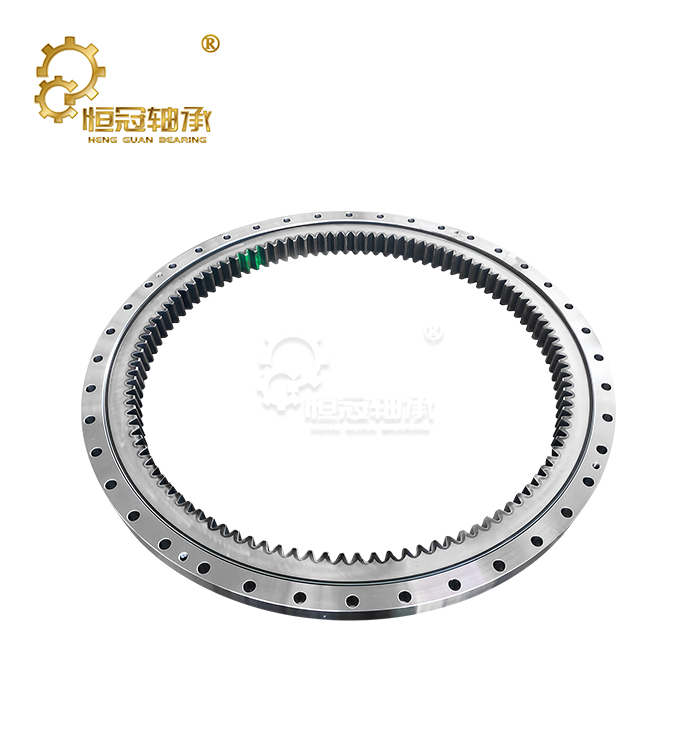 VIEW MOREPC450-6 Excavator Slewing Bearing
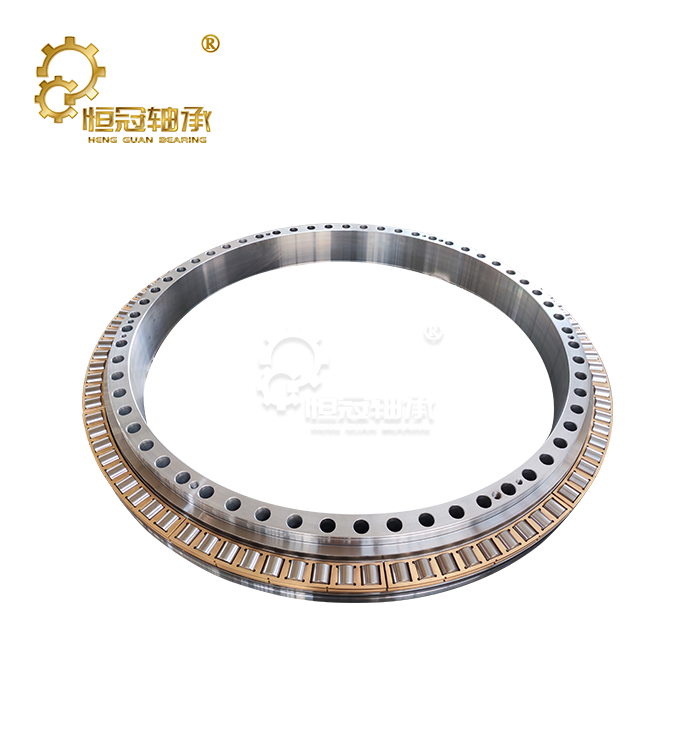 VIEW MOREIntegral Copper Cage Slewing Bearing
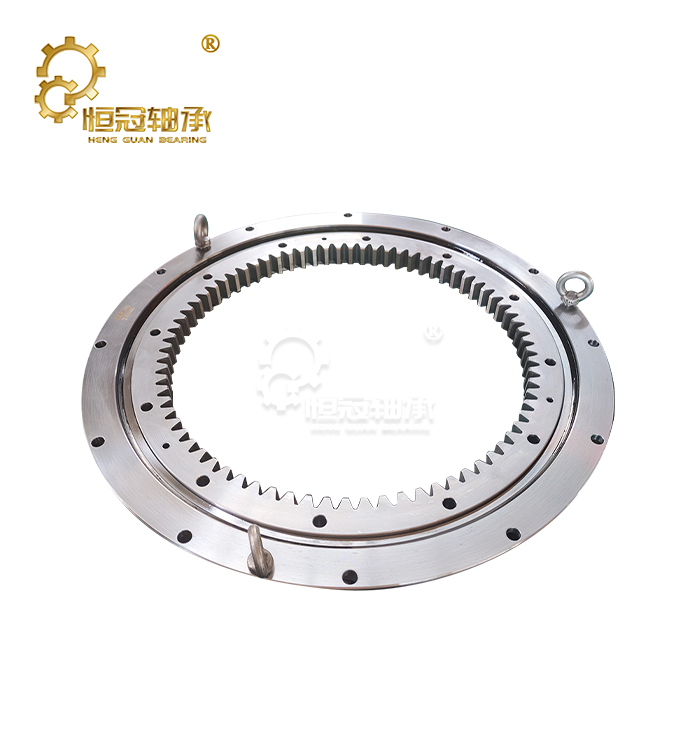 VIEW MOREAmusement Ride Slew Bearing
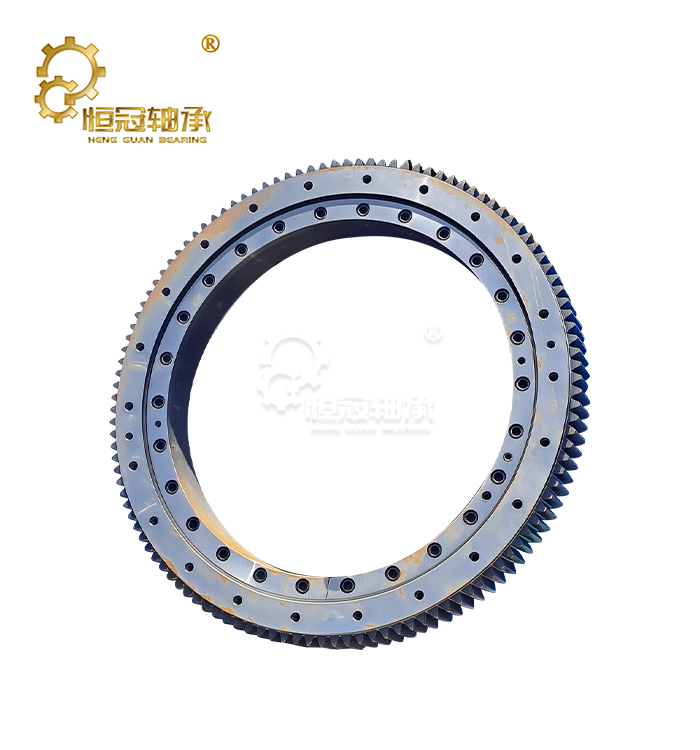 VIEW MOREAmusement Equipment Slewing Bearing
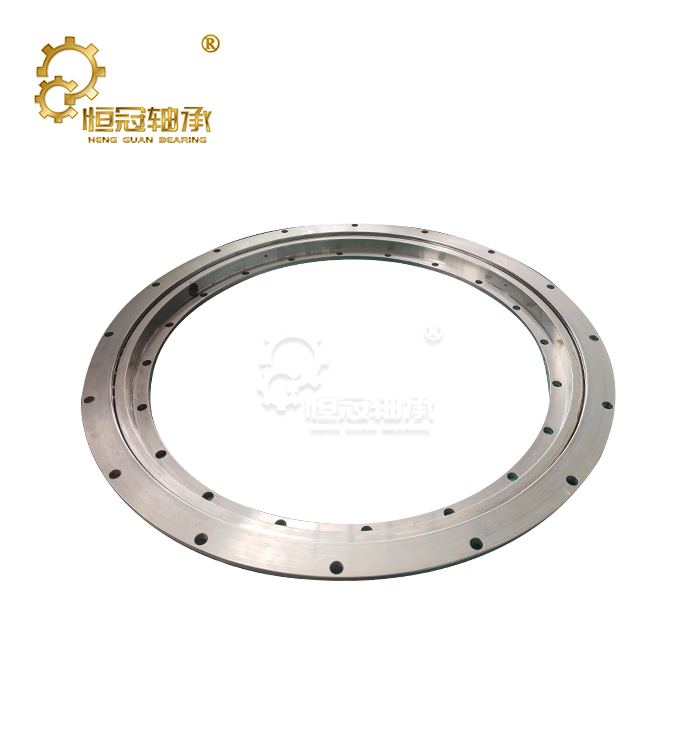 VIEW MOREThin Section Ball Bearings