



Premium Conveying System Slewing Bearing for Smooth Operation
In bulk material handling industries, equipment reliability directly affects production efficiency, operating costs, and project profitability. A failure in a conveyor system, stacker-reclaimer, or heavy-duty transfer platform can interrupt material flow and create significant maintenance expenses. Choosing the rightConveying System Slewing Bearing is therefore a critical decision for equipment manufacturers, engineering contractors, and industrial operators.
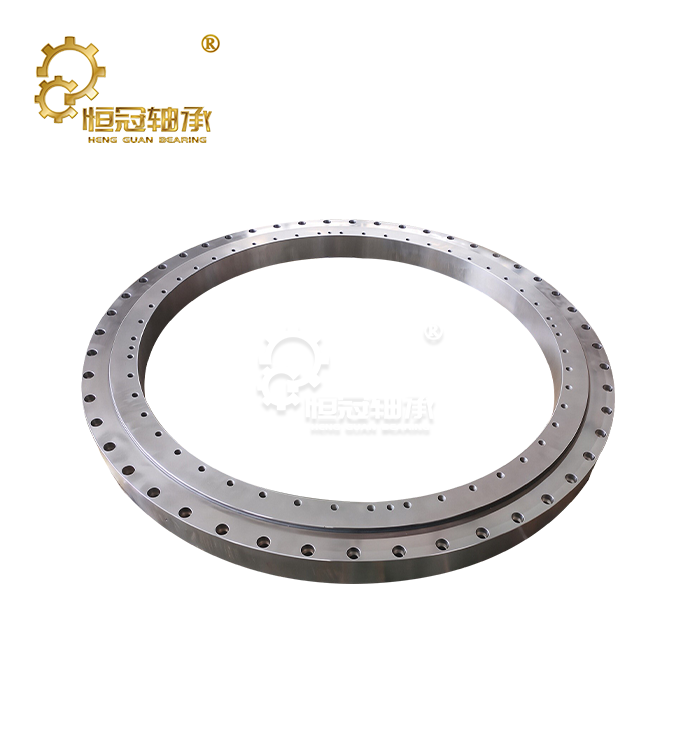
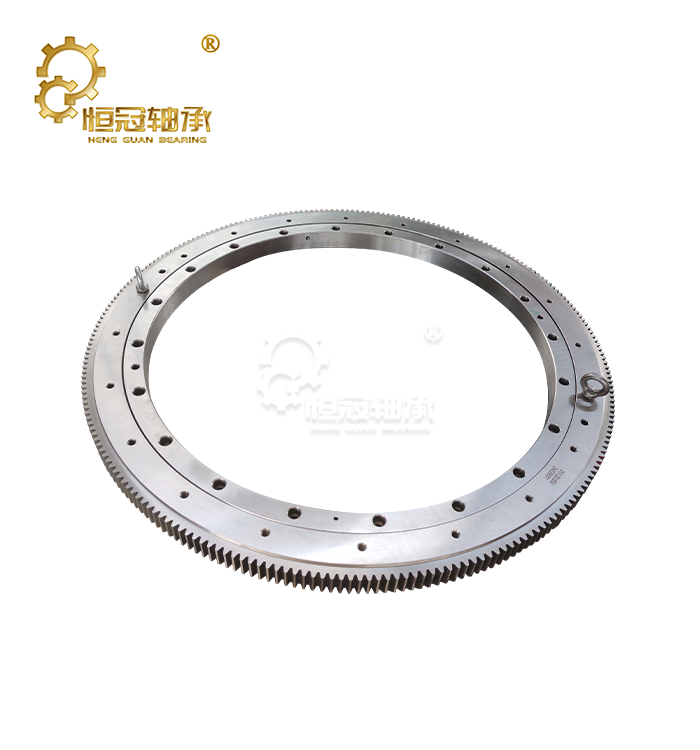
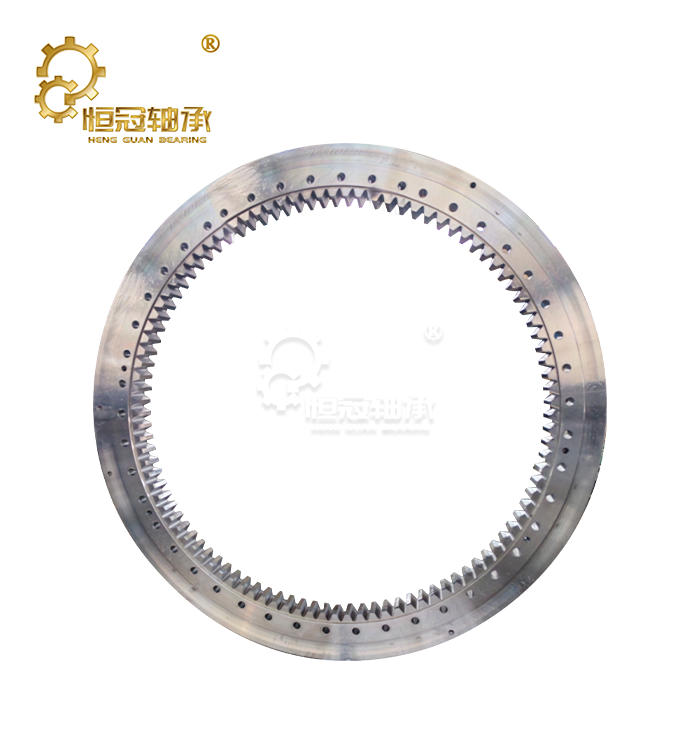
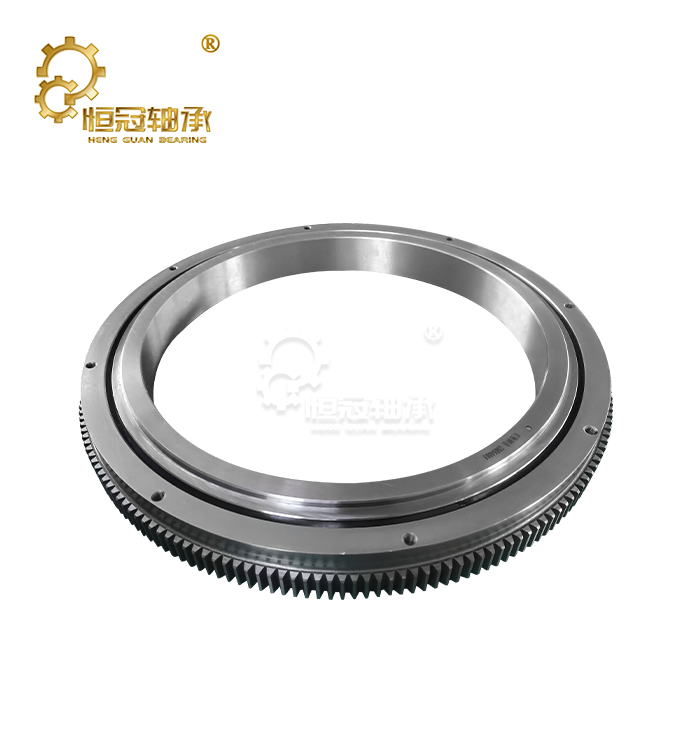
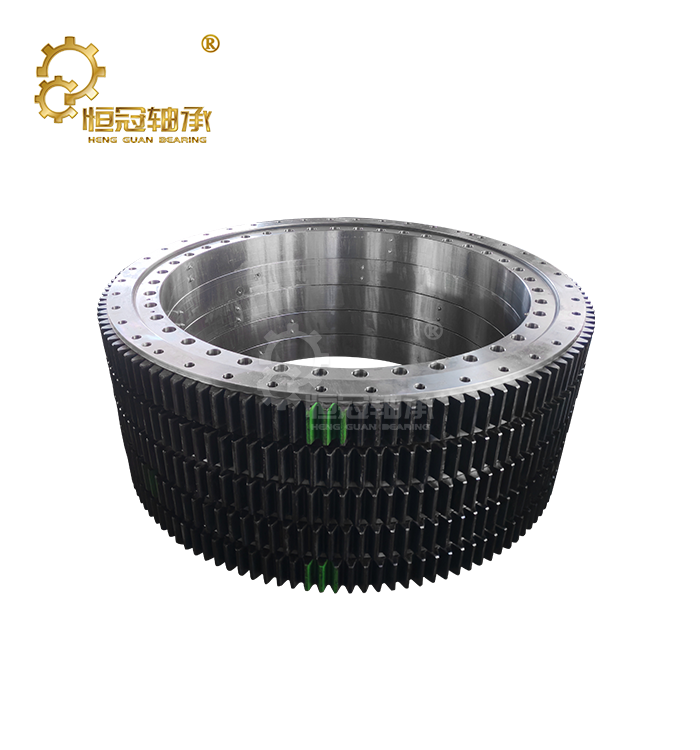
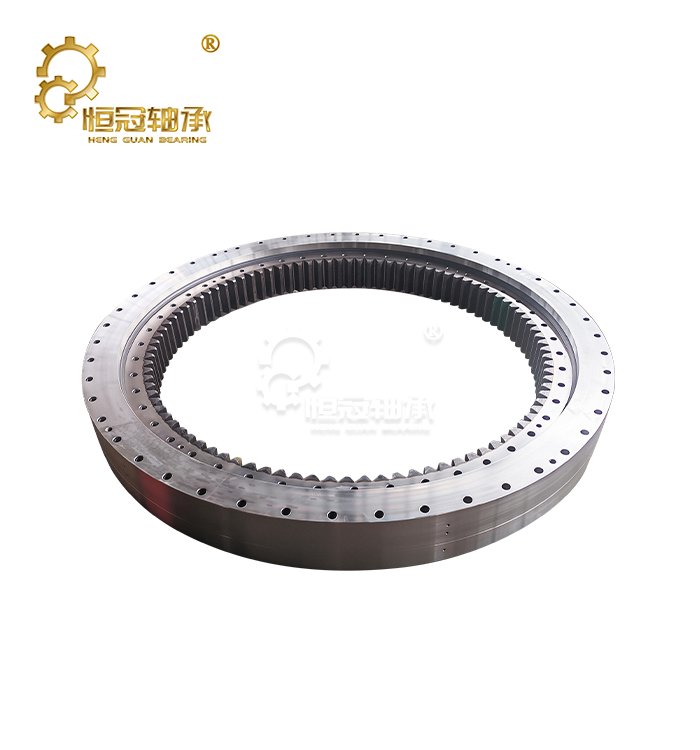
Slewing bearings are used for heavy-duty rotation. Slewing bearings are designed to sustain combined loads, including axial loads, radial loads, and overturning moments. These bearings are used in applications such as mining conveyors, port handling equipment, cement production lines, and industrial stockyard systems to provide smooth rotation and structural integrity with continuous working conditions.
HGB Bearings is a leading manufacturer of slewing bearings, specializing in specialized bearing solutions for the most demanding industrial applications. Reliable slewing bearings, via the optimal structural design, the proper material selection, precision machining, and quality inspection methods, may allow the customers to increase the equipment availability and minimize the long-term maintenance requirements.

The Role of Slewing Bearings in Modern Conveying Equipment
Material handling systems function in complex mechanical environments. Conveying systems are subjected to varying loads due to unequal material distribution, vibration, impact forces, and constant operation cycles, whereas conventional rotating equipment is generally designed for simple radial loads.
The slewing bearing is the main component for linking stationary and spinning structures. It supports the rotating platform but allows for regulated movement. This ensures that huge equipment assemblies can run smoothly even under severe demand.
How Conveying System Slewing Bearings Support Heavy-Duty Applications
A slewing bearing for a conveying system is designed for several simultaneous loads. The bearing in service can be subjected to the following:
Vertical Equipment Weight and Axial Loads
Radial forces and rotating structures External forces
Tilting moments from uneven loading of material or long equipment arms
Slewing bearings can accommodate these combined forces; hence, they are suited for big conveying equipment when typical bearing solutions cannot give sufficient support.
For instance, in the mining and port industries, stacker-reclaimer machines need bearings that can handle constant rotation, huge material loads, and outside environments. For such applications, bearing design directly affects the stability and life of the equipment.
Structural Design Features That Improve Reliability
Typical large slewing bearings consist of the following:
inner circle
Outer ring 1.
Rolling parts
Raceway system
Seal construction
System lubricating
Optional gear framework
The raceway design determines the load distribution through the bearing. Depending on the load requirements and the operating conditions, single-row ball structures, double-row ball structures, or three-row roller structures may be required for different applications.
Three-row roller slewing bearings are often the bearing of choice for very heavy-duty conveying equipment since the different roller rows distribute axial, radial, and moment loads more effectively. However, equipment design, rotation speed, available installation space, and the entire project cost must always be considered in the final choice.
Selecting the Right Bearing Structure for Conveying Systems
It’s not simply a case of buying the biggest slewing bearing you can get. The design must be appropriate to the actual operating environment and the mechanical needs of the equipment.
Oversized bearings may result in extra investment expenses, while undersized bearings might lead to premature wear, distortion, or unexpected downtime.
Comparing Different Slewing Bearing Configurations
varied bearing structures, varied performance benefits.
Single-row four-point contact ball slewing bearings
Single-row four-point contact ball bearings are useful in applications requiring compact design and modest load capability. It is made for carrying combined loads and for smooth rotation.
Typical benefits include the following:
Small dimensions
Less friction
Good rotational performance
Cost-efficient design
They are widely utilized in conveying equipment when the load requirements are moderate and space for installation is limited.
Double Row Ball Slewing Bearings
Double-row ball designs give better load distribution than single-row designs. They are excellent for applications where additional stability is needed yet are still relatively compact.
These bearings can offer a nice compromise between the following:
Load capacity
Rotational freedom
Equipment size restrictions
Three-Row Roller Slewing Bearings
In heavy-duty conveying systems, three-row roller slewing bearings are frequently employed, as they can sustain huge loads.
The roller raceways are independent, so that various forces can be delivered through separate load channels. This design decreases the stress concentration and increases the stability of operation when the equipment is handling big amounts of material.
Typical applications include the following:
Stacker-reclaimers for mining
Port loading systems.
Large-sized conveyor transfer platforms
Large industrial rotating structures
Material Selection and Manufacturing Quality of Industrial Slewing Bearings
The performance of a slewing bearing is very dependent on the material quality, heat treatment procedures, and manufacturing precision. Large bearings in conveying systems must be able to withstand thousands of working cycles structurally.
Why Bearing Ring Materials Matter
Importance of Bearing Ring Materials
The large slewing bearing rings are usually made of high-strength alloy steel 42CrMo and 50Mn.
42CrMo alloy steel is preferred because of the following reasons:
High mechanical strength at heat treatment
Good shock loading toughness
Enhanced deformation resistance
The 50Mn steel is also widely used for the manufacture of slewing bearings due to its reliable strength and wear resistance for big ring structures.
Bearing steels for rolling elements are selected, such as GCr15SiMn, because they provide:
Very difficult
Good fatigue resistance
Stable performance of contact under cyclic loading
The right material combination helps to preserve raceway precision and limit the risk of premature fatigue damage.
Precision Manufacturing and Quality Control
The production of large-diameter slewing bearings should be strictly controlled, because a little inaccuracy in dimensions will impact the precision of installation and operational performance.
Important industrial processes are the following:
Precision cutting of channels
Control of heat treatment
Accuracy check of integrated gears
Dimensional measurements
Load and performance testing
Technical documents as normally supplied by professional manufacturers:
Certificates of material
Inspection report
Dimension drawings
Specifications of product
These documents are used by engineering teams to check that the bearing is built to project requirements prior to installation.
Advantages of Using High-Quality Conveying System Slewing bearings
Selecting a reliable conveying system slewing bearing provides benefits beyond basic load support. For industrial operators, the real value comes from improved equipment availability, reduced maintenance requirements, and more predictable operating costs throughout the bearing lifecycle.
A high-quality slewing bearing helps create a more stable mechanical system by maintaining accurate rotation, reducing abnormal vibration, and supporting heavy structures under changing operating conditions.
Improved Load Distribution and Equipment Stability
Heavy conveying equipment often operates continuously under variable loads. Material flow changes, uneven loading, and external environmental forces can create additional stress on rotating components.
A properly designed slewing bearing distributes these forces through optimized raceway structures and rolling element arrangements. This reduces localized stress concentration and helps protect other connected components, including:
Drive systems
Supporting structures
Mounting bolts
Rotating platforms
For example, in a mining conveyor application, the bearing must support not only the weight of the rotating structure but also additional forces caused by material impact and equipment movement. A suitable bearing design helps maintain alignment and prevents excessive deformation during operation.
Longer Service Life Through Better Sealing and Lubrication
Conveying systems often operate in challenging environments where dust, moisture, and abrasive particles are common. Without effective protection, contaminants can enter the raceway and accelerate wear.
Premium slewing bearings usually incorporate optimized sealing systems to reduce contamination risks. Proper sealing helps protect internal components and maintains lubricant performance over extended operating periods.
Lubrication management is another important factor affecting service life. The correct lubricant type, filling amount, and maintenance schedule help maintain a stable lubrication film between rolling elements and raceways.
For heavy-duty conveying applications, regular inspection of:
Lubricant condition
Bearing temperature
Vibration levels
Sealing performance
can help identify potential issues before they develop into major failures.
Reduced Total Cost of Ownership
The initial purchase price is only one part of the overall investment in a slewing bearing. Industrial buyers should also consider:
Installation costs
Maintenance frequency
Spare part requirements
Production downtime risks
Expected service life
A lower-cost bearing may appear attractive initially but could result in higher lifecycle expenses if it requires frequent replacement or causes unexpected equipment shutdowns.
A reliable conveying system slewing bearing solution helps reduce total ownership costs by improving operational stability and extending maintenance intervals.
Key Factors to Consider When Purchasing a Conveying System Slewing Bearing
Selecting the correct bearing requires cooperation between equipment designers, maintenance teams, and suppliers. The best solution depends on actual working conditions rather than product size alone.
Before placing an order, buyers should evaluate load requirements, environmental conditions, installation specifications, and supplier capabilities.
Understanding Application Requirements Before Selection
The first step in bearing selection is collecting accurate operating information.
Important technical factors include:
Maximum axial load
Maximum radial load
Tilting moment
Rotation speed
Working cycle frequency
Operating temperature
Environmental exposure
For example, a conveyor installed inside a controlled factory environment may require a different sealing design compared with equipment operating in an open mining area exposed to dust and rain.
Load Calculation and Safety Considerations
Accurate load calculation is essential for avoiding premature bearing failure.
Engineers should consider both normal operating loads and possible peak loads caused by:
Sudden material impact
Emergency stops
Uneven material distribution
Equipment acceleration and braking
Applying appropriate safety factors ensures that the selected bearing can handle unexpected operating conditions.
A professional bearing supplier can support customers by reviewing application parameters and recommending suitable bearing structures based on actual requirements.
Evaluating Slew Bearing Manufacturers and Suppliers
The supplier you choose can significantly influence product quality, delivery reliability, and long-term technical support.
A capable manufacturer should provide more than standard products. They should offer engineering assistance, customization capability, and complete technical documentation.
Manufacturing Capability and Customization Support
Large conveying equipment often requires customized slewing bearings because
Mounting dimensions differ between machines.
Load requirements vary by project.
Gear specifications may need adjustment.
Operating environments require specific protection designs.
Experienced manufacturers can customize:
Bearing diameter
Raceway configuration
Gear design
Sealing structure
Material treatment
This flexibility allows customers to obtain a bearing solution that matches their equipment rather than modifying existing machinery to fit a standard product.
Quality Management and Technical Documentation
For industrial procurement projects, quality verification is an important part of supplier evaluation.
Reliable manufacturers should be able to provide:
Material inspection records
Product drawings
Dimensional inspection reports
Technical specifications
Quality certificates
A complete documentation package helps engineering teams confirm product compatibility and supports project approval processes.

Maintenance Strategies to Extend Slewing Bearing Service Life
A well-planned maintenance program is essential for maximizing the service life of a conveying system slewing bearing. Even the most advanced bearing design requires proper inspection, lubrication, and operating management to maintain reliable performance in demanding industrial environments.
Preventive maintenance is usually more cost-effective than corrective repairs because it allows operators to identify early warning signs before serious mechanical damage occurs.
Regular Inspection and Condition Monitoring
Routine inspection helps maintenance teams understand the actual condition of the bearing during operation.
Important inspection activities include:
Checking lubricant condition and distribution
Monitoring abnormal noise or vibration
Measuring operating temperature changes
Inspecting sealing performance
Checking bolt tightening conditions
Observing gear wear when applicable
A sudden increase in vibration, unusual operating noise, or rising temperature may indicate problems such as insufficient lubrication, raceway damage, excessive loading, or alignment issues.
For large conveying equipment, condition monitoring systems can provide valuable operational data and help maintenance teams schedule repairs during planned shutdown periods instead of responding to unexpected failures.
Lubrication Management for Long-Term Performance
Lubrication is one of the most important factors influencing slewing bearing reliability.
A proper lubrication strategy should consider:
Bearing structure
Working speed
Load conditions
Ambient temperature
Contamination levels
In dusty environments such as mining and bulk material handling facilities, lubrication intervals may need to be adjusted because external contaminants can affect grease performance.
Operators should avoid both insufficient lubrication and excessive lubrication. Too little lubricant increases friction and wear, while excessive lubricant may increase resistance and create unnecessary pressure inside sealing systems.
Following manufacturer recommendations for grease selection and lubrication frequency helps maintain stable raceway performance.
Monitoring Load Changes During Equipment Operation
Conveying systems often experience changing working conditions throughout their operating cycles.
For example:
A conveyor may carry different material weights at different times.
A stacker-reclaimer may experience uneven loading during movement.
A port handling system may operate under different environmental conditions depending on weather.
Regular review of operating data helps determine whether the bearing continues to work within its intended design range.
If production requirements increase significantly after installation, engineering teams should evaluate whether the existing Conveying System Slewing Bearing remains suitable for the updated workload.
Why Does Supplier Selection Matter for Industrial Bearing Projects?
For large industrial equipment, purchasing a slewing bearing is not only a product transaction. It is a technical cooperation process involving design support, manufacturing capability, quality assurance, and after-sales service.
A reliable supplier helps reduce project risks by providing professional recommendations before, during, and after delivery.
Benefits of Working with an Experienced Manufacturer
Experienced slewing bearing manufacturers understand that different industries have different requirements.
Mining operations may prioritize:
Maximum load capacity
Dust protection
Long service intervals
Port equipment operators may focus on:
Corrosion resistance
Reliable operation in outdoor environments
Easy maintenance
Factory conveying systems may require:
Compact installation dimensions
Cost efficiency
Stable rotation performance
A manufacturer with application experience can recommend suitable designs rather than offering only standard catalog products.
Custom Engineering Services for Special Applications
Many conveying projects involve unique mechanical requirements. Standard bearing specifications may not always provide the best solution.
Customization may include:
Special mounting dimensions
Modified gear designs
Alternative sealing solutions
Different material treatment processes
Specific load optimization
Engineering collaboration between the customer and manufacturer allows the final bearing design to better match the equipment structure and operating environment.
This approach can prevent problems caused by selecting unsuitable standard products and helps improve the overall reliability of the conveying system.
Global Supply and Project Support
For international industrial projects, supplier capability extends beyond manufacturing.
Important considerations include:
Production capacity
Quality control procedures
Export experience
Packaging methods
Technical communication
Delivery coordination
Large slewing bearings require professional handling during transportation because improper packaging or lifting procedures may damage precision components.
A reliable supplier should provide clear installation and handling guidance to support safe delivery and commissioning.
Application Examples of Conveying System Slewing bearings
The performance requirements of slewing bearings vary significantly depending on the industry.
Understanding common applications helps buyers select more suitable solutions.
Mining and Bulk Material Handling Systems
Mining equipment represents one of the most demanding environments for slewing bearings.
Equipment such as stacker-reclaimers and large transfer systems operate continuously while handling heavy materials.
Key requirements include the following:
High load capacity
Strong resistance to impact loads
Effective contamination protection
Long operating life
In these applications, bearing reliability directly affects production continuity because unexpected downtime can interrupt the entire material handling process.
Port Loading and Unloading Equipment
Ports require reliable rotating systems because material handling equipment often operates under continuous schedules.
Slewing bearings used in port applications must withstand the following:
Heavy cargo loads
Outdoor exposure
Humidity
Salt-containing environments
Proper material selection and sealing design are particularly important for maintaining long-term performance.
Cement and Industrial Production Facilities
Cement plants and similar industrial facilities often use conveying systems to transport raw materials and finished products.
The bearing solution must balance the following:
Load capacity
Durability
Maintenance requirements
Operating cost
Choosing a suitable bearing design helps maintain smooth production processes and reduces interruptions caused by mechanical failures.
Conclusion
A reliable conveying system slewing bearing plays an essential role in maintaining smooth operation, structural stability, and long-term performance in heavy-duty material-handling equipment. From mining conveyors and stacker-reclaimers to port systems and industrial production lines, the correct bearing solution helps equipment handle complex loads while reducing maintenance risks.
Selecting the right slewing bearing requires careful evaluation of load conditions, operating environment, structural design, material quality, and supplier capability. Factors such as raceway configuration, sealing performance, lubrication requirements, and manufacturing accuracy all influence the final performance of the bearing.
Working with an experienced manufacturer provides additional value through engineering support, customization options, quality documentation, and technical guidance throughout the project lifecycle. Instead of focusing only on initial purchase cost, industrial buyers should consider total ownership value, including service life, maintenance requirements, and operational reliability.
For companies looking to purchase a conveying system slew bearing, providing detailed application information such as equipment type, load requirements, dimensions, rotation conditions, and environmental factors allows manufacturers to recommend the most suitable solution. With the right design and professional supplier support, slewing bearings can deliver stable performance, reduced downtime, and improved efficiency for demanding conveying applications.
|
|


FAQ
1. What is the expected service life of premium conveying system slewing bearings?
Premium slewing bearings typically achieve 100,000 to 150,000 hours of operational life under proper maintenance conditions. Service life varies depending on load conditions, operating environment, and maintenance quality. Regular lubrication and proper installation significantly extend bearing longevity.
2. How do environmental conditions affect bearing selection?
Harsh environments require enhanced sealing systems and specialized materials. Dusty conditions demand IP65+ rated seals, while corrosive atmospheres need protective coatings. Extreme temperatures affect the choice of lube and the requirements for materials to keep performance at its best.
3. What precision grades are available for industrial conveying applications?
Industrial Conveying System Slewing Bearing units are available in P0, P6, P5, and P4 precision grades. Most applications that need to move things use P6 or P5 grades, which offer a great mix of efficiency. P4 precision is used for specific tasks that need to be very accurate.
4. Can bearings be customized for specific dimensional requirements?
Premium makers offer a wide range of personalization options, such as changing the sizes, adding integrated gear systems, and adding special mounting features. Custom solutions are made to fit the specific designs of each piece of equipment while still meeting performance standards and quality standards.
Partner with Heng Guan for Premium Bearing Solutions
Luoyang Heng Guan Bearing Technology Co., Ltd. combines decades of specialized expertise with advanced manufacturing capabilities to deliver superior Conveying System Slewing Bearing solutions for demanding industrial applications. Our comprehensive product line spans 20-10000mm diameter ranges with precision grades from P0 to P4, ensuring optimal solutions for diverse operational requirements.
Located in China's premier bearing manufacturing center, we leverage regional expertise and supply chain advantages to provide exceptional value for global customers. Our experienced engineering team offers customized design services and technical support throughout the project lifecycle, from initial consultation through installation and ongoing maintenance guidance. We serve as your trusted conveying system slewing bearing supplier, delivering proven reliability for construction, mining, lifting, and metallurgical applications worldwide.
Contact our technical team at mia@hgb-bearing.com to discuss your specific requirements and discover how premium bearing technology can enhance your operational performance and profitability.
References
1. Johnson, R.M. et al. "Advanced Materials in Large Diameter Slewing Bearings for Industrial Applications." International Journal of Bearing Technology, Vol. 45, 2023, pp. 78-92.
2. Chen, L. and Peterson, K. "Load Distribution Analysis in Three-Row Roller Slewing Bearings Under Dynamic Conditions." Mechanical Engineering Research Quarterly, Vol. 28, No. 3, 2022, pp. 156-171.
3. Williams, A.J. "Maintenance Strategies for Heavy-Duty Conveying Equipment Bearings." Industrial Maintenance Management Review, Vol. 15, 2023, pp. 45-58.
4. Thompson, M.D. and Kumar, S. "Sealing Technology Advances in Mining Equipment Slewing Bearings." Mining Equipment Engineering Journal, Vol. 32, 2022, pp. 112-125.
5. Anderson, P.R. "Cost-Benefit Analysis of Premium Bearing Technology in Bulk Material Handling Systems." Operations Management Today, Vol. 19, No. 4, 2023, pp. 34-47.
6. Rodriguez, C.L. et al. "Failure Analysis and Prevention in Large Scale Conveying System Bearings." Reliability Engineering Quarterly, Vol. 41, 2022, pp. 203-218.

WHAT OUR CUSTOMERS SAY
Here is the customer's evaluation of us