



How to Choose the Right A904 Excavator Bearing?
Selecting the correct A904 Excavator Bearingis more than merely changing an old part for the same type and checking bearing size. The slewing bearing is closely related to the stability, rotation accuracy, service life, and safe operation of excavators in the mining, construction, and heavy-duty applications. The suitable bearing should be consistent with the excavator’s structure, operating conditions, load requirements, and maintenance expectations.
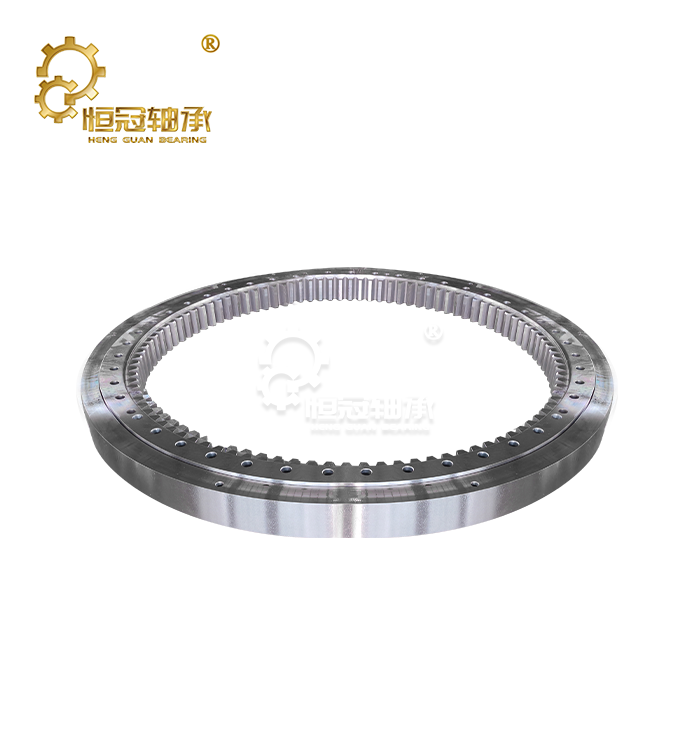
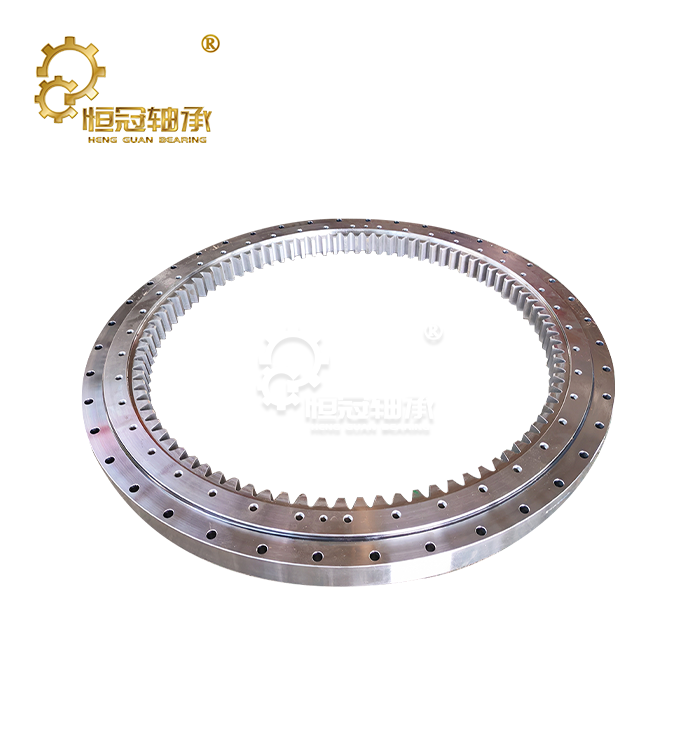
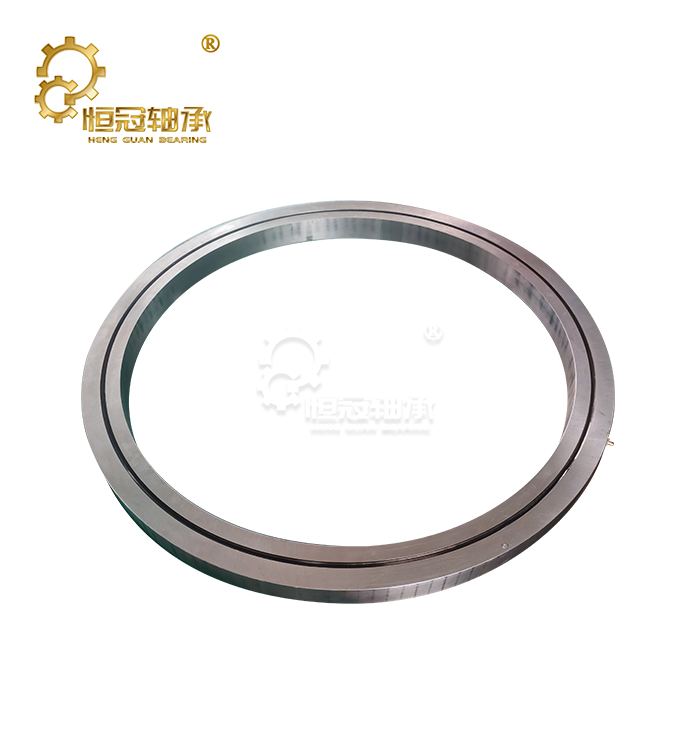
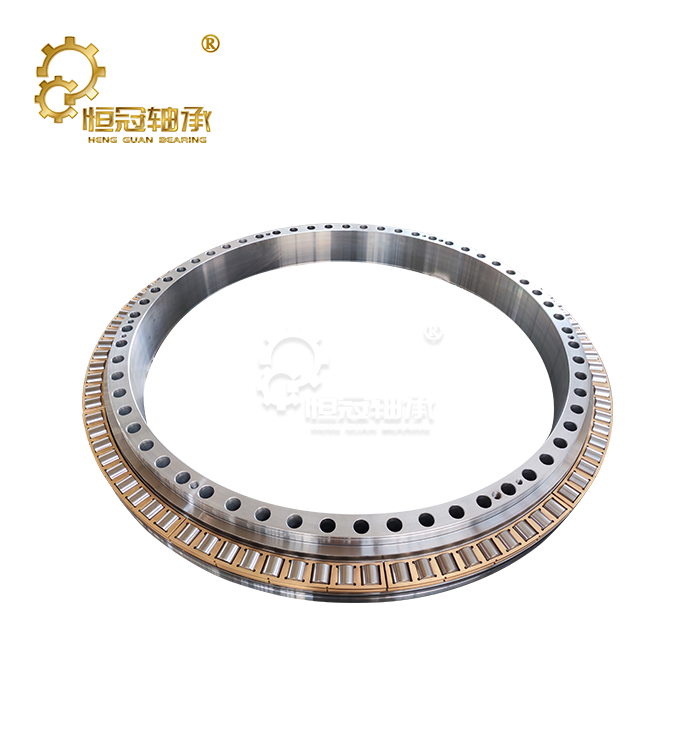
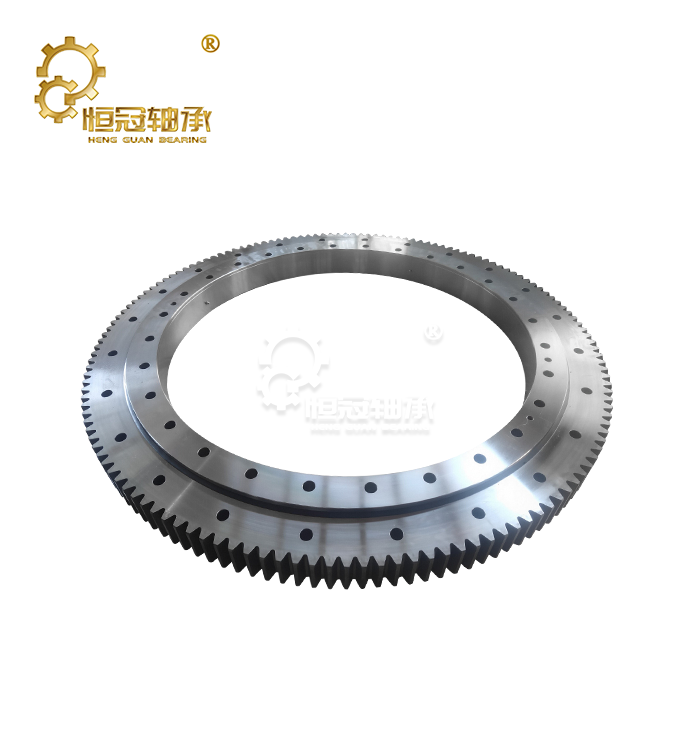
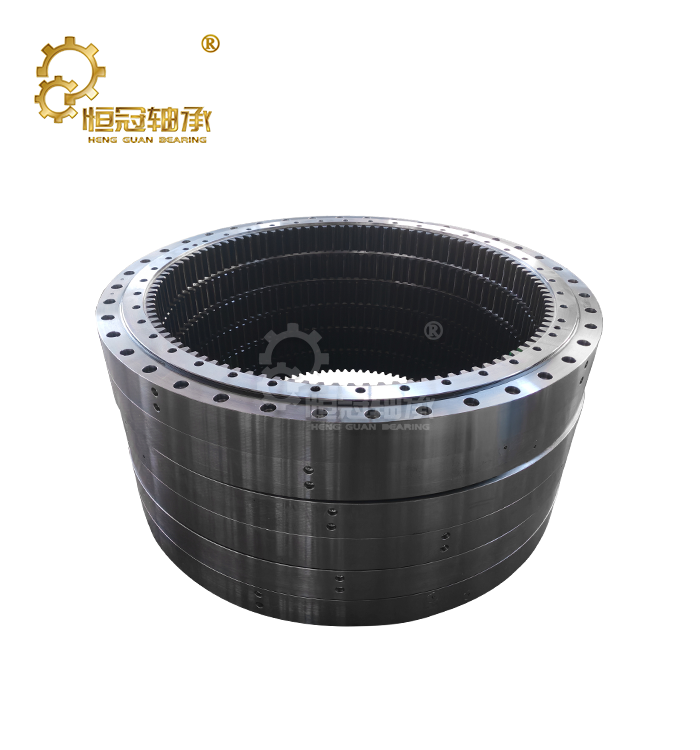
The A904 Excavator Bearing is typically designed as a single-row, four-point-contact ball slewing bearing. The typical diameter is 1180×72 mm. Bearings of this type are produced from high-strength material such as 50Mn alloy steel to resist the combined axial, radial, and overturning pressures created during excavator swing operations. But picking the correct bearing is more than just reading the specs. Material quality, heat treatment, sealing performance, supplier capacity, and after-sales service affect the long-term performance.
The right purchasing choice can allow owners of equipment and maintenance firms to reduce unplanned downtime, avoid recurring replacements, and increase the overall return on investment of excavator equipment.

What Should You Know About the A904 Excavator Bearing Before Purchasing?
Before purchasing a replacement slewing bearing, customers need to understand how the bearing construction influences excavator performance. A slewing bearing is a part for the smooth rotation of the upper structure of an excavator and for bearing strong operating loads from the boom, arm, bucket, and counterweight.
Standard industrial bearings are not subject to the more difficult operating circumstances of excavator slewing bearings. The load direction on the bearing is constantly changing during digging, and there are vibration and impact pressures and dust or moisture contamination. The appropriate bearing must, therefore, offer a high load capacity and reliable protection against severe conditions.
The A904 excavator bearing is usually chosen for applications that demand a compact design, high load-carrying capacity, and reliable rotation performance. The bearing's four-point contact ball structure enables it to accommodate forces from multiple directions without the need for separate bearing systems.
Buyers need to check the following for replacement projects:
Mounting dimensions and external diameter of the bearing
Gear specifications if the bearing is internally or externally toothed
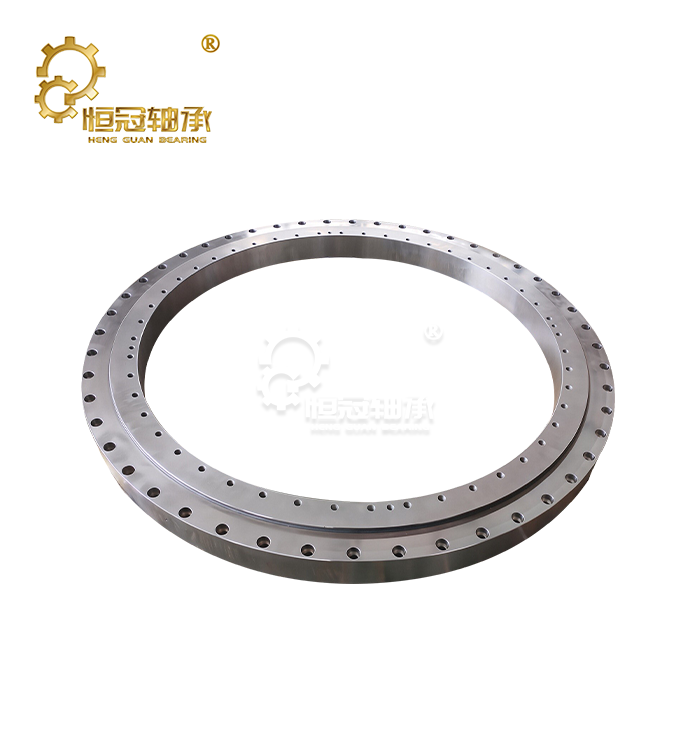
Arrangement of bolt holes
Design of raceways
Require clearance
Excavator model compatibility
Operational Context
And just because a bearing looks the same size doesn’t mean it won’t fail early if its internal design or manufacturing quality is not the same as the original application.
How Do the Specifications of an A904 Excavator Bearing Affect Performance?
Understanding Size, Structure, and Load Capacity
The structural design of the A904 excavator bearing affects the efficiency of response to excavator operating forces.
Each rolling element makes four-point contact with the raceway in the single-row four-point contact ball design under the proper loading conditions. There are various advantages to this design:
Supports axial loads occurring during lifting operations
Rotationally handles radial forces
Resists overturning moments from unequal digging pressures
Provides smooth slewing motion
The classic 1180×72mm size provides an ideal compromise between load capacity and mounting area. But size alone should not be the deciding factor. The actual working load depends on the weight of the excavator, bucket capacity, frequency of digging, and the operational environment.
For instance, an excavator working in a quarry generally encounters higher impact loads than an excavator employed for light construction work. In such instances, consumers should look more at raceway strength, quality of material, and sealing performance.
Why Material Selection Matters for Bearing Service Life?
The material quality directly affects the life of a slewing bearing under strong loads.
High-strength alloy steel such as 50Mn is commonly utilized in big mechanical parts because it has combined strength, toughness, and fatigue resistance. Such attributes are critical for excavator bearings because the bearing ring has to withstand repeatedly the following:
Shock loading of the excavation
Continuous rotational cycles
Vibration of Heavy Equipment
Change in the weather
Well-processed alloys have superior resistance to deformation and fatigue damage than regular carbon steel alternatives.
But choosing the right material is just the first step. Final performance is determined also by manufacturing procedures. The sure manufacturer must control the following:
Control of steel quality
Forge processing
Parameters of heat treatment
Machining precision of raceway
Consistency of Hardness
Good grade material cannot be guaranteed to perform consistently over the long term if the process control is insufficient.
Which Manufacturing Processes Should You Evaluate When Choosing an A904 Excavator Bearing?
Heat Treatment and Raceway Hardness Control
Heat treatment is one of the most significant production processes of excavator slew bearings.
The balls are continually in rolling contact stress in the raceway area. If the surface hardness is insufficient, difficulties such as
Deformation of raceways
Peeling of the surface
Greater clearance to operate
Vibration may be abnormal.
Induction hardening is often applied to A904 Excavator Bearing and other high-load slewing bearings to improve the raceway wear resistance. A well-conditioned raceway is one that retains hardness to levels that may be used for repetitive operation of an excavator yet has a robust internal structure to absorb impact forces.
For the A904 excavator bearing, manufacturers usually aim for a balance between the following:
Surface hardness for wear resistance
Core toughness for impact resistance
Stability of dimensions after milling
This balance is critical for excavators working in mines, quarries, and other high-load conditions.
Precision Machining and Quality Inspection
A professional bearing manufacturer should have strict control over machining accuracy because small dimensional errors can affect installation and operating life.
Important inspection areas include:
Dimensional Accuracy
The bearing must match the excavator mounting structure precisely. Incorrect dimensions may lead to:
Uneven load distribution
Bolt stress concentration
Abnormal rotation resistance
Quality Control and Precision Machining
A professional bearing manufacturer should have strong control over machining precision since slight dimensional errors might impair the installation and operating life.
Key places to look:
Dimensional Precision
The bearing must be a precise fit for the excavator mounting framework. Wrong dimensions can result in:
How Do Sealing and Environmental Protection Influence A904 Excavator Bearing Performance?
Choosing the Right Sealing Structure for Harsh Working Conditions
Excavator slewing bearings are seldom found in clean surroundings. Bearings used at construction sites, mining areas, and quarries are typically subjected to dust, sand particles, muck, and moisture. If the sealing structure is not reliable, these pollutants can enter the raceway system and increase wear.
In the case of the A904 excavator bearing, purchasers should consider the sealing performance as a key factor before buying. A high-grade sealing system prevents the ingress of outside impurities into the bearing while maintaining lubricant within the raceway.
A good sealing structure generally consists of:
Rubber seals (multilip)
Protection by sealing grooves
Adequate contact pressure
Resistance to temperature fluctuation and aging
In dry and dusty areas, such as mining areas in Central Asia, insufficient sealing protection can shorten the bearing service life, even if the bearing has sufficient load capacity. Dust particles that get into the raceway can damage the rolling surfaces, increase the friction, and cause abnormal clearance.
So, the replacement bearing buyers need not only consider the dimensions and price. They should also check whether the sealing design is suitable for the real working environment.
Lubrication Requirements for Long-Term Reliability
Proper lubrication directly influences the service life of an excavator slewing bearing. The lubricant produces a protective coating between rolling elements and raceways, reducing friction and restricting metal-to-metal contact.
However, lubrication requirements will differ by the following:
Operating temperature
Working frequency
Dust contamination level
Load intensity
Maintenance schedule
For heavy-duty excavators, selecting the correct lubricant and applying it at suitable intervals are crucial. In excessively dusty conditions, grease breakdown and contamination can proceed faster, requiring more regular inspection.
Common lubricant management practices include:
Checking grease condition periodically
Refill lubricant according to operational conditions
During maintenance, to prevent the entry of water or foreign matter
as recommended by the manufacturer
One of the most costly mistakes equipment operators make is thinking that applying additional grease will remedy any bearing problem. Over-lubrication can increase internal pressure and compromise the performance of the seal. It is more vital to manage lubrication properly than merely to increase the amount of lubricant.
What Are the Common Problems with A904 Excavator Bearings, and How Can They Be Prevented?
Understanding potential failure causes of A904 excavator bearings helps buyers select better products and establish effective maintenance plans. Many excavator bearing failures are not caused by the bearing design itself but by incorrect selection, installation problems, contamination, or insufficient maintenance.
Detecting Early Signs of Bearing Damage
Early detection can prevent minor issues from developing into expensive equipment downtime.
Unusual Noise During Rotation
Abnormal sounds are often one of the first warning signs.
Common examples include:
Grinding noise: may indicate raceway damage, contamination, or insufficient lubrication
Clicking noise: may suggest rolling element damage or excessive clearance
Irregular rotation sound: may indicate uneven loading or installation problems
Operators who understand normal equipment behavior can often identify problems before serious damage occurs.
Increased Operating Temperature
Temperature changes can provide valuable information about bearing condition.
Possible causes of excessive heat include:
Poor lubrication
Excessive friction
Seal damage
Internal bearing wear
Incorrect installation clearance
Using infrared temperature monitoring during routine inspections allows maintenance teams to identify abnormal temperature patterns in A904 Excavator Bearing without stopping the machine.
Excessive Clearance and Movement
A slewing bearing with excessive internal clearance may cause the following:
Increased vibration
Reduced rotation accuracy
Unstable excavator movement
Higher impact loads on connected components
Regular inspection of bearing movement and mounting bolt condition helps detect these problems early.
How Can Proper Maintenance Extend the Service Life of an A904 Excavator Bearing?
Establishing a Preventive Maintenance Schedule
Preventive maintenance is usually more cost-effective than repairing a failed slewing bearing after unexpected damage occurs.
A practical maintenance program should include:
Regular Lubrication Checks
Maintenance teams should inspect the following:
Grease condition
Lubrication points
Signs of contamination
Leakage around seals
The inspection frequency should be adjusted according to working conditions. Excavators operating in dusty mines require more frequent maintenance than machines used in cleaner environments.
Inspecting Mounting Bolts and Installation Conditions
The bearing does not work independently. Its performance depends on the entire mounting system.
Loose or improperly tightened bolts may create uneven loads on the bearing ring. Over time, this can lead to:
Raceway stress concentration
Deformation
Premature fatigue failure
During maintenance, technicians should check the following:
Bolt tightening condition
Mounting surface flatness
Abnormal gaps
Structural deformation
Avoiding Improper Operating Practices
Even a high-quality bearing can fail prematurely if the excavator is operated incorrectly.
Practices that may increase bearing stress include:
Frequent sudden rotation
Excessive side loading
Operating beyond rated machine capacity
Ignoring early warning signs
Training operators and following recommended working procedures can significantly improve component life.
How Should You Compare Different A904 Excavator Bearing Suppliers?
Evaluating Manufacturing Capability and Quality Control
Choosing a supplier is as important as choosing the bearing itself. The lowest purchase price does not always represent the lowest overall cost because premature failure can result in the following:
Equipment downtime
Additional labor costs
Emergency replacement expenses
Production delays
A reliable supplier should be able to provide evidence of manufacturing capability, including:
Material certificates
Production process information
Quality inspection reports
Dimensional verification
Technical support
For industrial buyers, transparency during the purchasing process is a strong indicator of supplier reliability.
Checking Technical Support and After-Sales Service
Heavy equipment customers often need support beyond product delivery.
A professional supplier should assist with:
Bearing model confirmation
Installation recommendations
Technical documentation
Failure analysis
Replacement guidance
This support is particularly valuable for international customers who may not have immediate access to local engineering resources.
A supplier with strong technical knowledge can help prevent incorrect installation and reduce unnecessary replacement costs.
Is an OEM or aftermarket A904 excavator bearing a better choice?
Understanding OEM Advantages
OEM bearings are designed according to original equipment requirements and usually provide strong compatibility.
Advantages include:
Confirmed dimensional matching
Stable performance
Manufacturer support
Established quality standards
For critical mining or large construction projects where downtime is expensive, OEM components may provide additional confidence.
When Are High-Quality Aftermarket Bearings Suitable?
High-quality aftermarket bearings can also be a practical option when they meet equivalent technical requirements.
Before purchasing, buyers should verify:
Material quality
Manufacturing standards
Inspection procedures
Compatibility with excavator specifications
Warranty terms
A professional aftermarket supplier should focus on engineering quality rather than simply offering lower prices.
The key difference is not whether a bearing is OEM or aftermarket, but whether it is manufactured according to reliable technical standards and supported by proper quality control.
What Factors Should You Consider Before Placing an A904 Excavator Bearing Order?
Confirm Equipment Compatibility
Before ordering, provide detailed equipment information, including:
Excavator brand and model
Existing bearing dimensions
Gear configuration
Operating conditions
Previous failure history
This information allows suppliers to confirm whether the selected bearing is suitable.
Choosing only based on a product name or external appearance can lead to compatibility problems.
Evaluate Total Cost Instead of Initial Price
The cheapest bearing is not always the most economical option.
A better purchasing evaluation should consider:
Expected service life
Maintenance requirements
Delivery reliability
Warranty support
Downtime risks
A bearing with better manufacturing quality may have a higher initial cost but provide better long-term value through fewer replacements and reduced maintenance interruptions.
Consider Supplier Response Time and Delivery Capability
For excavator operators, equipment downtime directly affects project schedules.
When selecting a supplier, consider:
Production capacity
Inventory availability
Export experience
Packaging protection
Delivery time
A supplier capable of responding quickly can reduce the impact of unexpected equipment failures.
Conclusion
Choosing the right A904 excavator bearing requires a complete evaluation of technical specifications, operating conditions, manufacturing quality, and supplier reliability. Although dimensions such as 1180×72mm, four-point contact ball structure, and 50Mn alloy steel construction are important selection factors, they should not be considered separately from real working requirements.
For excavators operating in mining, construction, and other demanding environments, bearing performance depends on multiple factors, including raceway quality, heat treatment technology, sealing protection, lubrication management, and installation accuracy. A bearing with suitable load capacity and reliable manufacturing control can help reduce unexpected failures and improve equipment availability.
When purchasing an A904 excavator bearing, buyers should work with suppliers that can provide accurate product information, quality documentation, technical support, and reliable delivery service. Evaluating the complete lifecycle value rather than focusing only on the initial purchase price will help companies achieve better equipment performance and lower long-term operating costs.
A professional selection process ensures that the bearing not only fits the excavator but also performs reliably under the actual conditions where the machine operates. By considering compatibility, durability, maintenance requirements, and supplier capability together, equipment owners can make a more confident purchasing decision and maximize the service life of their excavator systems.
FAQ
1. What distinguishes the A904 Excavator Bearing from standard excavator bearings?
Compared to regular bearings, the A904 has a special four-point contact shape and is made of 50Mn high-strength metal, which makes it last longer and handle more weight. Better dust seals and precise manufacturing make sure that the product works reliably in tough operating settings.
2. How do I verify compatibility with my excavator model?
To make sure something is compatible, you have to compare the dimensions, load ratings, and fitting options to what your equipment needs. The A904 joint works with Hyundai R220LC and Komatsu PC200 models, but it's best to talk to a professional to make sure you're using it correctly.
3. What maintenance schedule should I follow for optimal bearing life?
Maintenance times rely on how the machine is being used, but they usually include eye checks once a month, lubrication checks every three months, and full reviews once a year. In dirty places, things may need to be serviced more often to keep them from wearing out too quickly.
4. How can I identify quality suppliers for A904 bearings?
Material certificates, dimensional proof, and expert support services are all offered by good providers. Well-known companies keep their quality control methods up to date and back up their goods with warranties.
Get Premium A904 Excavator Bearings from Heng Guan Today
Heng Guan delivers precision-engineered A904 Excavator Bearing solutions designed for demanding industrial applications. Our comprehensive manufacturing capabilities spanning 50-10000mm diameter ranges, combined with P4, P5, and P6 quality grades, ensure optimal compatibility with your equipment requirements. Contact our technical team at mia@hgb-bearing.com for personalized consultation and competitive pricing on bulk A904 Excavator Bearing supplier orders that maximize your operational efficiency.
References
1. Industrial Bearing Technology and Applications in Heavy Machinery Systems, American Society of Mechanical Engineers, 2023.
2. Excavator Component Reliability Analysis: A Comprehensive Study of Bearing Performance in Construction Equipment, International Journal of Heavy Machinery Engineering, 2022.
3. Material Science Applications in High-Load Bearing Design for Construction Equipment, Society of Materials Engineers Quarterly, 2023.
4. Maintenance Best Practices for Construction Equipment Bearings: Industry Standards and Guidelines, Heavy Equipment Maintenance Association, 2022.
5. Comparative Analysis of Bearing Technologies in Mobile Heavy Machinery Applications, Construction Equipment Engineering Review, 2023.
6. Quality Assurance Standards for Industrial Bearing Manufacturing and Procurement, International Bearing Manufacturers Association, 2022.

WHAT OUR CUSTOMERS SAY
Here is the customer's evaluation of us