




Maintenance of excavator slewing bearing and swing circle
The performance and service life of an excavator depend heavily on the condition of its swing system. At the center of this system is the Excavator Slewing Bearing It supports the upper structure and permits the cab, boom, arm, and hydraulic components to revolve freely around the machine base. During operation, the bearing must endure combined axial loads, radial loads, and overturning moments induced by digging, lifting, and uneven operating conditions.
Due to the extensive application of excavators in construction sites, mines, ports, and other difficult working conditions, the slewing bearing will be subjected to dust, vibration, shock loads, and heavy operating cycles. If it isn’t properly inspected and lubricated, the wear might progressively rise to the point of excessive clearance, strange noise, damaged gears, or unexpected equipment downtime.
For maintenance engineers, equipment owners, and procurement experts, knowing how to maintain an excavator swing circle is a key to decreasing repair costs and increasing equipment availability. This handbook covers the structure, inspection methods, lubrication requirements, troubleshooting steps, and purchasing considerations of excavator slewing bearings.
Understanding Excavator Slewing Bearing Structure and Working Principles
The excavator swing circle is a precision mechanical linkage between the revolving upper frame and the stationary undercarriage. Unlike simple bearings used in light machinery, excavator slewing bearings are required to withstand numerous forces concurrently and to have stable rotation.
Main Components of an Excavator Slewing Bearing
Several major parts comprise a typical excavator slewing bearing:
Inner ring and outer ring
Steel balls or rollers. Rolling elements
Tracks
Sealing arrangements
Lubrication channels
Gear teeth (for bearings with built-in drive gears)
The inner and outer rings are made of high-strength alloy steel and are treated to attain the desired hardness and dimensional correctness. The raceways provide controlled contact surfaces for smooth rotation. The rolling elements transfer operating loads between the rings.
The gear system is built in conjunction with the hydraulic swing motor. The hydraulic power drives the pinion gear and the bearing gear teeth, which in turn cause the upper structure of the excavator to rotate.
Depending on the size and operational requirements of the machine, manufacturers can offer bearings with internal gear, external gear, or gearless designs.
Different Types of Excavator Slewing Bearings
The bearing structures are variable depending on the excavator used. The choice of the right design is vital since the bearing has to be suitable to the weight of the machine, working cycle, and load circumstances.
Single Row Four-Point Contact Ball Bearings
Common in typical excavators and medium-sized equipment are single-row, four-point contact ball bearings. The design allows each ball to contact the raceway at four points so that the bearing may support combined axial and radial stresses.
Benefits include:
Small structure
Reduced installation height
Stable rotation performance
Simpler maintenance
They are ideal for general construction equipment if the operating loads are within the normal limits.
Double Row Ball Slewing Bearings
Double row ball bearings are better for load distribution in case of heavier lifts or bigger excavators.
The two-row rolling parts boost the contact capacity and stability under complicated working conditions. They are often used when there is
Normal lifting operations
Bigger times of overturn
Longer opening hours
In the case of double-row buildings, the design includes additional support for operating machines under high loads.
Triple-Row Roller Slewing Bearings
Triple-row roller bearings are designed for very heavy-duty applications like mining excavators and other industrial machines.
Their configuration divides different load routes through many roller rows:
One row for axial loads
Another row can bear radial loads.
Additional rollers to counteract overturning forces
This design offers very good load capacity and rigidity but needs more installation space and more manufacturing accuracy.
Material Selection and Manufacturing Quality Factors
The life of an excavator slew bearing depends not only on the design but also on the quality of the materials, the heat treatment process, and the precision of manufacture.
Bearing Ring Materials and Heat Treatment
The slewing bearing rings are generally made of alloy steel, such as 42CrMo or 50Mn. These materials offer the following:
High strength in tension.
Impact resistance is good
Consistent performance with large loads
Raceways are generally induction-hardened for increased surface wear resistance, while the interior of the material remains robust. The typical hardness values can vary with bearing size and manufacturer standards; however, hardened raceways are needed to withstand repetitive contact stress.
Proper heat treatment prevents the following:
Surface fatigue
Cracking
Early Raceway Wear
Rolling Elements and Sealing Systems
Rolling elements are generally made of high-quality bearing steels such as GCr15 or comparable. The surface precision and hardness directly affect the rotation smoothness and service life of gears.
The sealing mechanism guards interior components against the following:
Dust, Water, Mud, Foreign Material
Contamination can increase grease degradation and raceway damage, requiring better sealing protection for excavators in mining, quarrying, or coastal situations.
Therefore, every maintenance schedule for an excavator slewing bearing should include regular inspection of seals.
Common Warning Signs of Excavator Slewing Bearing Problems
Early identification of problems can prevent expensive failures. Many slewing bearing issues develop gradually, allowing maintenance teams to take corrective action before major damage occurs.
Abnormal Noise During Rotation
Unusual sounds are one of the most common warning signs.
Possible causes include the following:
Insufficient lubrication
Contaminated grease
Damaged rolling elements
Raceways with excessive wear
A repeated clicking sound during rotation may indicate damaged balls or rollers. Grinding noises often suggest insufficient lubrication or contamination inside the bearing.
Maintenance technicians should compare abnormal sounds with previous operating conditions because noise alone cannot always determine the exact failure cause.
Excessive Clearance and Increased Movement
As an excavator slewing bearing wears, the internal clearance between rolling elements and raceways may gradually increase.
Symptoms include:
Noticeable movement between upper and lower structures
Reduced rotation stability
Increased vibration during operation
Regular clearance measurement allows maintenance teams to identify wear trends before the bearing reaches a critical condition.
Grease Leakage and Seal Damage
Grease leakage around the bearing does not always mean the bearing itself has failed. Possible causes include the following:
Damaged seals
Excessive grease filling
Internal pressure caused by contamination
Operators should inspect the sealing condition carefully and remove contaminated grease from the external area to prevent abrasive particles from entering the system.
Key Maintenance Practices for Excavator Slewing Bearings
A well-planned maintenance program is essential for keeping an excavator swing system reliable. Although slewing bearings are designed for heavy-duty operation, their service life depends greatly on regular inspection, correct lubrication, and early problem detection.
Maintenance schedules should always consider the excavator model, working environment, operating hours, and manufacturer recommendations. Machines working in mining, demolition, or dusty environments usually require more frequent inspections than equipment used in normal construction applications.
Establishing a Regular Inspection Routine
Routine inspection is one of the most effective ways to prevent unexpected slewing bearing failure.
During scheduled maintenance, technicians should check the following areas:
Bearing appearance and seal condition
Mounting bolt tightness
Gear tooth condition
Lubrication condition
Abnormal movement or noise
Clearance changes
A visual inspection should normally be performed regularly, especially after intensive operation or harsh working conditions.
Mounting bolts deserve particular attention because loose bolts can create uneven loading on the bearing structure. Over time, this may cause raceway damage, bolt fatigue, and accelerated wear.
Technicians should use calibrated tools to check bolt torque according to the equipment manufacturer's requirements rather than relying only on visual inspection.
Proper Lubrication Methods and Grease Selection
Lubrication is one of the most important maintenance activities for extending the working life of an excavator slewing bearing.
The correct grease reduces friction between rolling elements and raceways while also protecting internal surfaces from corrosion and contamination.
Heavy-duty slewing bearings usually require grease with:
Excellent load resistance
Strong adhesion
Anti-wear additives
Corrosion protection properties
The lubrication interval depends on operating conditions.
For example:
Normal construction applications may require greasing every 250–500 operating hours.
Dusty or highly contaminated environments may require shorter intervals.
High-temperature applications may require specially selected lubricants.
During lubrication, old contaminated grease should be pushed out gradually through the sealing area. Adding excessive grease too quickly may increase internal pressure and damage seals.
Preventing Contamination During Operation
Contamination is one of the main causes of premature slewing bearing failure.
Dust, sand, moisture, and metal particles can enter through damaged seals or improper lubrication procedures. Once inside the bearing, these contaminants can scratch raceways and increase wear rates.
To reduce contamination risks:
Clean Grease Fittings Before Lubrication
Before connecting the grease gun, maintenance personnel should clean the grease nipples and surrounding area. This simple step prevents external dirt from being pushed into the bearing.
Inspect Seals Regularly
Damaged sealing systems should be repaired as soon as possible. Even small cracks can allow moisture and abrasive particles to enter.
Maintain a Clean Working Environment
Although excavators cannot avoid harsh environments, proper cleaning after operation can reduce contamination accumulation around the swing circle.
Troubleshooting and Repair Guide for Excavator Slewing Bearings
When an excavator swing system is misbehaving, rapidly diagnosing the main problem with the excavator slewing bearing can help keep downtime and repair costs low.
A systematic troubleshooting method should encompass the steps of symptom analysis, physical inspection, measurement, and corrective action.
Diagnosing Common Slewing Bearing Failures
Distinct signs of operation usually signify distinct mechanical difficulties.
Excessive Noise
Potential reasons include
Absence of grease
Rolling elements damage
Damage to the raceway surface
Foreign substance in the bearing
First technicians should check lubricant condition, then more complex examination.
Increased Vibration or Unstable Rotation
Excessive vibration can be caused by:
Unequal bearing wear
Mounting bolts loose
Damage to gear teeth
Incorrect installation
By comparing present operating conditions and maintenance history, it can be determined if the problem is a gradual build-up or a sudden event.
Gear Wear Problems
Slewing bearings with integrated gears also require gear inspection.
Common problems include
Abnormal Tooth Wear
Incorrect gear selected
Absence of lubrication
Damaged pinion alignment
So the proper gear adjustment between swing motor pinion and bearing gear is crucial for smooth operation.
Removal and Installation Considerations
Replacing an excavator slewing bearing is a painstaking job because the component supports the entire upper structure of the machine.
Even the highest quality bearing will not last its full life if it is improperly installed.
Preparation for Replacement of Bearings
Maintenance teams should, prior to removal,
Log the current installation state
Mark gear engaged positions
Photograph the connector points.
Confirm replacement bearing specs.
Prepare appropriate lifting gear
Large excavator top weights can be many tons, requiring the correct support equipment for safe removal.
Correct Installation Procedures
When installing:
Clean any surfaces where the mount is going to be attached to.
Verify bolt holes and contact surfaces.
Install the bearing as per alignment criteria.
Tighten mounting bolts in torque sequence given.
Check gear engagement.
Before use, pre-lubricate using a suitable lubricant.
Uneven stress distribution and a reduced bearing life might result from improper tightening of bolts or from wrong alignment.
When Professional Maintenance Support Is Required?
Some repairs require specialized equipment and technical experience.
Professional service support is recommended when:
The bearing has excessive structural damage.
Internal components are severely worn.
Large excavators require complete replacement.
Precision alignment is necessary.
Manufacturer warranty requirements must be maintained.
Experienced technicians have access to:
Hydraulic lifting systems
Alignment tools
Clearance measurement equipment
Installation procedures
For large-scale mining or industrial equipment, professional maintenance can often reduce total ownership costs by preventing secondary damage.
Selecting and Procuring the Right Excavator Slewing Bearing
Choosing the correct replacement bearing is not only a technical decision but also a long-term reliability investment.
A suitable excavator slewing bearing should match the machine's operating conditions, load requirements, and installation specifications.
Key Technical Information Buyers Should Confirm
Before purchasing a slewing bearing, buyers should provide:
Excavator model
Original bearing number
Bearing dimensions
Gear specifications
Mounting hole pattern
Operating environment
Load requirements
Selecting a bearing only according to size may lead to poor performance because load capacity, material quality, and internal design are equally important.
Evaluating Manufacturer Capability and Quality Control
A reliable manufacturer should provide evidence of production capability and quality control.
Important factors include:
Manufacturing Experience
Experienced manufacturers understand different excavator applications and can recommend suitable bearing structures.
Quality Inspection
Professional production processes usually include:
Dimensional inspection
Hardness testing
Gear accuracy inspection
Raceway quality control
Load performance evaluation
Customization Capability
For special applications, manufacturers may need to provide customized solutions based on:
Extreme temperature environments
Heavy-duty mining conditions
Special mounting requirements
Choosing Between OEM and Custom Bearing Solutions
OEM replacement bearings are often selected when exact compatibility is required.
However, customized solutions may provide advantages for special operating conditions.
Working directly with a manufacturer can help buyers achieve the following:
Better technical communication
More accurate specifications
Improved supply stability
Long-term service support
For large equipment fleets, establishing a reliable supplier relationship can reduce future maintenance risks.
Conclusion
Proper care of an excavator slewing bearing includes regular inspection, correct lubrication, pollution control, and competent troubleshooting. It is crucial to take care of minor maintenance problems before they turn into serious failures, as the swing circle supports important excavator actions and difficult operating loads.
A good understanding of bearing construction, the ability to recognize early warning indications, and implementing correct service methods can considerably increase equipment reliability and decrease the occurrence of unplanned downtime. The same is true for procurement teams when they are choosing the correct bearing supplier. Long-term performance depends on the technical capability, the quality of the manufacturing process, the inspection process, and after-sales assistance.
Equipment owners may extend the service life of excavator slewing bearings and reduce total operating costs in demanding construction, mining, and industrial applications by using preventative maintenance and the latest monitoring technology.
|
|
FAQ
1. How often should I lubricate my excavator swing bearing?
How often you lubricate depends on the surroundings and how the machine is used. In most cases, devices need to be greased every 250 to 500 hours of use. Machines that work in dirty, dusty, or muddy places may need more frequent maintenance, possibly every 100 to 200 hours. Shorter intervals may also be needed for uses with a lot of load or constant duty. Always do what the maker says, and if you hear noises, feel vibrations, or encounter resistance during spinning, raise the frequency.
2. What causes premature bearing failure?
Early bearing decline is caused by a number of things. The most common reason is not enough oil, which lets metals touch each other and breaks down raceways and rolling elements quickly. Abrasive wear happens faster when it is contaminated by dust, water, or other debris. Uneven loading is caused by bad fitting, such as using the wrong torque specs or not aligning the parts correctly. Overloading beyond the design capacity and using it in harsh temperatures without the right oils also shortens the service life by a large amount.
3. Should we replace bearings in-house or hire professionals?
The choice is based on the size of the equipment, the tools that are accessible, and the technician's experience. Small to medium tractors with standard bearing setups may be able to be replaced in-house if your team has the right lifting tools, torque tools, and experience installing them. Professional service is best for big or complicated machines because it includes the right tools, methods approved by the maker, and guarantees protection. Professional installation comes with paperwork that can help you make guarantee claims if something breaks too soon.
Partner with Heng Guan for Superior Swing Bearing Solutions
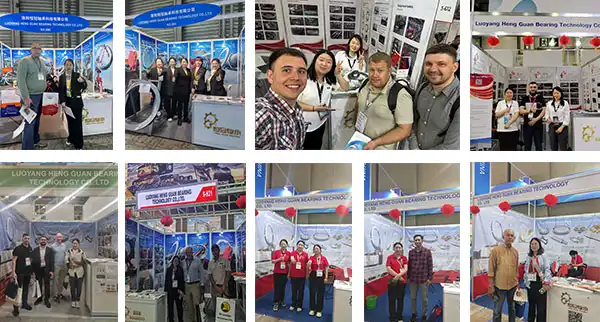
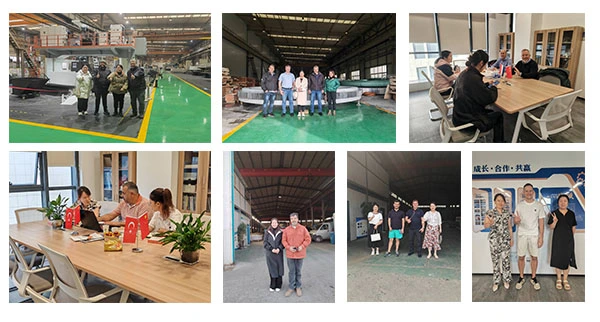
Your excavator's performance depends on quality components and expert support. Heng Guan delivers precision-engineered slewing bearings manufactured in Luoyang, China's renowned bearing production center, with over 20 years of specialized experience. Our comprehensive capabilities span 50mm to 10,000mm diameter production, covering everything from compact excavators to ultra-large mining equipment. As a dedicated Excavator Slewing Bearing manufacturer, we provide customized solutions including non-standard designs, reverse engineering from worn samples, and precision grades from P0 through P4. Our ISO 9001 certified quality systems ensure every bearing meets rigorous specifications through dimensional verification and vibration testing. Contact our engineering team at mia@hgb-bearing.com for technical consultation, custom bearing design, and procurement solutions that optimize your equipment performance and operational costs.
References
1. Anderson and J. M. (2019). Heavy Equipment Maintenance Management: Tips for Making Parts Last Longer. Publishing for the Industrial Press.
2. Chen, W. & Zhang, L. (2021). In the Journal of Mechanical Engineering Science (235(18), 3421–3435, it says, "Material Selection and Heat Treatment Optimization for Large Slewing Bearings."
3. The ISO is the International Organization for Standardization. (2020). This is ISO 76:2006: Static Load Ratings for Rolling Bearings. Geneva: Publications of the ISO.
4. Nakamura, T. (2018). Implementation and return on investment (ROI) analysis of predictive maintenance technologies for industrial equipment. Publishers of Technical Engineering.
5. Wilson, R. D. Also, Martinez, C. (2022). "Tribological Performance of High-Load Slewing Bearings in Mining Applications." Wear, 494–495 (204251).
6. Zhang, H., Liu, S., & Wang, Y. (2020). Precision bearing parts are made with more advanced manufacturing methods. The Springer International Publishing Group.

WHAT OUR CUSTOMERS SAY
Here is the customer's evaluation of us
YOU MAY LIKE
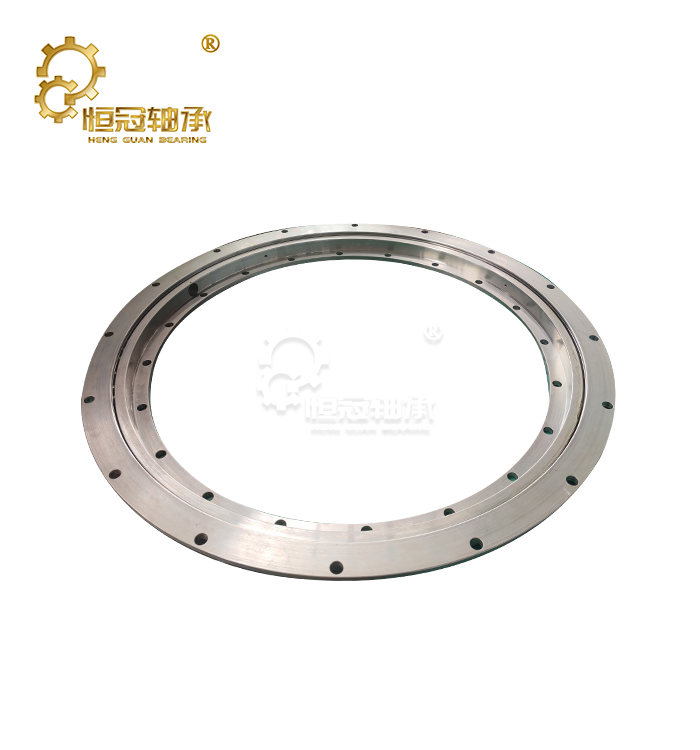 VIEW MOREVLI200944-N Slewing Bearings
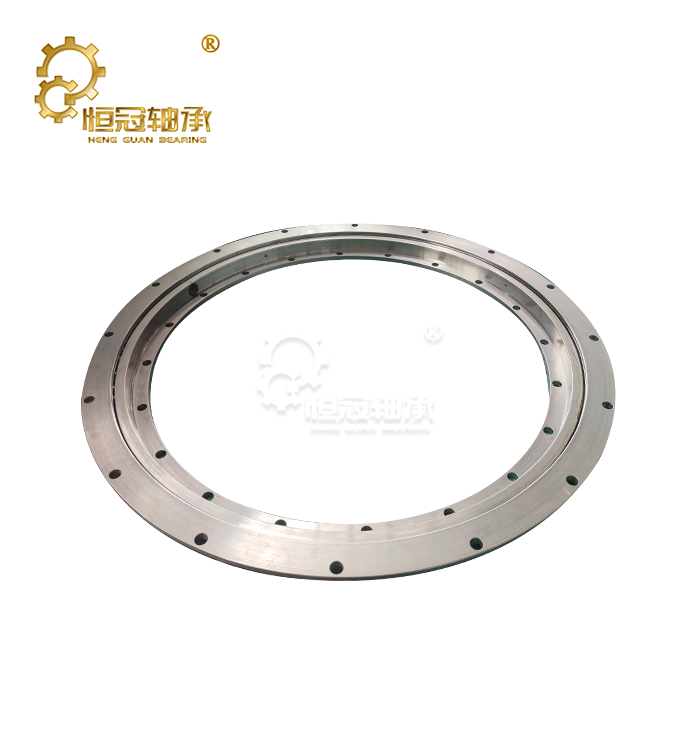 VIEW MORERKS 061.25.1204 slewing bearing
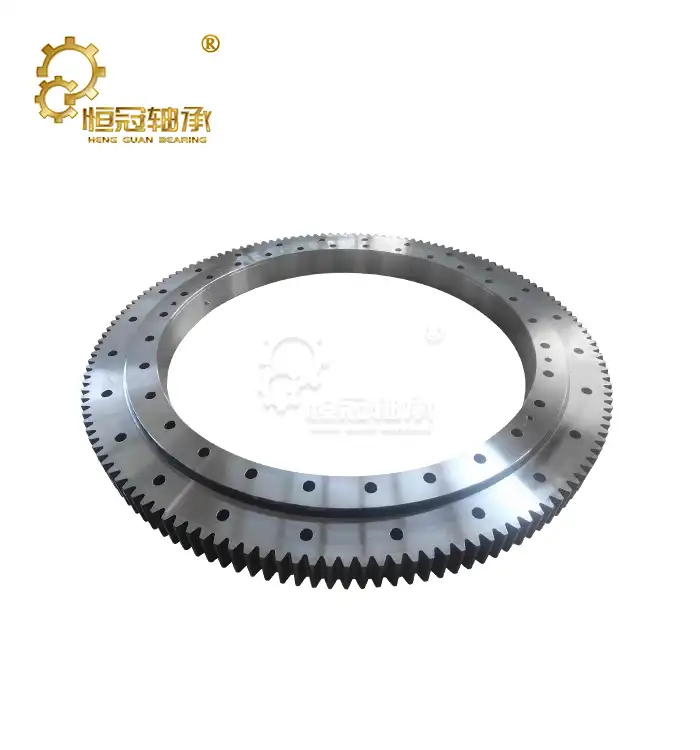 VIEW MORESingle Row Cross Roller Slewing Bearing - HJ Series
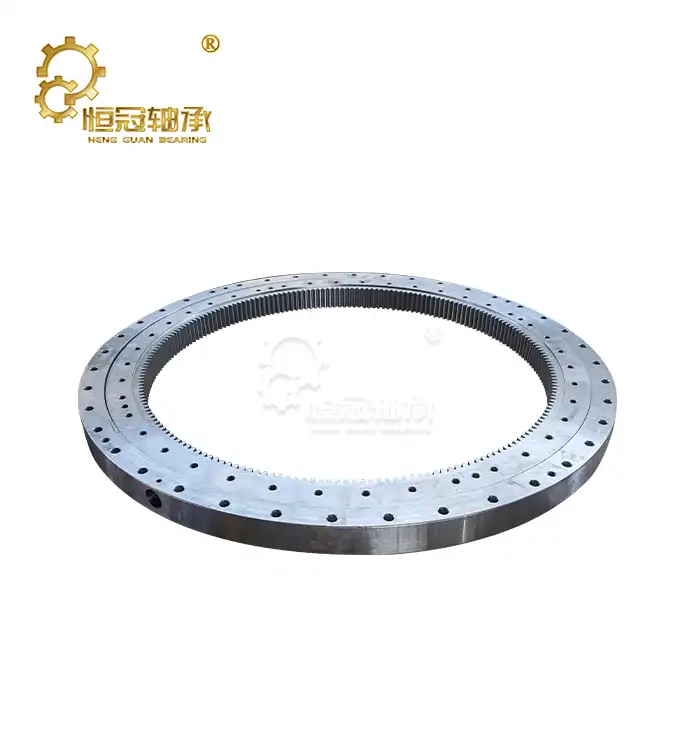 VIEW MOREYuchai Excavator slewing bearing
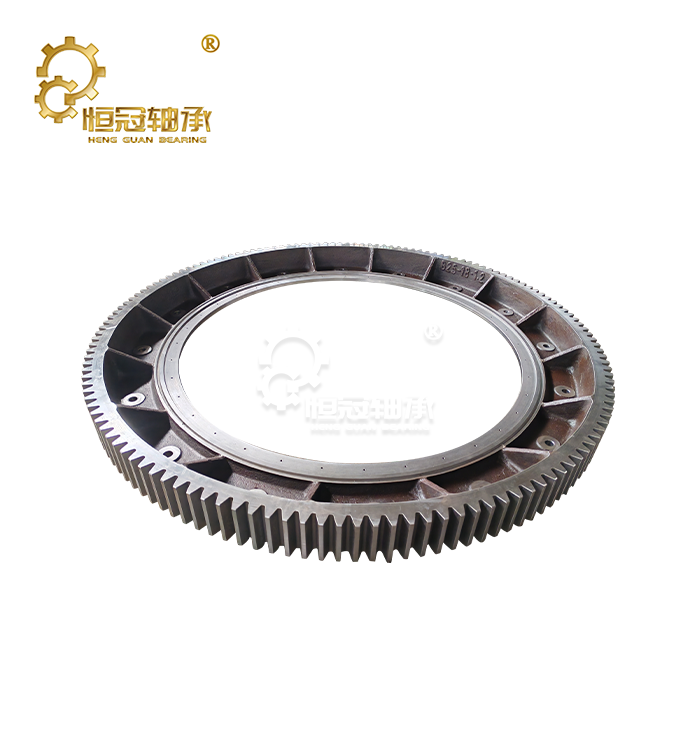 VIEW MOREMill Gear Ring
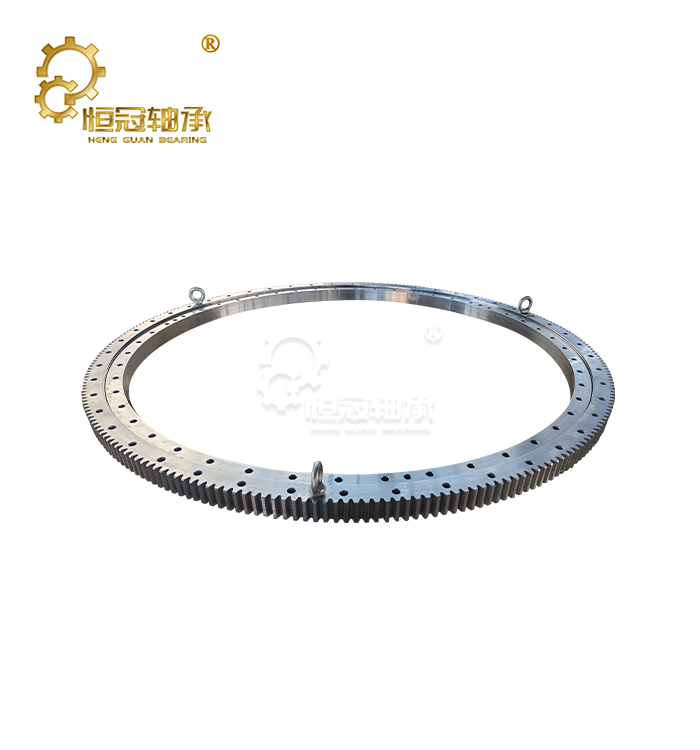 VIEW MOREGear Slew Bearing
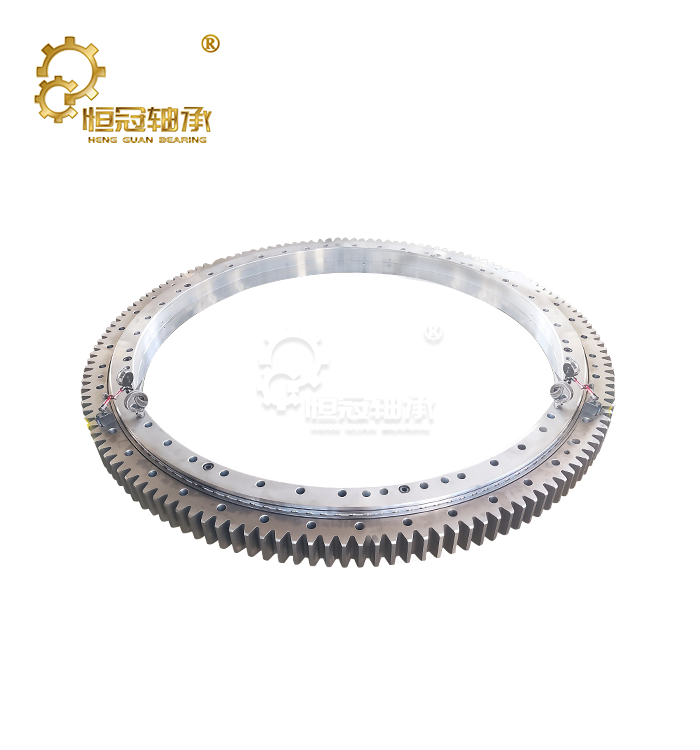 VIEW MOREPackaging Machine Slewing Bearing
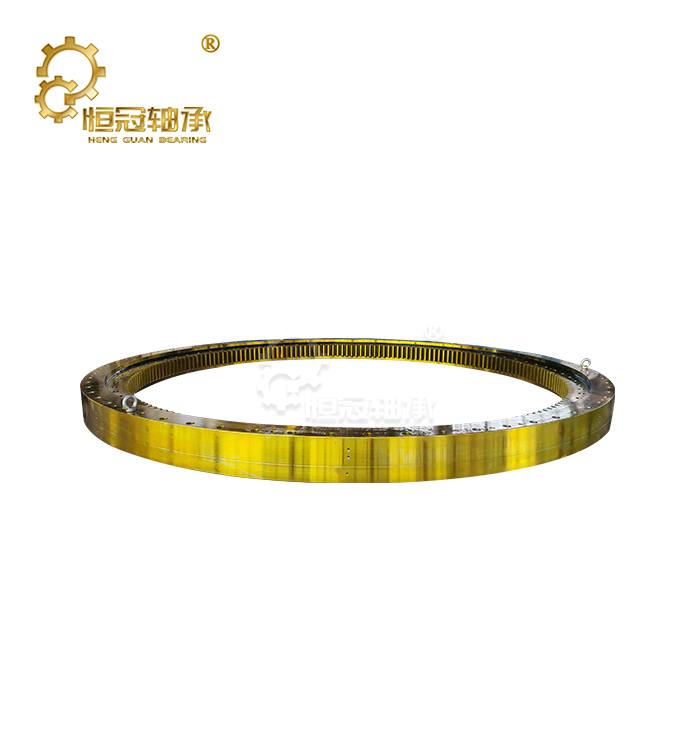 VIEW MORELarge Diameter Crane Slewing Bearing