



How to Maintain a Cross Roller Bearing for Long Service Life?
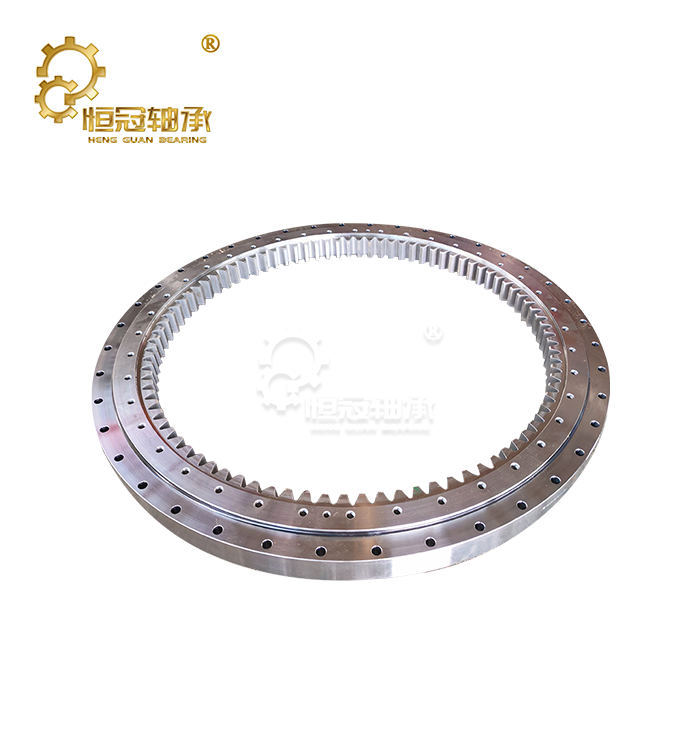
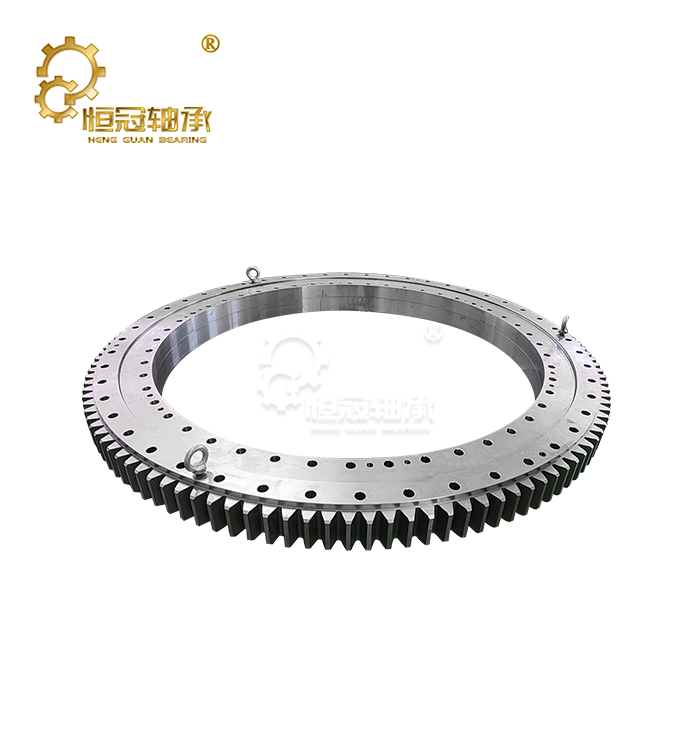
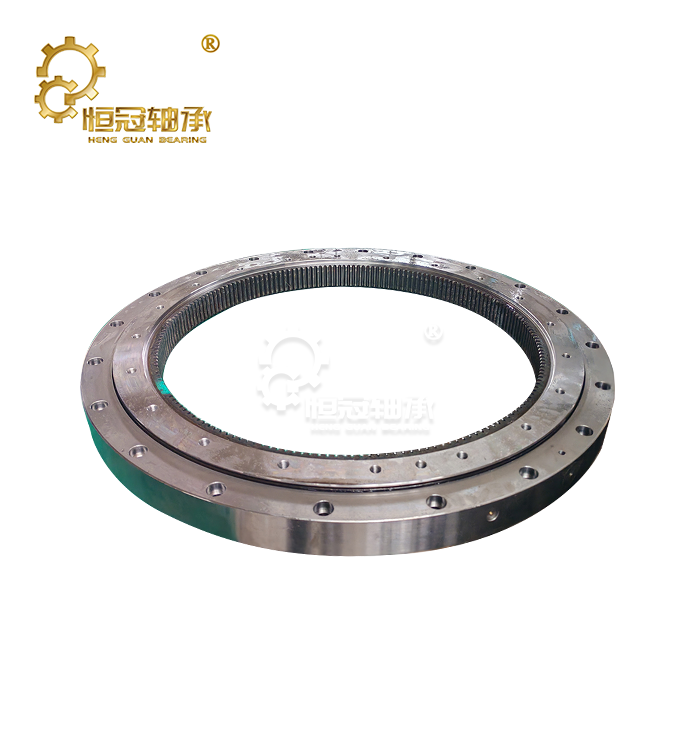
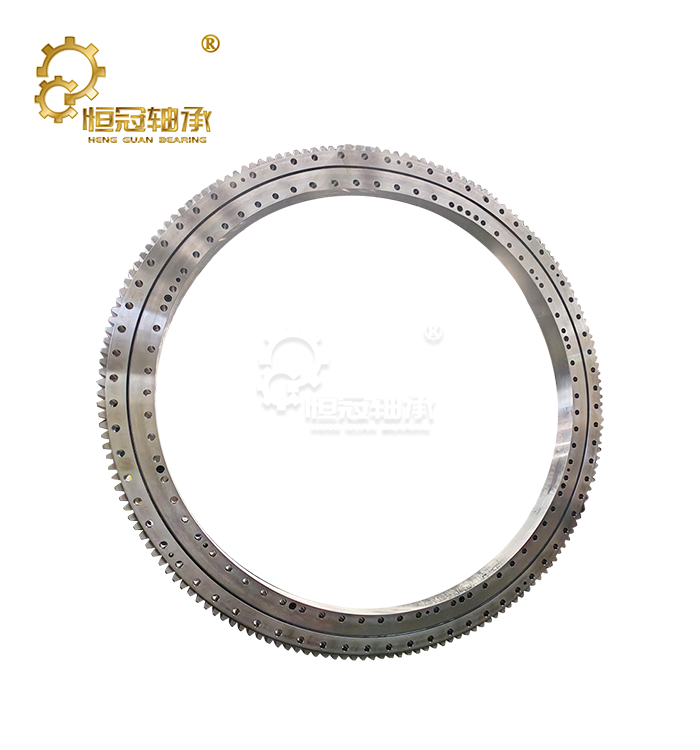
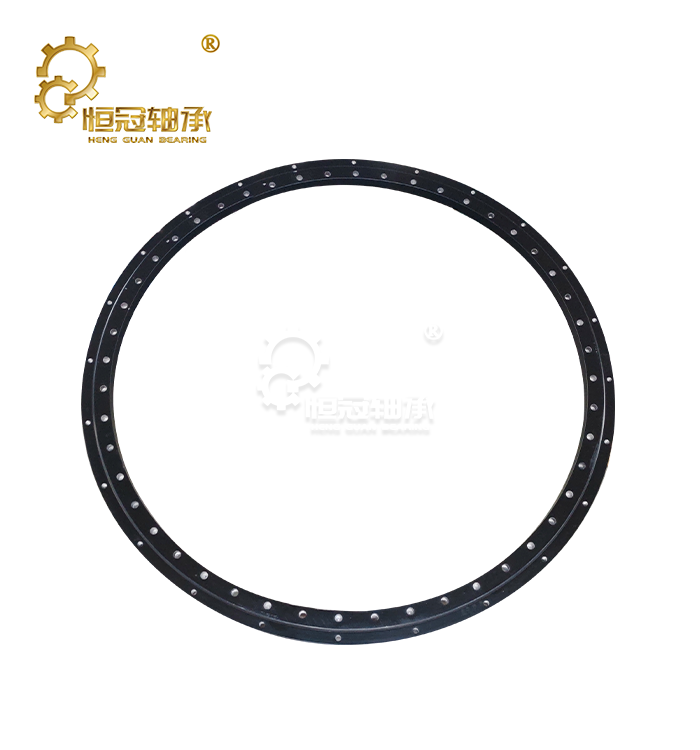
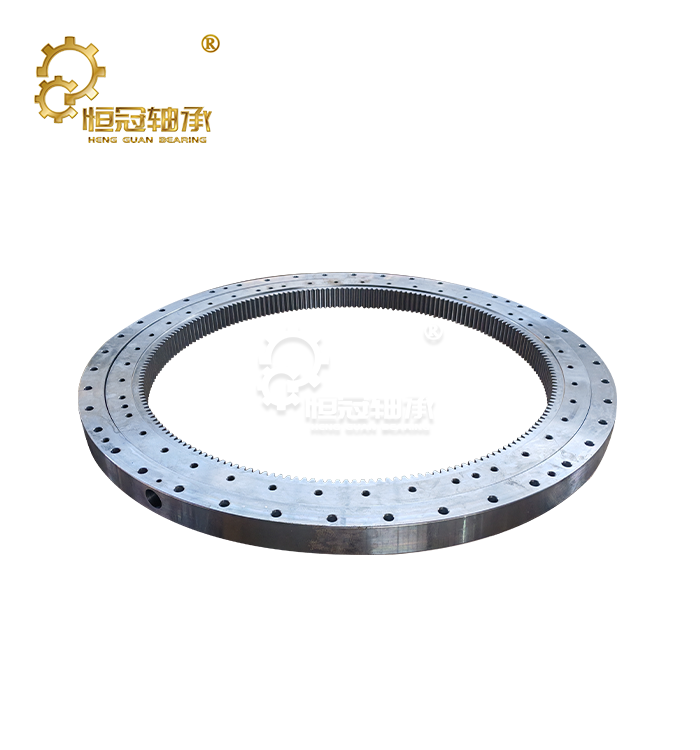
How can cross roller bearings maintain high precision, stable rotation, and long service life in demanding industrial systems such as robotics, CNC machines, and medical equipment—without premature wear or performance degradation? Proper maintenance is the single most important factor in achieving maximum service life and precision performance from a cross roller bearing. These components are designed with a 90° crossed cylindrical roller structure, enabling them to simultaneously handle radial, axial, and moment loads with extremely high rigidity and rotation accuracy. However, even the most advanced engineering design will experience premature wear without correct lubrication, installation control, and systematic inspection routines. In Luoyang Heng Guan Bearing Technology Co., Ltd., we have over 20 years of engineering experience supplying high-precision cross roller bearings to robotics, machine tools, medical equipment, and automation systems across more than 50 countries.
Cross Roller Bearing Key Technical Parameters
Before discussing maintenance, it is important to understand the core technical structure and performance limits of a typical cross roller bearing used in industrial applications.
| Parameter | Typical Range | Description |
|---|---|---|
| Bore Diameter | 50 mm – 2000 mm | Covers small precision to large industrial systems |
| Structure | Crossed cylindrical rollers (90°) | Alternating roller orientation for load distribution |
| Material (rings) | 50Mn / 42CrMo alloy steel | High strength and fatigue resistance |
| Material (rollers) | GCr15 bearing steel | High hardness and wear resistance |
| Hardness | HRC 58–62 | Vacuum heat-treated precision components |
| Precision Grade | P4 / P2 (custom available) | High-accuracy rotation and positioning |
| Surface Roughness | Ra ≤ 0.2 μm | Ultra-smooth raceway finish |
| Lubrication | Grease or oil system | Lithium complex/polyurea recommended |
These parameters define why cross roller bearings are widely used in robotic arms, CNC rotary tables, semiconductor equipment, and medical imaging systems, where stiffness and accuracy are critical.
What Are the Key Maintenance Steps for a Cross Roller Bearing to Ensure Long Service Life?
A structured maintenance routine determines whether a cross roller bearing operates reliably for years or fails prematurely under fatigue stress. The crossed roller architecture concentrates load contact into precision raceways, meaning even minor contamination or misalignment can significantly increase contact stress.
The first step is routine visual inspection. Check the inner and outer rings for discoloration, micro-cracks, or uneven wear patterns. Pay special attention to the V-shaped raceway geometry, which is engineered to distribute load evenly under high moment forces. Any spalling or flat spotting on rollers is an early sign of fatigue progression.
Next, confirm that all mounting bolts remain within torque specifications. In high-vibration environments, loosening fasteners introduce micro-movements that gradually damage raceway geometry. Seal inspection is equally important—most designs use oil-resistant NBR sealing to prevent dust and moisture ingress, which can rapidly degrade surface roughness once abrasive particles enter the system.
| Maintenance Task | Frequency | Risk Indicator |
|---|---|---|
| Visual inspection | Weekly (heavy duty) | Discoloration, scoring |
| Bolt torque check | Monthly | Vibration increase |
| Seal condition check | Monthly | Leakage, contamination |
| Runout measurement | Annually | Loss of precision |
| Full cleaning & overhaul | 12–24 months | Performance drop |
These steps ensure the bearing maintains its designed rotational accuracy and stiffness in high-end motion systems.
How Often Should You Lubricate a Cross Roller Bearing for Optimal Performance and Reduced Wear?
Lubrication is the most critical factor controlling cross roller bearing lifespan. Because rollers are arranged orthogonally, multiple contact zones operate under alternating stress states, requiring a stable lubrication film at all times.
For standard industrial use, relubrication is typically required every 500–1,000 operating hours, although high-speed or high-temperature environments may require shorter cycles. Grease selection is equally important—NLGI Grade 2 lithium-complex or polyurea grease is commonly recommended for stability under load and temperature variation.
During relubrication, grease should be introduced slowly while rotating the bearing at low speed to ensure uniform distribution across all roller paths. Oil-lubricated systems require continuous level monitoring and filtration control to avoid contamination buildup.
| Lubrication Type | Interval | Recommended Grade | Application |
|---|---|---|---|
| Grease (standard) | 500–1000 h | NLGI 2 lithium complex | General machinery |
| Grease (high-speed) | 200–500 h | NLGI 1–2 polyurea | Robotics, automation |
| Oil bath | 6–12 months | ISO VG 100–220 | Large diameter systems |
| Oil circulation | Continuous system | ISO VG 68–150 | Heavy-duty CNC / precision tables |
Proper lubrication not only reduces friction but also stabilizes operating temperature and prevents surface fatigue on hardened GCr15 rollers.
What Are the Common Signs of Cross Roller Bearing Damage or Performance Degradation?
Early detection of bearing degradation is essential to avoid unexpected system downtime. A cross roller bearing typically exhibits gradual warning signs before reaching failure.
One of the earliest indicators is increased operating noise. Grinding, clicking, or irregular rotation sounds often indicate raceway fatigue or insufficient lubrication film thickness. Vibration analysis can detect even earlier-stage defects, often before surface damage becomes visible.
Temperature rise is another critical indicator. If housing temperature increases by more than 15–20°C above baseline, it may indicate lubrication breakdown, excessive preload, or internal contamination. Over time, this leads to increased rotational resistance and reduced positioning accuracy.
For critical applications, it is recommended to establish baseline vibration and temperature data at installation. If deviations are detected, immediate evaluation is required.
If your system shows any of the following symptoms, you can contact our engineering team directly for technical diagnosis: mia@hgb-bearing.com (response within one business day for application support and failure analysis).
Common warning signs include:
- Abnormal grinding or clicking noise
- Increasing vibration amplitude
- Temperature rise above normal operating baseline
- Reduced positioning accuracy or increased backlash
- Visible raceway pitting or roller discoloration
- Lubricant contamination or darkening
Cleaning, Handling, and Storage Tips for Extending Cross Roller Bearing Service Life Effectively
Even a high-precision cross roller bearing can lose performance before installation if improperly handled or stored. These bearings are manufactured to ultra-tight tolerances (often Ra ≤ 0.2 μm surface finish), meaning even microscopic contamination can initiate wear under load.
Cleaning should always be performed using lint-free cloths and filtered industrial solvents. Compressed air should be avoided, as it may force contaminants deeper into raceway surfaces or accelerate unlubricated roller movement.
Handling requires strict alignment control. Bearings should never be installed under tilt load or impact force, as this may distort the raceway geometry or shift roller spacing. For large-diameter units, proper lifting fixtures must be used to distribute force evenly.
Storage conditions are equally important:
- Temperature: 10°C – 25°C
- Environment: dry, vibration-free
- Position: horizontal for large sizes
- Protection: original packaging + anti-corrosion oil
These practices preserve the factory-precision condition delivered by Heng Guan Bearing, ensuring consistent performance upon installation.
Conclusion
A cross roller bearing achieves long service life only when precision engineering is matched with disciplined maintenance. Proper inspection routines, correct lubrication strategy, early fault detection, and careful handling all work together to preserve rigidity, accuracy, and rotational stability. With over two decades of engineering expertise, Heng Guan Bearing continues to support global industries with high-performance cross roller bearing solutions designed for demanding applications such as robotics, automation, and precision motion systems.
|
|
FAQ
Q1: What is the typical service life of a cross roller bearing?
A: Under proper lubrication and load conditions, a quality cross roller bearing typically lasts 20,000–50,000 operating hours, depending on the application.
Q2: Can I use any grease for re-lubrication?
A: No. Use NLGI Grade 2 lithium-complex or polyurea grease, and never mix incompatible thickener types, as this can accelerate wear.
Q3: How do I know if my cross roller bearing needs replacement?
A: Look for increased noise, abnormal vibration, temperature rise above 15–20°C of baseline, and measurable increases in backlash or runout.
Ready to Extend Your Cross Roller Bearing's Service Life? Contact Us Today
Whether you are maintaining existing equipment, selecting replacement components, or developing a new precision motion system, choosing the right cross roller bearing and maintenance strategy is critical to ensuring long-term performance and system reliability.
Luoyang Heng Guan Bearing Technology Co., Ltd. provides full engineering support, including bearing selection guidance, lubrication strategy optimization, failure analysis, structural customization, and installation recommendations based on real operating conditions. Our cross roller bearings are widely used in robotics joints, CNC rotary tables, semiconductor positioning systems, medical imaging equipment, and high-precision automation platforms—where stability and accuracy directly impact system performance.
For technical consultation, drawing review, or maintenance support, contact our engineering team: mia@hgb-bearing.com
References
1. Harris, T. A., & Kotzalas, M. N. (2007). Essential Concepts of Bearing Technology (5th ed.). CRC Press / Taylor & Francis Group.
2. Eschmann, P., Hasbargen, L., & Weigand, K. (1985). Ball and Roller Bearings: Theory, Design and Application. John Wiley & Sons.
3. ISO 281:2007. Rolling Bearings — Dynamic Load Ratings and Rating Life. International Organization for Standardization.
4. SKF Group. (2018). SKF Bearing Maintenance Handbook. SKF Publishing.
5. Tallian, T. E. (1992). Failure Atlas for Hertz Contact Machine Elements (2nd ed.). ASME Press.
6. Hamrock, B. J., Schmid, S. R., & Jacobson, B. O. (2004). Fundamentals of Fluid Film Lubrication (2nd ed.). Marcel Dekker.

WHAT OUR CUSTOMERS SAY
Here is the customer's evaluation of us