



How to Effectively Prevent Excavator Swing Bearing Failure?
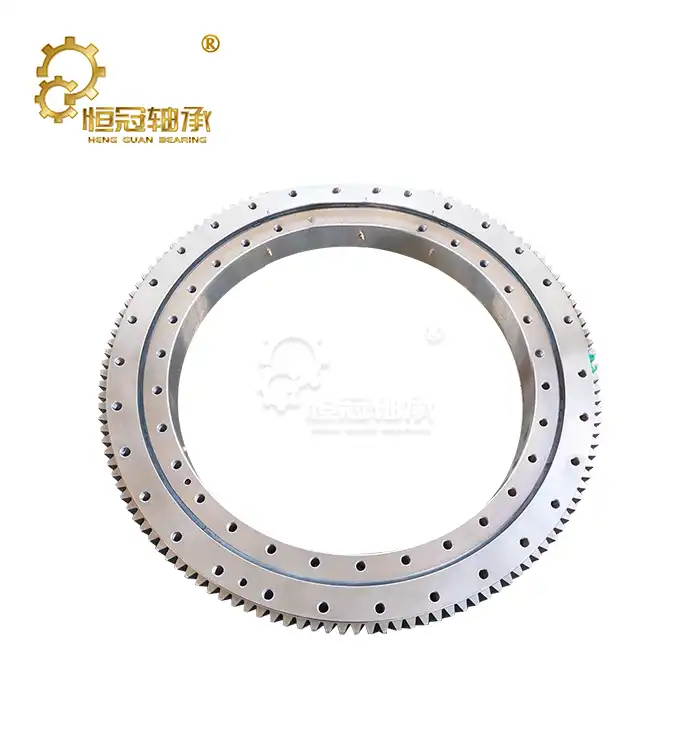
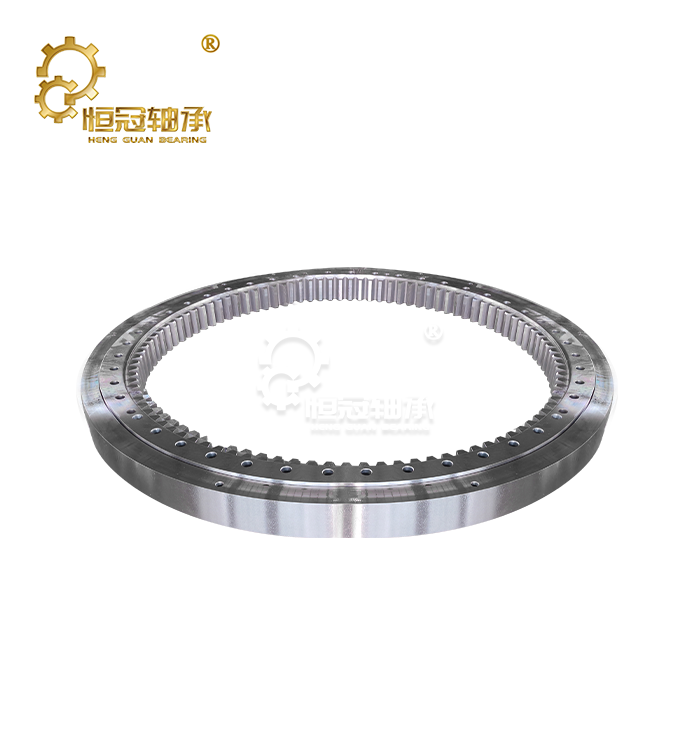
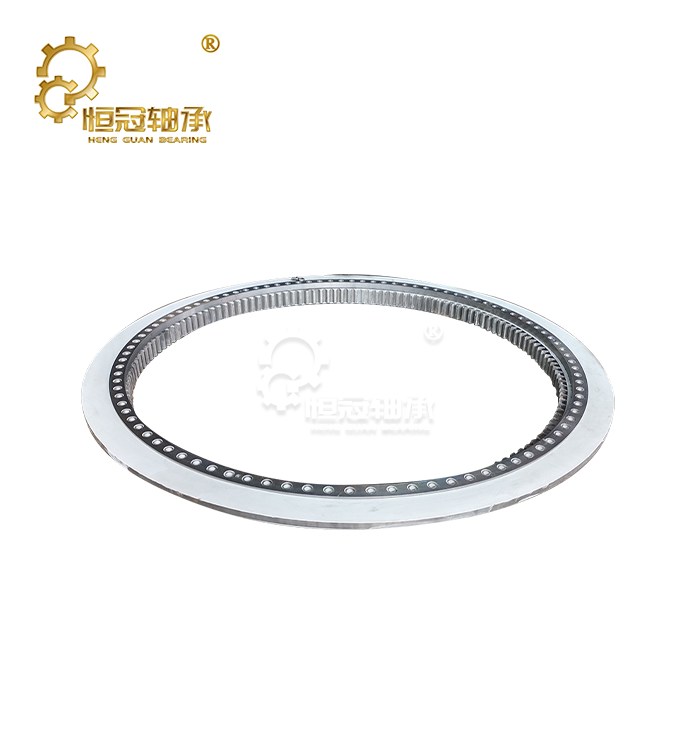
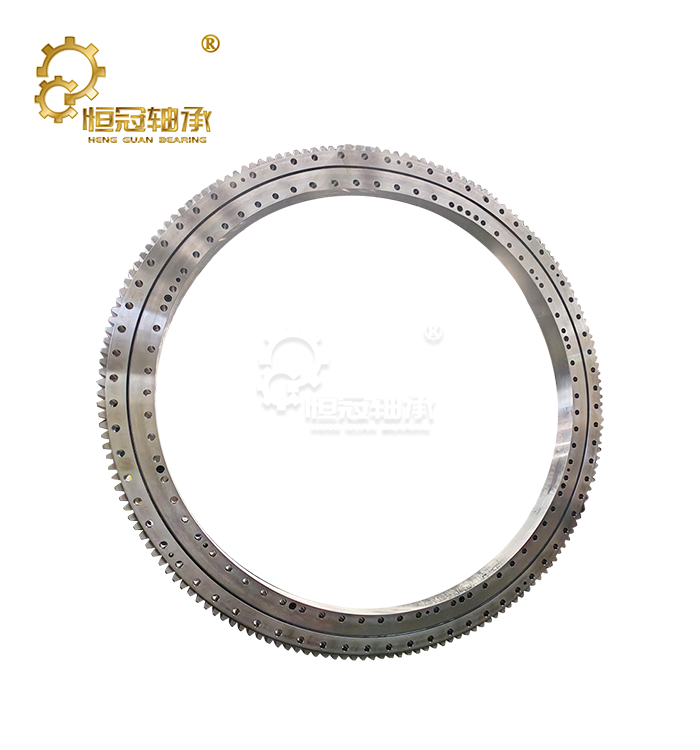
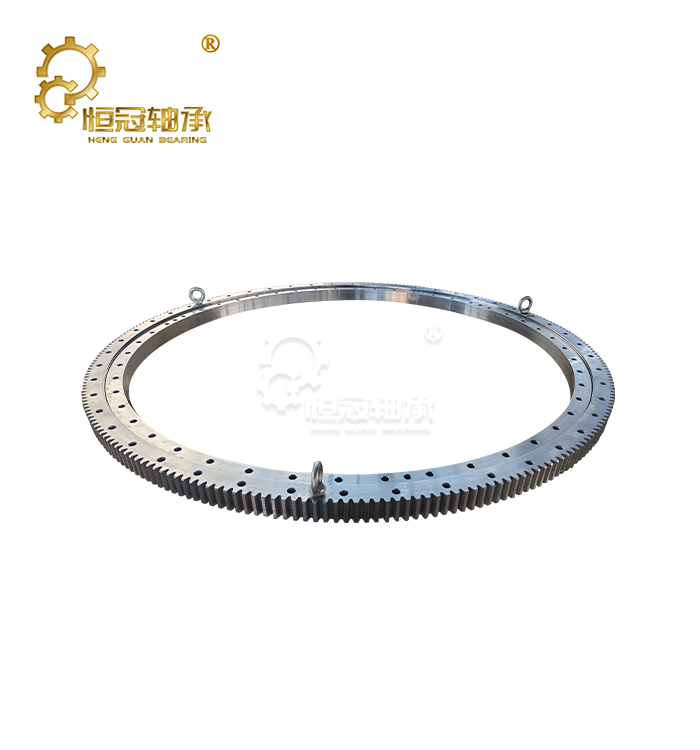
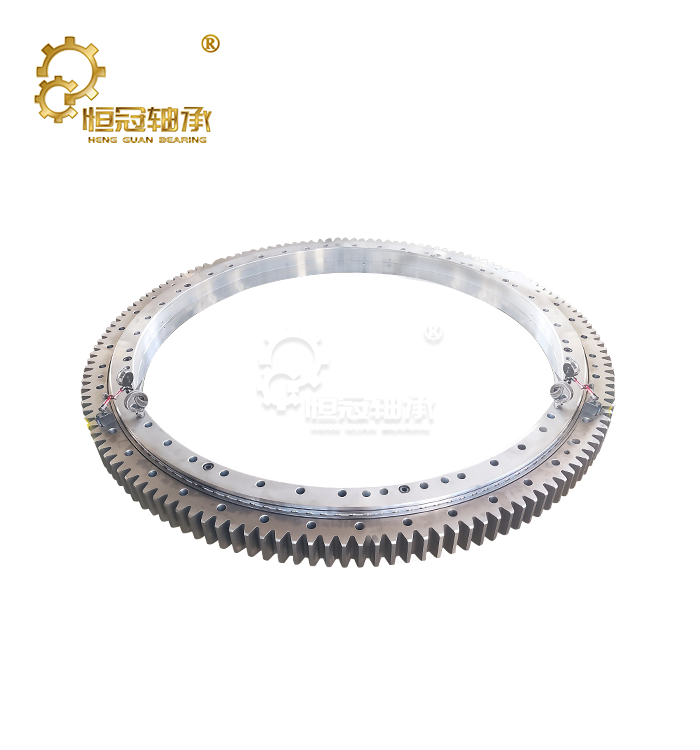
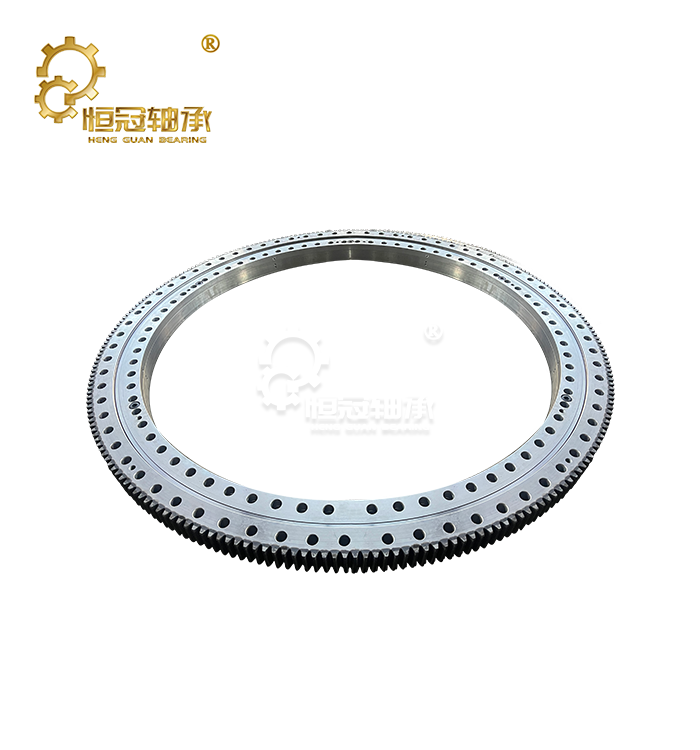
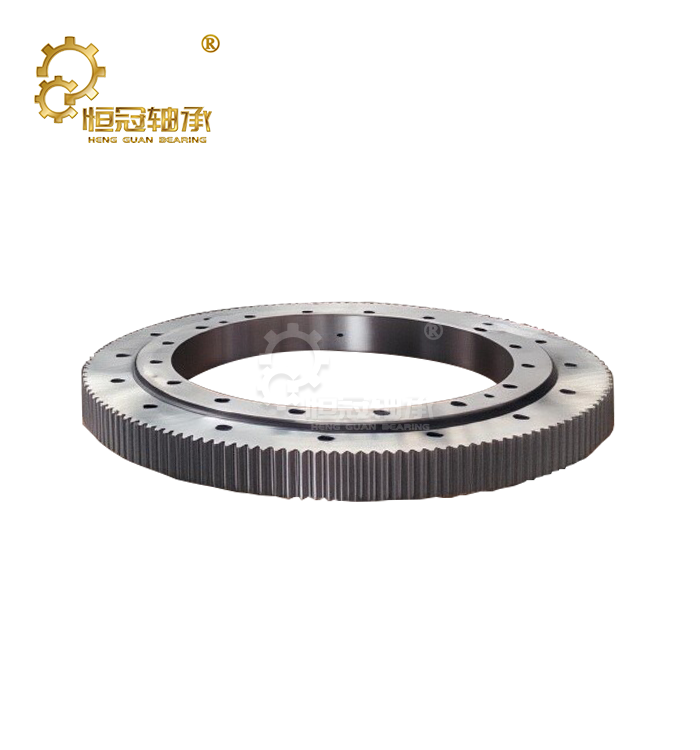
To keep your excavator's swing bearing from breaking, you should first know that the Excavator Slewing Bearing is an important moving part that connects the machine's upper frame to its chassis. During every operating cycle, this part has to deal with huge axial, radial, and rotational forces. To avoid damage effectively, you need to choose the right type of bearing, such as a single-row four-point contact ball, a double-row ball, or a triple-row roller design, as well as follow the right installation methods and strict maintenance schedules. You can greatly increase the life of bearings and reduce costly breaks in mining and building by planning when to lubricate them, keeping an eye on how they're wearing, and taking care of environmental problems like dust contamination.

Understanding Excavator Slewing Bearing Failure
The turning device on your excavator that lets it move in all directions depends on the structural stability of its Excavator Slewing Bearing. Your whole business will be affected when this part starts to break down, which will lower output and profits.
Fundamental Function and Operational Role
For an excavator to move, the swing bearing is very important. It supports the whole weight of the top frame, boom, and digger arm. When the machine is working normally, this part handles complicated load combinations that change all the time as it digs, lifts, and moves things. The inner and outer rings of the bearing, along with carefully designed rolling elements, work together to make spinning smooth and spread forces evenly across the raceway surfaces. Knowing this basic role helps you understand why even small wear and tear can cause big problems with how things work.
Early Warning Signs of Bearing Deterioration
Early detection of failure signs keeps you from having to pay for expensive fixes in an emergency. Grinding or clicking sounds that happen when something is turning over often mean that the surface of the rolling elements has become damaged or that the grease has worn away. When there is too much shaking in the operator's cab, it means that the load isn't being distributed evenly or that the raceways are worn. If you look closely, you might see cracks in the bearing rings, rust on the metal surfaces, or seals that are leaking and letting dirt into the bearing assembly. If spinning actions are slow or jerky, it means that debris has gotten in the way of smooth operation or that the structure has been deformed.
Common Triggering Factors
Several things can cause big equipment bearings to fail before they should. A major cause is still bad fitting, especially when mounting bolts are not tightened to the manufacturer's specs or when mating surfaces are not lined up properly. When you overload the excavator beyond its stated capacity, you put too much stress on the bearings, which speeds up wear and could lead to severe cracks. Dust, moisture, and temperature changes that are too high or too low can be hard on even the strongest bearing designs on building and mine sites. When you don't lubricate something properly, either because you don't do it often enough or because you use the wrong type of grease, metals can touch and damage precision surfaces very quickly.
Root Cause Analysis of Excavator Slewing Bearing Failures
To figure out why bearings fail, you have to look at how the many mechanical, maintenance, and external factors that affect how long an Excavator Slewing Bearing lasts interact with each other.
Mechanical and Structural Factors
Specification mismatches cause problems right away when the choice of bearing doesn't match up with the needs of the process. A swing bearing made for a regular digger will break down early if it is put on heavy-duty mining equipment that is constantly hit hard. Uneven load distribution happens when the steel frame holding the bearing isn't stiff enough, letting it deform elastically and wobble while it's working. Because of this construction flaw, stress is concentrated on small parts of the raceway instead of being spread out widely around the outside. Another mechanical problem is that bolts can come free. This happens when vibrations slowly lower the preload, allowing movement between the bearing and fastening surfaces. This speeds up wear and can cause a catastrophic failure.
Lubrication and Maintenance Deficiencies
The amount and quality of lubrication directly affect how long bearings last in machines that spin. When there isn't enough grease, there is more friction between the moving elements and the raceways. This creates heat that breaks down the leftover grease and speeds up surface wear. When a lubricant is contaminated, it releases abrasive particles that work like a grinding compound to make holes and lines in surfaces that have been precisely carved. Bearings work in border lubrication conditions, where protective films break down, when maintenance times are longer than what the maker recommends. Using grease types that don't work well together can lead to chemical reactions that harden or split lubricant parts, taking away their protective qualities.
Environmental and Operational Challenges
Construction and mine sites are very rough places that put bearing longevity limits to the test. Dust and mud in the air can get into sealing systems, especially when seals are worn or broken, letting in contaminants that make spinning less smooth. Changes in temperature cause cycles of expansion and contraction that change gaps and can make seals less effective. Shock loads from dropping heavy things or hitting solid objects while digging send impact forces through the frame and into the bearing assembly. This could damage the raceways or break the rolling elements. Operating for a long time in these tough conditions without increasing the frequency of repair will surely speed up wear and tear.
Proven Principles and Best Practices to Prevent Slewing Bearing Failure
To avoid problems strategically, you need to choose high-quality parts and follow strict installation and upkeep procedures that keep your investment safe for as long as it lasts. The use of a high-quality Excavator Slewing Bearing ensures the machine can handle demanding axial and radial loads.
Selecting Appropriate Bearing Type and Quality
Instead of just picking the cheapest choice, the bearings you choose should meet the needs of the specific purpose. Standard excavators that work in mild conditions can use single-row four-point contact ball bearings, which have a small footprint and enough load capacity. Double-row ball designs can hold more weight, which is useful for medium- to large tools that are under a lot of stress at work. Triple-row roller bearings give very large mining machines the best load-bearing capacity for situations where high forces need extra-strong structures. Choosing the right materials is very important. Base rings made of 42CrMo or 50Mn special alloy steel are very resistant to wear, and GCr15SiMn high-purity bearing steel rolling elements make sure they are as hard and durable as possible.
Installation Best Practices
When something is installed correctly, it sets the stage for a long-lasting life. It is necessary for the bearing and mounting surfaces to be perfectly lined up. This means that the matching surfaces must be flat, clean, and parallel to the turning axis. Tightening a bolt follows a certain order and torque standard that is meant to spread the clamping force evenly around the diameter and stop stress from building up in one place. Technician training is what separates a good installation from an expensive mistake. Skilled installers can spot small alignment problems and know how the surroundings affect the installation process.
Comprehensive Maintenance Protocols
Small problems don't turn into big fails when you do scheduled maintenance. Lubrication schedules rely on the conditions of the job. Applications in harsh settings need to be oiled more often than applications in clean indoor areas. Standard advice says to grease every 250 to 500 hours of use, but if it's dirty or wet, you may only need to grease it every 100 hours. During each cleaning cycle, enough new grease should be added to get rid of any contaminants. However, too much grease can cause too much pressure to build up and the seal to fail.
Comparative Insights for Procurement Managers: Choosing the Optimal Slewing Bearing
When making a purchase choice, you have to weigh a lot of things, like the original cost, the expected service life, the supplier's support capabilities, and the total cost of ownership of the Excavator Slewing Bearing.
Material Grades and Performance Characteristics
The choice of base material affects the cost, power, and longevity of the bearing. The 42CrMo alloy steel we use for our bearing rings is very tough and doesn't wear down easily. This is because it is made of chromium and molybdenum, which makes it easier to harden and stronger when hit. The 50Mn special alloy steel has a high resistance to wear and is perfect for uses where abrasive pollution is a worry. By inducing hardening to HRC 55–60 at depths of 2.5–5 mm, these materials get a hardened top layer that doesn't wear down and a tough core that can handle shock loads.
Coating technologies make things last longer in settings that are toxic. Specialized surface treatments protect against water and chemicals, which is especially helpful for equipment that works near the coast or with acidic materials. Seal materials should also be considered. Imported nitrile rubber is a good standard choice for security, while fluororubber is better at withstanding high and low temperatures and chemicals.
Precision Levels and Application Requirements
The accuracy and smoothness of spinning are directly related to how precise the bearing is. The P0 grade means that the precision is normal and good enough for most building equipment uses, where moderate rotational accuracy is enough. The P6 grade has tighter standards that lower friction and make operations run more smoothly in tough situations. P5 and P4 grades offer the high precision that is needed for specialized equipment that needs very little runout and very accurate spinning. The accuracy grade you choose should meet the real needs of the operation, since too tight tolerances cost more without helping the operation.
Evaluating Supplier Capabilities
In addition to product specs, when choosing a provider, you should also look at their ability to manufacture, their quality systems, and their support services. The fact that manufacturers give widths from 500 mm to 5000 mm and even larger shows that they have the tools and know-how to meet a wide range of needs. Customization is important when your application needs non-standard sizes or shapes that aren't offered as catalog items. Companies with focused research and development (R&D) teams can help with engineering that makes the design of bearings work best for certain practical problems.
Quality standards, such as ISO 9001 and RoHS compliance, show that a company takes a planned approach to controlling production and being environmentally friendly. Products are tested to make sure they meet standards before they are shipped. Testing options include measuring dimensions and analyzing vibrations. Experience with global service shows that you can understand different program needs and help in a variety of operating settings.
Cost-Benefit Analysis Considerations
The initial buying price is only one part of the total cost of owning. Longer service lives mean that parts don't have to be replaced as often, which cuts down on both the cost of the parts and the high costs that come with having to shut down equipment for changeouts. Better sealing systems and corrosion protection cut down on the amount of upkeep that needs to be done, which saves money on work and extends the time between service visits. Risk exposure when problems do happen depends on the terms of the warranty and how quickly the source responds.
When you buy in bulk or work with an original equipment manufacturer (OEM), you can often get better prices and make sure that the supply of parts matches your production plans. We keep standard setups in stock so that we can deliver quickly. We also offer flexible ways to work together that can work for both small test orders and large production runs. Our tech team helps you make the right choice and helps with the fitting, so you get the best performance right away.

Maintenance Strategies for Maximizing Excavator Slewing Bearing Lifespan
Disciplined upkeep practices protect your capital investment while keeping operations running, which has a direct effect on the longevity of the Excavator Slewing Bearing and your profits.
Routine Preventive Maintenance Checklist
Setting up regular repair schedules is the first step to making sure that bearings work reliably. During each repair time, your checklist should cover a number of important areas. The lubrication instructions should say what kind of grease to use, how much to use, and where to put it so that it covers the whole bearing system. Cleaning procedures get rid of buildups of dirt and grime on sealing surfaces and other exterior surfaces that could let dirt into the bearing while it's running. Verifying the pressure of bolts stops them from moving, which can cause movement and faster wear. Visual assessment records the state of the surface, the stability of the seal, and the condition of the structure.
Advanced Diagnostic Tools
Condition-based repair methods that make the best use of service time are made possible by modern diagnostic technologies. Vibration analysis finds problems before they get worse by looking for patterns in the frequencies that happen over and over again. These patterns show specific types of failure, such as defective bearings, misalignment, or instability. Portable vibration testers let people in the field collect data while their jobs are being done by comparing current readings to standard measures and warning levels that have already been set. This data's trend over time shows that it is slowly getting worse, which means that the part is getting close to the end of its useful life.
Training and Tool Requirements
For repair to work well, the people who do it need to be properly trained and have the right tools and knowledge. As part of their training, technicians should learn the basics of bearings, how to properly lubricate them, how to do inspections, and how to use diagnostic tools. Knowing how bearings work and why certain maintenance steps are important makes people more likely to follow the rules and helps staff spot odd situations that need the attention of engineers.
Replacement Planning and Supplier Partnerships
All mechanical parts eventually reach the end of their useful life and need to be replaced. Planning ahead for replacements makes sure that parts are available when they're needed and that installation can happen during planned breaks instead of having to wait for emergencies to happen. Using the testing methods we've talked about to keep an eye on the health of bearings, let replacement decisions be based on data, not on random replacement times.
Conclusion
To keep excavators' swing bearings from breaking, you need to do a lot of things, like choose the right parts, install them correctly, and do regular maintenance on the Excavator Slewing Bearing. If you know the mechanical and environmental reasons that cause bearings to wear out, you can take steps to keep them from wearing out and greatly increase their service life. Reliable performance is built on high-quality materials, the right exact grades, and strong design features. Regular lubrication, systematic inspection, and advanced diagnostics will protect your investment throughout its operating life. Working with seasoned makers that offer technical help, customization options, and quick service will make sure you have everything you need to keep your equipment running at its best while keeping the total cost of ownership as low as possible.
|
|


FAQ
How often should excavator swing bearings be inspected?
How often you inspect relies on how the equipment is used and how it is being used. For moderate-duty uses, standard advice says that full inspections should be done every 500 hours of use, and visual checks and basic function tests should be done once a week. Environments that are harsh and have a lot of dust, extreme weather, or a lot of work to do need more regular attention, maybe even every 100 to 250 hours. During each checkup, listen for any strange noises or vibrations while the unit is turning, make sure the seals are intact, check the strength of the mounting bolts, and look for any damage or leaks that you can see.
What causes excessive wear in slewing bearings?
Several things speed up the wear on bearings beyond what is expected for normal use. When grease isn't enough or is dirty, metals can touch and damage each other quickly, ruining precise surfaces. Overloading beyond the stated capacity causes stress levels that are too high for the material to handle. When bolts are misaligned or torqued too much, they can cause uneven load distribution and stress buildup in certain areas. When dust and water get into the environment, they release abrasive particles that act as a grinding substance. When you use loose fastening nuts, they can move, which speeds up wear. Taking these things into account through proper selection, installation, and care greatly increases the service life of bearings.
Partner with Heng Guan for Superior Swing Bearing Solutions
Reliable digger performance starts with high-quality parts that are backed by technical know-how and quick customer service. Being an experienced company that makes Excavator Slewing Bearing, Heng Guan has been making these bearings for over 20 years and can make them exactly how you need them for your operations. At our Luoyang factory, we make precision-grade P0 through P4 swing bearings with diameters ranging from 500mm to 10,000mm. These are made from luxury 42CrMo and 50Mn alloy steels with GCr15SiMn rolling elements. Our 50-person research and development (R&D) team can help you with advice and technical support to make sure you get the best performance, whether you need standard settings delivered quickly or solutions that are specifically designed for your needs. Email us at mia@hgb-bearing.com to talk about your needs and get specific information that fits your tools and how it is used.
References
1. Bearing Technology and Design for Heavy Equipment Applications, Journal of Mechanical Engineering Science, Vol. 234(8), 2020.
2. Maintenance Best Practices for Construction and Mining Equipment, Society of Tribologists and Lubrication Engineers Technical Report, 2021.
3. Failure Analysis of Large Diameter Slewing Bearings in Extreme Operating Conditions, International Journal of Fatigue, Vol. 156, 2022.
4. Advanced Materials and Heat Treatment Processes for High-Performance Bearings, Materials Science and Engineering Conference Proceedings, 2021.
5. Predictive Maintenance Technologies for Rotating Equipment in Heavy Industry, Reliability Engineering & System Safety Journal, Vol. 215, 2021.
6. Quality Management Systems and Manufacturing Excellence in the Global Bearing Industry, International Standards Organization Technical Committee Publications, 2020.

WHAT OUR CUSTOMERS SAY
Here is the customer's evaluation of us