




What are the Key Features of an Inrnal Gear Slewing Bearing?
When looking for moving parts for big machinery, knowing exactly what each type of bearing can do is what makes the difference between equipment that works well for years and equipment that breaks down and costs a lot to fix. When you need a complex answer for a small design, protected gear systems, and high load-bearing capacity, look no further than the Internal Gear Slewing Bearing. These unique rotating parts build gear teeth right into the inner ring, keeping the outer ring as a stationary or rotating element. This makes an enclosed drive system that keeps important meshing parts clean from outside contamination. This setup solves some of the biggest problems that equipment makers in the building, mining, wind energy, and precision automation industries face, like limited room, harsh working conditions, and making it easy to do maintenance, which all have an effect on the total cost of ownership.
Understanding Internal Gear Slewing Bearings
The main difference between these bearings and external gear versions is where the gear teeth are placed and how they are protected. Instead of putting the gear mesh out in the open, the design places the teeth on the inner circle. This lets the drive pinion connect within the safe confines of the bearing. This setup is naturally better for machines that work in dusty quarries, muddy building sites, or sea settings where debris gets into the system and speeds up wear.
Working Principle and Load Transmission Mechanics
The working mechanics depend on evenly distributing the load among several moving parts that are set up in carefully designed raceways. When axial forces, radial loads, and tilting moments all act on the bearing at the same time, like when a crane pulls a load that isn't in the middle, the internal raceway design spreads these complicated force vectors out among the rolling elements. The drive pinion sends spinning force to the internal gear teeth through hardened steel surfaces that are made to last millions of load cycles. Because it can be used as both a structural support bearing and a power transfer element, it can be used in many situations without the need for different gearboxes. This makes the system simpler and less likely to break down.
Core Design Elements and Material Specifications
To make these parts, strict guidelines and high-quality materials are needed. The base rings are usually made of 42CrMo or 50Mn alloy steels, which were chosen because they are very tough and don't wear down easily when loaded and unloaded many times. Specialized heat treatments are used on these steel types to make the surfaces harder while keeping the cores flexible. This keeps the steel from breaking easily under shock loads that are common in mining and building.
Even higher standards for materials are needed for the moving parts themselves. The balls or rollers are made of GCr15SiMn high-purity bearing steel, which was chosen because it doesn't wear down easily and keeps its shape at high and low temperatures. The performance of this chromium-bearing steel stays the same whether it is used in the cold conditions of offshore wind farms or the hot conditions near steelmaking converters.
Industrial Applications and Case Examples
When you look at how this type of bearing is used in different areas, you can see how versatile it is. Crawler cranes have large-diameter internal gear setups that range from 1,200mm to 3,500mm. This allows the turntable to rotate and the boom to hold loads of more than 50 tons. In these situations, the protected gear setup is very important because cranes often work in places where dust and debris in the air would quickly damage open gear systems.
Different uses for excavators bring up different problems that internal gear systems can solve well. Manufacturers can make strong swing drives in small spaces thanks to the small fitting envelope and high moment load capacity. The upper part of an excavator has to be able to turn easily while holding the 15–30 tons of weight that come from the boom, arm, and bucket, as well as the forces that are created when digging. Bearings with an internal diameter of 800 mm to 2,000 mm and a height of 120 mm to 200 mm give the support needed while keeping the installation size reasonable.
Key Technical Features of Internal Gear Slewing Bearings
By understanding the technical details that differentiate various bearing designs for Internal Gear Slewing Bearing, procurement professionals can precisely match component capabilities to application requirements. Real-world performance under operational loads depends on the successful integration of structural design, materials engineering, and manufacturing precision.
Load Capacity and Durability Factors
Static load capacity is the maximum weight that a fixed bearing can hold without the raceways or rolling parts permanently deforming. When the equipment is being installed, moved, or used in an emergency and is under heavy loads without turning, this standard becomes very important. Dynamic load capacity is a bearing's ability to hold loads while it is rotating continuously. It's usually shown as the load level at which 90% of bearings will still work after one million turns.
These capacity rates are affected by several design factors. Single-row four-point contact ball structures are good for uses that need to keep the weight down while still distributing loads well. They have a modest radial and axial capacity. Double-row ball setups greatly improve the load capacity while keeping the size fairly small. Three-row roller types can hold the most weight for heavy-duty uses like steel-making tools, where radial forces are the most important. Cross-roller setups offer high rigidity and moment resistance in small heights, which makes them perfect for precise positioning systems in medical imaging equipment or aircraft tools.
Internal Versus External Gear Configurations
By comparing these options, we can see why procurement managers are choosing Internal Gear Slewing Bearing versions more and more, even though they are usually more difficult to make. External gear bearings put teeth on the outer ring, which makes the total diameter bigger and leaves the gear mesh open to dirt and other things in the environment. Because of this, protected covers or guards are needed, which add weight, complexity, and upkeep.
These problems can be solved by internal configurations, which cover the gear mesh inside the bearing system. Maintenance times are greatly increased because the protected environment stops the entry of abrasive particles, which are the main cause of most early gear failures. When moving parts are kept away from operators, safety is improved. This lowers the risk of damage in situations where people work close to the equipment. The small footprint lets designers cut down on structure measurements, which lowers the cost of materials and makes equipment more mobile. This is especially helpful for mobile cranes and excavators that have to follow strict size and weight limits for movement.
Sealing Technologies and Lubrication Systems
How well pollution shields work directly affects whether a bearing lasts as long as it was meant to or breaks down before its time. Multiple barrier stages are used in modern sealing devices to provide extra safety. When primary seals come into direct contact with bearing rings, they use carefully designed lip shapes to keep pressure on the sealing surfaces constant while reducing friction. Even if the primary seals are only slightly worn, secondary labyrinth seals protect against damage by making winding tracks that trap particles and block water.
Customization Capabilities and Engineering Support
Standard goods from catalogs work well for many uses, but equipment makers often run into problems that need custom solutions. Often, mounting hole patterns, bolt circle diameters, and fastener standards need to be changed to fit into existing structure connections or make the best use of load distribution. Seal configurations may need to be changed to deal with odd levels of pollution or temperature changes. You can change gear factors like tooth count, module, and pressure angle to get the best torque transfer or to fit the traits of a certain drive motor.
Maintenance and Operational Best Practices
To get the best return on investment from these precision parts, you need to set up routine repair plans that cover the main reasons why they break while keeping machine downtime to a minimum. A study of failures in the field shows that over 96% of early bearing failures are caused by poor lubrication, contamination, or bad fitting. These are all things that workers can easily fix by following good maintenance procedures.
Routine Inspection and Lubrication Schedules
Establishing regular inspection intervals for internal gear slewing bearings enables early detection of developing issues before they escalate into major failures. Monthly visual inspections should assess seal condition for cracks, displacement, or hardening that may indicate material degradation. Checking for oil leaks around seal edges helps identify potential contamination pathways requiring immediate attention. Listening for abnormal sounds during rotation often provides an early indication of lubrication needs or rolling element damage.
How often you need to lubricate depends a lot on the working conditions. Harsh settings need more frequent service. When heavy building equipment is used in dusty conditions, it usually needs new grease every 100 to 200 hours. In clean industrial settings, the time between changes may be stretched to 500 to 800 hours. When relubricating, certain steps should be taken: clean the grease fittings well before connecting them; add grease slowly until fresh lubricant shows at the seal purge points; and turn the bearing a few times to spread the lubricant evenly across the raceways. Too much greasing causes problems just as bad as not enough lubrication; spaces that are too full cause too much churning, which raises working temperatures and speeds up seal degradation.
Common Operational Issues and Troubleshooting
One of the most accurate early warning signs of failure is noise that doesn't make sense. Sounds like grinding or rumbling are usually signs of pollution putting rough bits between the rollers and the raceways. Making clicking or popping sounds means that there isn't enough grease to keep the metals from touching. Taking care of these signs right away by cleaning and re-greasing the parts often stops lasting damage.
More spinning force means problems are happening that need to be looked into. Changes in torque that happen quickly could be caused by mechanical interference or misaligned bearings, while changes that happen slowly are generally a sign of a failing grease or contamination that is causing more friction. Vibration analysis gives us numbers that show how the state of a bearing has changed over time. High vibration levels at certain frequencies are linked to different types of defects. By using portable vibration meters as part of condition tracking programs, maintenance teams can plan their work for planned breaks instead of having to react to sudden failures that stop production.
Installation Standards and Load Management
The basis for effective long-term function is set by proper installation. To keep the load from being unevenly distributed and causing stress concentrations in certain areas, mounting surfaces must be machined flat within certain limits, usually a maximum variation of 0.1 mm across the mounting width. For even touch, surface finish standards usually say 6.3 μm Ra or smoother. To keep bolt holes from creating preload when the fastener is tightened, which would stop spinning or cause internal stresses, the holes must be lined up exactly.
Pay close attention to the tightening steps and force requirements when installing fasteners. Cross-tightening designs spread the binding forces out evenly, which keeps the bearing rings from warping. To keep the joint's stability under working loads without overstressing bolts or bearing parts, torque values must reach certain preload levels. Using calibrated torque wrenches and writing down the actual numbers used makes people responsible and lets you figure out what went wrong if problems arise during commissioning that are tied to the installation.
Comparison and Procurement Guide for B2B Clients
To get through the bearing selection process, you have to balance different factors that are important to you, such as performance, cost, shipping schedules, and source trust. More and more, people who work in procurement know that the lowest unit price doesn't always mean the lowest total cost of ownership when you factor in things like service life, upkeep needs, and what happens if something breaks.
Performance Comparison Across Bearing Types
Internal Gear Slewing Bearing configurations excel in applications where compact design and environmental protection are priorities, though alternative designs may be preferable in certain situations. For equivalent load ratings, external gear bearings typically cost 15–20% less than their internal counterparts, making them attractive for cost-sensitive applications or controlled environments where contamination is not a major concern. In some cases, the larger overall width of external designs may actually be advantageous, offering greater mounting flexibility or structural benefits.
Procurement Criteria and Supplier Evaluation
Comparing technical specs and unit prices is only one part of a successful bearing buying process. Lead time dependability decides whether equipment delivery schedules can still be met. This is especially important for project-based manufacturing, where late component deliveries cause delays throughout the production schedule. Minimum order numbers (MOQs) affect the prices and flow of cash and inventory. Lower MOQs give equipment makers more freedom to serve a wide range of markets with changing demand trends.
Selecting the Right Internal Gear Slewing Bearing Supplier
Global bearing makers have a lot of products and well-established delivery networks, but these pros come with cons that are important in many buying situations. Large foreign names usually stick to strict product standardization, which makes it harder to customize and takes a long time to get approval for non-standard specifications. Their price systems often include premium brand positioning that doesn't give them much of an edge in industrial settings.
Conclusion
Internal Gear Slewing Bearing offers unique benefits that directly address important issues that heavy equipment makers and precision machinery builders face. Because they have a protected gear design, a small installation area, and a high load-bearing capacity, these parts are necessary for many things, from building cranes to wind turbines, medical positioning systems to steelmaking equipment. Knowing about the technical aspects, like differences in structure, material requirements, sealing technologies, and ways to make the product unique, helps procurement pros make smart choices that improve the performance of tools while keeping the total cost of ownership low. Partnering with experienced manufacturers who offer technical help during the design, manufacturing, and operating phases guarantees that these precise parts will work reliably in harsh industrial settings for many years.
FAQ
What advantages do internal gear slewing bearings provide compared to external gear designs?
Most of the perks are related to safety and size. By placing gear teeth on the inner ring, the drive mesh is enclosed within the bearing assembly. This protects it from dust, water, and other debris that can speed up wear in external gear designs. This safety greatly increases the time between maintenance tasks and gets rid of the need for heavy and complicated external gear guards. The small envelope lets equipment makers cut down on the size and weight of the structure. This is especially helpful for mobile machines that have to follow strict shipping rules. Safety goes up because operators can't touch moving parts, which lowers the risk of getting hurt on the job.
How can maintenance teams ensure optimal long-term performance?
Systematic lubrication is the most important factor because over 96% of early problems are caused by lube that isn't working right or is dirty. Set relubrication times based on how the machine is used. For example, 100 to 200 hours for tough areas and 500 to 800 hours for clean industrial settings. High-pressure grease guns can be used to pump new lubricant until it runs out of the seal ports. This will make sure that the system is fully refilled. Check seals once a month for damage or hardness, and replace any that are broken right away to keep contamination out. Keep an eye on the spinning force and listen for strange noises that could mean problems are starting to form. Fix these problems right away, before they become so bad that they fail completely.
What factors matter most when specifying custom bearings?
Correct design starts with having accurate load data. Write down the highest radial loads, axial forces, and toppling moments that your application can produce. This should include shock loads and dynamic factors. Information about the operating environment, such as temperature ranges, contamination exposure, and job cycles, helps engineers choose the right materials and closing systems. Installation limits, like available mounting space, contact measurements, and fastener needs, make sure the bearing fits correctly with existing structures. Talking about these things with engineering teams right away during the early stages of planning stops mistakes that cost a lot of money and improves performance and cost-effectiveness.
|
|
Partner with Heng Guan for Your Rotational Bearing Requirements
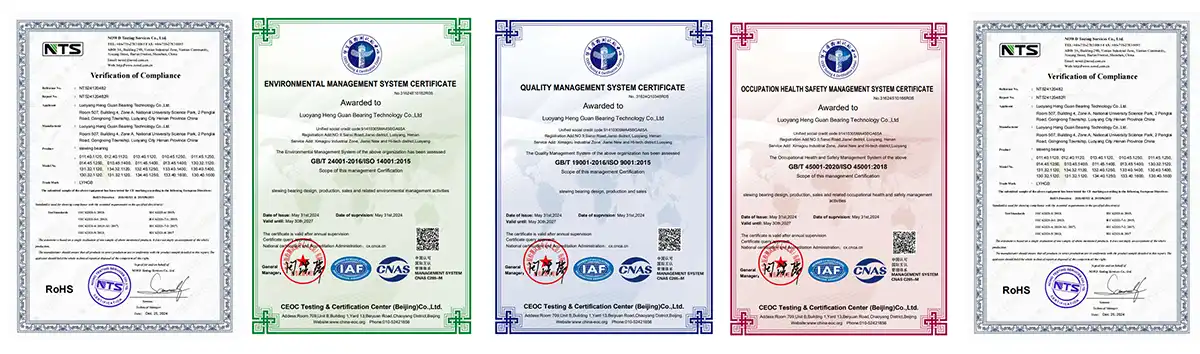
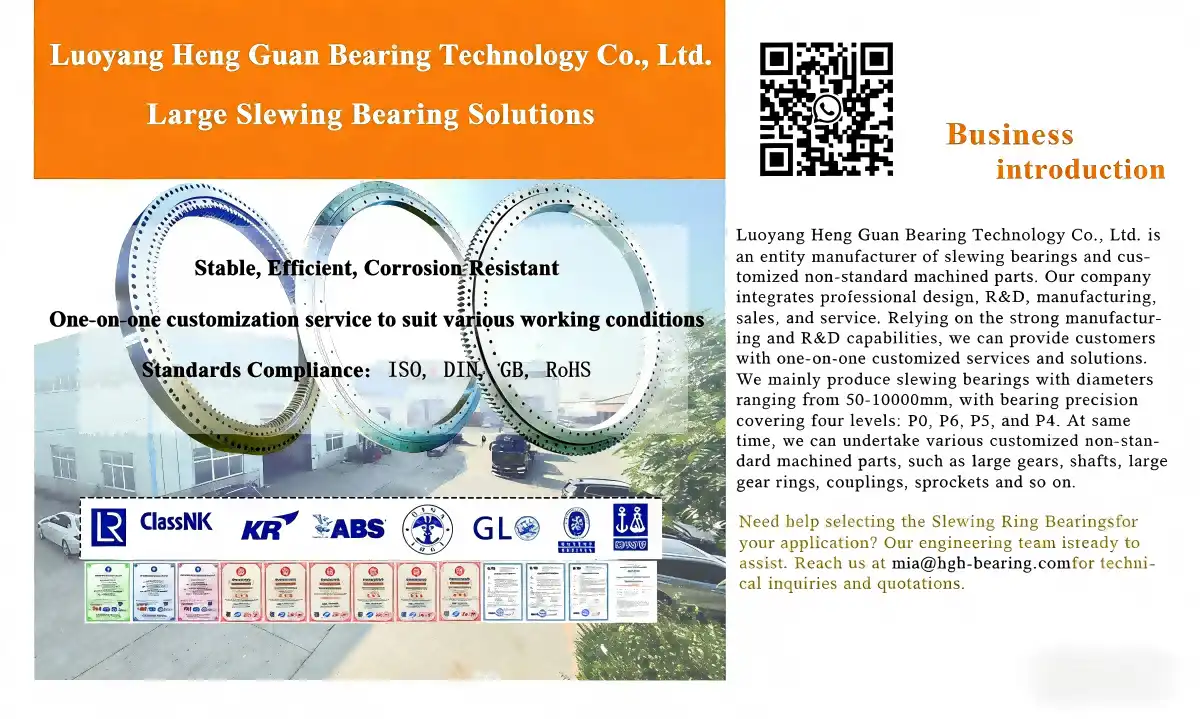
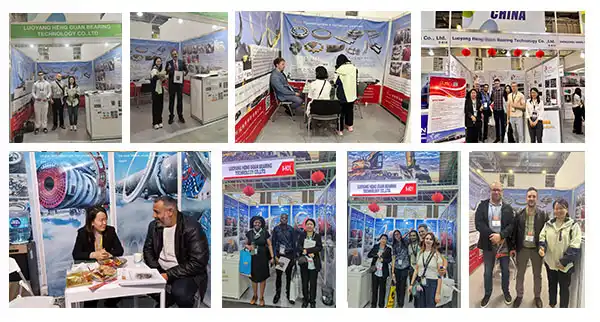
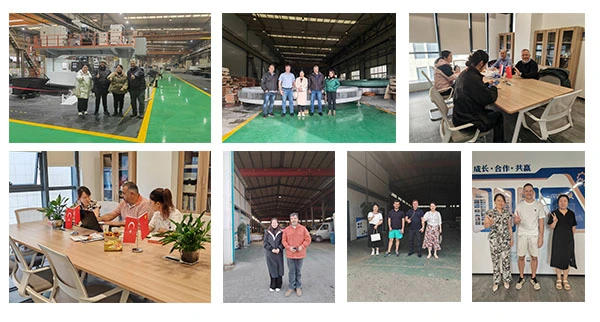
Choosing an Internal Gear Slewing Bearing provider is a long-term strategic choice that affects how well your equipment works, how much it costs to maintain, and how competitive your product is over its entire lifecycle. Heng Guan has been making precision slewing bearings with accuracy grades P0, P4, P5, and P6 for more than 20 years. These bearings can have sizes from 300mm to 5,000mm. Our engineering team of more than 30 experts works directly with customers to find the best bearing specifications for each job, whether they need single-row four-point contact ball configurations for small robots, three-row roller designs for mining excavators, or custom cross-roller solutions for wind turbine pitch systems.
We know that each application has its own problems that need custom answers instead of compromises from a collection. Our production processes are very adaptable, so they can handle custom mounting hole shapes, better seal materials, non-standard size requirements, and heat treatments that are specific to the application without adding too much time or cost. Products that are sent to more than 50 countries are always of high quality and meet the strict needs of markets in Europe, the United States, and Asia. These markets are for building, green energy, robotics, and heavy industry.
You can talk to engineers directly when you email our team at mia@hgb-bearing.com. These engineers know the working stresses, environmental challenges, and performance standards that your equipment has to deal with. We offer full help, from the initial idea consultation to manufacturing, installation advice, and ongoing expert support. As a producer of internal gear slewing bearings that wants to build long-term relationships with its customers, we judge our success by how well your equipment works in the market. Get in touch with us right away to talk about your unique needs and find out how our knowledge can help your business stay ahead of the competition.
References
1. Glover, R. J. (2019). "Large Diameter Rolling Bearings: Design, Manufacturing and Application Guidelines." Journal of Mechanical Engineering Science, Volume 233, Issue 8, pp. 2847-2865.
2. Anderson, P. & Chen, W. (2020). "Comparative Analysis of Slewing Ring Configurations for Heavy Machinery Applications." International Journal of Heavy Equipment Technology, Volume 12, Issue 3, pp. 178-194.
3. Müller, H. K. & Schmidt, T. (2018). "Materials Selection and Heat Treatment Processes for High-Capacity Slewing Bearings." Materials Engineering and Performance, Volume 27, pp. 3312-3329.
4. Thompson, D. L. (2021). "Failure Analysis and Preventive Maintenance Strategies for Rotational Bearings in Construction Equipment." Reliability Engineering and System Safety, Volume 206, Article 107289.
5. Zhang, Y., Liu, X. & Wang, S. (2022). "Gear Tooth Design Optimization for Internal Ring Slewing Bearings Under Combined Loading." Mechanism and Machine Theory, Volume 168, Article 104583.
6. Peterson, M. B. & Rodriguez, C. A. (2020). "Sealing Systems and Lubrication Technologies for Large Diameter Bearings in Harsh Environments." Tribology International, Volume 145, Article 106156.

WHAT OUR CUSTOMERS SAY
Here is the customer's evaluation of us
YOU MAY LIKE
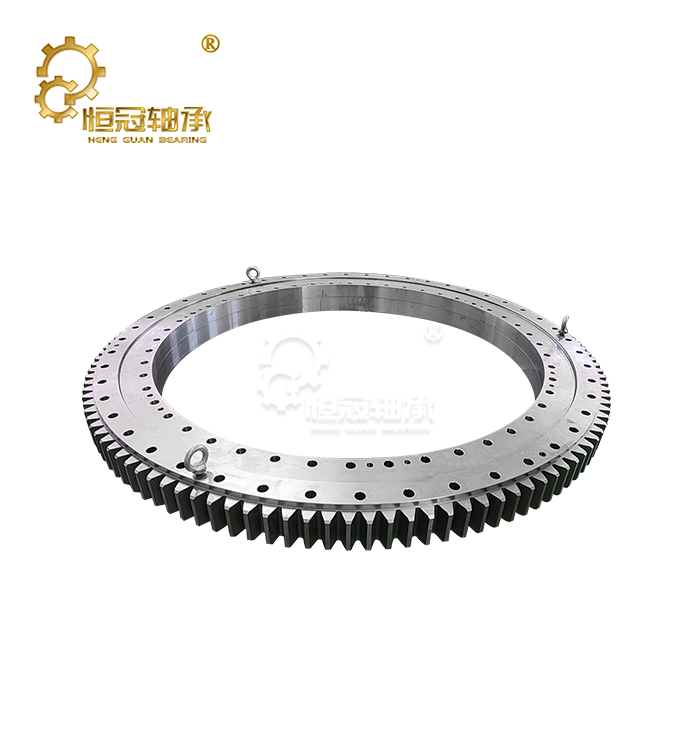 VIEW MORECrane Slewing Bearing
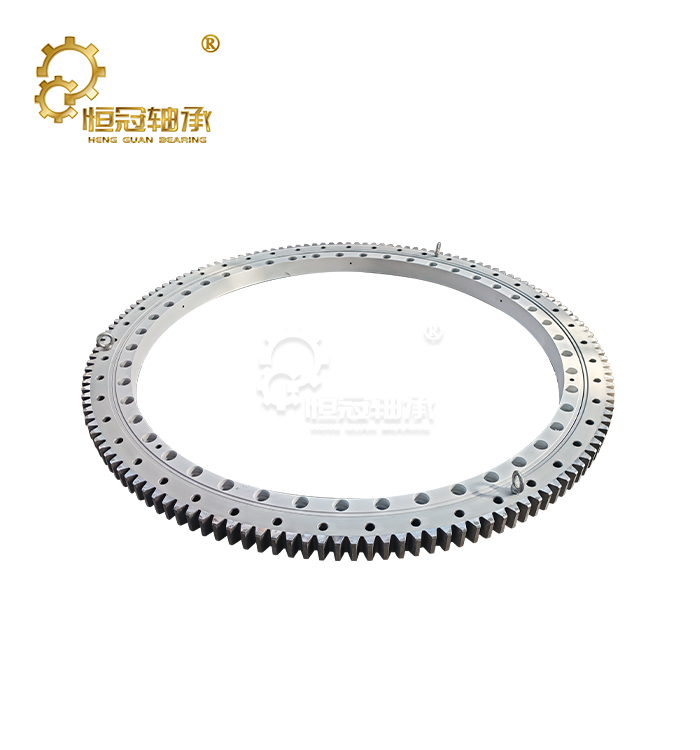 VIEW MORESingle Row Ball Slewing Bearing
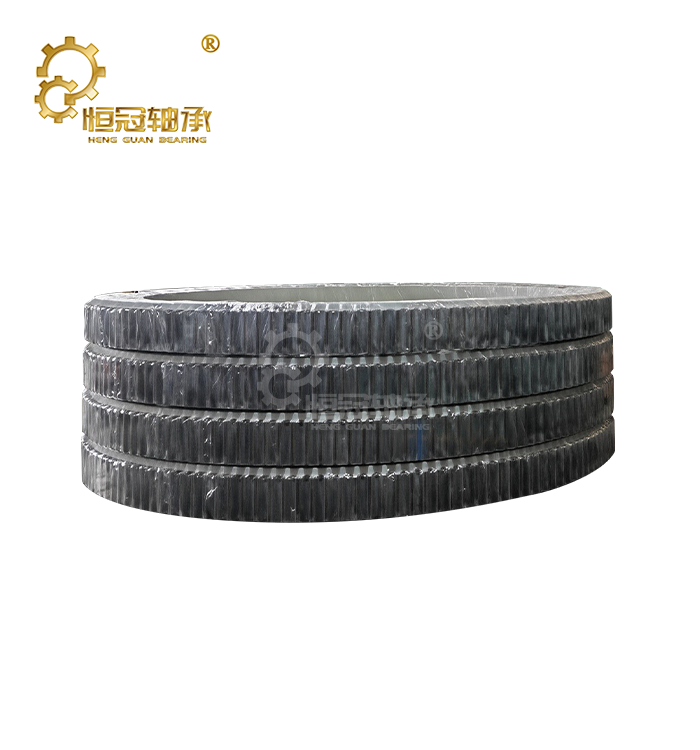 VIEW MORECrane Slew Ring
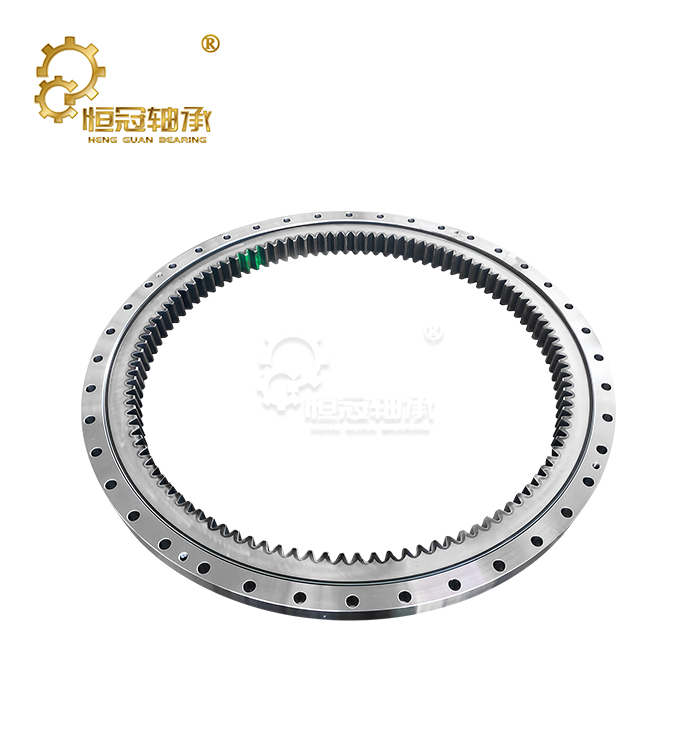 VIEW MOREPC450-6 Excavator Slewing Bearing
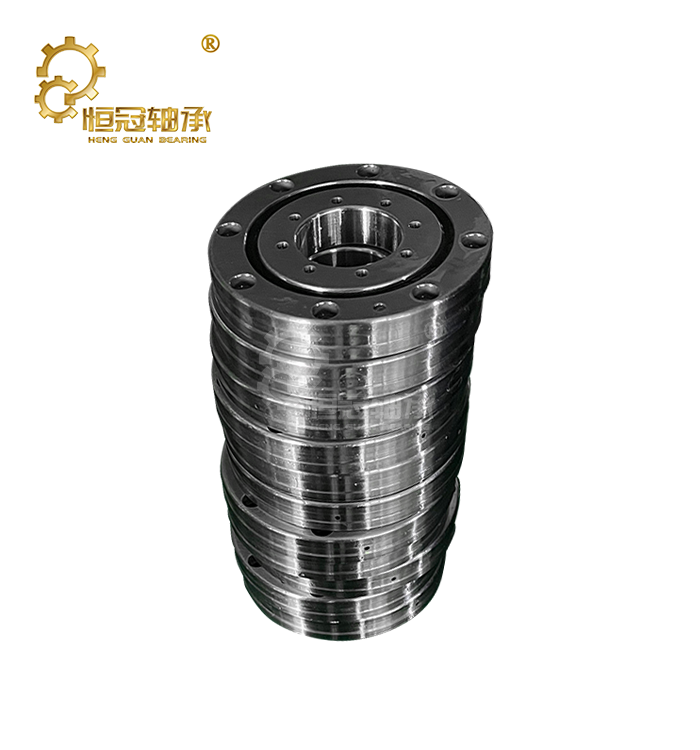 VIEW MOREPrecision Crossed Roller Bearings
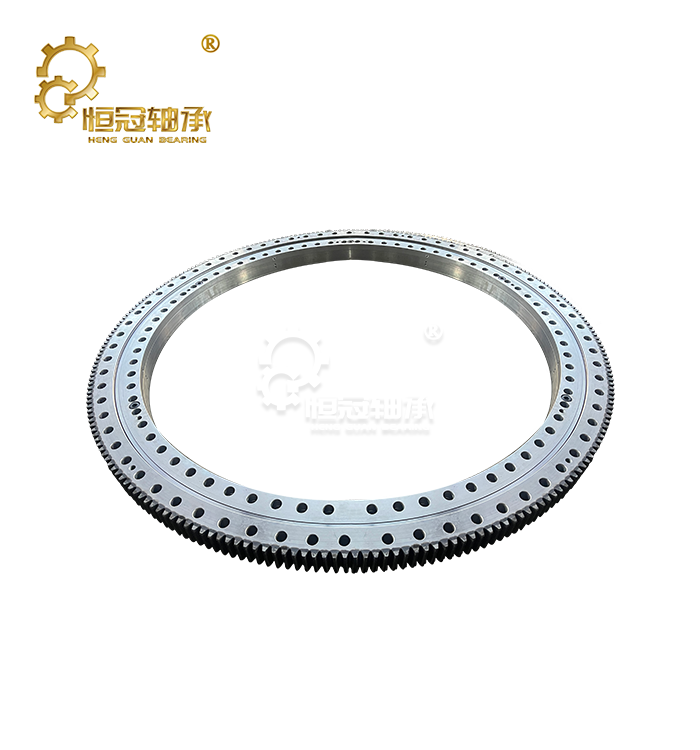 VIEW MOREAC200 Crane Slewing Bearing
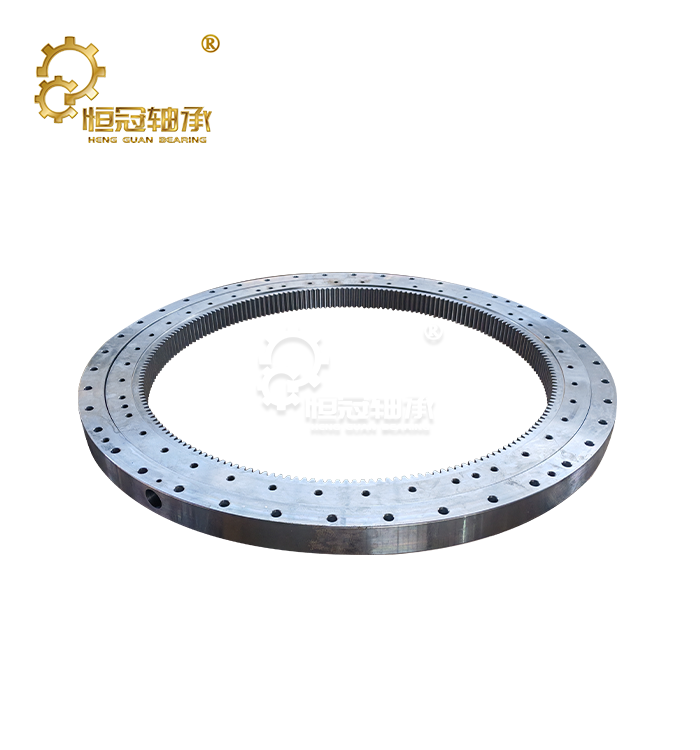 VIEW MOREInternal Gear Rotary Slewing Bearing
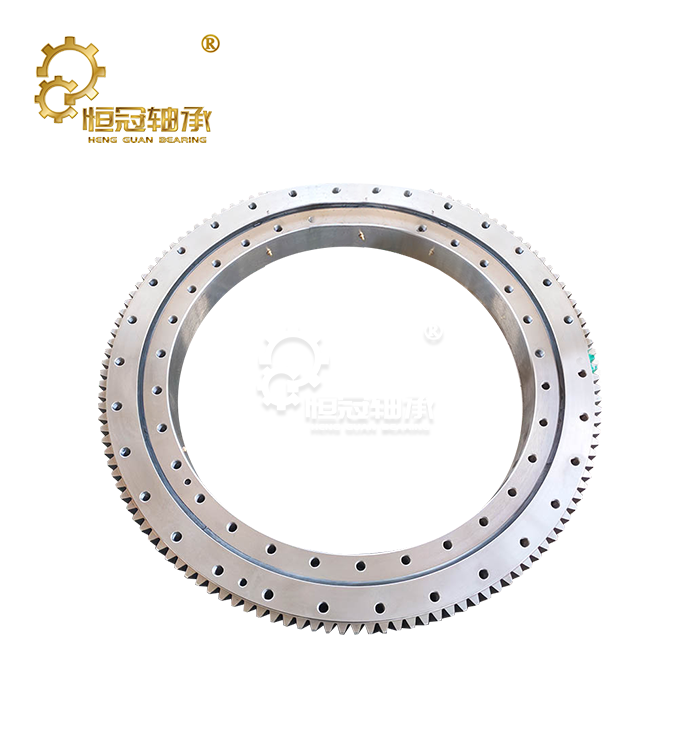 VIEW MOREAerial Work Platform Slewing Bearing