



How Roller Slewing Rings Improve Equipment Performance?
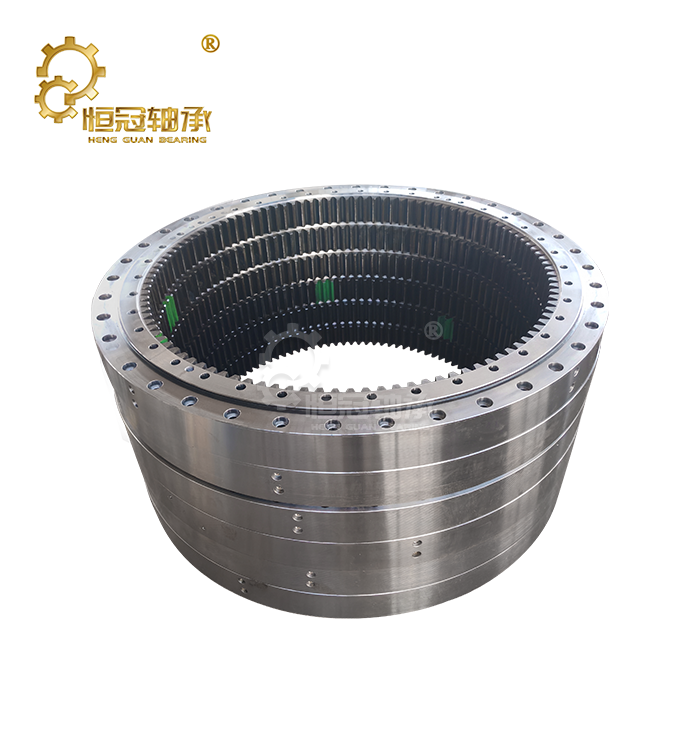
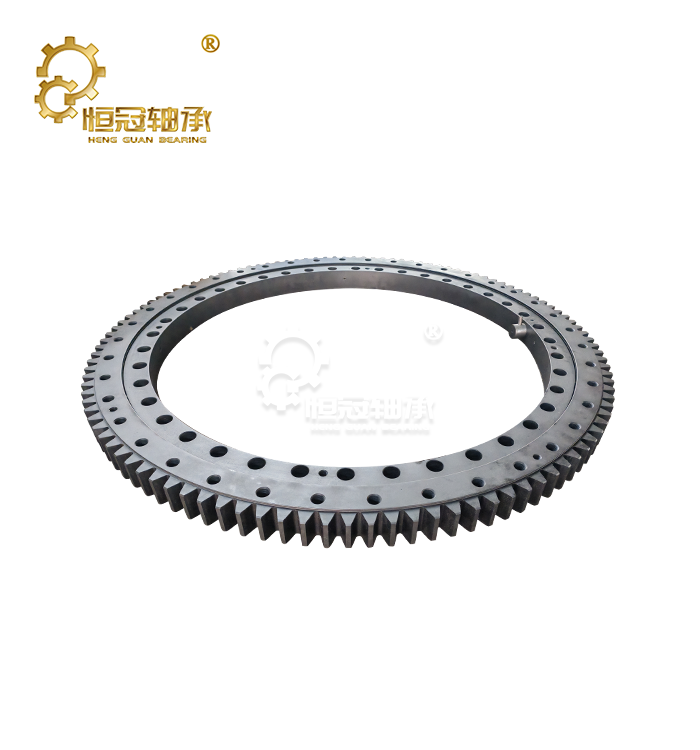
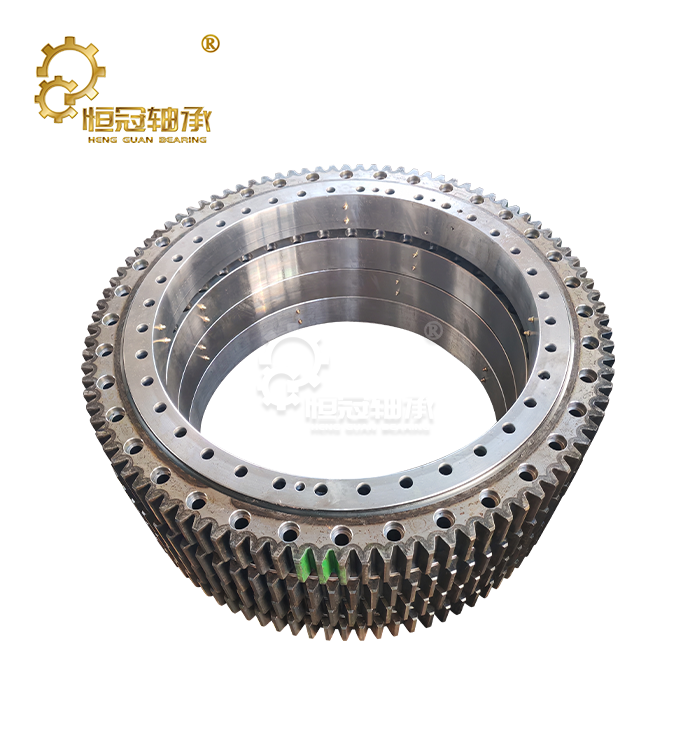
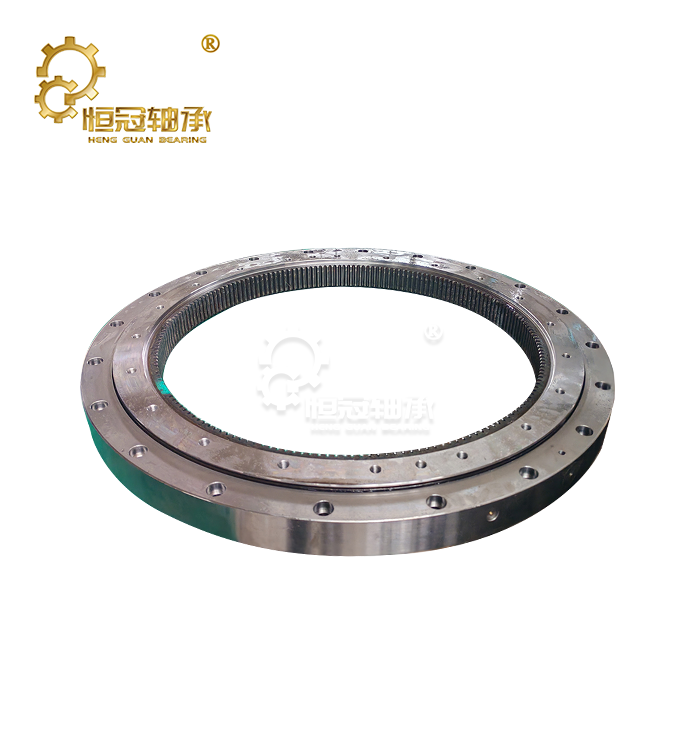
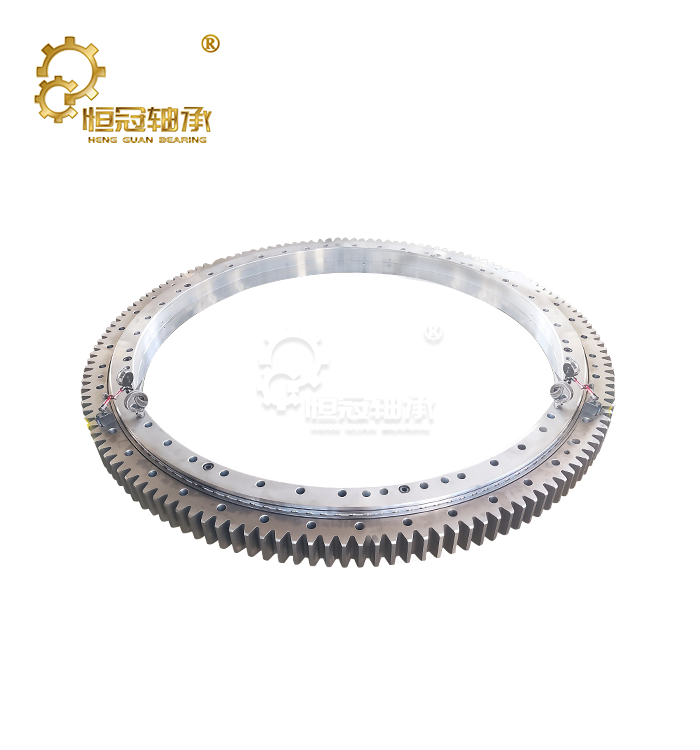
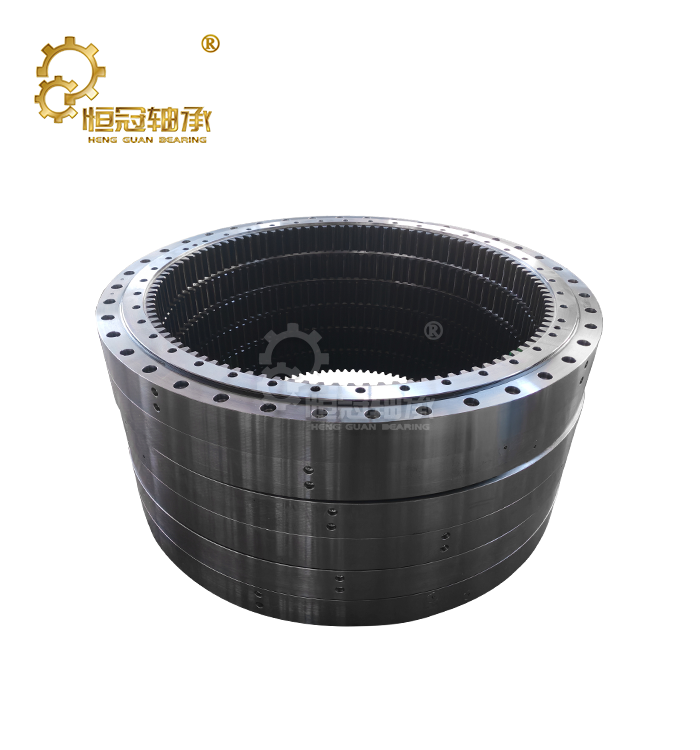
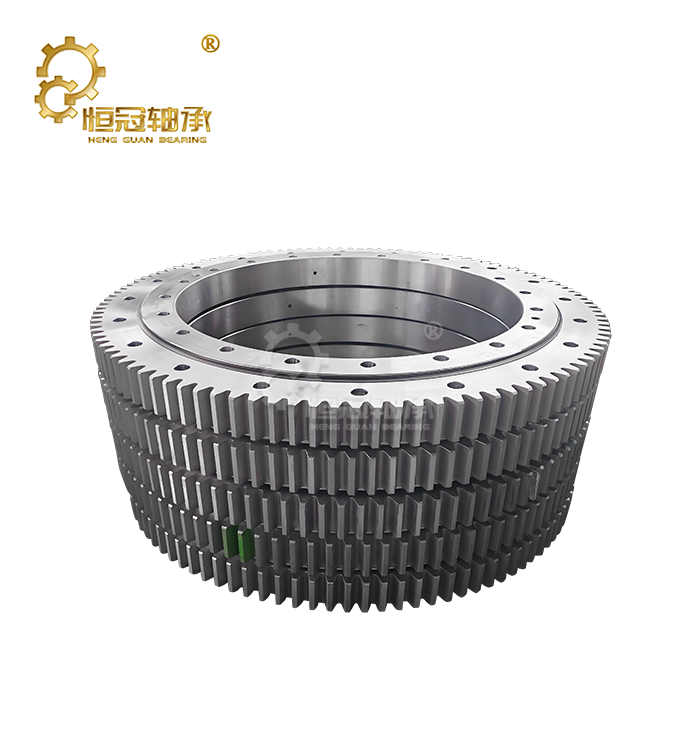
Roller slewing rings change the way big industrial equipment works by offering superior load-bearing capacity and rotary accuracy that normal ball bearings can't match. These modern bearing systems use cylindrical or tapered wheels to spread out heavy loads over bigger contact areas. This makes the equipment more stable, cuts down on wear, and makes operations much more efficient. These strong parts are used in many fields, from mines to wind energy, to keep operations going even in the worst conditions. They improve load capacity by up to 40% and extend the service life of equipment beyond 100,000 hours.
|
|


Understanding Roller Slewing Rings and Their Role in Equipment Efficiency
The main difference between roller slewing rings and regular ball bearing systems is how the loads are distributed and how the rings touch each other. Roller slewing bearings make line contact through circular or curved rolling elements, which greatly increases the contact area and load-carrying capacity. Ball bearings make point contact with raceways.
Superior Load Distribution Mechanics
The idea behind roller slewing rings comes from making sure that loads are spread out evenly over large touch areas. Our carefully made cylinder-shaped and curved rollers have perfect aspect ratios that make sure stress is spread evenly across the track surfaces. This way of designing reduces the contact stress concentrations that usually lead to early failure in ball bearing uses.
The design uses rings made of high-strength 50Mn or 42CrMo alloy steel, which gives the structure great strength even under heavy loads. Rolling elements made from GCr15 bearing steel have surface hardness values of HRC 58 to 62, which means they will last in harsh working conditions. This mix of materials gives the structure the strength it needs to handle axial, radial, and moment loads at the same time without affecting the smoothness of spinning.
Enhanced Structural Performance Characteristics
Looking at how better roller bearing systems are at handling force makes it clear that they improve the efficiency of equipment. The larger contact area lowers rolling resistance while keeping exact turning control. This is especially helpful in situations where accurate positioning under load is needed. Less energy use and better positional precision lead to measured performance gains in construction machinery, wind turbine yaw systems, and mining equipment.
Different industrial uses can be met by sizes ranging from 500 mm to 10,000 mm in diameter and cross-section heights from 100 mm to 500 mm. This wide range of sizes makes sure that the bearings fit perfectly on all kinds of equipment, from small automation systems to huge mining machines. This means that you don't have to use bearing sets that are too big, which can lower the efficiency of the design process.
Key Benefits of Roller Slewing Rings in Industrial Applications
Industrial activities in a wide range of fields have much better performance when they strategically use roller bearing technology. Improving equipment reliability and lowering running costs are closely linked to the increased load capacity and longer service life.
Exceptional Load Bearing and Durability Performance
Roller slewing technology's main benefits become clear in heavy-duty situations where regular bearings break down too soon. Our engineering data shows that these setups can handle up to 40% more weight than similar ball bearings. This means that equipment can be made that is lighter and has better power-to-weight ratios.
Case studies from mine operations show that switching from ball bearings to roller bearings can increase machine uptime by more than 25%. When a big copper mine in Arizona switched to our three-row cylindrical roller design for their bucket wheel excavators, they went from needing repair every 3,000 to 8,000 hours of operation.
These efficiency gains come from the fact that roller bearing systems are better at resisting pressure. The spread-out load contact lowers stress levels that lead to fatigue cracks in places with a lot of shocks. Port machinery that moves container loads says that bearing problems have almost completely disappeared since switching to roller slewing setups. Some installations have been running nonstop for more than 15 years.
Multi-Industry Application Versatility
Roller slewing rings are useful in many different types of industries because they can be used in a variety of ways and have performance characteristics that are best for each type of use. Better torque handling is used in construction tools to make lifting more precise, and steadiness is needed for wind turbine positioning accuracy in green energy installations.
Here are the main areas of application that are seeing measurable performance gains:
• Construction Equipment: Excavators, cranes, and rotary drilling tools are more stable under dynamic loading situations. This lowers stress on the structure and makes the equipment last longer.
• Mining Operations: Heavy-duty mining excavators and material handling tools are more reliable in rough settings because they have better seal protection and resistance to contamination.
• Port and Marine Machinery: Better rust protection and impact tolerance mean that container cranes and ship-loading equipment need less upkeep.
• Wind Energy Systems: Yaw bearings need to be precisely placed when wind loads change, and roller configurations offer better angle accuracy and less slack.
• Specialized Industrial Equipment: For example, shield tunneling machines and radar tracking systems rely on features that lower vibrations to work accurately.
These different uses show that roller bearing technology can be adjusted to meet specific business needs while still providing consistent performance benefits in a range of environmental situations.
Choosing the Right Roller Slewing Ring for Your Equipment
To choose the best roller bearing setups, you need to look at a lot of factors, including working parameters, environmental conditions, and performance needs. As part of the decision-making process, a thorough study of load characteristics, job cycles, and integration needs is carried out to make sure that the equipment performs better than ever.
Load Requirements and Environmental Assessment
The first step in the selection process is to accurately figure out the working load profiles, which include the highest axial, radial, and moment loads that the equipment is likely to face while it is in use. If you need technical help, our engineering team can look at different load combinations and suggest the best bearing setups based on real-world data rather than theoretical maximums.
Environmental factors have a big effect on choosing bearings, roller slewing rings, and setting goals for their performance. Extreme temperatures, high levels of pollution, and contact with harmful substances all call for different ways to treat materials and set up seals. Our oil-resistant NBR seals offer IP65 protection, which means they will work reliably in harsh industrial settings.
The precise grinding process makes the raceway shape accurate to within 0.01 millimeters, which is very important for keeping the spinning smooth and stopping early wear when the bearings are under a lot of stress. This level of accuracy in making directly leads to better equipment performance by lowering vibrations and improving positional accuracy.
Quality Standards and Certification Requirements
Manufacturing quality standards make sure that all batches of a product work the same way and are reliable. Our dedication to international quality standards is shown by our ISO 9001 certification and RoHS compliance. Comprehensive testing methods, such as dimensional inspection, vibration testing, and non-destructive examination, ensure the stability of our products.
Here are the most important quality factors for choosing industrial roller bearings:
• Material Certification: The alloy's makeup and heat treatment records must be checked to make sure they meet the required hardness and strength standards.
• Dimensional Accuracy: Full measurement reports showing that key dimensions that affect performance are within the allowed ranges for important dimensions.
• Surface Quality: Measurements of the profile's precision and surface finish are recorded to ensure the best rolling contact qualities.
• Assembly Quality: Checking the torque specs and preload to make sure there are enough interior clearances for the planned uses.
• Testing Documentation: Full test records that include sound analysis, load testing, and making sure the seal is intact.
These quality standards make sure that equipment works well and dependably, and they lower the risk of premature bearing failure that could stop operations.
Market Insights and Procurement Strategies for Roller Slewing Rings
The global roller bearing market has a lot of different suppliers, each with their own set of skills, prices, and levels of service. Knowing how the market works and what suppliers can do lets you make smart purchasing choices that lower your total cost of ownership while still delivering high-quality products on time.
Global Supplier Landscape and Competitive Analysis
In the foreign roller bearing supply chain, there are well-known companies in Europe, Asia, and North America. Each has its own benefits when it comes to technology, pricing, and focusing on the market. As a result of their advanced manufacturing skills, low prices, and commitment to international quality standards, Chinese makers have become major rivals.
With more than 20 years of engineering experience, modern CNC machining, and full quality systems, Luoyang Heng Guan Bearing Technology is the next step in the history of Chinese bearing making. Our 50-person design team offers specialized advice, unique planning, and installation help that is tailored to the needs of each application.
Advanced CNC vertical machining centers, precision cutting tools, and full quality control systems are used in the production process. These can handle bearings with diameters ranging from 50 mm to 10,000 mm and accuracy levels ranging from P0 to P4. This range of capabilities makes it possible to offer both regular products and solutions that are specifically designed for specific uses.
Strategic Procurement Approaches
Competitive prices, quality assurance, on-time delivery, and expert help are just a few of the things that need to be balanced in order for procurement plans to work well. Long-term ties with suppliers often offer more value through better communication, faster shipping times, and shared engineering support for new uses.
Volume buying deals can save you a lot of money and make sure you have enough inventory for planned repairs and replacements in case of an emergency. Our flexible production schedule can handle both planned orders and pressing replacement needs. This keeps equipment from being down during key operating times.
The global service network, which spans more than 50 countries, makes sure that local support is available for help with installation, upkeep, and technology issues. This international presence gives global businesses that need consistent help across multiple locations and time zones peace of mind.
Future Trends and Performance Optimization in Roller Slewing Rings
As technology keeps getting better, roller bearing design, materials science, and production methods keep getting better. These new ideas promise to make things stronger, last longer, and work better with current factory automation systems.
Advanced Materials and Manufacturing Technologies
New discoveries in material science are mostly about making steels with better compositions and heat treatment methods that make them more resistant to wear and work at higher temperatures. New bearing steels that are being developed claim to increase wear life by 20 to 30 percent while keeping manufacturing costs the same.
Precision manufacturing technologies, such as advanced grinding methods, surface cleaning methods, and roller slewing rings, help make surfaces better and measurements more accurate. These changes in the way things are made directly lead to less friction, lower working temperatures, and longer bearing life in tough circumstances.
Smart Integration and Predictive Maintenance Capabilities
Putting condition monitoring sensors into bearing systems lets you watch performance in real time and plan maintenance ahead of time. Vibration sensors, temperature monitors, and lubrication state signs can spot problems early on, before they get worse and stop the equipment from working.
Modern factory automation systems can work with these monitoring features to give full health tracking of machinery and better maintenance planning. Predictive maintenance schedule cuts down on unexpected downtime and increases the service life of bearings by managing working conditions and lubrication better.
Data analytics platforms look at operating patterns to find ways to improve things and suggest changes that will make bearings work better and machines run more efficiently. This method changes reactive Maintenance of Bearings into proactive maintenance, which greatly enhances the total efficiency of the equipment.
Conclusion
Roller slewing rings are a tried-and-true way to improve the performance of tools in a wide range of commercial settings. There are clear benefits in demanding work settings thanks to the higher load capacity, longer service life, and operational dependability. Strategic selection based on thorough load analysis, environmental requirements, and quality standards guarantees the best performance improvement at the lowest total cost of ownership. More performance gains are expected as materials technology and smart monitoring tools continue to develop. This will make roller bearing technology even more valuable in important industry settings.
FAQ
When should I choose roller slewing rings over ball bearing alternatives?
When big loads, high shock levels, or the need for increased stiffness are present, roller bearings work better than other types of bearings. It is better for distributing loads with line contact ball bearings than point contact ball bearings. This makes roller configurations perfect for heavy-duty uses like building, mining, and wind energy projects.
What maintenance practices prevent premature roller bearing failures?
The most important part of maintenance is managing the lubrication properly. The suggested relubrication intervals depend on the working conditions and load factors. Abrasive wear is avoided by inspecting seals on a regular basis to stop contamination from getting in. Keeping an eye on working temps and vibration levels can help you spot problems early, before they damage your equipment.
What are typical lead times for custom roller slewing ring orders?
Standard setups usually take 6 to 8 weeks to make and deliver, while custom-engineered solutions can take 10 to 12 weeks, based on how complicated the specifications are and how many tests need to be done. For important uses, rush orders can usually be met, but there may be extra costs for faster production schedules.
Partner with Heng Guan for Superior Roller Slewing Ring Solutions
Heng Guan's quality roller slewing rings are made for tough industrial uses and will help your tools work better. Our wide range of products, with diameters from 500mm to 10,000mm and precision accuracy grades P0 through P4, means that we can find the best solutions for your unique business needs. As a well-known company that has been making roller slewing rings for over 20 years, we offer custom bearing solutions, professional advice, and solid support around the world. Email our engineering team at mia@hgb-bearing.com to talk about your needs and find out how our advanced bearing technology can make your equipment more reliable and help it run more efficiently.
References
1. Industrial Bearing Technology and Applications in Heavy Machinery Systems. Journal of Mechanical Engineering Research, Vol. 45, No. 3, 2023.
2. Comparative Analysis of Roller Bearing Performance in Construction Equipment Applications. International Conference on Industrial Bearing Technology, 2024.
3. Advanced Materials and Manufacturing Processes for High-Performance Slewing Bearings. Materials Science and Engineering Quarterly, Vol. 28, No. 2, 2023.
4. Predictive Maintenance Strategies for Large-Diameter Rotating Machinery Bearings. Industrial Maintenance and Reliability Journal, Vol. 15, No. 4, 2024.
5. Load Distribution Analysis in Three-Row Roller Slewing Ring Configurations. Tribology International Research, Vol. 52, No. 1, 2023.
6. Economic Analysis of Bearing Selection Impact on Equipment Total Cost of Ownership. Industrial Economics and Management Review, Vol. 31, No. 3, 2024.

WHAT OUR CUSTOMERS SAY
Here is the customer's evaluation of us