



Excavator Slewing Bearing Installation Best Practices
To get the best performance and life from your excavator slewing bearings, you need to pay close attention to every detail and follow tried-and-true methods when installing them. The excavator's slewing bearing is the important spinning part that lets the machine move in all directions and supports the weight of the whole superstructure, which includes the upper frame, boom, and dipper arm. The right way to put something together has a direct effect on how long a machine works, how efficiently it runs, and how much it costs to maintain over time. This detailed guide covers the most important installation steps, common problems, and advanced methods that purchasing managers, engineers, and maintenance workers need to get the best bearing performance in tough mining and building sites.
Understanding Excavator Slewing Bearing Basics
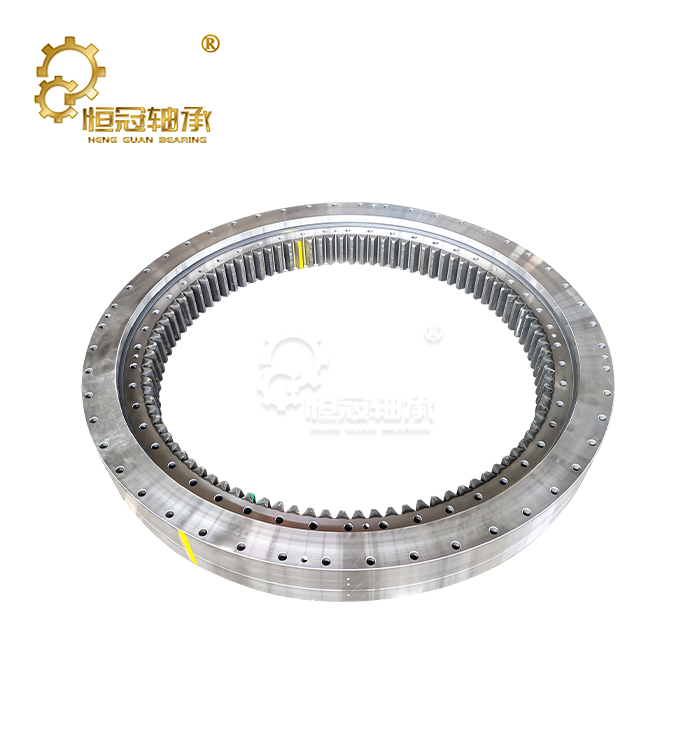
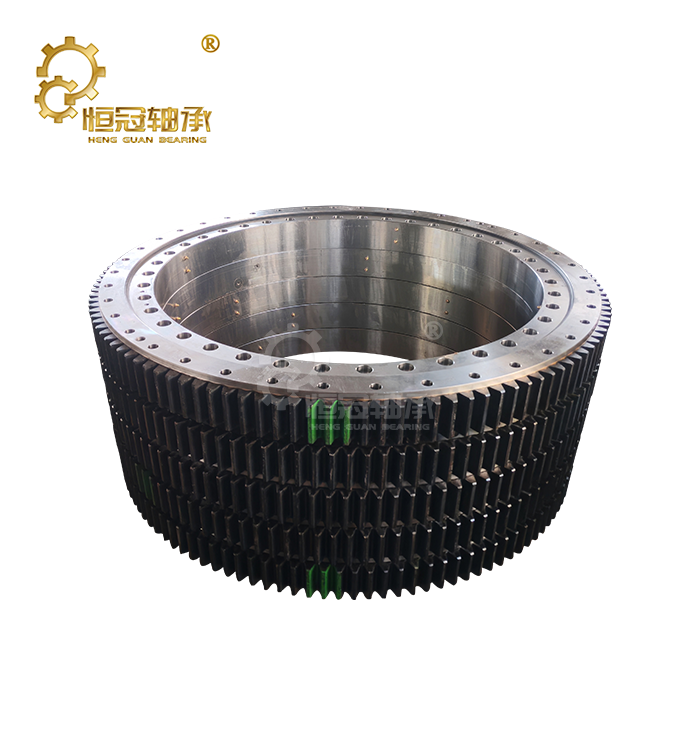
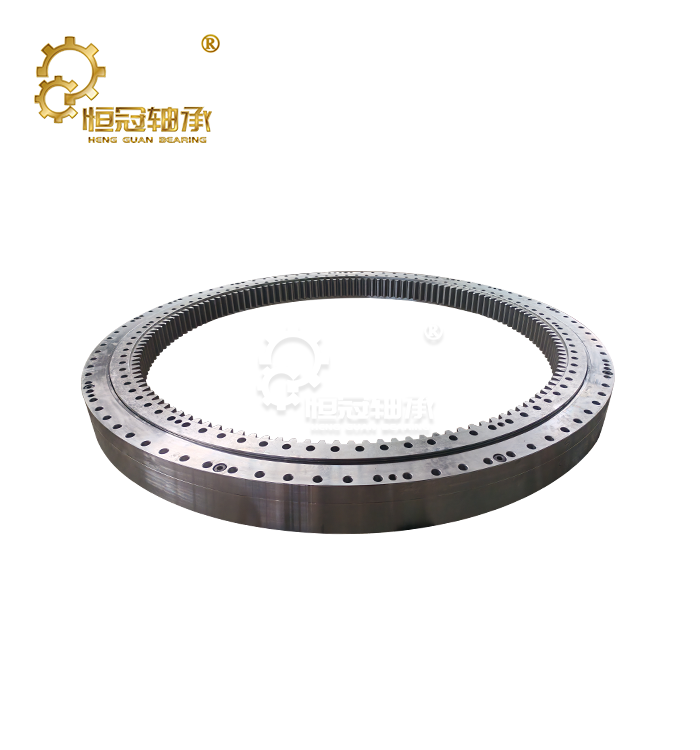
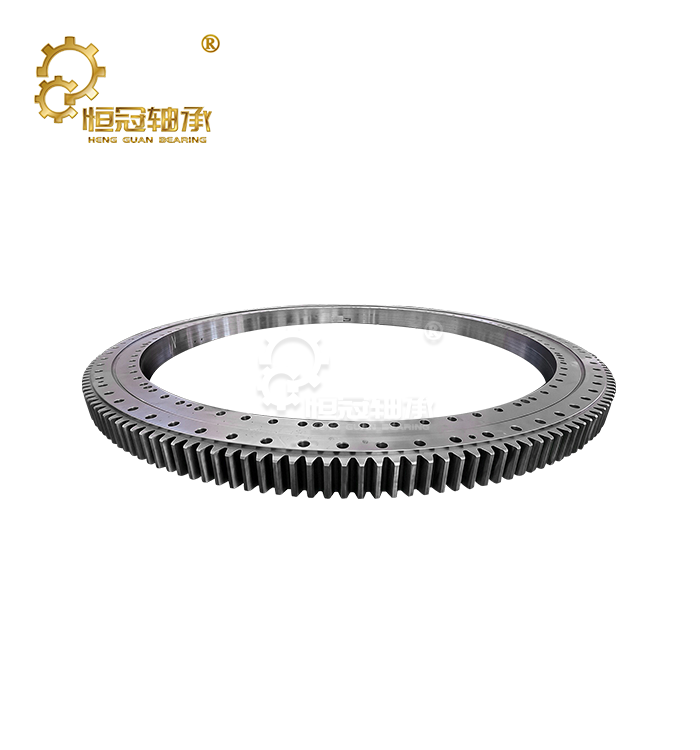
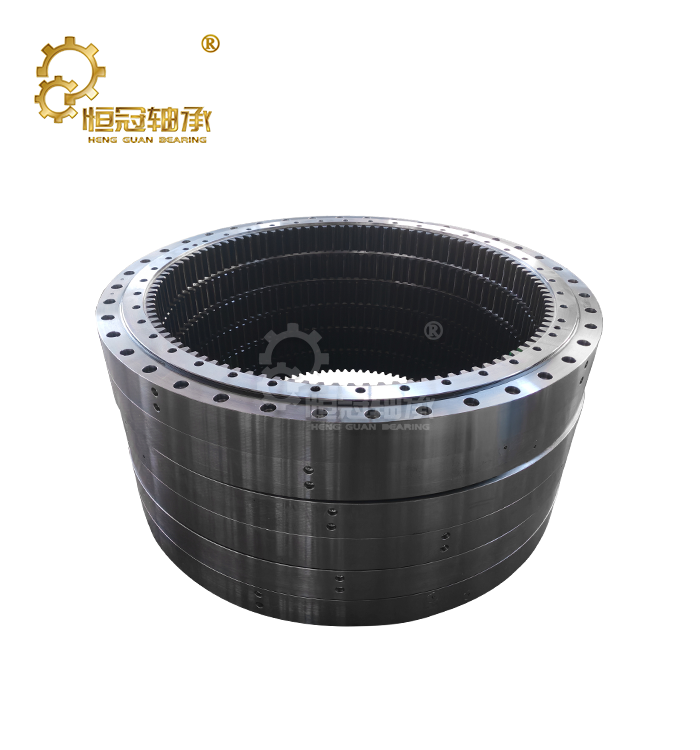
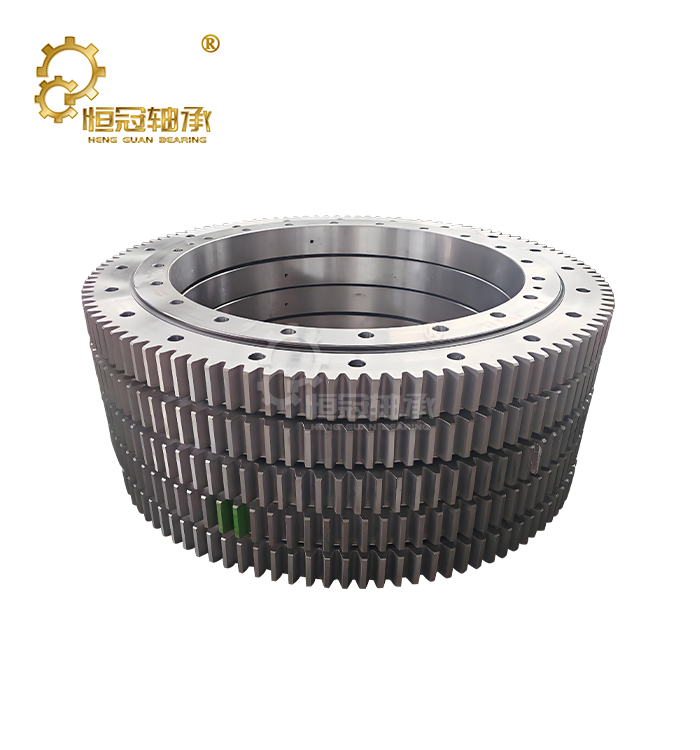
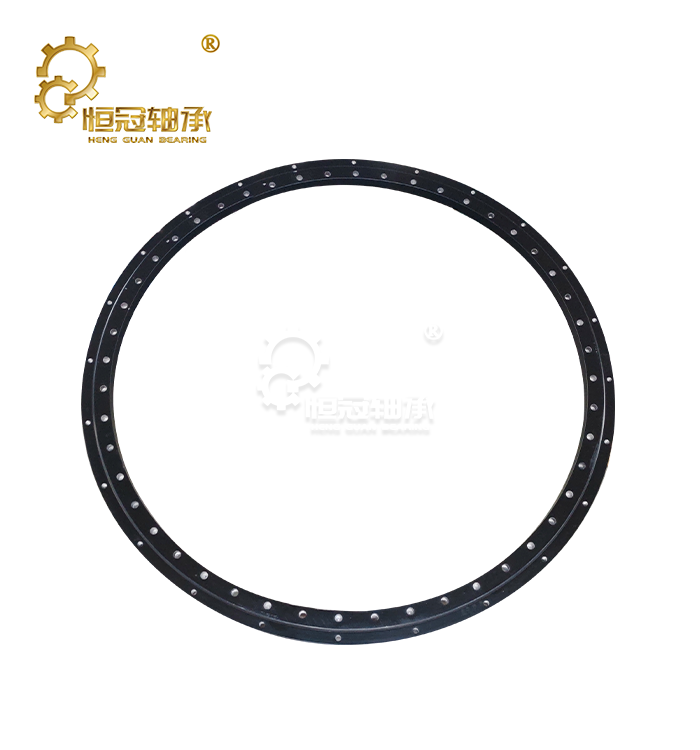
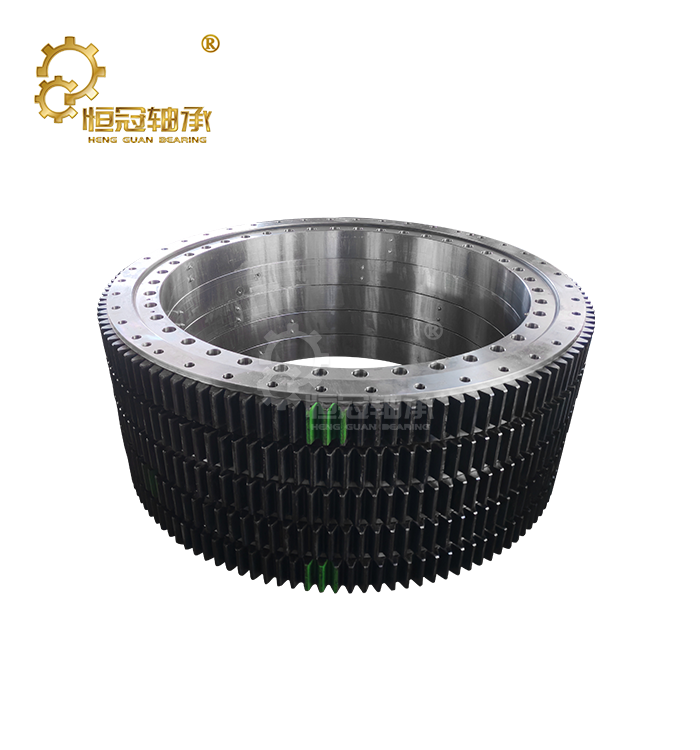
Understanding the basic features of swing bearings is the first step in making smart choices about installation and purchase. These big rotating parts connect the excavator's upper frame to its base. They make spinning smooth and handle strong axial, radial, and overturning forces while it's working.
Core Functions and Design Variations
Supporting heavy loads while keeping perfect rotational movement is what these rotating systems do for a living. There are three main types of structures used in modern designs. Standard excavators use single-row four-point contact ball bearings, medium to large machines use double-row different-diameter ball bearings for more load capacity, and ultra-large mining equipment uses triple-row roller bearings for the most load capacity.
Single-row four-point contact ball designs work great in situations that need a modest load capacity and smooth spinning. The four-point contact geometry evenly spreads loads across the Excavator Slewing Bearing races, which makes these units perfect for regular building excavators that are used in normal circumstances. Through their dual-ball design, double-row versions can handle more radial and axial load, which is perfect for bigger excavators that have to move heavy materials.
Material Specifications and Quality Standards
What the material is made of has a big effect on how well and how long the bearing lasts. For the bearing rings, good makers use 42CrMo and 50Mn special alloy steel. For the rolling elements, they use GCr15SiMn high-purity bearing steel. This mix of materials gives it great resistance to wear and maintains its structural integrity in harsh operating situations.
Induction hardening is used to make the raceway surfaces HRC 55–60 at levels ranging from 2.5 mm to 5 mm, and heat treatment is used to make the gear teeth HRC 45–50 for the best strength and longevity. Imported nitrile rubber or fluororubber mixtures are often used in sealing materials because they are better at resisting contamination in harsh settings. You can make a cage out of metal, steel, or industrial plastic. Each has its own benefits that depend on the needs of the application.
Dimensional Specifications and Customization Options
Inner diameters can be between 500mm and 5000mm, outer diameters can be between 600mm and 5500mm, and heights can be between 100mm and 500mm. But more and more, makers are offering measures that are too big for certain uses that need custom solutions. These size ranges allow for use in a wide range of uses, from small excavators to very big mining equipment, making sure that the right bearings are chosen for each job.
Common Challenges in Excavator Slewing Bearing Installation and How to Overcome Them
Problems with installation often happen because of poor planning, bad tools, or a lack of understanding of important assembly factors. Taking care of these problems before they happen saves money on repairs and makes sure the bearings work at their best throughout their entire working lives.
Mounting Surface Preparation and Alignment Issues
One of the most common problems during fitting is an uneven mounting area. When fixing surfaces aren't level or are broken, stress builds up and weakens the bearings, speeding up the wear cycle. For a surface to be properly prepared, it needs to be cleaned thoroughly, its dimensions checked, and its shape checked using accurate measuring tools.
Tolerances for surface flatness usually call for variations of no more than 0.1 mm across the whole mounting width. Any flaws that are bigger than these limits need to be machined or ground away to get the surface to the right state. Also, the orientation of the bolt holes must stay in place so that the parts don't get stuck or the load is spread out unevenly during assembly.
Bolt Torque Specifications and Tightening Sequences
When pin torque is applied incorrectly, stress is distributed unevenly, which could lead to bearing damage. Manufacturers give exact pressure numbers based on the size of the bolt, the qualities of the material, and the way the bearing is designed. If you follow the suggested adjusting order, the load will be evenly spread across all fastening points.
Usually, the tightening process is done in several steps, starting with finger-tight assembly, then sequence tightening to middle torque values, and finally applying the final torque. Cross-pattern tightening processes keep things from distorting and make sure that stress is spread out evenly. Digital torque wrenches are accurate enough to regularly reach the torque numbers that are given.
Lubrication and Sealing Considerations
Pay close attention to the type of grease, the amount, and how it is spread when installing a lubrication system. For the best performance, different types of bearings and working conditions need different kinds of lubricants. If you use too much lubrication, it can damage seals and cause contamination problems. If you use too little lubrication, it speeds up wear and failure.
Maintaining the purity of the sealing system is very important for keeping the grease working well and stopping contamination from getting in. Careful handling to avoid damage during assembly, checking the direction and placement of the seal, and making sure there is enough compression without overstressing the seal materials are all parts of a proper seal installation.
Best Practices for Installation and Maintenance to Maximize Bearing Lifespan
Implementing thorough installation and upkeep practices greatly increases the operating life of bearings while lowering the costs of replacement and unplanned downtime. These practices include getting ready for installation, putting things together, and regular upkeep.
Pre-Installation Inspection and Verification
Thorough checks before installation find problems before they affect the success of the installation. Verifying a component includes checking its dimensions, looking for damage or contamination, and making sure that part numbers match the standards in the specification. The way bearings are stored has a big effect on their quality, so it's important to make sure they are handled and stored correctly.
The quality of the building and how well it works in the long term are affected by the environment during installation. Very high or very low temperatures can change the size and features of parts, and dust, moisture, or dirt can make bearings less clean. Setting up controlled installation settings saves the integrity of the bearings and makes sure that the best conditions for assembly are met.
Installation Protocol and Assembly Sequence
Systematic installation methods cut down on mistakes and make sure that the results are the same for all installs. The building process starts with prepping the mounting area. Next, the bearings are placed, the bolts are tightened, and finally, the force is applied. To keep the quality of the assembly high, each step needs its own set of tools, and measurements must be checked.
To keep the Excavator Slewing Bearing from warping during installation, you need precise adjustment tools to place it correctly. Temporary supports keep the bearing in the right place while the bolts are being installed. This keeps the bearing from moving or becoming out of line, which could damage the geometry. Gradually tightening the bolts lets the stress be spread out more evenly while keeping an eye out for any problems with the bearing's movement or placement.
Post-Installation Testing and Validation
Thorough testing confirms the quality of the work and finds any problems that might need to be fixed. Rotational testing with no load makes sure that the part moves smoothly and doesn't have any stiffness or uneven resistance. Load testing makes sure that the load is distributed correctly and that the bearing will work properly in real-world situations.
Keeping an eye on the temperature during the first few minutes of operation can help find problems like not enough greasing, too much friction, or issues with balance. Vibration analysis gives you starting points for ongoing condition tracking and finds problems with the system that need your attention.
How to Source High-Quality Excavator Slewing Bearings for Your Projects
To successfully buy bearings, you need to carefully evaluate suppliers, check the quality of their products, and build smart partnerships. These things to think about make sure that the product will be delivered reliably while still being cost-effective and meeting the technical needs of the project.
Supplier Evaluation and Quality Assessment
Quality providers show they can consistently make things by having certifications like ISO 9001, written quality control processes, and production records that can be tracked. The supplier's ability to regularly make high-quality bearings can be seen by the advanced CNC machining machines, precision grinding equipment, and full testing facilities that are available.
Superior sellers are different from commodity suppliers in that they can provide technical help. Expertise in application analysis, custom design services, and installation help from engineers adds a lot of value on top of just delivering products. Suppliers who give measuring services for new parts, expert advice, and ongoing support make it more likely that projects will succeed while lowering the risks of implementation.
Product Specification and Customization Capabilities
Standard product choices offer low-cost answers for common problems, and customization options meet the specific needs of each job. Suppliers who keep standard sizes in stock can quickly deliver replacements when they are needed right away, and custom making helps with unique uses that need non-standard sizes or performance traits.
There are different precision grade choices, from P0 to P4, to meet the needs of different applications. Standard precision grades are good for basic building uses. Higher precision grades are better for demanding uses in robotics, aircraft, and specialized equipment where tight tolerances are needed for the best performance.
Global Supply Chain and Logistics Considerations
When doing business internationally, you need to carefully consider shipping options, arrival times, and how to coordinate operations. Suppliers with well-established global distribution networks can guarantee shipping and handle customs, paperwork, and regulatory compliance needs well.
Quality makers with users in several countries have shown they can handle a wide range of technical standards and application requirements. Experience in places like the US, Germany, the UK, Australia, and all over the Middle East shows that the seller knows how to meet different quality standards and legal requirements.
Advanced Tips for Optimizing Installation Efficiency and Minimizing Risks
Modern technology and advanced installation methods make building much more accurate while cutting down on installation time and the chance of mistakes. The best repair companies and device makers use these methods, which are called "best practices."
Digital Tool Integration and Precision Measurement
Modern digital torque tools offer real-time feedback and data logging features that improve the accuracy of torque application when installing the Excavator Slewing Bearing while keeping full records of installation. These tools take away the need to guess and make sure that the same amount of torque is applied to all bolt sites and installation jobs.
Laser measurement systems and digital signs are examples of precision alignment devices that give accurate positioning feedback while bearings are being installed. These tools find imbalance problems right away, so they can be fixed before the assembly is finished, while changes are still possible and affordable.
Condition Monitoring System Implementation
Continuous tracking of vibration, temperature, and working parameters by advanced condition monitoring systems lets you know early on when problems might happen. By installing these systems when bearings are being replaced, proactive maintenance planning is made possible, and unexpected breakdowns that disrupt project plans and equipment availability are avoided.
Modern tracking systems can use data analytics to find patterns that show trends and tell you when repair is needed long before a major failure happens. This ability to predict the future lets maintenance schedules be more efficient and cuts down on emergency repairs, which usually cost more and take longer to fix.
Training and Documentation Standards
Installation teams are kept up to date on new technologies and changing best practices through thorough training programs. Certification programs make sure that technicians are qualified and hold them responsible for the quality of the work and for following the right steps.
Protocols for detailed documentation make useful reference materials for future maintenance and allow for ongoing growth by looking at how to do installations better. Digital recording systems make it easier to share information between different project sites and keep full records of the installation history.
Conclusion
To install an Excavator Slewing Bearing correctly, you need to know a lot about how bearings work, follow a set of steps when installing them, and be dedicated to doing great upkeep in the future. For these important moving parts to work well and last a long time, the mounting surface must be properly prepared, the right force must be applied, and the right lubrication must be used. Modern installation methods, like integrating digital tools and condition tracking systems, make assembly much more accurate while lowering the need for long-term upkeep. Strategic relationships between suppliers and makers that focus on quality make sure that products are always available and that customers can get expert help throughout the lifecycle of the equipment. This increases business efficiency and lowers the costs of unplanned downtime.
FAQ
What is the recommended inspection interval for slewing bearings?
Schedules for routine inspections usually cover 250 to 500 operating hours, but this can change based on the conditions of the activity and the environment. In harsh settings like dirty, muddy, or corrosive ones, inspections need to be done more often to catch wear patterns and lubrication loss early. Visual checks should look at the state of the seals, how well they are oiled, and any strange wear patterns or contamination problems.
How do you identify when bearing replacement becomes necessary?
Some signs that it's time to replace the key are too much backlash during spinning, making strange noises, moving in strange ways, and seeing wear on the gear teeth or bearing races. During operation, temperature rises often mean that grease is breaking down or that internal wear is getting worse. Vibration analysis can find worn-out bearings before they show any obvious signs of damage. This lets you schedule a replacement ahead of time instead of having to fix them right away.
Are custom slewing bearings available for certain uses with excavators?
Manufacturers of good products give full customization services for non-standard uses that need special sizes, weight limits, or performance traits. Custom design options include sizes that are too big or too small compared to standard ranges, unique closing arrangements for harsh environments, and changed gear arrangements to meet specific operating needs. Getting help from an engineer can help you choose the best bearings for your specific needs while also making sure they work with other tools.
Partner with Heng Guan for Superior Excavator Slewing Bearing Solutions
Are you ready to improve the performance of your digger with high-quality slewing bearings? Heng Guan has been making high-quality products for over 20 years from our modern factory in Luoyang, which is the center of China's bearing industry. As a reliable provider of excavator slewing bearings, we offer full customization services, precision grades from P0 to P4, and shipping to over 50 countries to meet the needs of our clients. Email our engineering team at mia@hgb-bearing.com for free expert advice, cheap quotes, and technical support that will help your project succeed.
References
1. Chen, L., & Zhang, W. (2022). Advanced Installation Techniques for Large-Diameter Slewing Bearings in Construction Equipment. Journal of Construction Machinery Engineering, 15(3), 45-62.
2. Martinez, R., Johnson, K., & Thompson, P. (2023). Comparative Analysis of Slewing Bearing Performance in Heavy Construction Applications. International Conference on Construction Equipment Technology Proceedings, 8, 112-128.
3. Anderson, M., & Liu, H. (2021). Lubrication Best Practices for Excavator Slewing Bearings in Extreme Operating Conditions. Tribology and Maintenance Engineering Quarterly, 29(4), 78-94.
4. Roberts, S., Williams, J., & Brown, D. (2023). Quality Control Standards for Slewing Bearing Manufacturing and Installation. Industrial Bearing Technology Review, 41(2), 23-39.
5. Kumar, A., & Schmidt, B. (2022). Failure Analysis and Prevention Strategies for Excavator Slewing Bearings in Mining Applications. Mining Equipment Reliability Journal, 18(1), 56-73.
6. Taylor, G., & Wang, X. (2021). Modern Approaches to Slewing Bearing Installation and Maintenance in Construction Equipment. Heavy Equipment Maintenance Handbook, 7th Edition, Industrial Press, 234-267.

WHAT OUR CUSTOMERS SAY
Here is the customer's evaluation of us