



Why Choose Precision Slewing Gear for Your Equipment?
When choosing rotational parts for heavy machinery, such as slewing gears and precision equipment, slewing gears are one of the most important things to think about because it affects performance, reliability, and prices. Precision slewing gear is an important part of modern rotating machinery because it transfers torque smoothly and can handle heavy axial, radial, and moment loads. The dependability of the rotating mechanism has a direct effect on the availability of equipment, the cost of maintenance, and the efficiency of operations. This is true for everything from excavators and cranes to wind turbines and automated industrial systems. Precision-engineered slewing gears are better at spreading out loads, making sure that the work is done accurately, and lasting longer in harsh conditions than normal options. When engineers and buyers choose the right slewing gear, it's not just about how much it costs; it's also about lowering downtime, making tools work better, and getting better long-term value.
Why Precision Slewing Gear Matters in Modern Industrial Equipment
As industrial equipment gets stronger, smaller, and more automatic, it puts more stress on parts that rotate. A slewing system has to be able to keep moving accurately even when it has to deal with constant loads, shaking, impact forces, and changing weather conditions. Precision slewing gear is made to handle these problems by using precise production methods, a gear shape that is optimised, and carefully chosen materials. Precision solutions are different from normal parts that might work in most situations. They are made for tools where dependability and positioning accuracy have a direct effect on productivity.
The Role of Precision Components in Rotating Systems
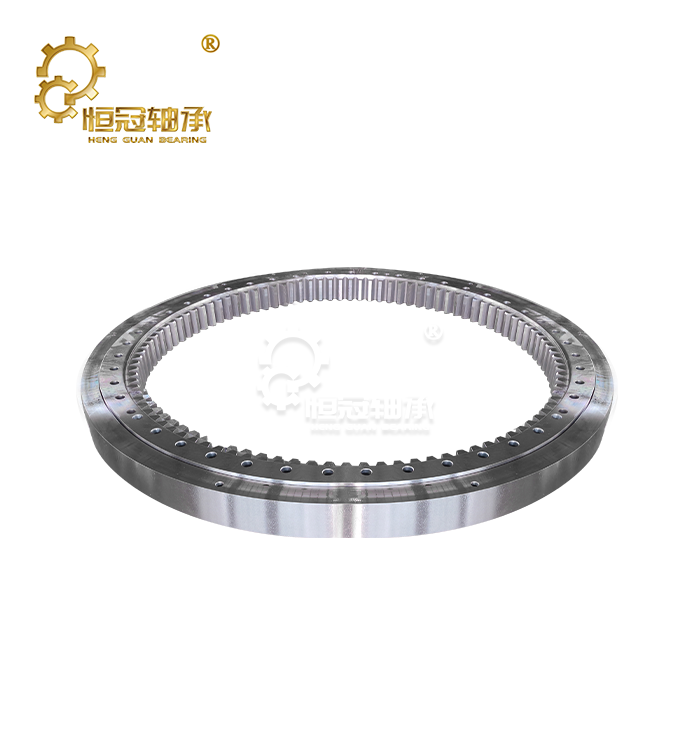
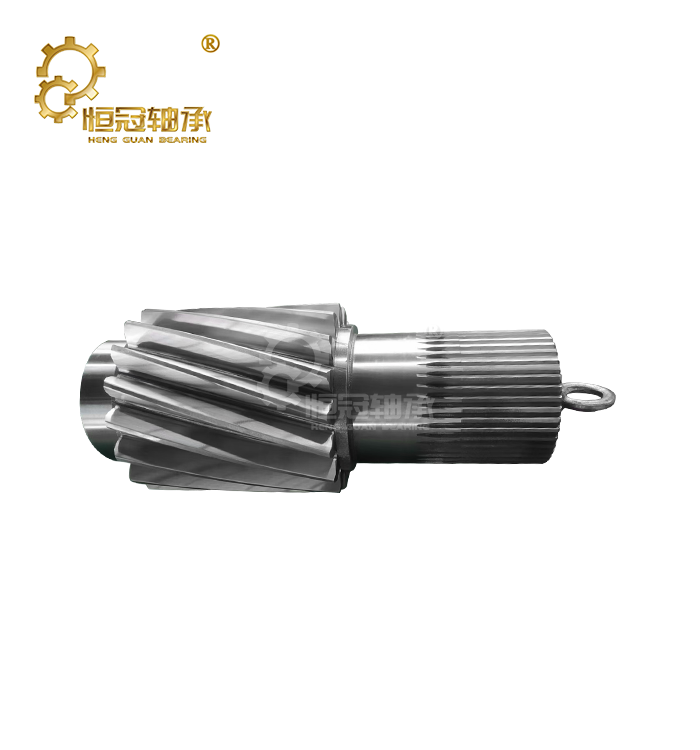
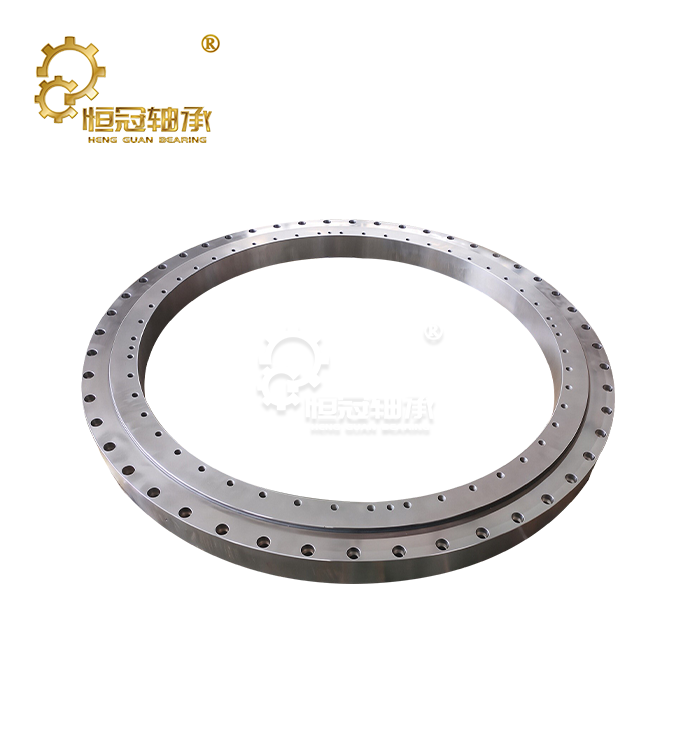
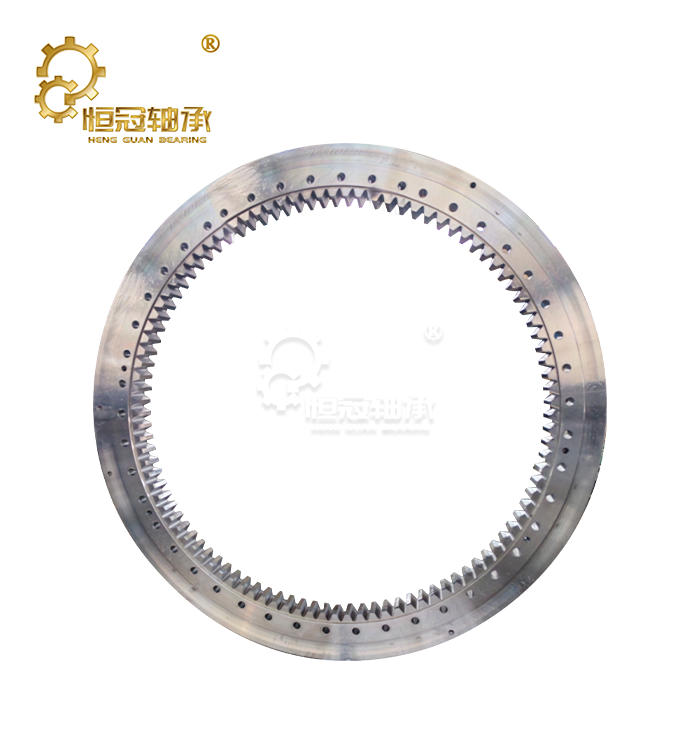
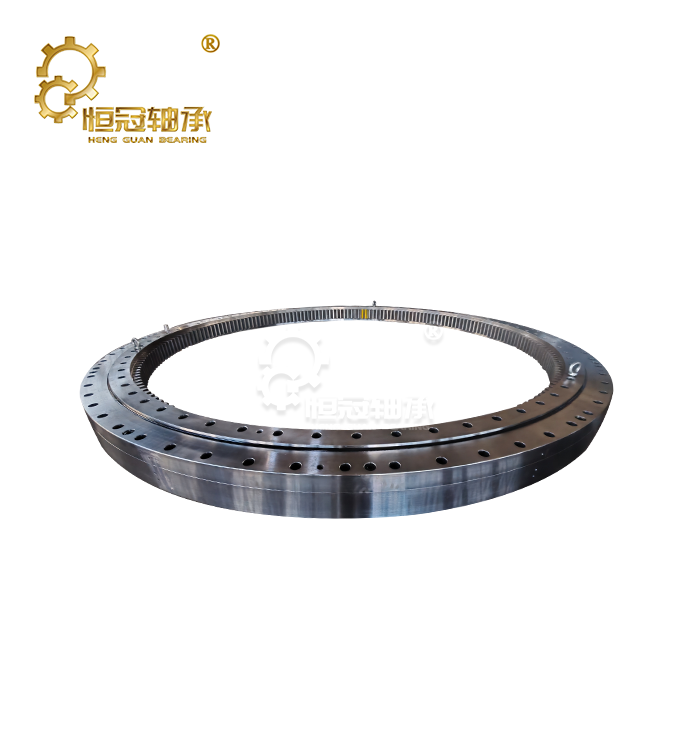
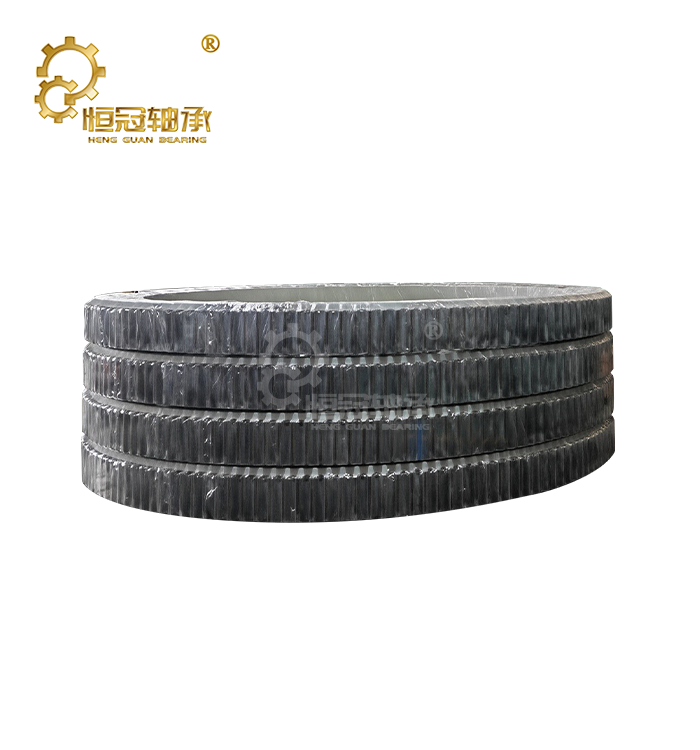
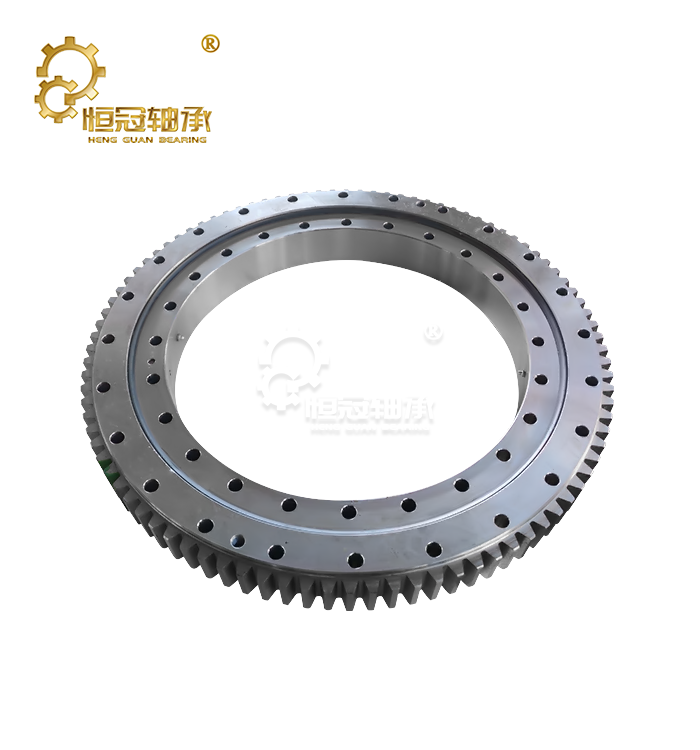
Usually, a slewing gear system has a gear ring, moving elements, raceways, seals, and supports that hold it all together. Each part adds to the show as a whole. How loads are spread out during rotation is controlled by the bearing structure. When raceways are designed correctly, they have fewer areas of high stress and can handle combined loads better. This is especially important for heavy-duty machinery that can wear out faster if it is loaded unevenly. The gear teeth are another important part that affects how well it works. Precision cutting makes tooth shapes that are always the same, which improves the accuracy of meshing, lowers slack, and lowers vibrations during operation. These changes directly affect the security of movement for things like cranes and automatic tools that need to be placed precisely. Service reliability is also affected by the choice of materials. High-strength steels like 50Mn and 42CrMo are often used in tough situations because they are tough and don't wear down easily. Manufacturers can improve surface hardness and wear resistance by using controlled heat treatment processes. This helps the part keep working properly even after being loaded and unloaded many times.
Engineering Features That Define High-Performance Slewing Gear
To choose a precision slewing gear, you need to know the technical differences between regular goods and high-quality parts. The end working results are affected by how well the materials are made, how they perform, and how they are tested.
Precision Manufacturing and Dimensional Accuracy
The way slewing gears are made has a direct effect on how well they work. Dimensions must be carefully controlled for large spinning parts, as even small changes can affect how the gears connect, how much space there is, and how the load is distributed. With today's CNC grinding technology, makers can keep tolerances very tight while cutting and shaping gears. Precision machining helps make sure that the equipment works more consistently over its entire life by reducing friction and ensuring smooth rotation. It's also important to finish the surface. When touch surfaces are properly handled, they improve lubrication and cut down on premature wear from too much friction. This is especially helpful when the equipment is used all the time or when repair workers can't easily get to it.
Material Selection and Heat Treatment Advantages
The mechanical qualities of the materials used have a big impact on how well a slewing gear works. Good alloy steels are strong enough to hold heavy loads, and the right heat treatment makes them less likely to wear down or get damaged on the outside. Induction hardening is often used on raceway surfaces because it makes high-contact areas harder while keeping the toughness of the part inside. Because of this balance, the gear system can handle being loaded and unloaded many times without breaking or deforming too soon. For places that are acidic or outside, extra surface protection may be needed. Protective coatings and treatments that stop corrosion help things like offshore wind turbines, marine equipment, and coastal cranes last longer.
How Precision Slewing Gear Improves Equipment Performance
Precision engineering's main benefit is not only better quality parts, but also better equipment performance over its entire useful life.
Higher Load Capacity and Better Stability
Most of the time, mixed forces, not just spinning loads, act on heavy machines. When they are in use, excavators, cranes, and other moving equipment may be hit hard, have uneven loads, and be vibrated all the time. Precision slewing gear can handle more weight because its contact patterns are better and its structure is stronger. Better load spread lowers stress in one area and helps avoid common failure problems like damage to the track, too much wear, and gear tooth failure. This extra dependability can help keep tools running more smoothly in mining or building settings, preventing sudden stops and increasing output.
Reduced Backlash and Improved Motion Accuracy
Backlash changes how accurate placement is and how smoothly operations run. Too much space between gear teeth can lead to noise, vibration, and bad movement. These problems are less likely to happen with precision manufacturing because it keeps the gear geometry consistent and the tolerances under control. This makes it easier to transfer torque and place things accurately, which is very important for automated systems, robotics, and machinery used for precise handling.
Longer Service Life and Lower Maintenance Requirements
One big reason companies choose precision slewing gear is that it might lower their costs over the course of its life. Wear rates can be lowered by using better materials, more accurate cutting, and better lubricants. Because of this, repair periods can often be longer than with lower-quality options. However, the actual service life depends on a number of things, such as the load, how well it was installed, how often it is oiled, and the environment in which it is used. Choosing the right one and keeping it in good shape are still necessary for getting the best performance.
Industrial Applications Where Precision Slewing Gear Creates Value
Rotating systems need to work in different ways depending on the industry. Precision slewing gear is often used in situations where safety, dependability, and longevity are very important.
Construction Equipment and Excavators
Slewing systems allow the upper structure of excavators to spin while they dig with a lot of force. Components in these uses are subject to shock loads, shaking, dust, and uneven working circumstances. Precision slewing gear helps keep rotation stable by distributing load better and resisting mechanical stress. When working in construction, where contamination is common and maintenance is hard to do, it's especially important to have strong sealing systems and long-lasting raceway designs.
Cranes and Heavy Lifting Equipment
Cranes need to be very reliable because the safety of lifting and the accuracy of placing are directly affected by their spinning systems.When heavy loads are spread over long working distances, the slewing systems in big cranes have to be able to handle big toppling moments. Precision designs make things stiffer and able to hold more weight, which helps keep things stable during important lifting jobs. Reliable slewing performance cuts down on operating breaks and makes it safer to move big materials in ports, docks, and factories.
Wind Turbines and Renewable Energy Systems
Wind turbines work in tough conditions, and their parts have to be able to handle long periods of operation and changing weather. In yaw and pitch control systems, precision slewing gear is used to make sure that the turbine blades and nacelles are in the right place. Because many wind farms are underwater or in rural places where upkeep is hard to do, they need to be resistant to corrosion, wear, and breakage over time.
Why Standard Slewing Solutions Often Increase Long-Term Costs
Because they cost less to buy at first, standard slewing solutions may seem appealing. But when it comes to heavy-duty tools that have to work in tough situations, the lowest price doesn't always mean the best value in the long run. When a slewing part doesn't match how the machine is supposed to work, problems can happen, like fast wear, needing to be fixed often, and unexpected downtime. Over the whole lifecycle of the equipment, these hidden costs may add up to more than the money saved by choosing a cheaper part in the first place.
Performance Limitations Under Heavy Operating Conditions
The majority of standard slewing parts are made to work in typical situations. When they are used in situations with high-impact loads, constant rotation, or harsh environmental conditions, their flaws may become more obvious. For instance, my equipment is often subjected to repeated shock loads that come from rough ground and moving big materials. If the slewing system doesn't have enough load capacity and stress resistance, wear may happen more quickly, which can make the equipment less reliable.
Precision-engineered slewing gears are designed by considering actual application requirements, including:
- operating loads;
- rotation speed;
- duty cycles;
- environmental conditions;
- installation requirements.
This application-based approach helps ensure that the component performs reliably under real working conditions.
Higher Maintenance Costs Over Equipment Life
A lower purchase price can lead to higher ownership costs when maintenance requirements increase.
Common problems associated with lower-quality slewing components include:
- shorter lubrication intervals;
- faster gear tooth wear;
- increased backlash;
- higher vibration levels;
- unexpected component replacement.
Each maintenance job adds to the costs, like the cost of labour, new parts, and time lost making things because the equipment broke down.When it comes to industries like ports, mining, and building, where having access to machinery is key to making money, making the equipment more stable is often more valuable than dropping the price of a single part.
Limited Adaptability for Specialized Equipment
Different tools have different technical needs. With certain tools, a part that was made for general use might not work properly.Things like the size of the bearing, the gear ratio, how the load is distributed, and how well the control system is built in can all change how well a spinning system works in the end. Based on the details of the customer's equipment, precision slewing gear makers can come up with one-of-a-kind designs. This lets the customer get better interaction without having to change things that don't need to be changed.
Comparing Precision Slewing Gears With Conventional Alternatives
Understanding the differences between precision and conventional solutions helps engineers make more informed purchasing decisions.
Performance Comparison Between Precision and Standard Designs
The primary difference between precision slewing gears and standard alternatives is the level of control during design and manufacturing.
Precision solutions typically provide advantages in:
- dimensional accuracy;
- load distribution;
- rotational smoothness;
- wear resistance;
- operational stability.
Higher manufacturing accuracy allows the gear teeth and bearing components to work together more effectively. This reduces unnecessary friction and helps maintain consistent performance during long operating cycles. For equipment exposed to heavy loads or frequent movement, these improvements can contribute to longer service intervals and reduced maintenance requirements.
Lifecycle Cost Considerations
The total cost of ownership, not just the purchase price, should be used to decide which parts to buy.
Even though precision slewing gear might cost more at first, it usually pays off in the long run by:
- fewer breaks for upkeep; longer replacement cycles; more available tools; lower chance of breakdowns that come up out of the blue.
- For instance, replacing a broken slewing part on big construction or lifting tools might cost a lot in terms of labour, transportation, and materials. These risks can be cut down by buying a more reliable option.
Reliability and Quality Verification
When picking a slewing gear provider, quality control is a big deal.
Reliable makers should have written down the steps for:
- Checking the correctness of the cutting, controlling the heat treatment, measuring the material, and judging its load performance.
- Before installing, testing procedures help make sure that the final part meets the design requirements.
- Customers should ask for technical paperwork and make sure that the seller has made parts for similar working conditions before for important uses.
How to Select the Right Slewing Gear Manufacturer
Choosing the correct manufacturer is as important as selecting the correct component design. A reliable supplier should provide not only products but also engineering support throughout the project lifecycle.
Evaluate Manufacturing Capability and Technical Expertise
A skilled company that makes slewing gears should have cutting-edge production tools and research teams with a lot of experience.
Some important evaluation factors are:
- CNC cutting; knowledge of gear processing technology; experience with heat treatment; quality testing systems; the ability to make things to order.
- It's also helpful to have manufacturing experience in a number of different industries, since the needs of building tools, cranes, wind turbines, and industrial automation systems can be very different.
Check Engineering Support and Custom Design Ability
Every application has unique requirements. A supplier with strong engineering support can help customers select suitable specifications based on:
- load calculations;
- mounting conditions;
- operating environment;
- expected service life.
Custom solutions are especially important for OEM applications where existing equipment designs require specific dimensions or performance characteristics.A capable supplier should be able to provide technical drawings, installation guidance, and performance recommendations before production.
Consider Quality Management and Delivery Reliability
Consistent quality and reliable delivery are essential for industrial projects.
Before cooperation, buyers should evaluate:
- production capacity;
- inspection procedures;
- quality documentation;
- delivery experience.
A stable supply chain reduces project risks and ensures replacement parts are available when needed.
Installation and Maintenance Factors That Affect Service Life
Even the highest-quality slewing gear requires correct installation and maintenance to achieve expected performance.
Proper Installation Procedures
Installation accuracy directly affects gear operation.
Important installation considerations include:
- mounting surface preparation;
- bolt tightening sequence;
- alignment accuracy;
- correct lubrication before operation.
Incorrect installation may create uneven loading, excessive stress, or abnormal wear.Following manufacturer recommendations during installation helps ensure that the component operates under the designed conditions.
Regular Lubrication and Condition Monitoring
Lubrication is one of the most important maintenance activities for extending slewing gear service life.
The correct lubrication schedule depends on:
- operating frequency;
- environmental exposure;
- load conditions;
- manufacturer recommendations.
In addition to lubrication, condition monitoring can help identify early warning signs.
Common monitoring methods include:
- vibration analysis;
- temperature monitoring;
- backlash inspection;
- visual wear assessment.
Detecting problems early allows maintenance teams to take corrective action before major failures occur.
Troubleshooting Common Performance Issues
Several issues may indicate problems with a slewing system:
Excessive Noise or Vibration
Possible causes include:
- incorrect installation;
- insufficient lubrication;
- gear wear;
- misalignment.
Early inspection can prevent minor issues from developing into expensive repairs.
Increased Backlash
Growing backlash may indicate gear tooth wear or improper adjustment. Regular measurement helps determine whether maintenance or component replacement is required.
Uneven Rotation
Uneven movement may result from contamination, lubrication problems, or excessive loading. A systematic inspection process helps identify the actual cause.
Future Trends in Slewing Gear Technology
More wisdom, dependability, and economy are still needed in industrial tools. In the future, slewing gears will be improved so that they work better and cost less to run.
Smart Monitoring and Predictive Maintenance
When monitors and digital tracking tools are used together, they let workers see what's wrong with equipment right away.
Smart monitoring systems can tell you about the following:
- Changes in load, temperature, shaking, and lubricant state.
- This information helps maintenance teams switch from fixing things when they break down to planning ahead for maintenance needs.
Advanced Materials and Surface Technologies
Always coming up with new materials that make rotating parts work better.
What might happen in the future includes:
- Better surface treatments, stronger alloys, better corrosion protection, and lighter structural designs.
- These changes make it possible for parts to last longer and handle more difficult uses.
Sustainable Equipment Solutions
Protecting the environment and using energy efficiently are becoming more and more important in all fields.
When slewing systems work better, they can lower:
- Using a lot of energy, how often repairs are needed, and needing to be replaced.
- Components that last longer also help equipment use fewer resources over its entire span.
Conclusion
For current spinning tools to be more reliable, efficient, and last longer, a precision slewing gear is an important part. When you compare precision-engineered solutions to normal ones, they are better at handling loads, running smoothly, and resisting wear better in harsh circumstances. When choosing the right slewing option for building equipment, cranes, wind turbines, and industrial automation systems, you need to think carefully about the load requirements, the working conditions, the quality of the manufacturing, and the long-term support. Precision components may cost more at first, but their benefits in reliability, less maintenance, and more equipment availability often make them worth more over the whole lifecycle. Working with a manufacturer with a lot of experience who knows what the application needs can help with customisation, and keeping a close eye on quality can help your equipment work well and reliably for years to come.
|
|

FAQ
1. What is the typical lifespan of precision slewing gear compared to standard options?
Precision slewing gear typically offers 2-3 times longer operational life compared to standard alternatives, often exceeding 15,000-20,000 operating hours under normal conditions due to superior materials and manufacturing processes. The enhanced metallurgical properties and precision manufacturing tolerances significantly reduce wear rates and extend component life.
2. How do I determine the correct slewing gear specifications for my equipment?
Key factors include maximum load capacity, operating torque requirements, mounting dimensions, and environmental conditions. Professional engineering consultation is recommended to ensure proper sizing and compatibility with your specific application. Load analysis, stress distribution modeling, and integration requirements must be evaluated comprehensively.
3. What maintenance practices can maximize slewing gear performance and longevity?
Regular lubrication according to manufacturer specifications, periodic inspection of mounting bolts and seals, monitoring for unusual noise or vibration, and following recommended torque settings during installation and maintenance are essential practices. Preventive maintenance strategies and condition monitoring significantly extend component life.
Partner with Heng Guan for Superior Slewing Gear Solutions
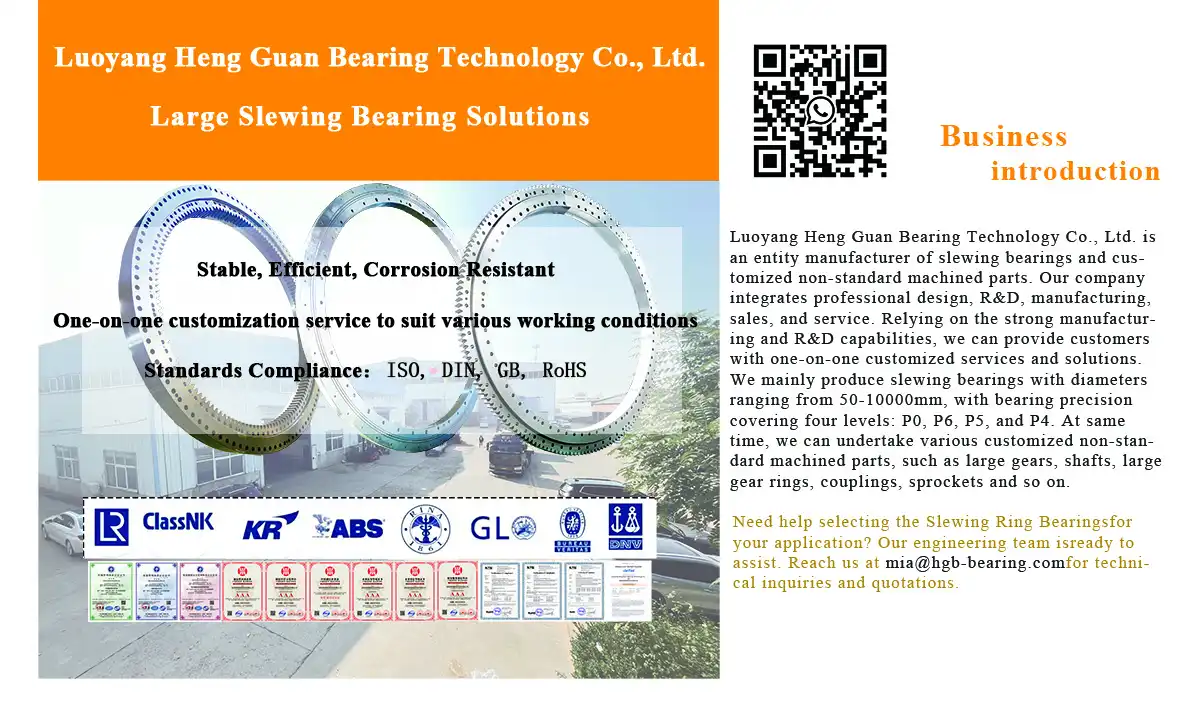
Heng Guan Bearing Technology delivers precision-engineered slewing gear solutions that meet the demanding requirements of heavy industry and precision applications worldwide. Our comprehensive manufacturing capabilities in Luoyang, China's bearing capital, combine advanced production equipment with experienced engineering expertise to produce slewing gear components ranging from 20mm to 10,000mm in diameter. With accuracy grades covering P0, P6, P5, and P4 specifications, we serve as your trusted slewing gear supplier for construction, mining, wind energy, and automation applications.
Our personalized optimization design and flexible production capabilities ensure that every slewing gear solution meets your specific operational requirements while providing exceptional cost-performance value. Contact our technical team at mia@hgb-bearing.com to discuss your precision slewing gear requirements and discover how our expertise can enhance your equipment performance and operational reliability.
References
1. Industrial Bearing Technology Standards Committee. "Precision Manufacturing Standards for Large Diameter Slewing Bearings in Heavy Machinery Applications." Journal of Industrial Bearing Engineering, Vol. 45, No. 3, 2023.
2. Chen, W., and Martinez, R. "Comparative Analysis of Precision vs Standard Slewing Gear Performance in Construction Equipment." International Conference on Heavy Machinery Technology, 2024.
3. Thompson, J.K. "Material Science Advances in Slewing Ring Gear Manufacturing: Impact on Service Life and Performance." Materials Engineering Quarterly, Vol. 28, No. 2, 2023.
4. European Wind Energy Association Technical Committee. "Slewing Gear Requirements and Performance Standards for Wind Turbine Applications." Wind Energy Engineering Review, Vol. 15, No. 4, 2024.
5. Liu, H., and Anderson, P.S. "Total Cost of Ownership Analysis: Precision vs Standard Slewing Gear in Mining Applications." Mining Equipment Technology Journal, Vol. 32, No. 1, 2023.
6. American Society of Mechanical Engineers Bearing Division. "Installation and Maintenance Best Practices for Large Diameter Slewing Gear Systems." ASME Technical Publication Series, Publication No. BRG-2024-03.

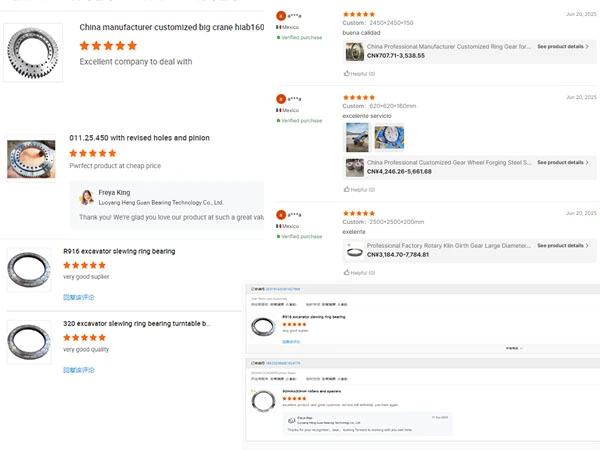
WHAT OUR CUSTOMERS SAY
Here is the customer's evaluation of us