



How Does a Slewing Bearing Work in Heavy Machinery?
Heavy machinery operations depend on complicated mechanical systems, slewing bearings that have to handle huge loads while keeping precise control over rotation.
Slewing bearings provide this balance by sustaining axial, radial and moment loads within one bearing assembly. Slewing rings are critical components on excavators, cranes, wind turbines, mining equipment and other major industrial machines. Unlike ordinary bearings, which often provide just one load direction, slewing rings provide both load support and rotating movement.
Understanding how slewing bearings work can allow engineers and buyers to make the proper choice for their application, resulting in more reliable equipment, fewer maintenance and longer machine life. The slewing bearings, if designed, installed and lubricated properly, will operate stably even under tough operating conditions.

What Is a Slewing Bearing and How Is It Designed?
Structure and Main Components of Slewing Bearings
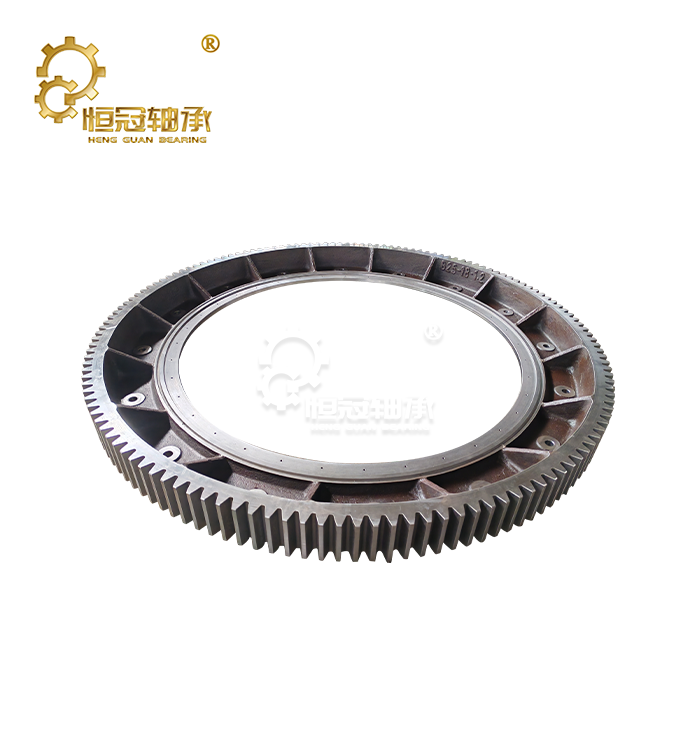
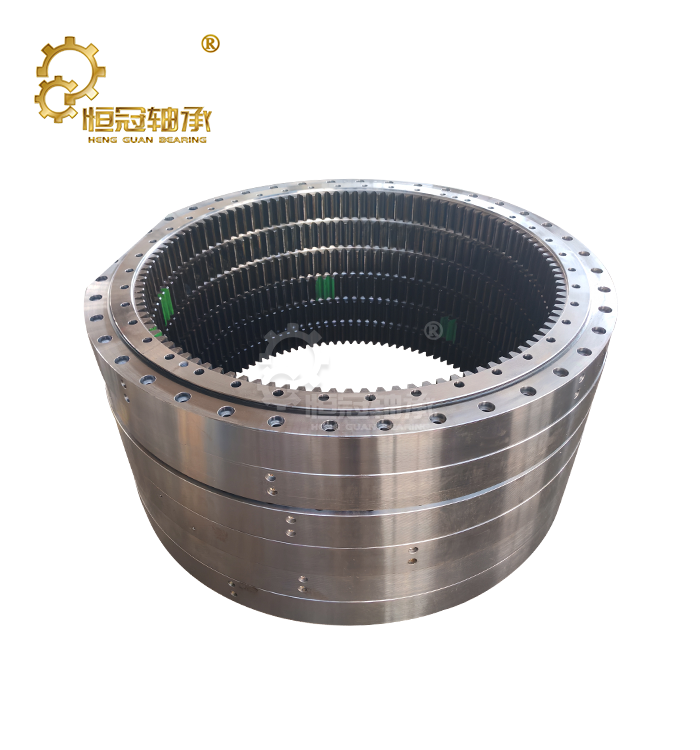
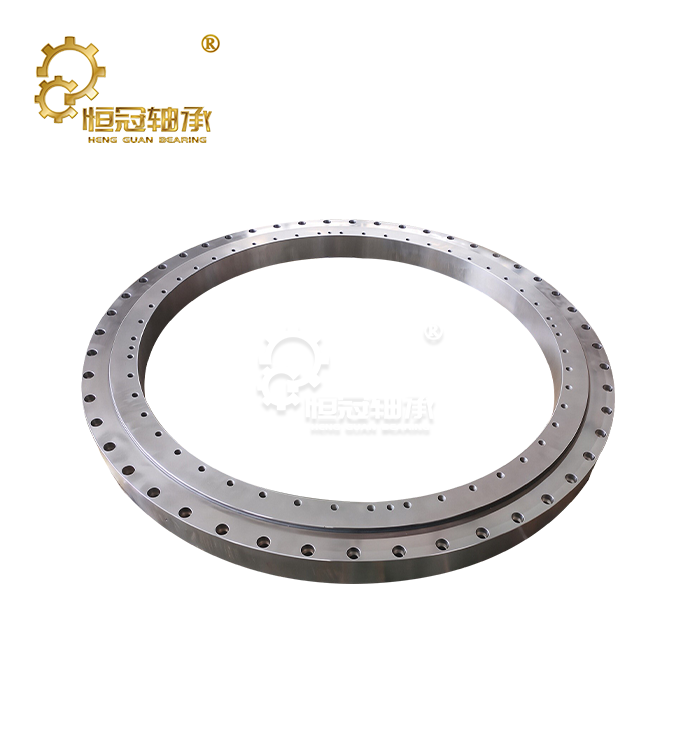
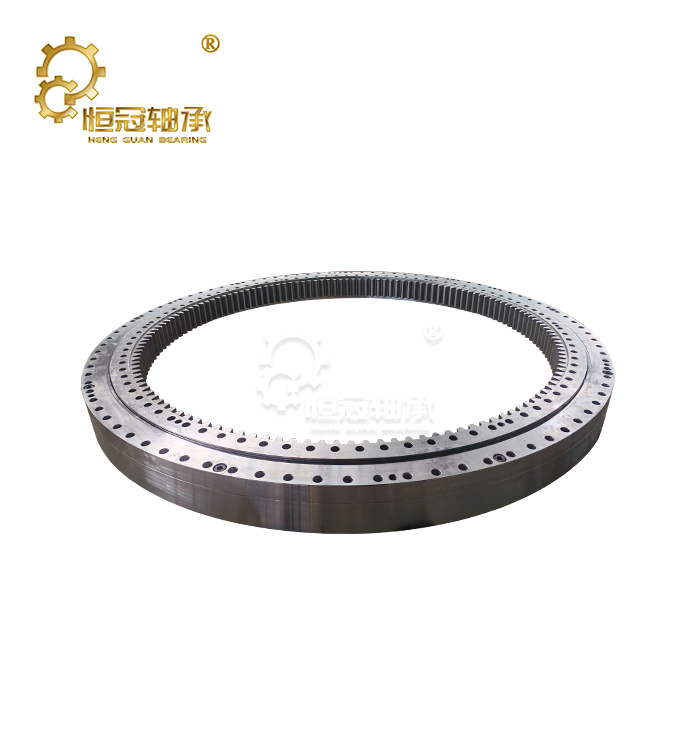
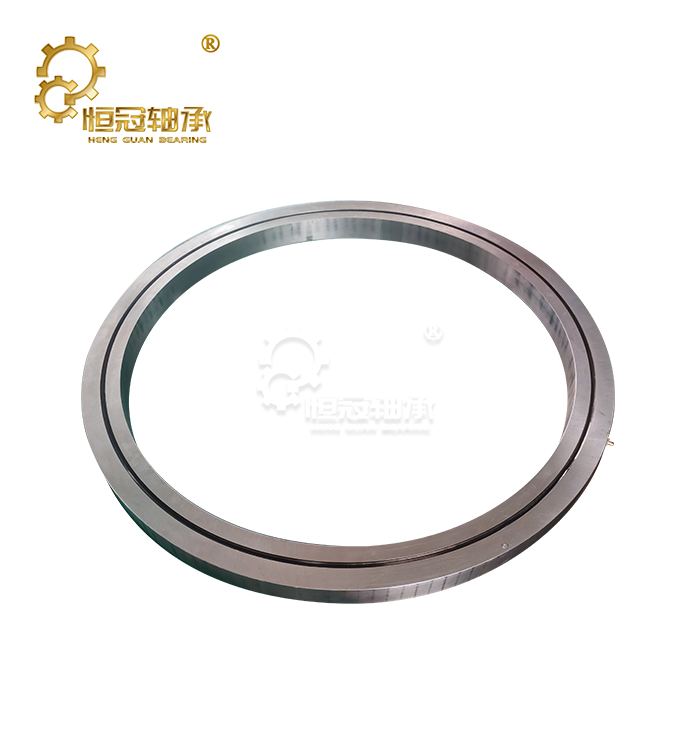
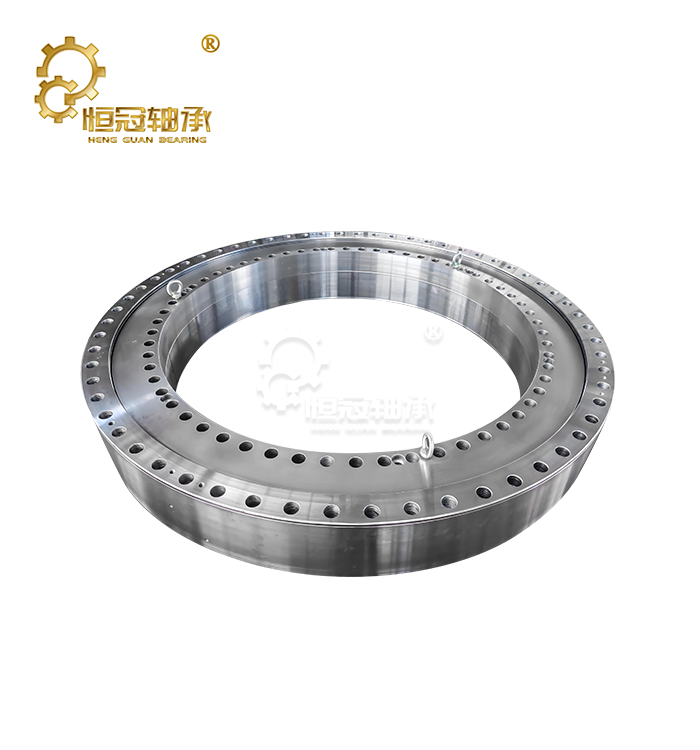
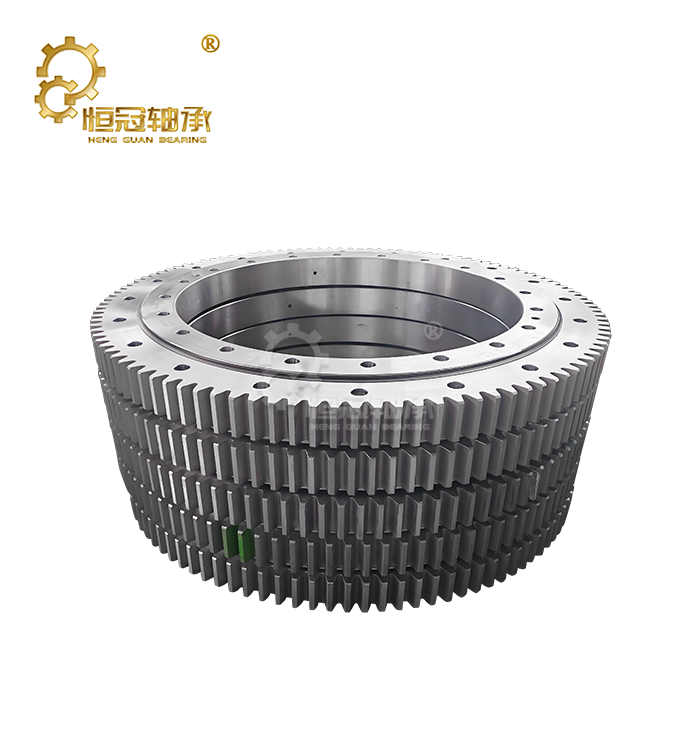
Slewing bearing is a large diameter rotational bearing. It is used to connect two structures of a machine and allow controlled rotation between them. Its design allows for the efficient transfer of large equipment and smooth movement.
The main components are:
- Inner and outer rings: Generally made of high strength materials, such as 42CrMo, 50Mn or S48C steel. These rings provide structural support and serve as mounting surfaces.
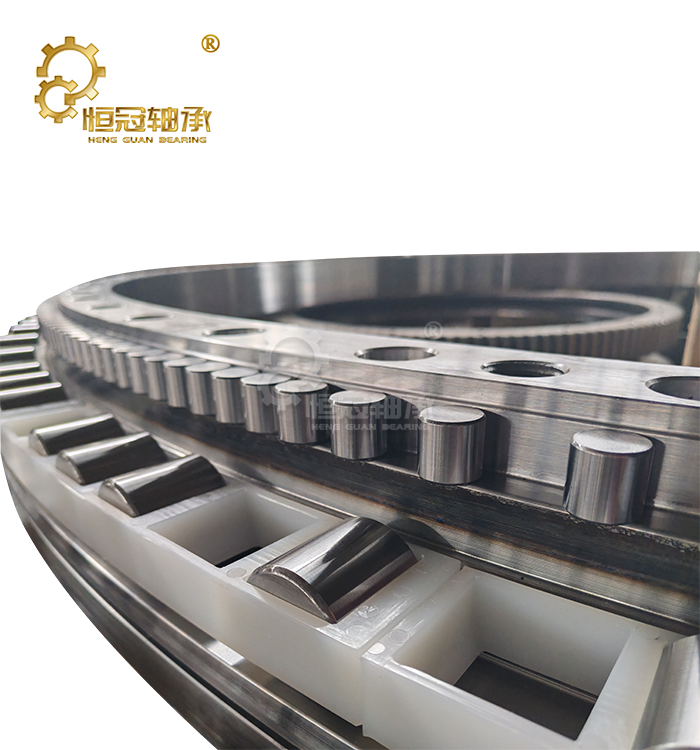
- Rolling elements (balls or rollers): Between the raceways, they reduce friction and distribute loads uniformly.
- Raceways: Tracks precision-machined to guide the rolling elements and manage load transmission.
- Sealing systems: Keep internal parts free of dust, moisture, and other pollutants.
- Lubrication channels: Enable grease or lubricant to reach important contact regions.
Slewing bearings have a wider diameter-to-thickness ratio and integrated mounting holes than traditional bearings. This enables them to act as a bearing element as well as a structural connection between important machine assemblies.
Why Slewing Bearings Are Important for Heavy Machinery?
The reliability of rotation system is highly dependent on the operation of heavy machinery. A well selected slewing bearing distributes the different types of forces over the bearing structure, reducing over-stressing of the other components.
For example, the upper frame of an excavator is supported by a slewing bearing, which enables the cab and working equipment to revolve. The bearing enables a crane to deal with overturning forces that are generated by long booms and big lifting loads.
Selecting the wrong bearing may lead to:
- Imbalanced load sharing
- Increased wear
- More regular maintenance
- Unexpected equipment shutdown
For this reason, bearing selection is not simply a component purchasing decision, but also an integral part of overall equipment dependability planning.
How Do Slewing Bearings Handle Heavy Loads?
Load Distribution and Force Transmission
The theory of operation of slewing bearings is based on the efficient distribution of the load by rolling bodies and raceways.
Large machines often produce three kinds of loads:
- Axial loads: Loads acting vertically along the bearing axis.
- Radial loads: Forces that act horizontally across the bearing.
Moment loads: Overturning forces caused by unbalanced loading or long machine constructions.
These forces are dealt with at the same time by a slewing bearing. The loads are transferred thru the rolling elements between the inner and outer rings and the raceway design guarantees the pressure distribution to several contact points.
Handling of moment loads is very crucial in applications like cranes. In case of a crane lifting a big object with a long reach, the slewing bearing must withstand the overturning force and ensure smooth rotation.
Rotational Control and Operating Accuracy
Slewing bearings are designed to carry huge loads but also require precision movement. The big diameter provides mechanical advantages . It creates a wider line of rotation and better stability .
Most large machinery operates at fairly moderate rotational speeds thus slewing bearings can concentrate on:
- Load capacity high
- Structural stiffness
- Location precision
- Durable life time
If it is necessary to move equipment accurately (for example in an industrial automation system or for positioning platforms) then bearing precision and internal clearance are design factors to take into account.
Where Are Slewing Bearings Used in Heavy Equipment?
Construction and Mining Machinery Applications
One of the most prevalent applications for construction equipment are slewing bearings.
The slewing bearings enable the upper structure of excavators to spin independently from the undercarriage. The bearing must be able to cope with ever changing loads due to digging, lifting and swinging operations.
The working environment of mining machinery is usually hostile where the bearings have to stand:
- High impact loads
- Dust pollution
- 5 Continuous running
- High amounts of vibration
So appropriate lubrication and sealing is critical to keeping bearing performance under these conditions.
Cranes, Wind Turbines, and Industrial Systems
Slewing bearings are used for cranes, to provide controlled rotation of high loads. For challenging lifting applications, roller-type slewing bearings are generally selected for their superior load capacity and stiffness.
Large slewing bearings are also used in wind turbine yaw systems. These bearings allow the nacelle to turn with the wind, which improves the efficiency of energy generation.
Other applications include:
Port handling equipments
Material Handling Equipment
Radar systems
Industrial automation equipment
Different bearing designs are needed for each application based on the load circumstances, operating speed and environmental considerations.
What Factors Affect Slewing Bearing Performance?
Lubrication and Contamination Protection
A number of factors affect the service life of slewing bearings, the most essential of which is proper lubrication. Lubricants minimise friction, protect the rolling surfaces and assist avoid pre-mature wear.
The choice of proper lubricant relies on:
- Temperature at operation
- Load Condition
- Environmental exposure
- Service times
Often needed for outdoor equipment, the grease is water resistant. Machinery operating at very high or very low temperatures may require specific lubricants to preserve the properties of the lubricants over a range of temperatures.
Sealing systems are also crucial. Good seals prevent dust, water and pollutants from entering the bearing, and retain oil.
Installation and Mounting Requirements
Most of the time the cause of early slewing bearing failure is improper installation.
Before installation, the engineers should confirm that:
- Flatness of mounting surface
- Bolt quality and order of tightening.
- Alignment precision
- Preload conditions needed
Uneven raceways will cause additional stress on the bearing structure, resulting in uneven wear of the raceways and decreased operational life.
Proper bolt torque management is also needed, since under or over tightening might impact load distribution.
How to Select the Right Slewing Bearing for Heavy Machinery?
Application Conditions and Load Analysis
Application Conditions and Load Analysis
The selection of suitable slewing bearings is based on a thorough understanding of the working circumstances of the machine.
Key elements include:
- Maximum radial & axial loads
- Load moments
- Rotation rate
- Working cycles
- Environmental exposure
For example, a crane with frequent heavy lifts requires a different bearing design than a light-duty positioning device.
Static and dynamic loads are often calculated by engineers to size and type of bearing to be used and safety criteria.
Ball and Roller Slewing Bearing Selection
The performance characteristics of ball and roller slewing bearings are different.
Ball slewing bearings often provide:
- less friction
- Rotate smoothly
- Good setting performance
They are appropriate for applications of modest load and accurate movement.
Roller slewing bearings deliver:
- More capacity for loading
- More inflexibility
- Greater resistance to shock loading
They are used frequently in heavy equipment like as cranes and mining equipment.
The choice in each case depends on machine design, operating conditions and required service life.
|
|

Quality Standards and Supplier Evaluation
Manufacturing Quality and Testing Requirements
Quality control and manufacturing accuracy is the basis for the reliable performance of slewing bearing.
The main abilities of suppliers are:
- Machining procedures precision
- Materials checking
- Controlling heat treatment
- Dimensional test of
- Verification of performance
Adherence to established industry norms ensures consistency in production quality and reliability.
For essential applications, buyers need to look beyond product specs and consider the manufacturer’s engineering support and testing capabilities.
Choosing an Experienced Slewing Bearing Manufacturer
“A qualified manufacturer can supply more than standard goods. Engineering support in selection, design aid to customise and application analysis might help avoid wrong bearing choices.
When assessing vendors, procurement teams should consider:
- Production Capacity
- Options for material
- Quality management systems
- Technical Assistance
- Reliability of delivery
Partnering with an experienced partner reduces project risks and results in enhanced long-term equipment performance.
Maintenance Practices to Extend Slewing Bearing Service Life
Regular inspection and preventive maintenance is a must for heavy machinery.
Recommended maintenance practices are:
- Regularly check lubrication conditions
- Seals checking for damage
- Detecting strange loudness or vibration
- Check tightness of bolt
- Detect abnormal temperature increase
Early diagnosis of wear or lubrication problems can help prevent costly equipment failures and decrease maintenance costs.
The maintenance plan should be based on the operational conditions, not predetermined schedules. Machines used in dusty mines or marine areas frequently need more regular checks than equipment used in controlled situations.
Conclusion
Slewing bearings are critical components that enable heavy machines to turn reliably and accommodate complex loading situations. Axial, radial and moment loads can be accommodated making them appropriate for excavators, cranes, wind turbines and many other industrial applications.
Engineers and buyers will be better able to make judgements with an understanding of the construction, operating principles, selection variables and maintenance requirements for slewing bearings. Equipment can be more reliable and decrease the whole lifespan costs with proper design, installation, lubrication and support from the provider of the slewing bearings.
FAQ
1. How to select the right slewing bearing for large machinery?
The right slewing bearing is selected based on load requirements, operating conditions, rotation speed, installation dimensions and anticipated service life. Engineers should consider axial, radial and moment loads when selecting bearing size and type.
2. What is the lifespan of slewing bearings?
Service life varies with load conditions, lubrication, environment and maintenance. Proper installation and periodic inspection can do much to prolong service life.
3. What causes the failure of slewing bearing?
Common causes include lack of lubrication, contamination, faulty installation, overload situations and inappropriate bearing choice.
4. What is the difference between ball and roller slewing ring bearings?
Ball slewing bearings are utilised for smoother rotation and moderate loads. Roller slewing bearings have a higher load capacity and are often employed in heavy-duty applications.
Partner with Heng Guan for Reliable Slewing Bearing Solutions
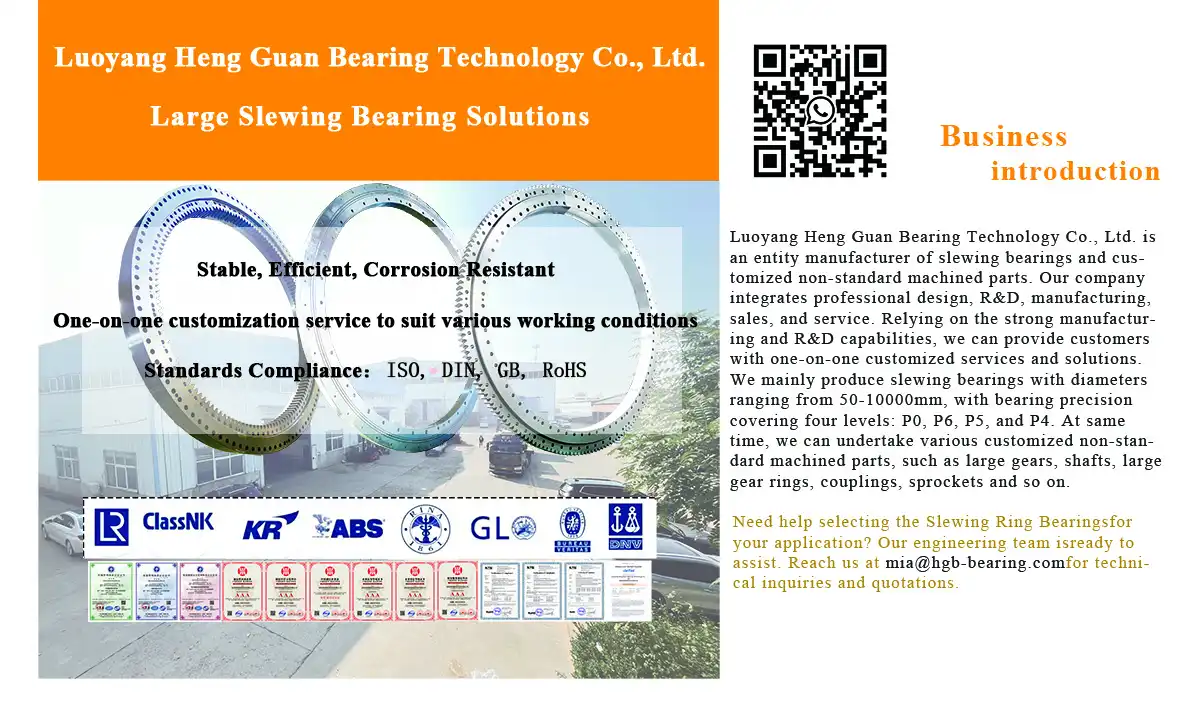
Luoyang Heng Guan Bearing Technology specialised in the design and manufacture of slewing bearings for construction equipment, mining gear, wind energy and industrial applications.
The company offers tailored bearing systems for diameters ranging from 20mm to 10000mm and caters to varied precision grades from P0 to P4. Material: 42CrMo, 50Mn steel. Heng Guan helps customers pick proper bearing structures based on load requirements and operating conditions.
With engineering support, manufacturing knowledge and an emphasis on quality production, Heng Guan supplies reliable slewing bearing solutions for demanding industrial applications.
Contact our technical specialists at mia@hgb-bearing.com to discuss your application needs and discover how our precision-engineered slewing bearing solutions can enhance your equipment's performance and reliability.
References
1. Zhang, L. and Wang, M. "Load Distribution Analysis in Large Diameter Slewing Bearings for Heavy Machinery Applications." International Journal of Mechanical Engineering, Vol. 45, No. 3, 2023, pp. 234-251.
2. Johnson, R.K. "Tribological Performance of Slewing Ring Bearings in Construction Equipment: A Comparative Study." Heavy Equipment Engineering Quarterly, Vol. 28, No. 2, 2023, pp. 89-104.
3. Schmidt, H. and Chen, Y. "Fatigue Life Prediction Methods for Three-Row Roller Slewing Bearings in Wind Turbine Applications." Renewable Energy Engineering Review, Vol. 19, No. 4, 2022, pp. 412-428.
4. Anderson, P.J. "Integration Strategies for Slewing Bearings in Modern Heavy Machinery Design." Mechanical Systems Design Journal, Vol. 52, No. 1, 2023, pp. 156-172.
5. Liu, T. and Thompson, B. "Environmental Impact Assessment on Slewing Bearing Performance in Mining Equipment." Industrial Tribology International, Vol. 167, 2022, pp. 298-314.
6. Roberts, S.M. "Predictive Maintenance Strategies for Large Slewing Bearings in Critical Industrial Applications." Maintenance Engineering Proceedings, Vol. 31, No. 6, 2023, pp. 78-95.

WHAT OUR CUSTOMERS SAY
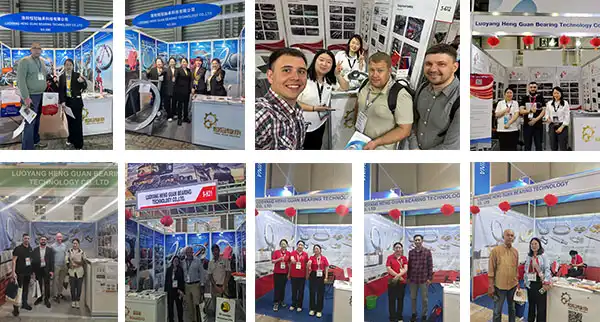
Here is the customer's evaluation of us