




What to Specify When Ordering Customized Slewing Bearings?
When ordering customized slewing bearings, you must specify precise load requirements, dimensional parameters, material selections, and environmental conditions to ensure optimal performance. Unlike standard catalog products, customized bearings are designed according to specific equipment requirements, meaning even small differences in installation conditions or working loads can affect performance and service life.
A complete specification allows manufacturers to select the correct bearing structure, optimize internal design, and avoid problems during installation or operation. For heavy-duty equipment such as cranes, excavators, rotary tables, wind turbines, and industrial machinery, detailed communication between the buyer and manufacturer is essential for achieving reliable long-term performance.

Why Do Customized Slewing Bearings Require Detailed Specifications?
Standard slewing bearings are designed to suit general working circumstances. For particular needs, bespoke solutions are produced. Such differences can include higher loads, limited installation space, particular climatic conditions or special requirements on rotation accuracy.
Typically, the custom design process involves application study, load calculations, structural selection, material evaluation and performance verification. By establishing these criteria ahead of production, manufacturers can design a bearing solution that is compatible with the equipment, not the other way around.
Key Technical Information to Provide Before Ordering
Define Load Conditions and Operating Requirements
Define Operating Requirements and Load Conditions
Load capacity is one of the essential criteria of slewing bearing selection for custom-made ones. Information for suppliers to provide:
Axial load
Radial loads Axial loads
Tilting moment loading
Static and dynamic loading situations
Shock loads and vibration levels
Axial loads are forces operating along the bearing axis; radial loads are forces applied perpendicular to the axis. Tilting moments are especially significant for equipment under unbalanced or varying loads, as they directly influence the bearing size, raceway design and internal stress distribution.
Manufacturers also need to know the real working cycle, not just peak loads. If the machinery is subject to frequent starts and stops or reversal of direction, a different bearing design than for machinery working under steady-state conditions may be required.
Provide Accurate Dimensional and Installation Details
Dimensional compatibility immediately influences the quality of installation and the reliability of the equipment. When seeking a quotation, buyers should supply the following:
Requirements for inner and outer diameter
Height restrictions
Mounting hole size
Diameter of bolt circle
Flange shape
Available install space
If the area is tight for the equipment, the flange constructions or mounting arrangements may have to be customized by the makers. Accurate drawings and installation details eliminate alignment problems and decrease modification expenses after delivery.
Select the Appropriate Bearing Structure
The internal construction of a slewing bearing should be appropriate for the load characteristics and operating conditions of the application.
Single-row four-point contact ball bearings are prevalent in applications with compact design and moderate load capacity. Double row ball bearings are better for even distribution of the load for equipment that is subject to changing forces.
Three-row roller bearings have a high load-carrying capability for very heavy applications. Crossed roller types have great stiffness when space is restricted for installation and when rotation precision is critical.
Selecting the proper structure at an early design stage will increase the equipment performance and avoid premature wear.
Material Selection and Environmental Considerations
Choose Materials Based on Operating Conditions
The material choice influences bearing strength, fatigue strength, and service life. Slewing bearing rings are generally made from alloy steels such as 50Mn and 42CrMo, which provide exceptional strength and durability for heavy loads.
Rolling elements are generally made of bearing steels such as GCr15SiMn to provide reliable performance under repeated stress conditions. Quenching and tempering are heat treatment techniques that can increase hardness and structural reliability.
The choice of material depends on the load requirements but also on the operating temperatures, the exposure to corrosion, and the estimated service life.
Specify Sealing and Protection Requirements
Sealing systems are important for maintaining lubrication performance and protecting internal components from contaminants. When buying bespoke slewing bearings, purchasers should consider the following:
Breathing dust
Contact with water
Chemical environment
Changes in temperature
Outdoor installation environment
Additional corrosion protection may be needed for maritime or outdoor applications. Better sealing solutions for dusty industrial areas can prevent contaminants from reaching the raceway system of customized slewing bearings.
The environmental characteristics allow the producer to select proper sealing materials and protective treatments.
Additional Design Features to Consider
Gear Requirements and Rotation Control
Some bespoke slewing bearings have an external or internal gear for direct-drive applications. Buyers should mention if gearing is required:
Type of gear
Module size
Tooth requirements
System Compatibility Testing
Speed of rotation
The knowledge lets manufacturers deal with the bearing and gear system as a single solution instead of separate parts.
Accuracy, Lubrication, and Maintenance Requirements
The required precision depends on the application. Buyers need to specify the precision requirements for the use of the equipment, especially for devices that need controlled movement or positioning.
Lubrication requirements should also be considered in the design process. Factors such as operating speed, load frequency, and climatic conditions will influence grease choices and maintenance intervals.
A properly designed lubrication system minimizes friction, decreases wear and prolongs bearing service life.
How to Compare Customized and Standard Slewing Bearings?
Performance Benefits of a Customized Design
The primary advantage of custom slewing rings is that they may be developed for a specific application. Customized solutions can provide vs. standard products:
Improved load matching
Better equipment integration
Increased durability
Less requirement for modification
For example, a bearing built specifically for a crane application can be optimized in terms of lifting loads, frequency of rotation and mounting circumstances. This focused strategy can improve reliability as compared to selecting a general bearing.
Evaluating Long-Term Cost and Investment Value
Custom bearings may have a greater upfront engineering cost, but they might deliver a better value throughout the life of the equipment.
A well-constructed bearing will reduce the following:
Unforeseen Downtime
Frequency of maintenance
replacement cost
Cost of equipment modification
When assessing suppliers, customers should examine the purchase price, engineering support, manufacturing competence, quality control processes and after-sales service.
How to Work With a Manufacturer During the Ordering Process?
Prepare Complete Technical Documentation
Buyers should prepare important technical information before contacting a manufacturer, such as:
Drawings of equipment
Load calculations;
Working modes
Installation instructions
Expectations on performance
Complete documentation facilitates accurate recommendations from manufacturers and eliminates delays caused by missing information.
Experienced manufacturers may assist in selecting bearings, optimizing structures, and verifying production to satisfy end product application requirements.
Confirm Manufacturing and Quality Control Procedures
Quality assurance is needed in the manufacturing of customized bearings. Buyers should look at the manufacturer’s capabilities, including the production experience of customized slewing bearings, quality control processes, testing standards, and delivery conditions.
Material inspection processes.
Control of heat treatment
Machining precision
Assembly standards
Final exam performance
For instance, producers may utilize ultrasonic testing, magnetic particle inspection, dimensional measurement and load testing before shipping to confirm structural quality.
A provider that follows quality management systems such as ISO 9001 ensures constant production standards.
Maintenance Recommendations for Long-Term Performance
Follow Proper Lubrication and Inspection Practices
Regular maintenance is necessary to maximize the service life of customized slewing bearings. Maintenance plans should include:
Scheduled lubrication
Seal inspection
Bolt tightening checks
Wear monitoring
Insufficient lubrication or contamination can accelerate raceway damage and reduce bearing performance.
Monitor Operating Conditions
Performance monitoring helps identify potential problems before serious failures occur. Common monitoring methods include:
Vibration analysis
Temperature measurement
Noise inspection
Visual examination
Tracking operating conditions over time allows users to optimize maintenance schedules and improve equipment reliability.
Conclusion
Ordering customized slewing bearings demands correct technical knowledge, straightforward communication, and careful consideration of operating conditions. The ultimate design and performance (e.g., for load requirements, size, materials, sealing solutions, bearing structure and maintenance expectations) will vary.
With an experienced manufacturer, consumers can be confident that the bearing solution will meet equipment specifications and deliver reliable performance over its life. A well-specified customized bearing not only increases machine performance but also helps decrease downtime, maintenance costs and long-term operational concerns.
FAQ
1. What information should I provide when ordering customized slewing bearings?
Buyers should provide load conditions, dimensional requirements, installation drawings, operating environment details, rotation requirements, and any special material or sealing requirements. Complete technical information helps manufacturers design a suitable bearing solution.
2. How long does it take to manufacture customized slewing bearings?
Production time depends on bearing size, structural complexity, material requirements, and testing procedures. Simple modifications may require less time, while completely new designs usually require additional engineering and manufacturing time.
3. Can a manufacturer help select the right slewing bearing design?
Yes. Experienced manufacturers can analyze application conditions, recommend suitable bearing structures, and optimize designs based on load requirements, installation limitations, and operating environments.
4. Why choose customized slewing bearings instead of standard products?
Customized designs provide better compatibility with specific equipment requirements. They can improve load performance, reduce installation problems, and provide longer service life in demanding applications.
Partner With Heng Guan for Customized Bearing Solutions
Heng Guan Bearing Technology specializes in customized slewing bearings designed for industrial applications. With more than 20 years of manufacturing experience, advanced CNC production equipment, and engineering support capabilities, Heng Guan provides tailored bearing solutions for different equipment requirements.
The company offers slewing bearings ranging from 50 mm to 10,000 mm in diameter with accuracy grades from P0 to P4. Through professional design support, strict quality control, and application-focused engineering, Heng Guan helps customers develop reliable bearing solutions for heavy machinery and specialized industrial systems.
Email our engineering team at mia@hgb-bearing.com to talk about your project needs and find out how our custom bearing solutions can help your tools work better.
References
1. "Industrial Bearing Design and Application Guidelines for Heavy Machinery" - American Society of Mechanical Engineers Standards Publication, 2023.
2. "Slewing Ring Bearing Technology in Construction and Mining Equipment" - International Journal of Mechanical Engineering Applications, Vol. 45, Issue 3, 2024.
3. "Load Analysis and Design Optimization for Large Diameter Bearings" - Tribology International Research Publication, 2023.
4. "Material Science Advances in High-Performance Industrial Bearings" - Materials Engineering Quarterly, Issue 2, 2024.
5. "Maintenance Strategies for Extended Service Life in Critical Bearing Applications" - Industrial Maintenance and Reliability Conference Proceedings, 2023.
6. "Custom Bearing Solutions for Extreme Environment Applications" - Heavy Industry Equipment Design Journal, Vol. 38, 2024.

WHAT OUR CUSTOMERS SAY
Here is the customer's evaluation of us
YOU MAY LIKE
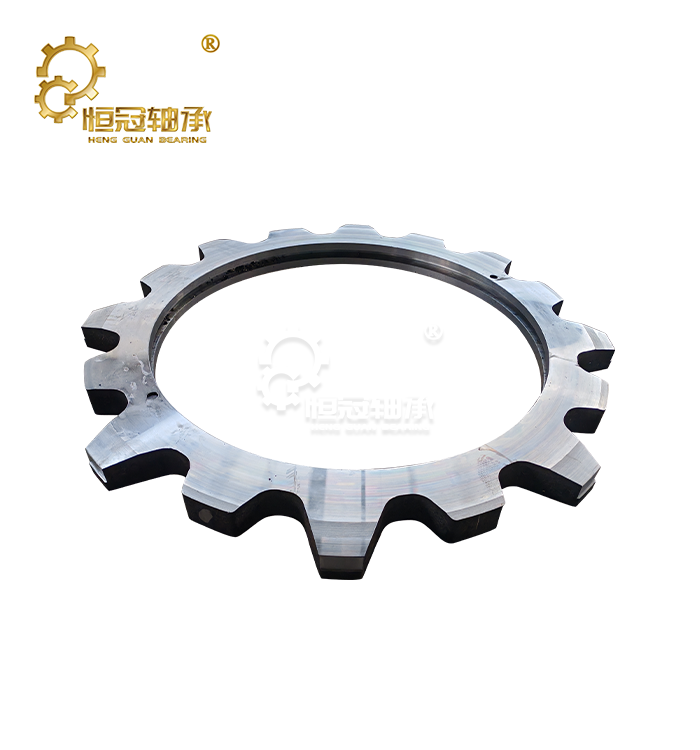 VIEW MOREOem Mining Equipment Gears
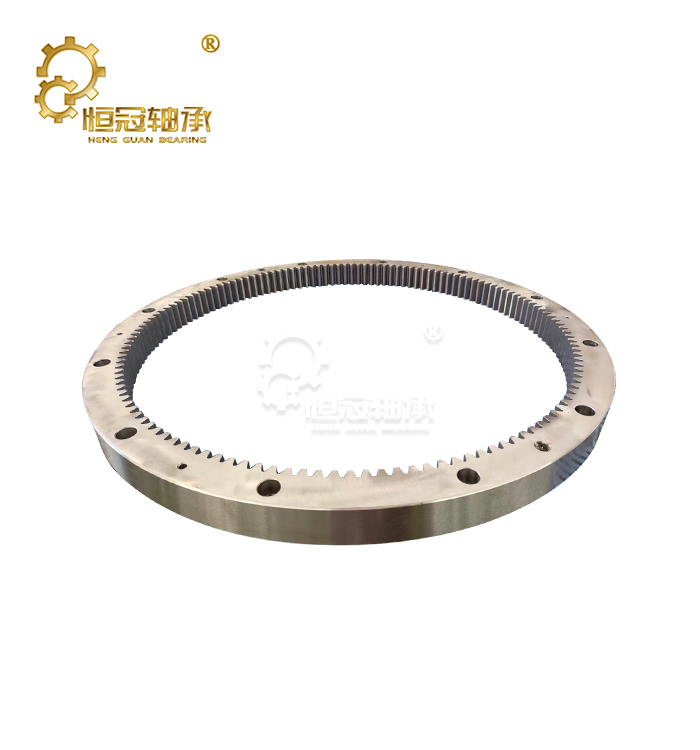 VIEW MOREInternal Gear Ring
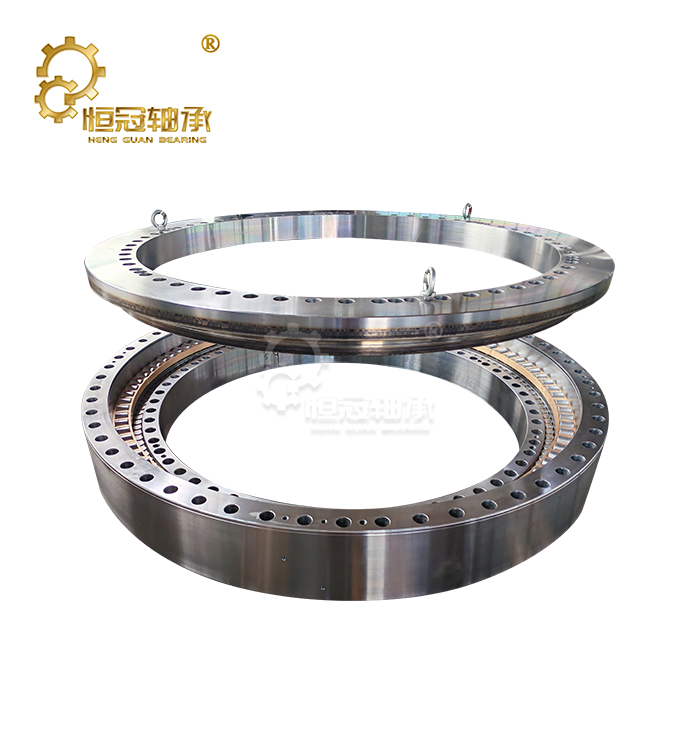 VIEW MOREThree-Row Cylindrical Roller Slewing Bearing
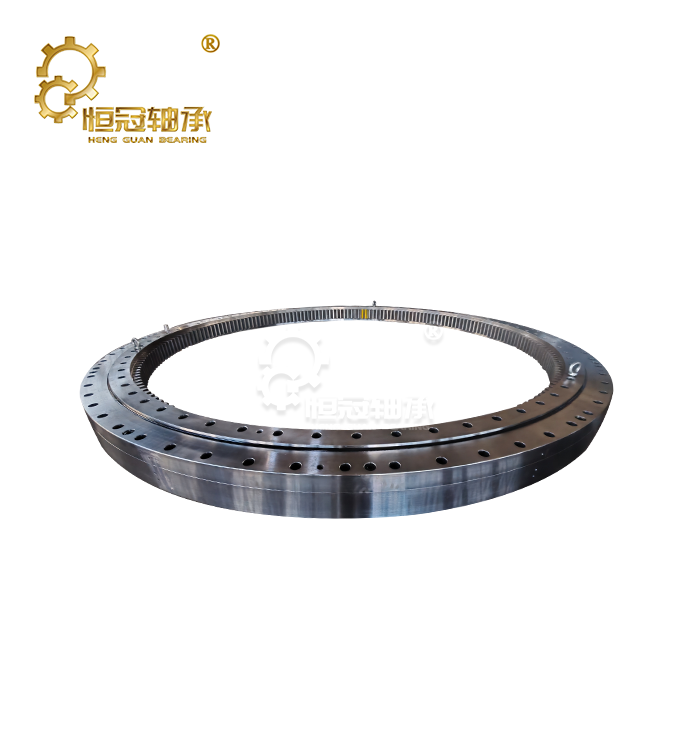 VIEW MORECrane Slewing Ring
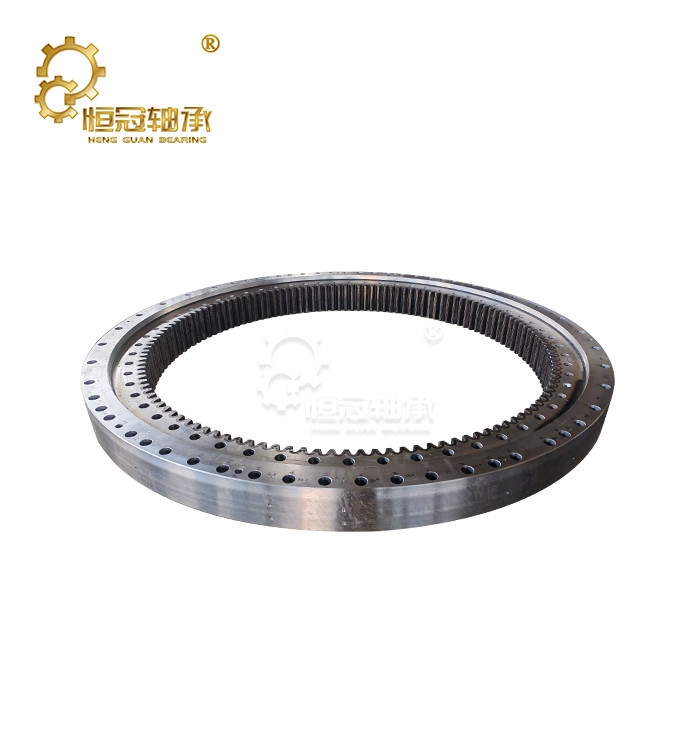 VIEW MORETunnel Boring Machine Bearing
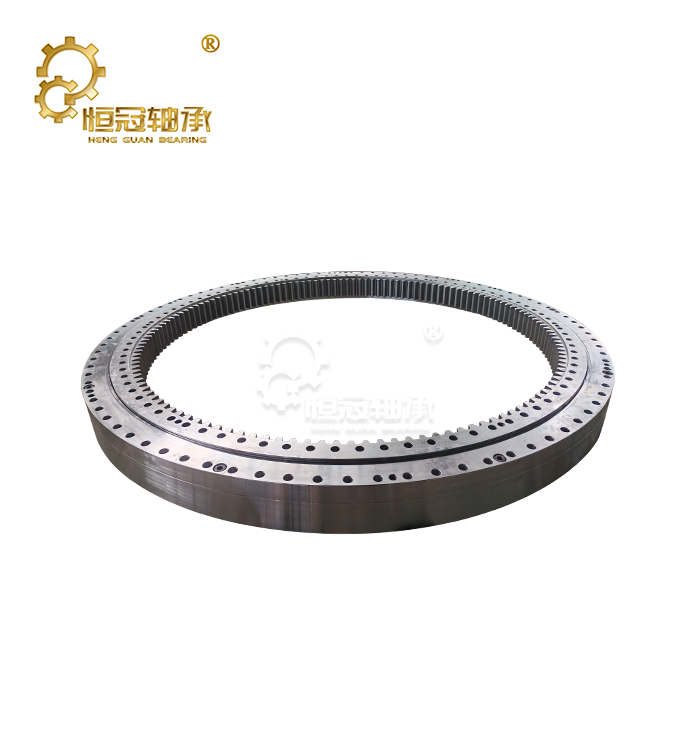 VIEW MOREConcrete Pump Truck Slewing Bearing
_1769754972666.webp) VIEW MOREWelding Positioners Slewing Bearing
VIEW MOREWelding Positioners Slewing Bearing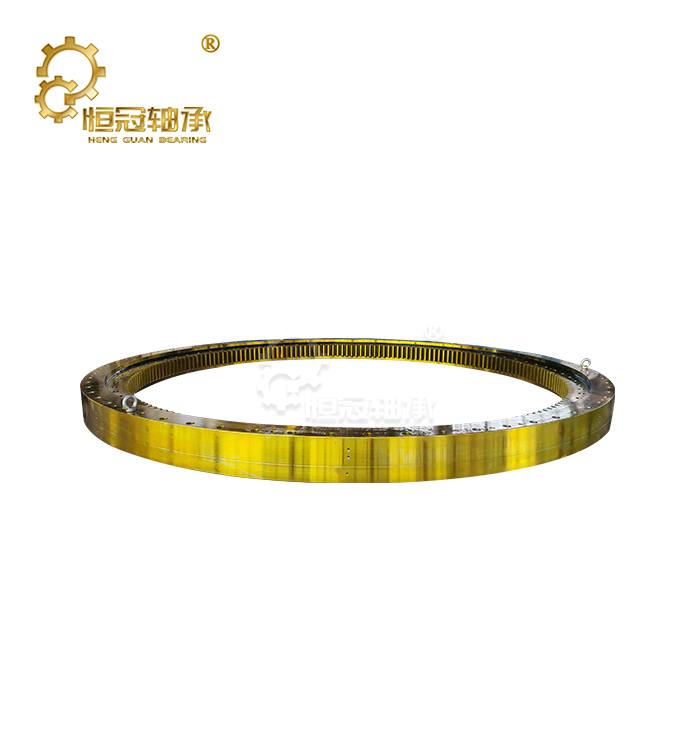 VIEW MORELarge Diameter Crane Slewing Bearing