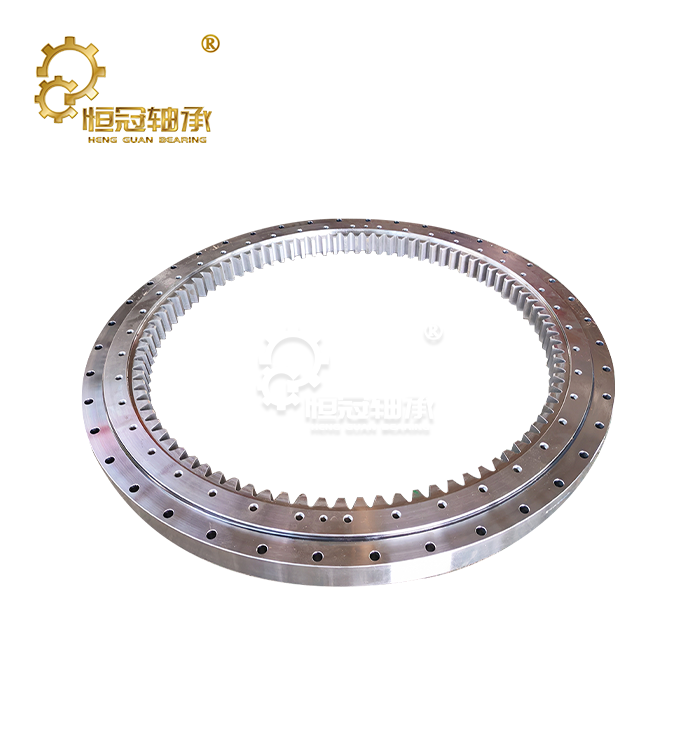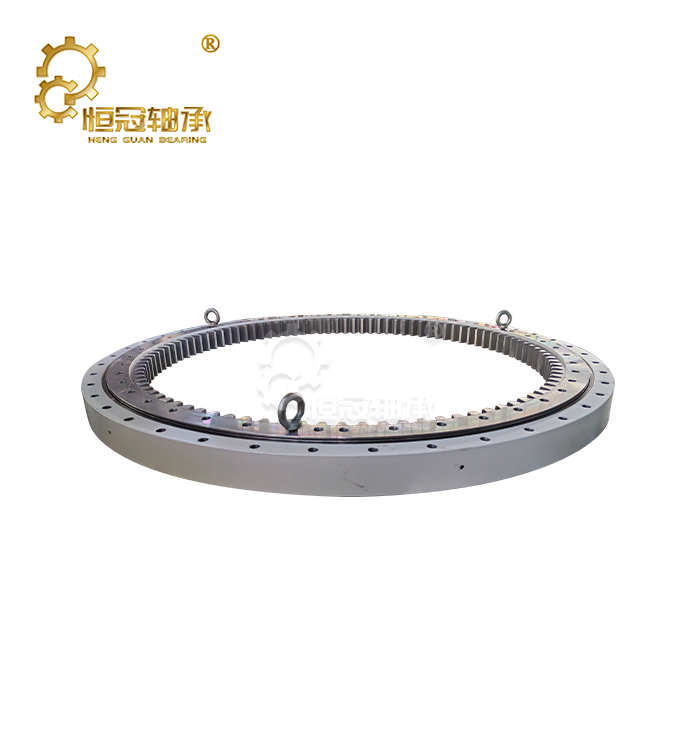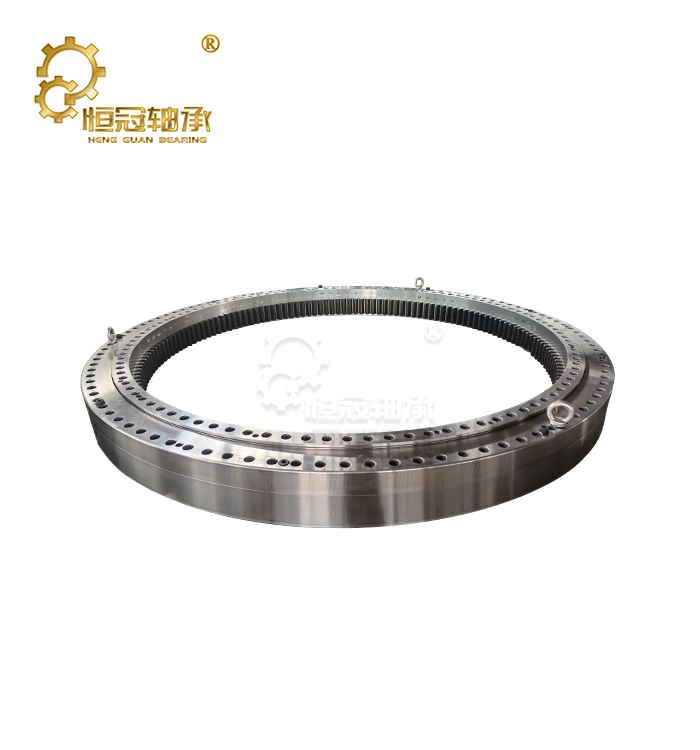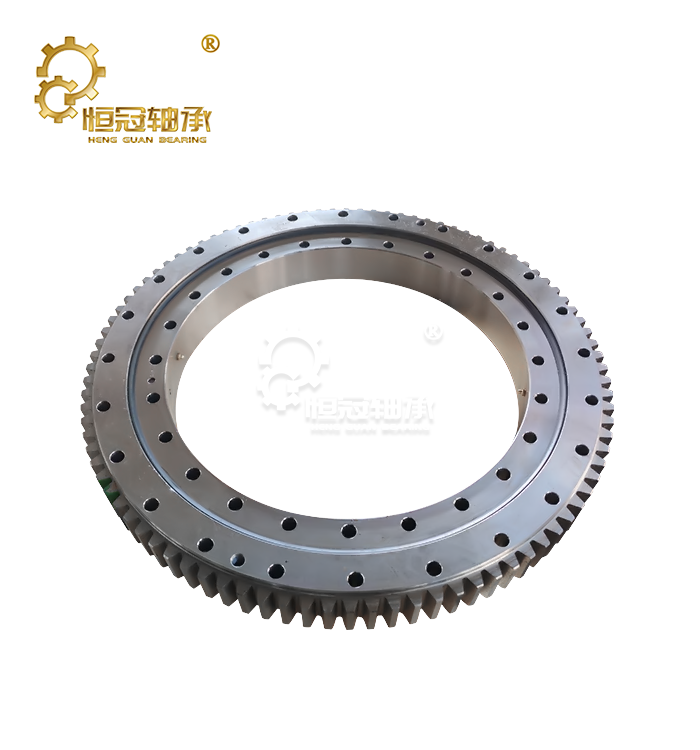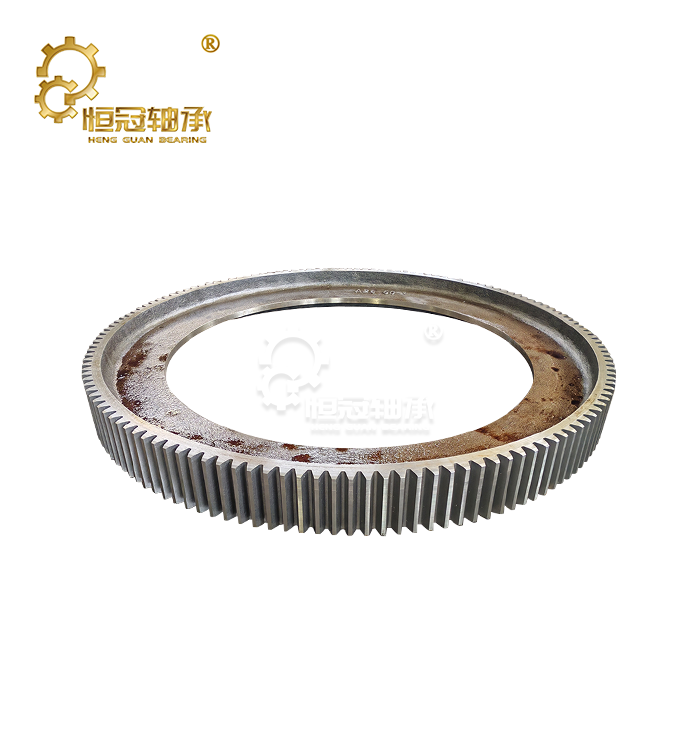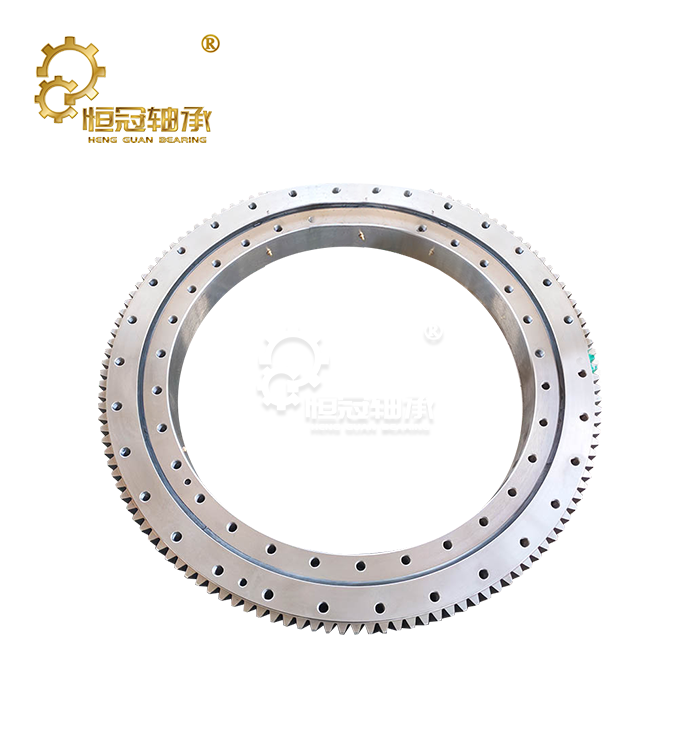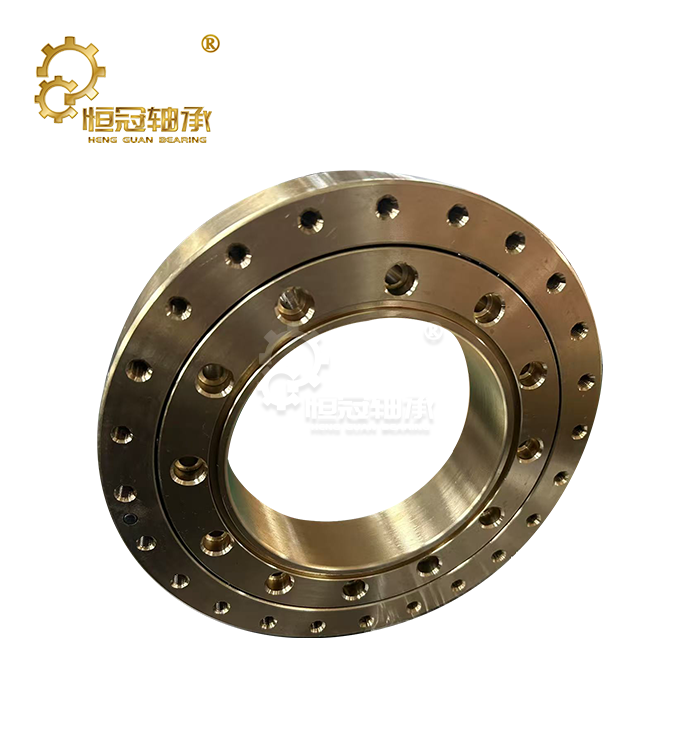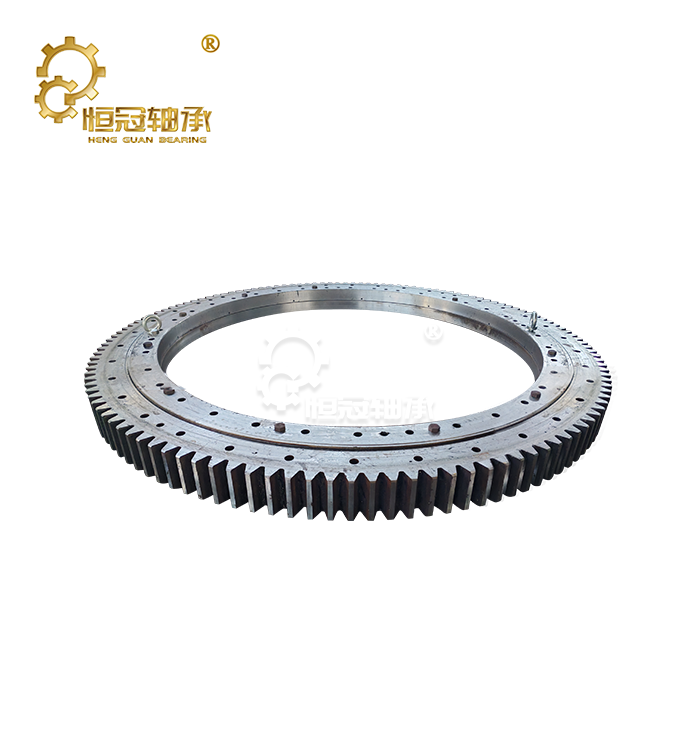




Compact 4 Point Contact Ball Bearings for Space-Critical Designs
The 4 Point Contact Ball Bearing is the best engineering option when there isn't enough room and the load needs to be very heavy. These special rolling bearings have the load-carrying ability of two-row angular contact bearings in a single-row frame that is surprisingly small. Their special four-point contact geometry allows them to support axial loads in both directions while keeping their footprint as small as possible. This makes them essential parts for aerospace systems, medical equipment, and precision robotics, where every millimeter counts and performance cannot be compromised.

Understanding Compact 4 Point Contact Ball Bearings
Compact four-point contact ball bearings are a completely new way to build bearings that solves the basic problem of making the best use of space in precision machinery. Traditional angular contact bearings need to be paired up in order to handle axial loads that go in both directions. These bearings, on the other hand, do the same thing in a single, more compact unit. The new raceway geometry gives each ball four separate touch places with the bearing rings. This makes the load distribution better than with traditional designs.
Unique Design Architecture
The carefully designed raceways for these bearings are what hold them together. Each steel ball touches both the inner and outer rings exactly four times. This makes a Gothic arch shape that spreads the load out as evenly as possible while reducing stress concentration. This design lets the bearing handle both rotational loads and axial forces in both directions at the same time, without the need for extra support bearings. The inner ring usually has a split design that makes it easier to place in tight areas where normal mounting methods wouldn't work. This separable design lets techs place parts separately, which makes assembly simpler in applications that need to save room and make upkeep harder because of limited access.
Material Engineering Excellence
For manufacturing to be at its best, the materials must be carefully chosen to make sure they work well in tough circumstances. The bearing rings are made of 50Mn or 42CrMo alloy steel, which is very strong and doesn't bend easily when big loads are put on them. These steel types are better at resisting wear, which means they last longer in situations where replacing bearings would cost a lot of money in lost time. The moving parts are made up of GCr15 bearing steel balls that are precisely ground and made to very tight standards. These parts go through controlled heat treatment methods that make them as hard as they should be while keeping their shape over long periods of time. The cage assembly is made of high-tech materials and geometric shapes that help spread oil evenly and keep the balls spaced correctly even when the machine is moving.
Benefits of Using Compact 4 Point Contact Ball Bearings in Space-Critical Designs
In situations where 4 Point Contact Ball Bearing space is limited, parts must work well while fitting into small spaces. Compact four-point contact ball bearings work very well in these conditions. These bearings have load capacity rates that are much higher than those of other options. This lets designers reach high-performance goals without making equipment bigger.
Superior Load Handling Capabilities
The four-point contact design can handle a wide range of loads and gets rid of the need for complicated bearing arrangements. In the past, different bearings might have been needed to handle all the different loads. But these units handle radial forces, axial loads in both directions, and moment loads all in one part. This merging makes the system simpler, lighter, and less likely to break. Another important benefit is that load sharing is more efficient. The four contact points on each ball make the stress patterns more even across the bearing structure. This lowers the high loads that usually shorten the life of bearings in other designs. This better stress spread means that the dynamic load rates are higher, and the system is more reliable in demanding situations.
Enhanced Operational Efficiency
Because they reduce friction and improve energy transfer, compact shapes make systems much more efficient overall. The improved contact geometry lowers rolling resistance while keeping accurate Shaft guiding. This leads to lower working temperatures and lower power use. These gains in efficiency are especially useful for battery-powered systems or situations where saving energy lowers the cost of doing business. Compared to complicated bearing arrangements, the single-row design also makes it easier to grease the bearings. Lubricant flow patterns that stay the same make sure that a reliable film forms at all contact points. This cuts down on maintenance times and improves long-term dependability. This simplified method of lubrication works especially well in sealed systems where the process of adding more oil is hard.
How to Choose the Right Compact 4 Point Contact Ball Bearing for Your Application
To choose the best bearing options, you need to carefully look at the operational factors and performance needs. When making a procurement choice, it's important to fit the bearing's skills with the needs of the application while also taking long-term reliability and cost-effectiveness into account.
Critical Selection Parameters
A load study is the first step in choosing the right bearings. Engineers need to know exactly how much radial loads, axial forces in both directions, and moment loads the bearing will have to handle while it is working. When you do dynamic load estimates, you need to take into account things like shock loads, vibration, and changes in operation that could be bigger than steady-state situations. The need for speed also has a big impact on the choice of bearing, since the contact angle and cage shape affect how well the bearing can rotate. Conditions in the environment are also very important for bearing function. Temperature ranges, levels of contamination, and lubrication methods all have an effect on the choice of material and the need for closing. For uses in very hot or cold places, you might need special steel types or surface treatments. In dirty places, you'll need better closing solutions that 4 Point Contact Ball Bearing keep working while keeping internal parts safe.
Manufacturer Evaluation Criteria
Quality approvals are important signs of how well and reliably a product can be made. ISO 9001 certification shows dedication to quality management systems, and standards specific to an industry, like AS9100 for aircraft uses, show that the company has a lot of specialized knowledge. Manufacturers should give out detailed technical information, like load rates, speed limits, and fitting instructions, so that the right application engineering can be done. In space-critical uses, where the availability of parts directly affects project plans, supply chain reliability is very important. Established makers usually have better product management, shorter wait times, and stable quality levels that make buying from them less risky. Customization options are also important to think about because space-critical applications often need non-standard setups or unique features that can't be found in standard catalog goods.
Applications and Case Studies of Compact 4 Point Contact Ball Bearings
Real-world examples show how flexible and better-performing small four-point contact ball bearings are in many different fields. These bearings have made it possible to make big design changes to systems where saving space and making sure they work well are the most important things.
Aerospace and Defense Systems
Aerospace uses show how important it is to have bearing options that take up little room. For aircraft control systems to work, they need precise positioning devices that can't be used in normal bearing setups because the spaces are too small. These bearings are used in modern fly-by-wire systems in actuator units that need to provide exact control while also being able to handle large changes in temperature and vibration levels. Satellite mechanisms are another difficult application where the success of the task depends on the stability of the parts. Small four-point contact bearings are used in solar array placement systems to make movement smooth while using as little power as possible. Compared to standard paired angular contact setups, the single bearing design makes the system simpler and lowers the number of possible failure modes.
Industrial Robotics Integration
The small size and higher load capacity of these special bearings make them very useful for advanced robotics uses. When robots work with people, they need to be able to move smoothly and precisely within small joint systems. The ability to handle axial loads in both directions is very important for robotic joints that face changing load directions during operation cycles. Robots that make precision parts show how important bearing accuracy is for keeping product quality high. For these systems to work properly over millions of cycles, for the 4 Point Contact Ball Bearing, the positioning accuracy has to stay the same. The performance of the bearings has a direct effect on the manufacturing tolerances. With four-point contact designs, the stiffness is better, which makes setting more accurate and reduces movement under changing loads.
Medical Device Applications
Applications that use medical tools need to be very reliable and fit into small spaces. Surgical robotics systems use these bearings in devices that place instruments, which need to be controlled precisely and run smoothly to keep patients safe. The design saves room so surgical tools can be smaller while still having the accuracy needed for delicate treatments. Another important area where bearing performance affects image clarity and system dependability is diagnostic imaging equipment. Large-diameter four-point contact bearings are used in CT scanner gantries to hold heavy X-ray sources in place and keep the spinning smooth at different speeds. Maintenance is easier with a single bearing design than with a complicated setup of multiple bearings.
Maintenance and Longevity Tips for Optimal Bearing Performance
Maintenance plans that work well extend the life of bearings and make systems more reliable while reducing the number of sudden breakdowns that can affect important operations. To do proper maintenance, you must first understand how the bearings work and then follow the right monitoring and repair methods.
Preventive Maintenance Protocols
As part of routine inspections, early warning signs of bearing degradation should be looked for so that major breakdowns don't happen. Visual checks can show issues like dirt, bad lubricant, or fitting issues that might not be affecting performance yet, but could cause parts to wear out faster than they should. Monitoring vibrations gives us useful information about the health of bearings, and frequency analysis shows us specific signs of damage that help us plan ahead for maintenance. Temperature monitoring offers another reliable indicator of bearing health. High working temperatures are often a sign of a problem with greasing, overloading, or damage inside the machine that needs to be fixed right away. Thermal imaging enables non-invasive monitoring that can detect developing problems without system shutdown.
Lubrication Management
Proper grease is the single most important thing that affects how long a bearing lasts. When choosing a lubricant, you should follow the manufacturer's suggestions and think about the temperatures, speeds, and weather conditions that the machine will be working in. If you use too much oil, it can raise the temperature and cause spinning losses. If you use too little oil, the metal will touch directly and wear out quickly. Relubrication intervals depend on operating conditions and bearing configuration. Sealed bearings require different maintenance approaches than grease-lubricated units with external lines for lubrication. By properly covering and handling parts, you can keep gritty particles from getting into the bearing raceways and speeding up wear and damage to the surface.
Installation Best Practices
Correct fitting methods have a big effect on how well bearings work and how long they last. Using the right attachment methods keeps bearings from getting damaged during installation,4 Point Contact Ball Bearing, and makes sure that they fit perfectly. Because many four-point contact bearings have a split inner ring form, they need to be installed in a certain way that is different from how other bearings are mounted. Adjusting the preload has an effect on the stiffness and pressure spread of the bearing. Not enough preload can cause internal gaps that make positioning less accurate, and too much preload raises working loads and shortens the life of bearings. The manufacturer's specs tell you how to set the ideal pressure levels that meet both performance and durability needs.
Conclusion
These small 4 Point Contact Ball Bearings are necessary parts for current designs that need to save room but can't sacrifice performance or efficiency because of their small size. Their special four-point contact geometry lets them carry as much weight as double-row arrangements in incredibly small single-row structures. This makes it possible for new solutions to be found in aircraft, robots, and medical devices. These bearings are great because they can handle more weight, work more efficiently, and are easier to install. This makes them very useful for engineers who have to find ways to make spaces work better while still maintaining high standards of reliability and performance.
FAQ
1. What are the main differences between 4-point contact bearings and standard angular contact bearings?
The primary distinction lies in load capacity and configuration requirements. Four-point contact bearings handle bidirectional axial loads within a single bearing, while standard angular contact bearings typically require paired arrangements to achieve similar capabilities. The four-point design also provides more uniform load distribution and reduces system complexity.
2. How do these bearings perform in high-speed applications?
Performance in high-speed applications depends on specific design parameters, including cage material, lubrication method, and contact angle. While four-point contact bearings excel in load capacity, speed capabilities may be limited compared to specialized high-speed designs. Consulting manufacturer specifications ensures appropriate selection for specific speed requirements.
3. What factors determine the service life of compact 4-point contact ball bearings?
Service life depends on load conditions, operating environment, lubrication quality, and maintenance practices. Proper installation, appropriate lubrication, and contamination prevention significantly extend bearing life. Regular monitoring and preventive maintenance help identify potential issues before they impact performance or reliability.
Contact Heng Guan for Professional 4 Point Contact Ball Bearing Solutions
Heng Guan Bearing Technology delivers exceptional four-point contact ball bearing solutions engineered for space-critical applications across aerospace, robotics, 4 Point Contact Ball Bearing and precision equipment industries. Our manufacturing capabilities span diameters from 50mm to 10,000mm, utilizing premium 50Mn and 42CrMo alloy steel construction with precision-ground GCr15 rolling elements. As an established 4 Point Contact Ball Bearing manufacturer, we provide customized designs meeting P4, P5, and P6 accuracy grades while ensuring competitive lead times and global shipping capabilities. Contact our technical team at mia@hgb-bearing.com to discuss your specific space-critical bearing requirements and discover how our engineering expertise can optimize your next project's performance and reliability.
References
1. "Advanced Bearing Technology for Space-Critical Applications in Aerospace Systems" - Journal of Mechanical Engineering Design, 2023
2. "Optimization of Four-Point Contact Ball Bearings for Compact Robotic Joint Applications" - International Conference on Robotics and Automation, 2022
3. "Load Distribution Analysis in Multi-Point Contact Rolling Element Bearings" - Tribology International, 2023
4. "Design Considerations for High-Performance Bearings in Medical Device Applications" - Medical Device Technology Journal, 2022
5. "Comparative Study of Bearing Configurations for Space-Constrained Industrial Applications" - Machinery Design and Manufacturing, 2023
6. "Material Science Advances in Precision Bearing Manufacturing for Critical Applications" - Materials Science and Engineering Journal, 2022

WHAT OUR CUSTOMERS SAY
Here is the customer's evaluation of us